What is a game drive?
Safari game drives explained: how they work and how to plan a great one
November 10, 2026
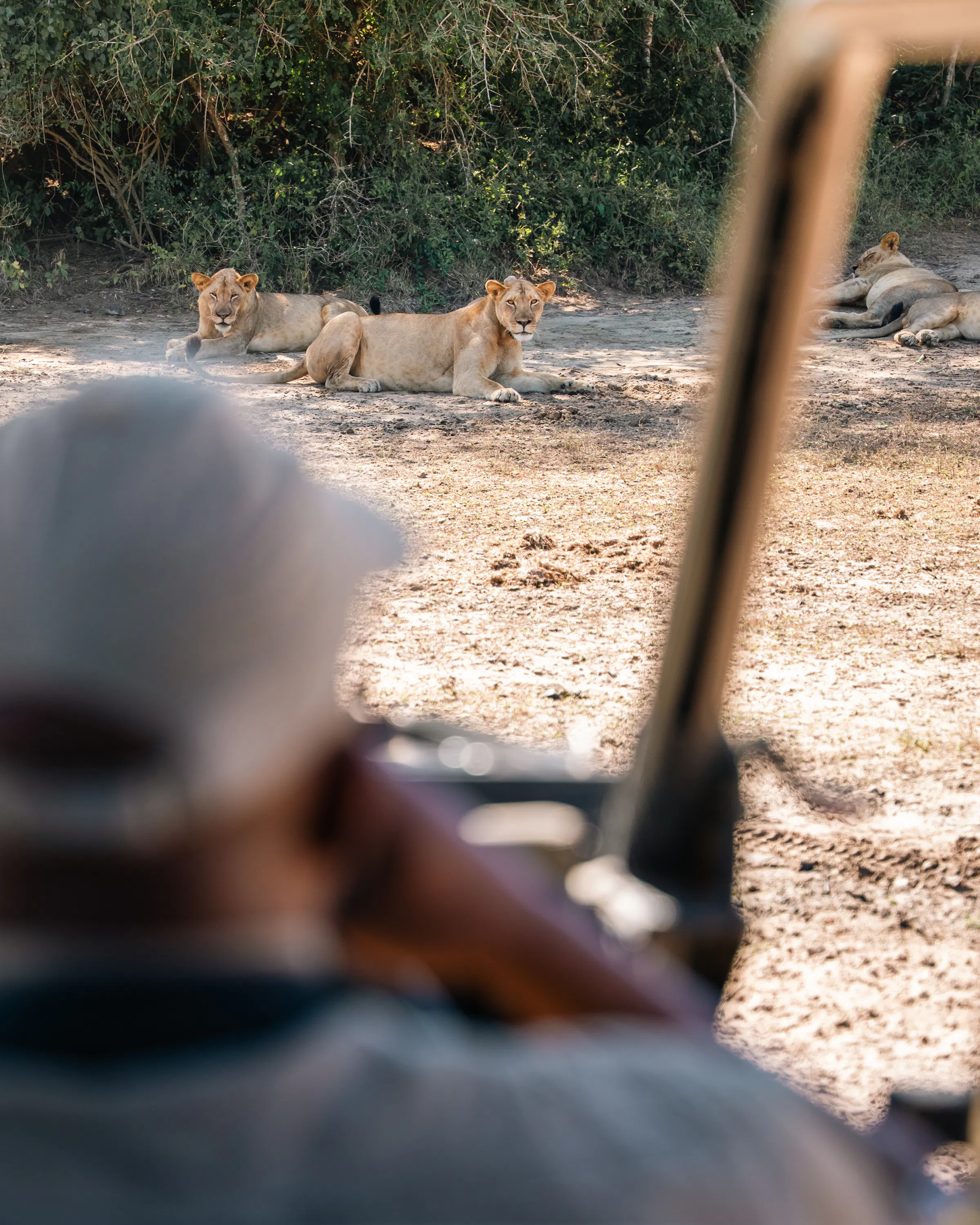
When you imagine a luxury safari in Africa, you’re probably picturing a game drive: an open vehicle rolling across the savanna, a lion lifting its head as you pass, a sundowner as the sky turns orange.
What exactly is a game drive? Most simply, it's a guided excursion through a national park, conservancy, or private reserve, where you observe wildlife (the “game”) in its natural habitat from a specially adapted vehicle. Repeated twice a day, it’s the ritual at the heart of every safari, and no two experiences are ever the same. In this guide, we explore the core elements, from shared outings to private game drives, how days flow, and what separates a good one from a great one.
Jump to section:
A typical day on safari
Core elements
Types of game drives
When to go private
Where to go
Preparing for a game drive
Game drive FAQs
Advice we'd give a friend
What makes a great safari game drive?
Game drives are a quintessential part of an African safari. As a team, we've been on more than we can count. Collectively, across decades of travel through Africa’s parks, reserves, and conservancies, we’ve experienced it all. The good: the tracker who sees what others drive past. The bad: the guide who is more interested in snapping their own photo. And the ugly: a lioness mobbed by 20 jostling vehicles.
While we can't guarantee what you'll see on safari, the quality of game drives rarely comes down to luck. Rather, it's the thoughtful decisions made long before you land: the Ngorongoro Crater camp that gets you to the action ahead of the mid-morning crowds; the Serengeti mobile camp we chose specifically for your month of travel; the memorable guide we requested for you by name; the sighting made special because you shared it with no one else. These are the decisions our safari specialists make each day for travelers whose safari starts with a conversation, not a catalog. We’ve sat through game drives both magical and mediocre, so that yours can be extraordinary.
Use this guide to learn how game drives work, from how long they last to who shares your vehicle, and what to ask before you book.
What does a typical day of game drives look like?
- Dawn wake-up call: On a typical safari day, you’ll wake up around 5:30 a.m. Depending on the camp, coffee is delivered to your room, a light breakfast (rusks, fruit, baked goods) is set out in the main lodge, or you might sit down to a full breakfast.
- Morning: By 6 a.m., you’re out with your guide as the sun breaks across the sky. Fresh footprints in the road reveal who was moving overnight, and with luck, they’ll lead you to predators gathered around a kill. Dew clings to spider webs, the grazers begin to stir, and birdsong fills the air. A few hours in, your guide pulls over for coffee and a light snack.
- Midday: Unless you’re treated to a bush breakfast, you’ll likely be back in camp between 10 and 11 a.m. for lunch. The hours between 11 a.m. and 3 p.m. are yours. Eat, nap, read, charge your devices, swim if your camp has a pool, or book a massage. The animals rest through the afternoon heat, so you won’t miss anything by doing the same.
- Afternoon: Around 3:30 p.m., tea and a light snack are served in the main lodge for anyone who wants them. Then, you'll head out on your second drive. As the heat eases, wildlife becomes more active again. The sun-warmed earth smells of dust and wild sage, and long shadows begin to stretch across the plains as the sun arcs toward the horizon.
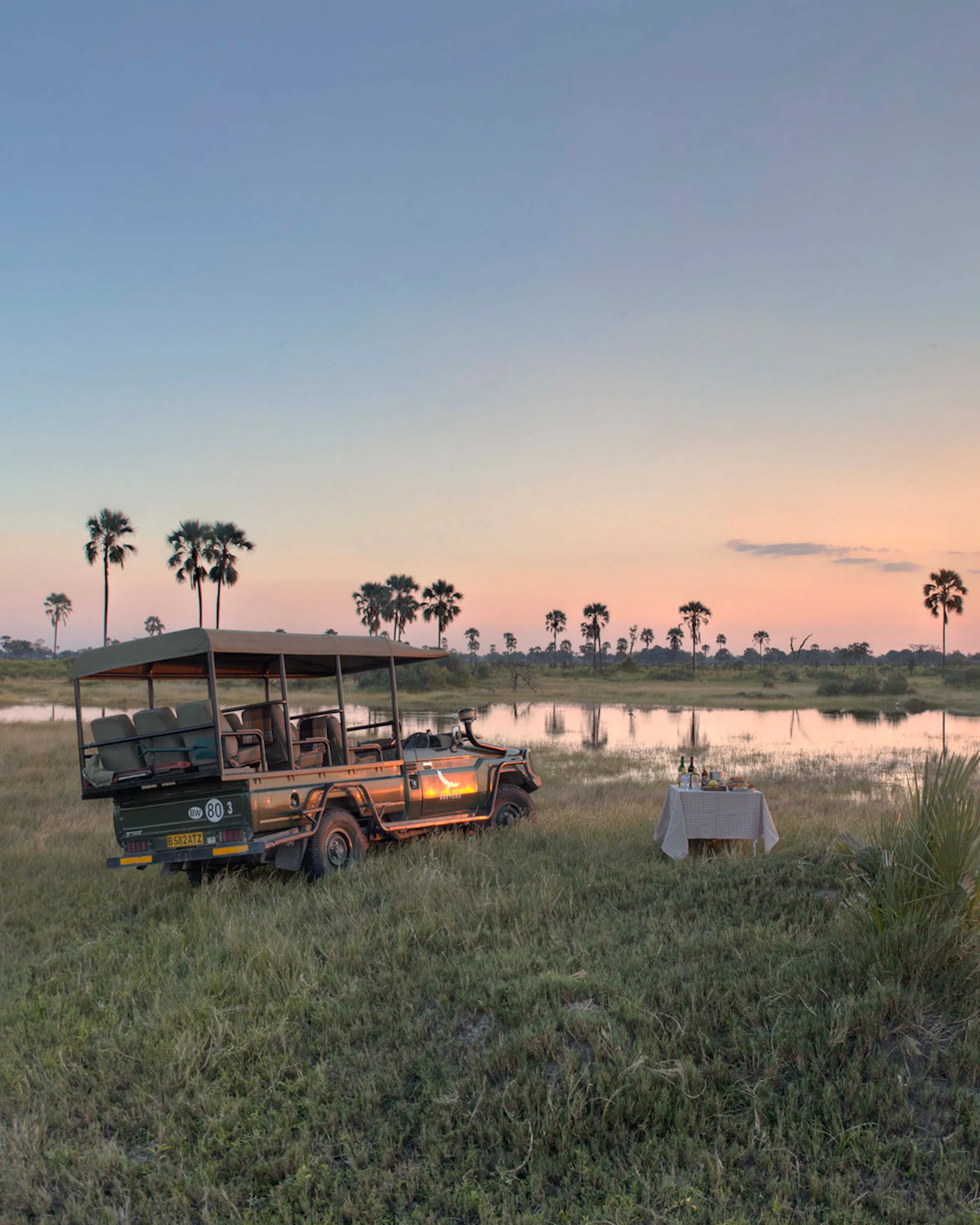
- Evening: At sunset, your guide pulls over for a sundowner, a safari tradition that’s easy to get used to. Sip a gin and tonic and watch the sun paint the sky red and orange. In private conservancies and reserves, the drive back to camp often becomes a night game drive, your best chance to see who comes out after dark. Dinner is usually served around 8 p.m. Optional: stargazing or a nightcap at the fire while mingling with other guests.
The core elements of every game drive
Whether you share a vehicle or have one to yourself, every game drive rests on the same foundational elements: the vehicle, the guide, the timing, and the wildlife.
1. The vehicle and your comfort
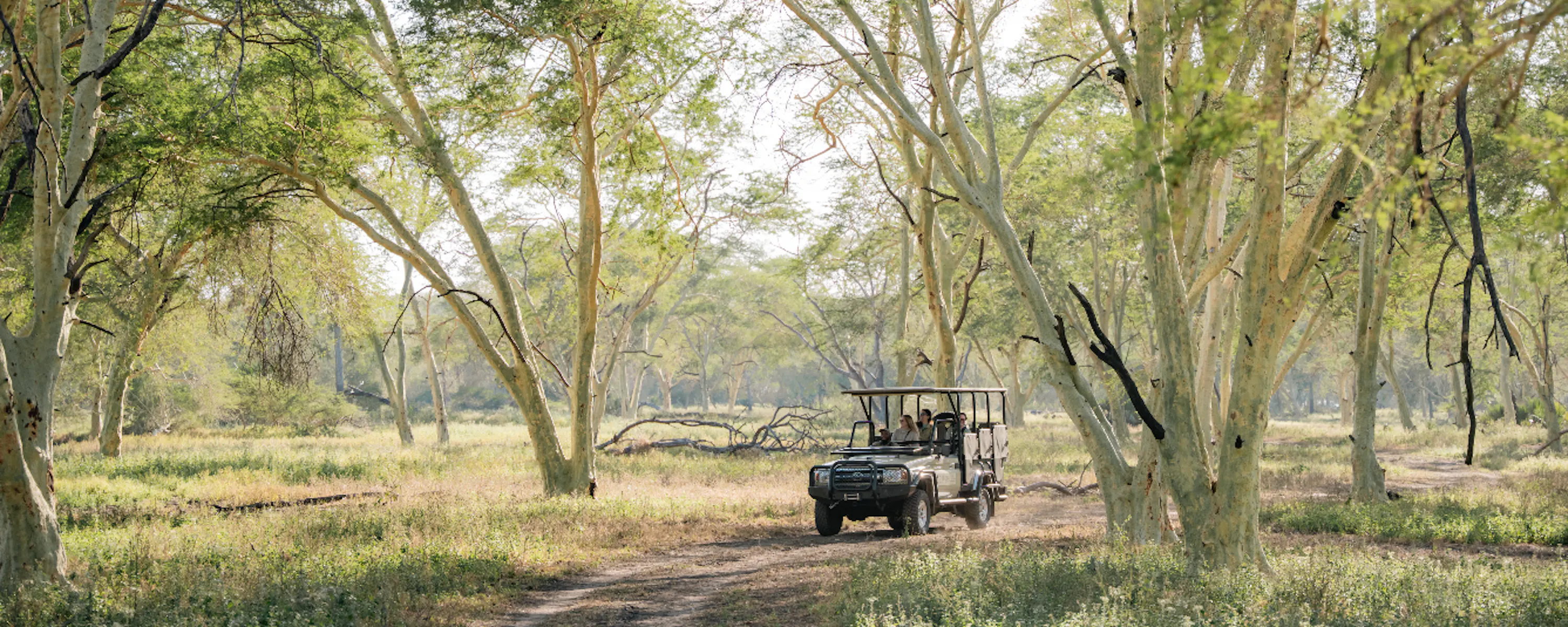
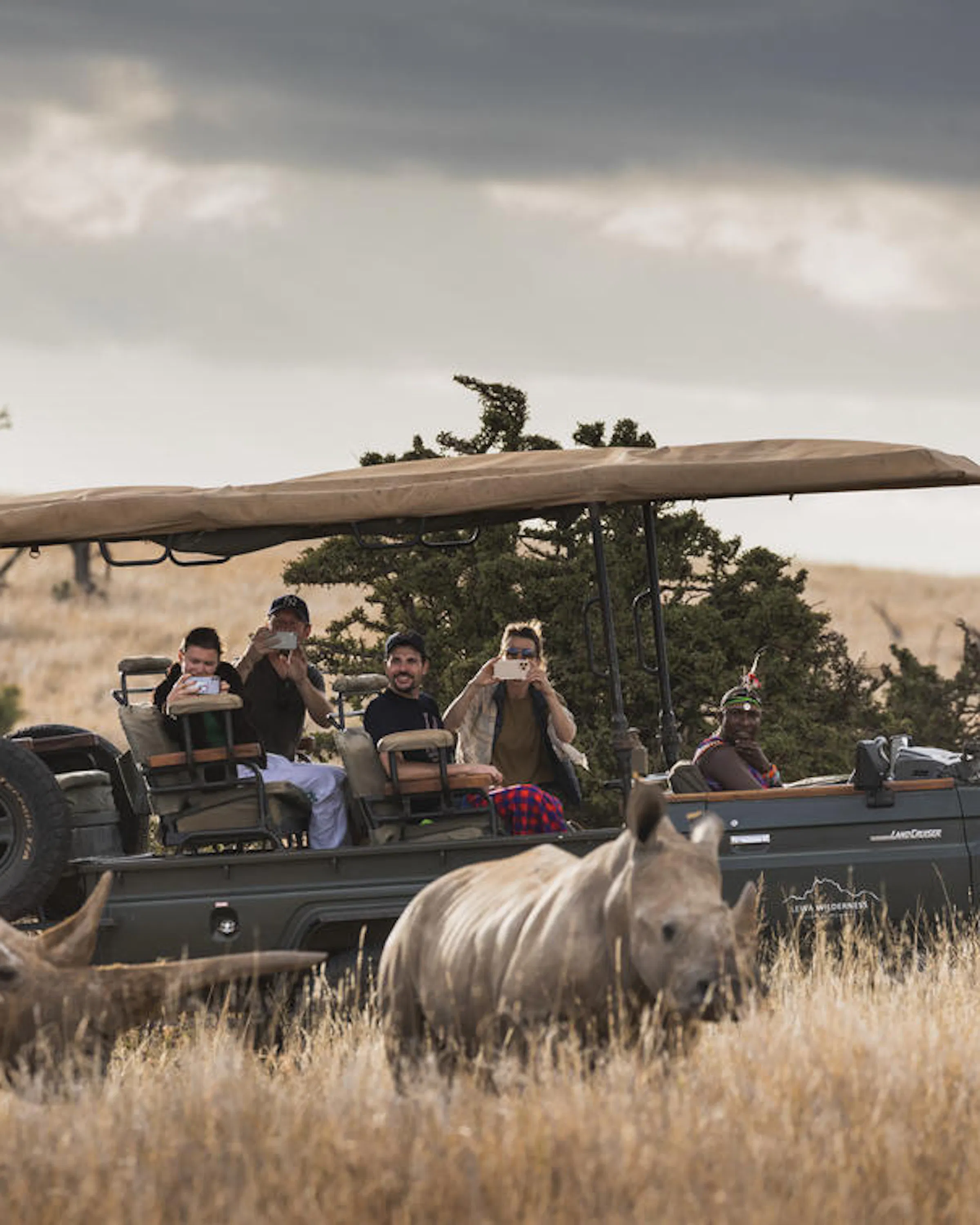
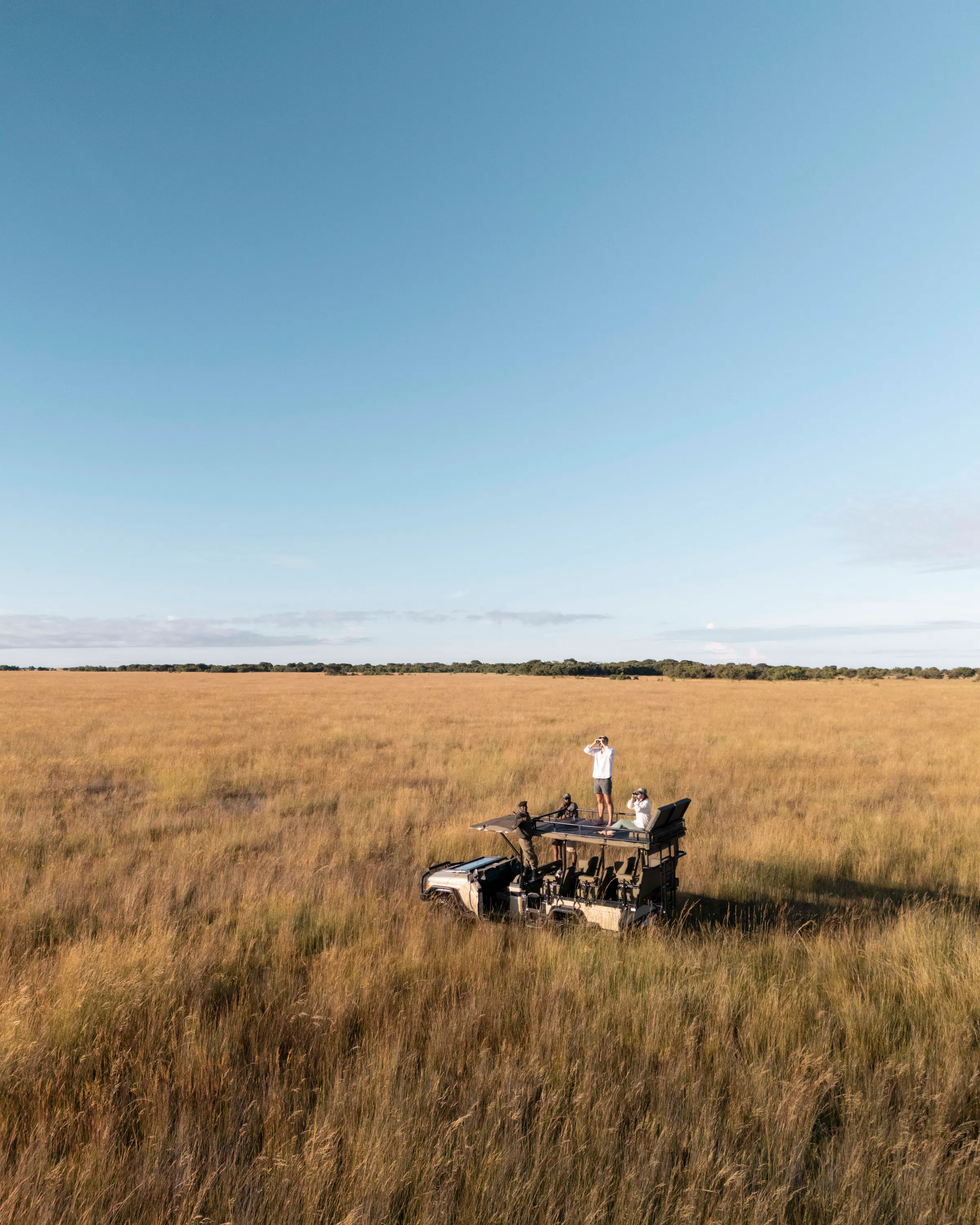
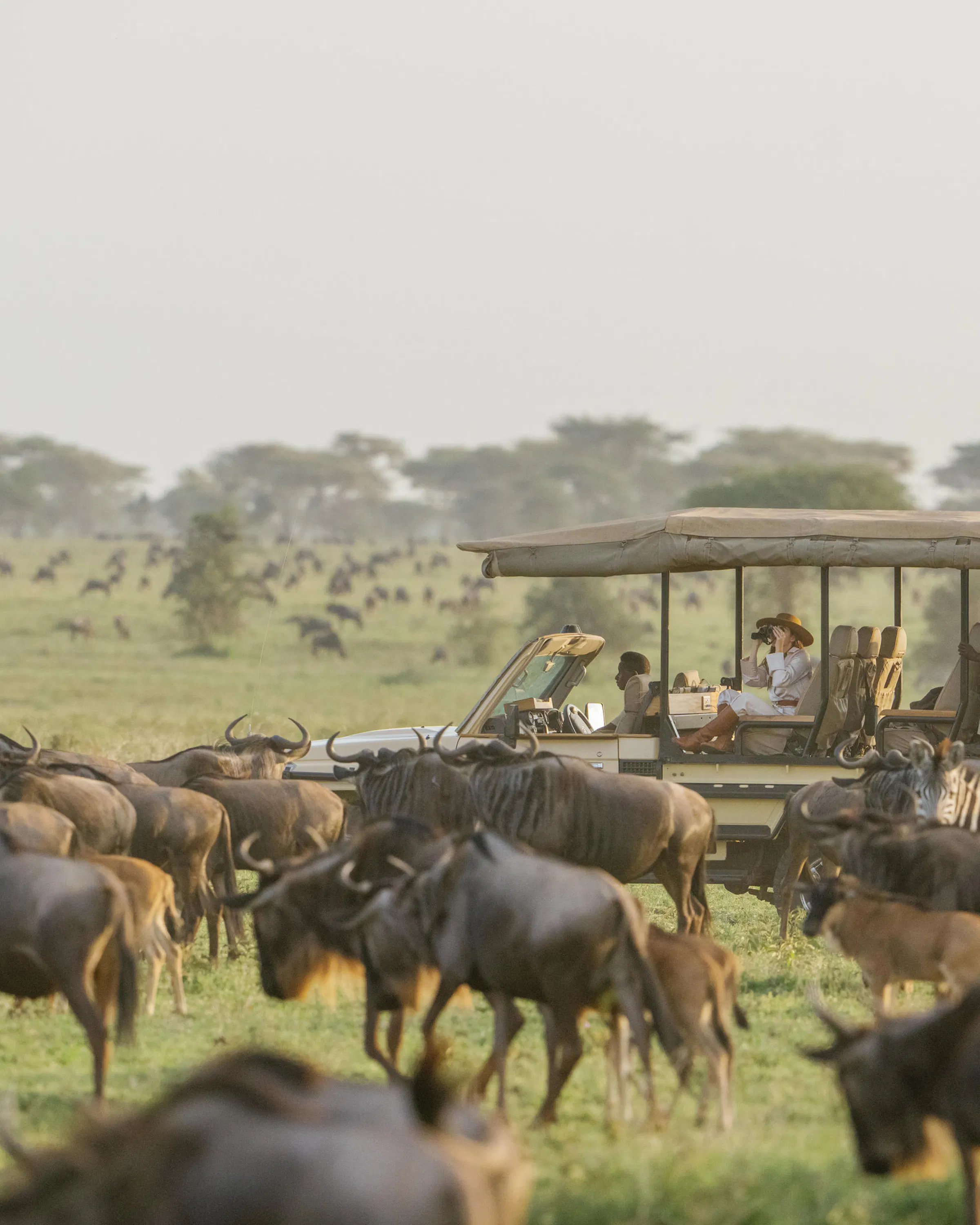
Safari vehicles are truly impressive, hardy trucks built for demanding terrain. Most are Toyota Land Cruisers with elongated bodies and three rows of tiered seating, so everyone gets a clear view. Seats in the back are higher and give better views, but they’re also the bumpiest.
Open-sided vehicles have roll-up canvas sides or removable panels, and some in Greater Kruger have no roof at all. In Tanzania, where vehicles travel longer distances on paved roads between regions, you’re more likely to ride in an enclosed vehicle with a pop-top roof that lifts so you can stand.
Beyond being capable 4x4s, safari vehicles are surprisingly comfortable. Most carry charging outlets, blankets, lightweight ponchos for passing showers, and a cooler stocked with drinks and snacks (let your guide know your preferences before you leave camp). We prefer vehicles that seat no more than six, though nine is common on a game drive in Greater Kruger.
2. Your safari guide’s role
An expert guide is the difference between a good game drive and an excellent one. Finding animals is skilled detective work, not pure luck. Guides read tracks, birds’ alarm calls, and wind direction. They understand animal behavior well enough to put you in position before a moment happens, they know which waterhole draws elephants in the dry season, and when to give an animal space. In many Southern African camps, a tracker rides in a seat on the front of the vehicle, reading tracks, spoor, and broken branches.
The best guides are also storytellers. Beyond their encyclopedic knowledge of plants, birds, and animals, they know the dramas that have played out over the years. They’ll tell you about the male lion who fought his way into the pride last season, the female leopard with sea-glass green eyes they’ve followed since she was a cub, and the rhinos brought in from another country that have just had their first calf. By your final game drive, you’ll know the characters by name, too.
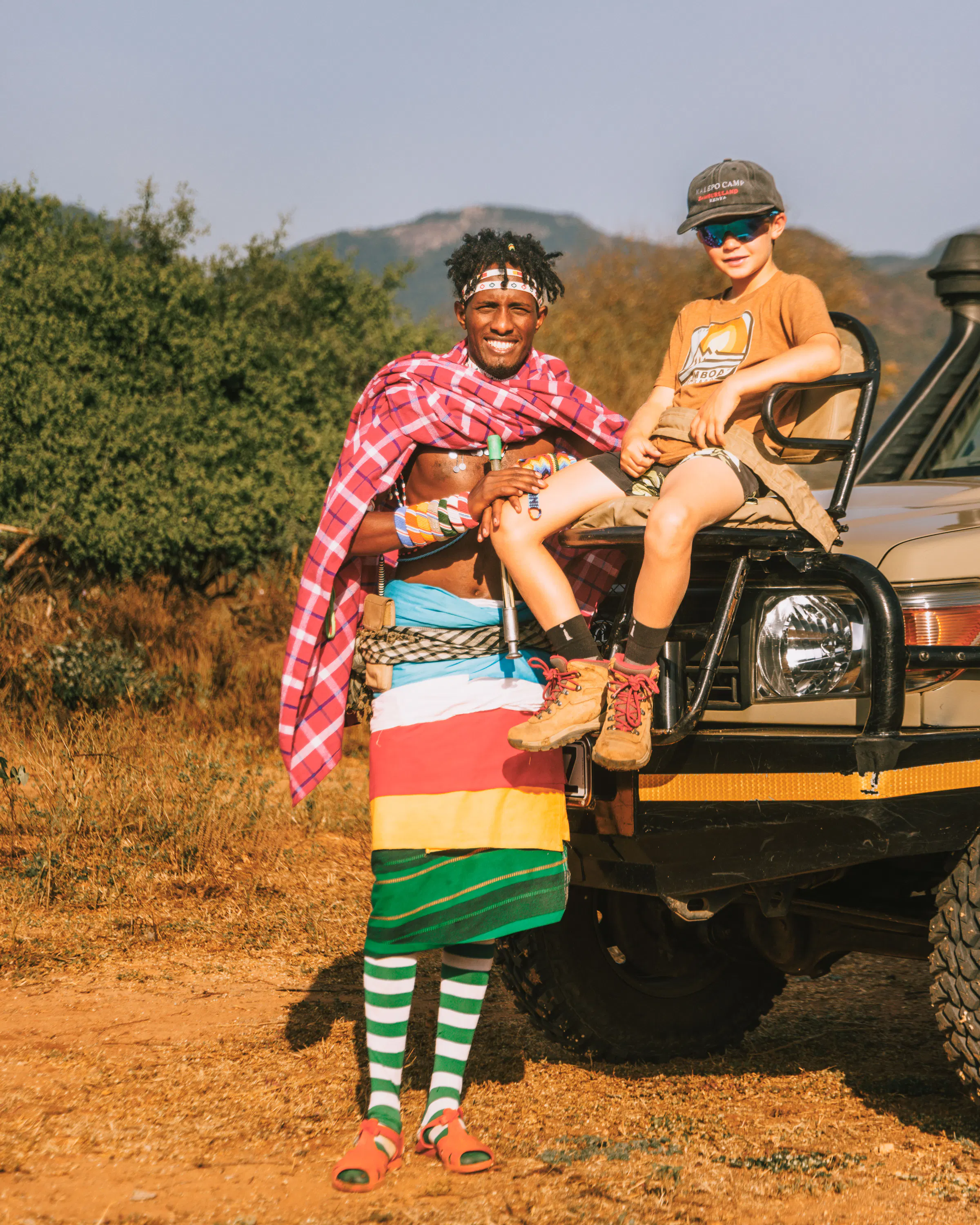
In our experience, a charismatic guide can become the unexpected highlight of a safari: the one who gets your sense of humor, invites your child to sit up front, or quietly packs the Amarula after noticing you like it in your morning coffee. The best ones share a little of themselves, too. They’ll answer your questions about their family and the community they come from, and those conversations become part of the trip's texture.
3. Timing and duration expectations
Most game drives run three to four hours, in the early morning and in the late afternoon. It’s cooler, the animals are most active, and the light is best for viewing and photography. Midday is for resting, as the animals do.
Upgrading to a private game drive puts you in your own vehicle with your own guide. The structure stays the same, but the pace is yours. You might leave later, stay out longer (where park rules allow), or track a particular species without working around other guest interests.
4. The wildlife you might encounter
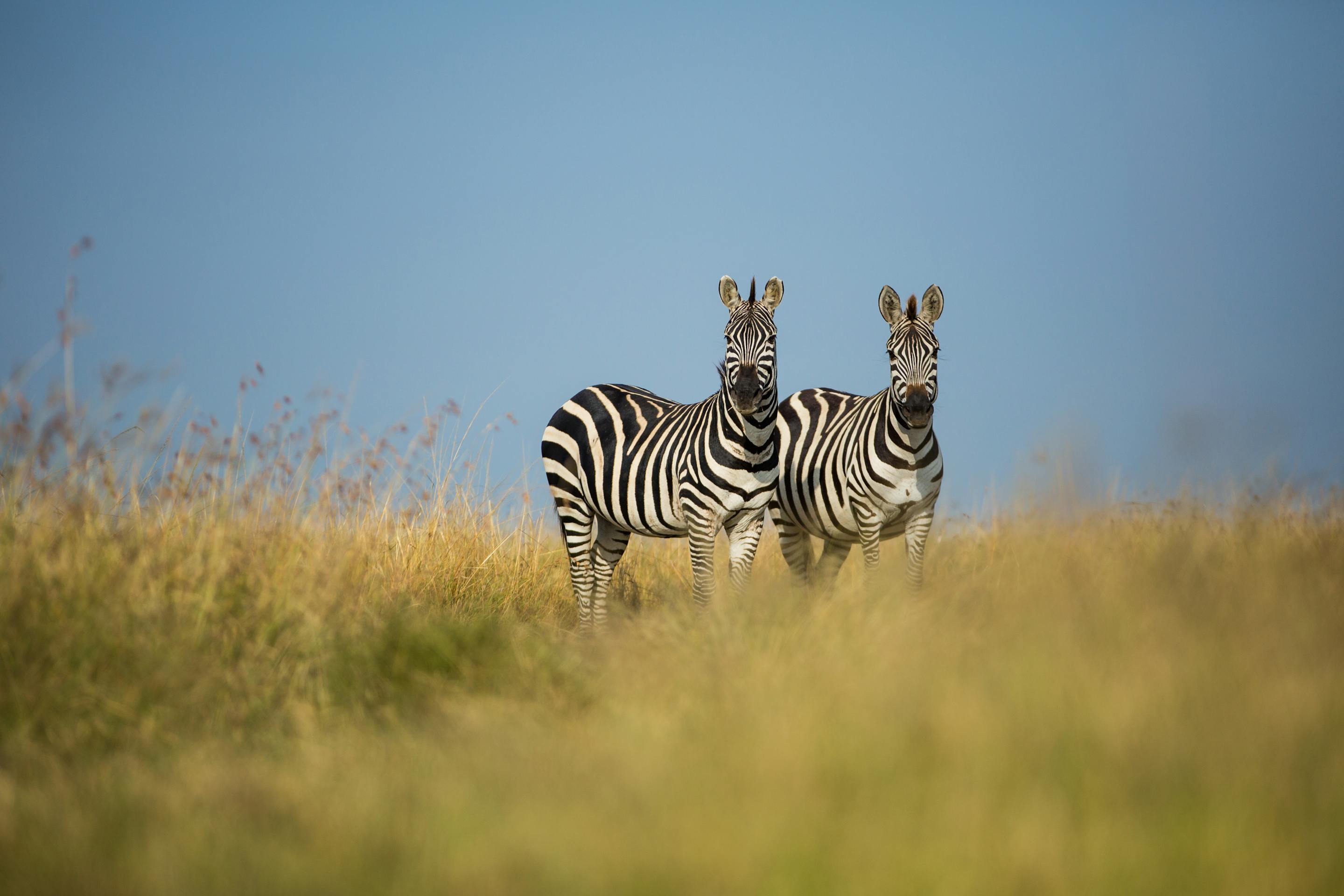
What you find on a game drive depends on where you are and when you go. Much of animal behavior is driven by the availability of food and water. Most travelers arrive hoping for the Big Five: lion, leopard, elephant, buffalo, and rhino. Around them is everything else that makes the bush feel alive. Giraffes browse the tops of acacias, zebras and wildebeest graze side by side, and hippos crowd the river pools, grunting through the afternoon.
Each region has its strengths. South Africa’s Sabi Sand is known for leopards so relaxed around vehicles that you can follow one through the bush at walking pace. Along Botswana’s Chobe River, elephants gather by the thousands in the dry season to drink and swim. Kenya’s Maasai Mara is known for its big lion prides. Scroll down to see our favorite places to go on an African safari.
The bottom line: no two drives are the same. We’ve had a leopard chase cut right across the front of our vehicle. We’ve spent a quiet hour surrounded by hundreds of zebra. We’ve had mornings when little turned up, until a guide pointed out bee-eaters and lilac-breasted rollers that made birders out of everyone in the vehicle.
No one can promise a sighting. A skilled guide improves your chances, but nature always has the final say. The not-knowing is the essence of a game drive: every bend in the road holds a possibility.
Different types of private game drive experiences available
Why a private game drive is worth the investment
Shared game drives are the norm, and for many travelers it's just fine. A private vehicle and guide starts around $500 a day, so it’s worth weighing what you’d gain against what you’d spend. Here's where an upgrade pays dividends:
- You’re chasing a particular moment: In a shared vehicle, guides are managing the expectations of a mixed group. For some guests it’s their first safari, and for others it’s their fourth. A private vehicle gives you unapologetic flexibility to pursue your own interests. It’s a good investment on a private Great Migration safari if you’d rather stay out through midday than return to camp, or for newlyweds who don’t want to share their honeymoon with strangers.
- You’re a photographer or birder: Serious photographers and birders tend to work on their own schedule. Photographers want to be in position for the soft light of dawn and dusk, and they may wait an hour for one species to do something worth capturing. Birders know that stopping for a malachite kingfisher or a rare raptor can test the patience of first-timers ticking off the Big Five. With your own vehicle, you set the pace without worrying about the rest of the group.
- You’re traveling with young children: A private vehicle lets young children return to camp for a nap without cutting anyone else's experience short. Note: some camps and family suites include a private vehicle in the rate, other camps require that you add one. Booking the right camp can cost less than adding $500 a day elsewhere, and we know which camps those are.
- You want the wilderness on your own terms: Total freedom, pace, and control. A private vehicle gives you the time; pair it with a private conservancy to get the space: off-road driving, walking, night drives, and strict caps on vehicles at each sighting.
Where to go on a game drive
We love game drives in:
- Tanzania‘s northern circuit (Ngorongoro Crater, Serengeti, Tarangire, Lake Manyara), and its remote and wild south (Nyerere, Katavi, Ruaha)
- Kenya: Maasai Mara, Laikipia Plateau/Lewa, Samburu, Meru, Amboseli & Chyulu Hills
- Rwanda: Akagera National Park
- Uganda: Queen Elizabeth, Murchison Falls, Kidepo Valley
- South Africa: Greater Kruger, Eastern Cape Reserves, KwaZulu-Natal, Limpopo, Madikwe Game Reserve, Tswalu Kalahari
- Zimbabwe: Hwange, Mana Pools, Matobo Hills, Matusadona & Lake Kariba, Gonarezhou, Malilangwe
- Zambia: South Luangwa, Kafue, Lower Zambezi, North Luangwa, Liuwa Plain
- Namibia: Etosha National Park, Damaraland
How to prepare for your private game drive
- Pack layers. Morning drives are cold and afternoon ones are warm, but they cool off quickly once the sun sets.
- Your vehicle will likely have a shared pair of binoculars, but you'll never regret having your own. Pocket-sized is just fine.
- A DSLR camera with a zoom lens is ideal on safari, but you'll be close enough to snap good photos on a smartphone, too.
- Prepare for the elements. Pack a hat, sunglasses, sunscreen, and lip balm. A lightweight, long-sleeve shirt also protects against the sun.
- During the dry season, scarves and sunglasses help with the dust. Eye drops, too.
- Pack extra batteries and a spare memory card.
- An insulated mug or tumbler is a nice-to-have.
- Neutral clothing is recommended, but don't feel you need to purchase an entirely new wardrobe. (The Maasai wear bright red!)
For more, read: What you need to know about your first African Safari.
Safari game drive FAQs
The Africa game drive advice we'd give a friend
- The early starts can be hard, but they're worth it. The wake-up call often comes before 5:30, when it's dark and cold. If it's been a few consecutive days of safari and you need a lie-in, we give you permission.
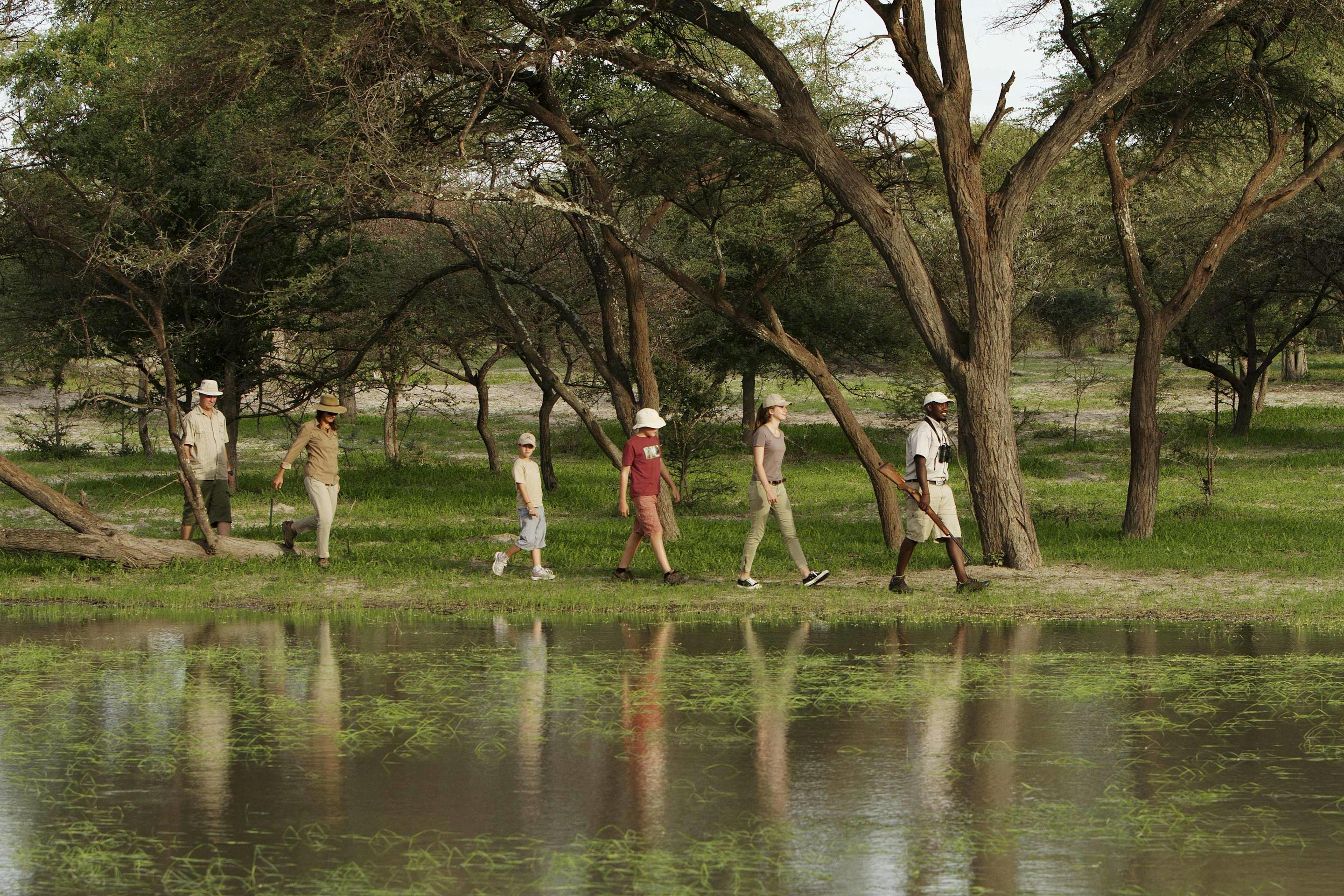
- Two drives a day adds up. By day three or four, you may grow weary of long days rumbling along dirt roads. Don't be afraid to change it up. Step out of the vehicle and experience the intimacy of a walking safari or visit a local community.
- Three nights at each camp is the sweet spot. Wildlife is unpredictable and luck plays a role. Staying one night only gives you two chances. Three nights gives you several drives and time for your guide to learn what you love.
- Voice your passion or niche interest. Birds, photography, a particular animal still on the list, or the fact that you have no agenda at all. Guides will plan around it, but only if they know.
- Put the camera down from time to time. Listen to the birdsong and the whoop of a hyena. Smell the wild sage.
- It's bumpy and can be dusty. If you have back trouble, sit near the front (or even up front with your guide). A buff or scarf and sunglasses help immensely with the dust.
- Don’t treat the Big Five as a checklist. Travelers who chase a list miss the wild dogs, the bee-eaters, and the hyena den with cubs.
- Sunset becomes a ritual. A cocktail mixed at a pop-up bar, or on the Land Cruiser’s hood, makes each sinking sun feel like a mini celebration.
Planning your private game drive adventure with a specialist
Our Africa specialists have tracked leopards in the Sabi Sand and waited out a river crossing in the Mara, and they bring that experience to every luxury safari they plan. In your first conversation, we’ll ask what would make a game drive great for you: wild dogs on the hunt, enough time for unrushed photography, or seeing all of the Big Five in three days. Then we’ll match you with the reserve, camp, and guide most likely to deliver it.
Explore luxury Africa safari itineraries
Every trip with Extraordinary Journeys is tailor-made, crafted in collaboration with one of our destination specialists. Use these as a starting point, or as inspiration to create your own journey.