Itinerary
Egypt: ancient cities and desert sands
This trip to Egypt goes from iconic sites to the less-traveled Western Desert
11 days
$13,000 per person
Forget what you’ve heard. Let us show you the magic of the Middle East with guides for whom the region isn’t a headline, but home
Every Extraordinary Journey is bespoke, deeply personal, and designed to uncover the unexpected beauty that makes a destination come alive. Explore these journeys as inspiration, knowing yours will be thoughtfully made to measure.
The Middle East has a way of collapsing time.
Stand in the right place and history doesn’t feel distant or abstract. It feels immediate. Civilizations rose here long before most of the world was mapped, and the traces remain everywhere: cities layered over thousands of years, desert trade routes that once connected continents, monuments built not for decades but for eternity. It is a region many travellers think they already understand. In reality, very few experience it deeply.
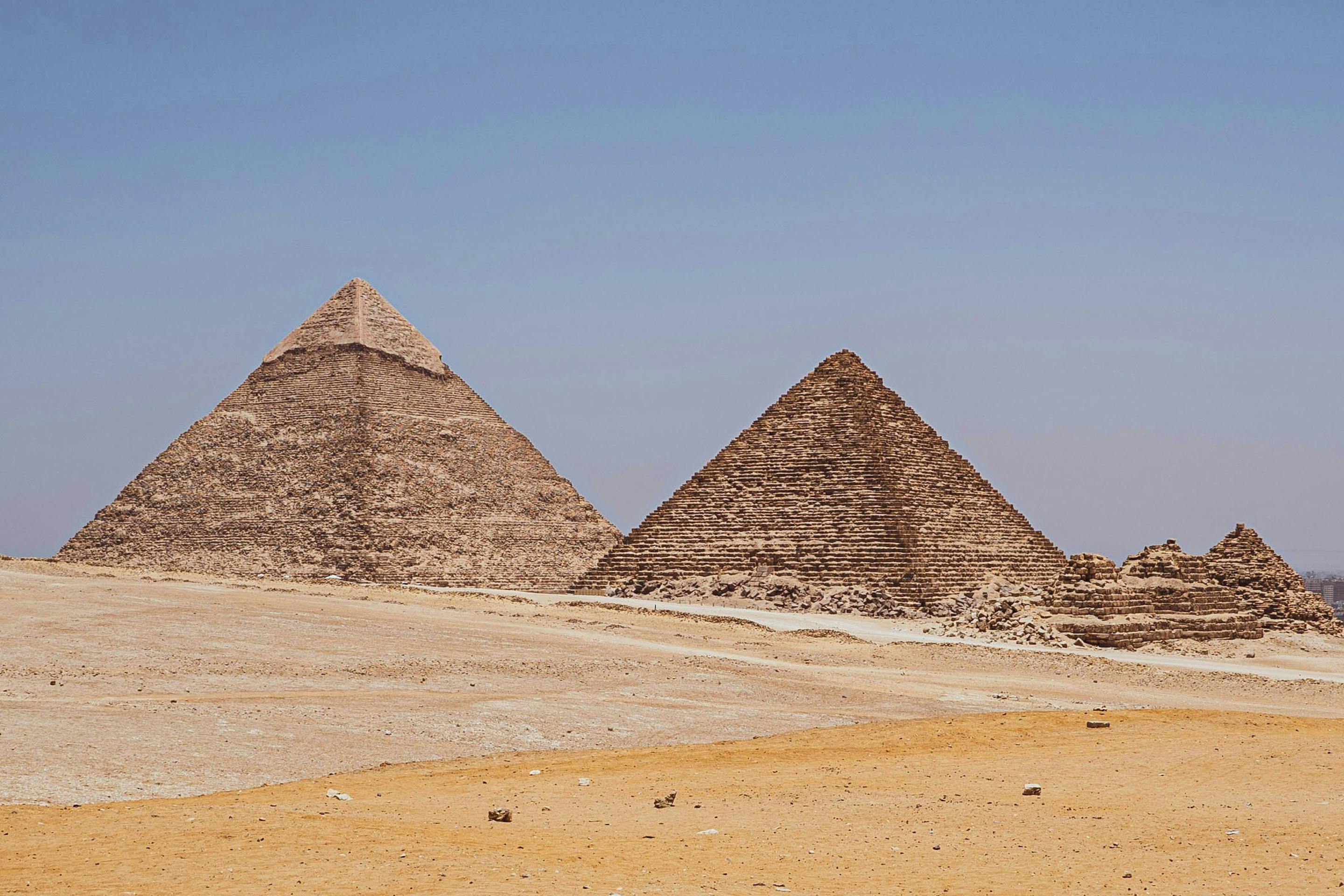
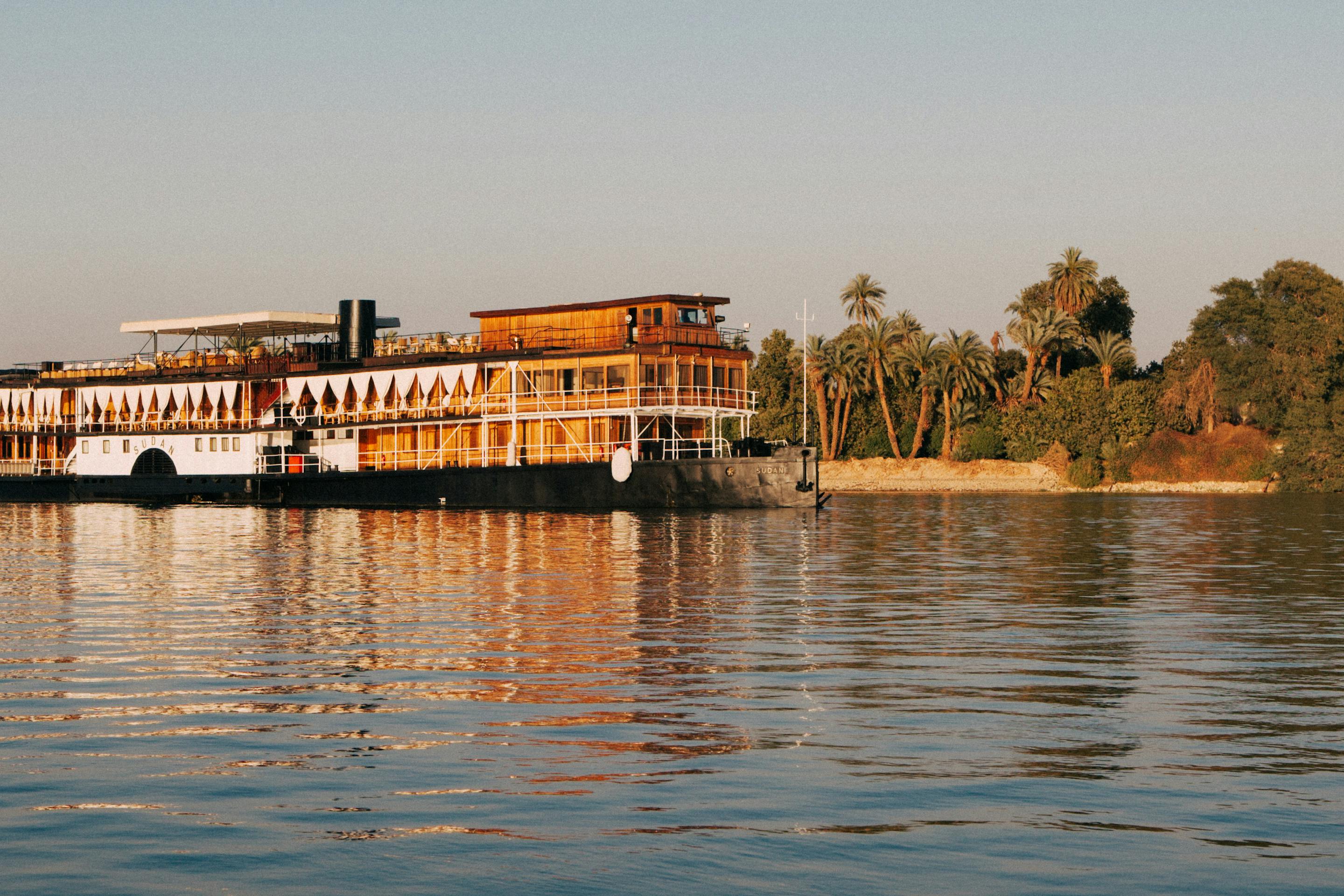
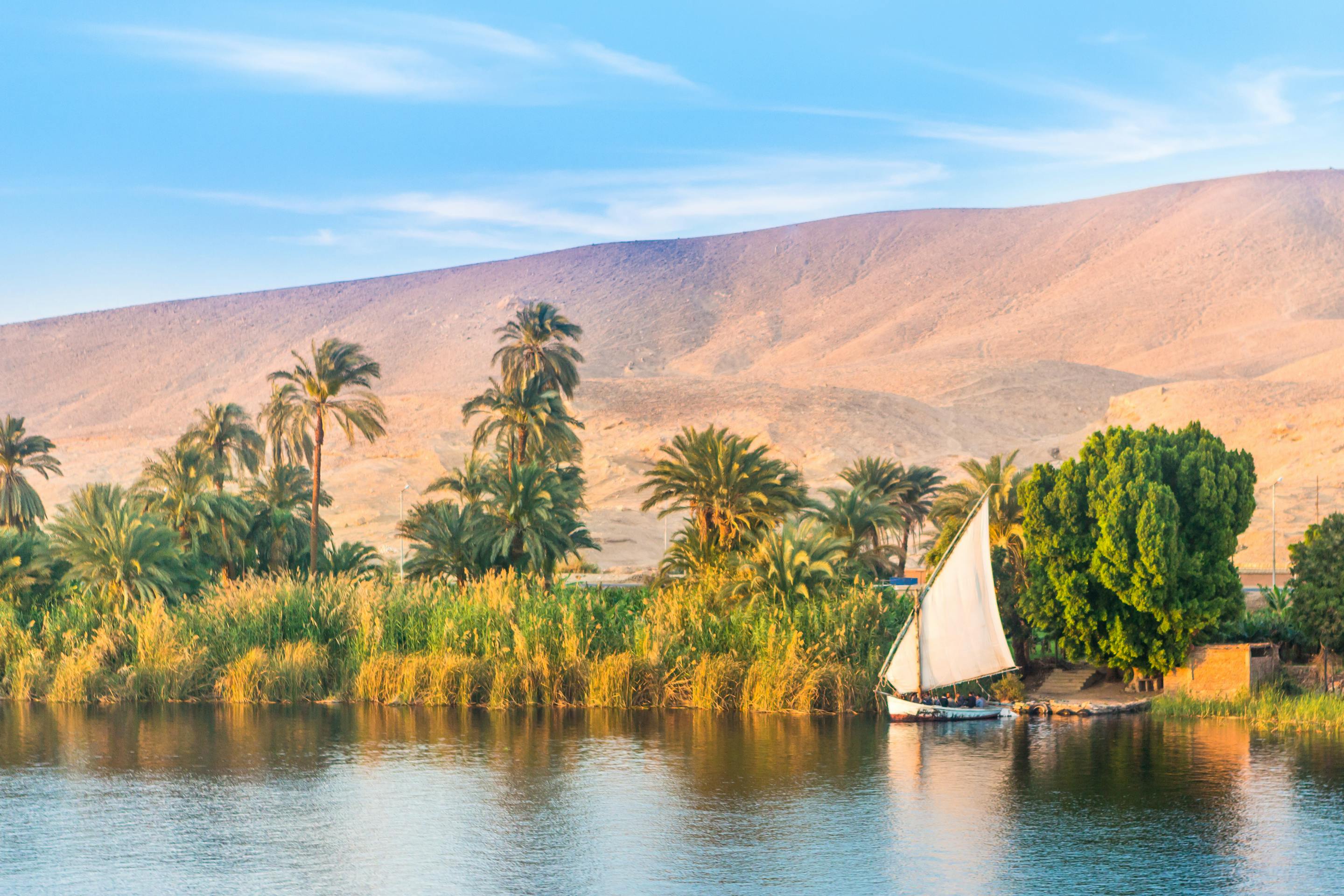
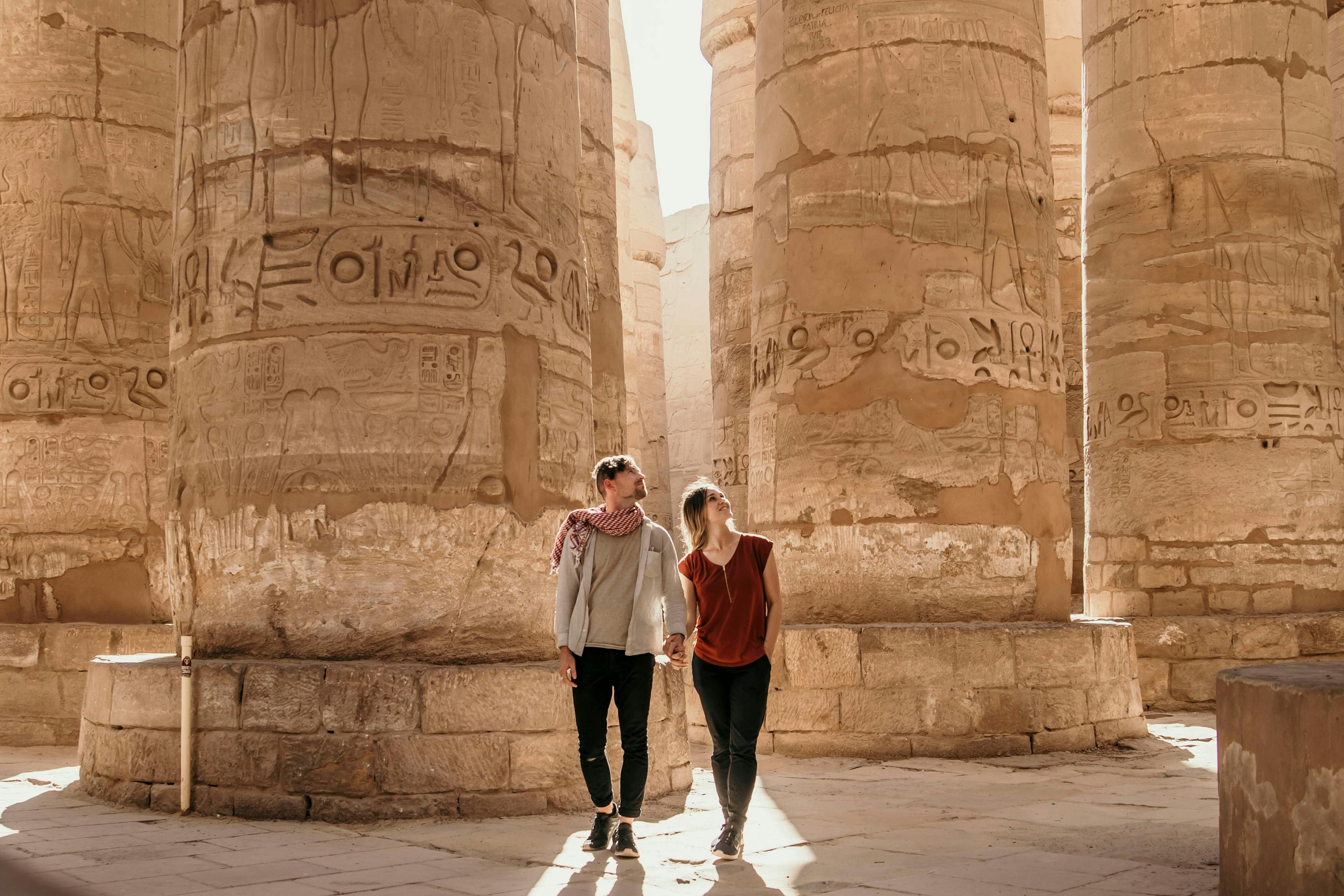
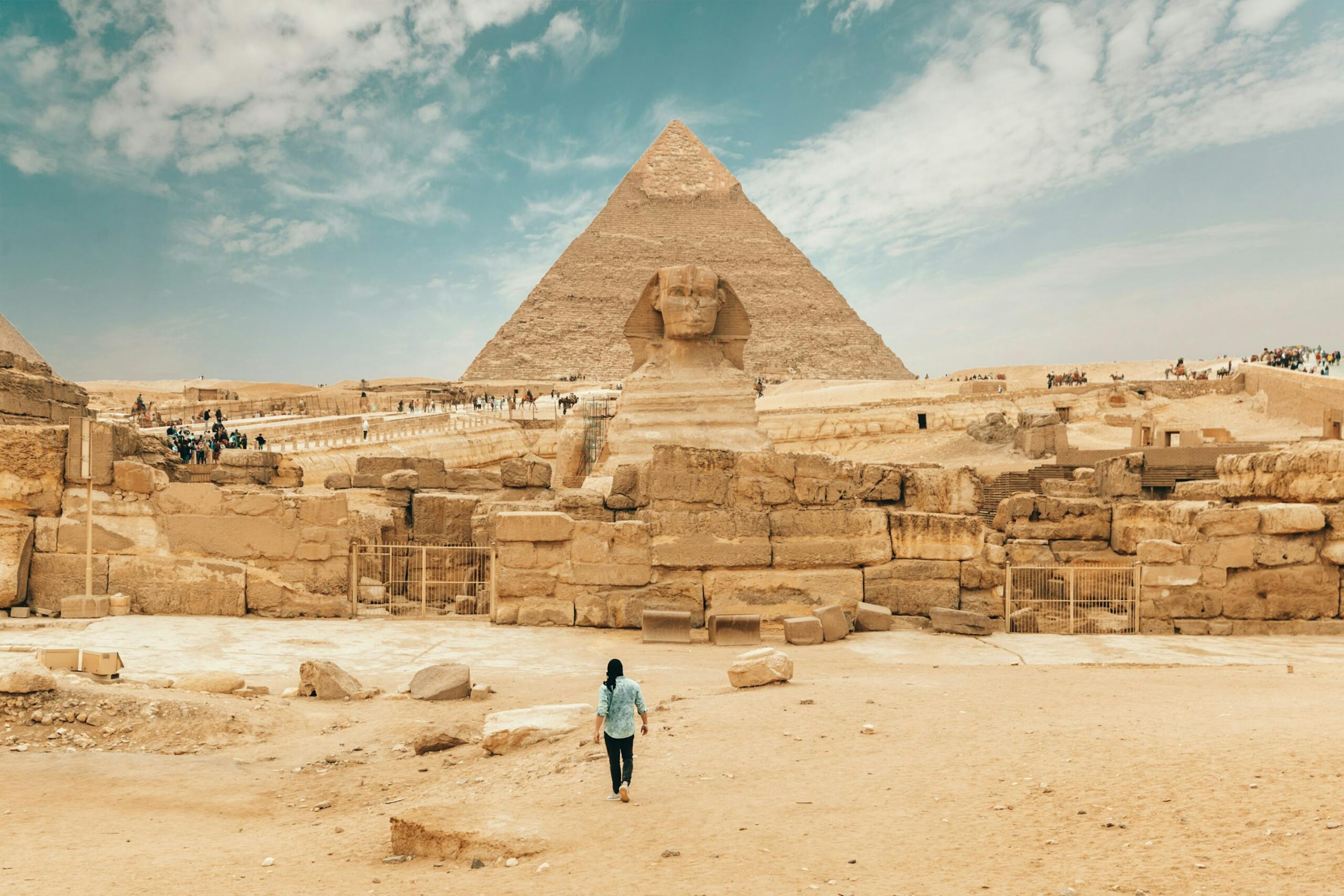
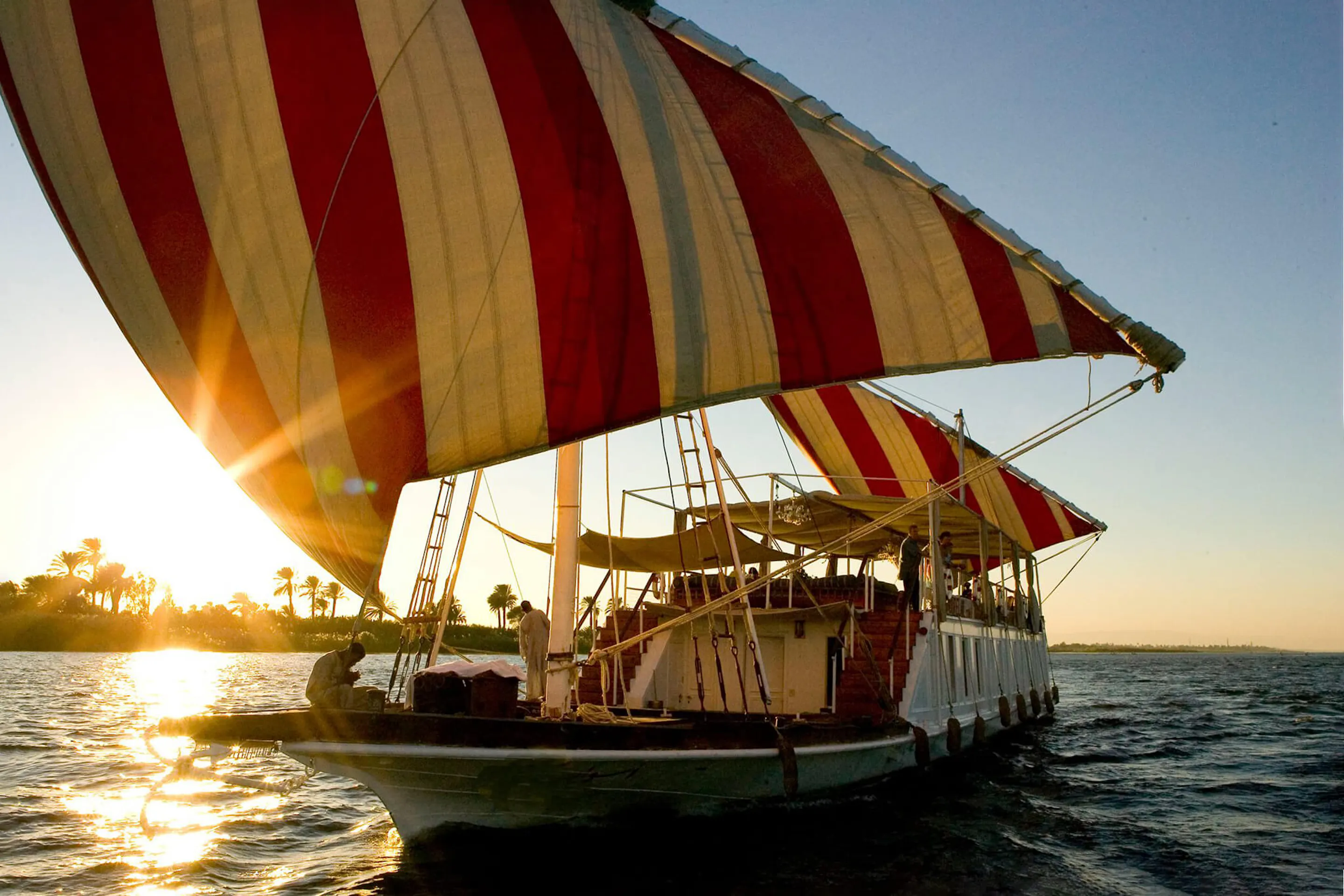
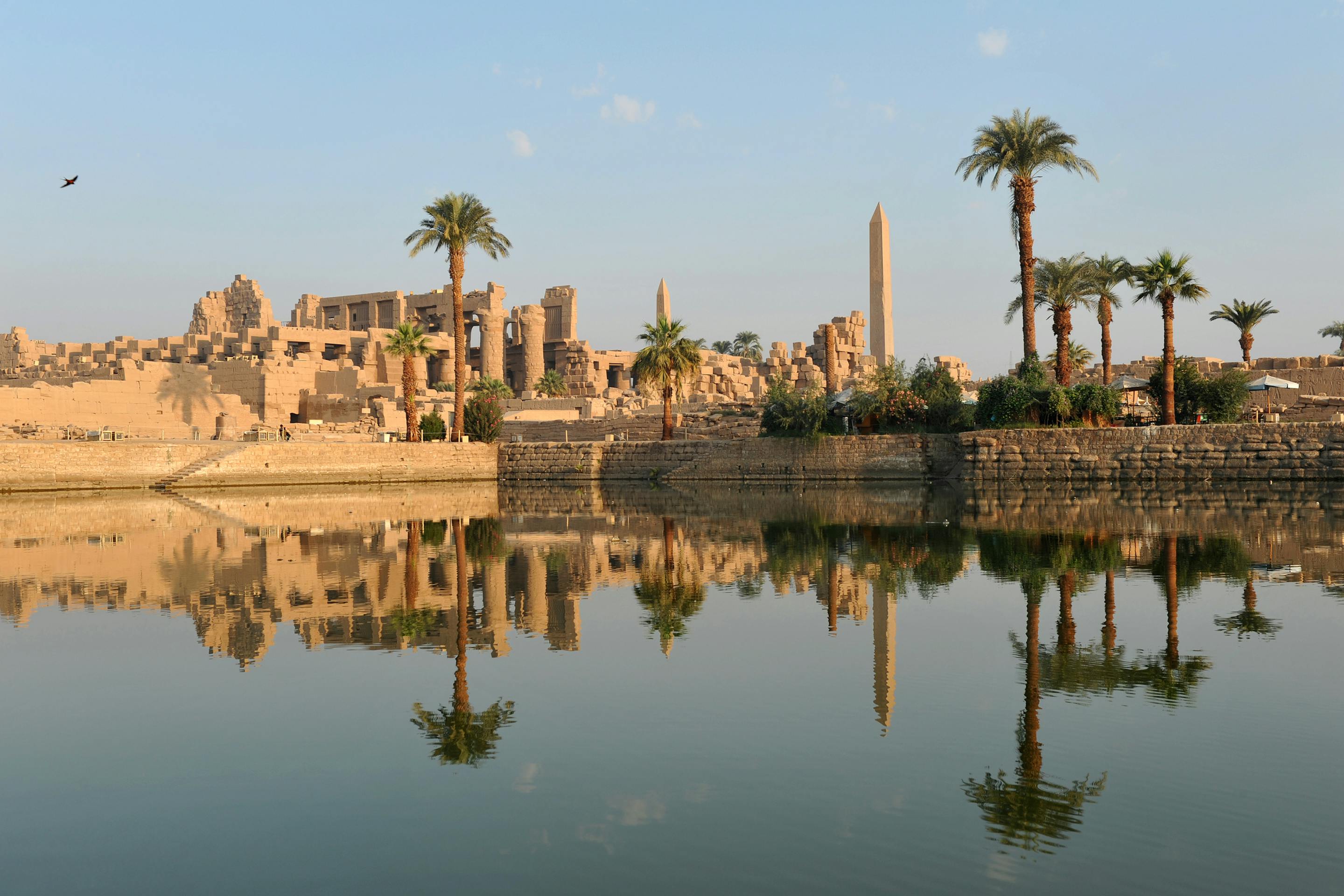
Egypt alone holds some of the most recognizable places on earth — the pyramids rising from the desert outside Cairo, the temples of Luxor and Karnak, the Nile winding through a landscape that has sustained civilizations for millennia. But the country rewards those who move beyond the obvious. Quiet tombs in the Valley of the Kings where the walls still hold their original color. The remote Siwa Oasis on Egypt’s western edge, where desert roads lead to palm groves, salt lakes, and a community that has lived largely apart from the rest of the country for centuries. Evenings when the desert air cools.
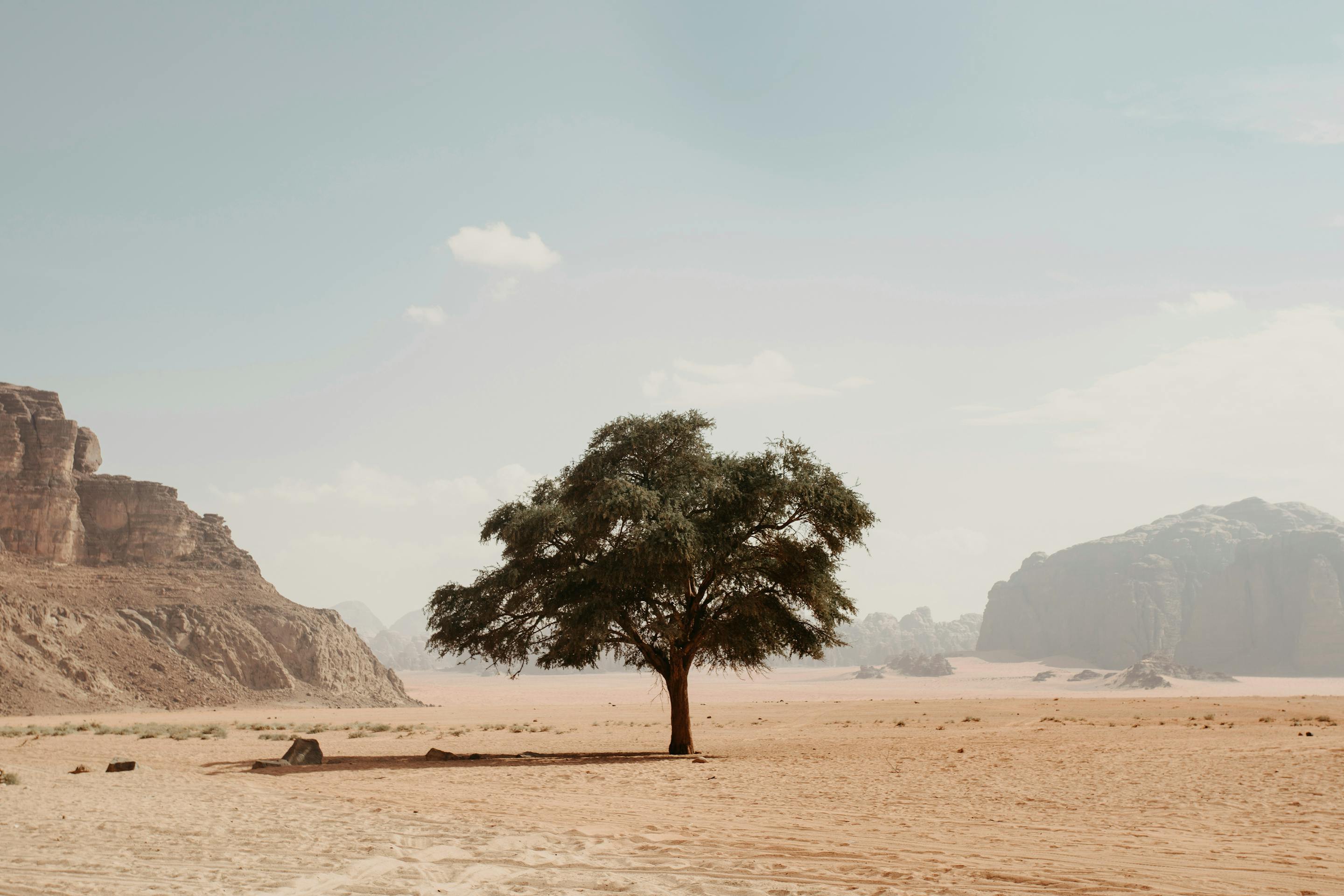
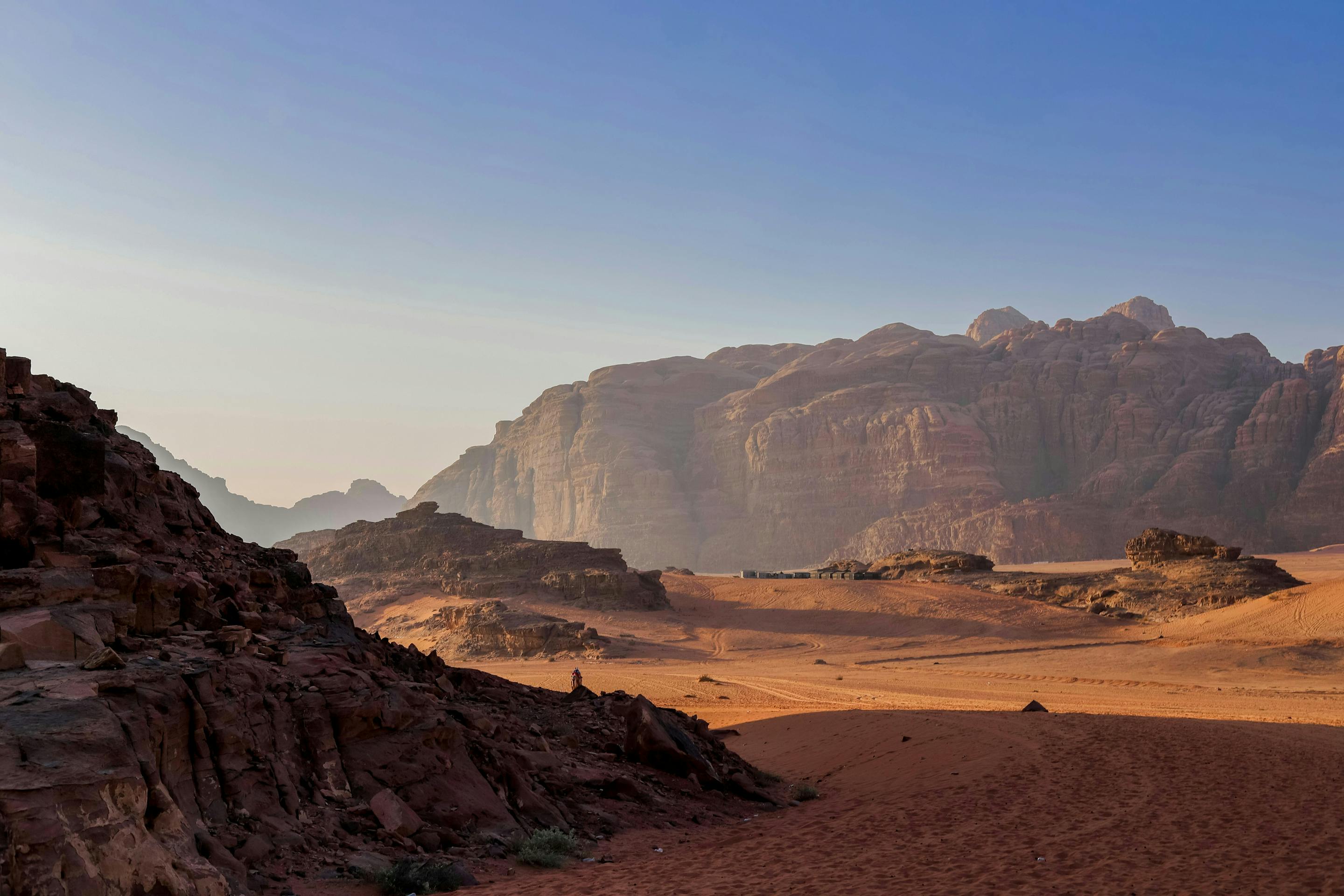
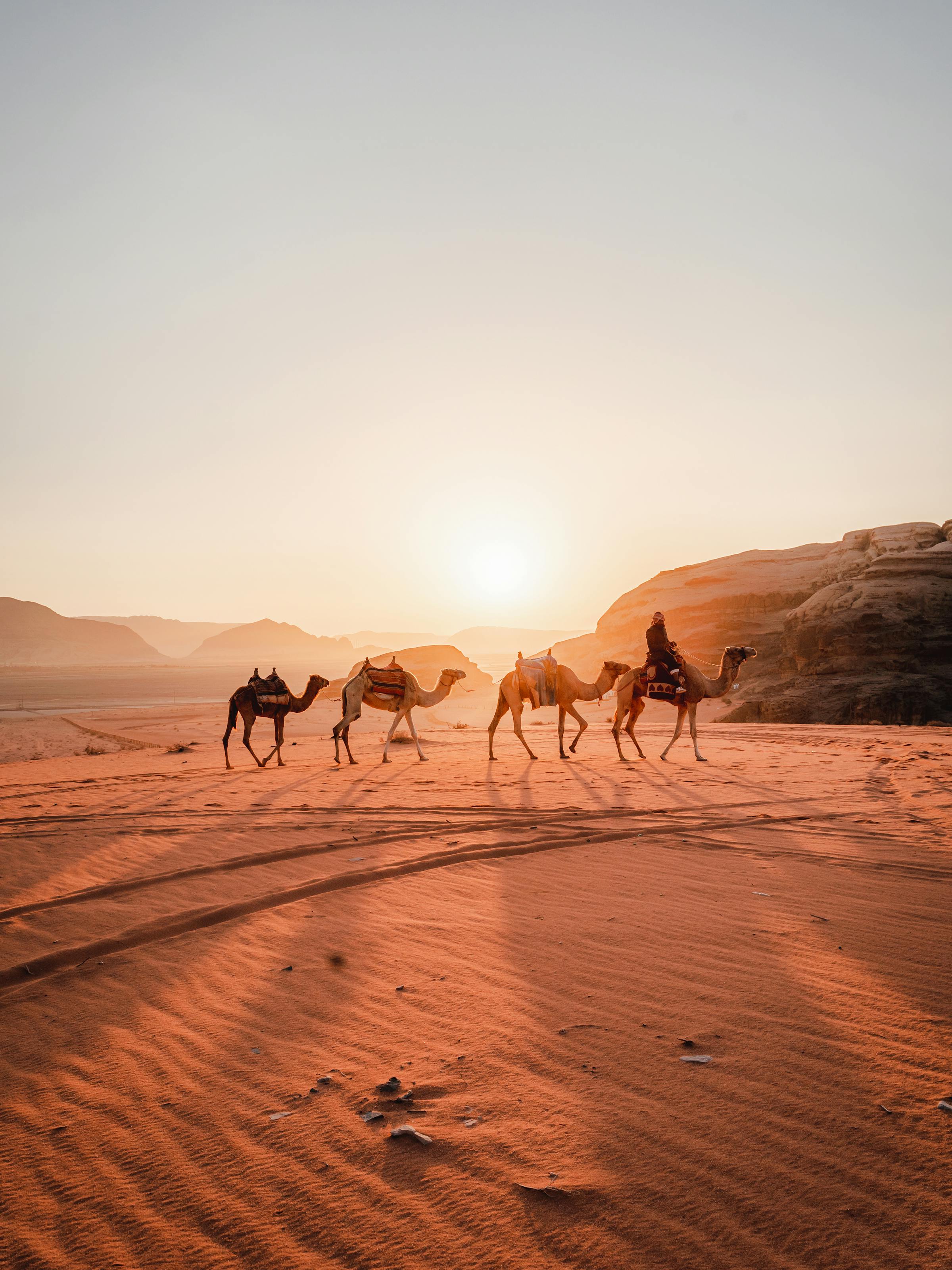
Cross into Jordan and the atmosphere shifts again. Petra, carved directly into rose-colored stone, is one of the world’s great archaeological sites, but it is only the beginning. The vast silence of Wadi Rum’s desert valleys. Roman cities that remain astonishingly intact. The Dead Sea, where the stillness of the water and the surrounding desert feels almost otherworldly.
As with everywhere we plan journeys, the difference lies in how you experience it. A private Egyptologist who can read the hieroglyphs on a temple wall as easily as a guidebook. Entering Petra before the crowds arrive, when the sandstone glows softly in the morning light. Sitting with a Bedouin family in Wadi Rum as the desert sky fills with stars.
Those moments tend to be the ones people remember most.
Tell us why you want to go. We’ll take it from there.
It was a great trip. Our guides were the best! So knowledgeable. So much attention to detail, so willing to help us in any and all ways. Our security was also top notch - we never felt insecure. All accommodations were first class. On our trip we realized the importance of all the great attention to detail you all put into our trip. It made everything seamless.
Mike Hines, 2025 Traveler
Visit a land untouched by time in Egypt’s Siwa Oasis, a palm-fringed town near the border of Libya.
End your day with a cookout under millions of stars in the middle of the desert.
Stay at Dar Ahlam, a 200-year-old Kasbah overlooking Morocco’s Atlas Mountains.
Roam the gardens of Louis Bench (the gifted designer of the Jardin des Tuileries in Paris) and visit the vestiges of a 12th-century Bedouin village for a traditional tea ceremony at dusk.
Spend a night in a ‘bubble room’ in Wadi Rum. Cap off the experience with a traditional Bedouin meal, jeep safari, camel ride, and star gazing.
In Israel’s Negev Desert, enjoy rappelling, sand boarding, wineries and cheese farms on the (former) Nabatean spice route, hot air ballooning, and more.
We value depth over breadth. While we have broadened our map, our intimate expertise runs deep—from understanding each locale's hidden rhythms to cultivating relationships with exceptional guides.

Seasoned travelers know that places change, authentic experiences migrate. We'll listen to your hopes and passions, but push back when we know something will better resonate with you.

Traveling to wild places asks something of us— a quality of attention and presence. From behind-the-scenes logistics to bespoke culinary experiences, our team has thought of everything.

There will undoubtedly be extraordinary unscripted moments: hippos emerging at sunset, the impossible blue of Arctic ice. We know that meaningful memories often live in personalized details.