Itinerary
Argentine Patagonia to Antarctica trip
Journey to the ends of Earth and back
15 days
$15,000 per person
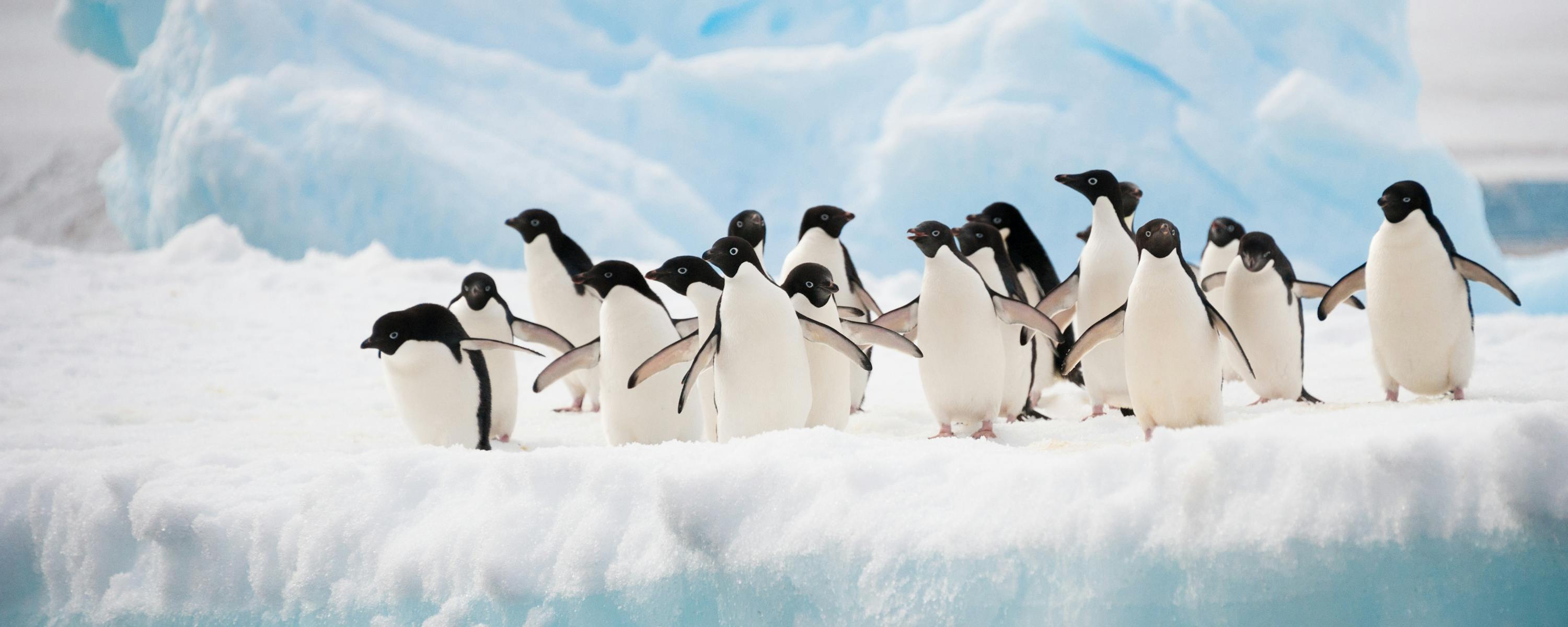
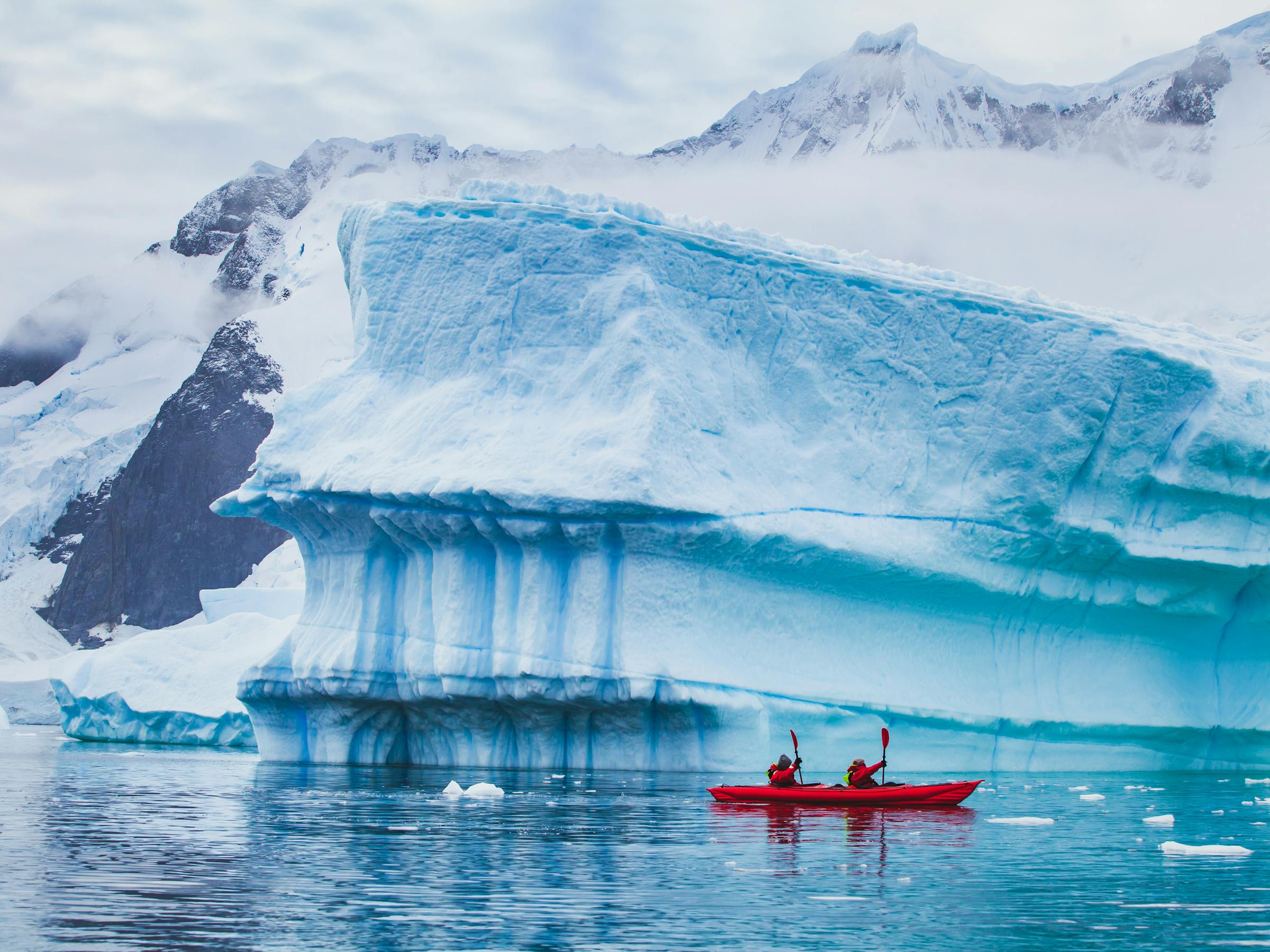
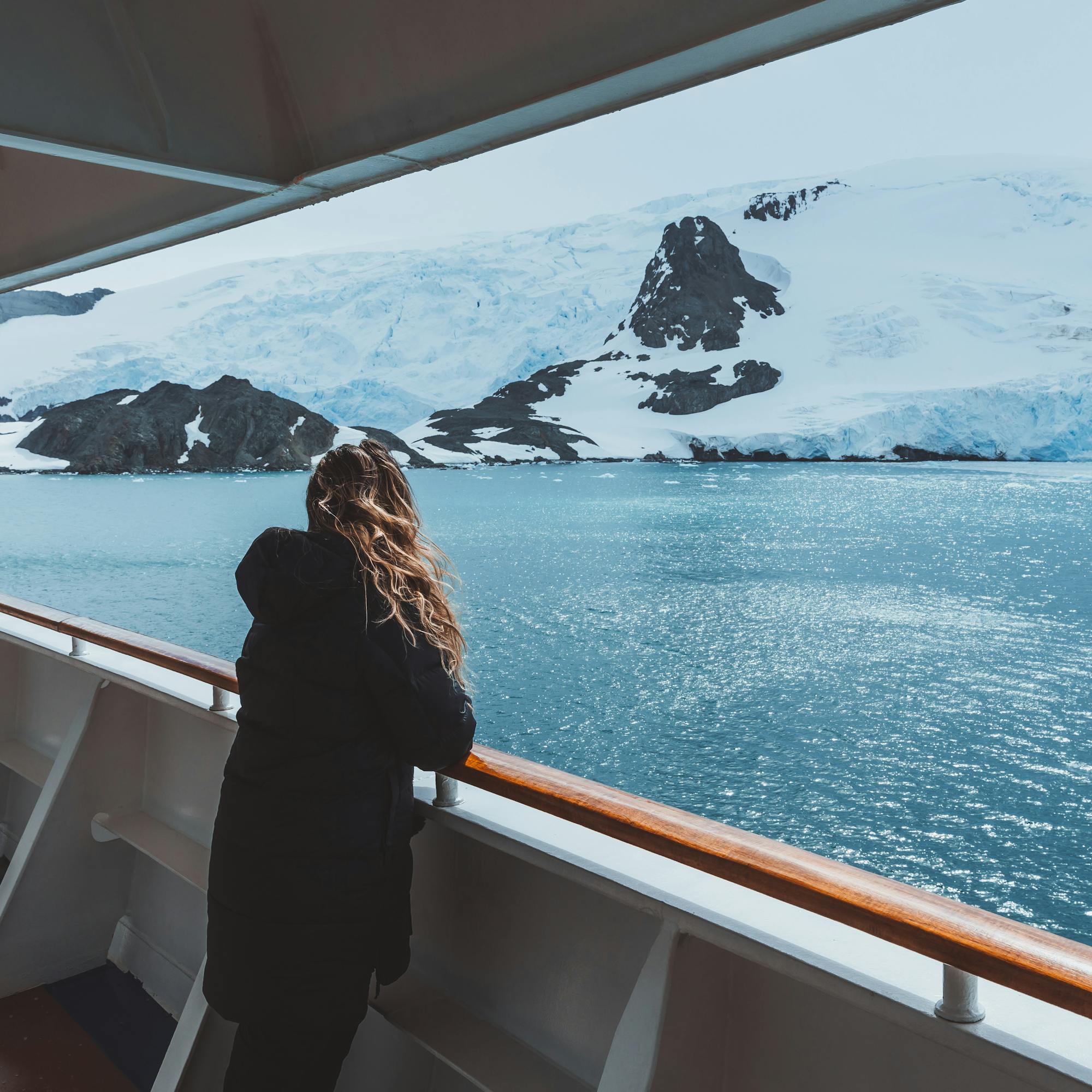
The “White Continent” of Antarctica is one of the few remaining unspoiled, pristine destinations in the world.
The “White Continent” of Antarctica is one of the few remaining unspoiled, pristine destinations in the world.
Use these itineraries as a starting point or as inspiration to create your own journey
Where pristine horizons, sculpted ice, and rare wildlife redefine what it means to stand at the edge of the world

In contrast to the sea-level Arctic, which is an ocean blanketed by a slim layer of perennial sea ice, Antarctica is an ice-capped land mass with a towering average elevation of 8,000 feet. Most guests take an Antarctica luxury vacation for the unique wildlife (and, let’s be honest, to notch their belt with that last continent!) but end up mesmerized by the ice, with its myriad of artistic shapes, colors, and sizes.
Apart from the spellbinding scenery and diverse wildlife, visitors are struck by the vastness of it all. Though larger than both the European and Australian continents, with 1,000 – 4,000 inhabitants (seasonally), Antarctica remains the least populated. Cruising in a Zodiac for a close-up inspection of some of the world’s largest icebergs makes one feel small, especially when remembering that 90 per cent of these behemoths sit below the waterline.
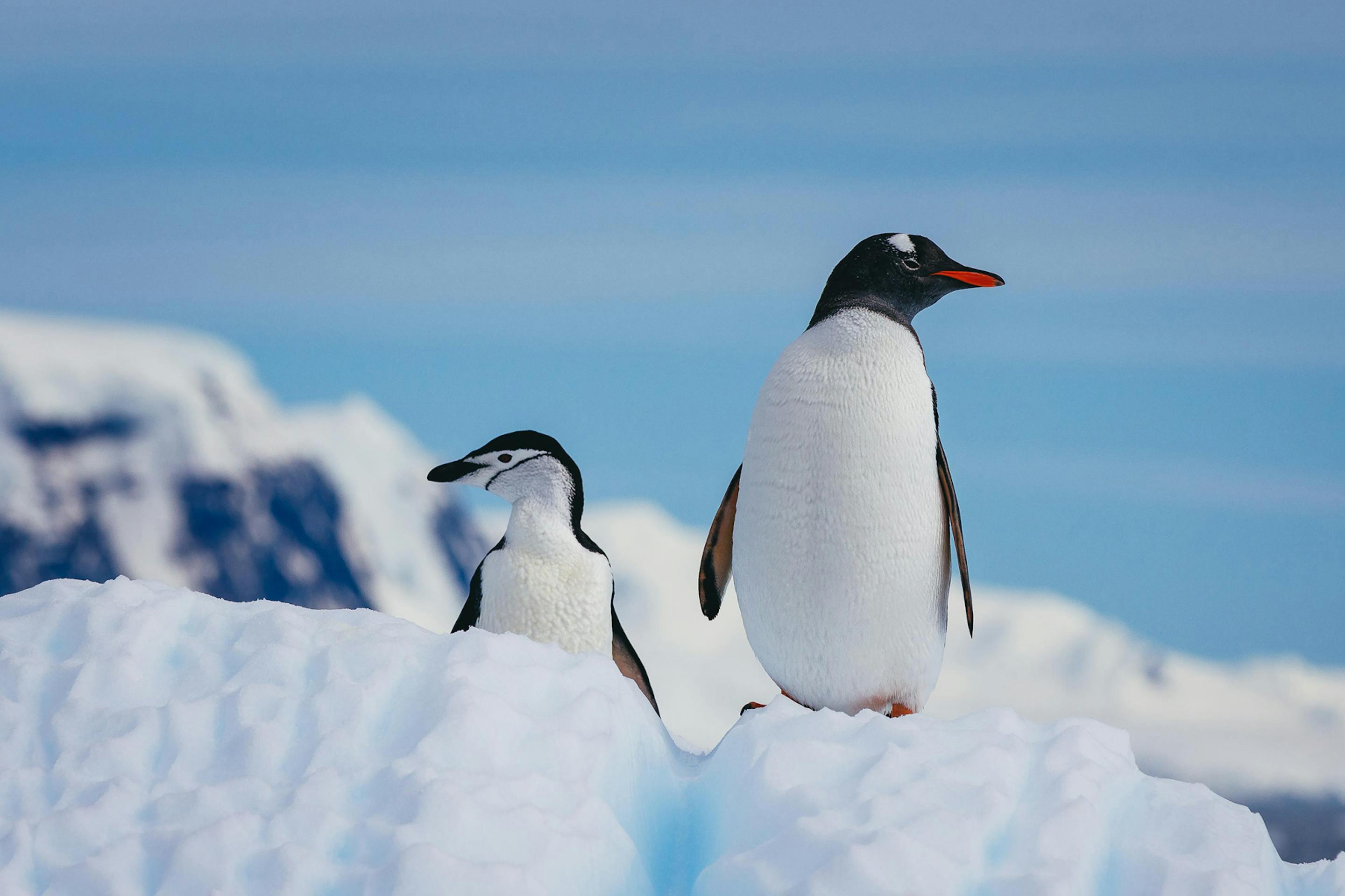
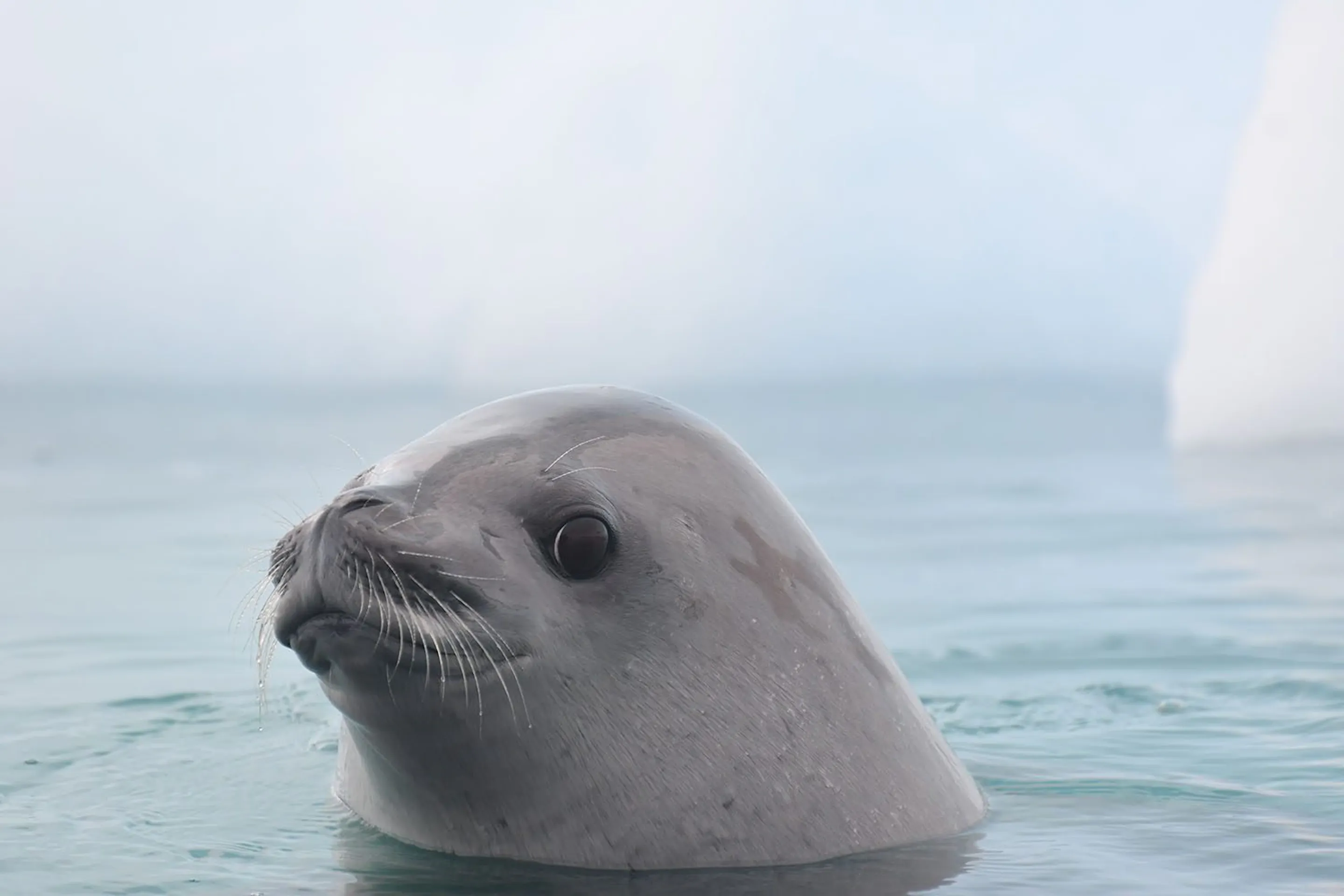
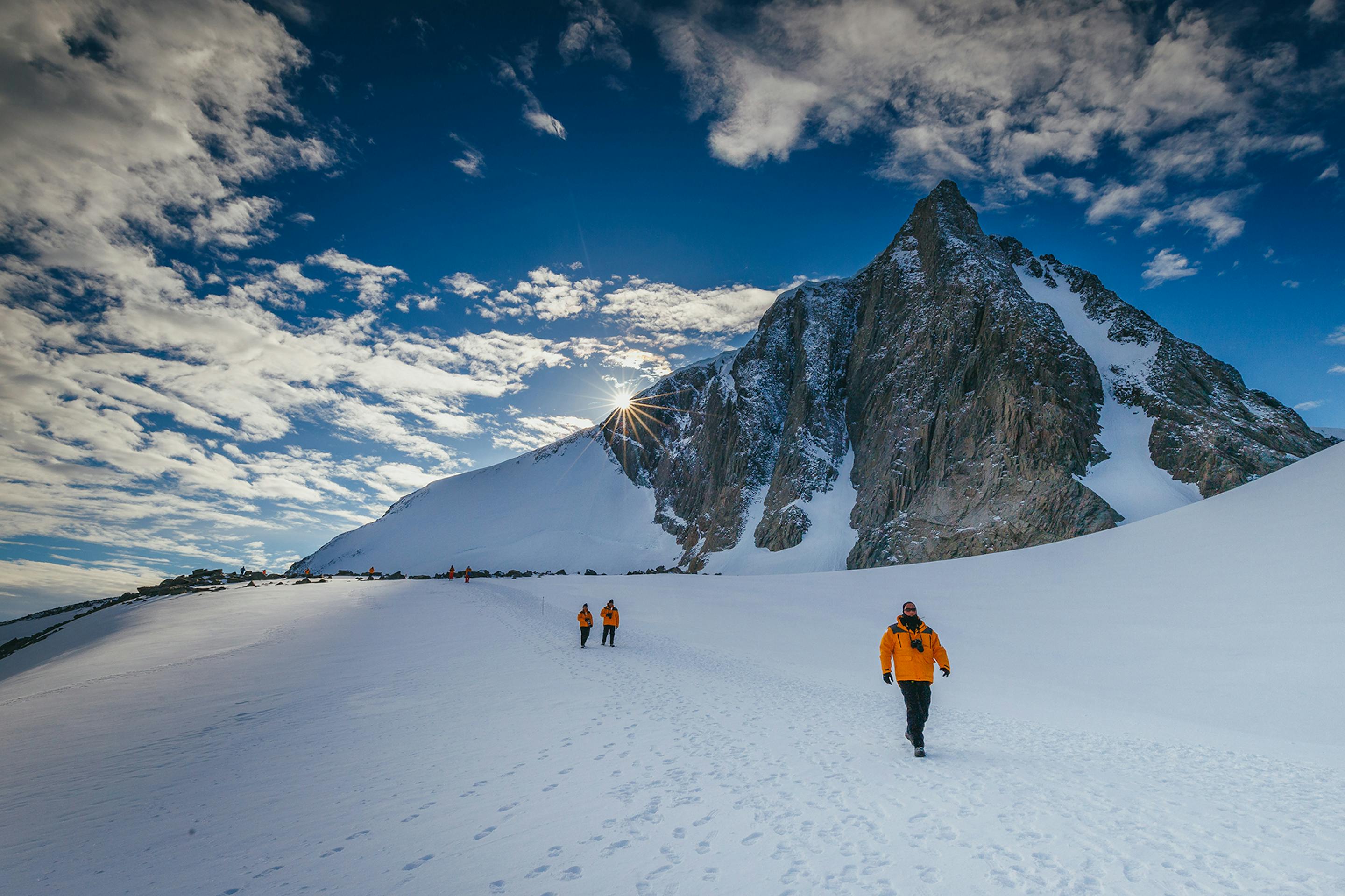
Antarctica is known for its dramatic scenery: mountain peaks, austere ice shelves, and beautifully carved bergs are fabulous for otherworldly photography. There’s also the possibility of close-up encounters with unique wildlife, including whales, penguins, seals, and various unique bird species, as well as the ends-of-earth solitude that only Antarctica can offer. Pristine beauty and the absence of most human development give visitors a sense of isolation that can be almost meditative.
This is my fourth trip using Extraordinary Journeys and I have never been disappointed. It was perfect and met my needs 100%.
Melissa Shorey, 2025 Traveler
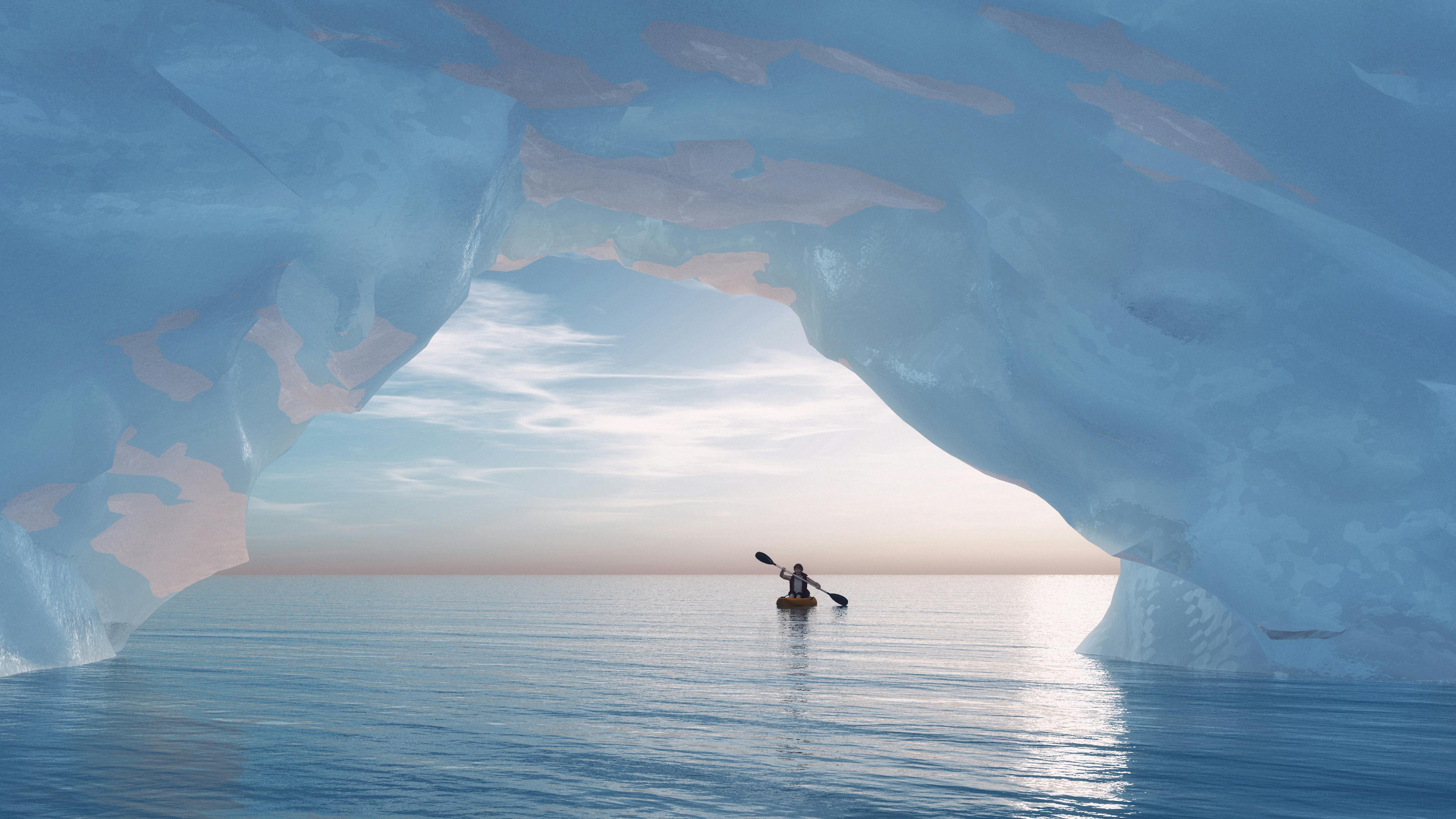
Though Antarctica attracts adventure travelers, it truly is a destination for everyone, thanks to comfortable ships with state-of-the-art stabilizers and fly-in trips that skip the Drake Passage. Once you’re there, the rewards are extraordinary: surreal icescapes, silence that feels almost sacred, and close encounters with penguins, seals, and whales that are impossible to replicate anywhere else. If you’re drawn to rare places that make you feel small in the best way, Antarctica is the ultimate once-in-a-lifetime journey.
The best time to travel to Antarctica is between November and early April. Even within this period, experiences vary, and you’ll need to choose based on your priorities.
During the Austral spring, you can see adult penguins performing their comical mating rituals and building nests. Icebergs will be at their greatest mass, ranging in colors from sparkling snow white to a deep and mesmerizing aquamarine. Spring is also best for snow activities like mountaineering, cross-country skiing, and snowshoeing. It also affords the best opportunity to experience camping.
Mid-season (December to early February) boasts up to 20 hours of daylight, as well as the hatching of those adorable baby chicks, especially in January to early February. Though there’s not a great deal of temperature fluctuation throughout the season, with average temperatures of 34 degrees Fahrenheit, it’s the “warmest” time of year. Glaciers are actively calving, and Circle-crossing expeditions operate as the ice gives way and ships can finally access 66 degrees south.
Toward the end of the season (late-February through April), baby chicks fledge and leave their nests, attracting the attention of predators like seals and whales. With this, the whales present themselves for prime viewing. The sunsets are breathtaking as the sun finally retreats beyond the horizon for a bit, painting the sky a mosaic of colors.
Best
Jan
Feb
Mar
Apr
Nov
Dec
January - April
November - December
Good
Jan
Feb
Mar
Apr
Nov
Dec
January - April
November - December
Discover the best of Antarctica, from penguin-packed islands to remote wildlife havens
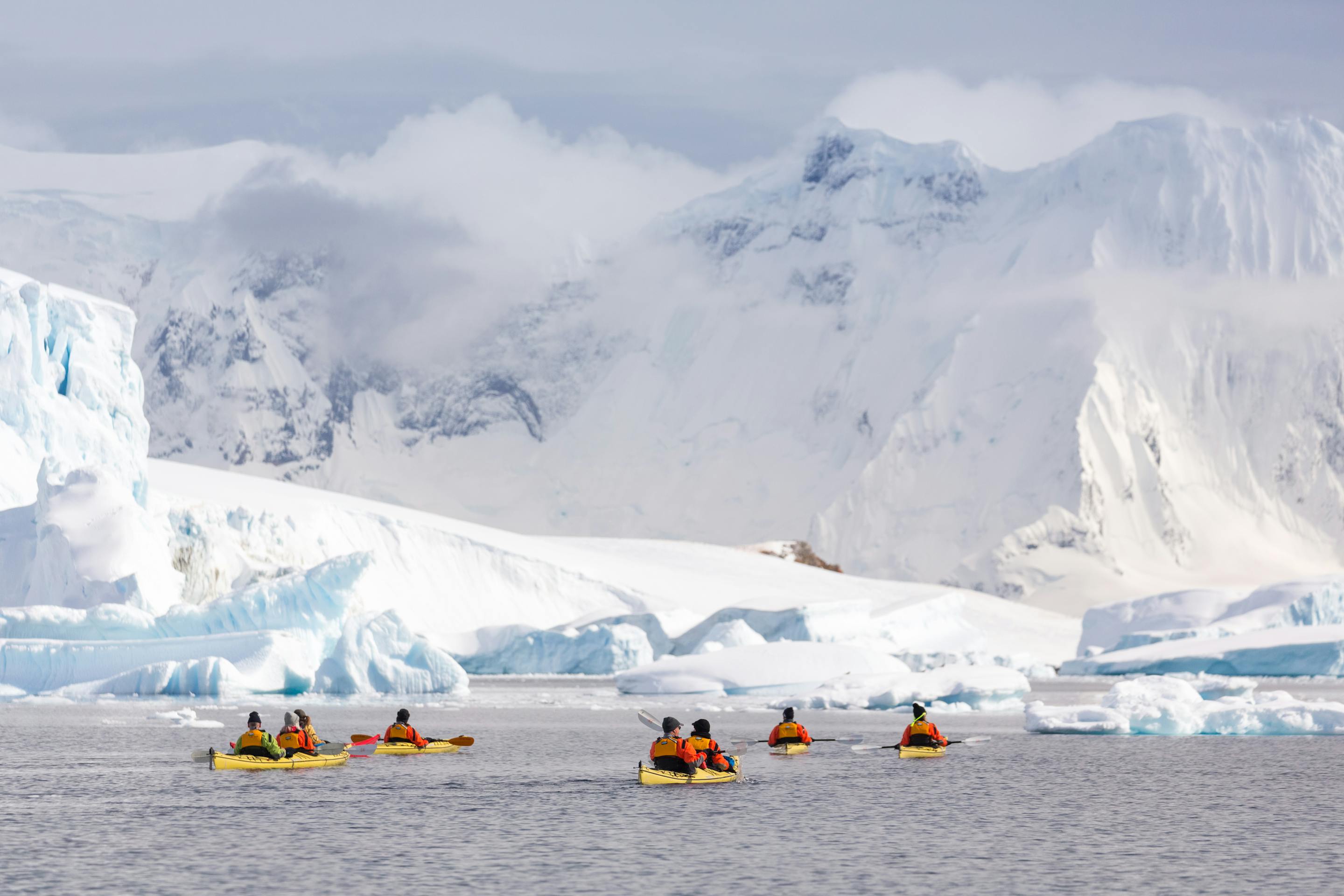
Stretching some 800 miles into the Southern Ocean, the Antarctic Peninsula is separated from South America by the notorious Drake Passage. It takes just two days to close the distance of 600 miles by ship, making it a popular destination for expedition cruises to the White Continent. Here, travelers find large penguin colonies and polar waters teeming with marine life while enjoying outdoor activities like kayaking and perhaps even camping.

Specialists with firsthand knowledge and deep local insight

Every trip designed uniquely for you

Engaging, adaptable guides who bring each place to life

Personalized pre-trip calls and curated documentation

A personal contact managing every detail on the ground

Complete care, every step of the way