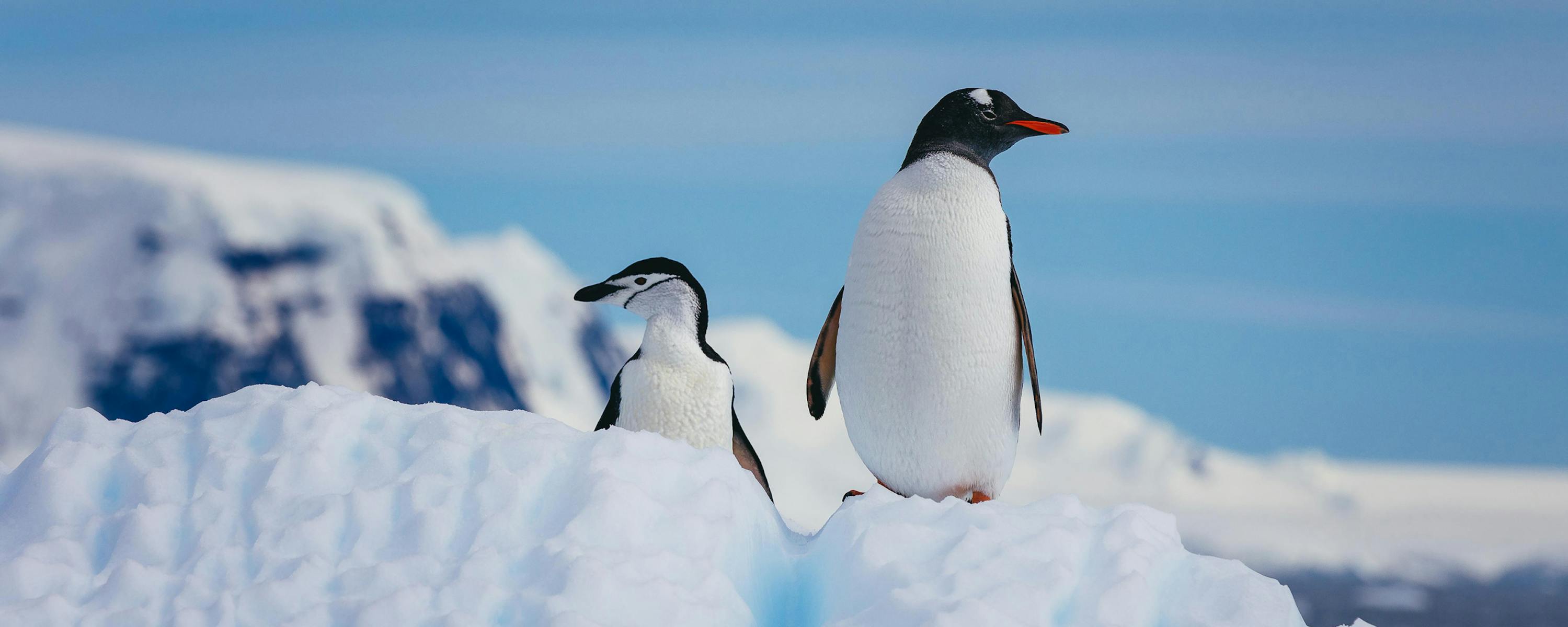
How to travel to Antarctica
Your complete guide to the Seventh Continent

February 7, 2026
For most of us, Antarctica quietly exists at the edge of the map and the bottom of a globe; out of sight and out of mind. Hidden in plain view, decades might pass before the White Continent whispers an invitation to visit. The idea first lands as a radical thought. But time passes, the daydream germinates, and slowly, you begin to root Antarctica travel not in fantasy, but sublime possibility.
Whether you’ve just opened your wild heart to the possibility of polar travel or are preparing to set off, our Antarctica travel guide covers all essentials, from destination experts’ top tips to sample budgets and packing suggestions.
Can I travel to Antarctica?
What was once a harrowing voyage through ice, snow, and deadly cold is now just a ship or plane ride away, meaning that yes, you can, in fact, travel to Antarctica.
For much of history, Antarctica was out of reach. Isolated at the bottom of the world and locked in ice, it remained uncharted for millennia. Interestingly, Ancient Greek philosophers theorized about the presence of a southern continent.
In January 1958, the first tourists arrived in Antarctica by ship, and in 1966, Lindblad pioneered the concept of an expedition cruise. By the 1970s, a reliable Antarctic cruise season coalesced, and interest in the White Continent has only increased. During the 2022-2023 cruise season, the White Continent broke the six-figure mark, welcoming 104,897 tourists.
How do I travel to Antarctica?
Traveling by ship is the original, most reliable, and de facto way of getting to Antarctica. Ninety-nine percent of visitors cruise to the continent, while an extremely slim minority fly. Another option is fly-cruising, where travelers fly direct from southern Chile and join their ship in the Antarctic Peninsula.
Cruising
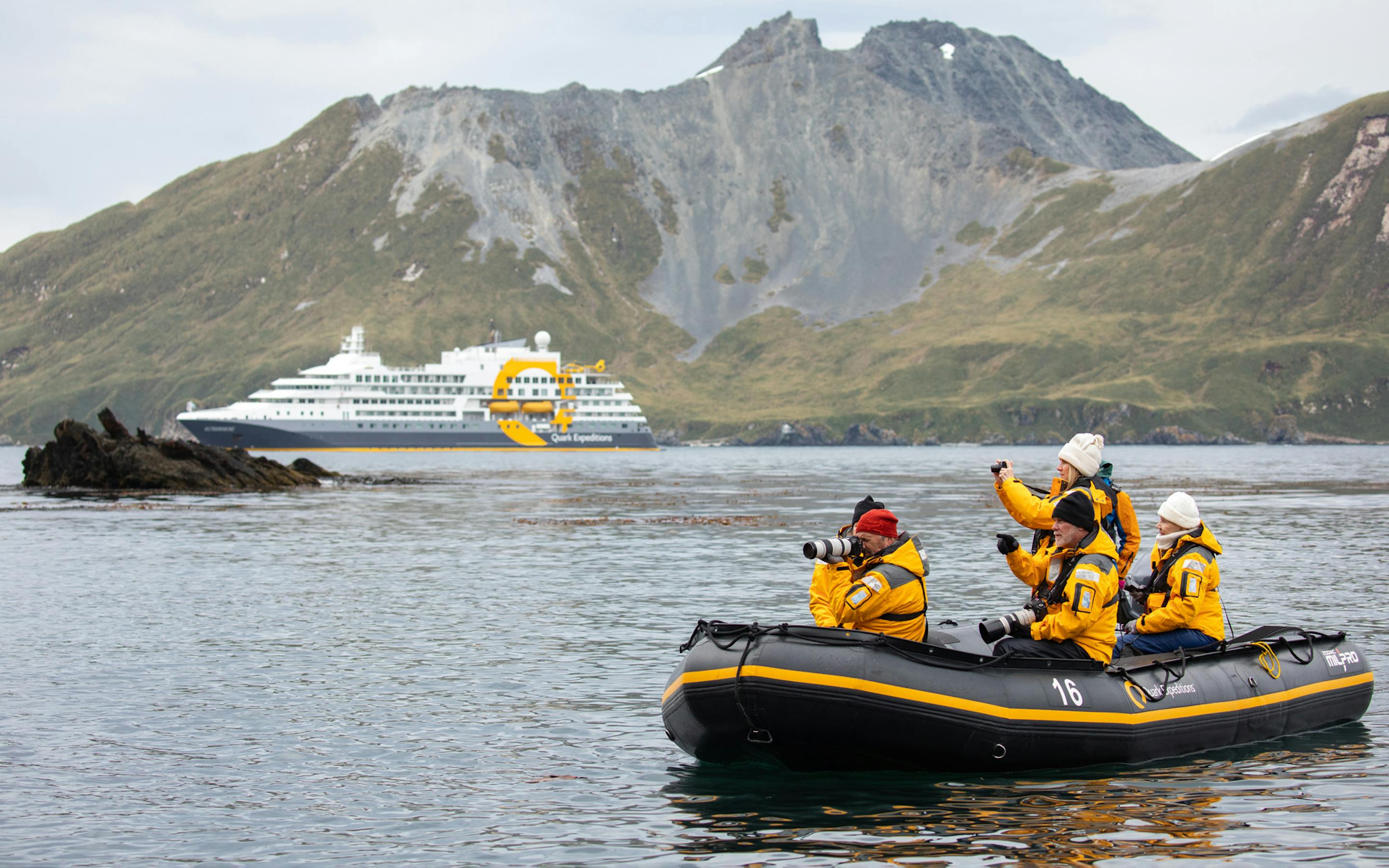
An expedition cruise that crosses the Drake Passage is the quintessential Antarctica tour experience. Sailing aboard a polar-adapted vessel, you follow in the wake of legendary explorers, braving stormy seas and wild weather to reach your earned wilderness at the bottom of the globe. Rest assured, the passage is safer and much more enjoyable than it was for early expeditioners.
These days, there are almost 50 different ships traveling to Antarctica each year, of varying sizes and operated by multiple cruise lines. Use this section of our Antarctica travel guide to learn about the preferred vessels that Extraordinary Journeys uses.
Small Ships Versus Large Ships
Ships of all sizes journey to Antarctica, from large passenger ships operated by mainstream cruise lines to small ships offered by expedition outfitters.
If you intend to journey to Antarctica and make any type of shore landing, a small vessel (200 guests or fewer) is better. Why? Antarctic treaties dictate that only 100 passengers from each vessel may depart the ship at a time (excluding crew). On an expedition cruise of 200 passengers or fewer, guests are broken up into just two groups. This means that you’re either adventuring off-ship or preparing to disembark. On a large ship, passenger cohorts are divided into multiple hundred-person groups, so you’ll spend far more time waiting for your turn—if at all. Some of the largest passenger cruise ships don’t offer landings. In 22/23, 31% of Antarctic cruise visitors never left their ship*.
For the most extraordinary journey and to maximize your time on the continent, we only sell small ship expedition cruises to Antarctica. There are other perks, too. With fewer passengers onboard, it's a far more intimate experience and you’ll enjoy a better guide-to-passenger ratio. Small ships can maneuver into narrower fjords, channels, and bays, providing greater access for sightseeing and excursions.
Ship Amenities
In the past, polar expedition ships were fairly spartan in their amenities. Nowadays, purpose-built Antarctic ships are high-end, sophisticated vessels with handsome staterooms and creature comforts such cozy lounges, observation decks, libraries, gourmet dining rooms, dry saunas, and Jacuzzis. Some are even outfitted with helicopter pads for flightseeing excursions. Take a look at some of our favorite ships, operated by Quark Expeditions.
Amenities and lounges will be well appreciated during transit. It takes two full days to cross the Drake Passage, so expect four days of your Antarctic cruise itinerary to be spent at sea. Spend this time acquainting with the crew, chatting with the other passengers, and learning about all about Antarctica, from history to wildlife to geography.
Fly-Cruising
On a fly-cruise, travelers depart Chilean Patagonia and touch down in the Antarctic Peninsula where they join their expedition cruise.
Advantages of fly-cruising
The key advantage of fly-cruising is eliminating the two days (each way) that it takes to cross the Drake Passage.
Marking the point where the Pacific and Atlantic Oceans tussle, this dramatic region is notorious for stormy weather and rough seas. The phenomenon is so well-documented, it has its own name: the Drake Shake. it's not uncommon for people to develop seasickness during this crossing, which can be an unpleasant start and end to a voyage.
Alternatively, the flight from Punta Arenas, Chile, to King George Island takes just three hours. What’s more, descending from cruising altitude, you’ll have the unique privilege of viewing Antarctica in aerial widescreen.
Risks of fly-cruising
However, a fly-cruise is not without risk. Weather in the polar regions can be unpredictable and fickle. it's estimated that up to 60% of flights can not depart at their scheduled departure time, causing a delay (sometimes an entire day) that cuts into vacation time. In the extremely rare (2% of the time), worst-case scenario, a flight can not take off at all, missing the window for its cruise ship rendezvous.
Other fly-cruise counterpoints include missing out on the Drake Shake as a right of passage. To some, flying feels like shortcutting an earned experience. What’s more, the crossing time is put to good use—socially and educationally. If you fly in, you’ll have a lot less context for what you’re seeing, and you might feel a bit more like a stranger to the passengers who earned their sea legs together.
If you’d still like to experience the ocean crossing as a rite-of-passage, combine the options with a “fly-and-sail” voyage: fly to Antarctica and return via boat

How long is a trip to Antarctica?
Expect the quickest Antarctica cruise vacation to take two weeks, door to door from the United States. This includes return travel to South America and a straightforward itinerary to the Antarctic Peninsula. Four of these days will be at sea, crossing the Drake Passage.
If you’re not short on time, linger longer. After all, you’ve journeyed all the way to the bottom of the world; make the most of it.
Antarctic Cruises | Time on Board
- Standard cruises: 9 or 10 days
- Fly-cruises: 6 days
- Cruises that cross the Antarctic Circle: 11-12 days
- Cruises that add the Falkland Islands/South Georgia: 18-21 days
Tip: We highly recommend that you arrive in your departure city at least one day early. Antarctica luxury travel is an investment; don’t let flight delays jeopardize your cruise. In addition to peace of mind, extra time in port means you’ll feel less rushed, more refreshed, and able to explore some of the world’s most southernly cities.
Where do I start the journey?
Even though Antarctica is more accessible than ever, reaching the continent is still an epic adventure. The vast majority of trips depart from South America because it is the shortest distance from Antarctica. Roughly 500 miles of ocean separate Cape Horn from the Antarctic Peninsula. There are two primary gateways for Antarctica tours:
Ushuaia, Argentina
Thanks to its southern location on Tierra del Fuego’s Isla Grande, Ushuaia is one of the main embarkation points for Antarctica luxury travel. Backed by snowy mountains and fronted by the Beagle Channel, the city’s natural beauty makes for a scenic start.
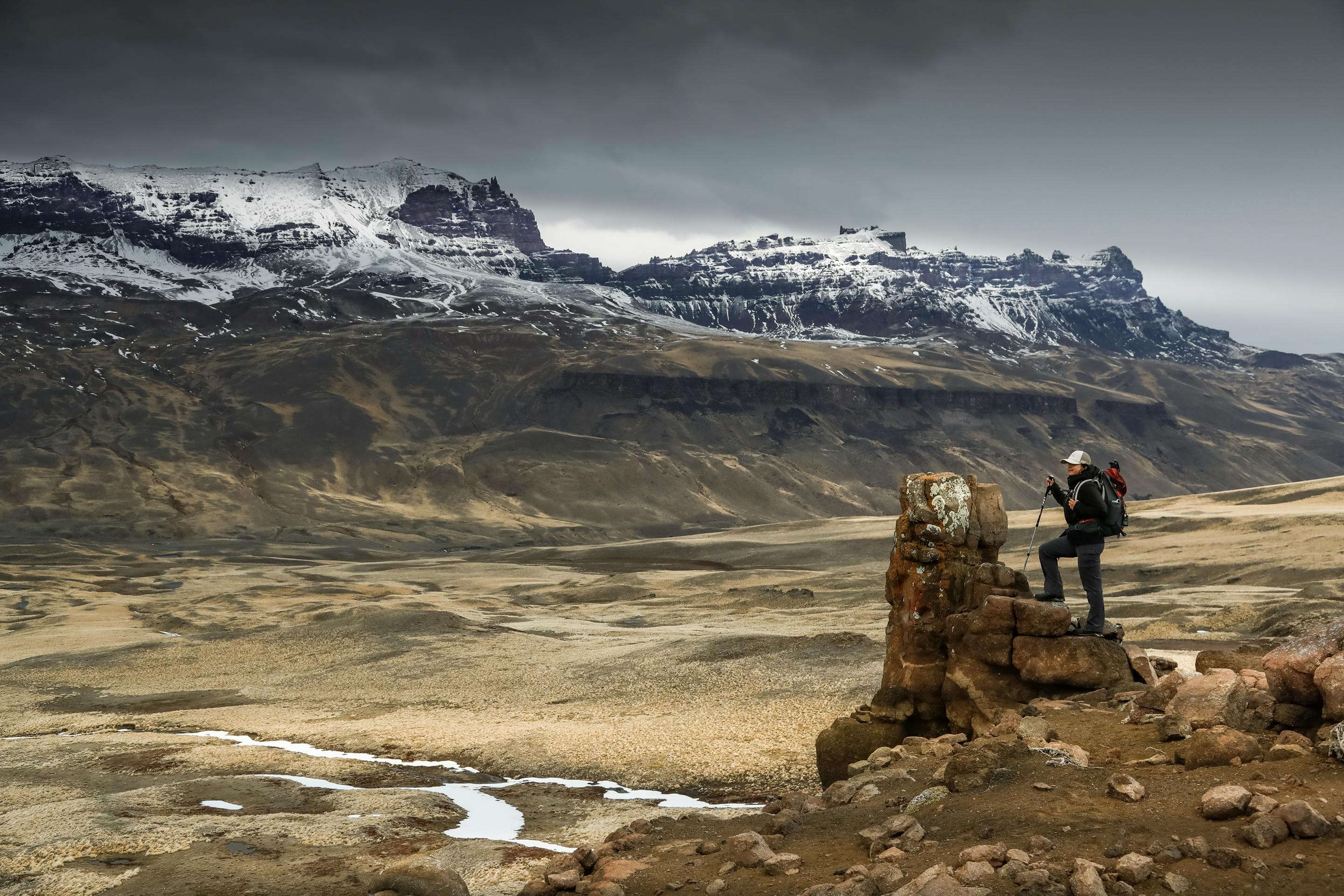
Travelers who stay only one night will miss out on the town’s hardy, land ’s-end charm, and outdoor pursuits across enchanting Patagonian terrain. Go hiking among subantarctic forests in Tierra del Fuego National Park, hang out with penguins at Isla Martillo, and visit a historic estancia. No need to take a photo with the famous “End of the World” sign—your journey is about to take you much further south.
Punta Arenas, Chile
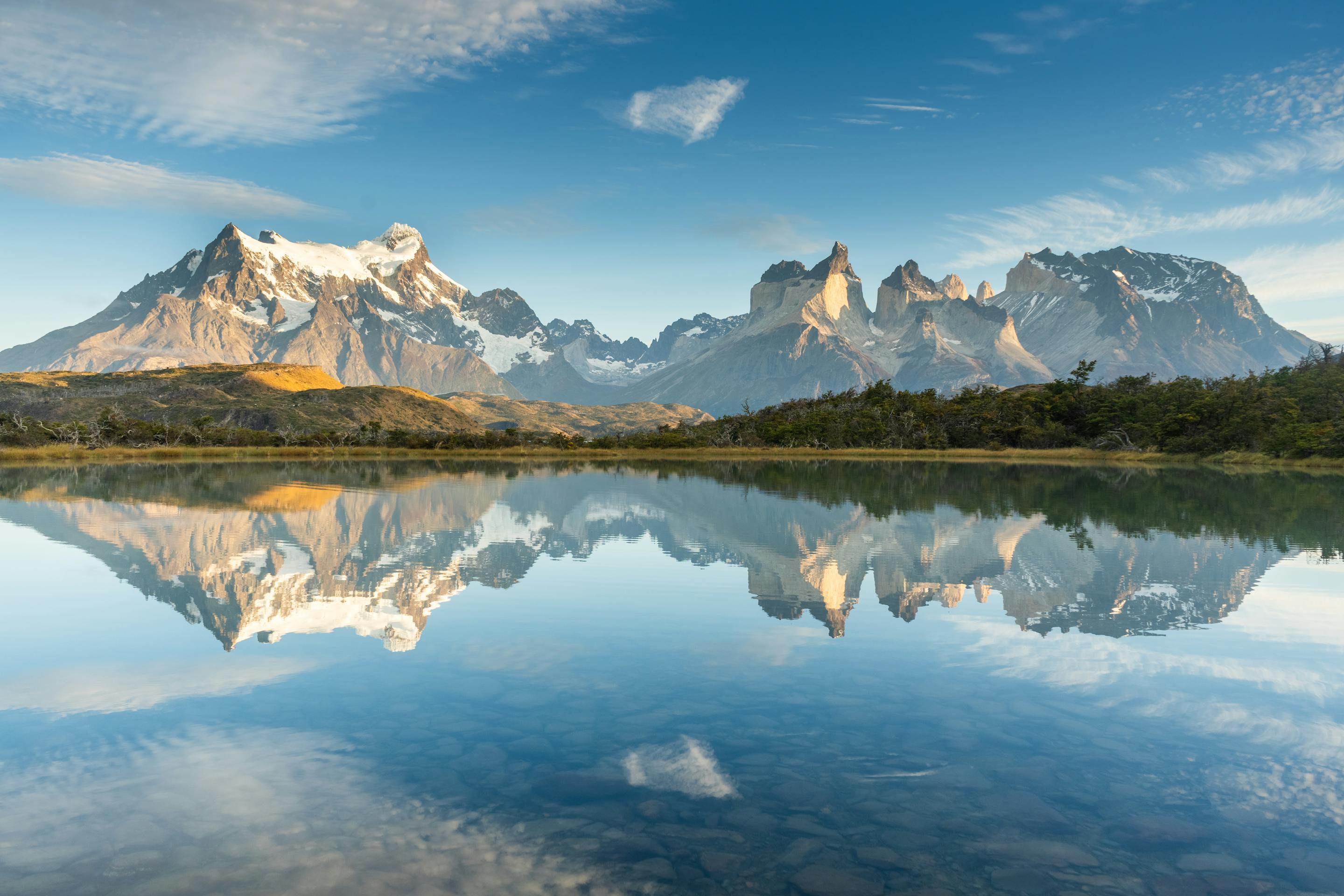
Located in Chilean Patagonia, Punta Arenas is the point of departure for Antarctic fly-cruises. While the town itself offers plenty of diversions—wildlife-watching boat tours to see whales and penguins, sipping craft beer at the southernmost brewery in the world, diving into Patagonian history at museums—one of the best reasons to choose Punta Arenas is its proximity to Torres del Paine National Park. One of Patagonia’s top destinations, this gorgeous park boasts mountains, glaciers, and jewel-toned lakes. Just a four-hour drive from Punta Arenas, it makes luxury Chile tours the ideal pre- or post-cruise add-on.
Where to go in Antarctica
Despite the map showing a featureless white expanse, Antarctica is not an icy monolith. There are plenty of landmarks, wildlife colonies, geographical features, and research stations that make for worthy points of interest.
Antarctic Peninsula
Extending from mainland Antarctica, the peninsula counts 208 visitor sites and includes the nearby Shetland Islands. A cruise around the wild Antarctic Peninsula includes visits to glaciated bays, channels, and landing sites. Fill days with whale watching, Zodiac safaris, hiking/walking, and optional activities such as camping, kayaking, or stand-up paddleboarding.
The Antarctic Peninsula is included on all cruises while the following can be considered add-ons.
Add-On Antarctica Cruise Destinations
- Antarctic Circle: Some cruise itineraries venture a little further south along the peninsula to cross the Antarctic Circle, which lies at 66°33′ S. Alternatively, ships traveling with on-board helicopters may offer scenic flightseeing that passes the iconic latitude.
- Falkland Islands: While not part of Antarctica, the Falkland Islands lie en route, and are commonly paired with South Georgia. (Make no mistake, both feel more like rugged coastal Patagonia than icy Antarctica.) A bona fide birding paradise, enjoy coastal hiking along hardy landscapes and visit Port Stanley for a taste of Britain in one of the world’s most remote settlements.
- South Georgia: Travel to the historic island to meet its population of elephant seals and breeding king penguins (~250,000!), visit the burial site of Ernest Shackleton, and then tour Grytviken, a former whaling station.
- Snow Hill Island: Rarely visited and sometimes without success due to ice, navigate the tabular glaciers of the Weddell Sea (Iceberg Alley) and then visit a massive 10,000-member colony of emperor penguins.
CAVEAT: A polar journey is entirely unlike a traditional vacation itinerary published with detailed stops. Ships are at the whim of weather and sailing conditions—factors that can not be established until you’re en route or in-destination. For this reason, Antarctica tour itineraries are light on any details such as specific landing sites. Intentionally vague itineraries make comparing shopping effectively moot. Generally speaking, you’re more likely to navigate Antarctic cruise options on the basis of dates, vessel, and cruise operator.
How much does a trip to Antarctica cost?
Expect an entry-level, luxury, small ship Antarctica cruise to start at $10,000, per person. For longer itineraries visiting the Falkland Islands or South Georgia, passage on more luxurious ships, and/or upgraded cabins, prices ebb between $15,000 to $40,000+.
For the best deal, book sooner rather than later to take advantage of early booking promotions. (Operators typically release departure dates two years in advance.)
View our Antarctica tours for sample pricing.
What is the best time to travel to Antarctica?
For most of the year, harsh winter weather and vast sea ice isolates Antarctica from the outside world. A short summer season is the only opportunity to visit Antarctica. Falling during the austral summer, the travel season runs from November to April.
Each month offers unique experiences which might affect when you want to visit:
November
it's the start of the Antarctic cruising season. The spring thaw has just begun, icebergs are at their largest, and it's the best time to photograph pristine, icy landscapes. it's a great time to go camping because the ice pack is still very sturdy. You’ll also be treated to penguin courtship rituals. Although some landing sites may be inaccessible due to ice, expedition teams have a talent for finding alternatives.
December to early February
it's the height of austral summer and temperatures are at their warmest, with the average hovering around 34°F. Watch adorable penguin chicks hatch from eggs and take their first wobbly steps. With each day logging up to 24 hours of sunlight, December to early February allows for the most sightseeing. View icy mountains, glaciers, and bergs glide by beneath a midnight sun. The only downside? These months are peak season, so expect peak rates.
March and April
Whales are on the move in staggering volumes, migrating north from food-rich Southern Ocean to warmer breeding waters. Frequent sightings of orca, humpback, sperm, southern right, and minke whales are trip highlights. In April, you’ll get to admire Antarctic sunsets as the season begins its shift from summer’s eternal twilight to the complete darkness of winter.
What should I expect on an Antarctica trip?
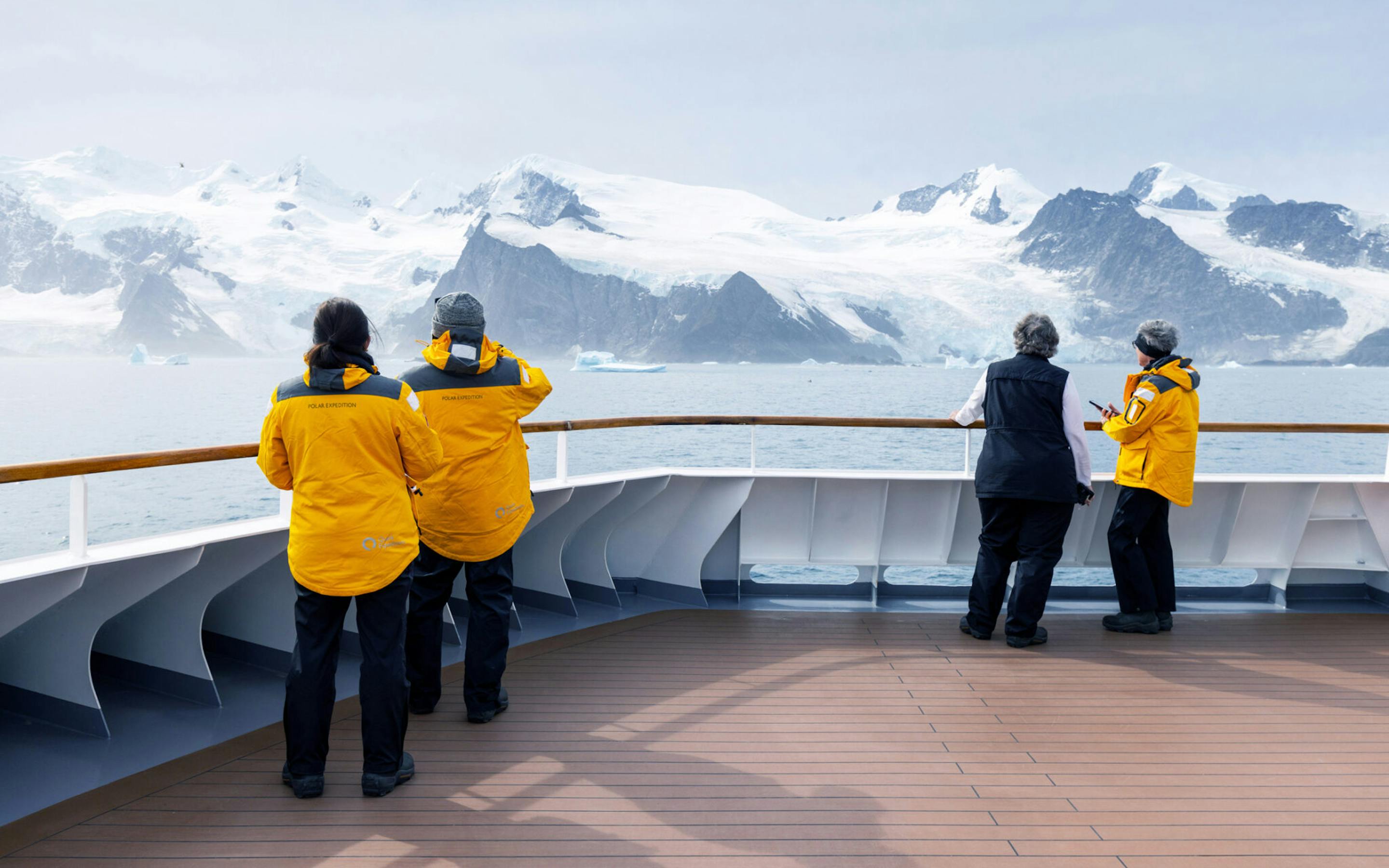
You can expect jaw-dropping landscapes, superb wildlife encounters, and otherworldly adventure on your perspective-expanding trip to Antarctica. However, you may be wondering what happens on a day-to-day basis. This section of our Antarctica travel guide will delve into expectations around ship life and landing activities.
Days at Sea
Once you’ve boarded and settled into your cabin, your ship will typically depart in the late afternoon. After navigating out of the Beagle Channel, your Drake Passage Crossing begins. (Unless your journey first visits the Falkland Islands and South Georgia.)
The four days in transit (two there and two back) are put to good use with enriching presentations, dining, and socializing. The day will be anchored by your three main meals and highlight lectures on wildlife, history, glaciology, and geology delivered by polar experts. You’ll arrive in Antarctica with a greater understanding of the physical environment and animal, whale, and bird behavior and identification.
You’ll also get to know your crew and the other passengers. On-ship dining rooms are casual, with unassigned seating, so it's easy to make fast friends with like-minded travelers.
Depending on your ship’s amenities you might also:
- Watch movies in a theater
- Work out in the fitness room or practice yoga
- Enjoy a spa treatment or a dry sauna session
- Socialize, read, or play board games in the lounge
- Peruse the on-ship boutique
- Possibly visit the Bridge to meet the captain and/or officers
Days in destination
- Good Mornings: You’ll rise early, typically via a broadcast announcement, around 7 a.m. Make your way to the dining room for a buffet-style breakfast, during which your expedition leader will deliver a brief. You’ll receive the day’s schedule, outlining your two intended excursions and the expected forecast.
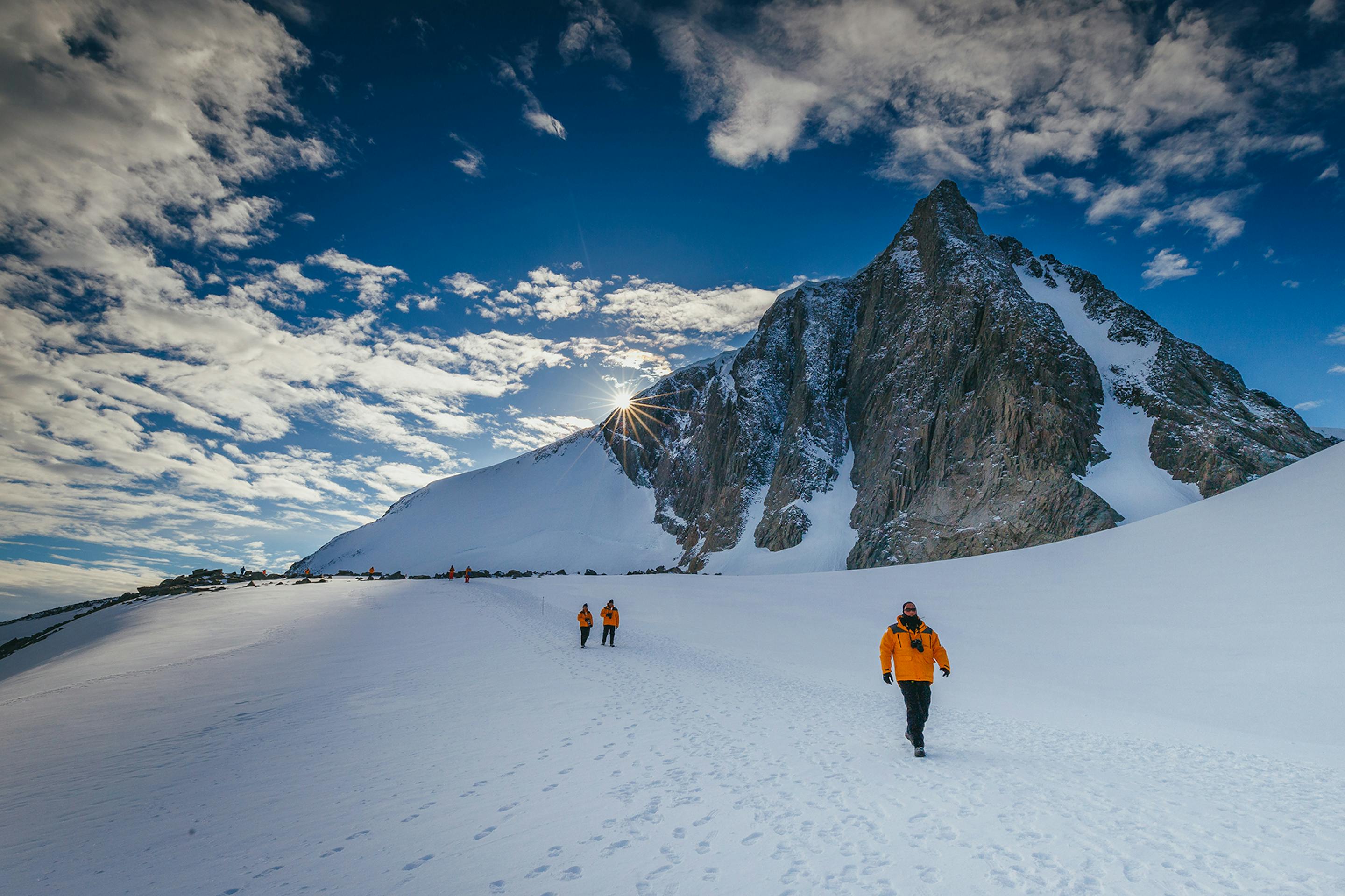
- Morning Excursion: By 9 a.m., you’ll make your way to the “ready rooms,” to get suited up. Donning a heavy parka and waterproof muck boots, you’ll board a Zodiac to make a shore landing. The morning excursion lasts two to three hours and is often reserved for hikes or walks. You’ll be organized by fitness ability and accompanied by expert guides. These outings might lead to a penguin colony, a point of geological interest, or a scenic lookout. Perhaps most thrilling—you’ve planted two feet on the White Continent!
- Lunch Break: Return to the ship to warm up and have lunch. Your vessel will relocate to a new site for your afternoon excursion.
- Afternoon Excursion: After lunch, suit up once again for a Zodiac safari. For a few joyful hours, you’ll explore Antarctica’s dazzling marine environment, encountering the species that call these icy waters home. Ready your camera to capture the adorable mugs of leopard seals, whales rising to the surface, and iridescent blue bergs.
- Downtime: Return to the ship by 4:30 p.m. for a few hours of self-directed leisure or rest.
- The Evening Brief: A ritual held each day before dinner, the evening brief assembles passengers in a lounge or lecture theater. First, leaders and experts share interesting observations and insights for a reflective look back on the day. Afterward, you’ll be updated on the next day’s (tentative) plans and the weather forecast.
- Dinner: Head directly from the evening brief to dinner. Enjoy a multi-course meal in the company of others, or a more reclusive dinner with your travel companion. Some ships have multiple restaurants or bistros, and dining in-cabin is an option as well.
- Evening: Pass the rest of the evening at your discretion. Head to the lounge for a night cap or to socialize. Some ships feature live instrumental music or themed evening activities. Just be sure to keep an eye on your watch because the night sky won’t tell you when to go to sleep; at the height of austral summer, the sun shines for 24 hours.
Optional off-ship activities
Most of your time off-ship will be occupied by Zodiac safaris and walks/hikes, but a handful of (optional) activities and outdoor recreation add diversity to Antartica tours.
- Antarctic Camping: Bed down for the night on the White Continent for a very rudimentary “camping” experience. Find a flat spot, set up your camping pad and bivy sac, then crawl into your mummy-style sleeping bag for an open-air, starry sleepout. Tents might be available in limited supply and upon request.
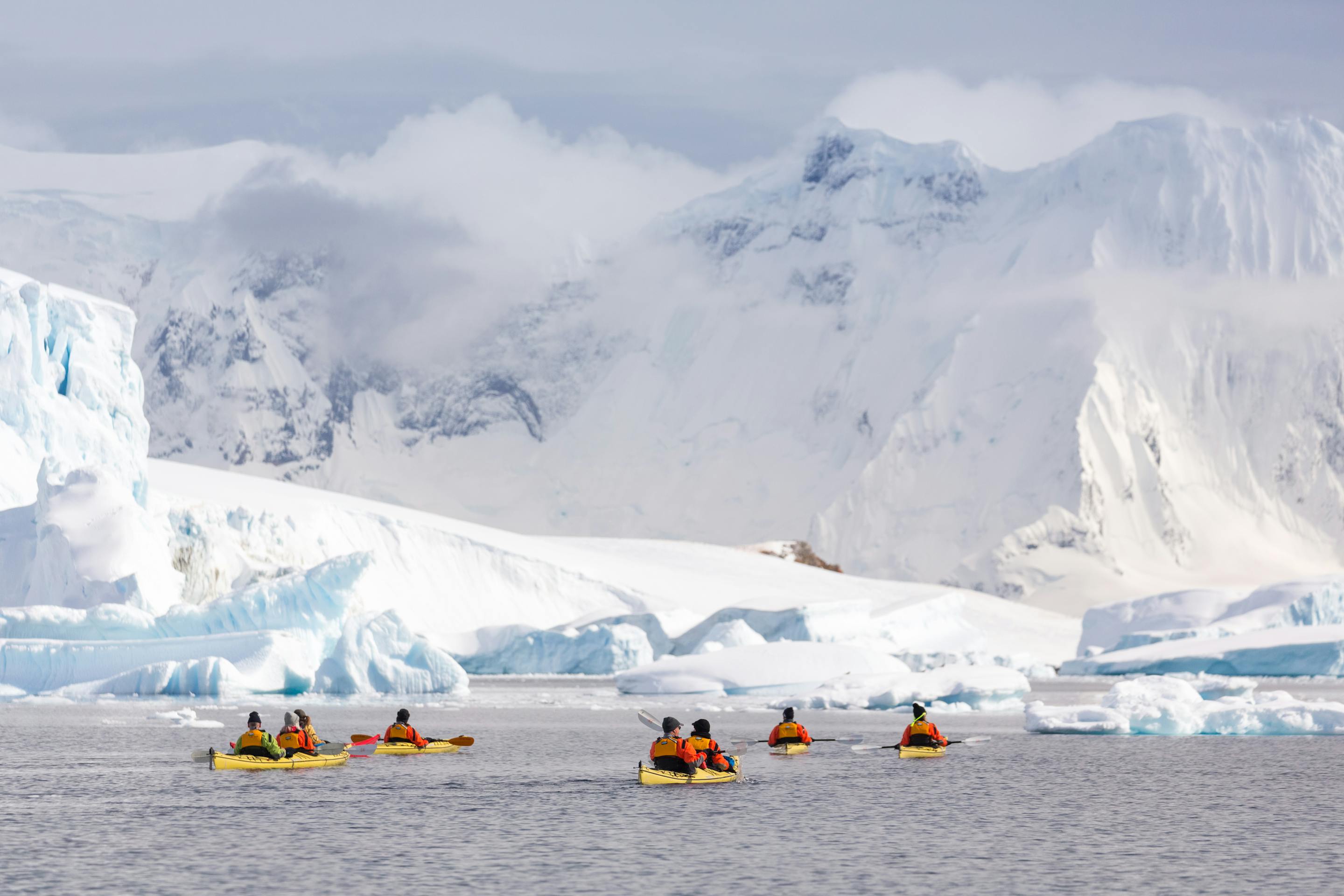
- Sea Kayaking: Experience Antarctica seated at the waterline. Navigating under pure paddle power, travel quietly along penguin-inhabited coast or glide by seals resting on pieces of ice.
- Heli-Excursions: Most excursions occur within a few short miles of the coast, but helicopters open Antarctica’s remote and untouched terrain for flightseeing or fly-in recreation.
- Polar Plunge: Commonly scheduled once on each voyage, brave the frigid waters for a pulse-quickening, goosebump-inducing dip in the Southern Ocean.
- Stand Up Paddleboarding: Don a wetsuit for an adventurous hour of stand-up paddleboarding immersed in Antarctica’s marine wonderland. Keep your eyes peeled for curious gentoo penguins gliding below your board.
What should I pack for Antarctica?
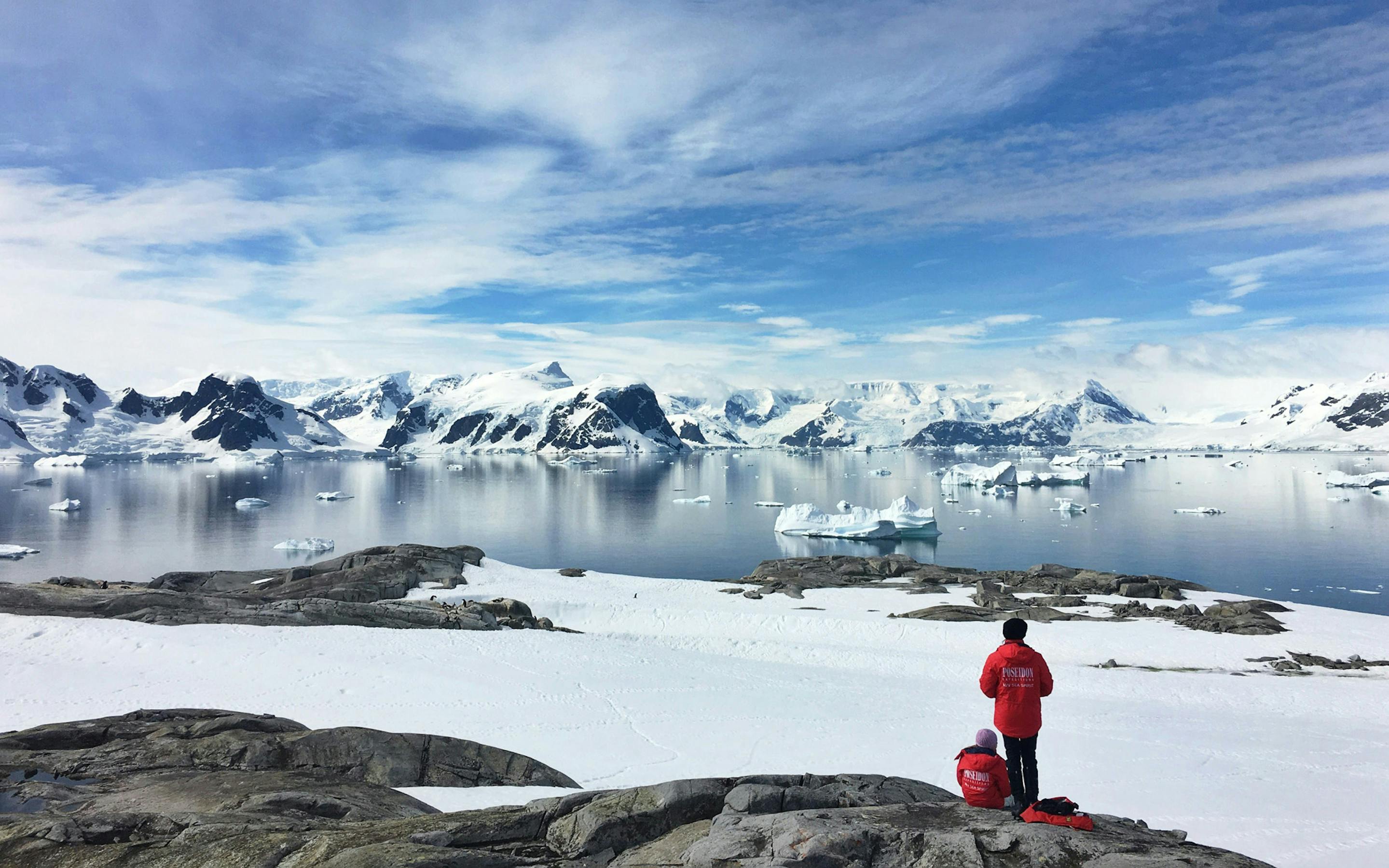
Antarctic expedition ships boast mud rooms and gear lockers stocked with parkas and heavy rubber boots, and any other technical gear necessary for land-based excursions. You might even be gifted a take-home parka. Your Antarctica packing list should include:
- Clothing: Pack warm thermal base layers, fleece jackets, waterproof outerwear, and comfortable shirts and pants for relaxing on board between activities. Dress for temperatures between 30 and 45°F. Formalwear isn’t necessary for on-ship dining; jeans and a sweater are fine.
- Protective accessories: Hats, gloves, sunglasses, high-SPF sunscreen, balaclava, and lip balm.
- Gear: Binoculars, electronics, camera, adapter.
- Footwear: You only need to pack a pair of comfortable, closed-toe shoes for the ship. We recommend a style that can slip on/off in thick socks for easy transitions in the gear room. You’ll be supplied with mud boots to wear on all excursions. (Not only are they durable—and one less thing to pack—but all footwear is meticulously cleaned to protect sensitive habitats from introducing anything invasive from home.
Another tip for what to pack for Antarctica: a swimsuit. You might just be persuaded to do a polar plunge.
Visiting Antarctica Tips
- Choosing a small ship (200 guests or fewer) is the best way to visit Antarctica. Regulations dictate that only 100 passengers per vessel may depart the ship at a time. Traveling on a larger ship means waiting longer for your turn to enjoy excursions. To maximize the off-ship experience, Extraordinary Journeys works exclusively with small ships.
- Give yourself at least one full day in-destination as a buffer before you embark; you really (really) don’t want to miss your ship.
- Book 18 – 24 months out to snag the best promotions.
- Travelers should pack a sense of adventure and a flexible attitude. Surrender to the rhythms of this wild place, and know that even if plans change, what’s around the corner is just as incredible and worthwhile.
- Unless your cruise operator has a no-tipping policy, bring some cash to Antarctica. After spending an intense 10-plus days getting to know your talented, helpful, and knowledgeable guides and crew, you’ll want to extend a gratuity.
Luxury Antarctica Travel FAQs
February 7, 2026
Explore our itineraries
Every trip with Extraordinary Journeys is tailor-made, crafted in collaboration with one of our destination specialists. Use these as a starting point, or as inspiration to create your own journey.