Itinerary
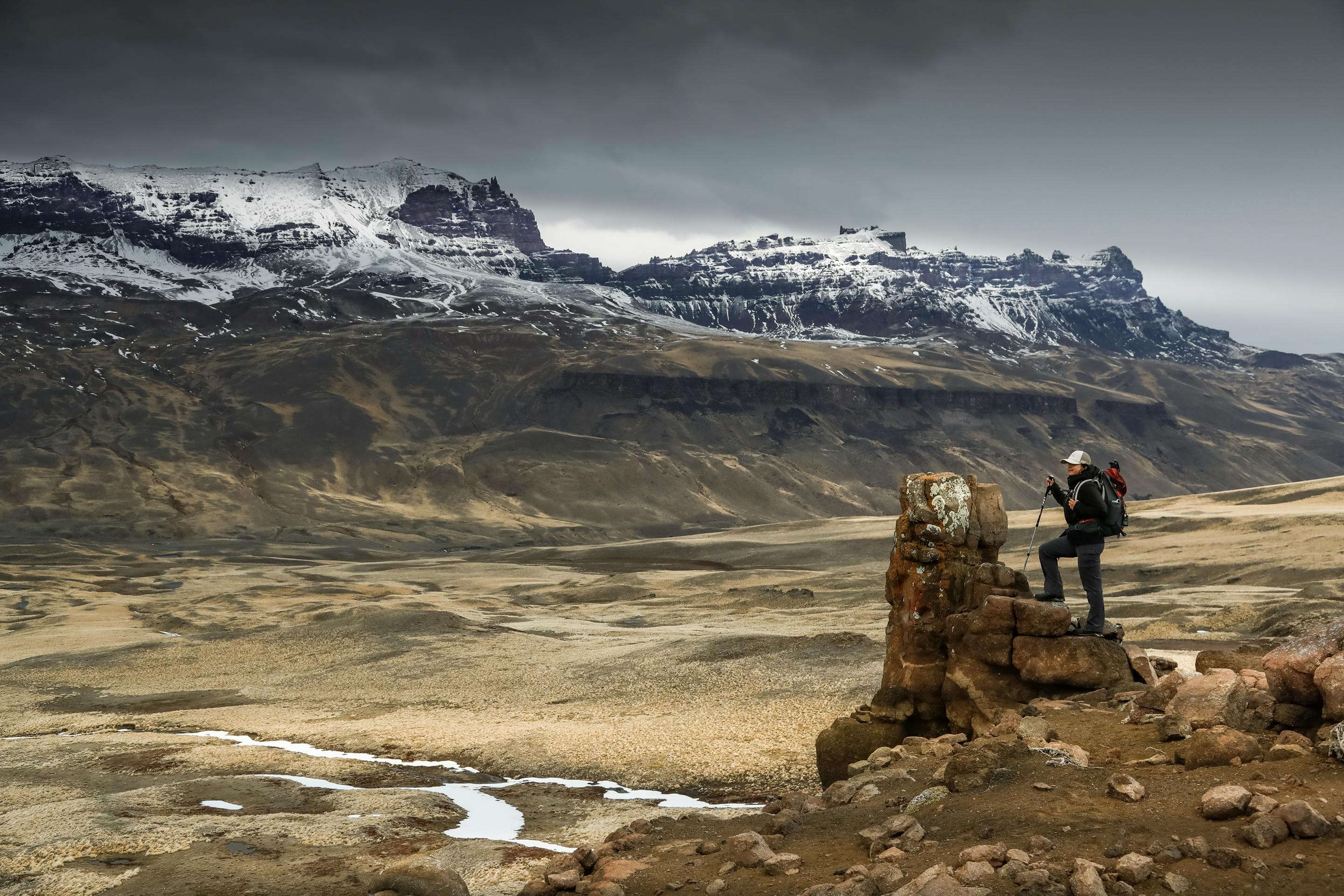
Ultimate Patagonia adventure: Chile and Argentina
Glaciers, volcanoes, massifs: A Patagonia trip designed for wonder
16 days
$16,000 per person
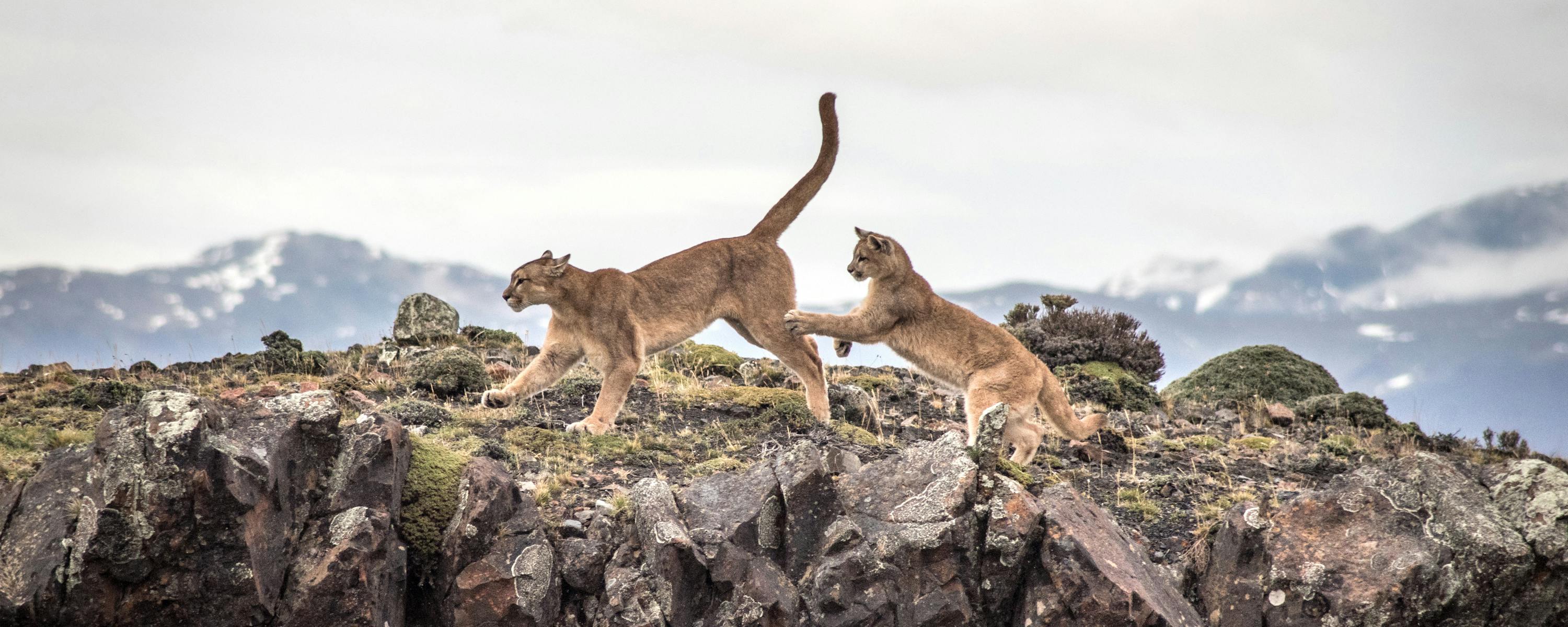


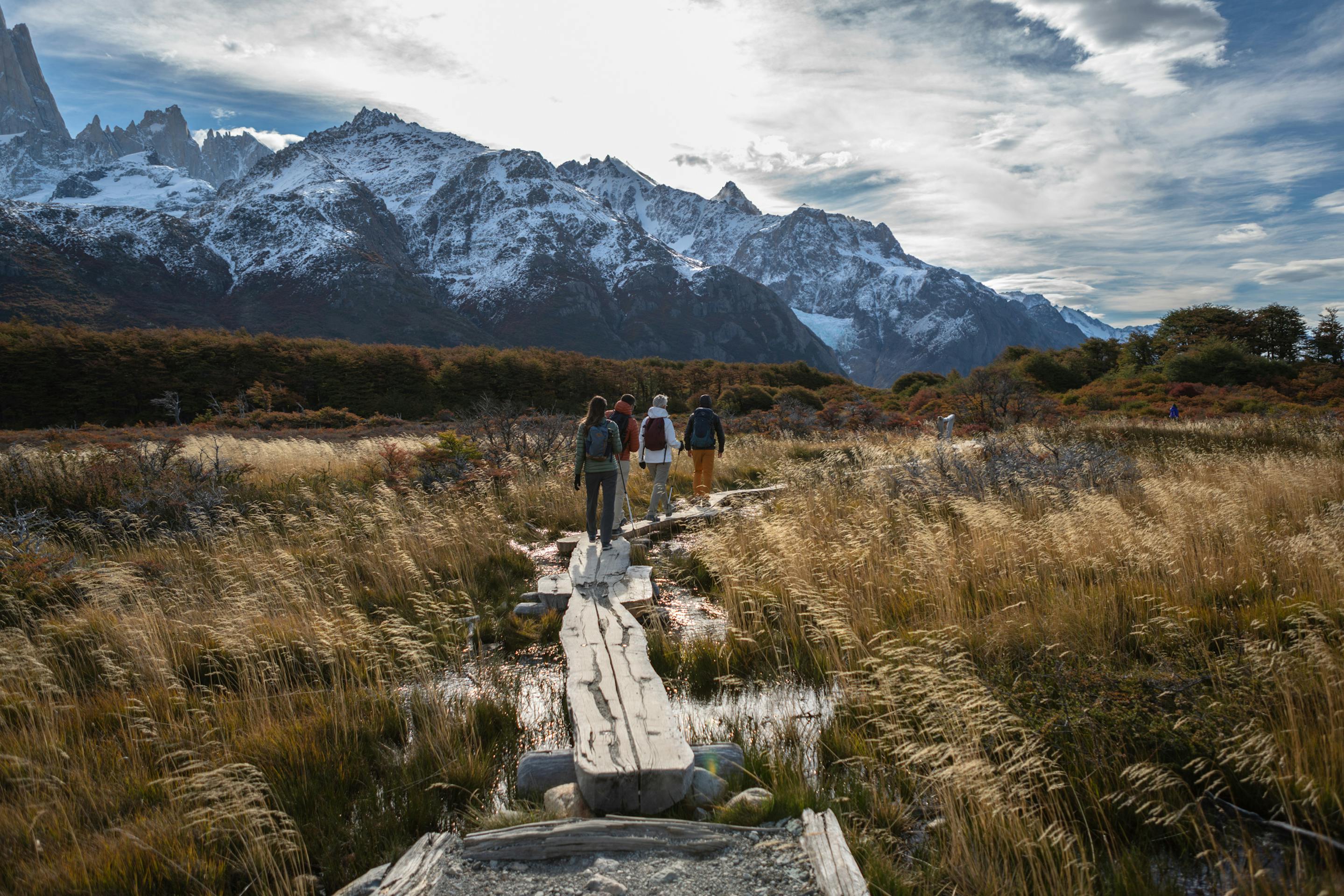
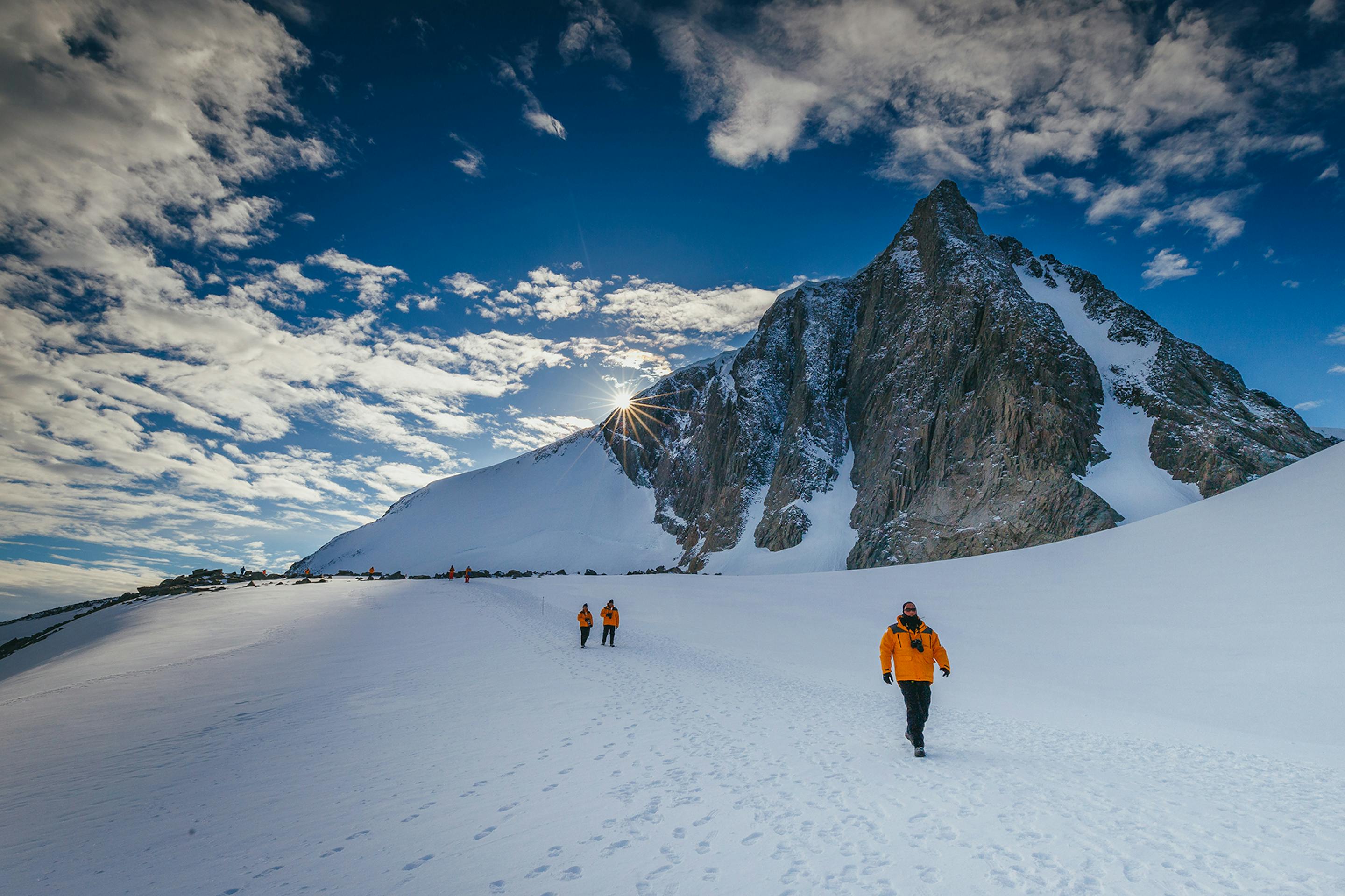
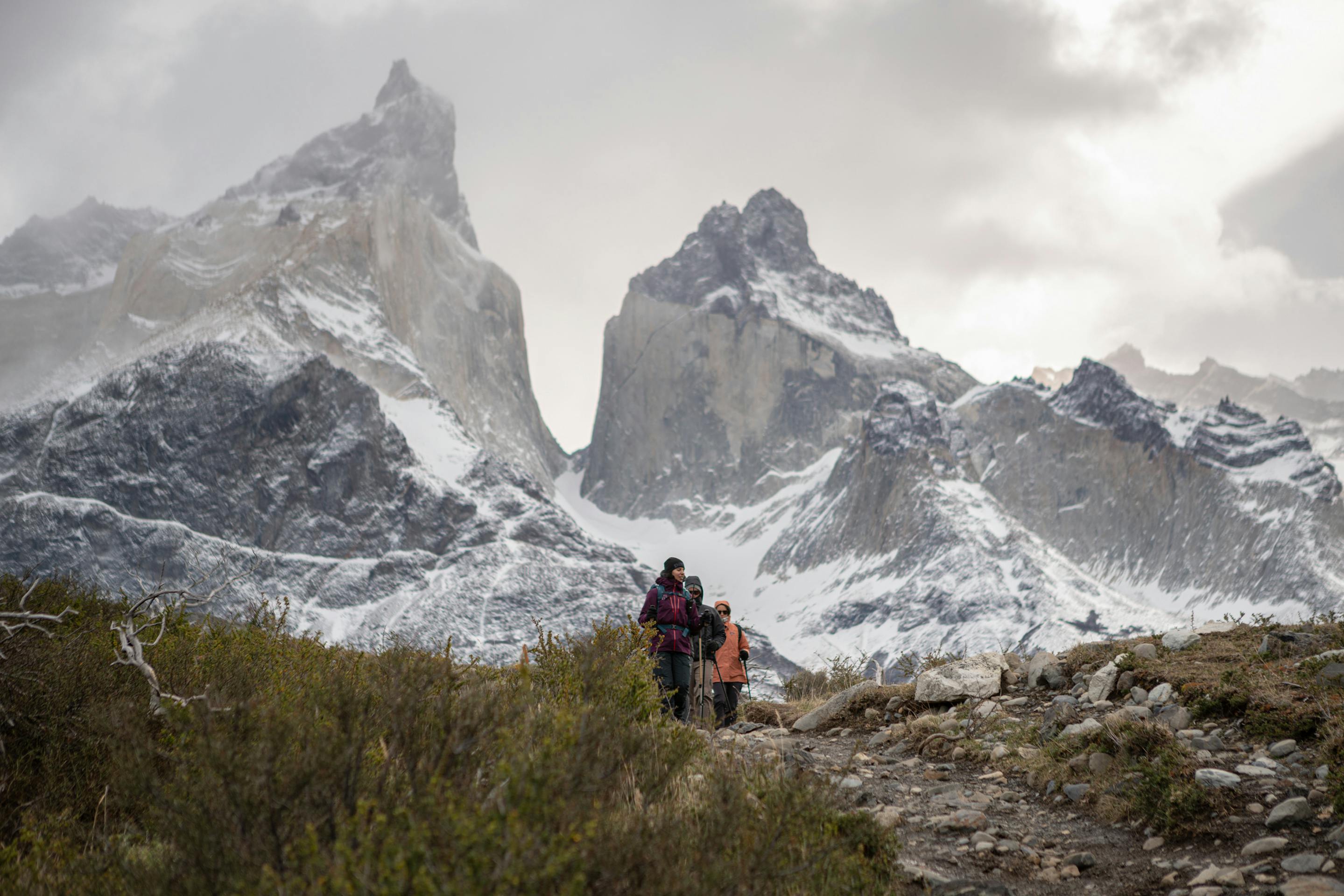
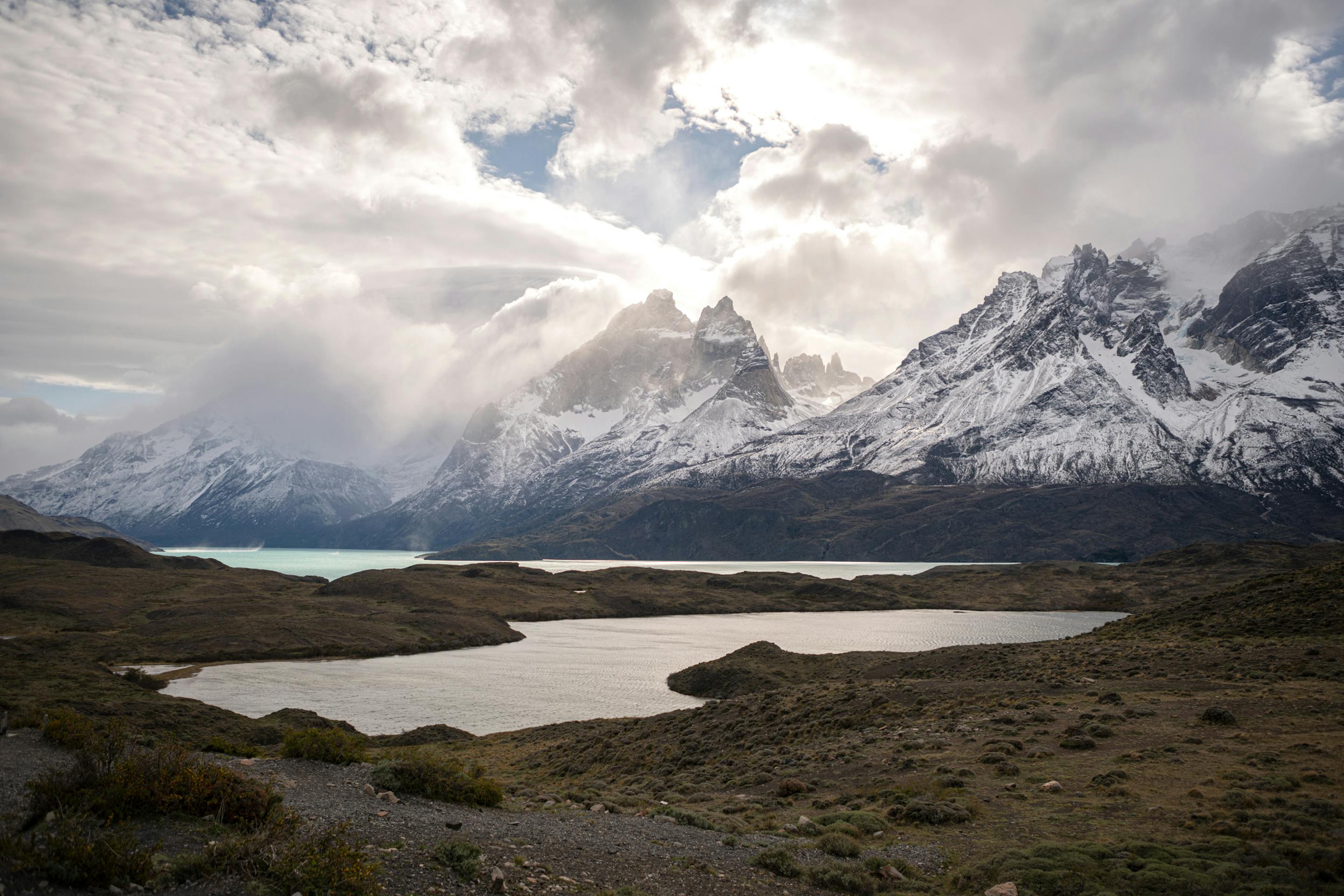
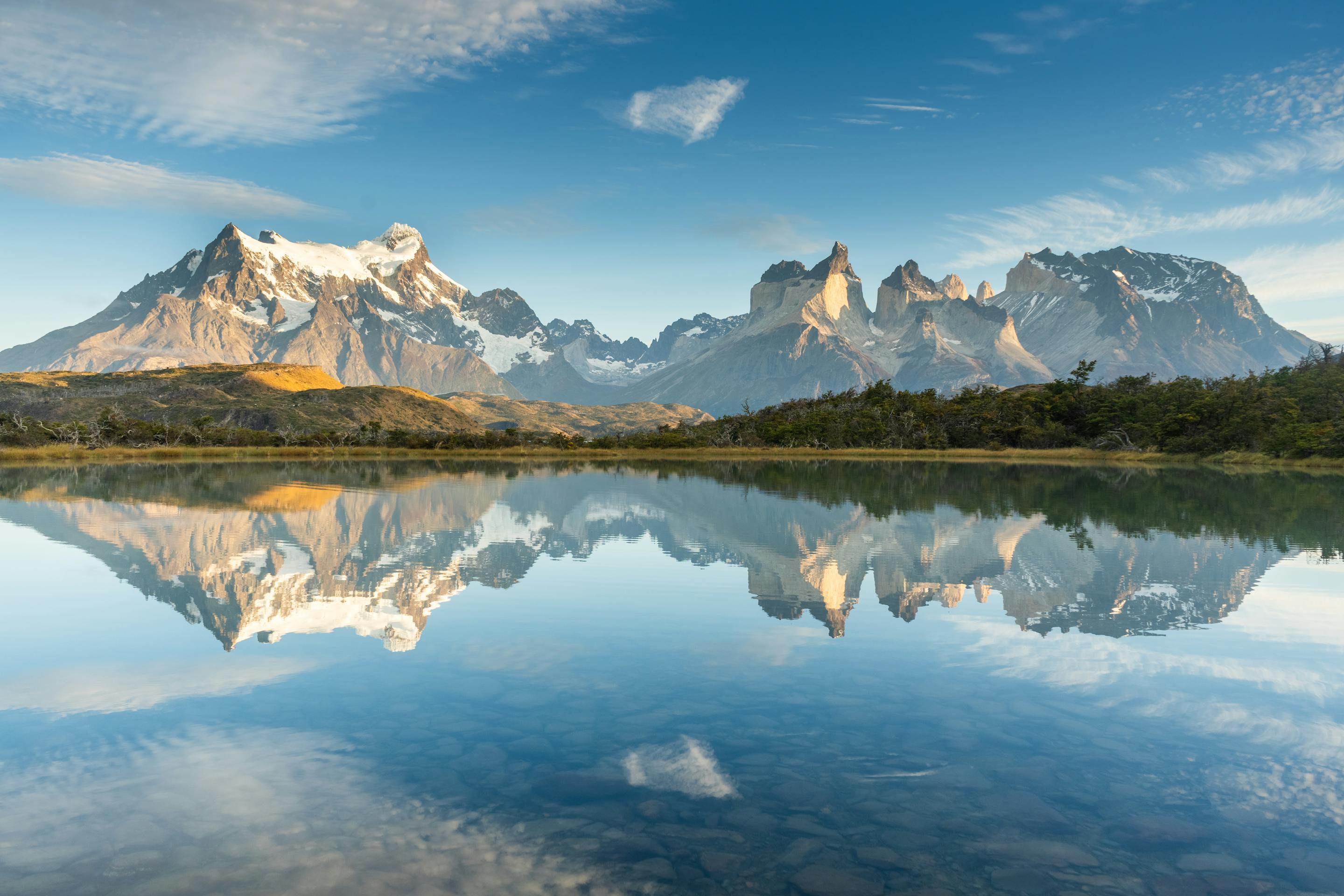
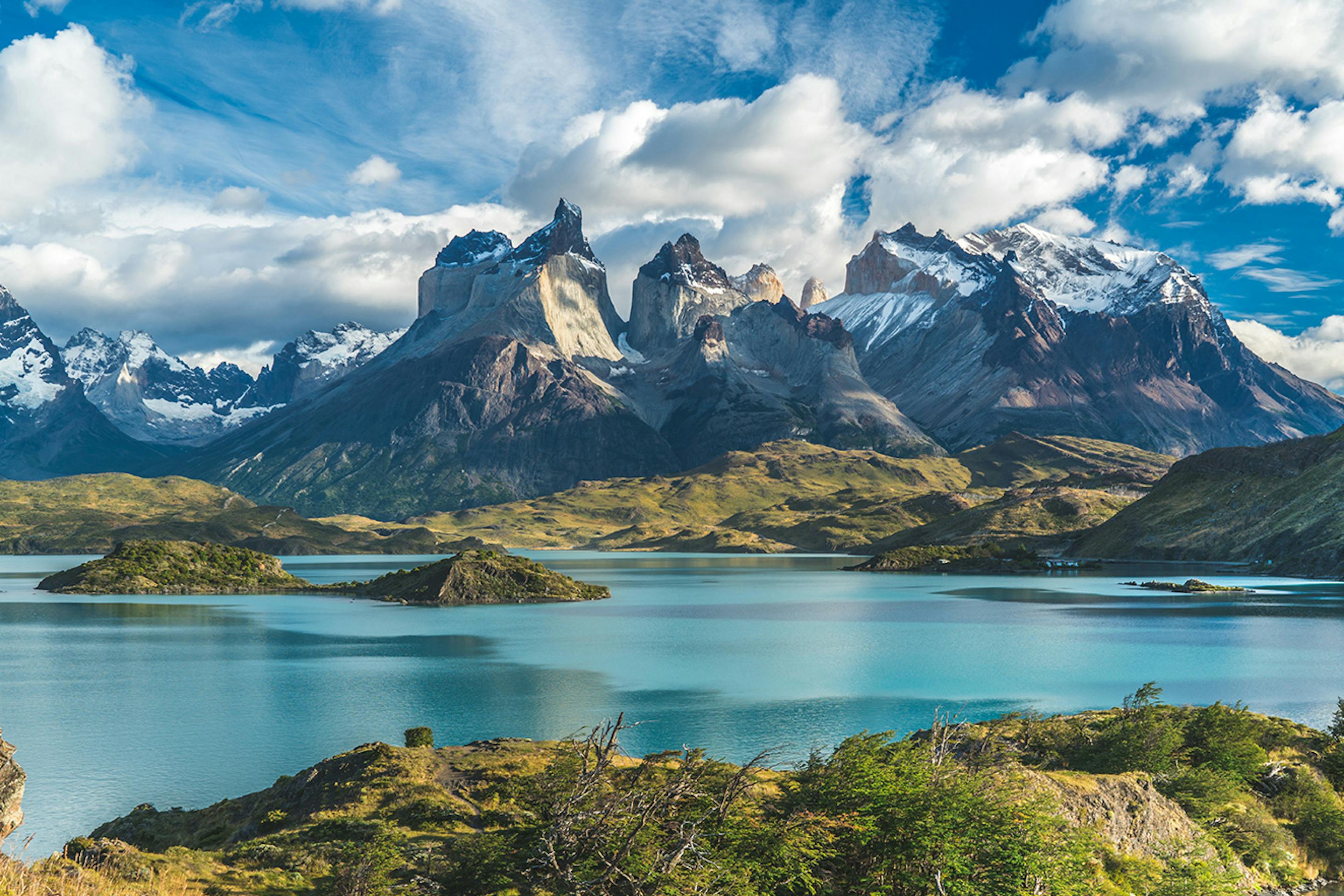
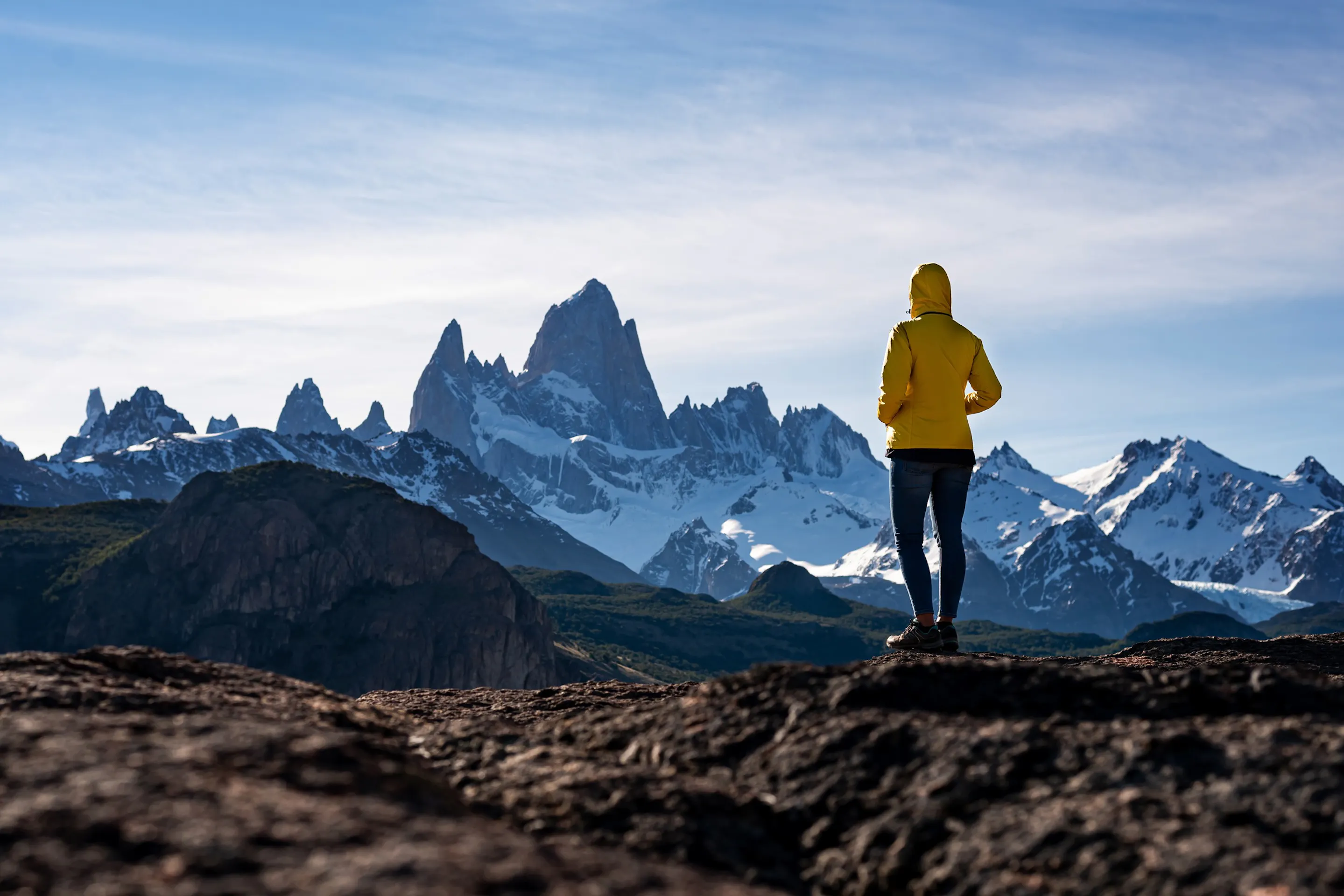
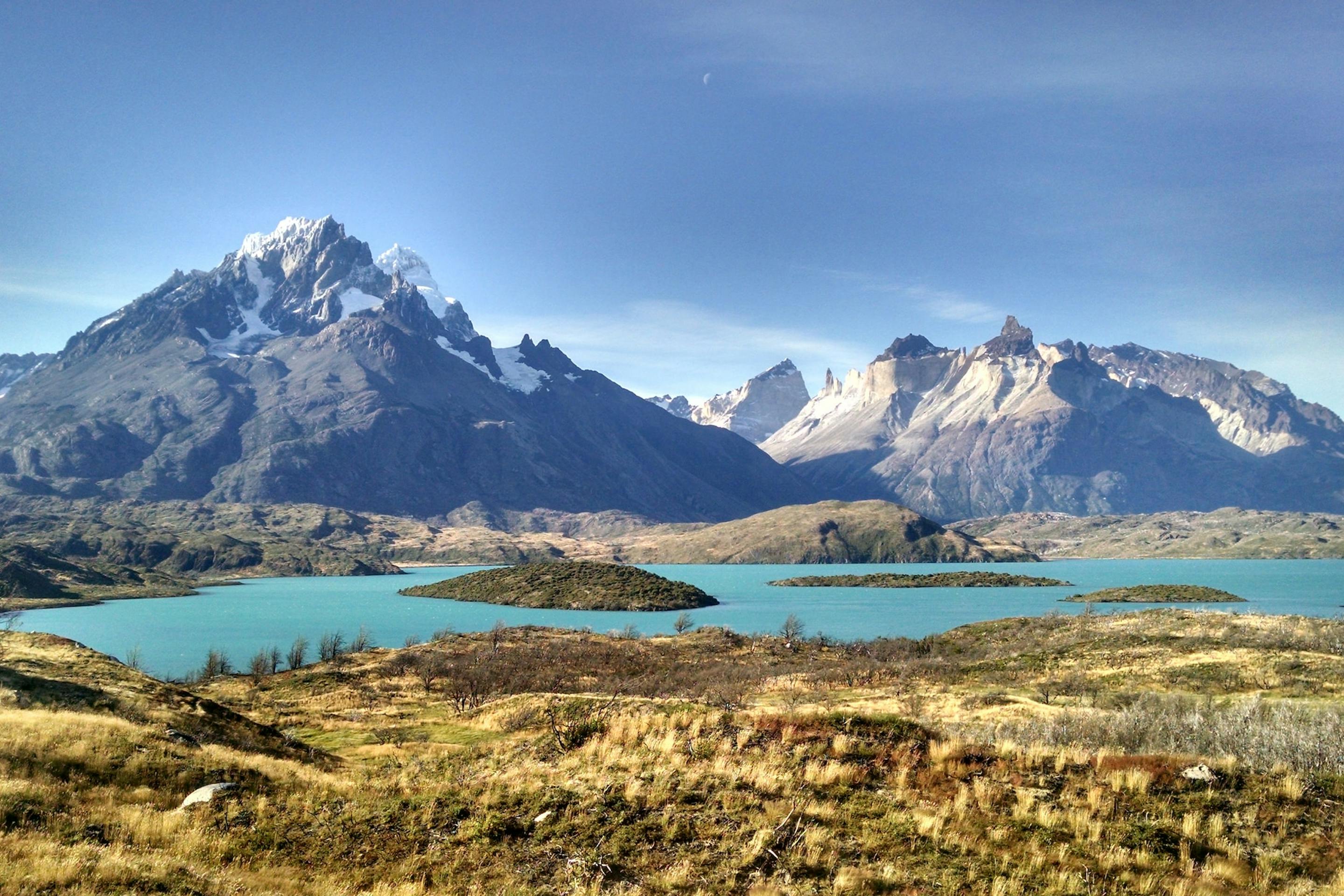
Known for awe-inspiring landscapes, toothy mountain peaks, glaciers, wild pumas, and Magellanic penguins, Patagonia truly feels like the edge of the world.
Known for awe-inspiring landscapes, toothy mountain peaks, glaciers, wild pumas, and Magellanic penguins, Patagonia truly feels like the edge of the world.
Use these itineraries as a starting point or as inspiration to create your own journey
Ice fields, glacial lakes, granite spires, and windswept pampas wrapped in land’s-end aura
Book-ended by two oceans and spanning both Chile and Argentina with the sawtooth Andes Mountains running down it like a spine, Patagonia is alluringly isolated, remote, and vast.
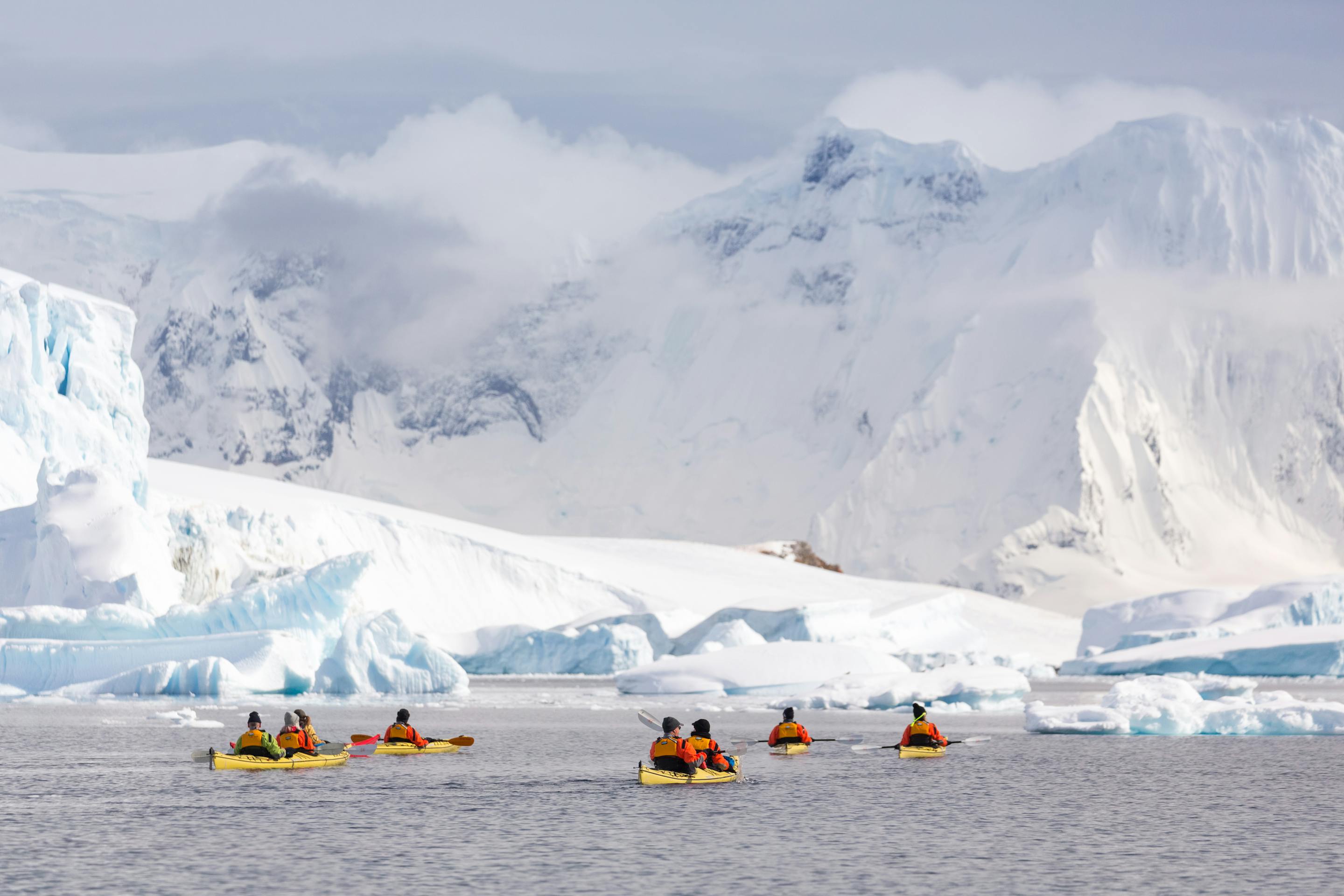
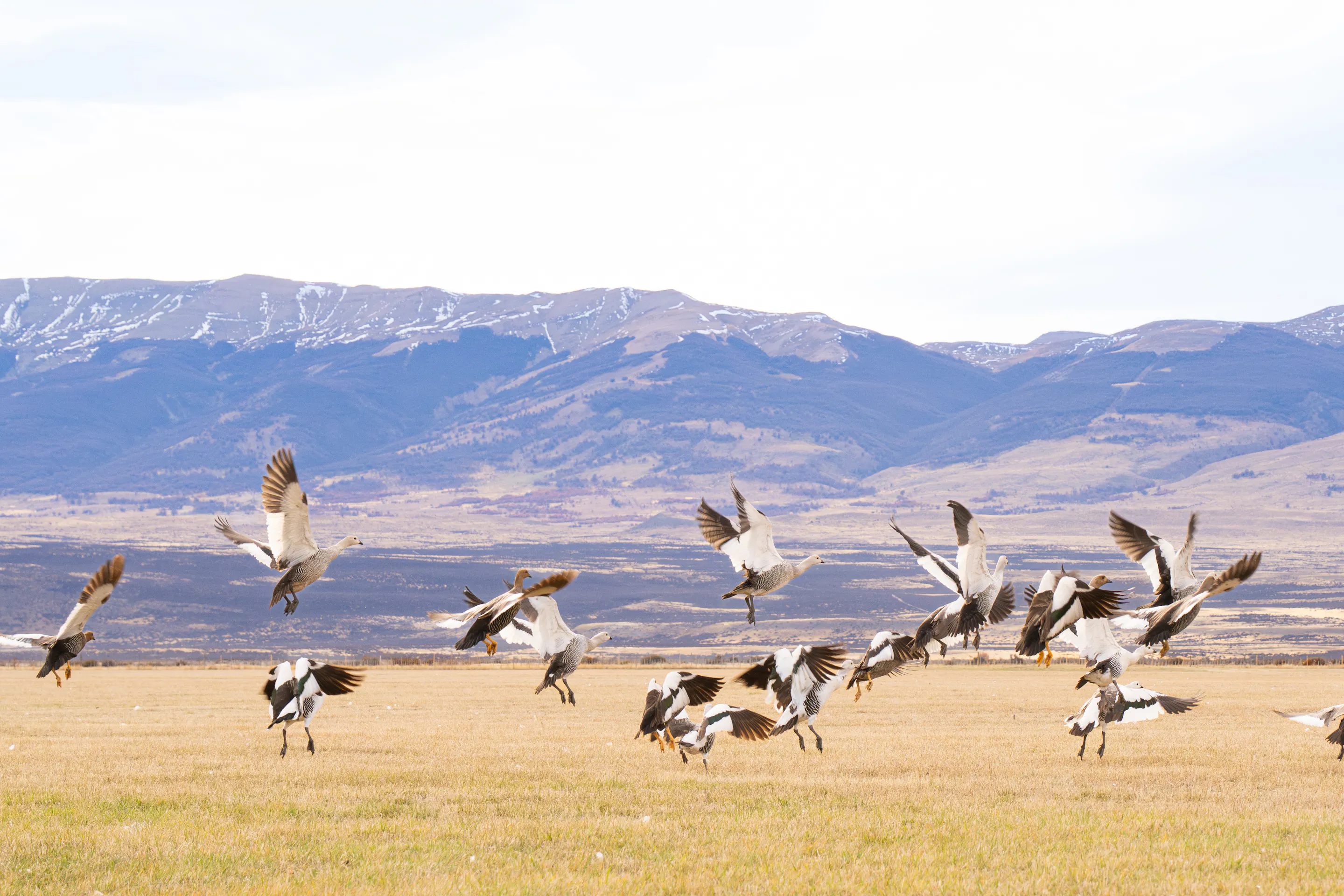
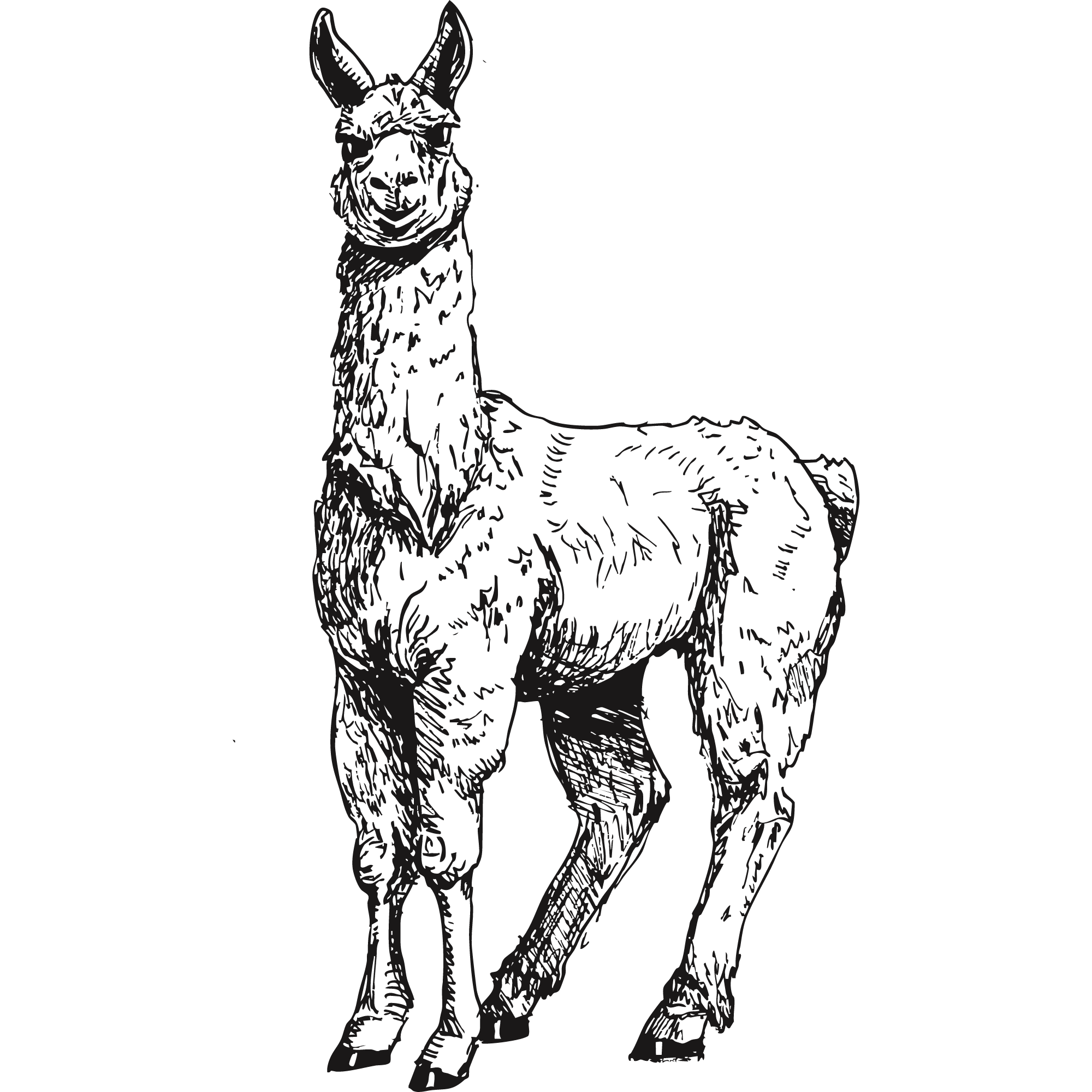
Patagonia’s mountainscapes are among the most famous in the world, but there’s more to the region than its glaciers. From gauchos to guanaco, Patagonia offers incredible opportunities for wildlife tracking, coastal cruising, strenuous adventure or contemplative, rustic-luxe relaxation.
Not to be overlooked, the region’s history is an enthralling one, stretching from its indigenous peoples through to the Age of Discovery and European settlement. Although the region’s modern roots are influenced by ranching culture, a movement toward conservation and rewilding is centering sustainable travel.
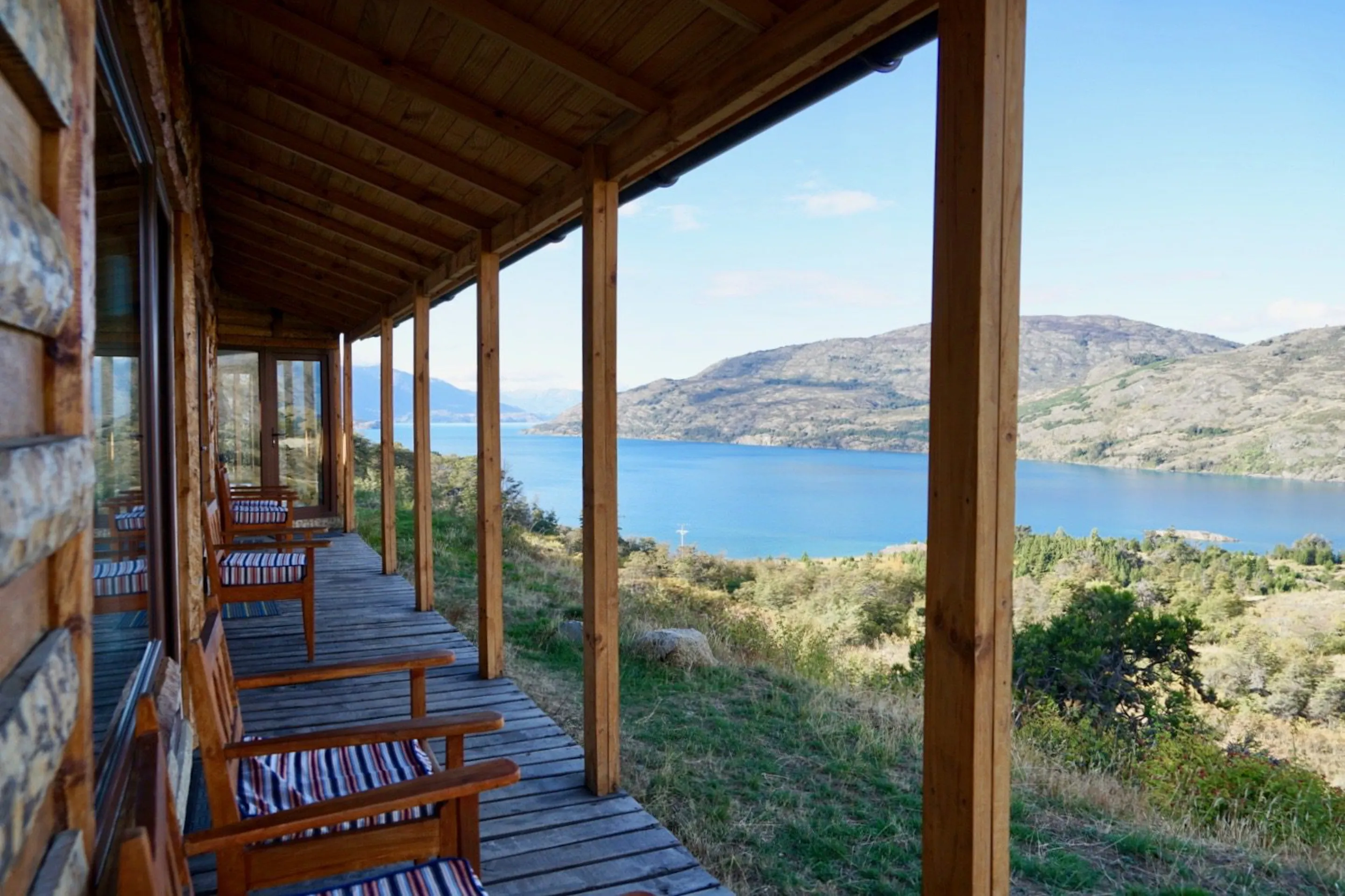
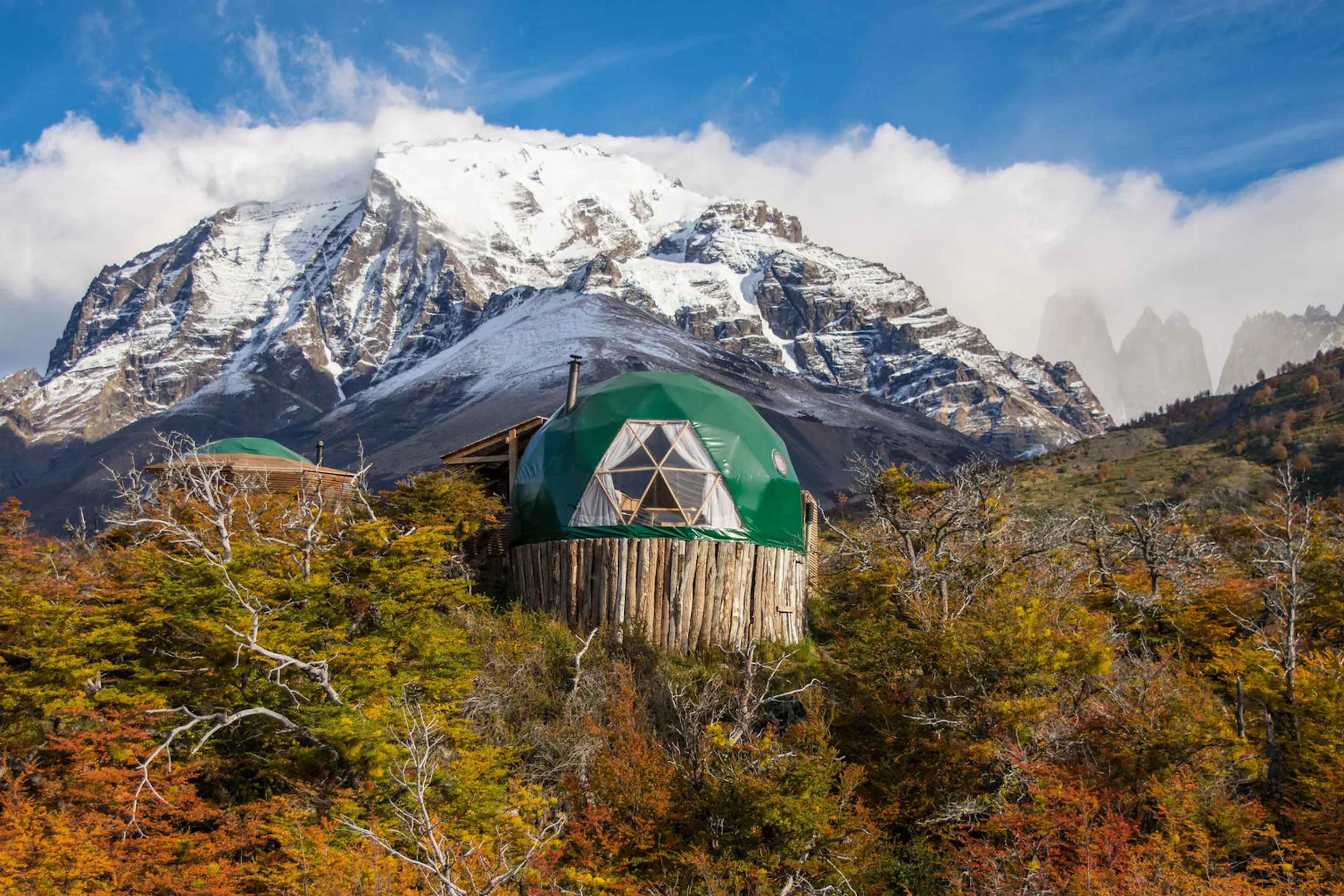
With newly inaugurated national parks and a growing collection of fully inclusive luxury eco-lodges, there has never been a more compelling time to experience Patagonia. Whether you seek remote trekking, wildlife encounters, or fireside evenings overlooking vast landscapes, we tailor your journey to match your spirit of adventure.
Amazing experience, wonderful guides, great hotels and loved having someone watching over us throughout the trip. The entire trip was exceptional and so easy to follow. EJ again exceeded our expectations!
Mary Jane Sheen, 2025 Traveler

Patagonia is right for you if wide-open landscapes, big skies, and a sense of the world’s edge sound irresistible. You don’t need to be a hardcore hiker to love it—there are countless ways to experience the region, from scenic drives and gentle walks to lake cruises, estancia stays, and wildlife viewing. Expect glacier-carved peaks, turquoise waters, cozy lodges, and wonderfully changeable weather. If you crave nature, comfort, and quiet awe, Patagonia delivers.
Unless you are traveling specifically for winter sports, spring, summer, and fall are the best months to visit Patagonia. (Keep in mind, Patagonia is in the Southern Hemisphere, so the seasons are the opposite of North America.)
Peak season is December, January, and February, when temperatures are the warmest. (Still, there’s always a chance of rainy weather whenever you go.) Rates are higher, and inventory can be scant during “festive season,” (December 20 through January 5), so book well in advance to secure your preferred accommodations.
Shoulder season runs from March through April and October through November. With springtime wildflowers and fall foliage in some parts of Patagonia, it can be quite colorful. The weather is generally nice, and rates are slightly lower with fewer tourists.
Low season runs from May through September. The shorter days can be cold and sometimes snowy, and even inaccessible, depending on the destination. Still, it’s a great time to take advantage of winter sports in Bariloche and Ushuaia. Lodges in Torres del Paine are staying open further into the low season, presenting a unique opportunity to enjoy it with no crowds, clear skies, and easier wildlife spotting against the white snow.
Best
Mar
Apr
Oct
Nov
March - April
October - November
Good
Jan
Feb
Mar
Apr
Sep
Oct
Nov
Dec
January - April
September - December
Given the size of the region, one could explore Patagonia for months and still leave stones unturned
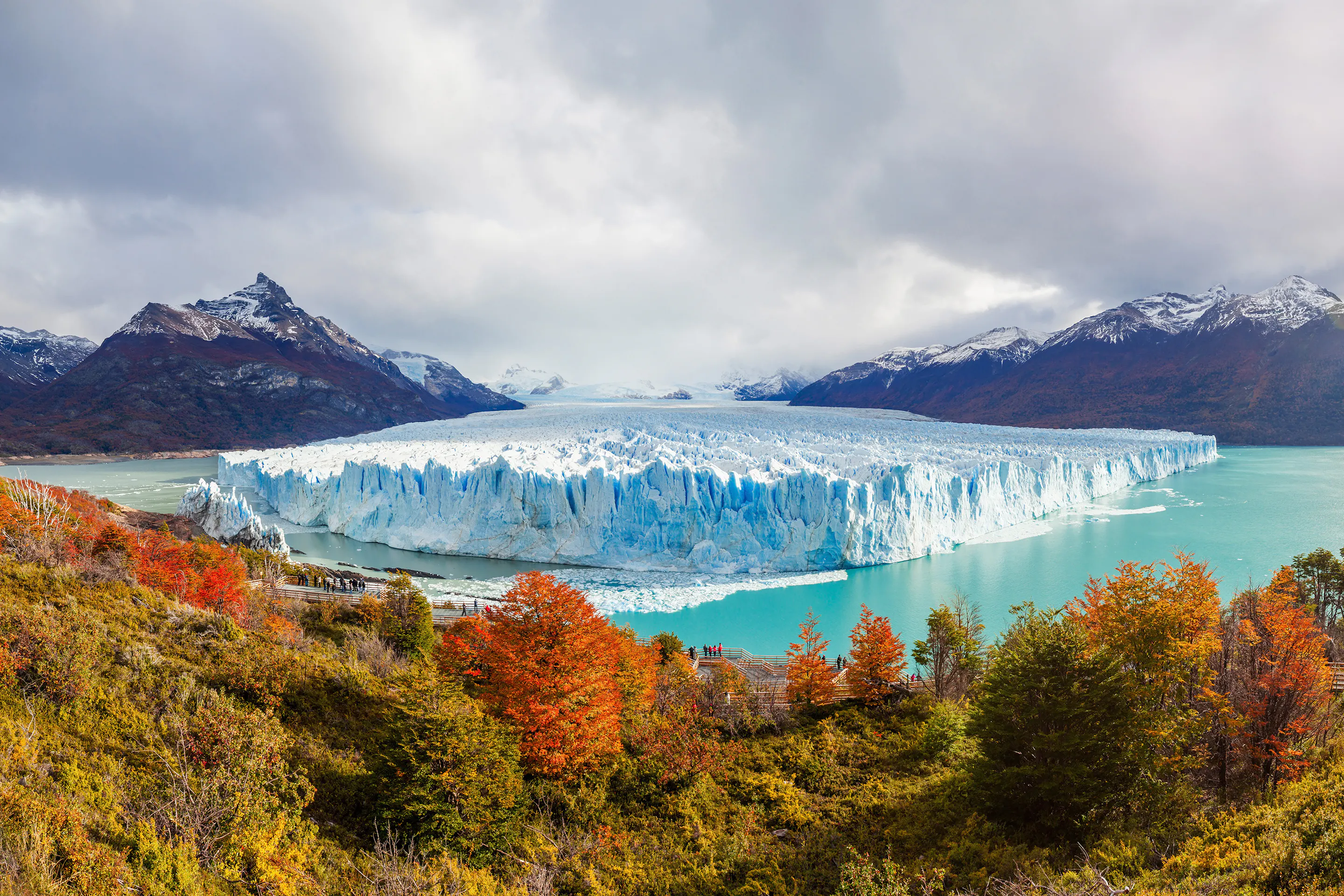
El Calafate romances travelers with its windswept Patagonian beauty and front-row access to the UNESCO-inscribed Los Glaciares National Park. From the shimmering shores of Lago Argentino to the thunderous ice walls of Perito Moreno Glacier, every moment feels raw and awe-inspiring—an unforgettable encounter with nature at its most powerful and pristine.
We value depth over breadth. While we have broadened our map, our intimate expertise runs deep—from understanding each locale's hidden rhythms to cultivating relationships with exceptional guides.
Seasoned travelers know that places change, authentic experiences migrate. We'll listen to your hopes and passions, but push back when we know something will better resonate with you.

Traveling to wild places asks something of us— a quality of attention and presence. From behind-the-scenes logistics to bespoke culinary experiences, our team has thought of everything.
There will undoubtedly be extraordinary unscripted moments: hippos emerging at sunset, the impossible blue of Arctic ice. We know that meaningful memories often live in personalized details.
We value depth over breadth. While we have broadened our map, our intimate expertise runs deep—from understanding each locale's hidden rhythms to cultivating relationships with exceptional guides.
Seasoned travelers know that places change, authentic experiences migrate. We'll listen to your hopes and passions, but push back when we know something will better resonate with you.
Traveling to wild places asks something of us— a quality of attention and presence. From behind-the-scenes logistics to bespoke culinary experiences, our team has thought of everything.
There will undoubtedly be extraordinary unscripted moments: hippos emerging at sunset, the impossible blue of Arctic ice. We know that meaningful memories often live in personalized details.