Itinerary
Extraordinary Bhutan trip
Tiger's Nest Monastery and beyond on a journey through our favorite places in Bhutan
11 days
$18,000 per person
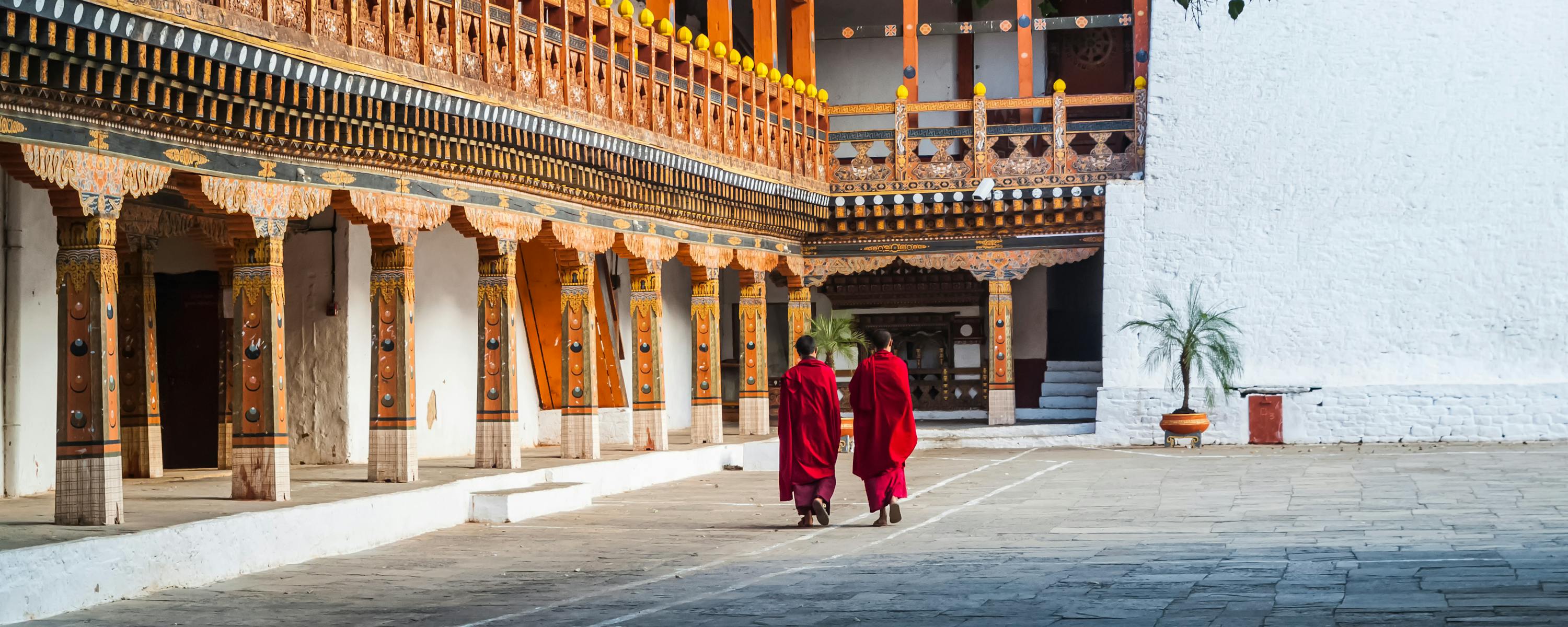
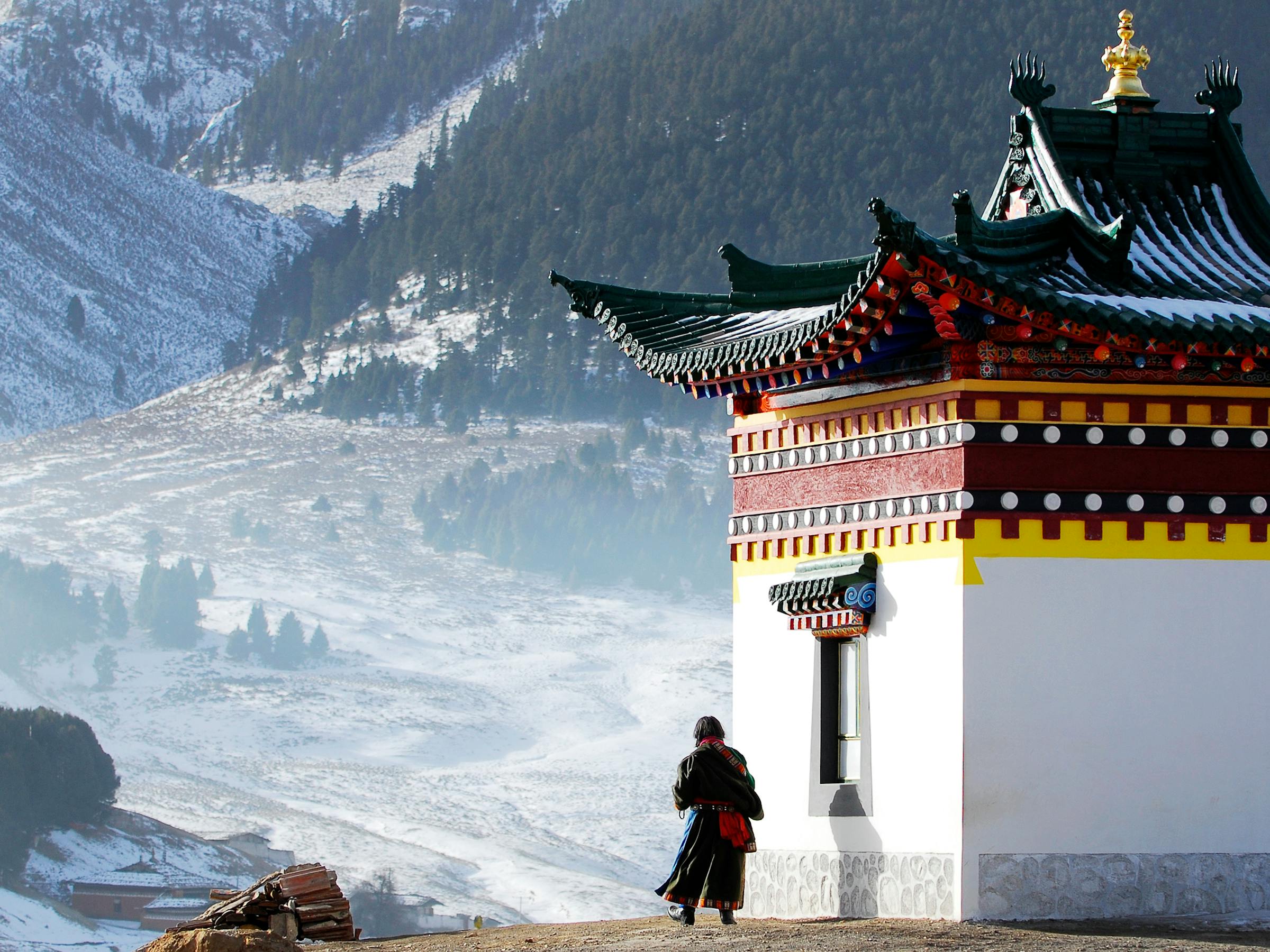
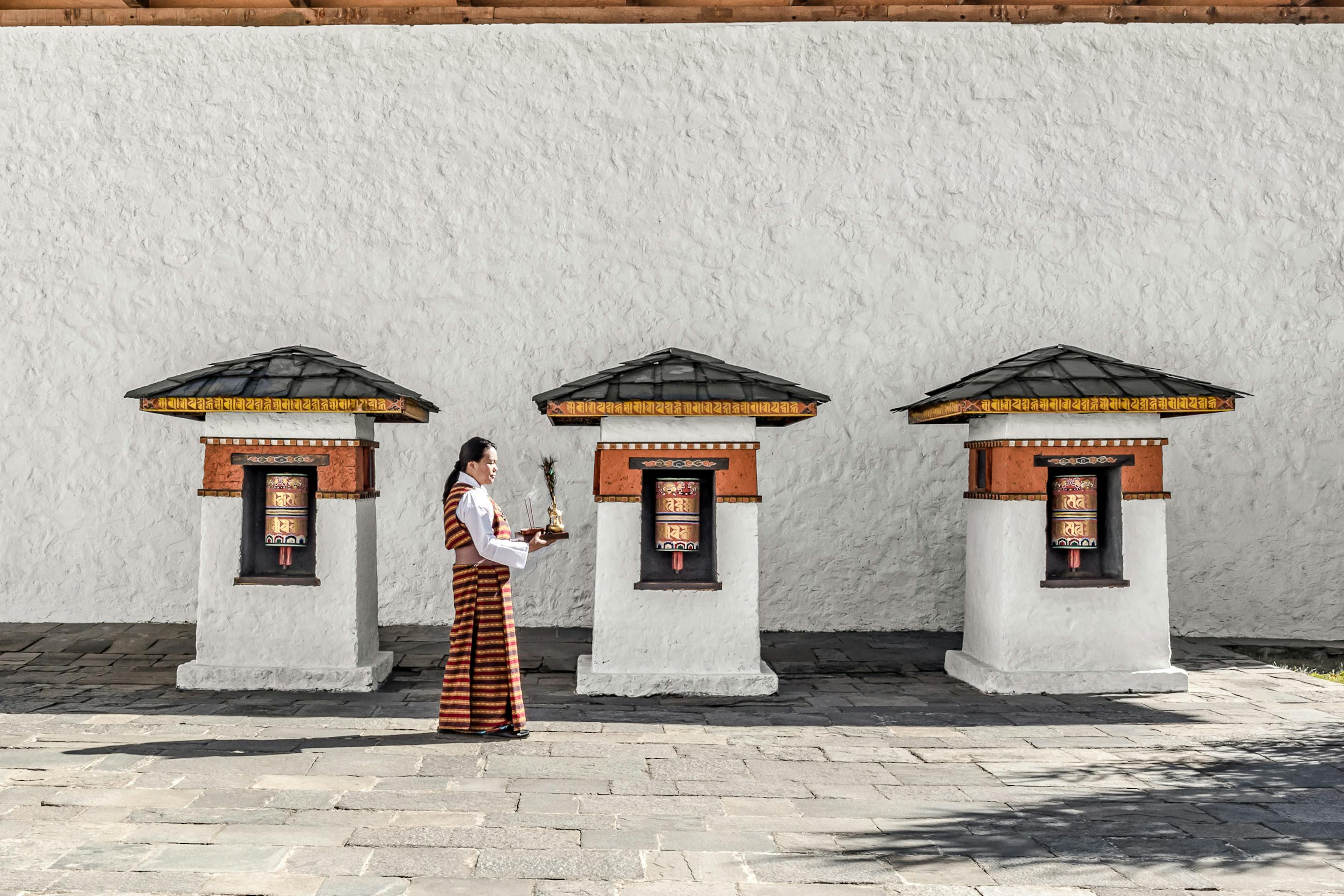
Tucked high in the Himalayas, where cliffside monasteries cling to the clouds and traditions shape daily life, Bhutan feels like a kingdom guided more by spirit than by time.
Tucked high in the Himalayas, where cliffside monasteries cling to the clouds and traditions shape daily life, Bhutan feels like a kingdom guided more by spirit than by time.
Use these itineraries as a starting point or as inspiration to create your own journey
A secretive Himalayan kingdom strung with prayer flags and steeped in Buddhist spirituality
Locked within snow-capped peaks and forested Himalayan walls, Bhutan is a Kingdom preserved in time. Dzong fortresses adorn Bhutan’s valleys like stately layer cakes, prayer flags whip in the wind, Buddhism harmonizes with daily life, and the country sets a global example with its Gross National Happiness philosophy, measuring happiness instead of GDP. It’s a place where nature is deeply imbued with mythical energy and deities, where monks perform costumed dances during tschechu festivals, and where gazing upon an elaborate thongdrel (Buddhist textile painting) is said to absolve onlookers of bad karma.
Guided by the Fourth King and four governing pillars—environmental conservation, cultural preservation, good governance, and socio-economic growth—Bhutan is in no hurry to rush into modernity, making it a unique destination for visitors. The Kingdom only rolled out the welcome mat to tourists in 1974, and it didn’t have television until 1999. Bhutan has taken a slow, measured approach, etching out a sustainable model of tourism with intention.
Crowd-free and chock full of charms, intrepid travelers are called to Bhutan for sublime hiking and multi-day treks, to commune with unspoiled nature, for wellness and self-care in a serene mountainscape, and for genuine cultural interactions rich in connection.
Experience “The Land of the Thunder Dragon” in myriad ways, from luxury lodges, authentic heritage stays, and tented wilderness camps to trekking, horseback riding, and rafting through alpine forests and subtropical oases.
If you’re looking for a serene, nature-rich escape to a place where you can slow down and reconnect with yourself, there’s no better place than Bhutan.
Jamie did an incredible job on our trip. She completely understood what we like to do and what we are interested in. Her recommendation of Bhutan was spot on and we were so glad we went!
Christina Malbon, 2025 Traveler

Bhutan is for travelers seeking something genuinely rare: a secluded Himalayan kingdom that limits tourism, so the experience feels intimate and almost untouched. Because so few people get to see it this way, it’s easy to slip into the quiet rhythm of the mountains: hiking to cliffside monasteries like Tiger’s Nest, breathing in pristine valleys, and feeling the country’s deep Buddhist spirituality not as a spectacle, but as everyday life.
Spring (March-April-May) and fall (mid-September through November) are favored as the best time to travel to Bhutan, coinciding with pleasant temperatures and notable festivals. Don’t automatically write off a wintertime visit, though. Bhutan shares a latitude with Texas and Cairo, and depending on the elevation, winters can be quite mild.
Best
Mar
Apr
May
Sep
Oct
Nov
March - May
September - November
Good
Jan
Feb
Mar
Apr
May
Jun
Jul
Aug
Sep
Oct
Nov
Dec
January - December
Given its remoteness and that you can only reach it via a Bhutanese-owned airline, we recommend spending at least a week in the Kingdom for a cultural-focused journey and longer (two-plus weeks) if you’re trekking
If you could only visit one place in Bhutan, it should be Paro, the sacred valley that’s home to the iconic, gravity-defying Tiger’s Nest Monastery—a must for every visitor. Also consider a lesser-known, easy pilgrimage trail to the Temple of the Floating Goddess, Chumphu Nye, which follows a gentle river through a mystical pine forest.
We value depth over breadth. While we have broadened our map, our intimate expertise runs deep—from understanding each locale's hidden rhythms to cultivating relationships with exceptional guides.
Seasoned travelers know that places change, authentic experiences migrate. We'll listen to your hopes and passions, but push back when we know something will better resonate with you.
Traveling to wild places asks something of us— a quality of attention and presence. From behind-the-scenes logistics to bespoke culinary experiences, our team has thought of everything.
There will undoubtedly be extraordinary unscripted moments: hippos emerging at sunset, the impossible blue of Arctic ice. We know that meaningful memories often live in personalized details.
We value depth over breadth. While we have broadened our map, our intimate expertise runs deep—from understanding each locale's hidden rhythms to cultivating relationships with exceptional guides.
Seasoned travelers know that places change, authentic experiences migrate. We'll listen to your hopes and passions, but push back when we know something will better resonate with you.
Traveling to wild places asks something of us— a quality of attention and presence. From behind-the-scenes logistics to bespoke culinary experiences, our team has thought of everything.
There will undoubtedly be extraordinary unscripted moments: hippos emerging at sunset, the impossible blue of Arctic ice. We know that meaningful memories often live in personalized details.
