Itinerary
Ecuador adventure: Volcanoes and Galapagos
A wilderness and wildlife-filled trip to Ecuador for couples
16 days
$15,000 per person
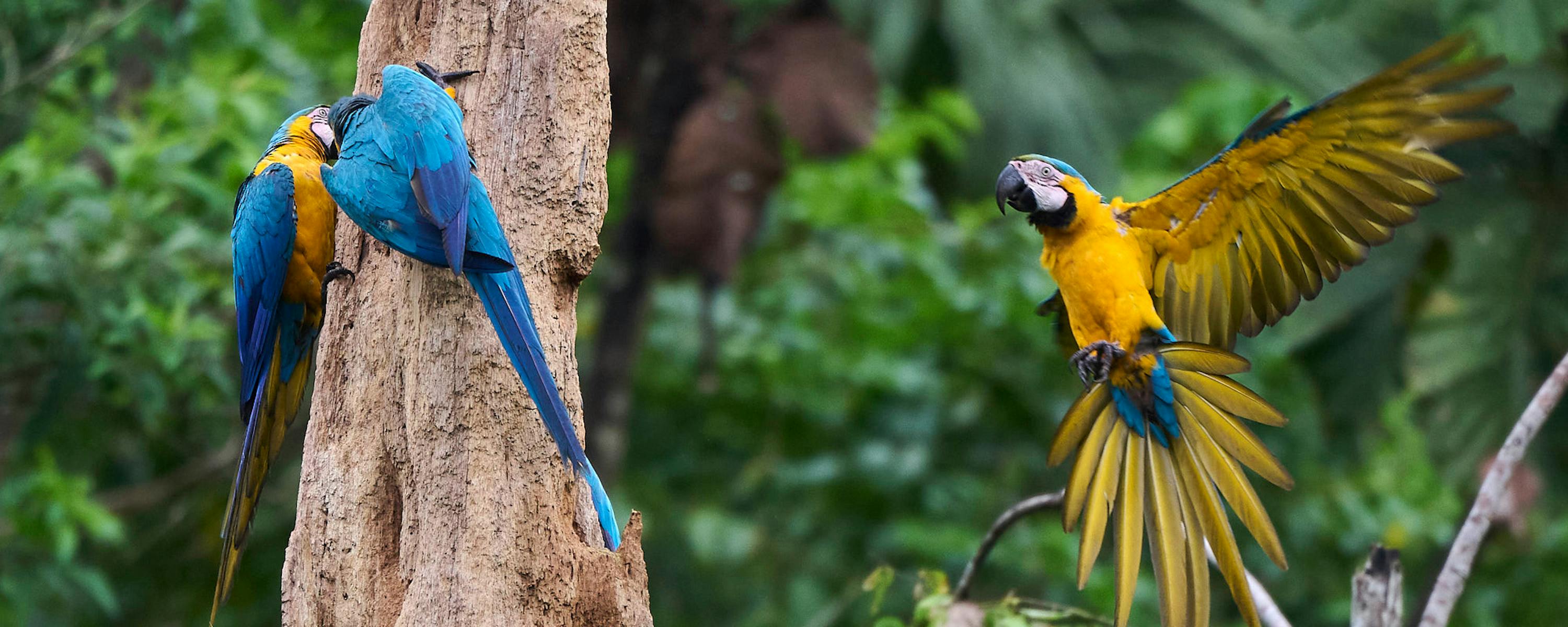
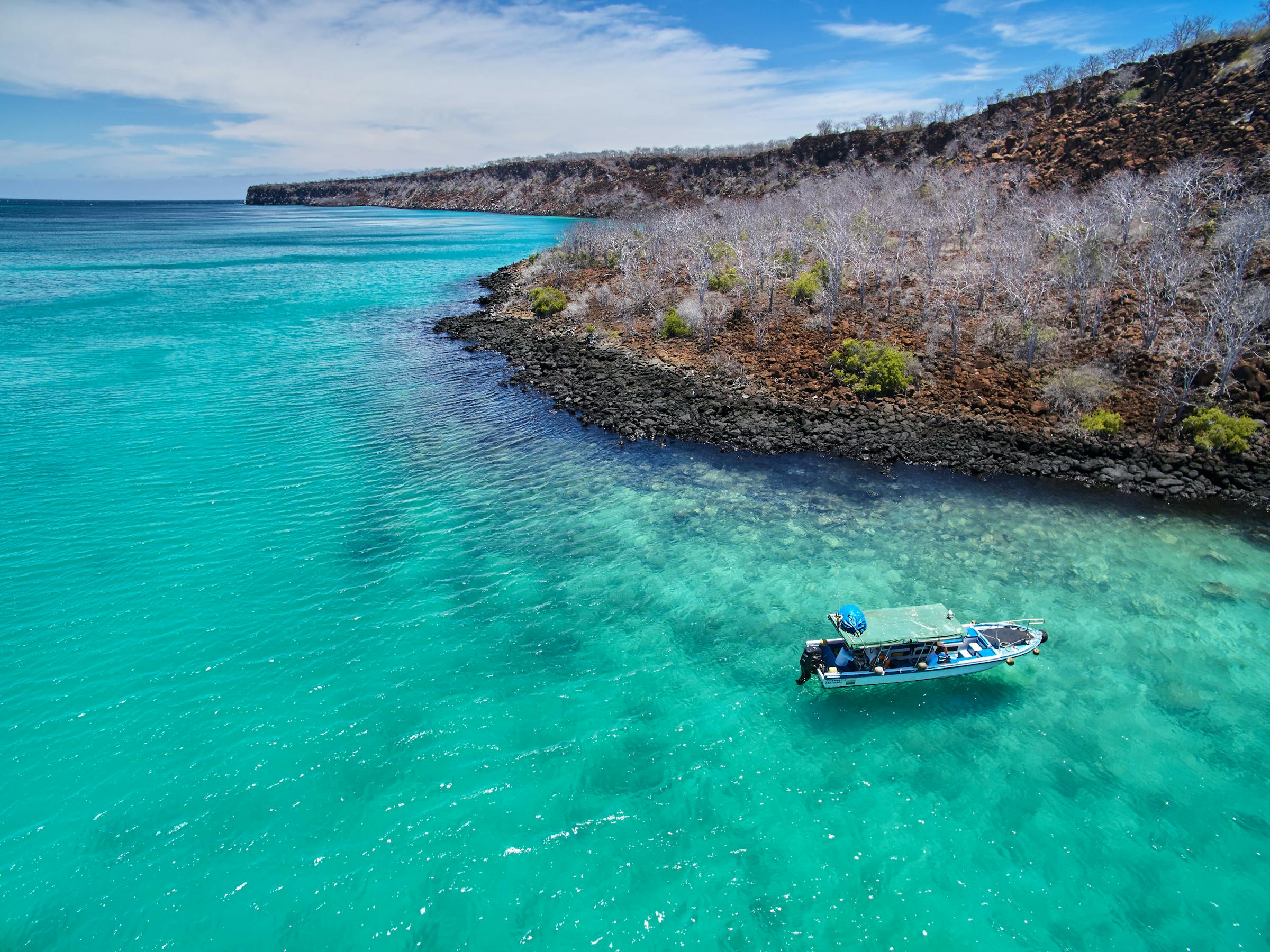
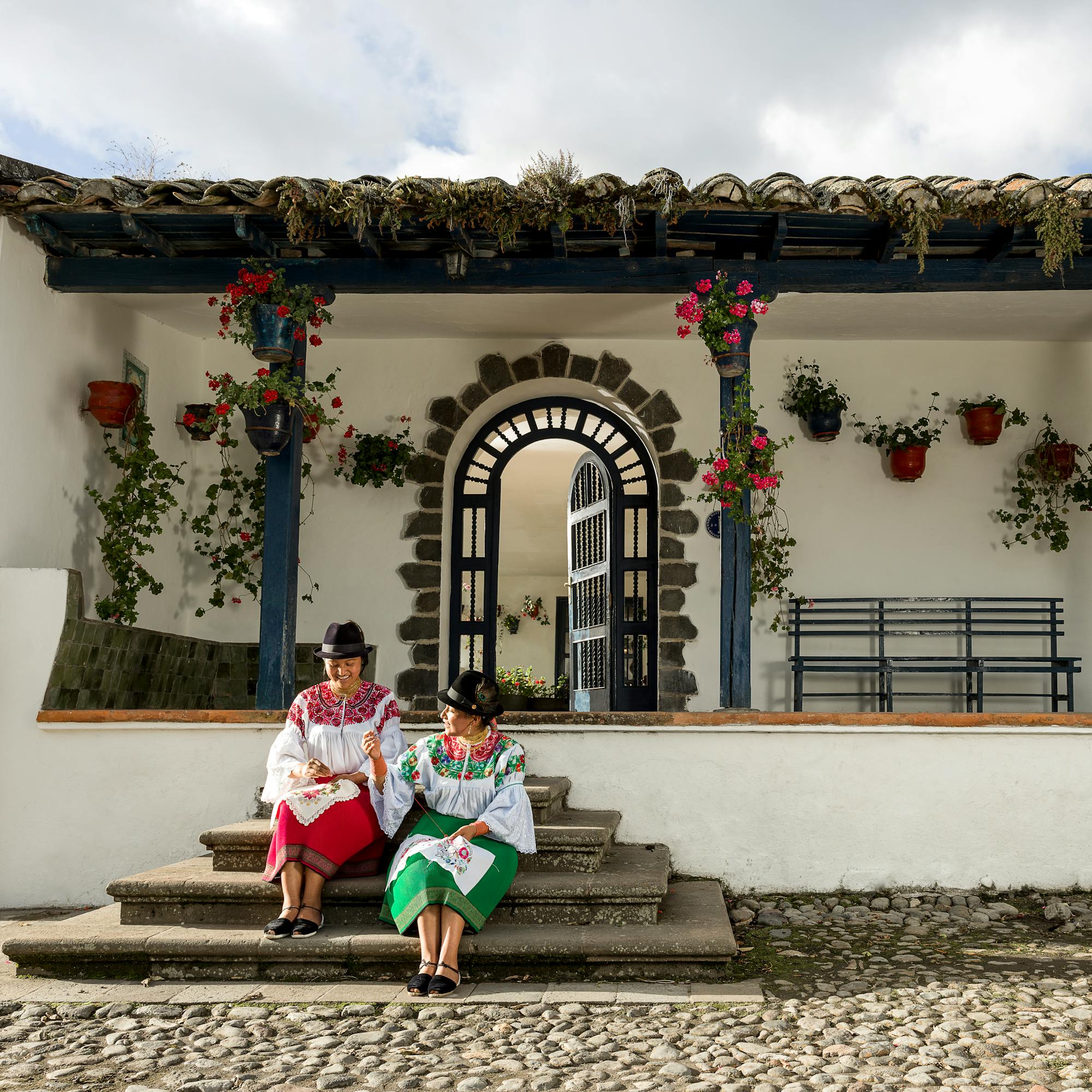
Ecuador packs extraordinary diversity into a small footprint, with the Amazon rainforest, Andean volcanoes, and the Galápagos offering rich cultural and wildlife encounters.
Ecuador packs extraordinary diversity into a small footprint, with the Amazon rainforest, Andean volcanoes, and the Galápagos offering rich cultural and wildlife encounters.
Use these itineraries as a starting point or as inspiration to create your own journey
Natural wonders conspire in the Galápagos, Amazon, volcanic highlands, and Cloud Forest
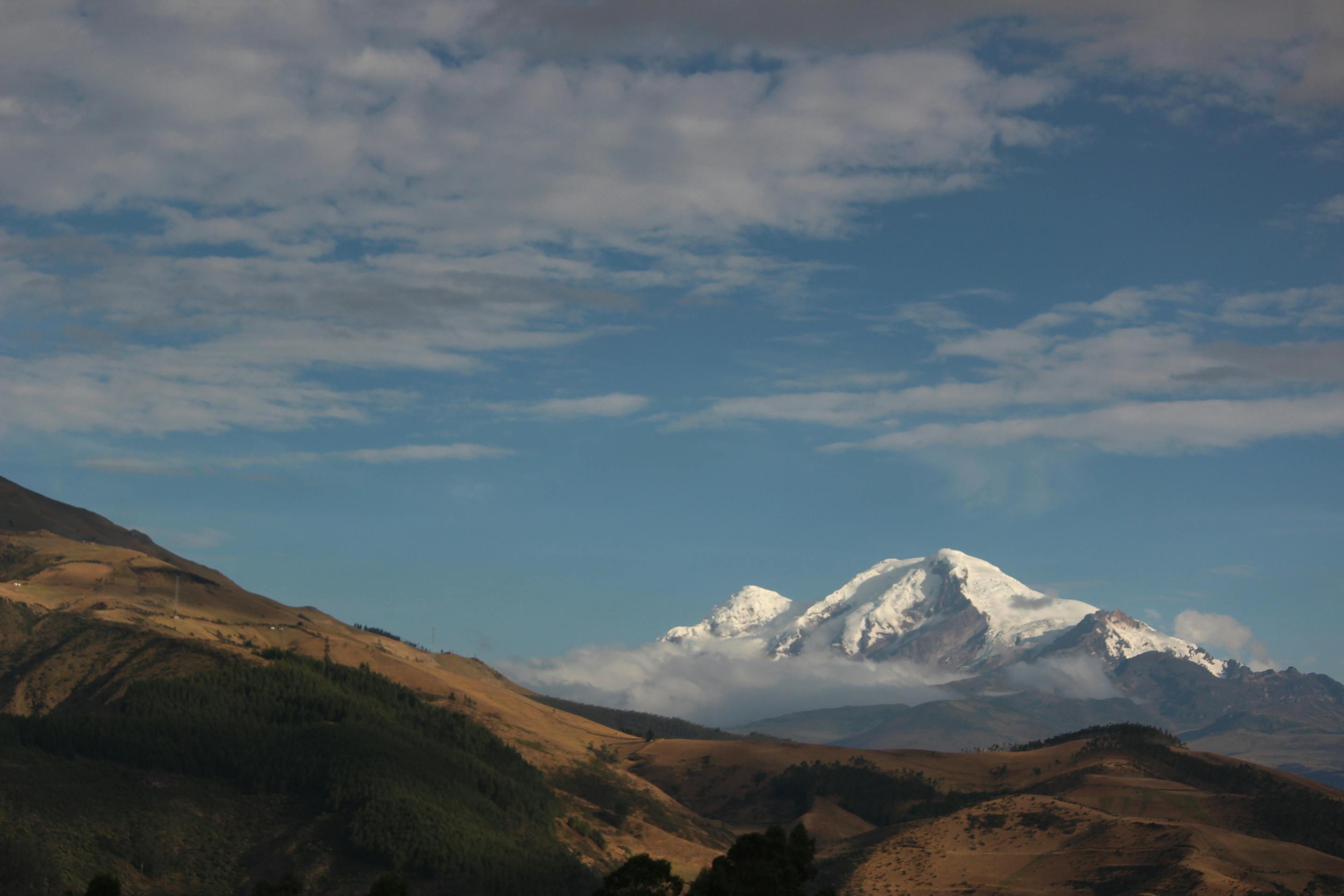
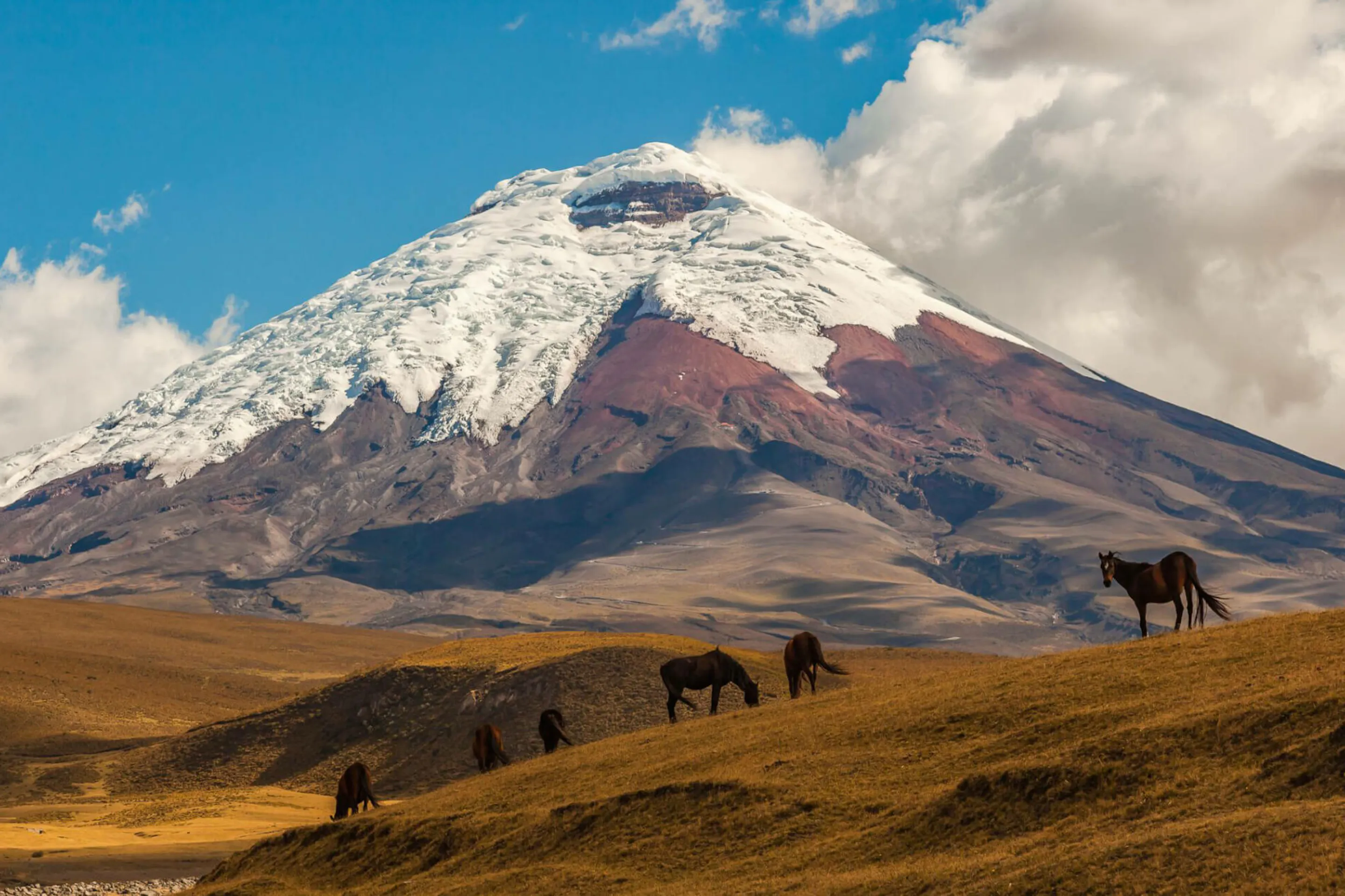
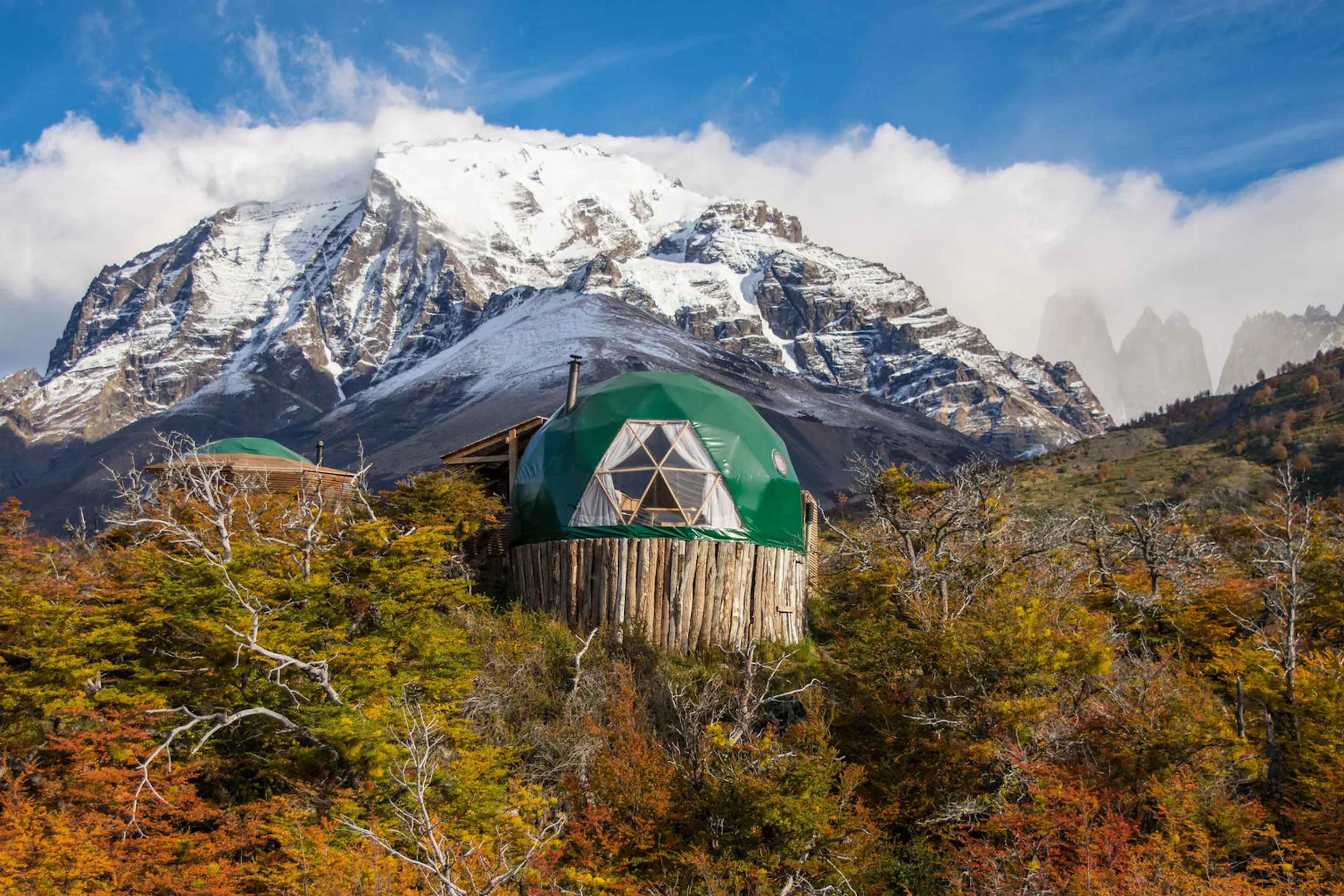
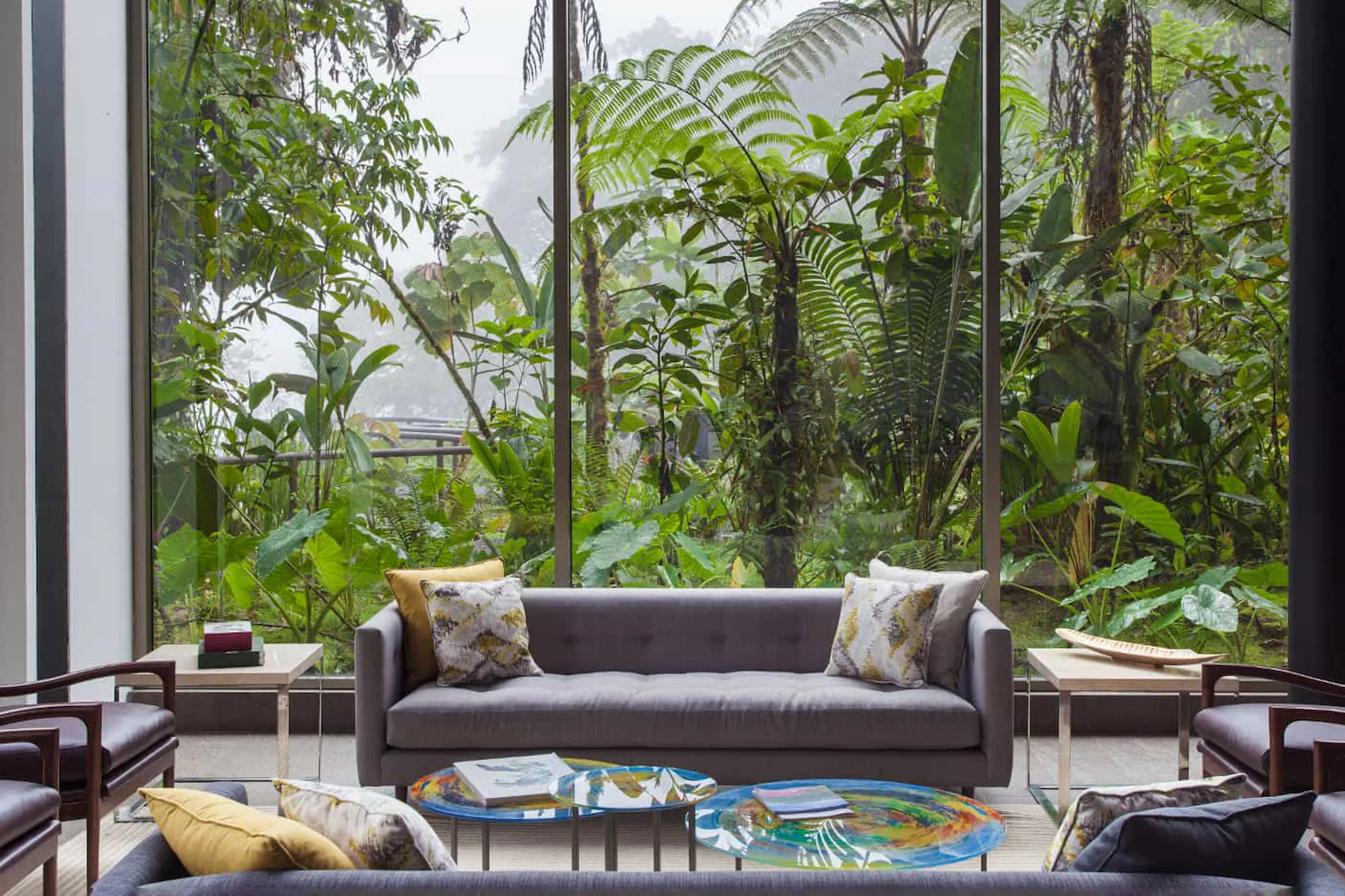
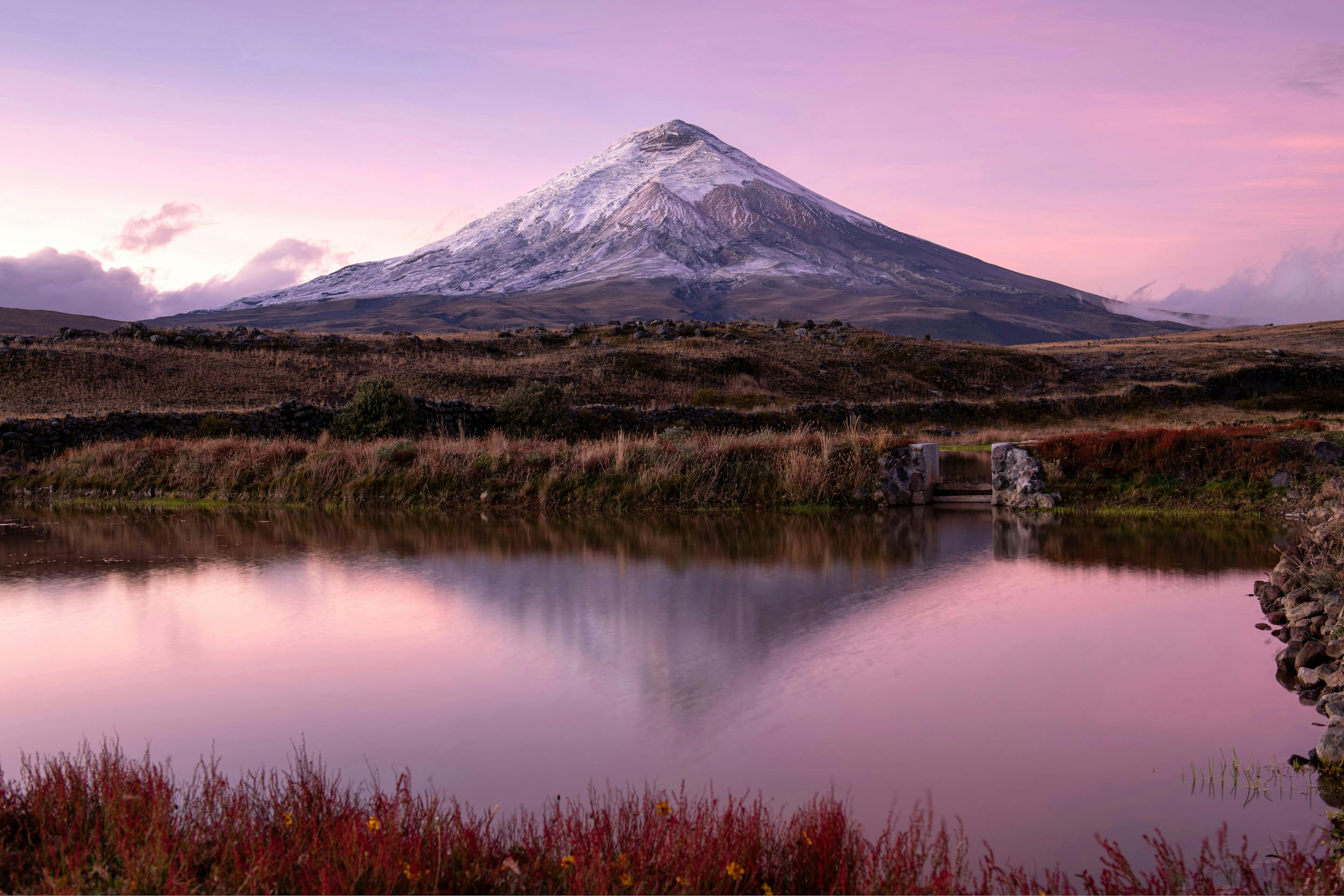
Seated at the equator on the Pacific Coast of South America, Ecuador is a small country that delivers outsize travel appeal. Within a land area comparable to Nevada, you’ll find dense Amazon Rainforest, a string of sawtooth highland volcanoes, Cloud Forest, a rugged coast, and its crowning gem: the Galápagos Islands. Food, architecture, wildlife watching, birding, hiking, hacienda stays, indigenous culture, and outdoor recreation ring out like a siren’s call to travelers. And thanks to easy and sometimes direct connections to the U.S., it’s a jet lag-free destination that can be enjoyed within a week or two.
Undoubtedly, Ecuador is celebrated for the Galápagos Islands, the Amazon rainforest, and its high-altitude capital of Quito—but there is so much more waiting to be discovered. From Andean Highlands to Cloud Forests and Pacific shores, this small yet remarkably diverse country invites deeper exploration. Let us craft a tailor-made itinerary that reveals its landscapes, cultures, and the people who bring them to life.
The trip was AMAZING—our guide in Quito was fabulous, our naturalist was excellent, and the food was beyond delicious. Extraordinary Journeys made everything easy, smooth, safe, and dependable. We loved this trip!
Martha Leathe, 2025 Traveler

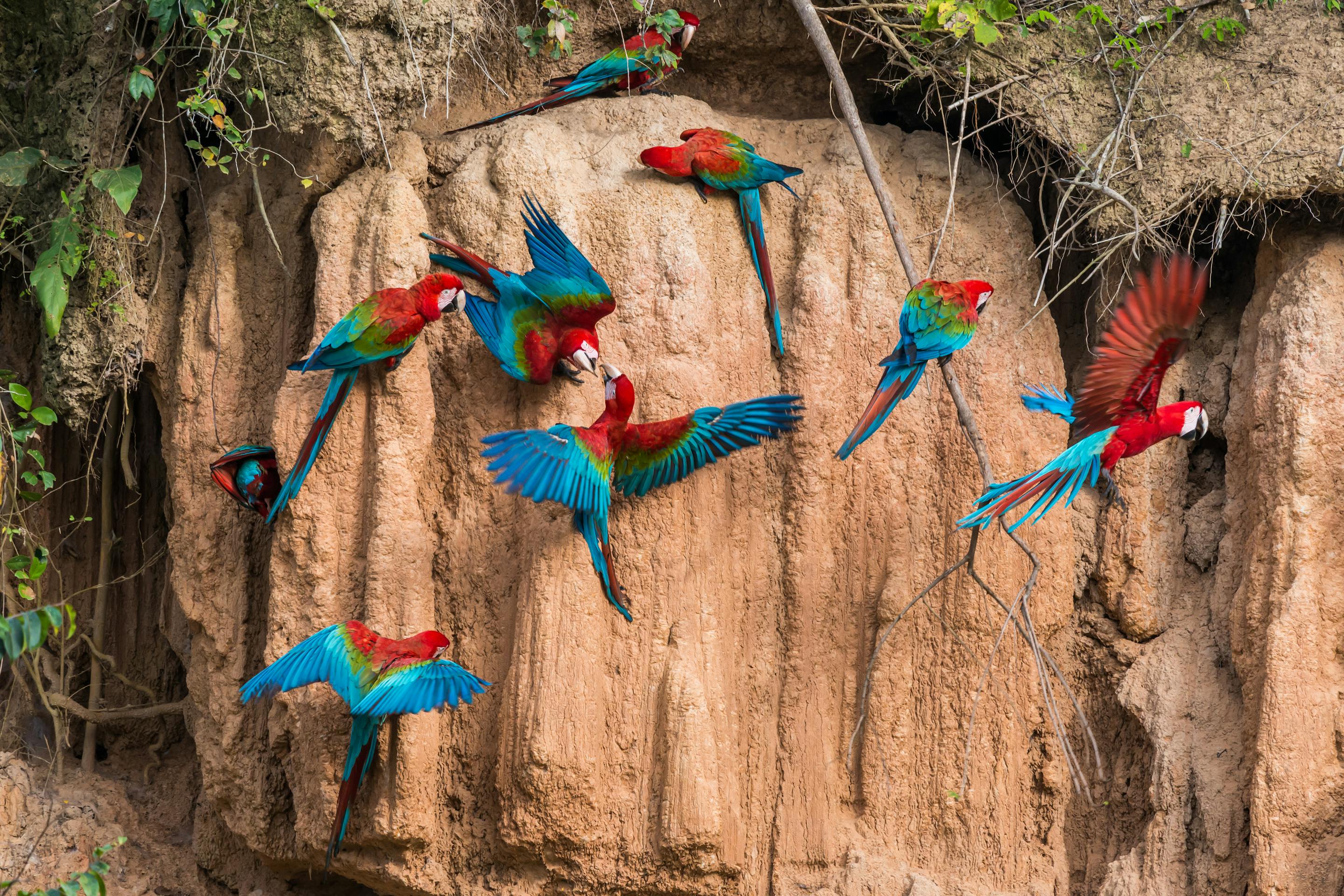
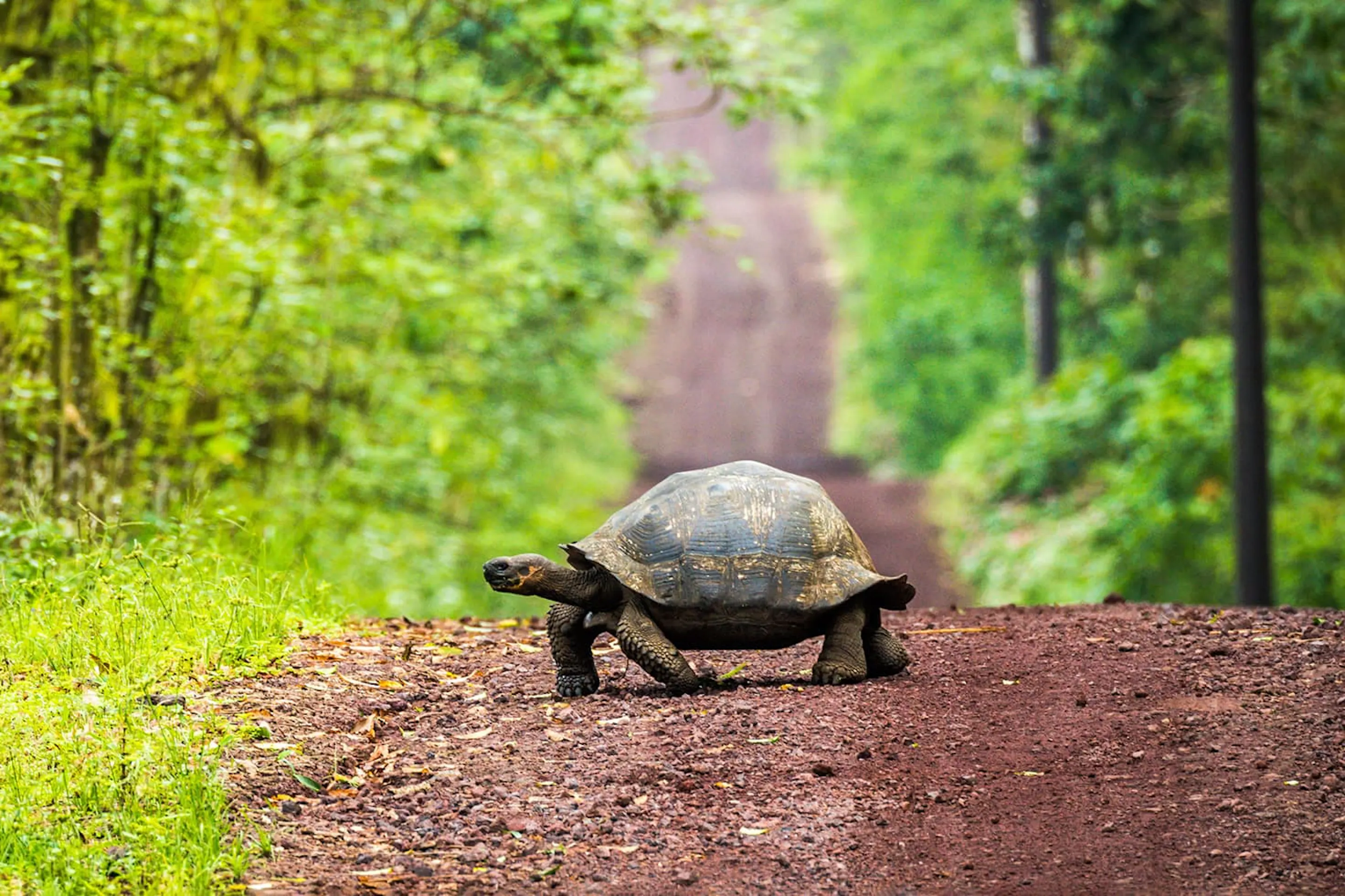
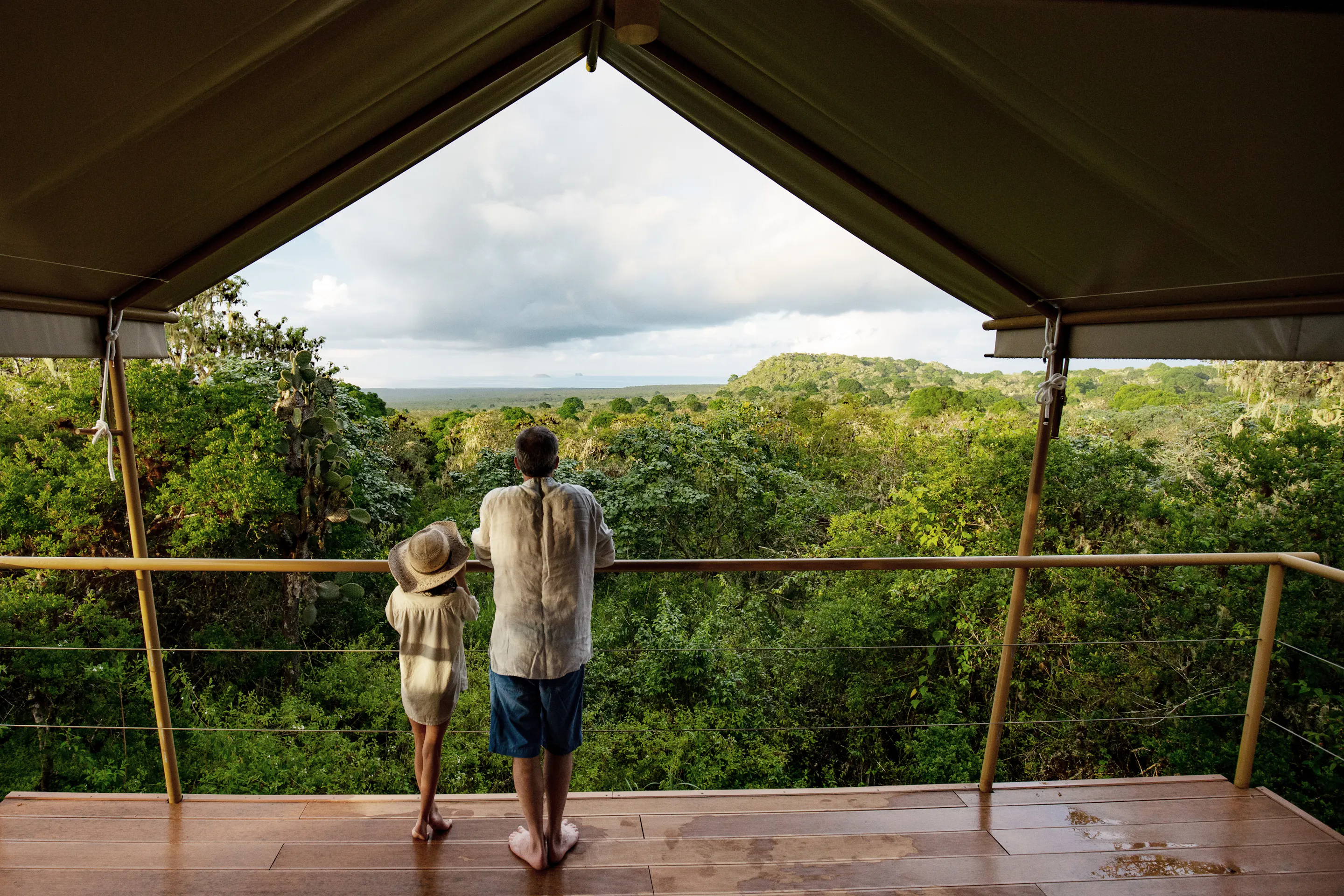
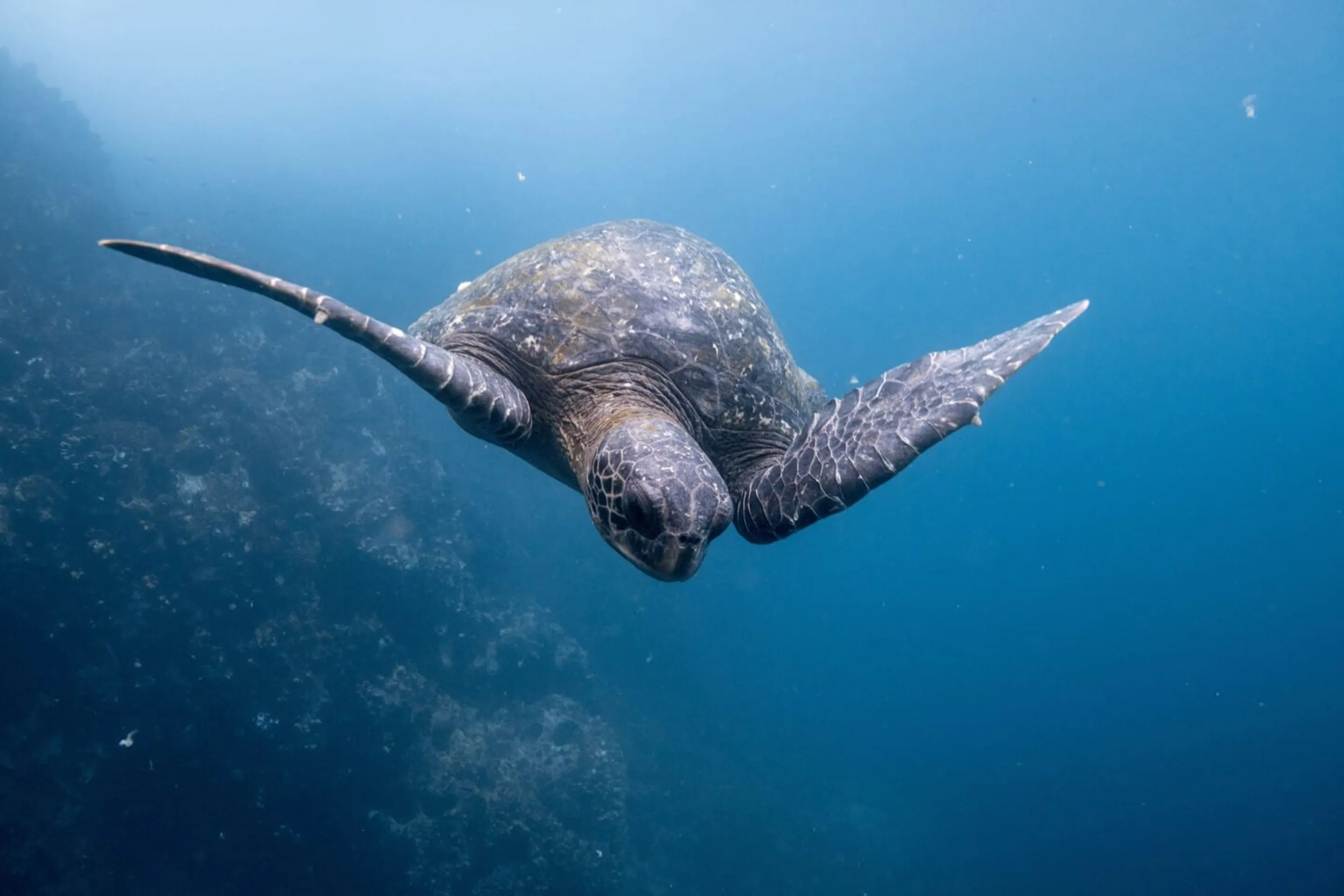
If exceptional wildlife is your top priority, few places rival the Galápagos and the Amazon. In the Galápagos, animals live with almost no fear of people and up-close encounters are plentiful (and unforgettable). The Amazon provides a totally different experience with monkeys, colorful birdlife, and dense rainforest ecosystems. The bonus is that all this world-class wildlife comes wrapped in a country of striking variety, letting you layer in Andean volcanoes, cloud forests, highland culture, and even Pacific beachs.
Situated on the equator and lacking four true seasons, Ecuador is considered a year-round destination. The most popular time to travel to Ecuador is June through September and during festive season (December 20 through January 5.) If you wish to avoid the crowds, we recommend you go during the shoulder seasons of May, October/November, and January/February.
When planning a luxury trip to Ecuador, it’s important to understand that the weather varies drastically by region. The Andean Highlands experience afternoon showers from about January through May. The dry season, perhaps the best time to visit, is June through December. This region is characterized by warm days and chilly nights (though the higher you are, the colder it will be).
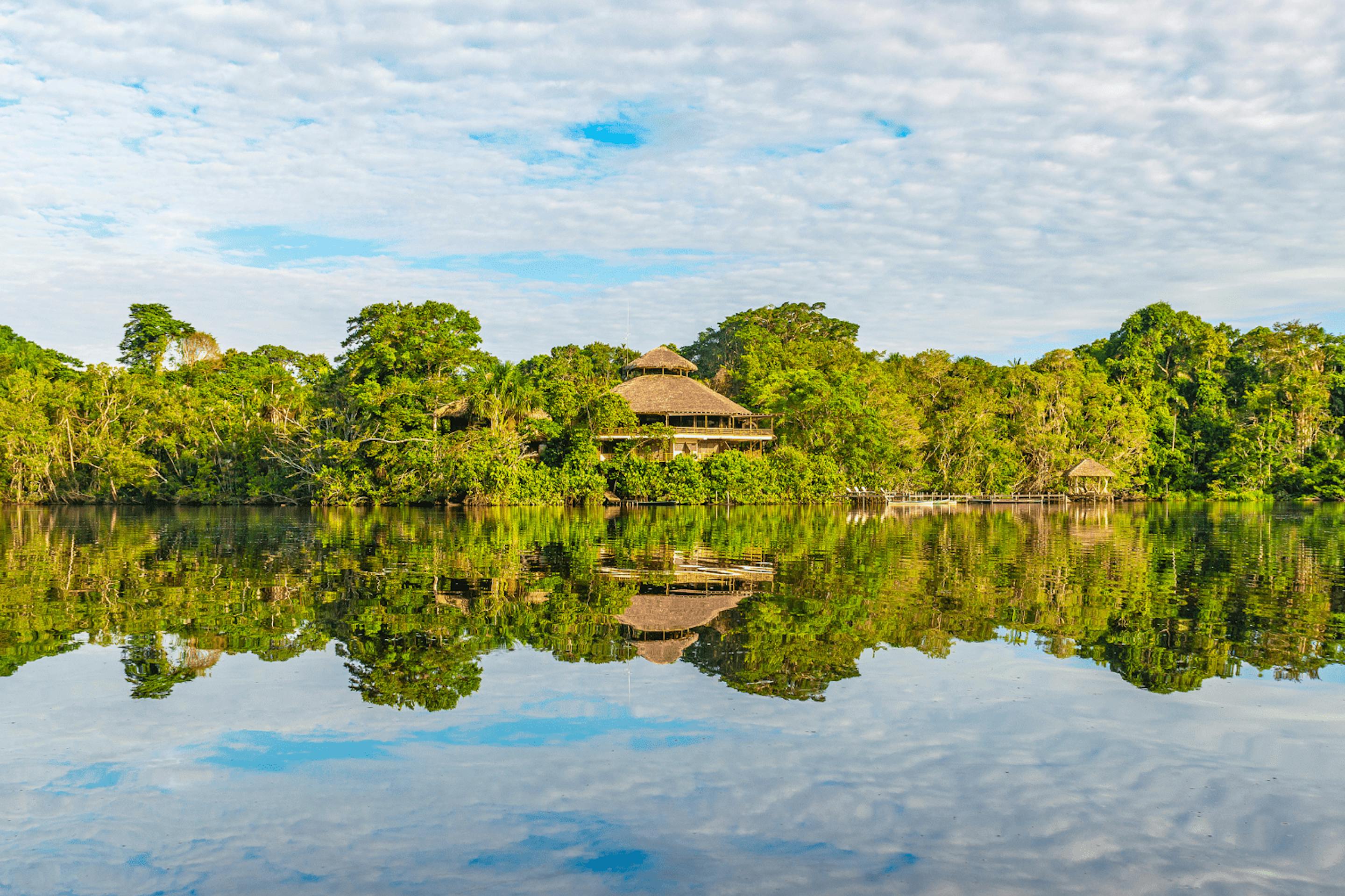
The Amazon is hot and humid and sees precipitation throughout the year. However, some months, including April through July and again in October and November, are wetter than others. Higher water levels result in better wildlife viewing in the Amazon as animals can become more active. If you don’t mind getting a little wet, it’s a year-round destination!
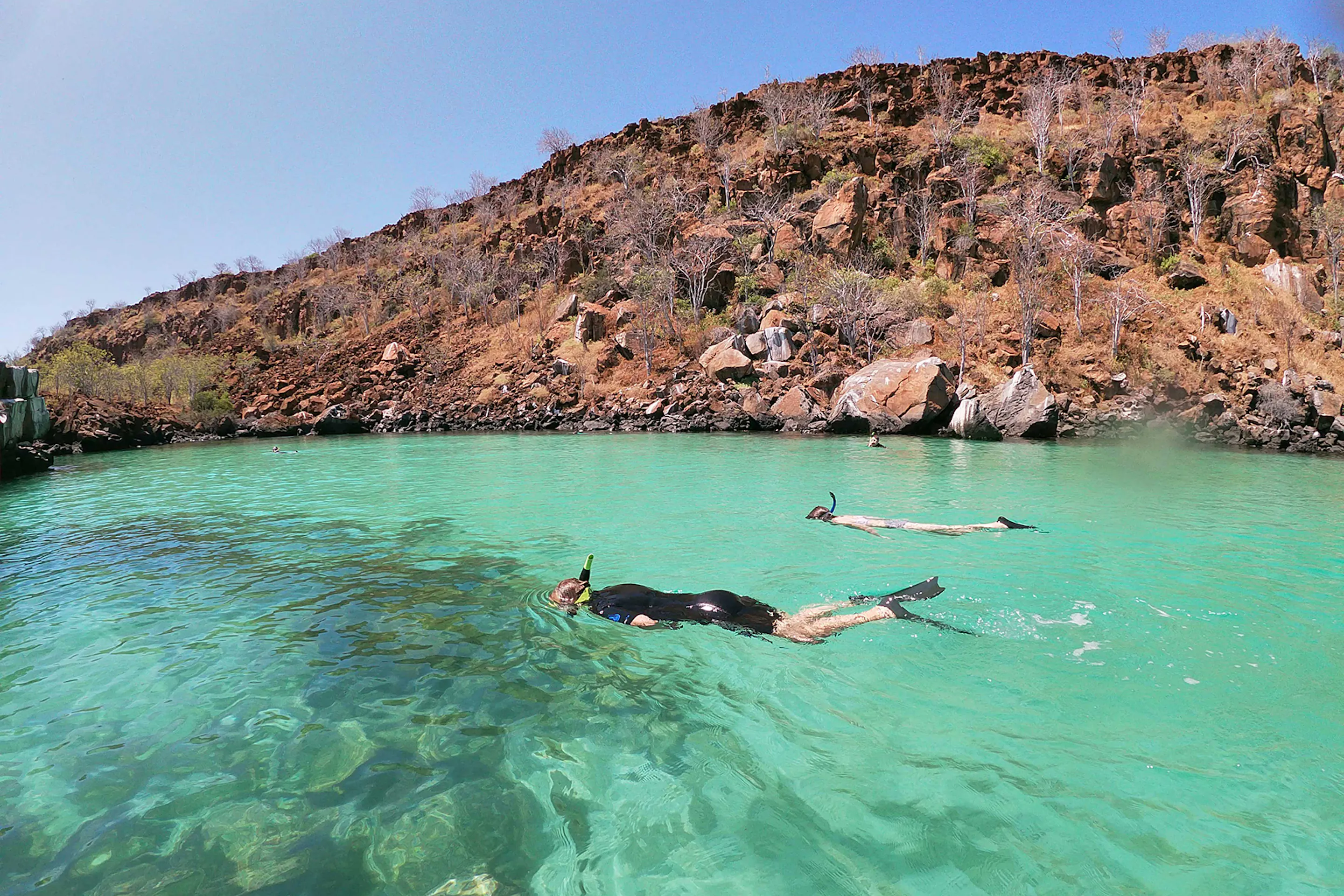
There really isn’t a bad time to visit the Galápagos Islands. Although the archipelago sits on the equator, the cool Humboldt Current brings cold water into the region, and with it, rainfall and cooler temperatures. In this regard, we should think in terms of wet and dry seasons. The wet season runs from December to May and is when seas are the calmest and temperatures are the warmest. If you’re hoping to swim or snorkel, the wet season is ideal for both warmth and visibility. Dry season spans June through November. June boasts the warmest temperatures of the season, but the water temperature is cooling, and the seas are relatively calm. By July and August, the air and water temperatures have tempered, rain showers arrive, and seas are churning. In September and August, the air temperature is warm, but the water is cool, and the seas are rough.
Best
Jan
Feb
May
Oct
Nov
January - February
May - May
October - November
Good
Jan
Feb
Mar
Apr
May
Jun
Jul
Aug
Sep
Oct
Nov
Dec
January - December
Both Quito and Guayaquil are served by a variety of airlines with direct flights from the U.S., including American, Delta, United, and JetBlue. Once there, we recommend staying one to two weeks
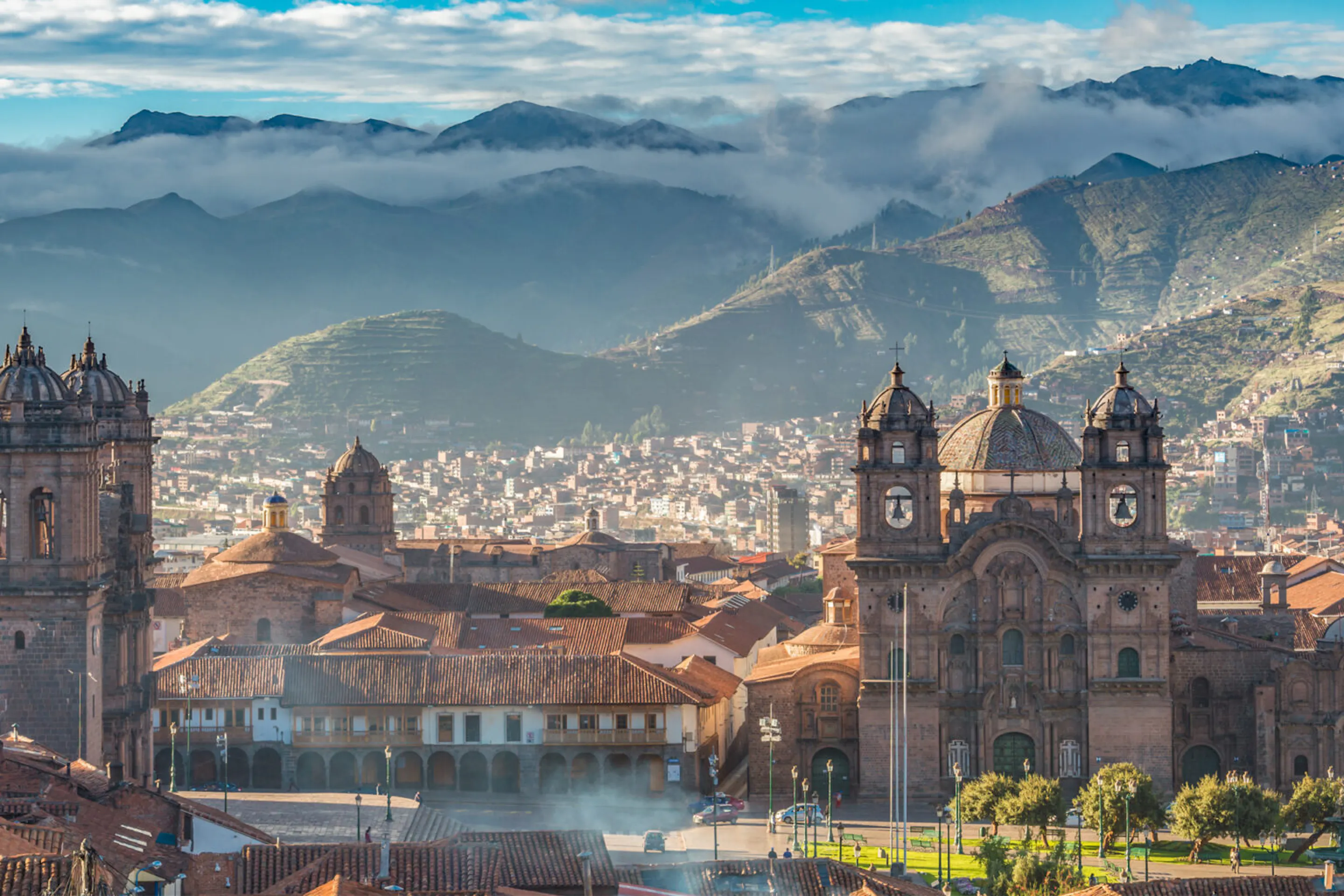
Quito, the capital of Ecuador and a UNESCO World Heritage site is a lively city with one of the best-preserved historic centers in Latin America. Whether you’re a history buff, a sucker for delicious food (and chocolate), an adrenaline junkie, or a geography enthusiast (straddle the equator!), there is something here for you. Resting at 9,350 feet above sea level, Quito is the second-highest capital in the world, so the city can quite literally take your breath away.

We value depth over breadth. While we have broadened our map, our intimate expertise runs deep—from understanding each locale's hidden rhythms to cultivating relationships with exceptional guides.

Seasoned travelers know that places change, authentic experiences migrate. We'll listen to your hopes and passions, but push back when we know something will better resonate with you.

Traveling to wild places asks something of us— a quality of attention and presence. From behind-the-scenes logistics to bespoke culinary experiences, our team has thought of everything.
There will undoubtedly be extraordinary unscripted moments: hippos emerging at sunset, the impossible blue of Arctic ice. We know that meaningful memories often live in personalized details.
We value depth over breadth. While we have broadened our map, our intimate expertise runs deep—from understanding each locale's hidden rhythms to cultivating relationships with exceptional guides.
Seasoned travelers know that places change, authentic experiences migrate. We'll listen to your hopes and passions, but push back when we know something will better resonate with you.
Traveling to wild places asks something of us— a quality of attention and presence. From behind-the-scenes logistics to bespoke culinary experiences, our team has thought of everything.
There will undoubtedly be extraordinary unscripted moments: hippos emerging at sunset, the impossible blue of Arctic ice. We know that meaningful memories often live in personalized details.