Itinerary
Ecuador adventure: Volcanoes and Galapagos
A wilderness and wildlife-filled trip to Ecuador for couples
Discovered in the 16th century, it was the Galápagos’ most famous visitor, Charles Darwin in 1835, who elevated the islands into popular consciousness. Today, upwards of 275,000 people visit annually to experience the surreal volcanic landscapes of these isolated islands and the unique, fearless endemic wildlife that call it home.


Use these itineraries as a starting point, or as inspiration to create your own journey.
There really isn’t a bad time to visit the Galápagos Islands.
Although the archipelago sits on the equator and doesn’t experience four traditional seasons, the cool Humboldt Current brings cold water into the region, and with it, rainfall and cooler temperatures. In this regard, we should think in terms of wet and dry seasons.
The wet season runs from December to May and is when seas are the calmest and temperatures are the warmest. If you’re hoping to swim or snorkel, the wet season is ideal for both warmth and visibility.
Dry season spans June through November. June boasts the warmest temperatures of the season, but the water temperature is cooling, and the seas are relatively calm. By July and August, the air and water temperatures have tempered, rain showers arrive, and seas are moving quickly, and with them, bringing more wildlife. In September and August, the air temperature is warm, but the water is cool, and the seas are choppy but teeming with marine life.
Best
Jan
Feb
Mar
Apr
May
Dec
January - May
December - December
Good
Jan
Feb
Mar
Apr
May
Jun
Jul
Aug
Sep
Oct
Nov
Dec
January - December
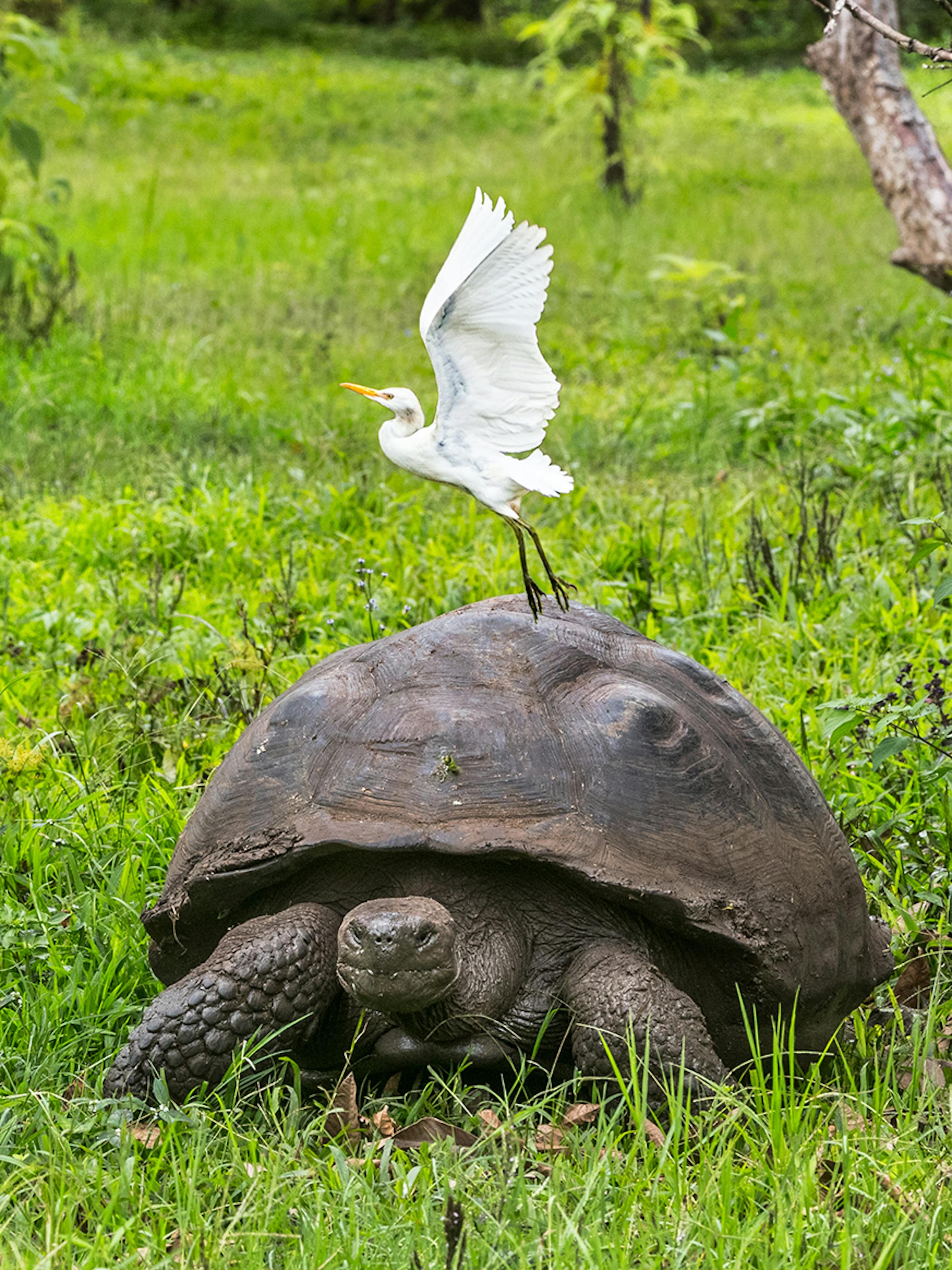
Walk amongst giant tortoises on Santa Cruz island.
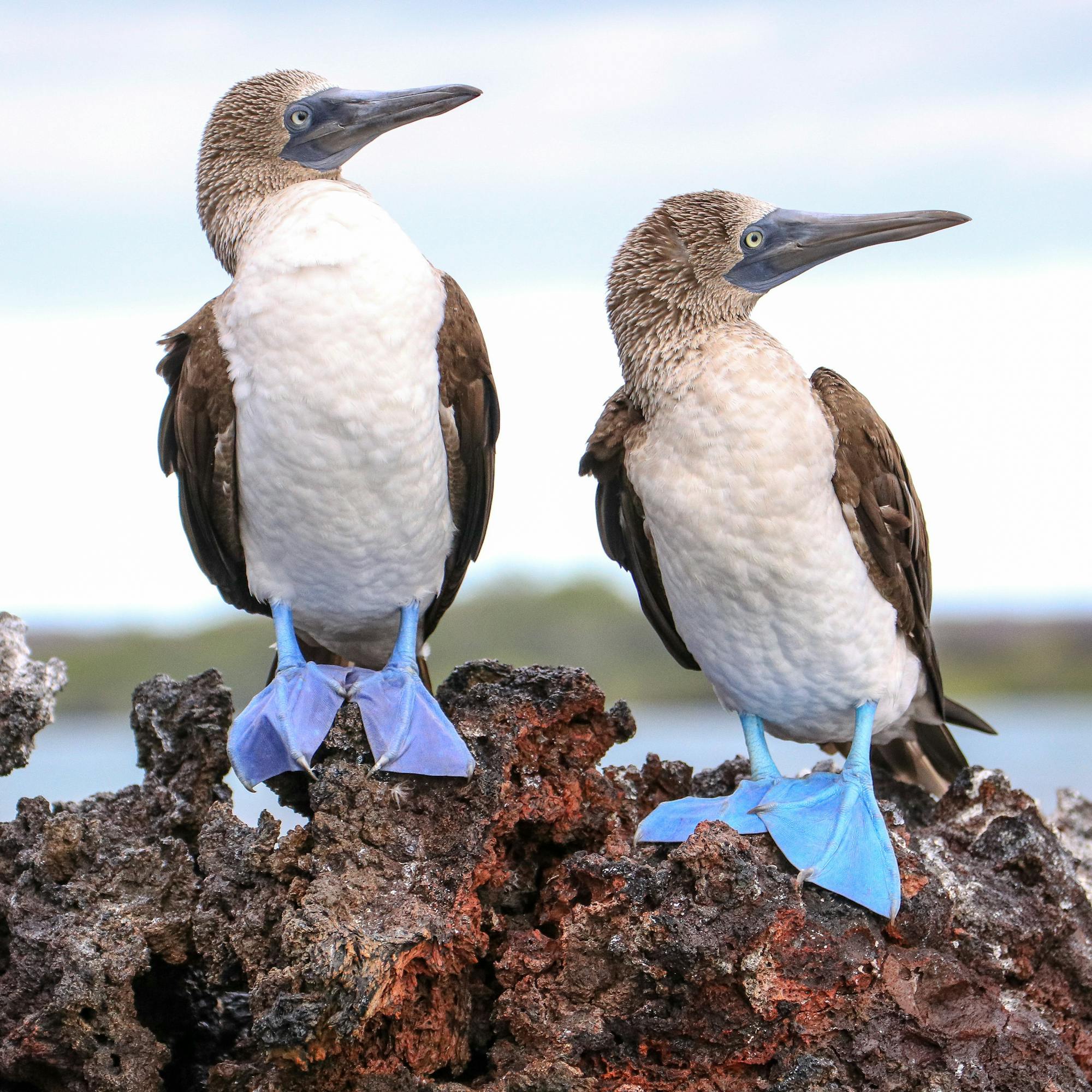
Witness the impressive (and bizarre) mating rituals of blue-footed boobies and frigate birds.
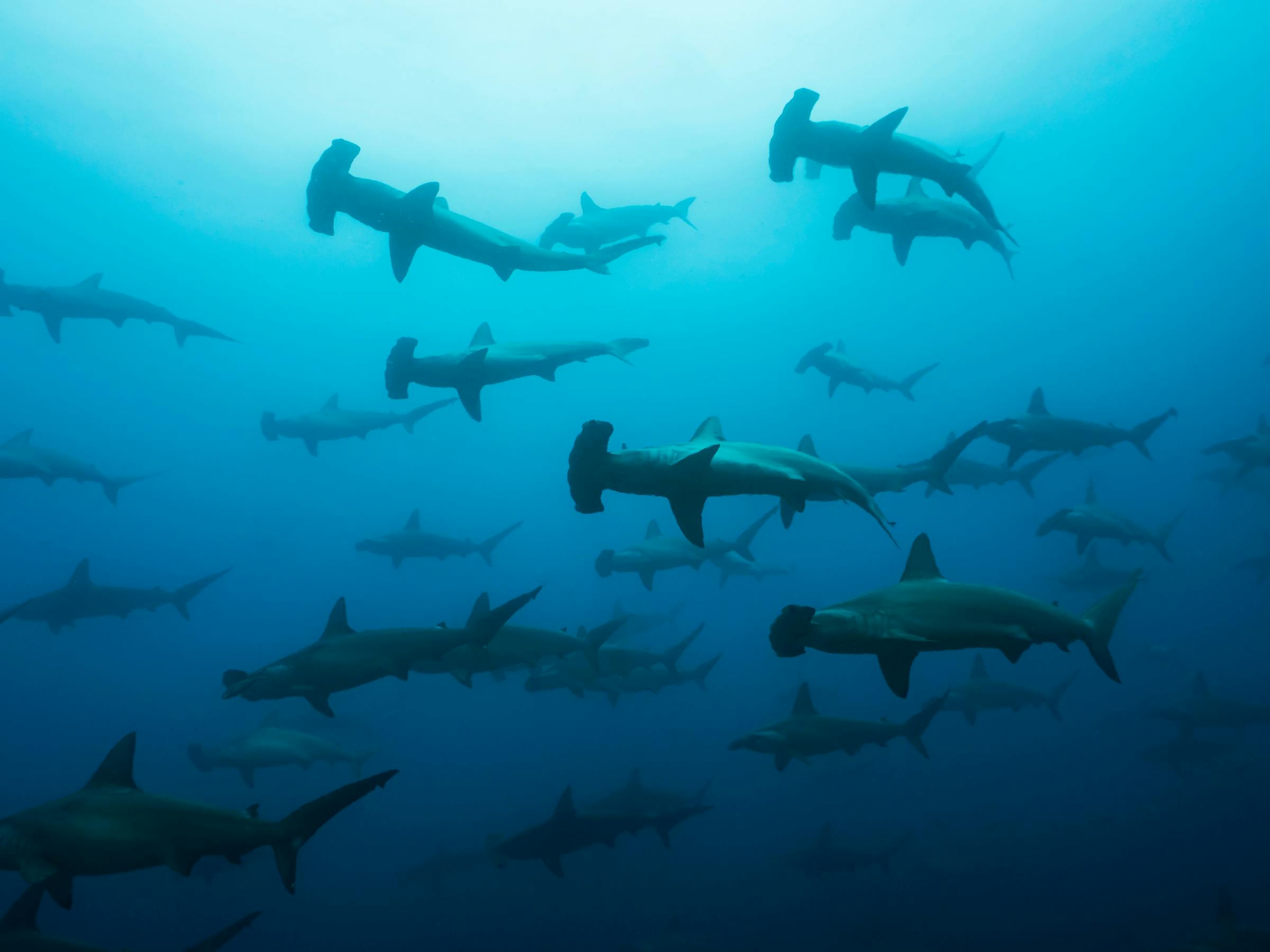
Snorkel with sea lions, sea turtles, manta rays, colorful tropical fish, white-tipped sharks, and Galápagos penguins.
Interact with wildlife in a way that’s impossible anywhere else. Most animals here have evolved without natural predators and are unphased by human presence.
Hike along Isabela’s volcanic crater, one of the largest in the world.
Visit remnants of underground lava channels on Santa Cruz where lava once flowed.
Educate yourself at the world-renowned Charles Darwin Research Station.
Take a day trip to the uninhabited, more-than-four-million-year-old Santa Fe Island (the Galápagos island with the most endemic animals).
Flying through Quito offers easy connections to other must-visit destinations in South America. Easily add Machu Picchu (Peru) onto your luxury Galápagos trip, or delve deeper into Ecuador, visiting its volcanic highlands, Cloud Forest, or Amazon rainforest.
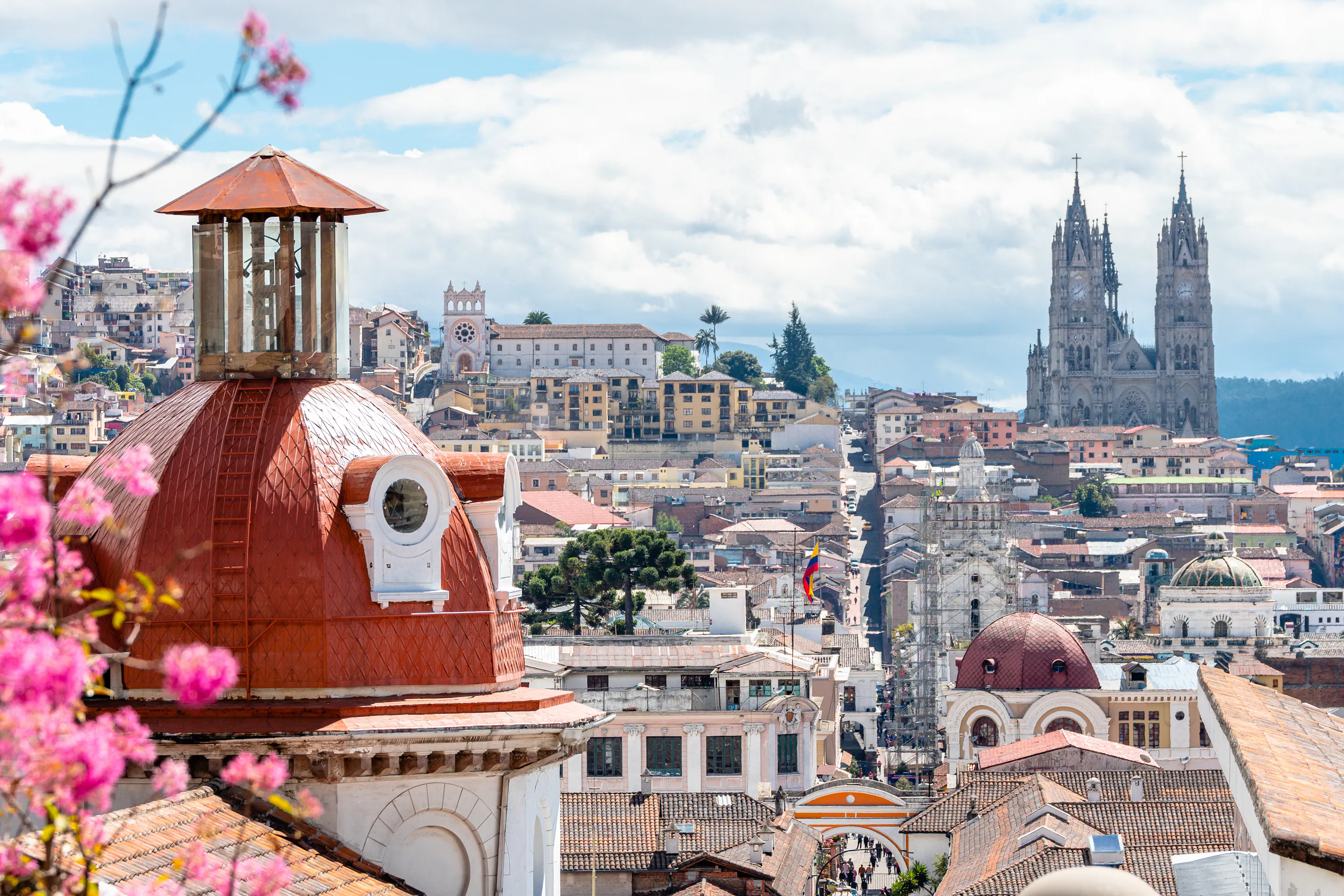
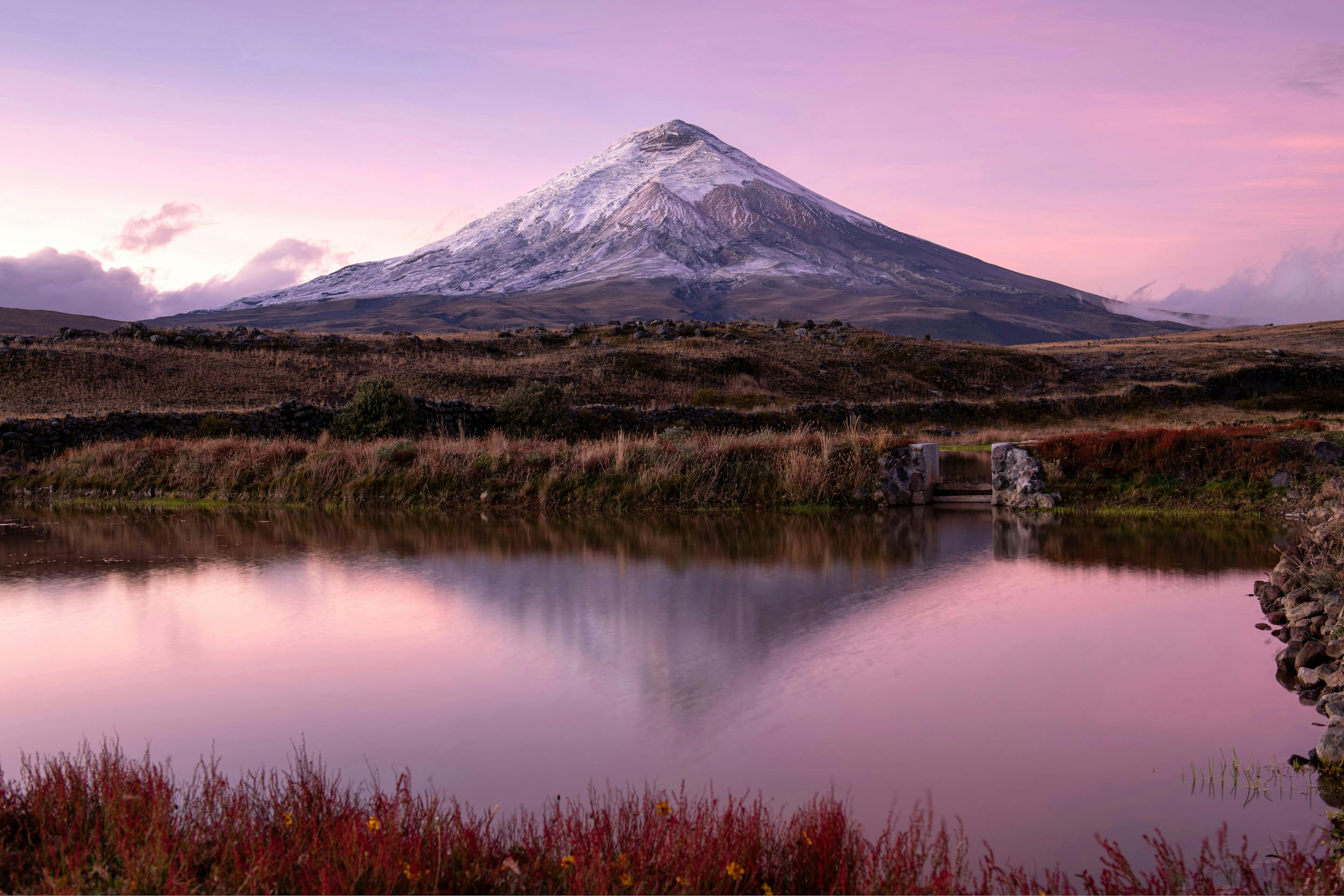
Everything about Quito – from its setting along the slopes of Pichincha volcano to having the best preserved historic center in Latin America – makes it a capital city worth visiting.
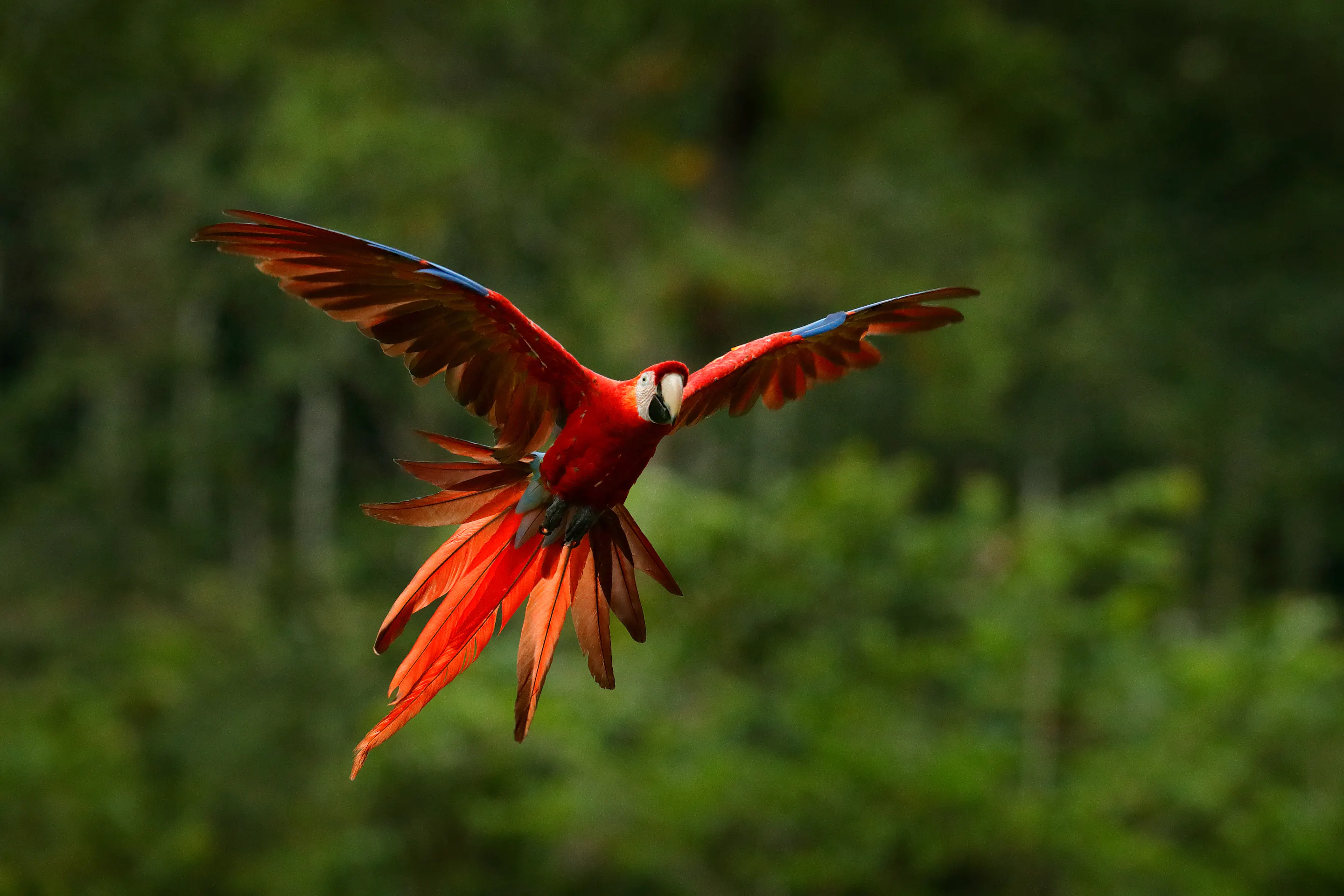
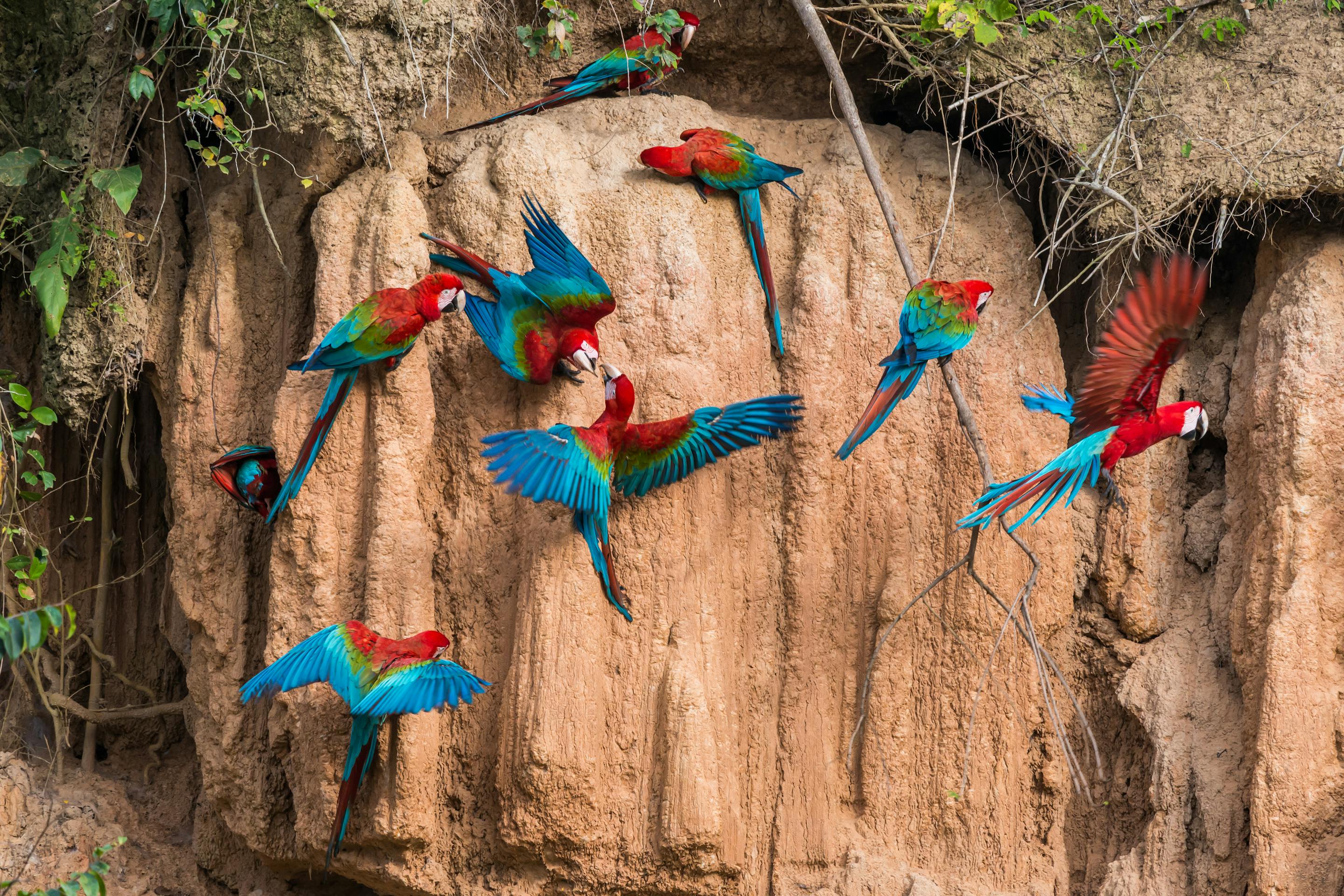
A vast natural wonder visible from space, the Amazon needs no introduction. Shared by eight countries, Brazil claims the lion’s share and contains pockets so remote they’ve never been explored.
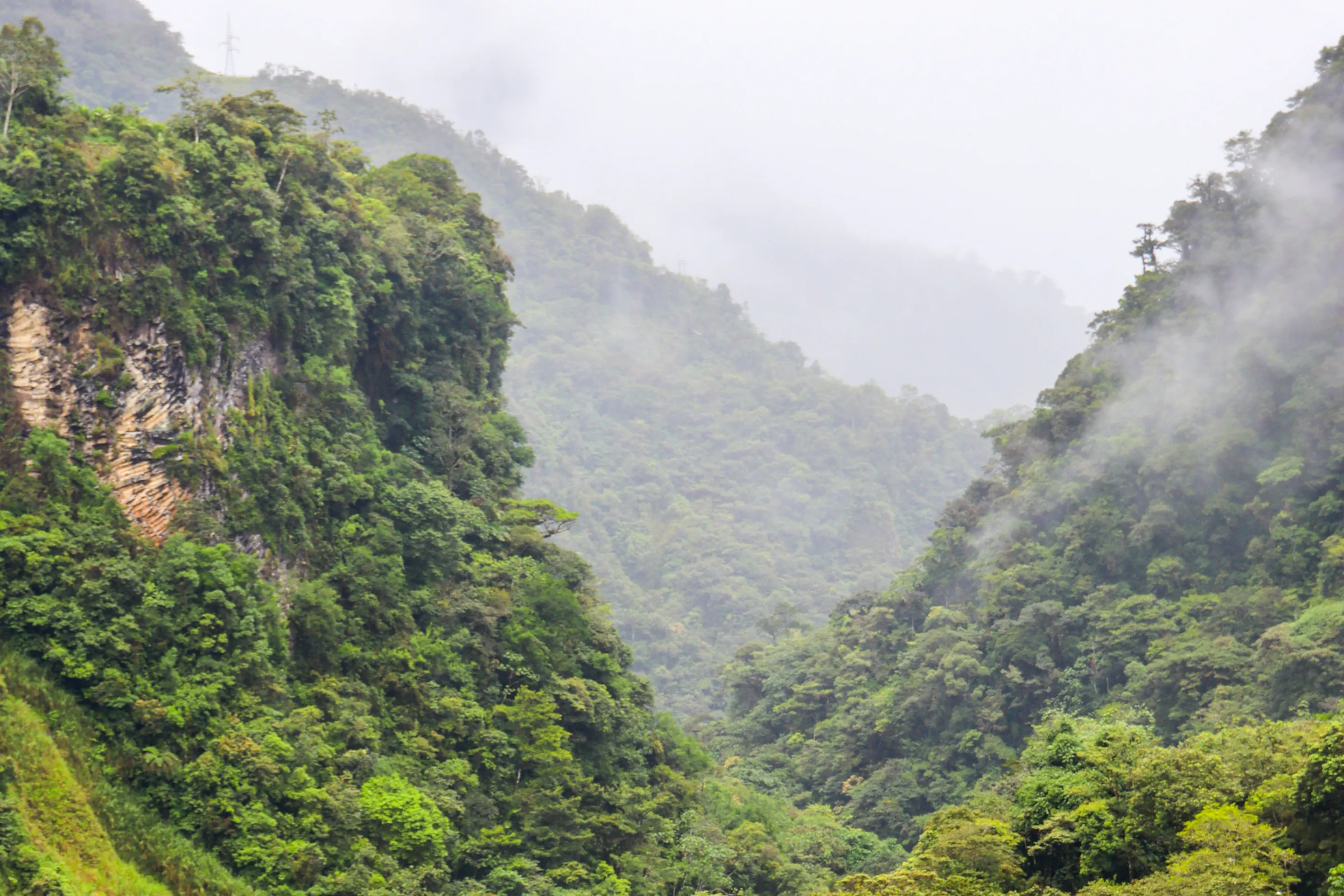
As you descend the western slope of the Ecuadorian Andes, you will find yourself surrounded by clouds, mist, jungle, and butterflies – almost a dream-like environment. This is Ecuador’s Cloud Forest, a worthy addition to any Ecuador journey.
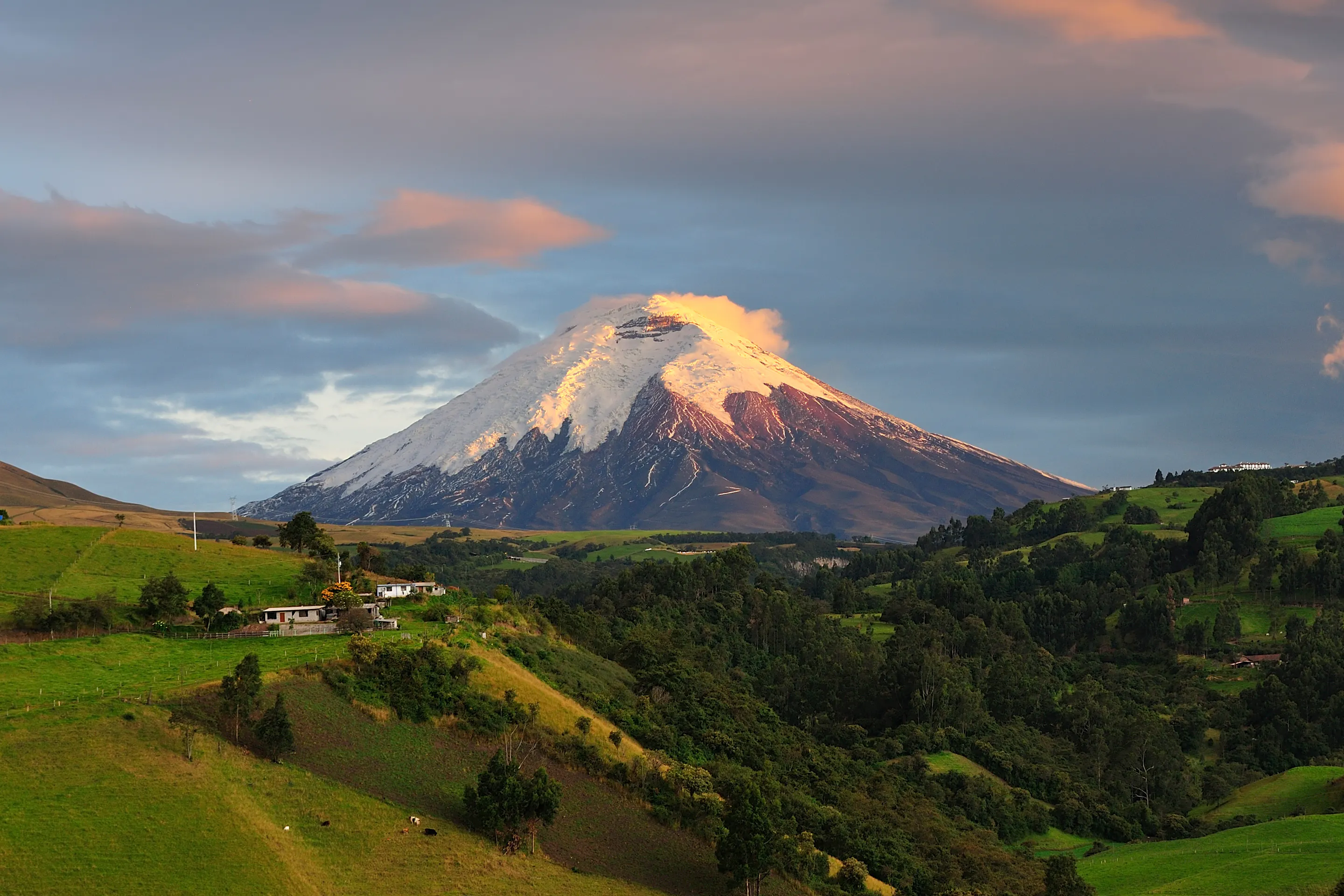
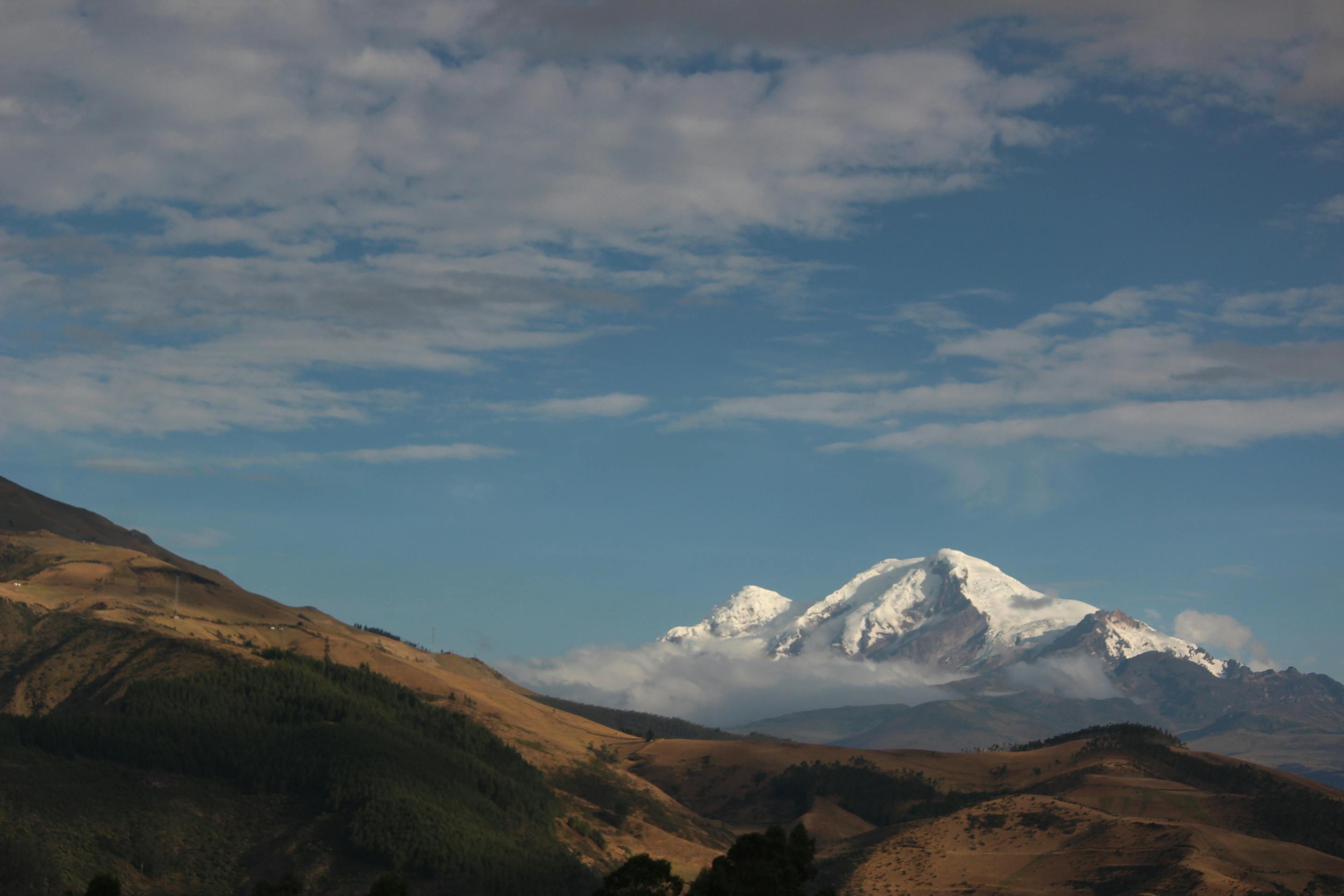
Stretching over 4000 miles, the Andes are undeniably one of South America’s most magnificent natural attractions.

Specialists with firsthand knowledge and deep local insight

Every trip designed uniquely for you

Engaging, adaptable guides who bring each place to life

Personalized pre-trip calls and curated documentation

A personal contact managing every detail on the ground

Complete care, every step of the way