Itinerary
Morocco luxury trip
A luxury journey through Morocco’s cultures, cities, and desert landscapes
12 days
$12,000 per person
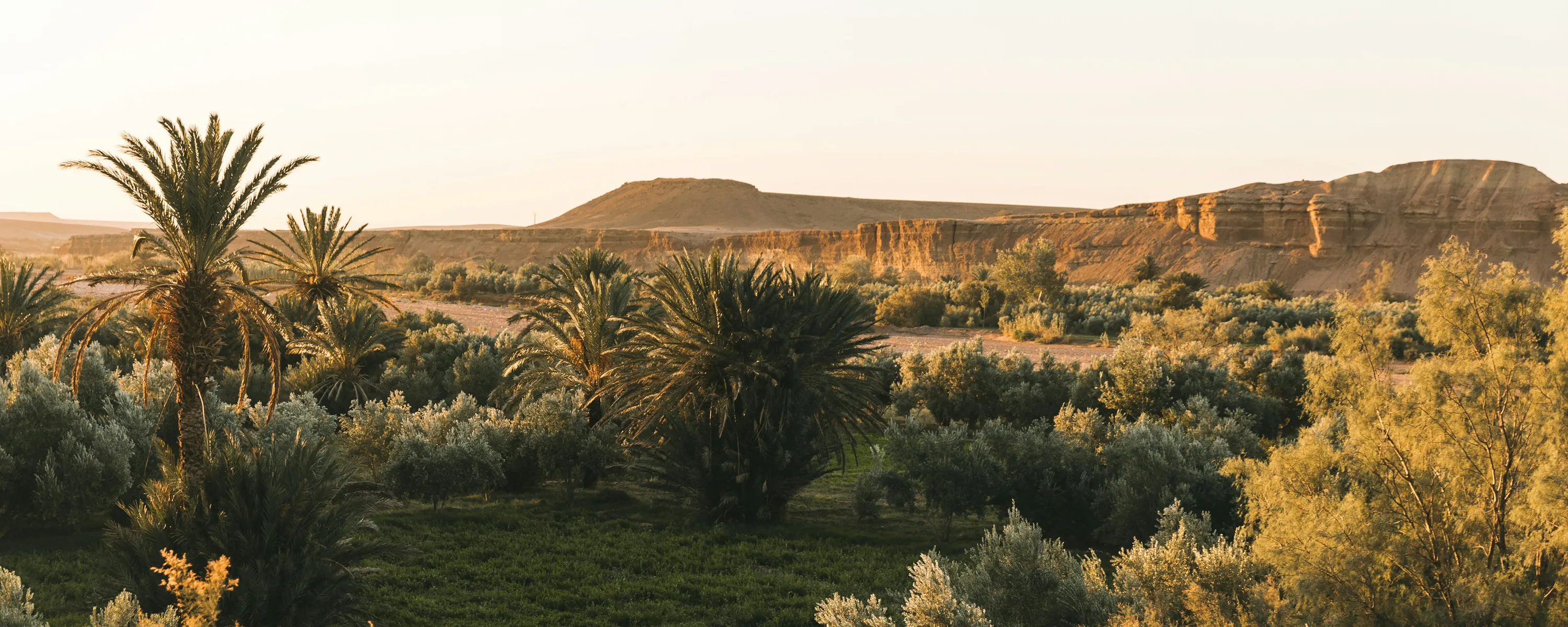
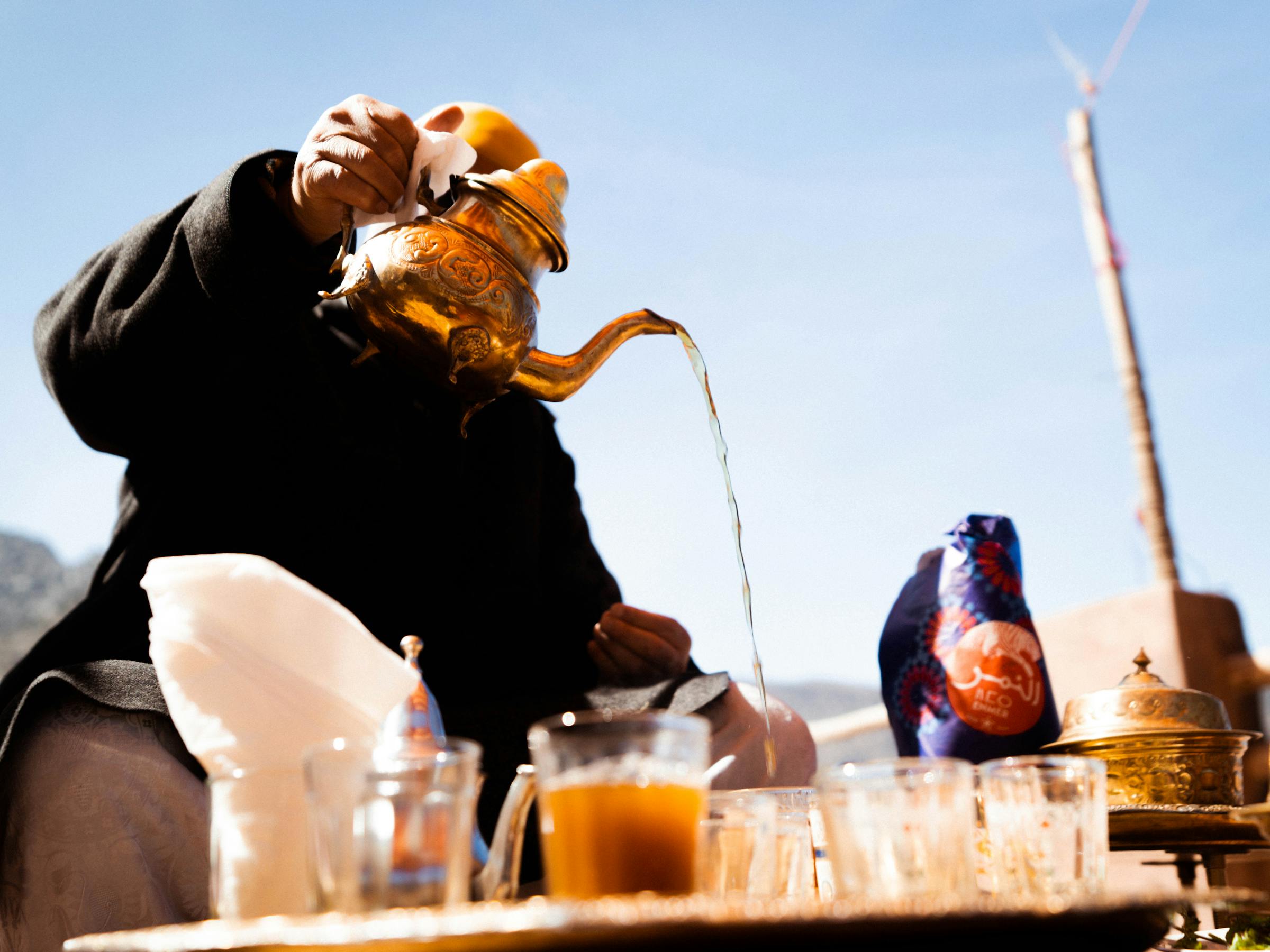
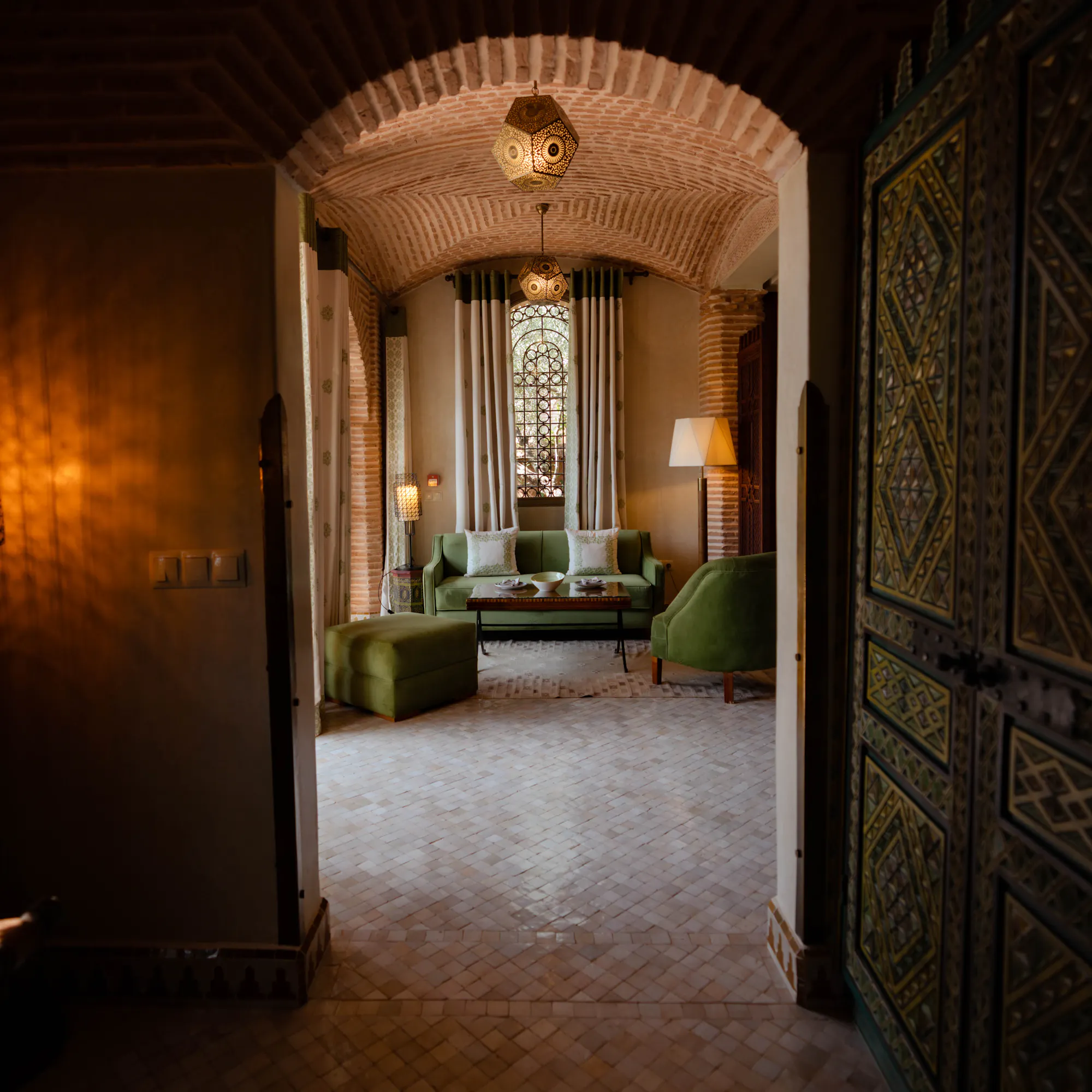
Morocco blends vibrant heritage with dramatic scenery, offering dazzling souks, exquisite cuisine, and magnificent deserts.
Morocco blends vibrant heritage with dramatic scenery, offering dazzling souks, exquisite cuisine, and magnificent deserts.
Use these itineraries as a starting point or as inspiration to create your own journey
Senses feast on labyrinth souks, aromatic tagine, calls to prayer, and warm Bedouin hospitality
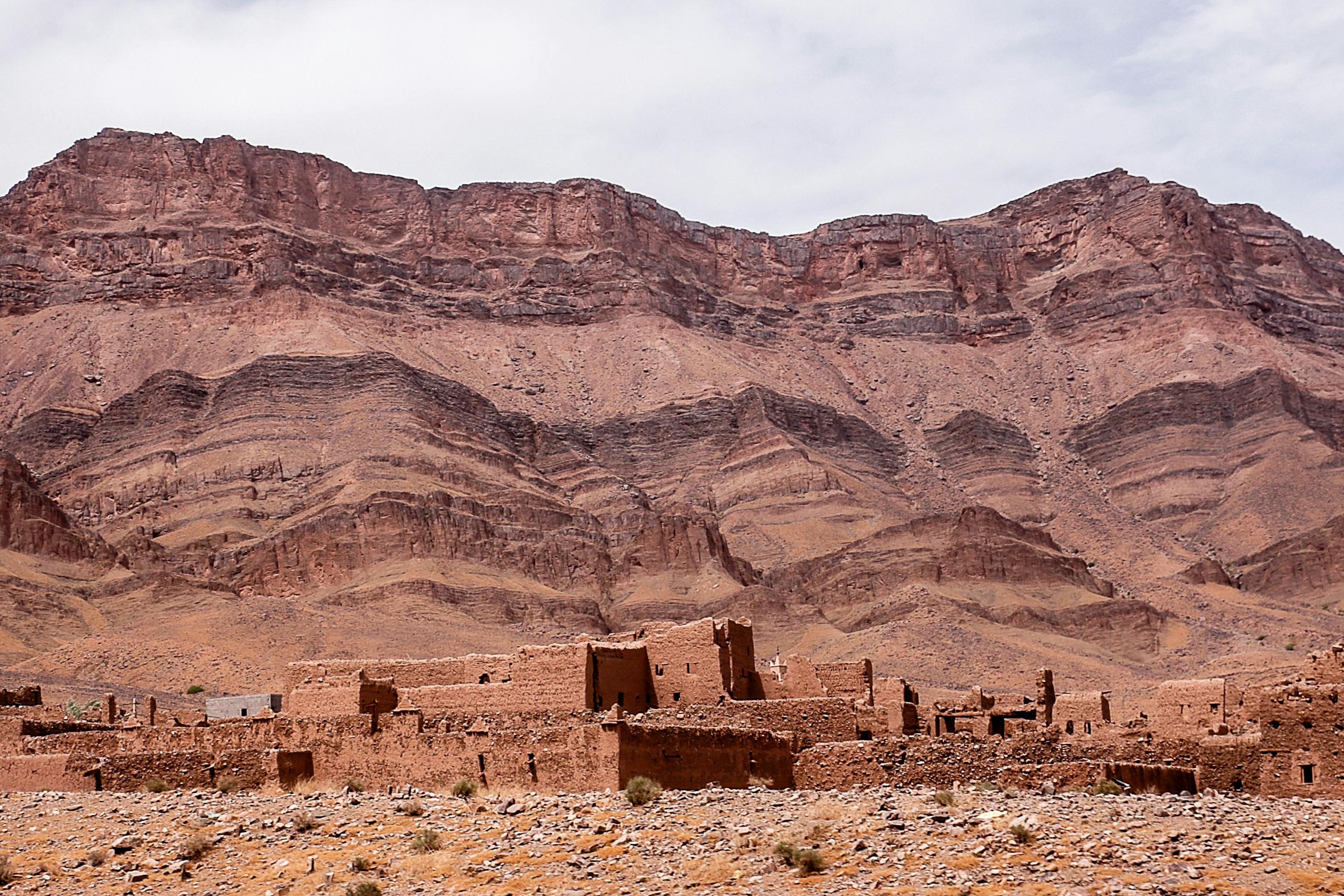
Morocco is a country of many facets, reflecting its rich cultural heritage and long and colorful history. This predominantly Muslim country is renowned for delicious cuisine, beautiful architecture, exotic souks and a flourishing Berber culture. Geographically, Morocco is characterized by rugged mountains, fertile oases, ancient fortified port cities, and magnificent deserts. It is one of only three countries with both Atlantic and Mediterranean coastlines and has long been a favorite destination for travelers.
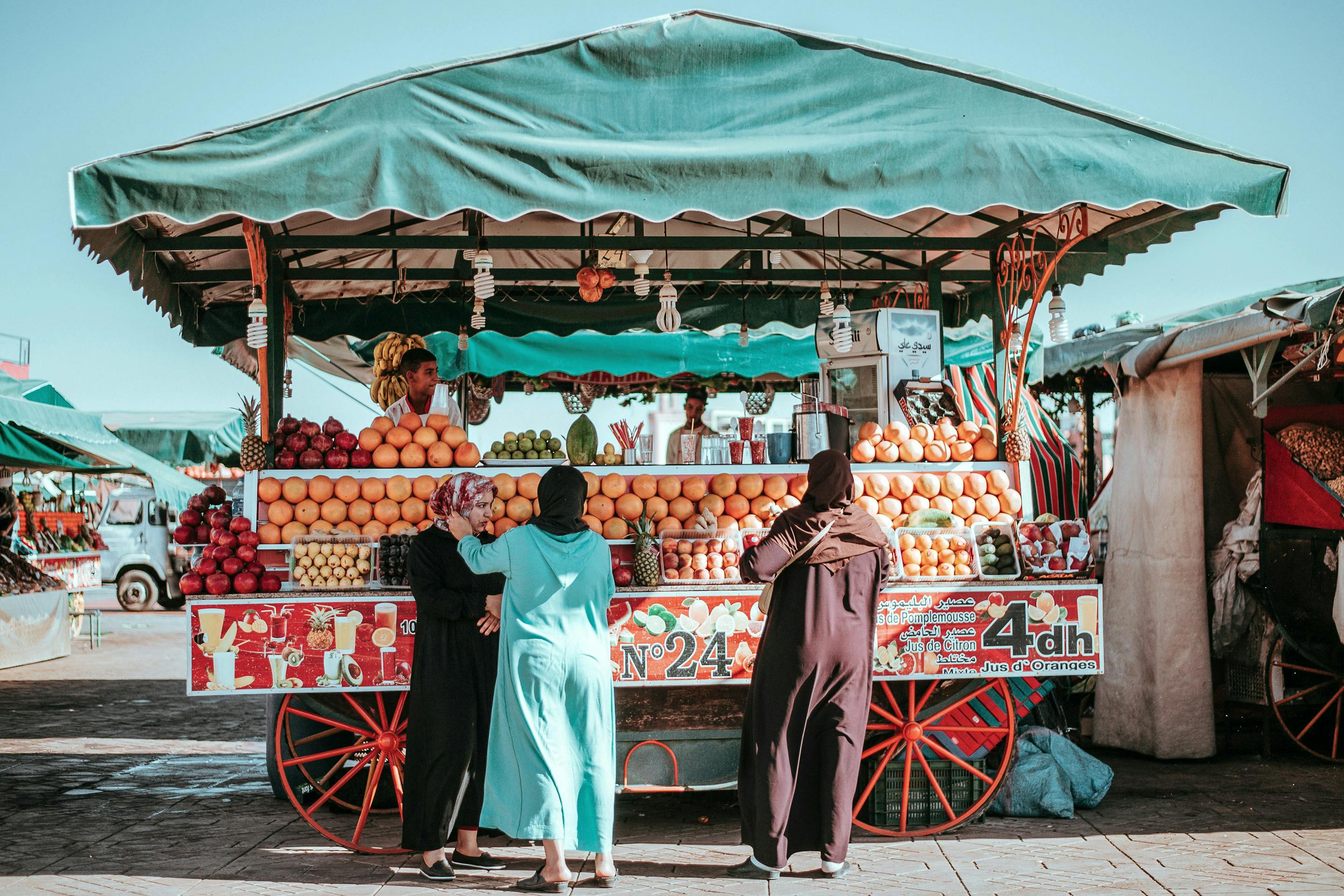
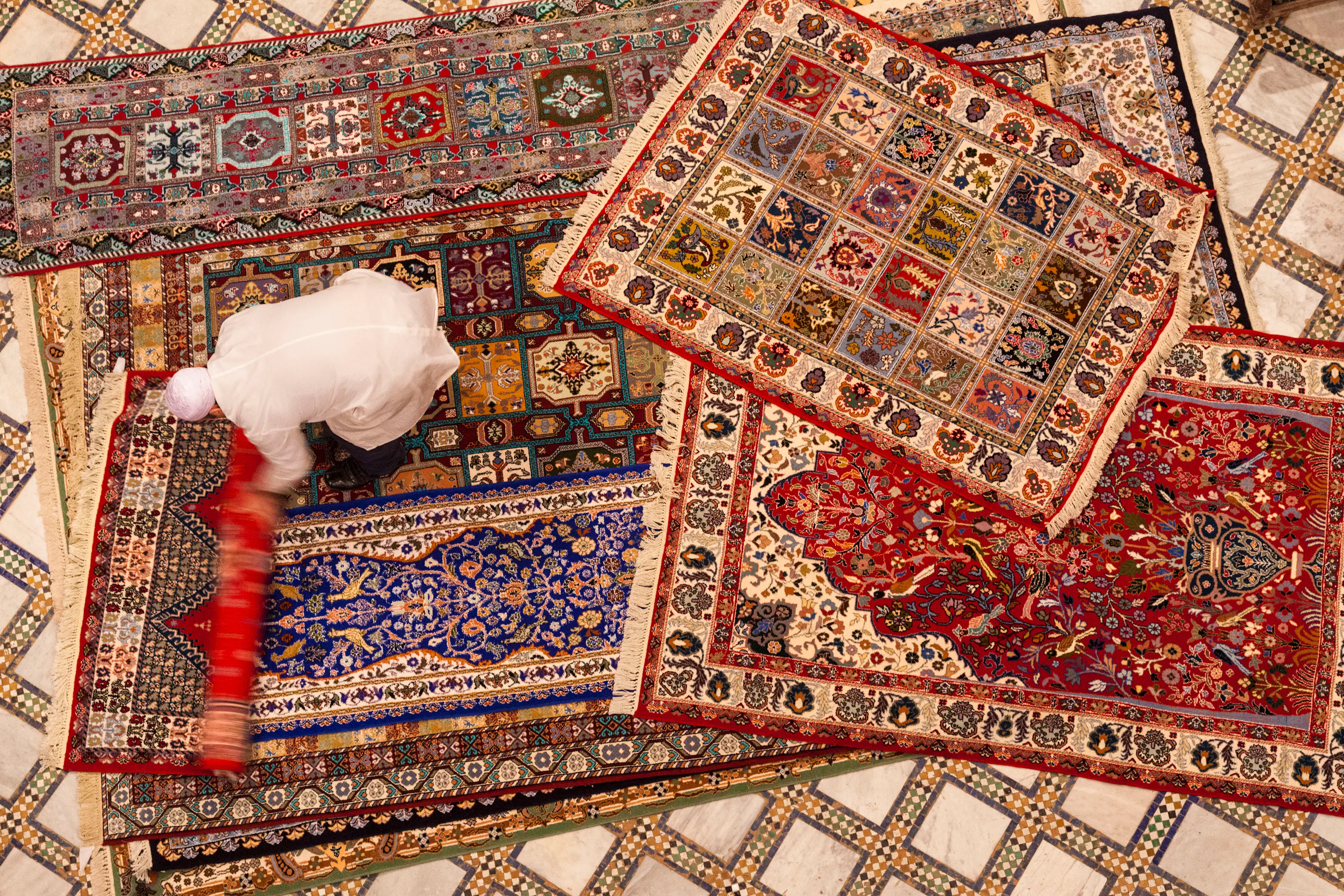
Many flights arrive into Casablanca, which is home to the famous Hassan II Mosque and Rick’s Cafe (of movie fame), and serves well for a logistical overnight. Marrakech and Fez are much older cities and they, along with Rabat (the capital and home to several important historical sites), and Meknes are Morocco’s imperial cities. Upon entering Fez’s medina (old city), with its dark winding alleyways and ancient sounds and smells, one is transported back in time to its founding in the ninth century. In contrast, Marrakech’s bustling souks (markets) – where one can buy handwoven textiles, daily household goods, along with exotic spices – are very much operating in the moment for locals and visitors, though replete with historical influences. Luxury hotels with elegant courtyards, sumptuous linens, and modern hammams (bath houses) pamper the most discerning clientele.
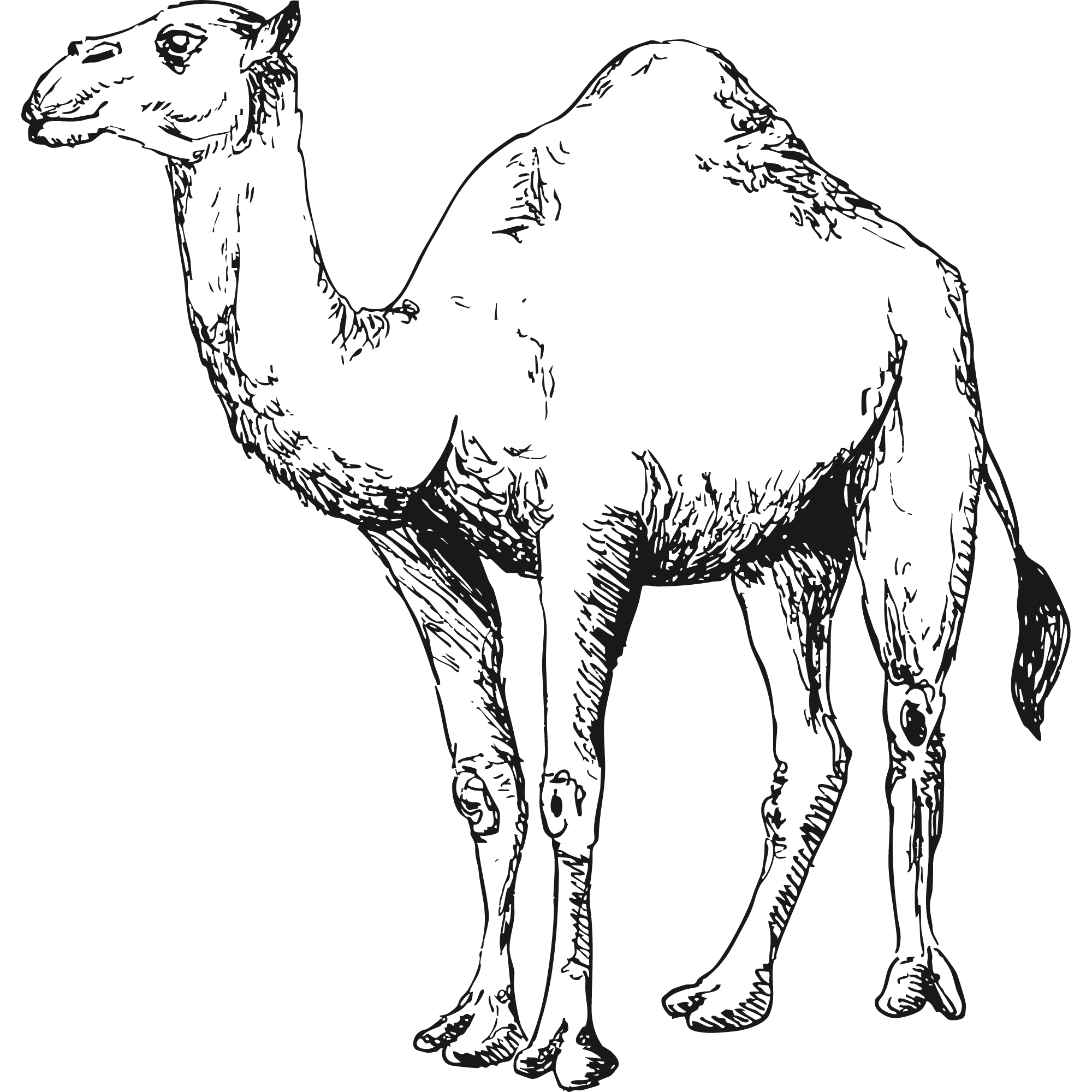
Traditional and fusion Moroccan cuisine have made restaurants in Morocco destinations for serious foodies. Similarly, for shoppers interested in art, textiles and unique housewares, the choices are endless from refined high-end specialty shops, to prowling open air markets. Top cultural sites include the tomb of Fez’s founder Moulay Idriss II, the medinas of Fez and Marrakech, Skoura’s iconic Kasbah Amridil, and "the blue city” of Chefchaouen. Further afield, the Atlas Mountains and the vast dunes of the Moroccan Sahara beckon those looking for off the beaten path experiences, perhaps astride a camel, or in the lush gardens of a beautiful destination hotel such as Dar Ahlam. Travelers to Morocco really can have it all.
We strongly believe this is the best trip we have ever been on. Everything felt comfortable, luxurious, and relaxing. EJ was easy to interact with and captured our desires perfectly!
Joshua Shelton, 2025 Traveler

Because Morocco is so diverse, it has a little something for everyone. The jet-set regularly hit the town in Marrakesh, while history, archaeology, and architecture buffs keep busy in cities like Fez and Meknès. Active travelers enjoy sandboarding or camelback safaris in the desert and hiking/camping in the Atlas Mountains. With a range of accommodation from simple to extraordinary luxury, anyone with a taste for adventure and an eye for beauty is sure to enjoy Morocco.
April through early June and September through November are much more comfortable in terms of temperatures, and there are fewer fellow tourists. June through August can be extremely hot, while the winter months are quite cold, especially in the Sahara and Atlas mountains.
Best
Apr
May
Jun
Sep
Oct
Nov
April - June
September - November
Good
Jan
Feb
Mar
Apr
May
Jun
Jul
Aug
Sep
Oct
Nov
Dec
January - December
Morocco offers a richly varied journey that moves from vibrant souks to soaring Atlas peaks and serene desert landscapes
Fez is Morocco’s second-largest city, and was the country’s medieval capital in the ninth century. Long considered the spiritual and intellectual center of Morocco, its history is ingrained in every dusty wall and ornate mosaic.
We value depth over breadth. While we have broadened our map, our intimate expertise runs deep—from understanding each locale's hidden rhythms to cultivating relationships with exceptional guides.
Seasoned travelers know that places change, authentic experiences migrate. We'll listen to your hopes and passions, but push back when we know something will better resonate with you.

Traveling to wild places asks something of us— a quality of attention and presence. From behind-the-scenes logistics to bespoke culinary experiences, our team has thought of everything.
There will undoubtedly be extraordinary unscripted moments: hippos emerging at sunset, the impossible blue of Arctic ice. We know that meaningful memories often live in personalized details.
We value depth over breadth. While we have broadened our map, our intimate expertise runs deep—from understanding each locale's hidden rhythms to cultivating relationships with exceptional guides.
Seasoned travelers know that places change, authentic experiences migrate. We'll listen to your hopes and passions, but push back when we know something will better resonate with you.
Traveling to wild places asks something of us— a quality of attention and presence. From behind-the-scenes logistics to bespoke culinary experiences, our team has thought of everything.
There will undoubtedly be extraordinary unscripted moments: hippos emerging at sunset, the impossible blue of Arctic ice. We know that meaningful memories often live in personalized details.