Itinerary
One week in Uruguay
Art, wine, and waves in laid-back Uruguay
8 days
$5,500 per person

Travelers love Uruguay’s laid-back charm, Atlantic beaches, rolling countryside, and a warm, easygoing culture.
Travelers love Uruguay’s laid-back charm, Atlantic beaches, rolling countryside, and a warm, easygoing culture.
Use these itineraries as a starting point or as inspiration to create your own journey
Wine country, beach enclaves, estancias, and outstanding art embody slow travel

Globally, Uruguay is known for football, sunny beaches, tannat wine, yerba mate, and its laid-back, tolerant attitude. At times, it’s viewed as an extension of Argentina, but you don’t need to squint to see that it wears an identity all its own.
Uruguay is a place with a history not so old that it has grown cold. The territory traded hands as a possession of the Portuguese and then the Spanish until it was established as an independent country in 1828. From crumbling fort walls to colonial facades to the ruins of Jesuit wineries, Old World European influences are worn visibly across the country.
Following a decade of civic dictatorship in the mid-80s, Uruguay emerged as a liberal-leaning, progressive bastion of democracy in Latin America. Stable and appreciative of tourists, the country is a safe, comfortable, and pleasant travel destination. For a deeper look at what draws travelers here, explore our favorite reasons to visit Uruguay.
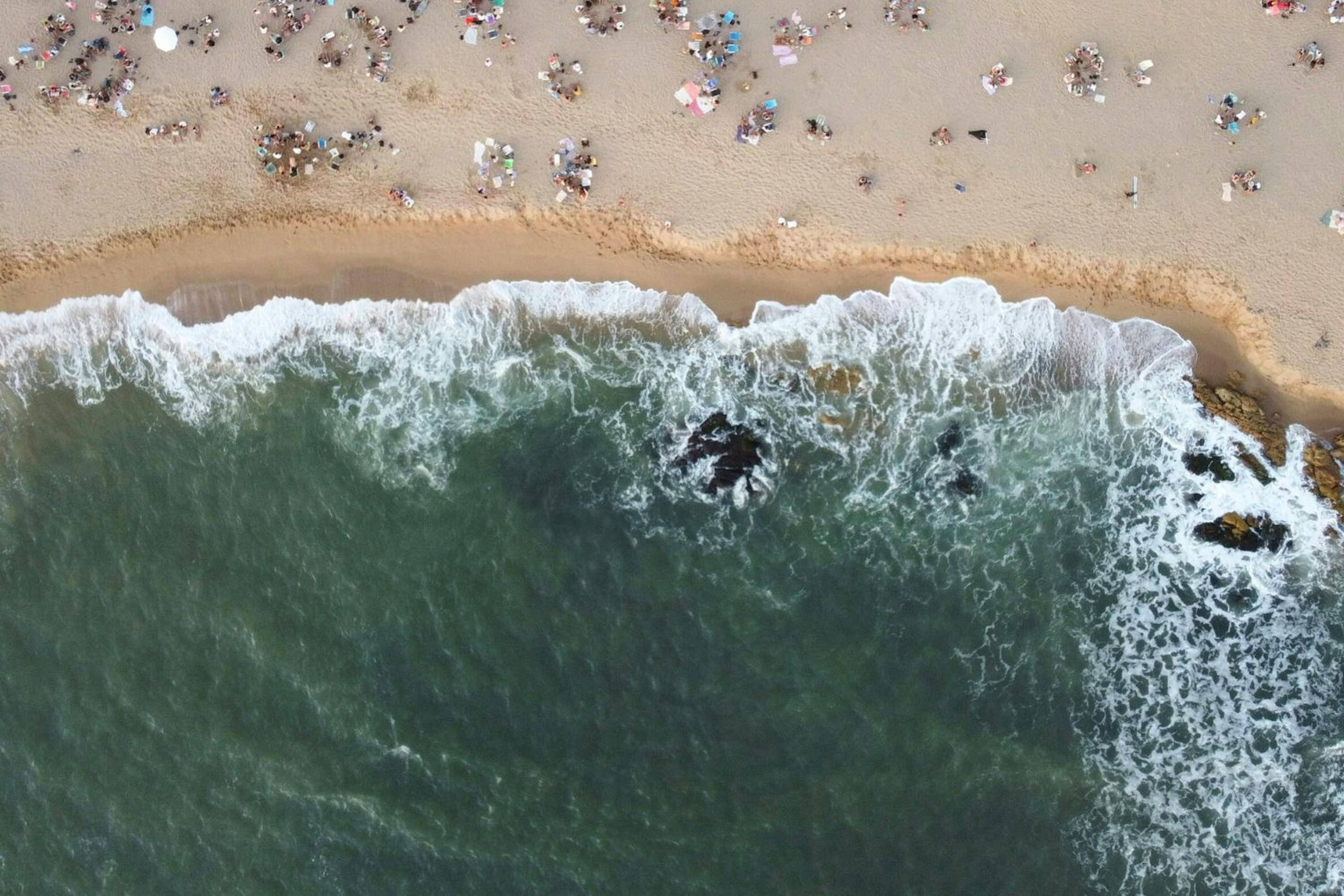
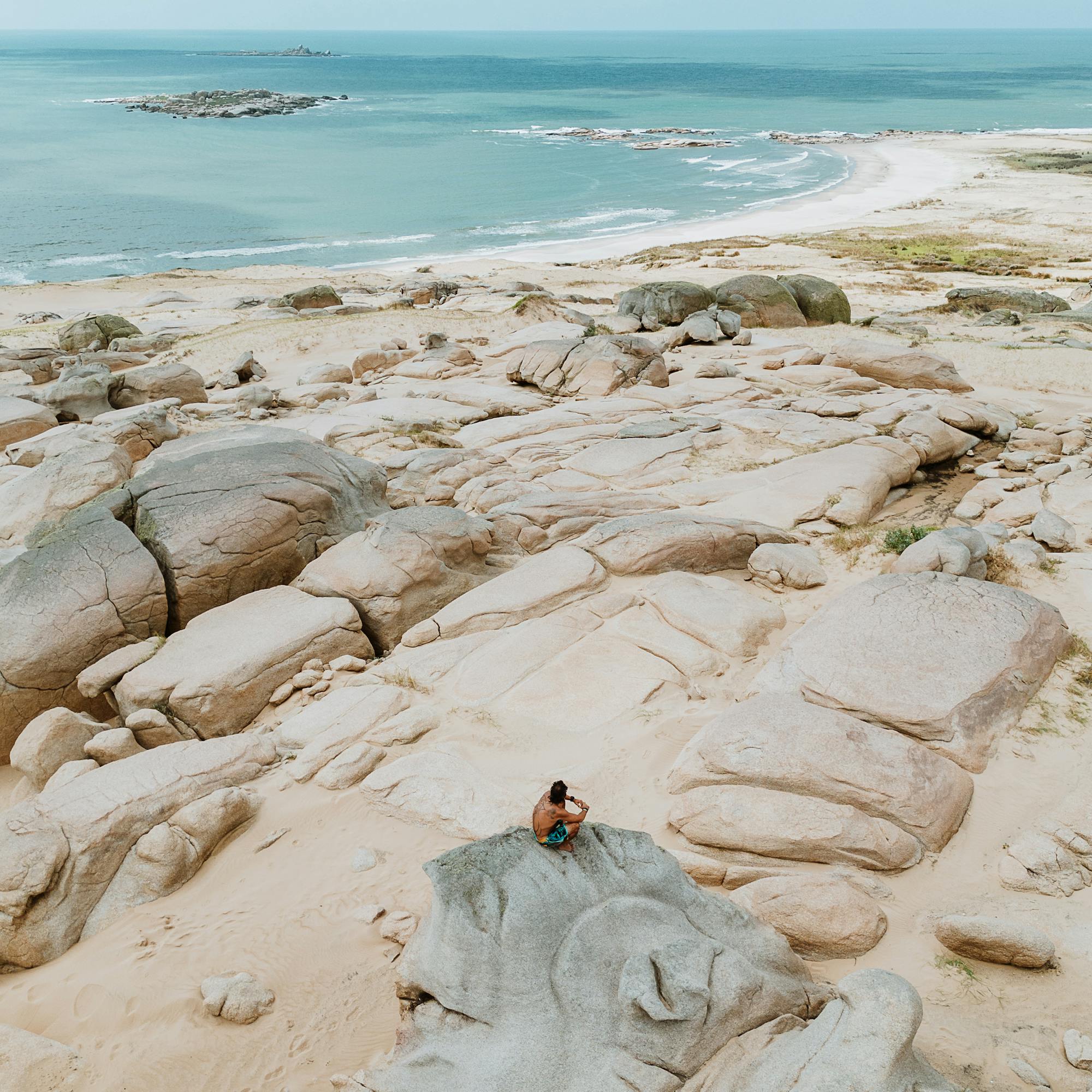
Wedged between Argentina and Brazil, Uruguay sits upon 400 miles of sandy Atlantic coast backed by a hinterland of undulating countryside. Travelers sometimes overlook the small country—about the size of Washington State—but not for lack of charm or allure; it’s simply the type of place that more commonly whispers than shouts.
There are no superlative waterfalls or mountain peaks, no great migrations, nor ancient ruins. And yet, Anthony Bourdain once described it as “Easily one of the top underappreciated travel destinations on earth.”
Uruguay is a place to be; to catch a vibe; to throw away the idea of travel as a bucket list, and to simply imbibe its joie de vivre. Travelers who journey here are paid dividends in small luxurious moments, rich with connection to people and place.
We had an absolutely amazing experience, thank you so much for helping us plan our trip! We learned so much and had a blast.
Emily Baltes, 2025 Traveler

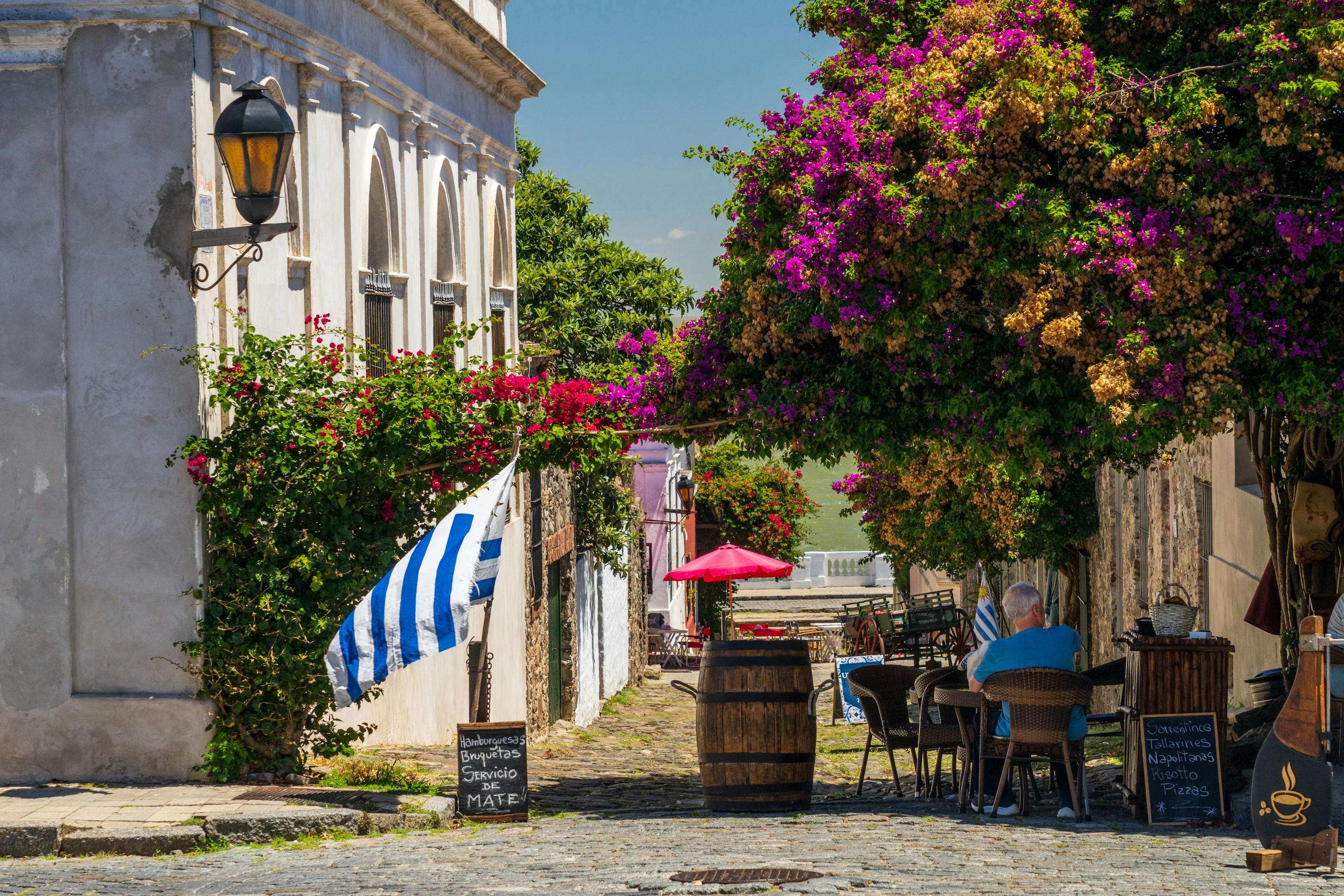
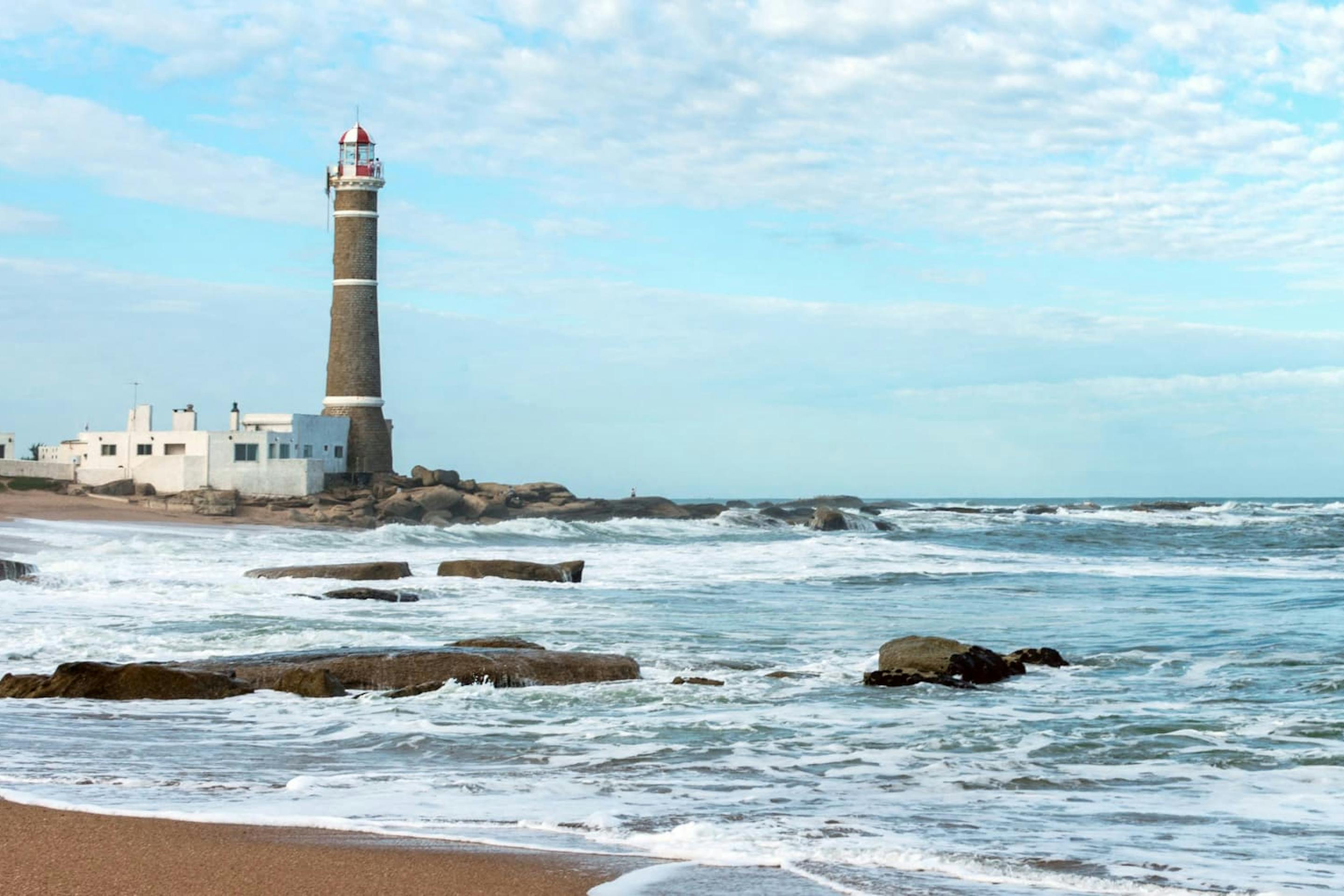
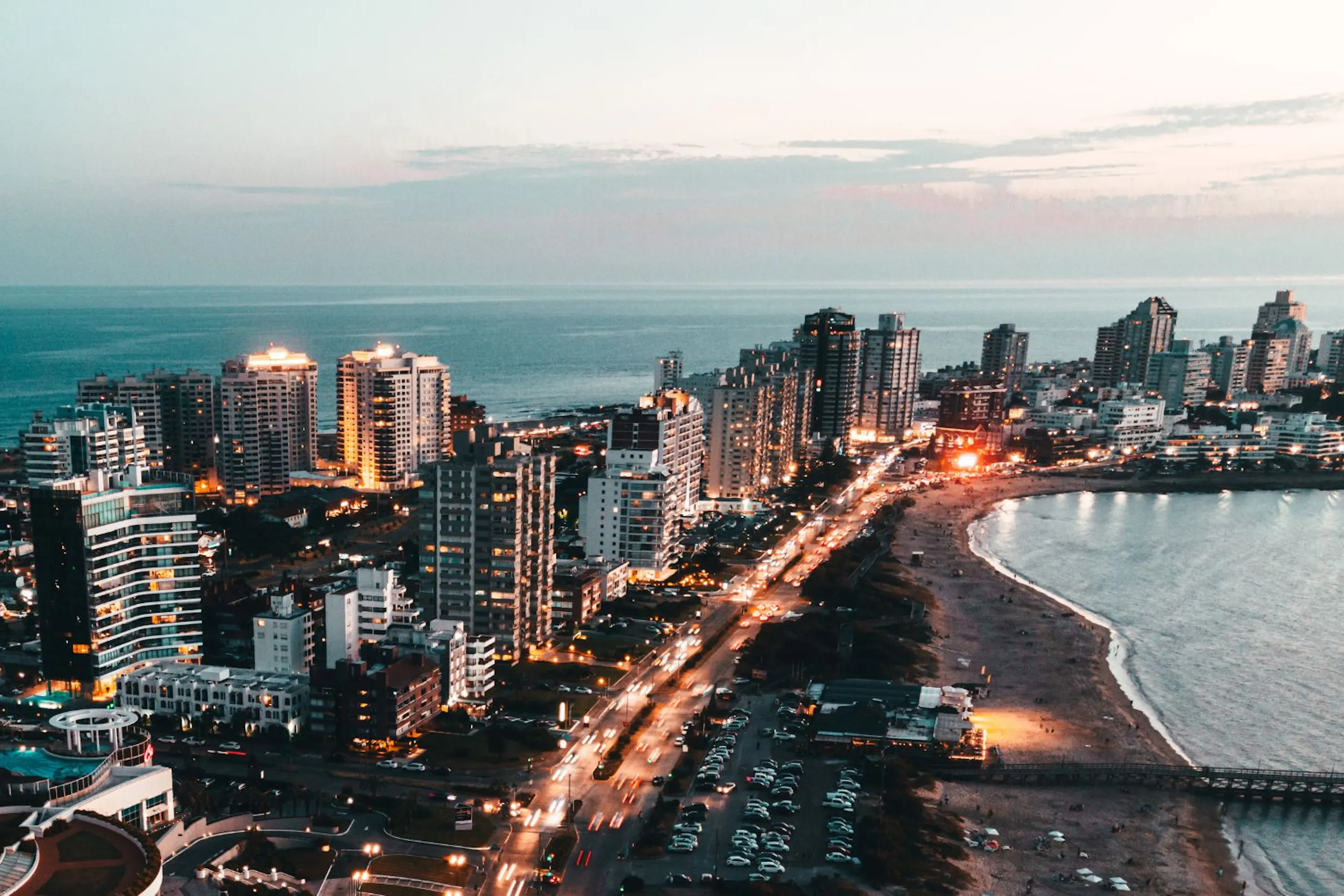
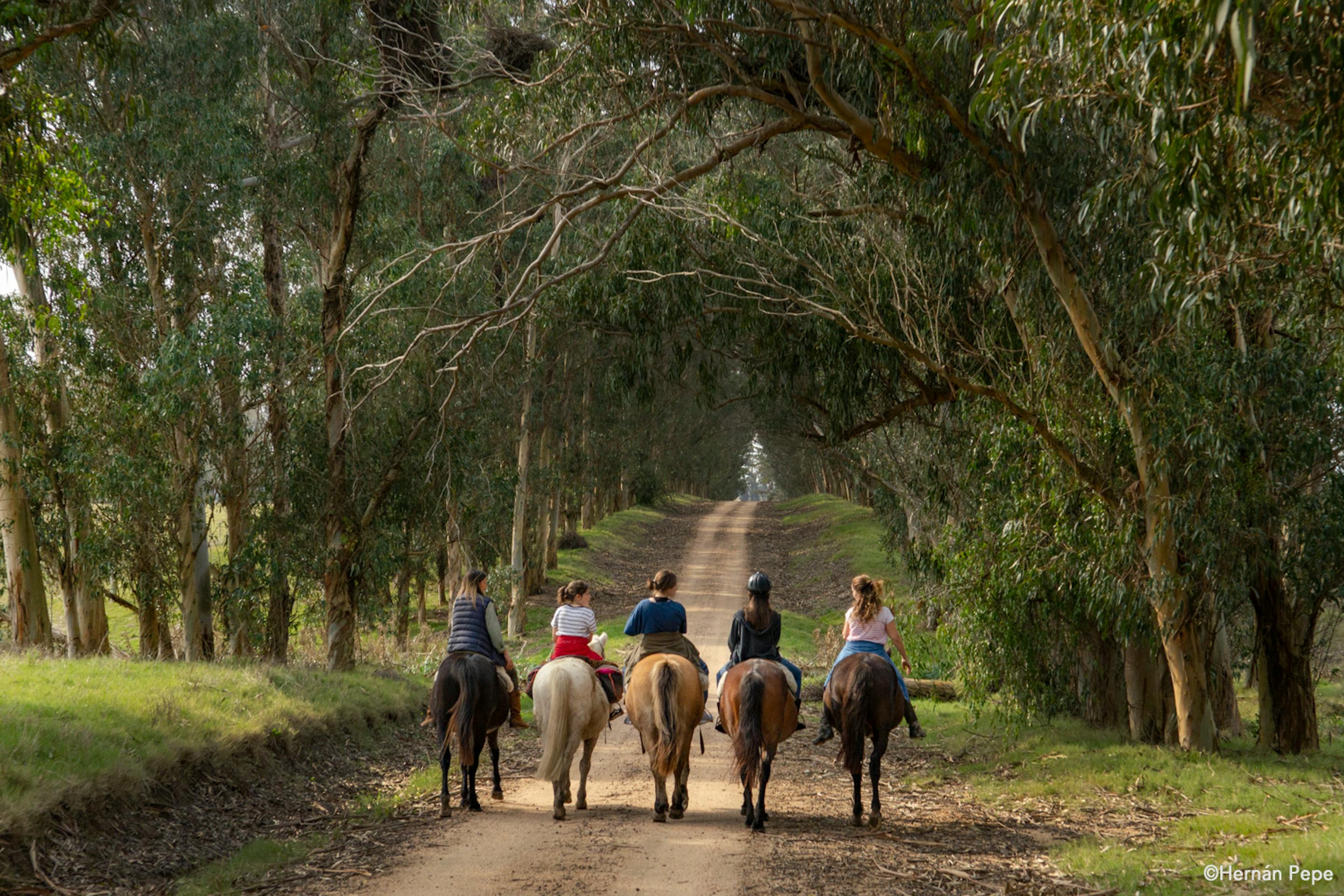
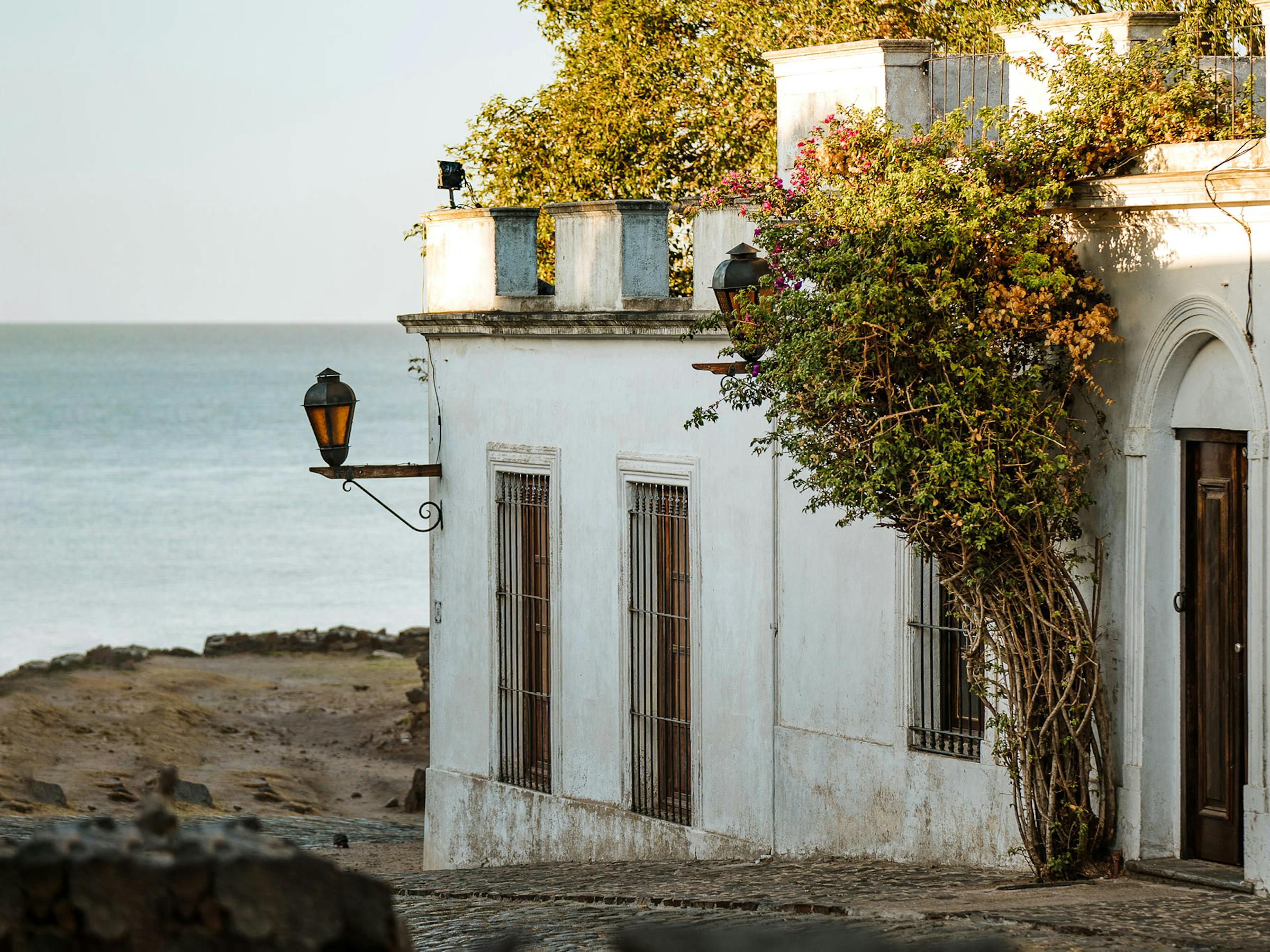
If you’re looking for a South American getaway that feels relaxed, stylish, and a little under the radar, Uruguay delivers. Between Montevideo’s breezy coastal culture, Colonia’s storybook cobblestone lanes, a countryside full of estancias and long tannat-and-asado lunches, and low-key Atlantic beach towns like José Ignacio or Punta del Este, it’s an ideal fit for travelers who want intimacy and atmosphere over crowds and constant motion.
Located in the southern hemisphere, Uruguay is a year-round destination with pleasant weather during its spring, summer, and fall months (September through May).
If you want to catch some sun on Uruguay’s beaches, the best time to travel to Uruguay is November through March. Mid-December and January can be very crowded with tourists from neighboring countries, making November, February, and March the ideal months to visit Uruguay.
If you happen to come in February, get ready for the Carnival of your life. Montevideo has the longest Carnival celebrations in the world and rivals Rio when it comes to celebrating in the streets.
Best
Jan
Feb
Mar
Nov
Dec
January - March
November - December
Good
Jan
Feb
Mar
Apr
May
Sep
Oct
Nov
Dec
January - May
September - December
There is no “classic” route through Uruguay, and the country is so small that it’s easy to get from place to place. Where to travel will depend mostly on your interests
The remarkably laid-back capital city is clean, relatively quiet, and seated right on the expansive Rio de la Plata—which looks more like the ocean than a river. It’s a very walkable city, and every visitor should go for a stroll along the world-famous rambla, stopping at one of the many cafés to people-watch. Montevideo is an art and culture hub of South America, included among UNESCO’s Creative Cities Network.
We value depth over breadth. While we have broadened our map, our intimate expertise runs deep—from understanding each locale's hidden rhythms to cultivating relationships with exceptional guides.
Seasoned travelers know that places change, authentic experiences migrate. We'll listen to your hopes and passions, but push back when we know something will better resonate with you.

Traveling to wild places asks something of us— a quality of attention and presence. From behind-the-scenes logistics to bespoke culinary experiences, our team has thought of everything.
There will undoubtedly be extraordinary unscripted moments: hippos emerging at sunset, the impossible blue of Arctic ice. We know that meaningful memories often live in personalized details.
We value depth over breadth. While we have broadened our map, our intimate expertise runs deep—from understanding each locale's hidden rhythms to cultivating relationships with exceptional guides.
Seasoned travelers know that places change, authentic experiences migrate. We'll listen to your hopes and passions, but push back when we know something will better resonate with you.
Traveling to wild places asks something of us— a quality of attention and presence. From behind-the-scenes logistics to bespoke culinary experiences, our team has thought of everything.
There will undoubtedly be extraordinary unscripted moments: hippos emerging at sunset, the impossible blue of Arctic ice. We know that meaningful memories often live in personalized details.