Itinerary
Extraordinary Kenya safari
Big Five, tiny camps, and iconic plains
10 days
$12,000 per person
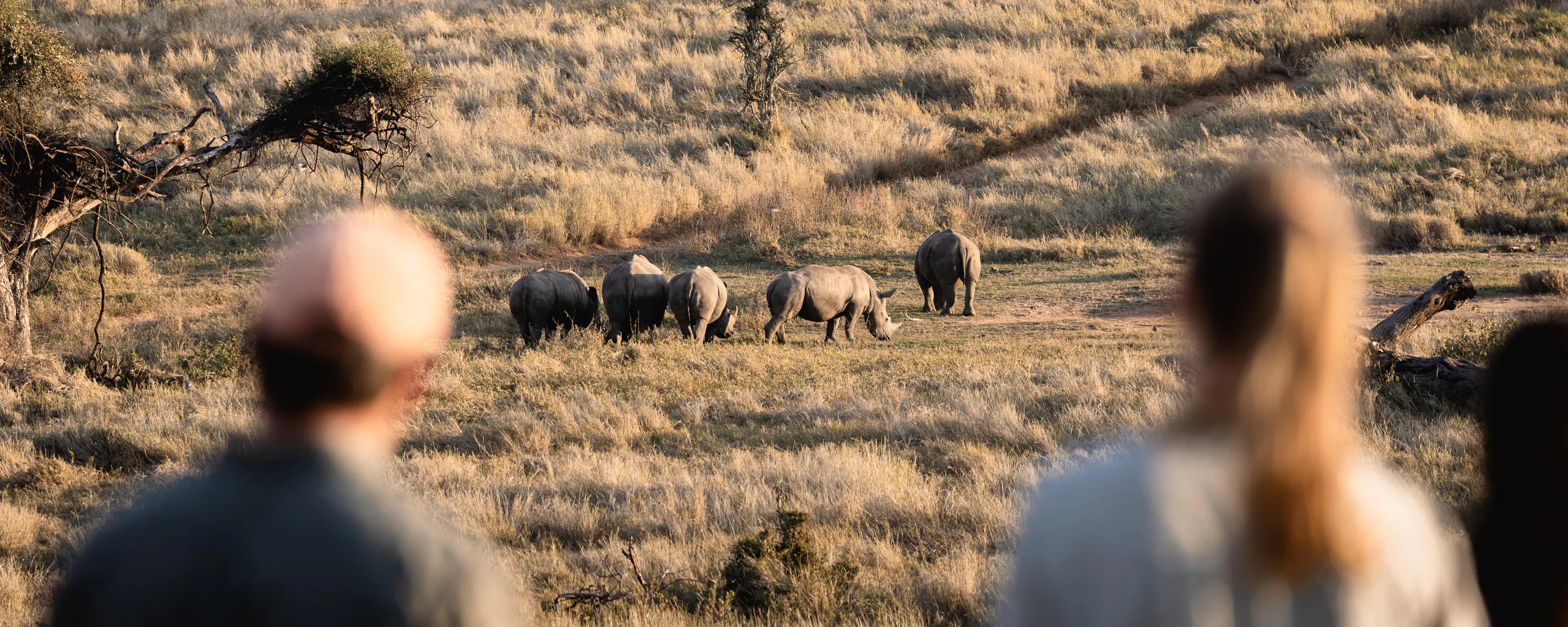
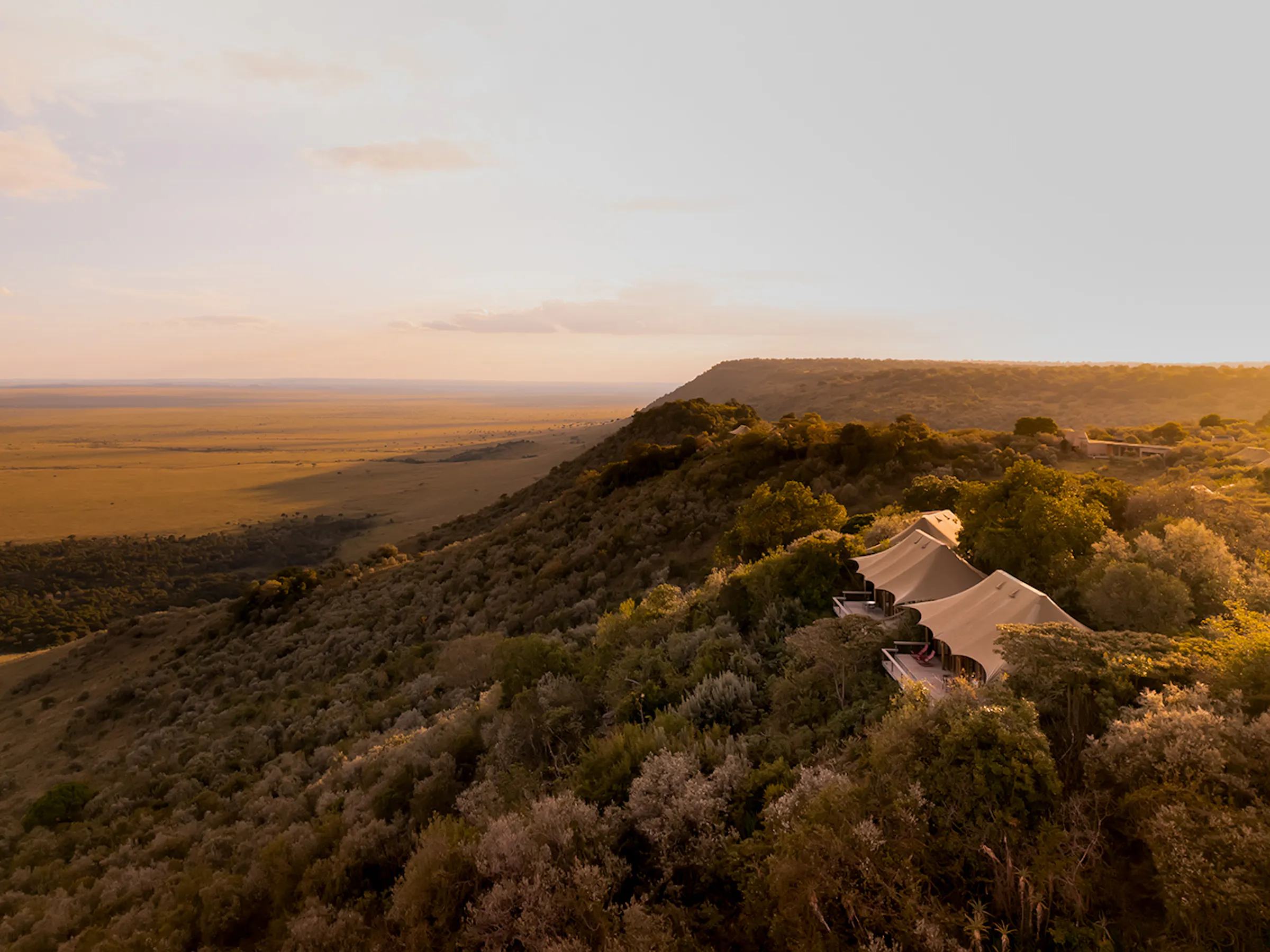
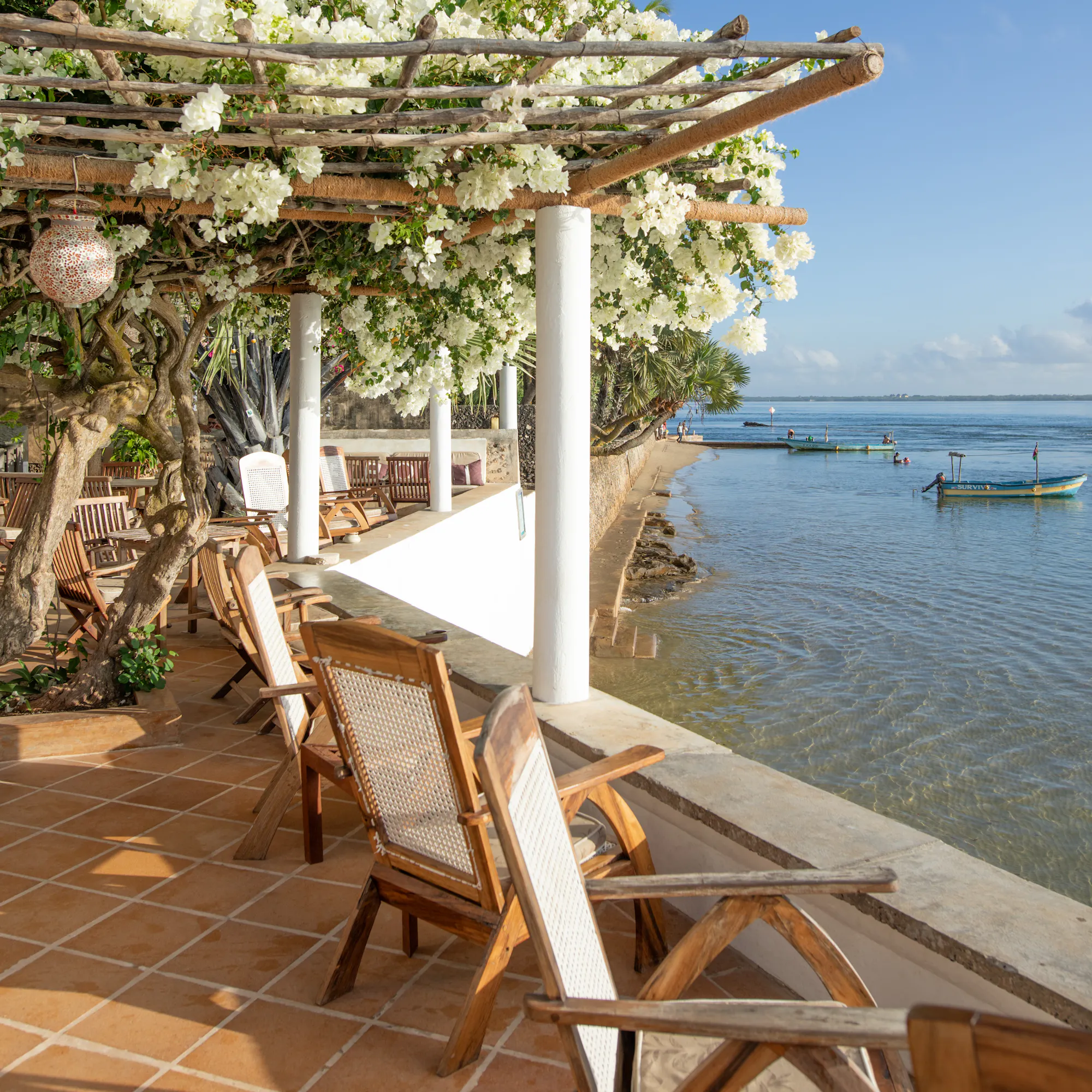
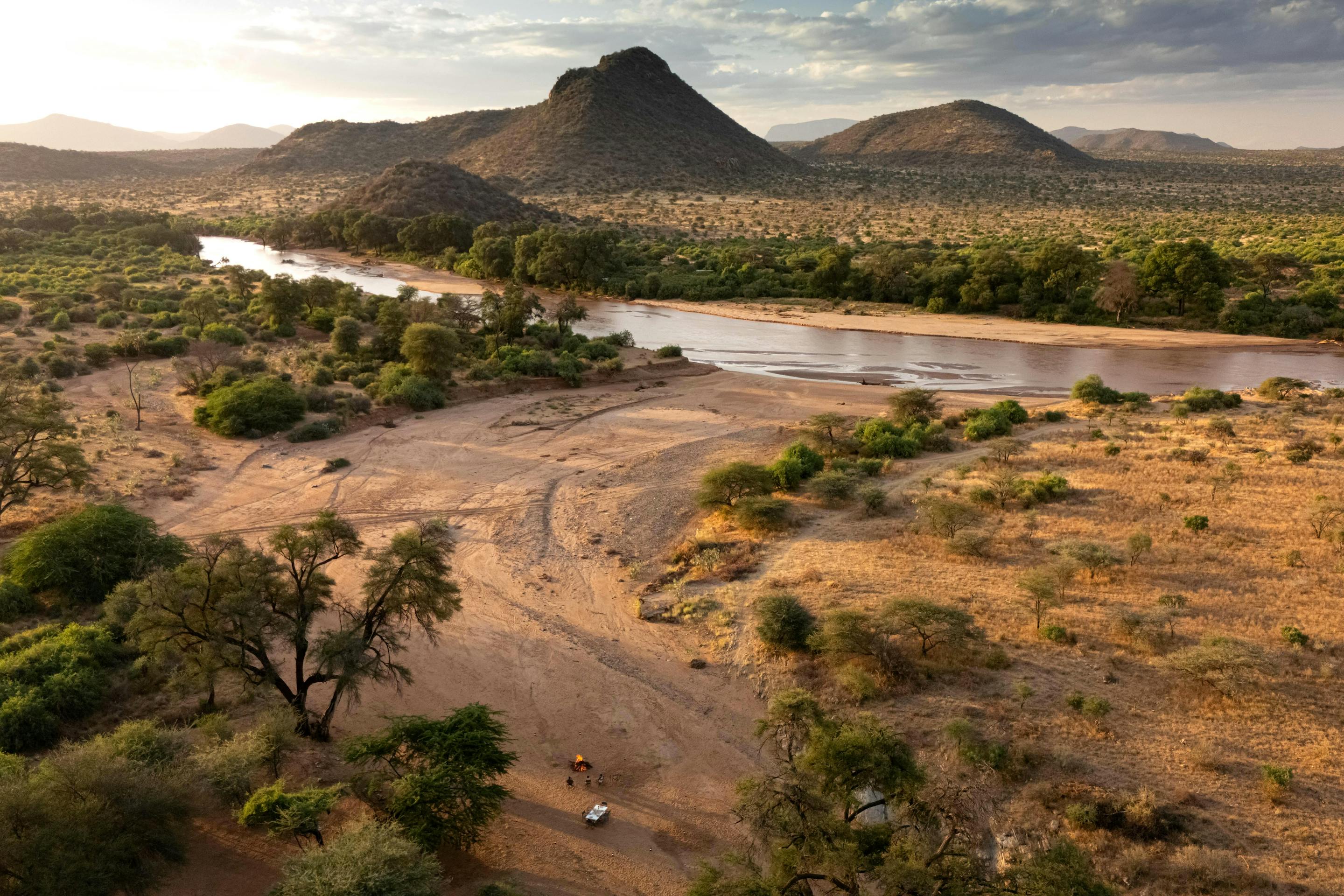
From tropical forests that hug the Indian Ocean and open savannah to arid shrubland and Rift Valley lakes, Kenya’s appeal is as diverse as its kaleidoscope of landscapes.
From tropical forests that hug the Indian Ocean and open savannah to arid shrubland and Rift Valley lakes, Kenya’s appeal is as diverse as its kaleidoscope of landscapes.
Use these itineraries as a starting point or as inspiration to create your own journey
Maasai Mara predator action, cultural depth, heartening conservation & diverse safari activities
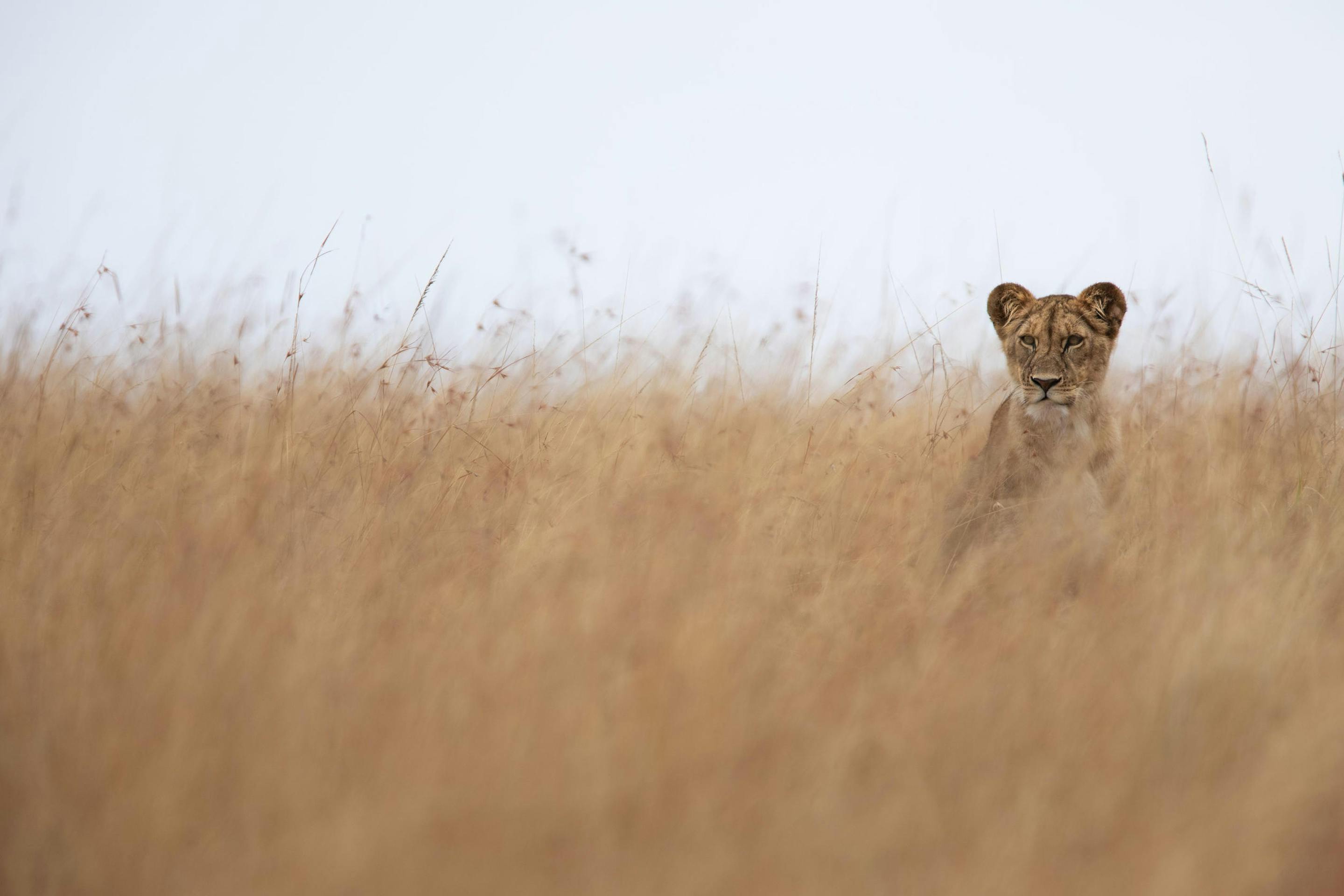
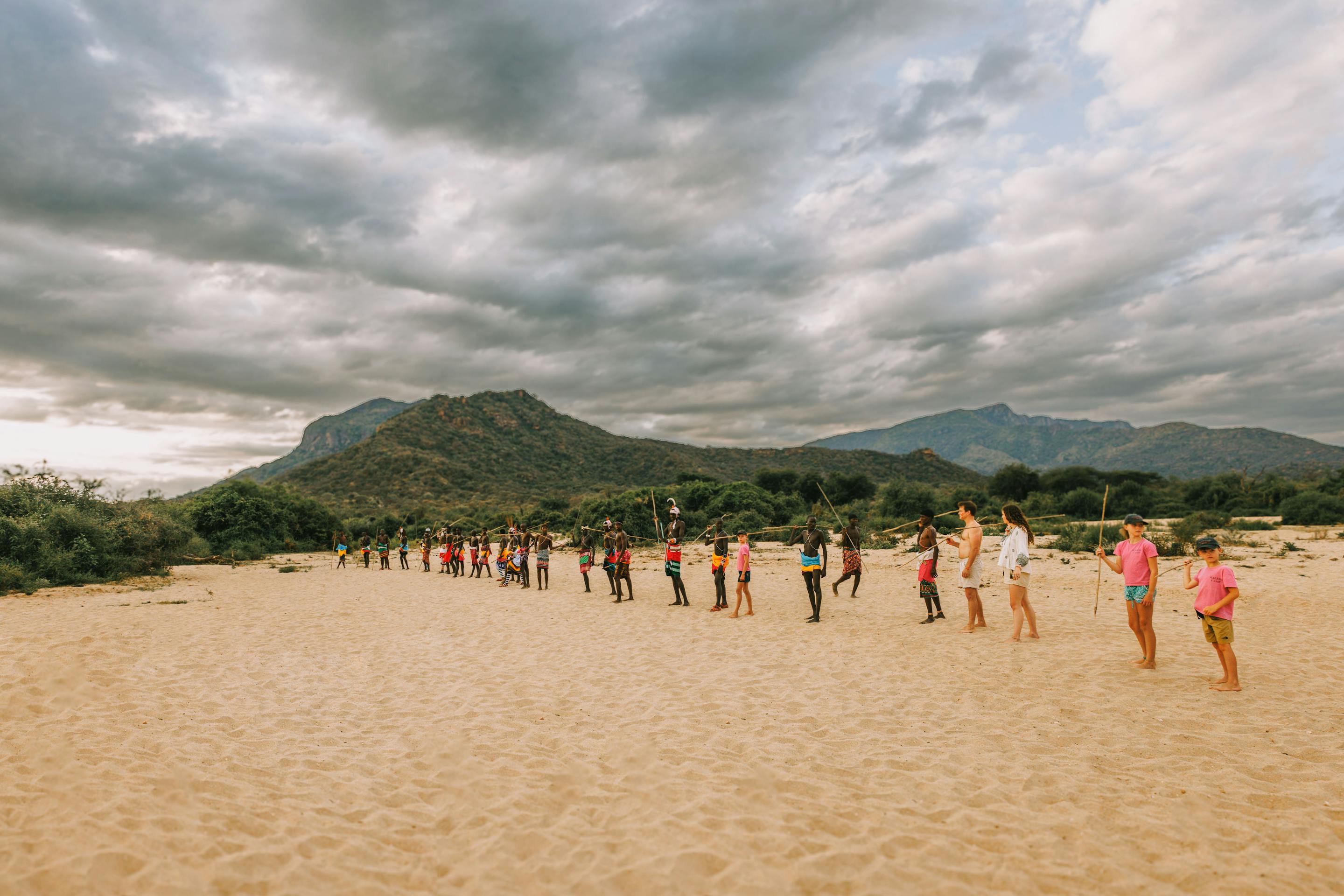
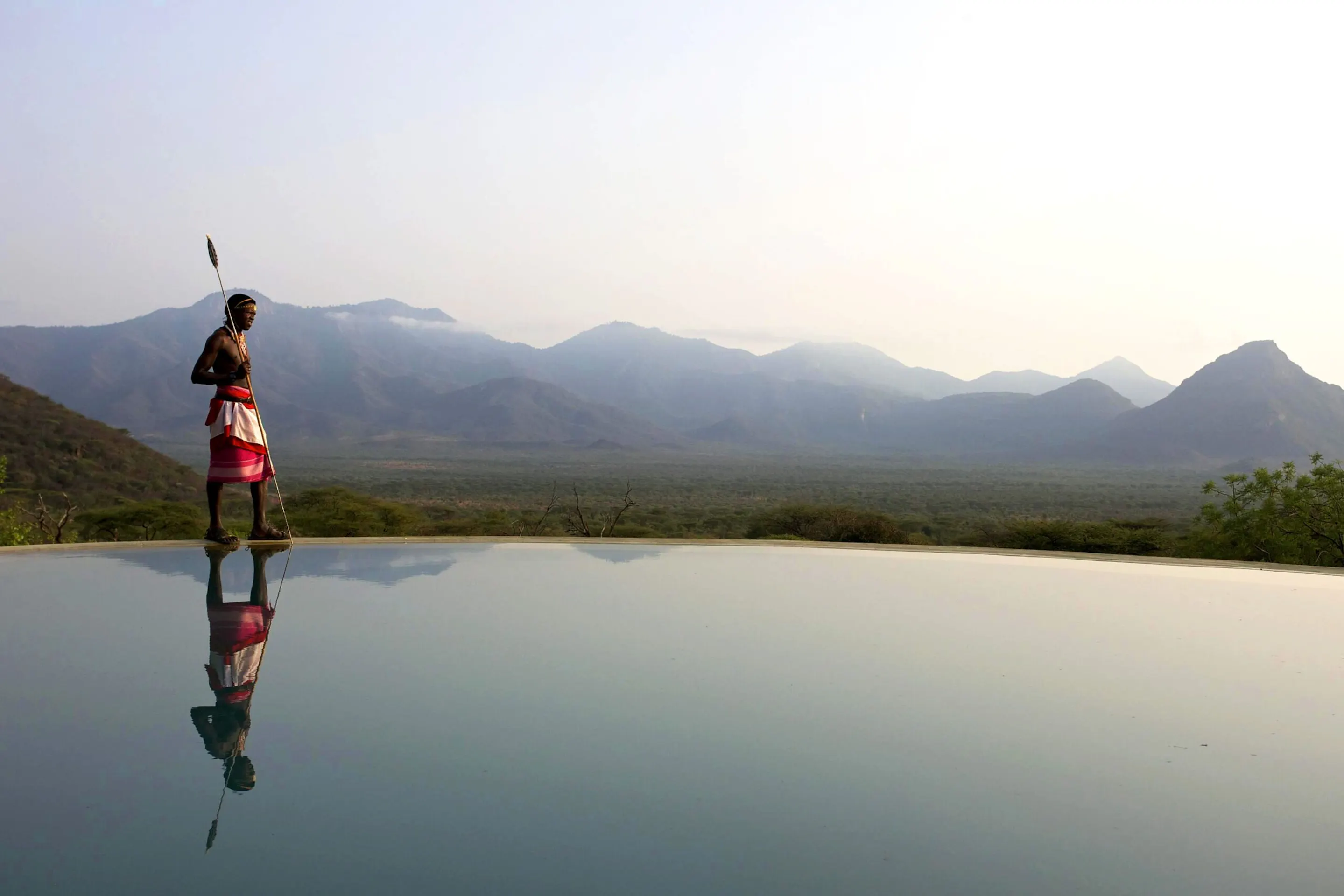
When the mind’s eye dreams of an African safari, chances are, it’s a portrait of Kenya. It’s where the modern safari was born and to this day, remains the ultimate destination for wildlife viewing. Layered upon its dramatic scenery are wonderful opportunities to connect with Indigenous peoples, a pleasing climate well suited to year-round travel, streams of wildlife moving with the Great Migration, and sumptuous safari lodges and tented camps.
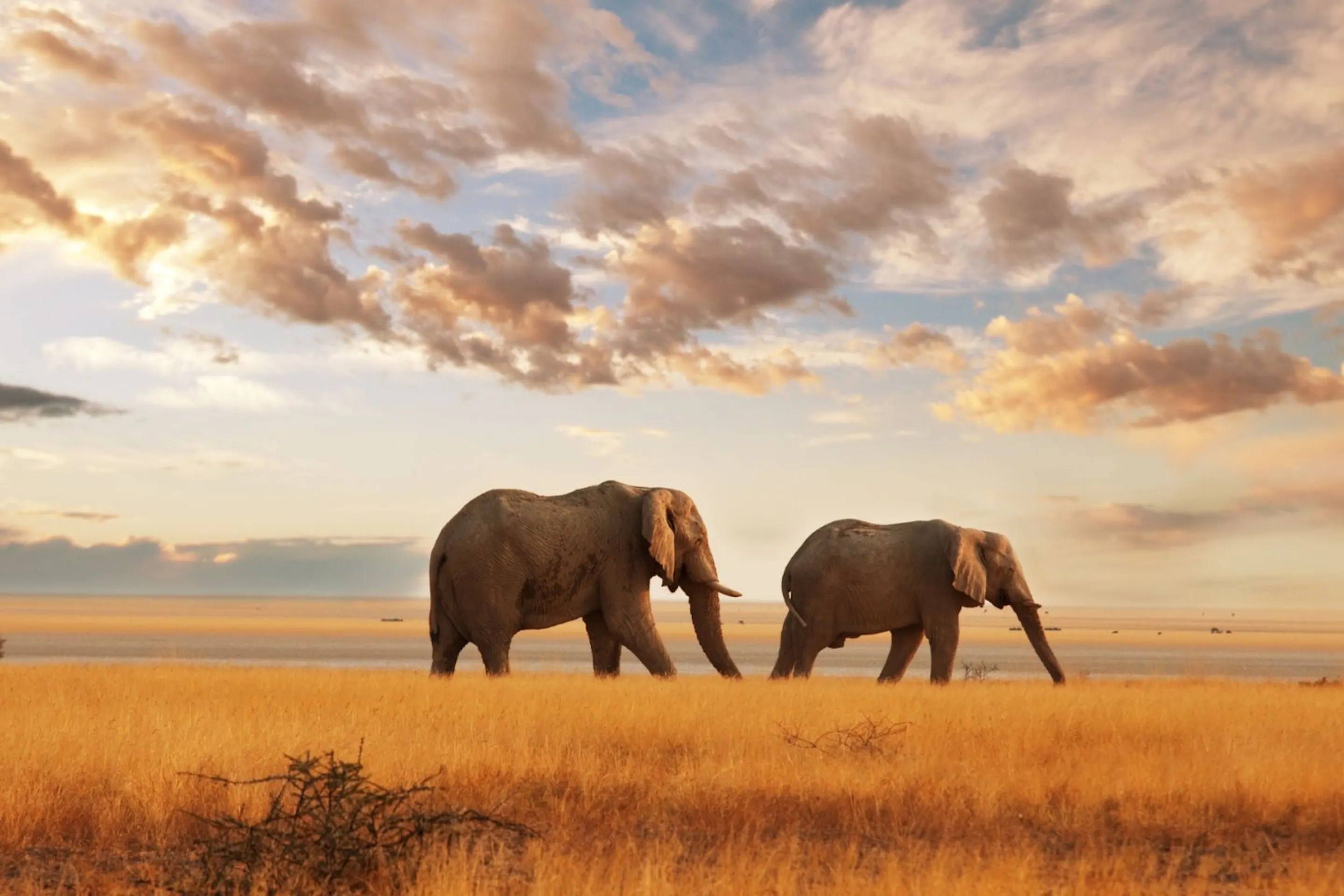
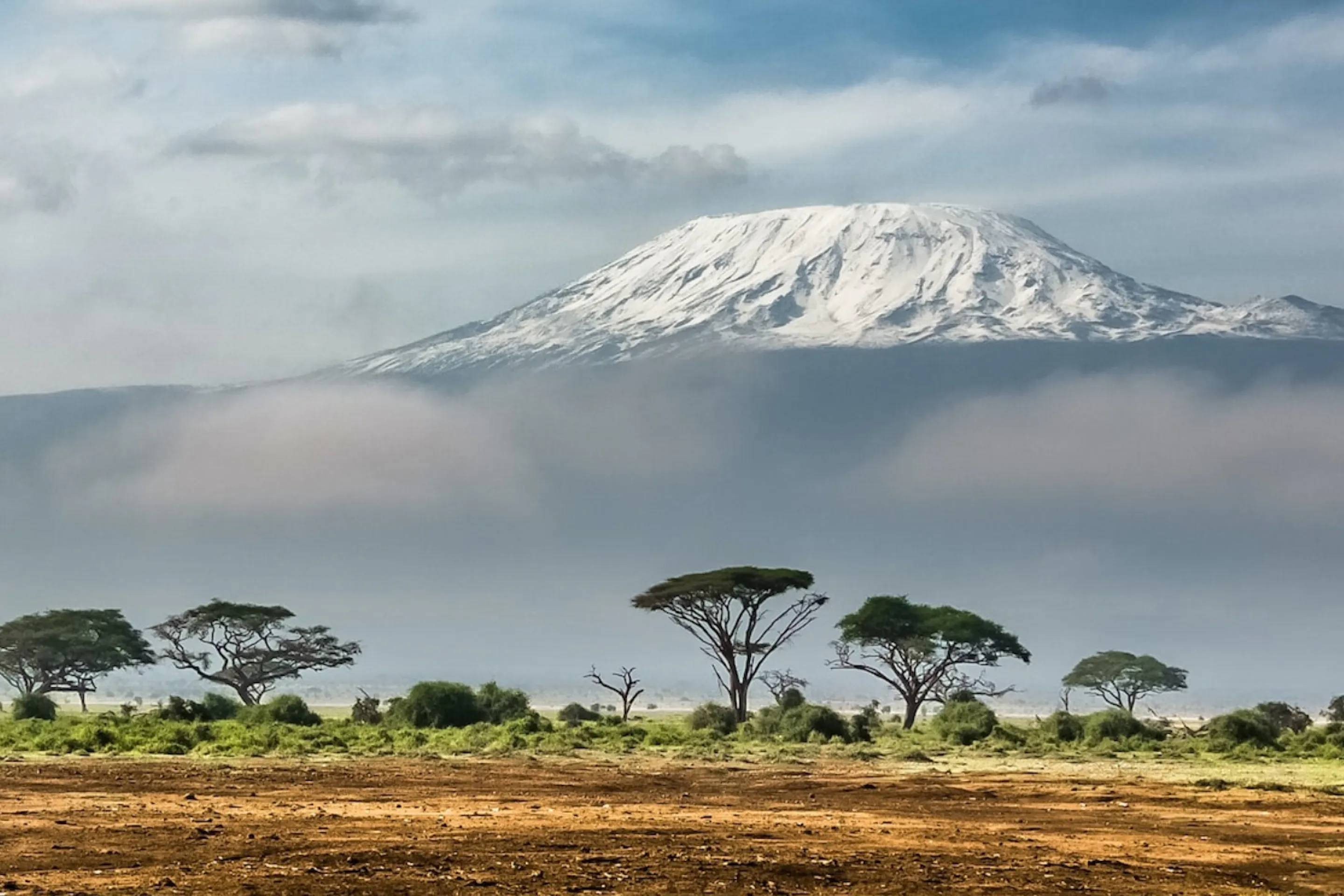
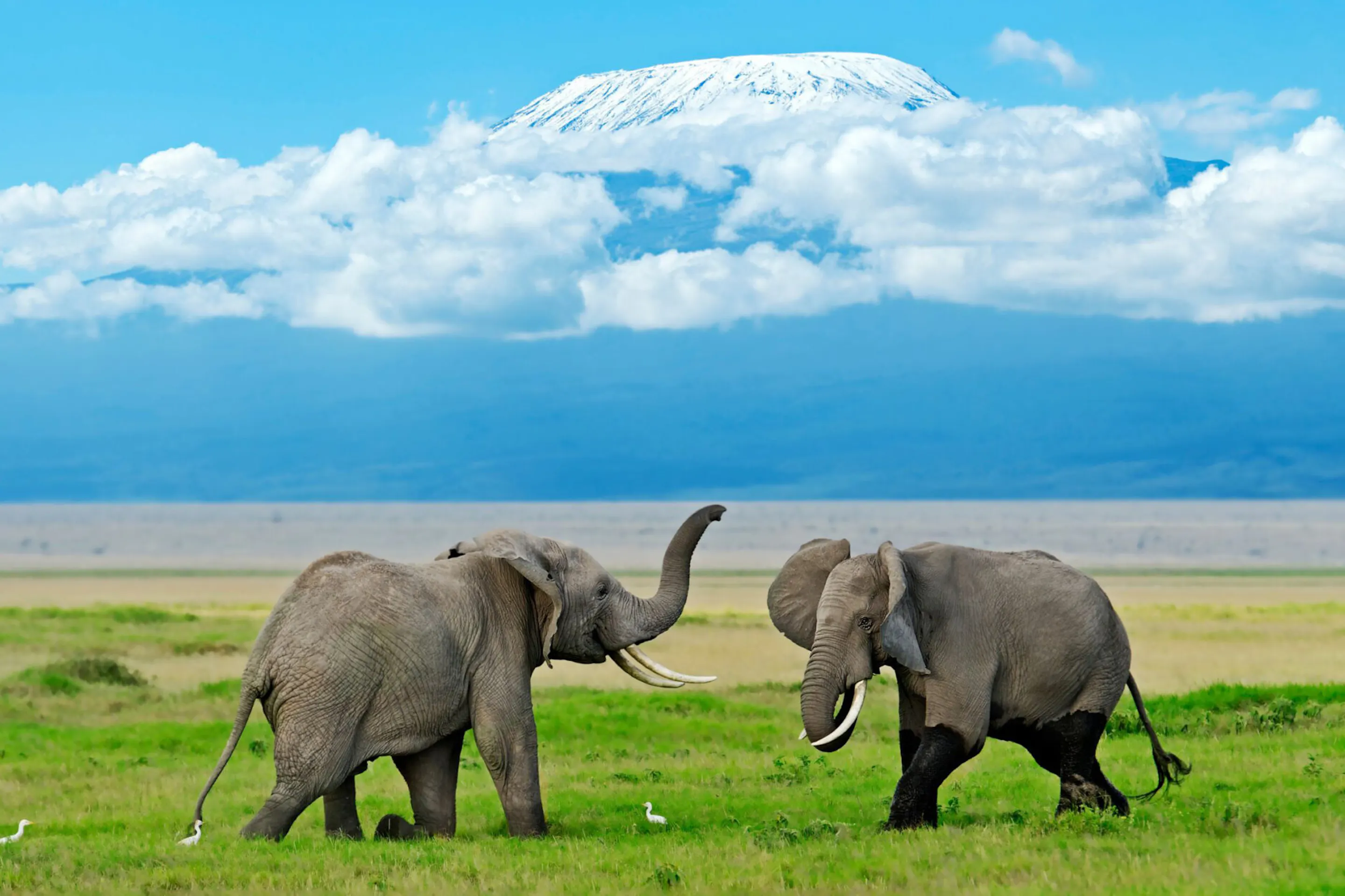
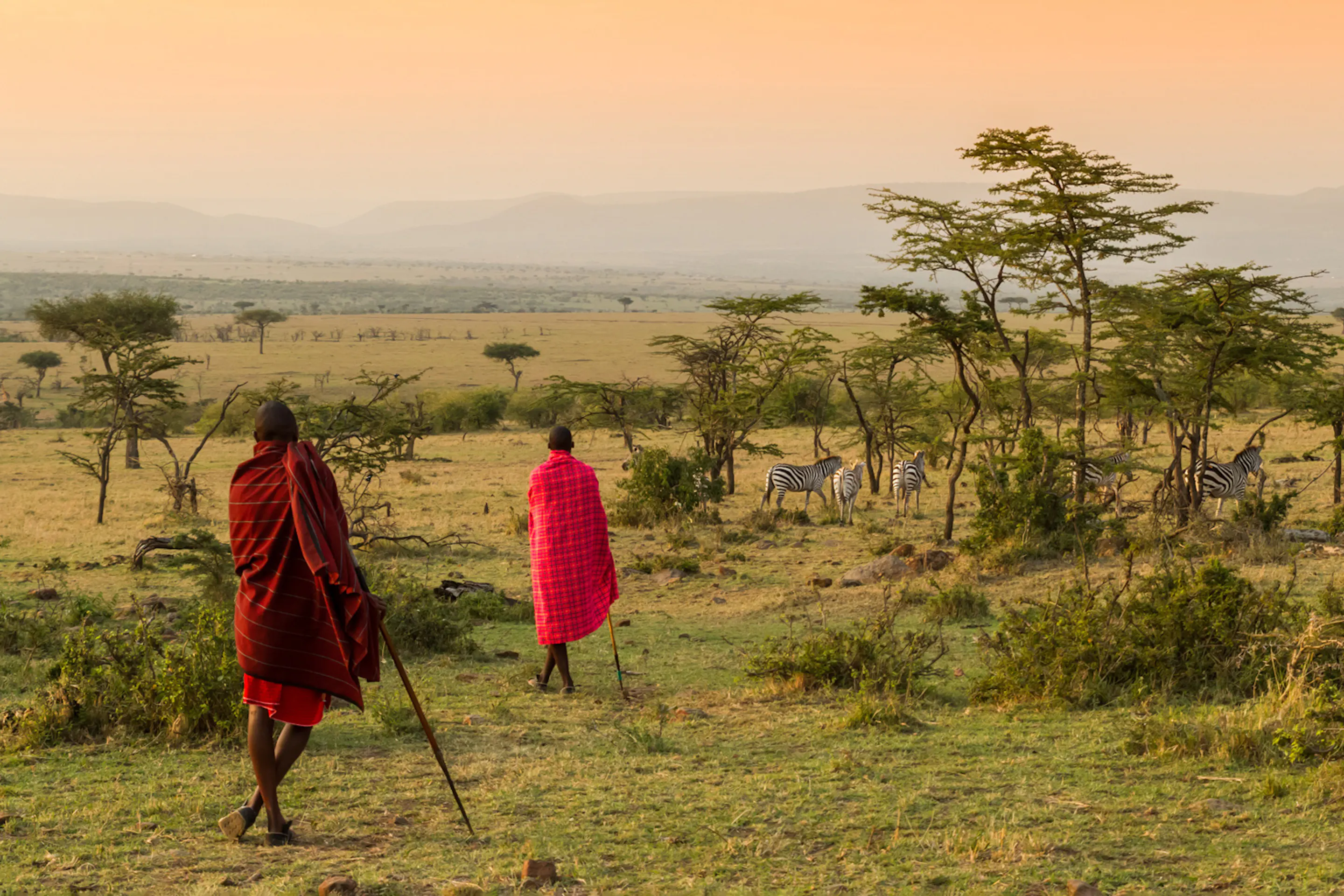
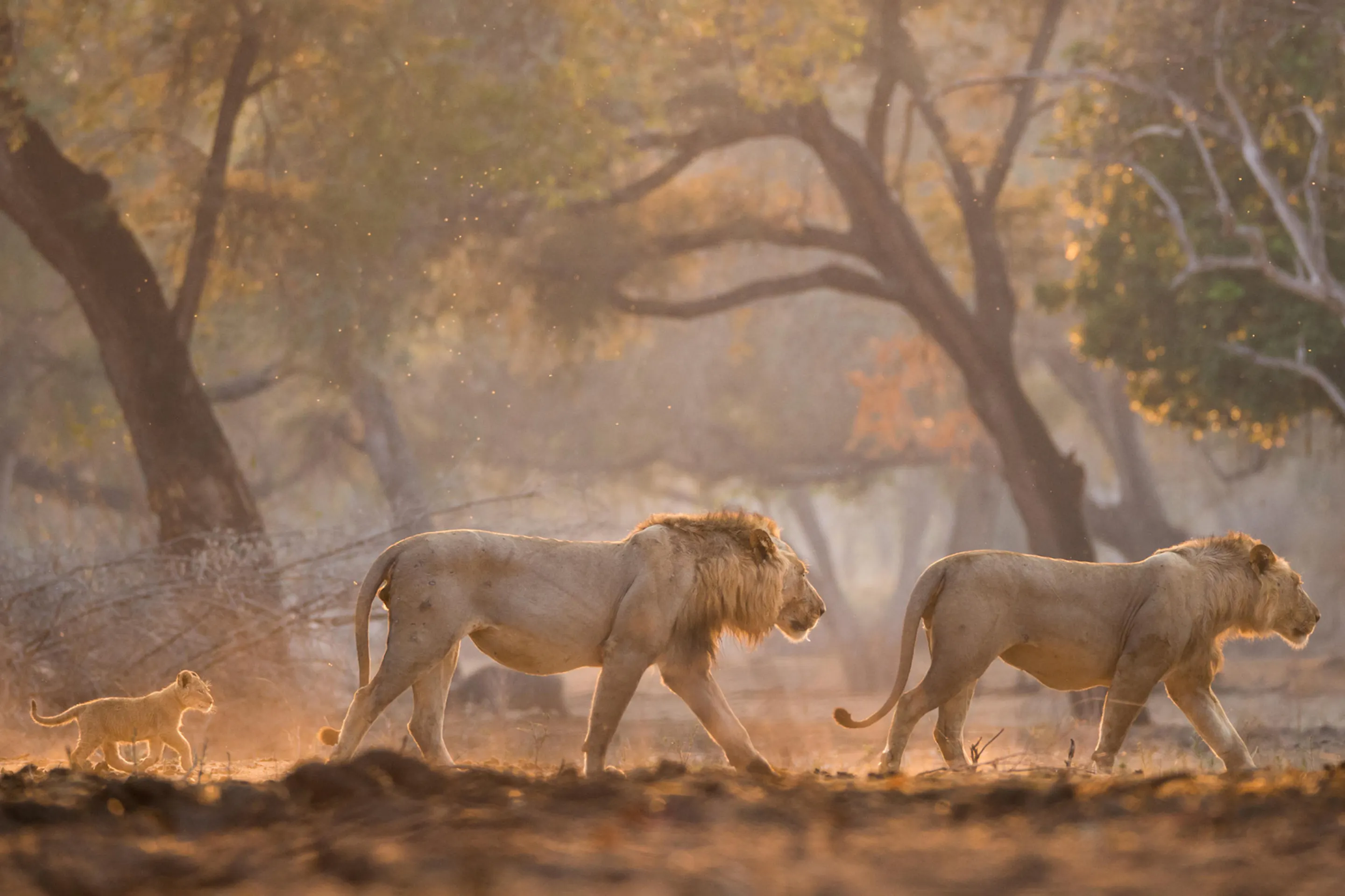
Sharing a border with Tanzania’s Serengeti National Park, the iconic Maasai Mara National Reserve is Kenya’s most famous safari destination—and it’s got the wildlife to back up its legendary reputation. Casting an eye further north, exciting safari adventures await on the Laikipia Plateau and in Samburu—each meriting a visit. South of the Mara, venture into the heart of Maasailand in Amboseli and the Chyulu Hills, where elephant herds gather in the shadow of formidable Mount Kilimanjaro.
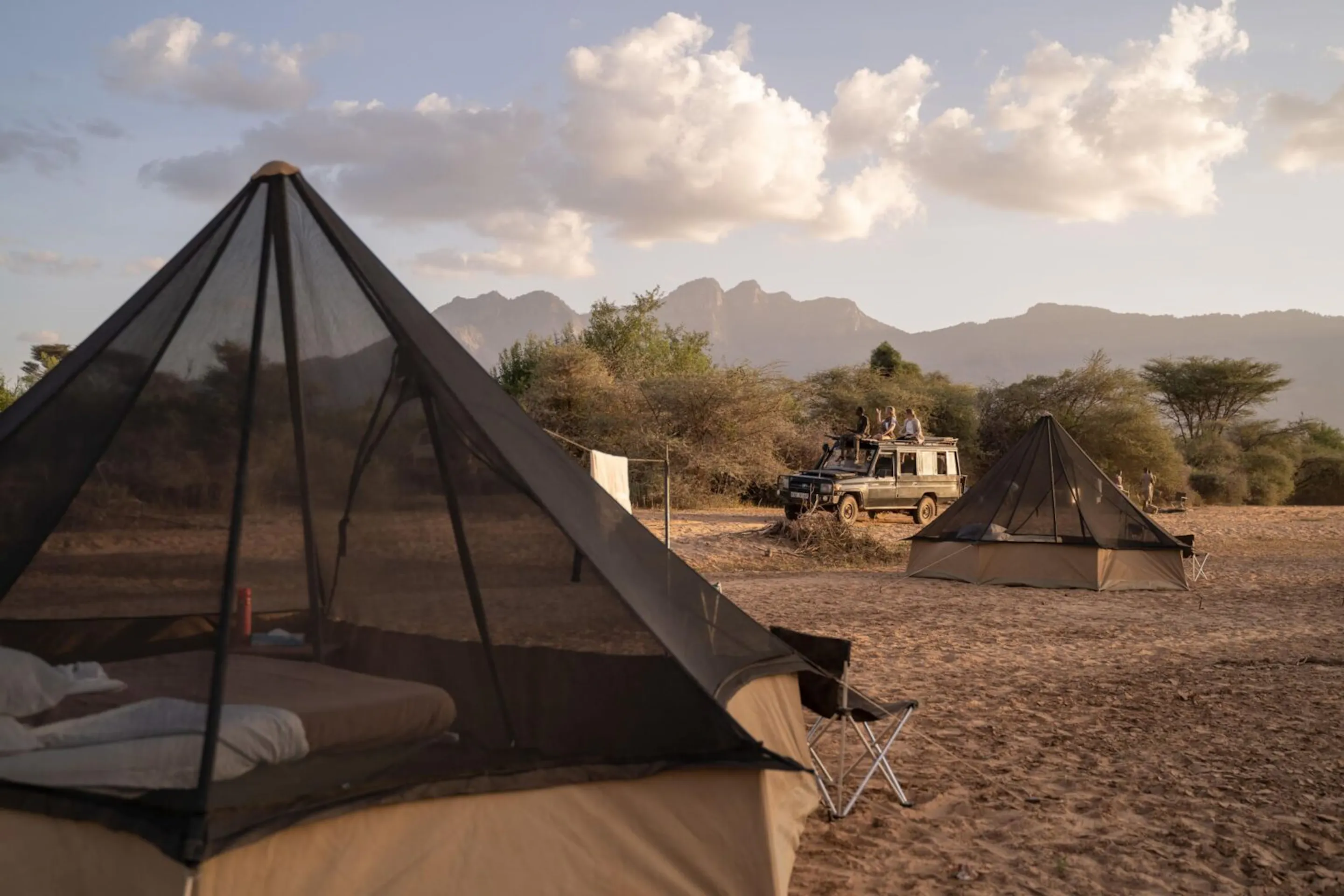
Across the country, Kenya’s collection of private conservancies are writing biodiversity comeback stories. For travelers staying in a conservancy, the upside is three-fold: exclusivity away from mass For travelers staying in a conservancy, the upside is three-fold: exclusivity away from mass market crowds, knowing tourism dollars cycle directly into conservation and local communities, and a wider diversity of activities not possible in Kenya (or Tanzania’s) national parks and reserves. When you’ve raised your last sundowner on safari, make an easy transfer to a Lamu Island beach or relax into the serene, forested foothills of the Matthews Range.
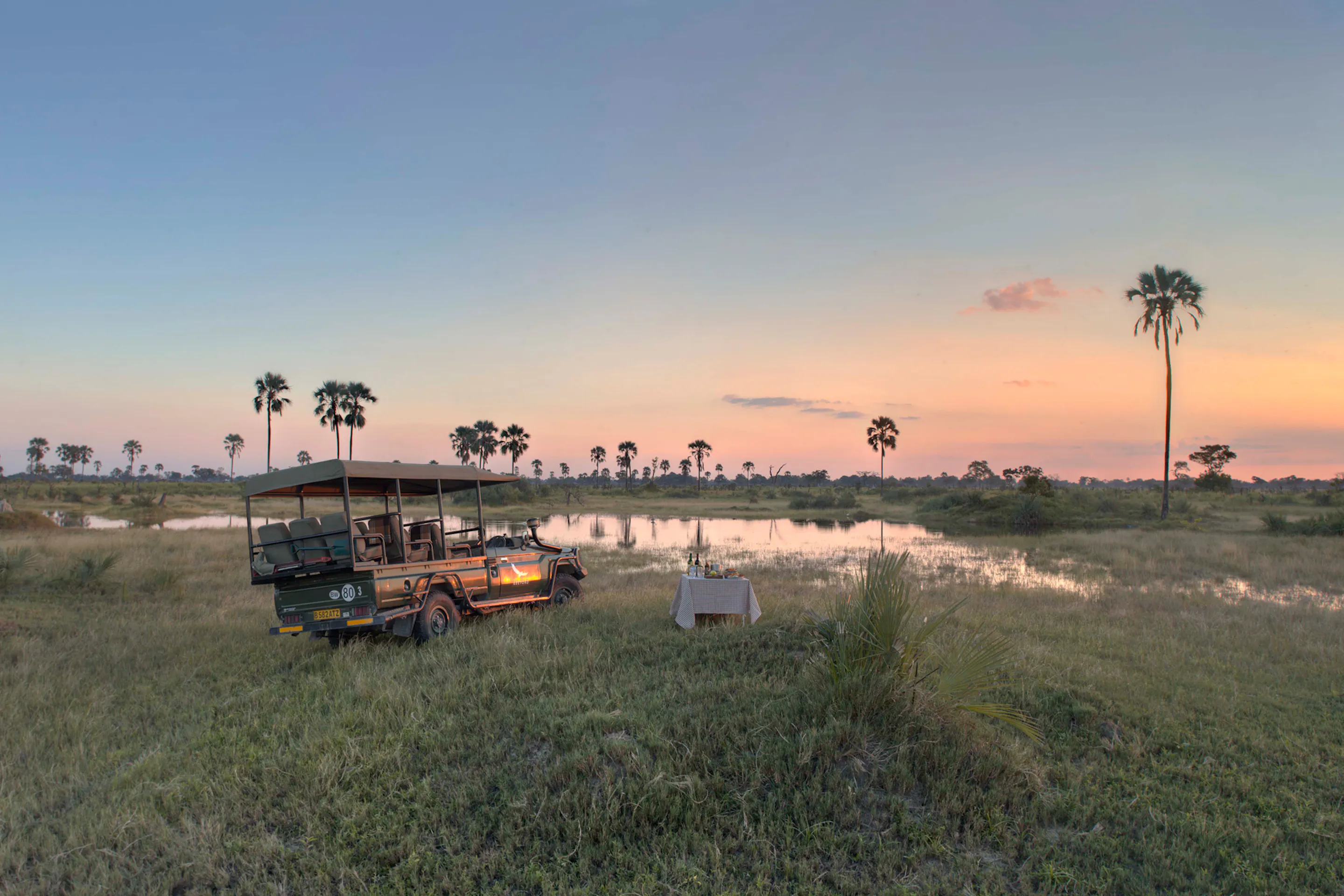
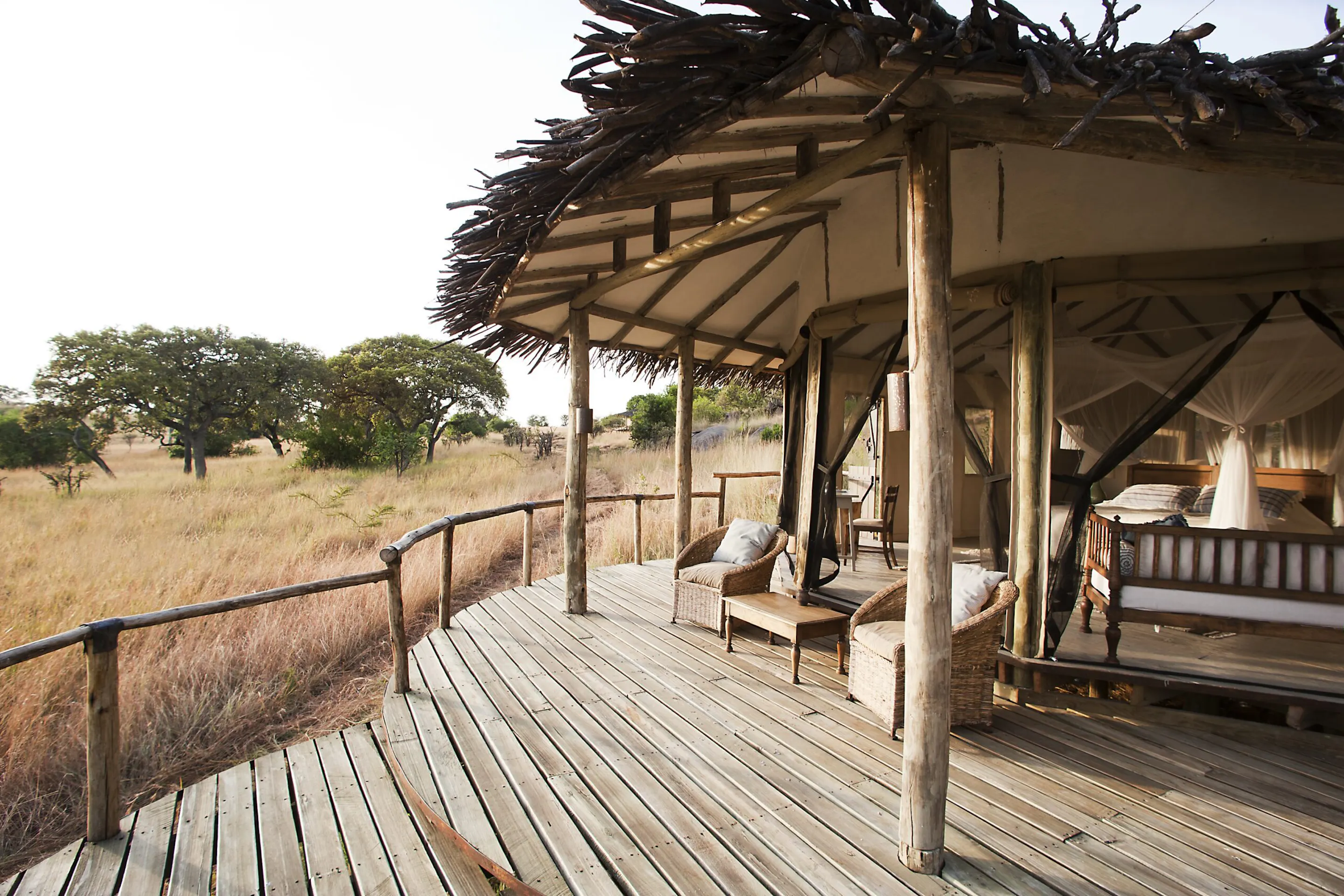
For the most part, luxury safaris in Kenya focus on game drives as the primary mode of wildlife viewing. Days are typically scheduled around an early morning and an afternoon drive. Sunset is observed with sundowners in-hand—a gin and tonic is the tradition, but you might pick a tipple from a tailgate mini bar—served in a scenic spot. Depending on your camp or lodge, a gourmet dinner can be taken convivially with other guests, privately in your room or al fresco in the bush.
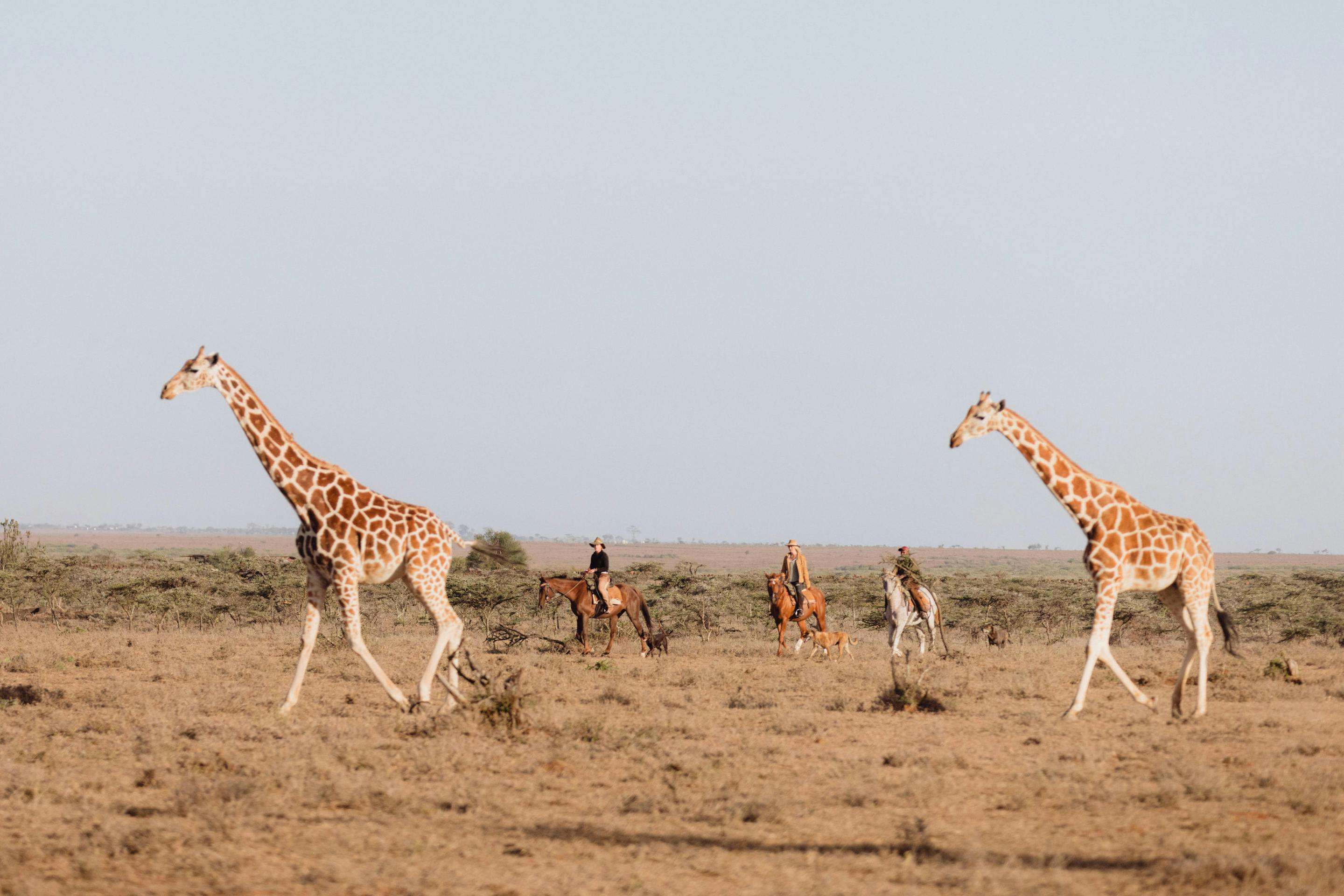
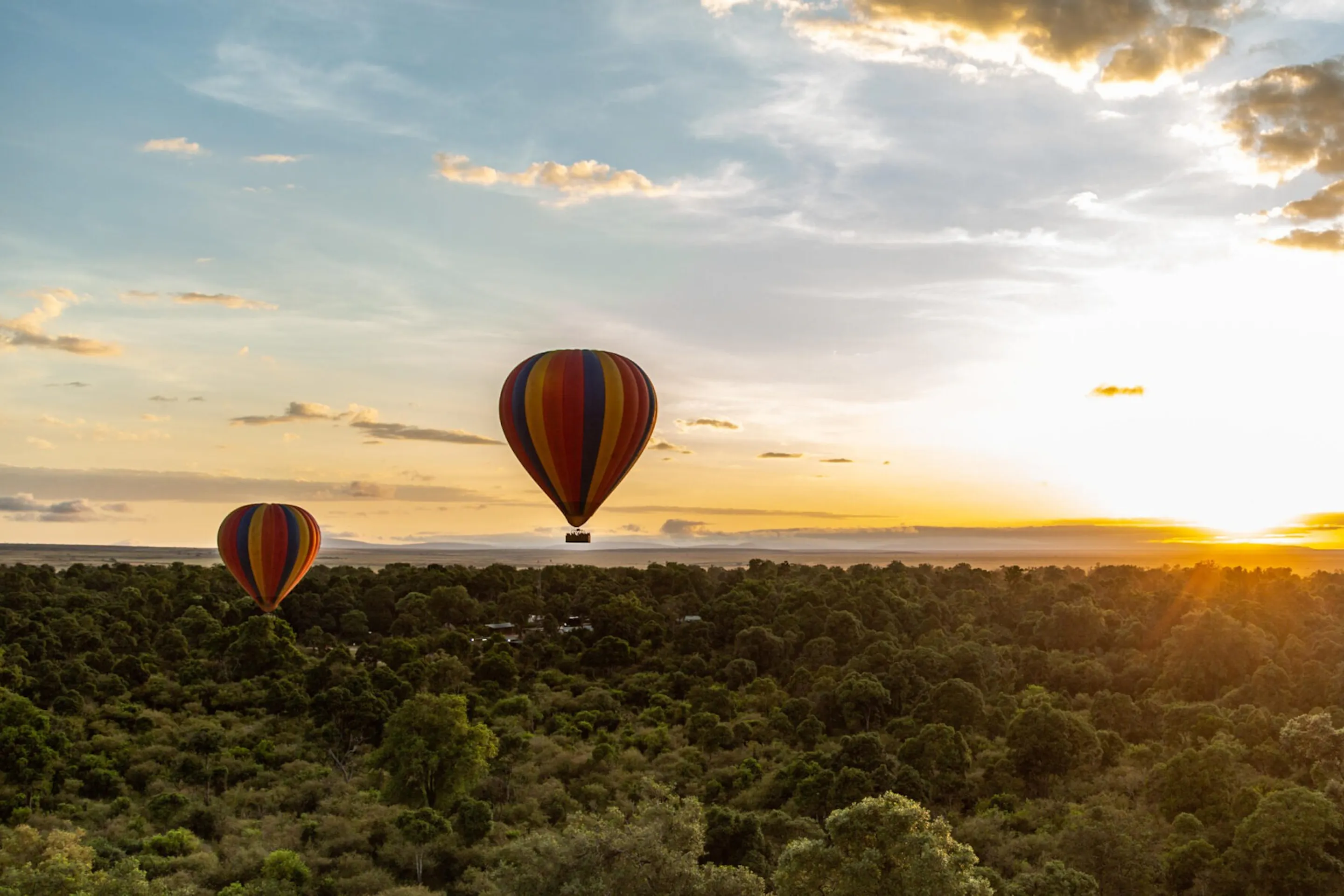
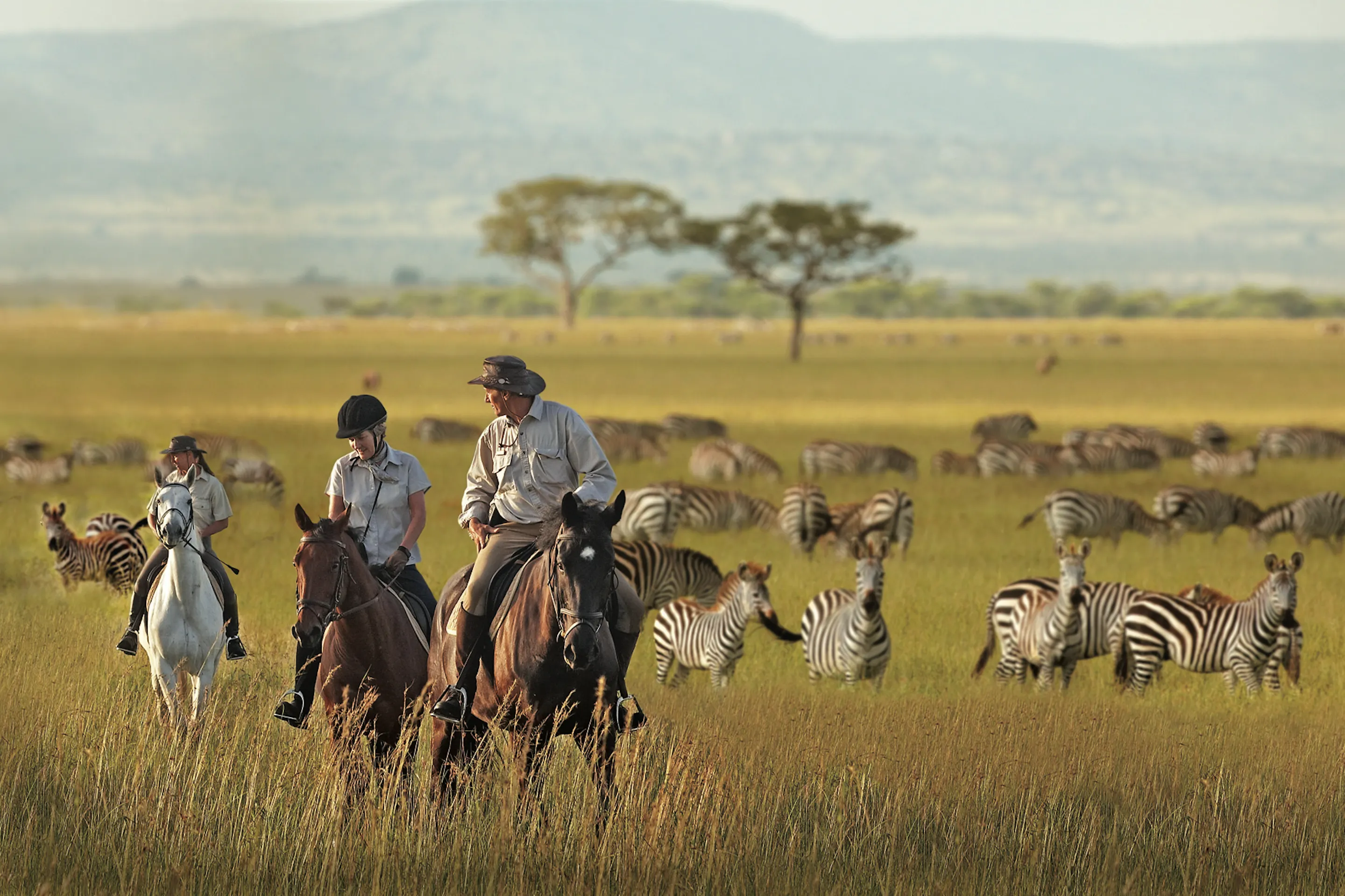
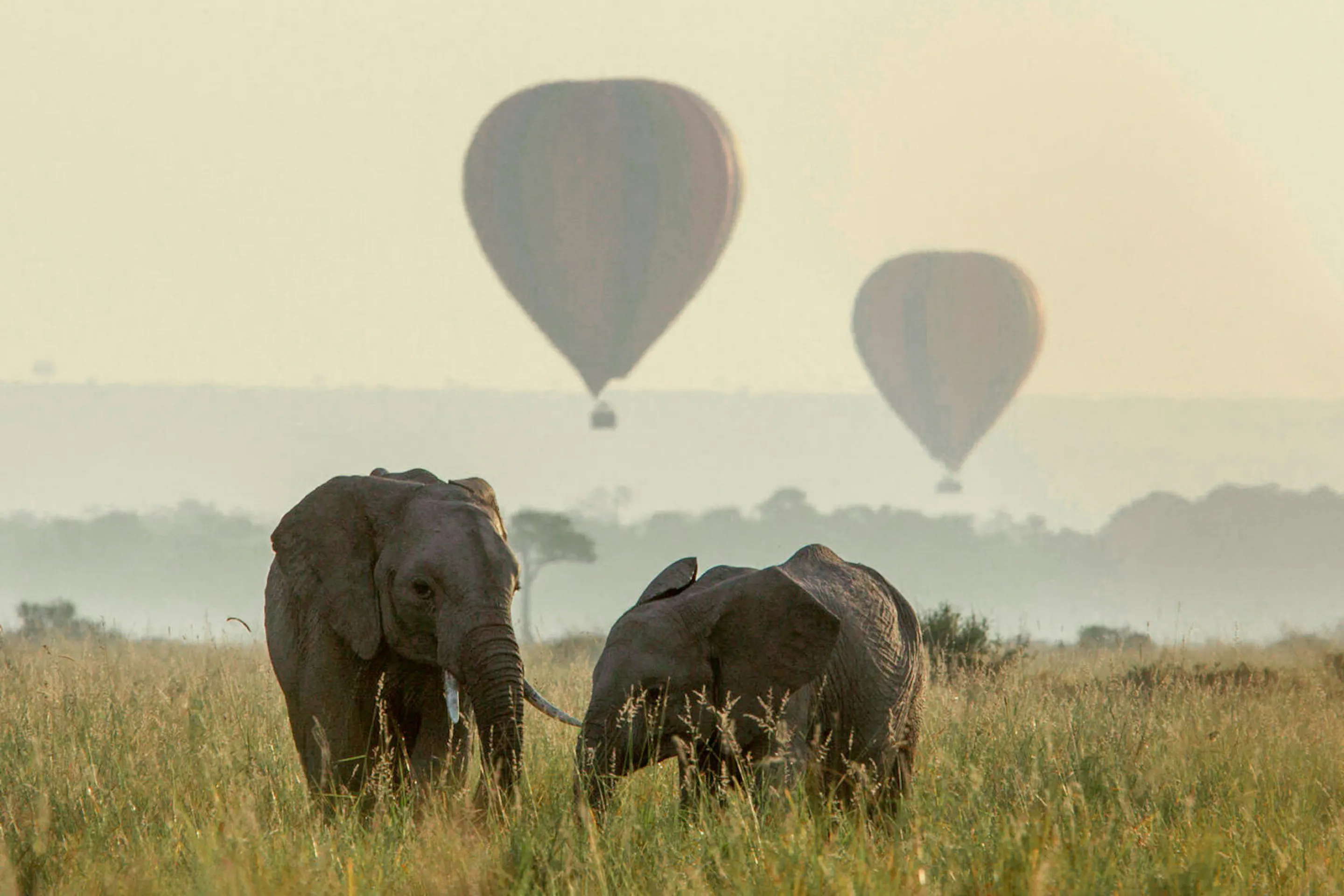
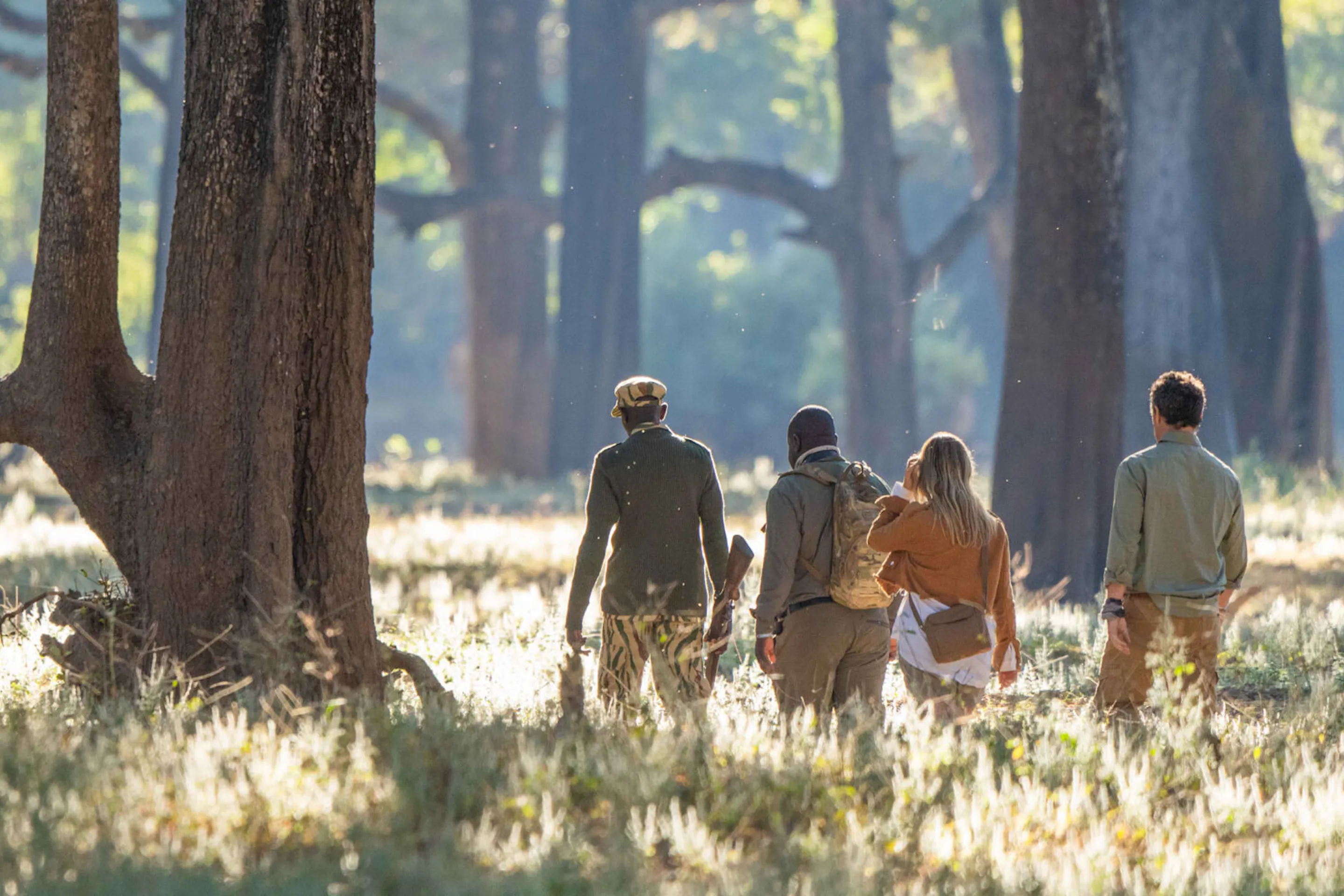
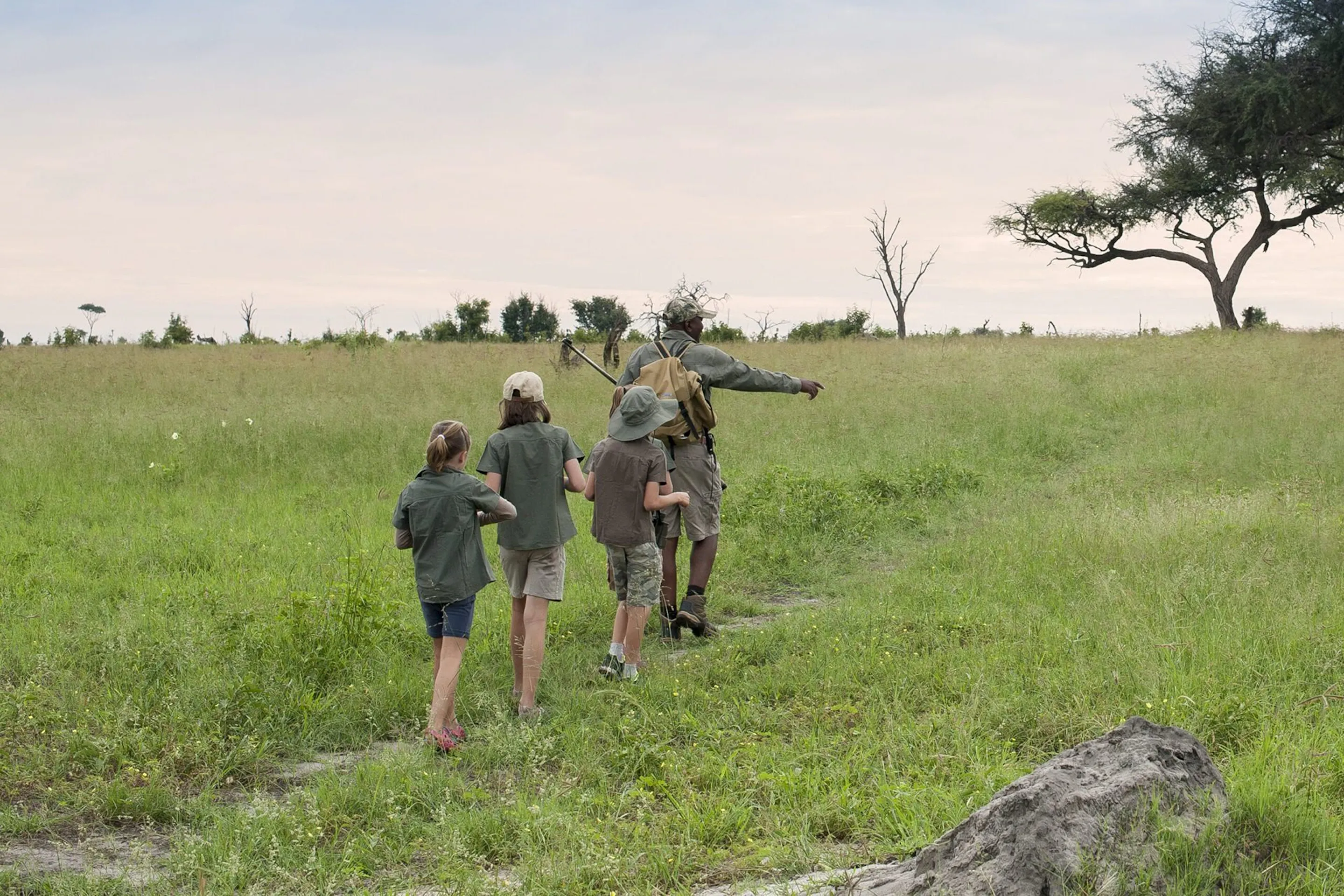
Activities like hot air ballooning (in the Mara), guided walking safaris, community or conservation project visits, horseback riding, camel safaris, mountain biking, fishing, scenic flights (and so much more) add diversity to the day.
Once we get to know you, we’ll dream up a Kenya safari paced for wonder, seamlessly woven, and entirely your own.
I spent my time in Kenya in a constant state of awe and wonder. We visited the Mara and Samburu, a perfect contrast in terrain and wildlife. Every day felt like a new adventure—from the people we met to the wildlife we observed (always free from other groups) and the untouched beauty of the landscapes. The EJ team took care of every detail so we could fully drop into the moment and the wild expanse of the savannah, a feeling of freedom I still carry back home. It could not have been a more extraordinary journey, and I cannot wait to return.
Madeleine Rafferty, 2026 Traveler
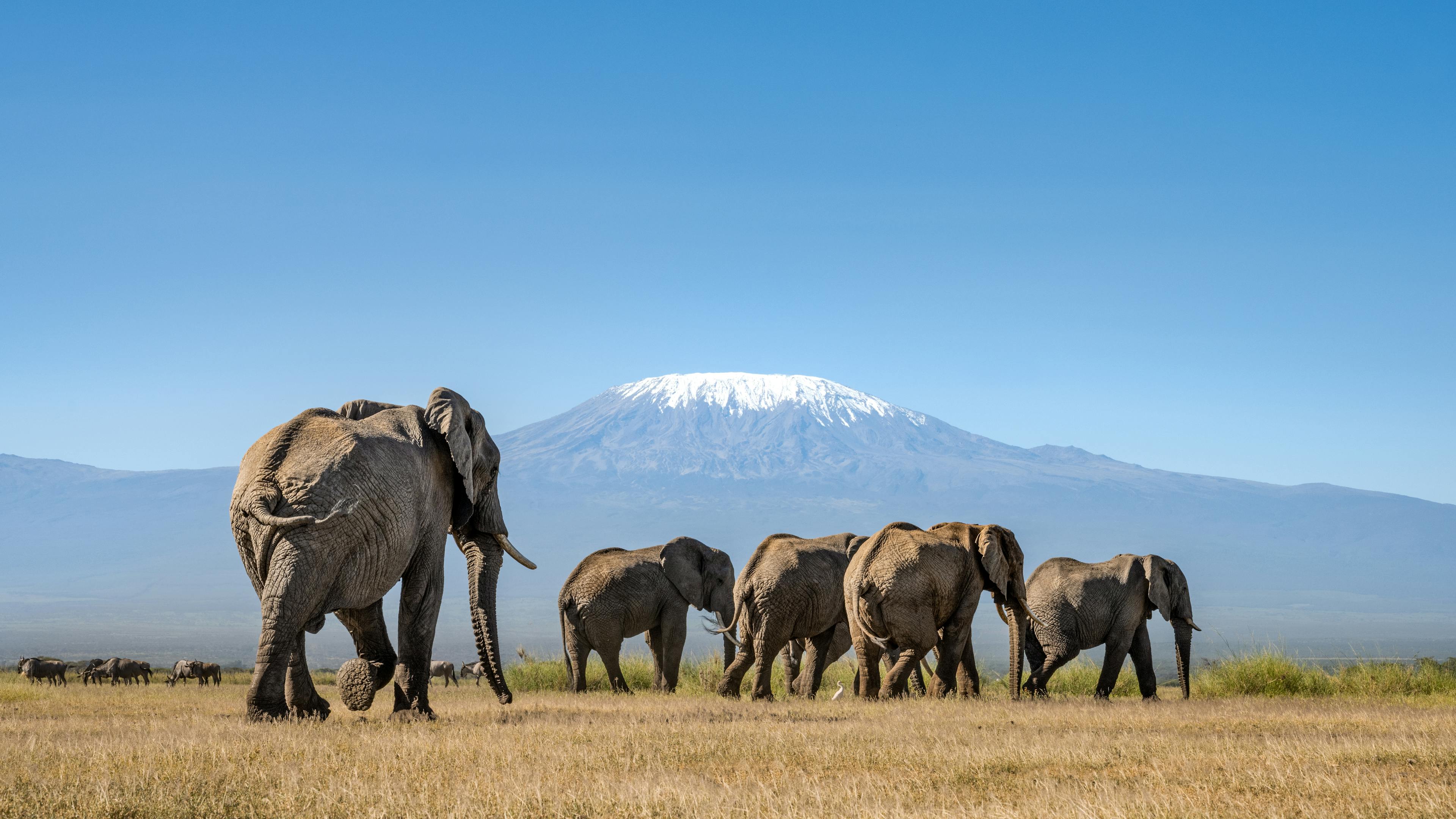
Kenya is a safari crowd-pleaser for many types of travelers. It’s a fantastic introduction to Africa travel for those new to the continent and for safari first-timers. Repeat visitors have plenty of options for delving deeper, getting into regions like Samburu and Laikipia, not to mention the sheer array of conservancies and gorgeous lodges on offer. Kenya’s smorgasbord of extracurricular activities beyond the game vehicle means no two days are alike.
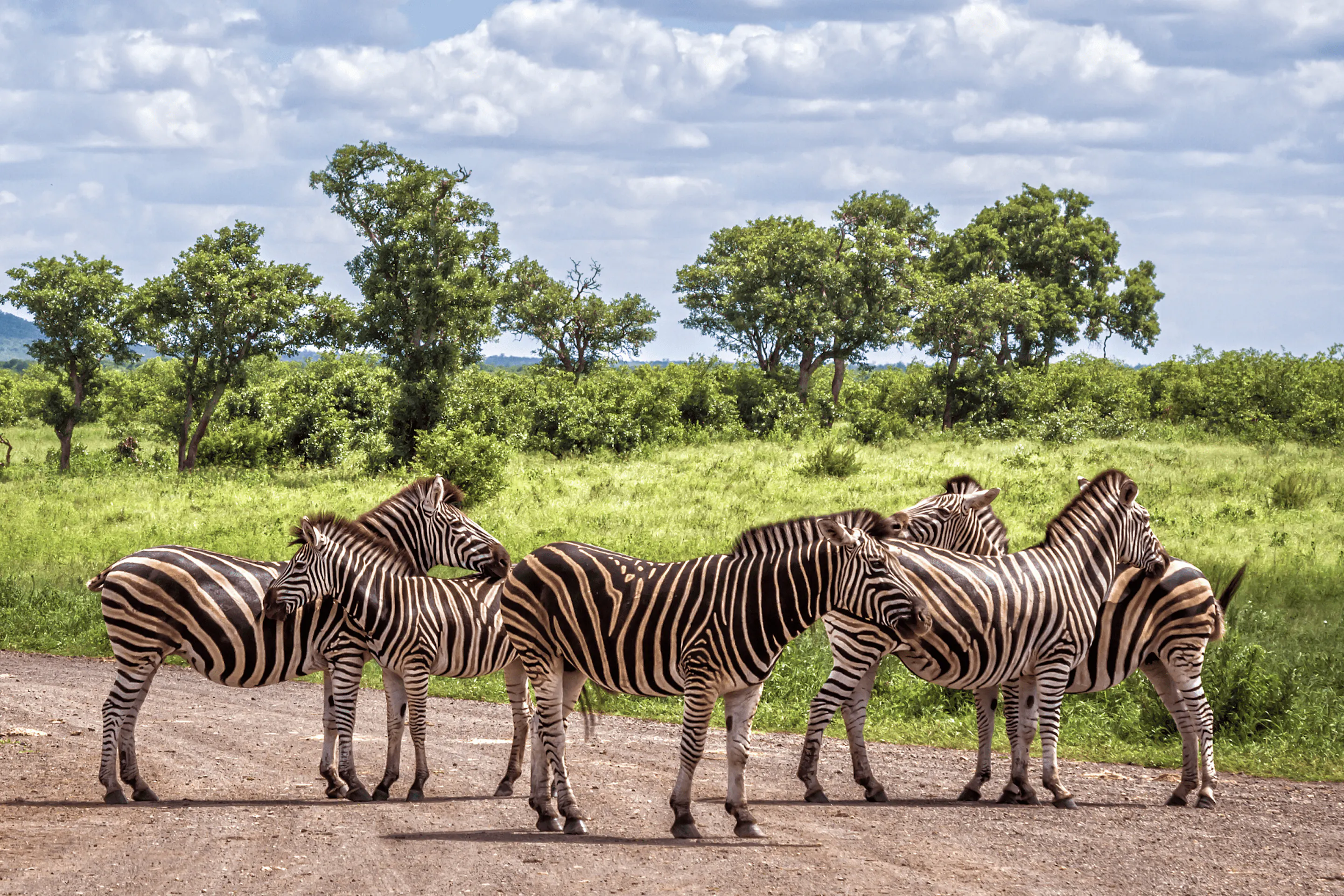
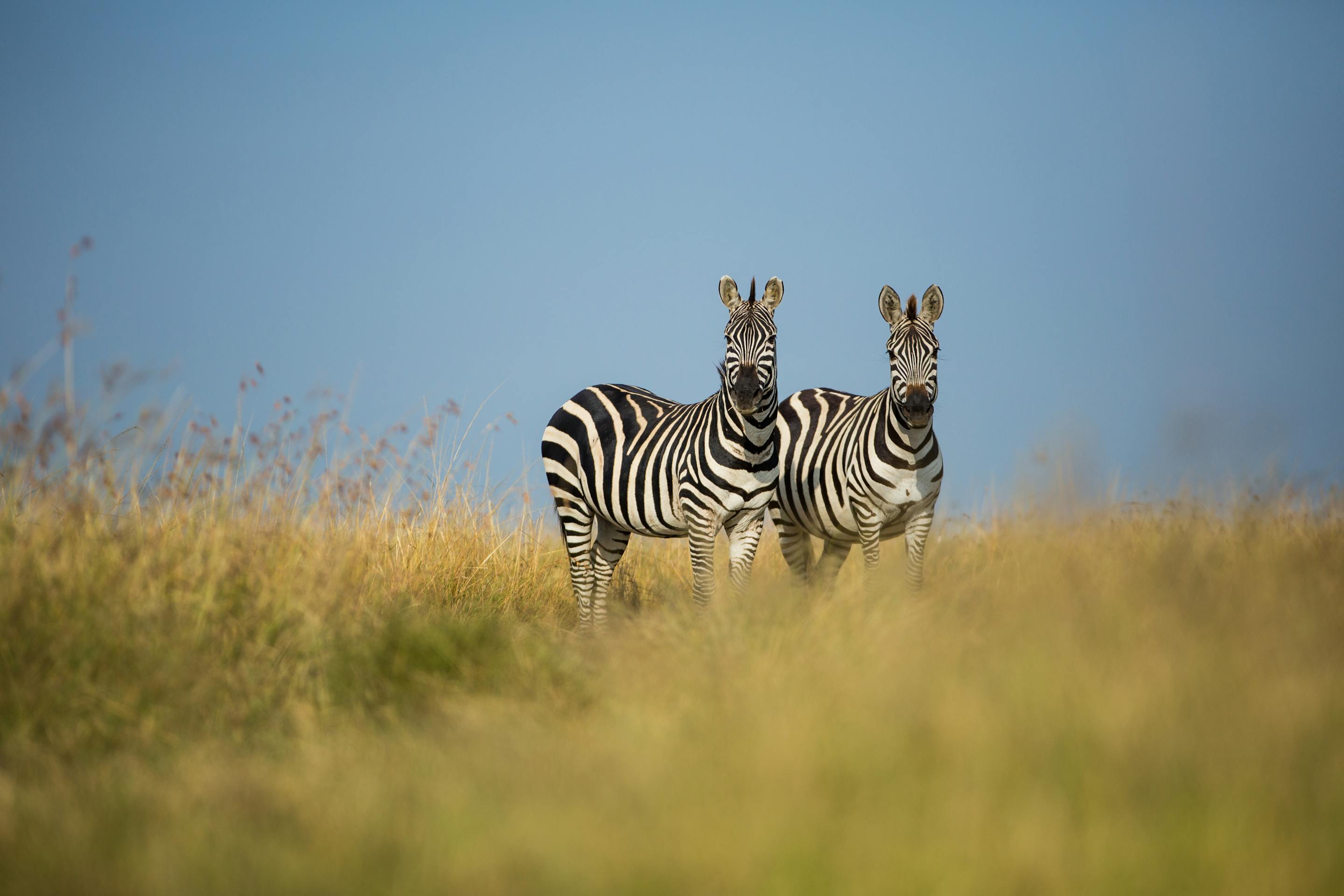
There is no “bad” time to safari in Kenya, but July through September, during the dry season, are conventionally recommended to travelers looking for iconic Great Migration moments. This is when vast herds of wildebeest and zebra, along with the predators that follow them, gather in the Maasai Mara. That said, this is peak season, and you'll encounter more vehicle pressure on your game drives.
Consider instead traveling during the secret season (“green season”) for off-peak magic: thinner crowds, lush emerald landscapes, wonderful resident game viewing, quieter camps, and the possibility of complementary value-adds.
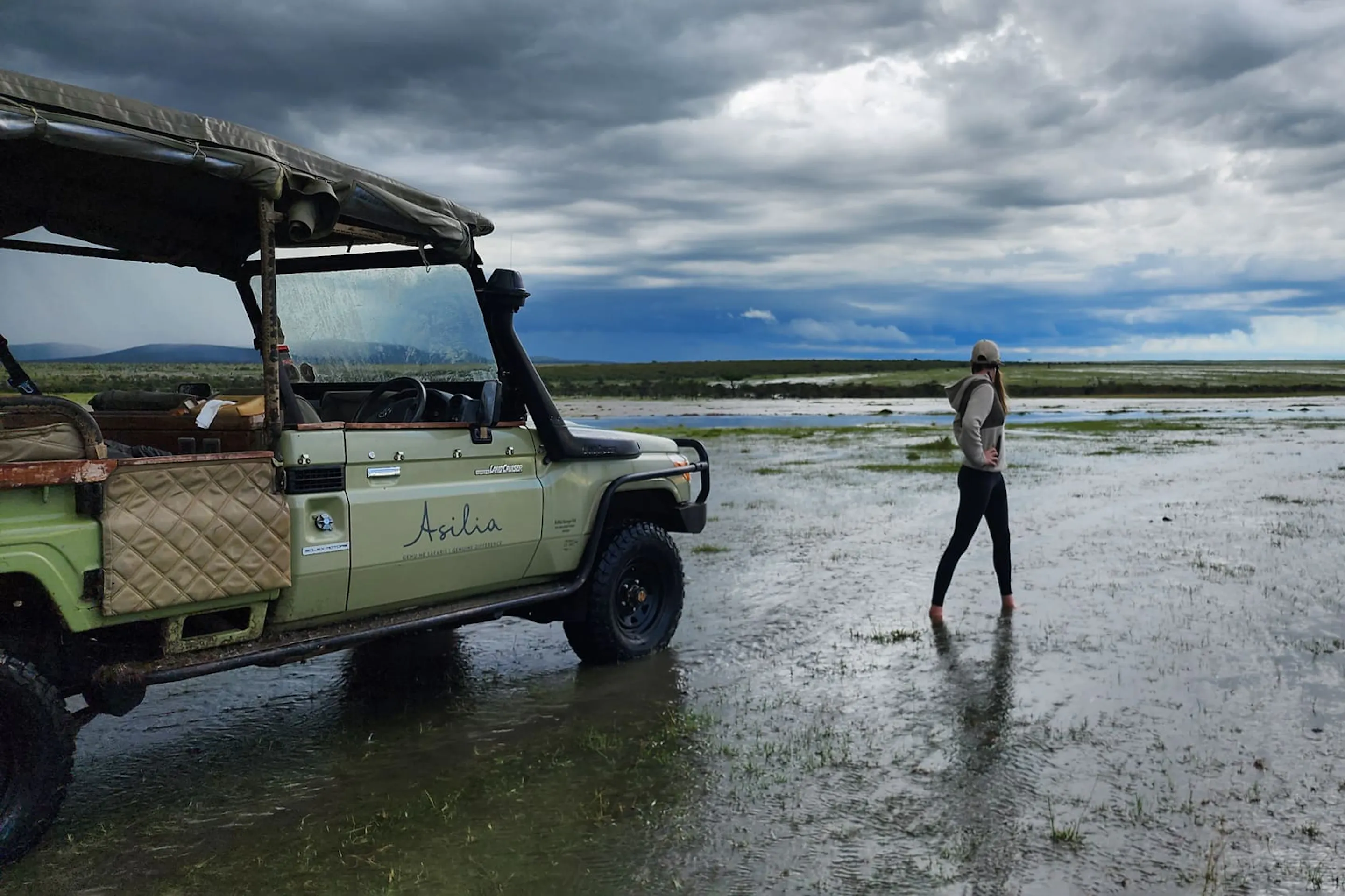
Because Kenya straddles the equator, temperatures remain steady year-round, generally ranging from the mid-70s to low 80s°F (24–27°C). It’s more helpful to think in terms of wet and dry seasons. Dry stretches run June–October and December–February, while the wetter months fall between March–May and in November. Travelers shouldn’t be automatically turned off by the wetter months. As a trend, rainfall often arrives as an intense downpour and then eases off or stops after an hour or so.
Best
Jan
Feb
Jun
Jul
Aug
Sep
Dec
January - February
June - September
December - December
Good
Jan
Feb
Mar
Apr
May
Jun
Jul
Aug
Sep
Oct
Nov
Dec
January - December
We recommend marrying an iconic Maasai Mara safari with one or two other destinations for a well balanced luxury Kenya safari
It’s rare that the Maasai Mara isn’t included on a Kenya safari itinerary; it is second to none for African game-viewing. It’s important to remember this is a national reserve, operating with certain restrictions, including limited hours of operation. You can not leave your vehicle (bush walks and hikes are not possible), nor are after-dark night game viewing drives.
The Mara can get quite busy in high and peak seasons. There is nothing wrong with staying within the Reserve, but we prefer the private conservancies adjacent to the park for flexibility, privacy, and exclusivity. Our favorites are Mara North Conservancy, Olare Orok Conservancy, Olare Motorogi Conservancy, and Naboisho Conservancy.
Specialists with firsthand knowledge and deep local insight

Every trip designed uniquely for you
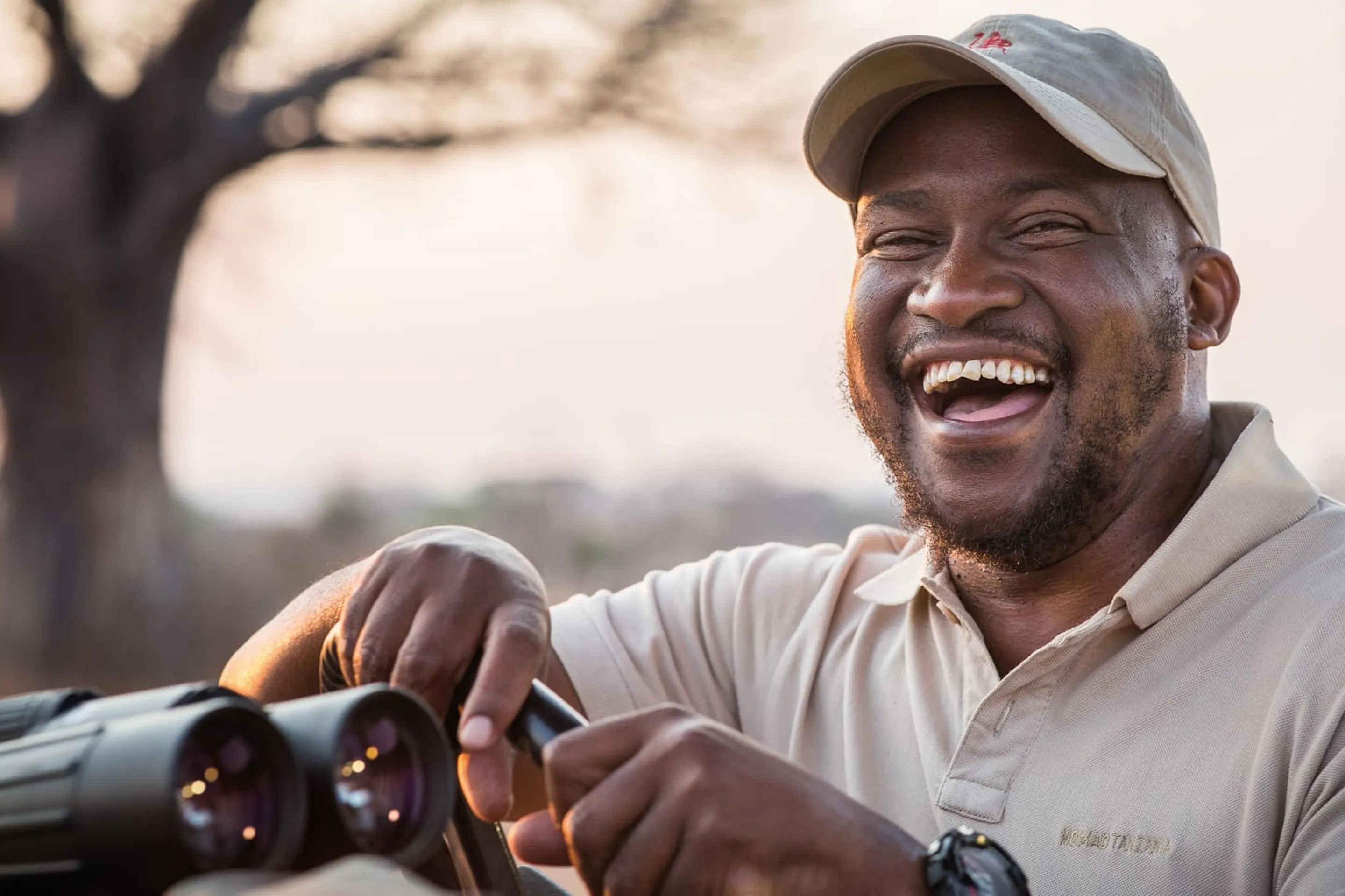
Engaging, adaptable guides who bring each place to life
Personalized pre-trip calls and curated documentation
A personal contact managing every detail on the ground

Complete care, every step of the way