Itinerary
Laos and Thailand overland adventure
A soulful journey along the Mekong and beyond
16 days
$26,000 per person
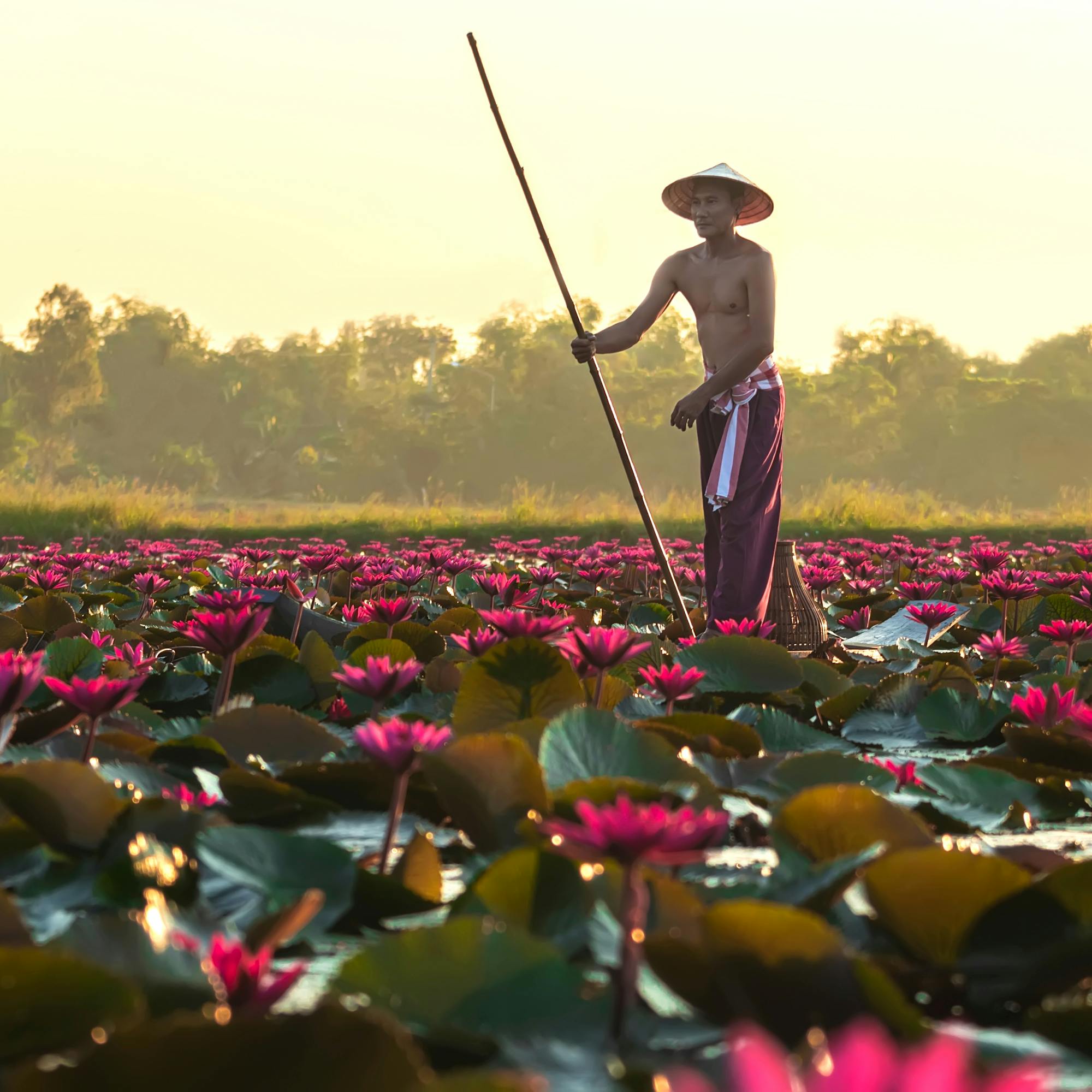
Welcome to Laos, Southeast Asia’s underrated crucible of culture and natural beauty.
Welcome to Laos, Southeast Asia’s underrated crucible of culture and natural beauty.
Use these itineraries as a starting point or as inspiration to create your own journey
Cradled in karst and contoured by the Mekong, time slows in Southeast Asia’s landlocked heartland

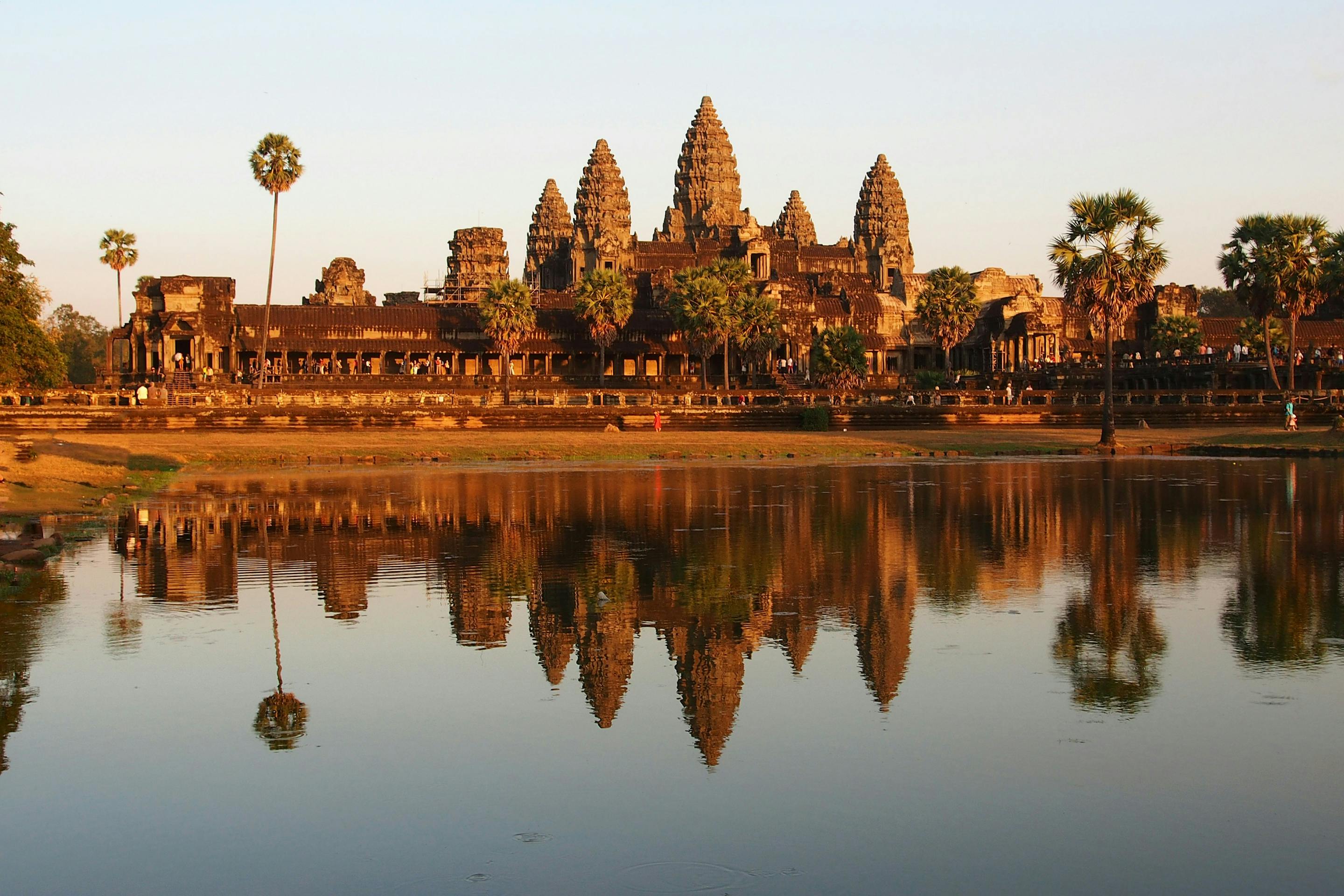
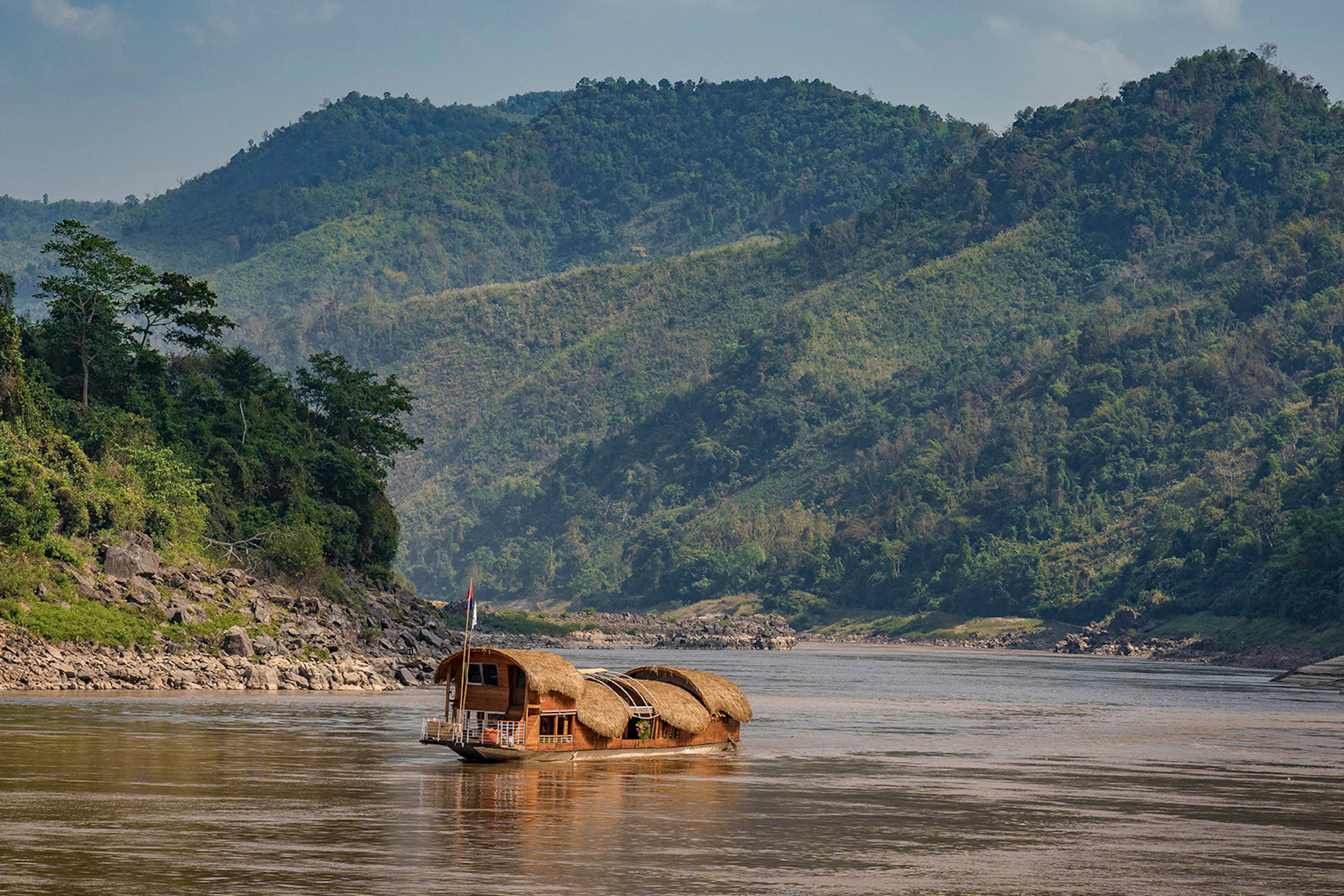
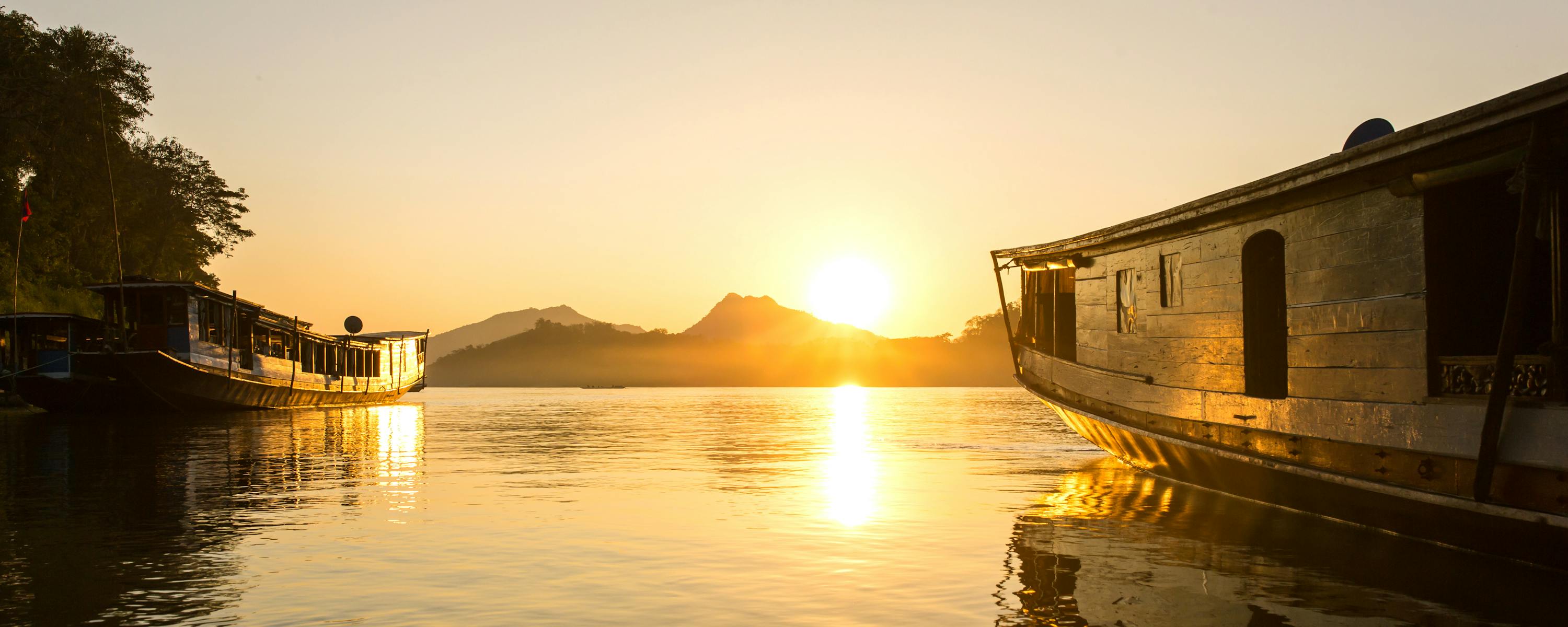
Landlocked Laos only opened its doors to international travelers in the early ‘90s, and with relatively few international direct flights, the country remains less traveled than the rest of Southeast Asia. This is a place where monks clad in saffron robes drift down silent backstreets, private blessings await at hidden golden temples, and quieter stretches of the Mekong River are explored at sunset on serene cruises. Laos travel is for visitors looking for a slower pace in a part of Southeast Asia that’s a bit more off the beaten path.
In the UNESCO World Heritage city of Luang Prabang, discover the spiritual heart of the country, participating in traditional almsgiving and learning about meditation at a local temple. The city is also culturally rich, and you’ll get a chance to explore its architectural treasures and immerse yourself in culinary traditions during a cooking instructional in the home of a local. Head to the lush limestone mountains of Vang Vieng for outdoor adventure or spend time in the south in 4000 Islands for a languid escape along the Mekong River.
While Buddhism is practiced throughout Southeast Asia, Laos is a deeply spiritual place, and these time-honored traditions are woven into the fabric of everyday life.
There’s also a strong sense of community and a pride in hospitality embodied in the everyday greeting you’ll hear often, sabaidee, which translates to “it goes well” and speaks to the warm, even-tempered spirit of the Lao people. This philosophy will make you feel welcome even in the most remote villages.
Despite a turbulent modern history, Laos has remained rooted in tradition, which can be discovered through traditional Lao food. The influence of French colonialism is also still evident in architecture and cuisine, with bakeries often proffering fresh baguettes and delicate pastries. Other cultural traditions such as textile weaving, which varies by region and ethnic group, continue to thrive, particularly among the Hmong, Khmu, and Lao Loum peoples, each of which has a distinct language, customs, and way of life.
Incredible overall experience. I loved the attention to detail, the flexibility and the 24-hour concierge service. Every detail was planned to our specification and customized to us. It was a great balance of adults and kids, family time and adventure.
Estee Garazi, 2025 Traveler

Laos is right for you if you’re drawn to slower, more soulful travel: quiet Mekong sunsets, golden temples, and everyday Buddhist traditions that invite reflection and connection. It’s ideal for culture lovers and gentle adventurers who want an off-the-beaten-path Southeast Asia experience.
The best time to travel to Laos is during the dry season, which runs from November to April and is an ideal time for exploring, especially in cities like Luang Prabang and Vientiane. November to February is milder, while March to April brings hotter weather, but you’ll be treated to plenty of sunshine all season.
Frequent rain and high humidity mark the wet season from May to October, particularly in the southern and mountainous regions. But the trade-off is lush, green landscapes and fewer tourists, which makes for a serene time for Laos travel.
Best
Jan
Feb
Nov
Dec
January - February
November - December
Good
Jan
Feb
Mar
Apr
May
Jun
Oct
Nov
Dec
January - June
October - December
There is plenty to discover in Laos, from the iconic Luang Prabang to the outdoor adventure hub of Vang Vieng to exploring the riverine islands and rugged plateau of southern Laos
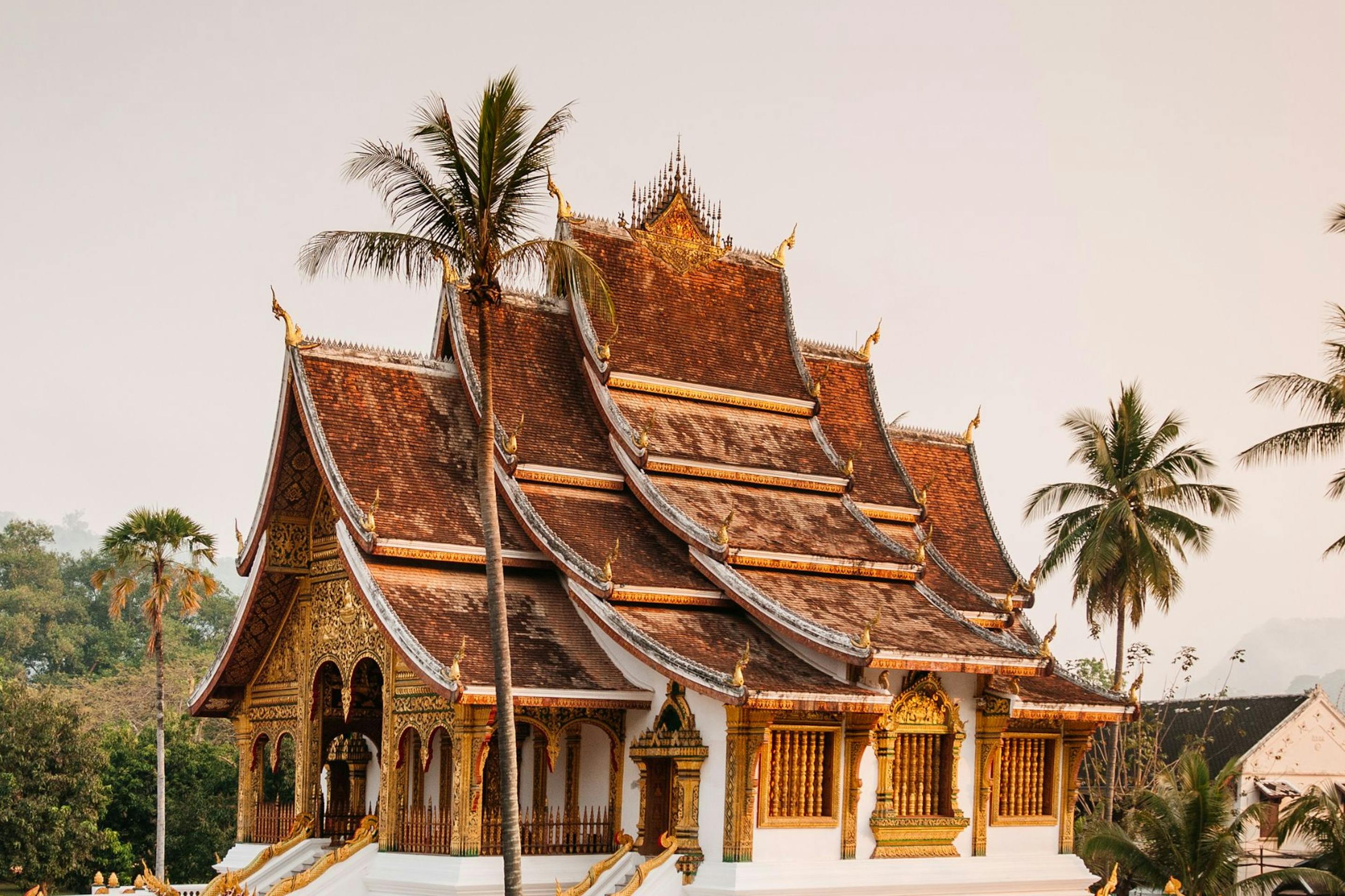
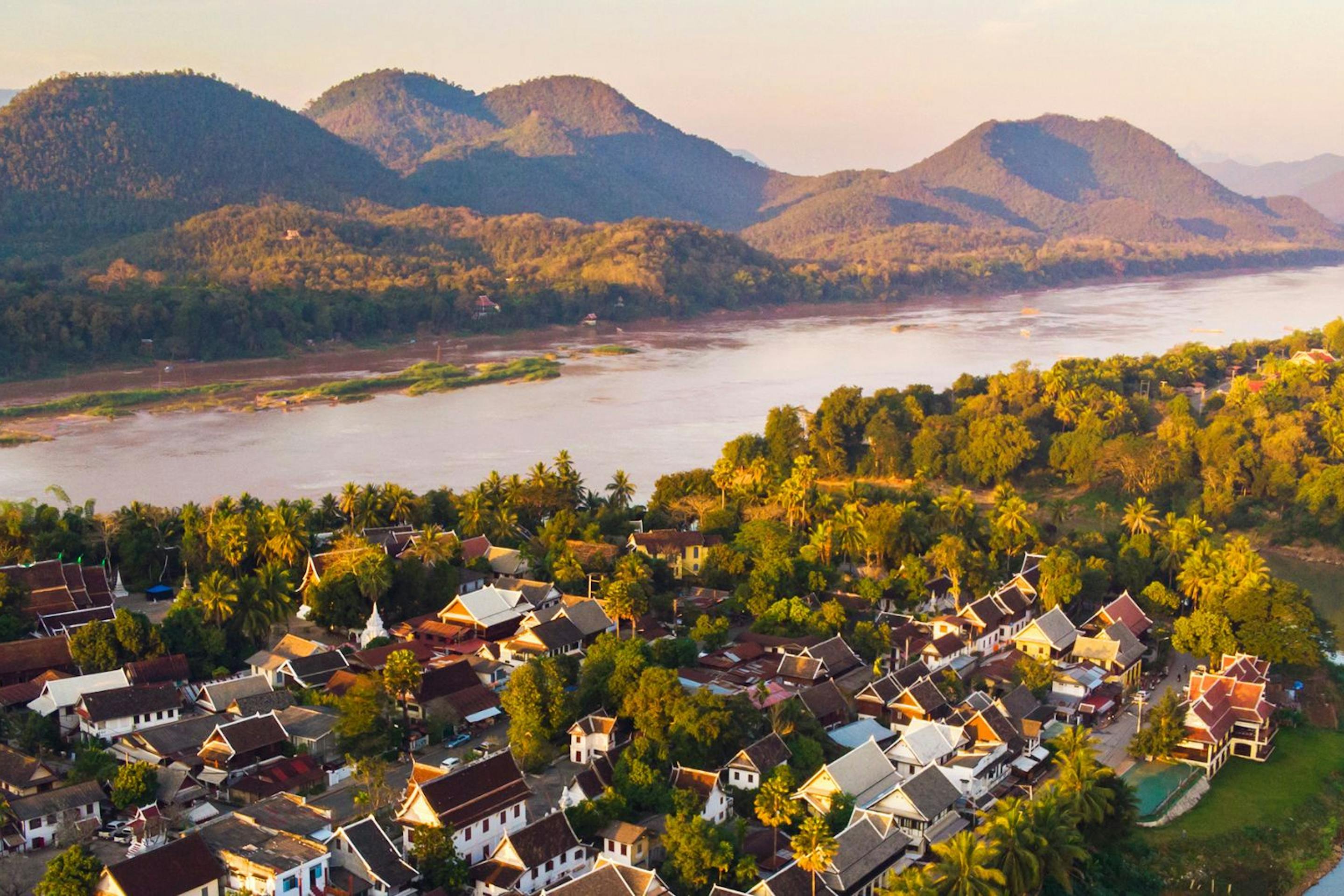
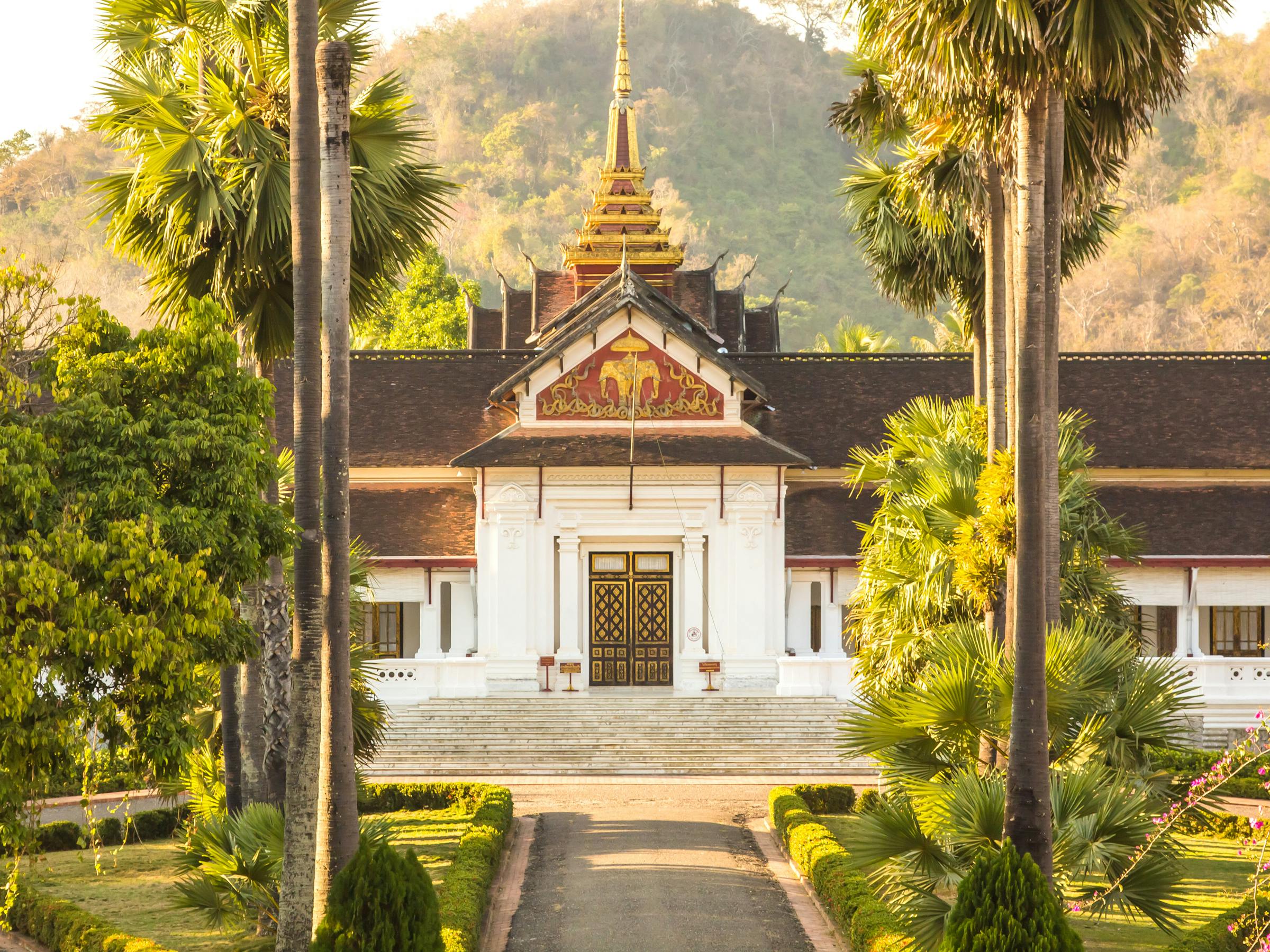
Hugged by the lush mountains of northern Laos, UNESCO-designated Luang Prabang is often touted as the country’s spiritual heart. Studded with golden temples and rich in history and tradition, the city is an essential part of Laos travel. Learn about Luang Prabang’s past on a heritage walking tour, enjoy a private blessing in a hidden temple, and taste regional flavors during a home-based cooking class.

Specialists with firsthand knowledge and deep local insight

Every trip designed uniquely for you

Engaging, adaptable guides who bring each place to life

Personalized pre-trip calls and curated documentation

A personal contact managing every detail on the ground

Complete care, every step of the way