The best places to travel in Southeast Asia
Situated at the crossroads of ancient and modern, these are the best places to visit in Southeast Asia.
April 15, 2026
Bookended by radiant seas and two oceans, Southeast Asia is a spangle of idyllic beaches, jungle highlands, countless islands, Mekong Delta tributaries, cacophonous cities, and sleepy villages. Comprised of Thailand, Vietnam, Cambodia, Laos, and Indonesia, travel combinations and itinerary options are near limitless.
Conveniently, many of Southeast Asia’s capitals are well connected by short-haul flights. The upside? It’s easy to string many standout destinations together on a single trip—Indonesia being the slight exception. The downside? Deciding where you should go. To whittle down the options, here are 15 of the best places to visit in Southeast Asia, as curated by Extraordinary Journeys Asia Destination Specialists.
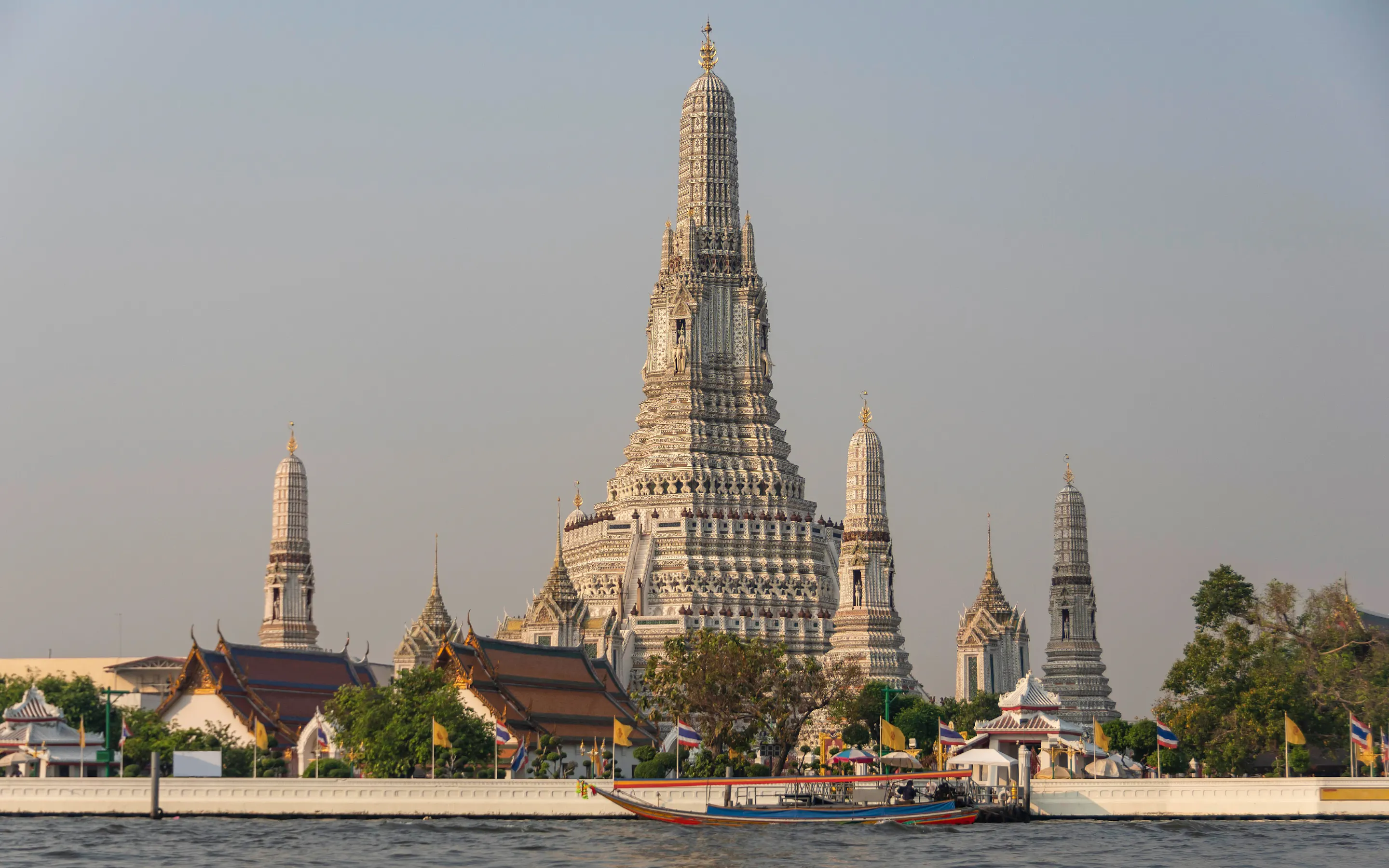
Bangkok, Thailand
Thailand’s raucous capital suffers many stereotypes, but there’s depth to the city, too. At the collision of tradition and modernity, we invite you to alley yourself to Bangkok’s heady mix of the ancient, traditional, chaotic, and neon. Enjoy the megacity from your suite in a world-class hotel (The Siam, Mandarin Oriental Bangkok, and Capella Bangkok are some of our favorites), stepping out on expert-guided excursions that you’ll inscribe into memory.
- Raise a flute of Champagne aboard a handsome Hacker boat while cruising the Chao Phraya River at sundown. It’s your James Bond moment.
- Let your guard down on a Like-a-Friend tour with a Bangkok local who will show you the city through a local lens.
- Bangkok is one of the world’s best food cities, so pack your appetite. Stall-hop Chinatown’s sizzling food vendors or eat where the chefs eat, at the Michelin-starred Samrub Samrub Thai.
Khao Sok National Park, Thailand
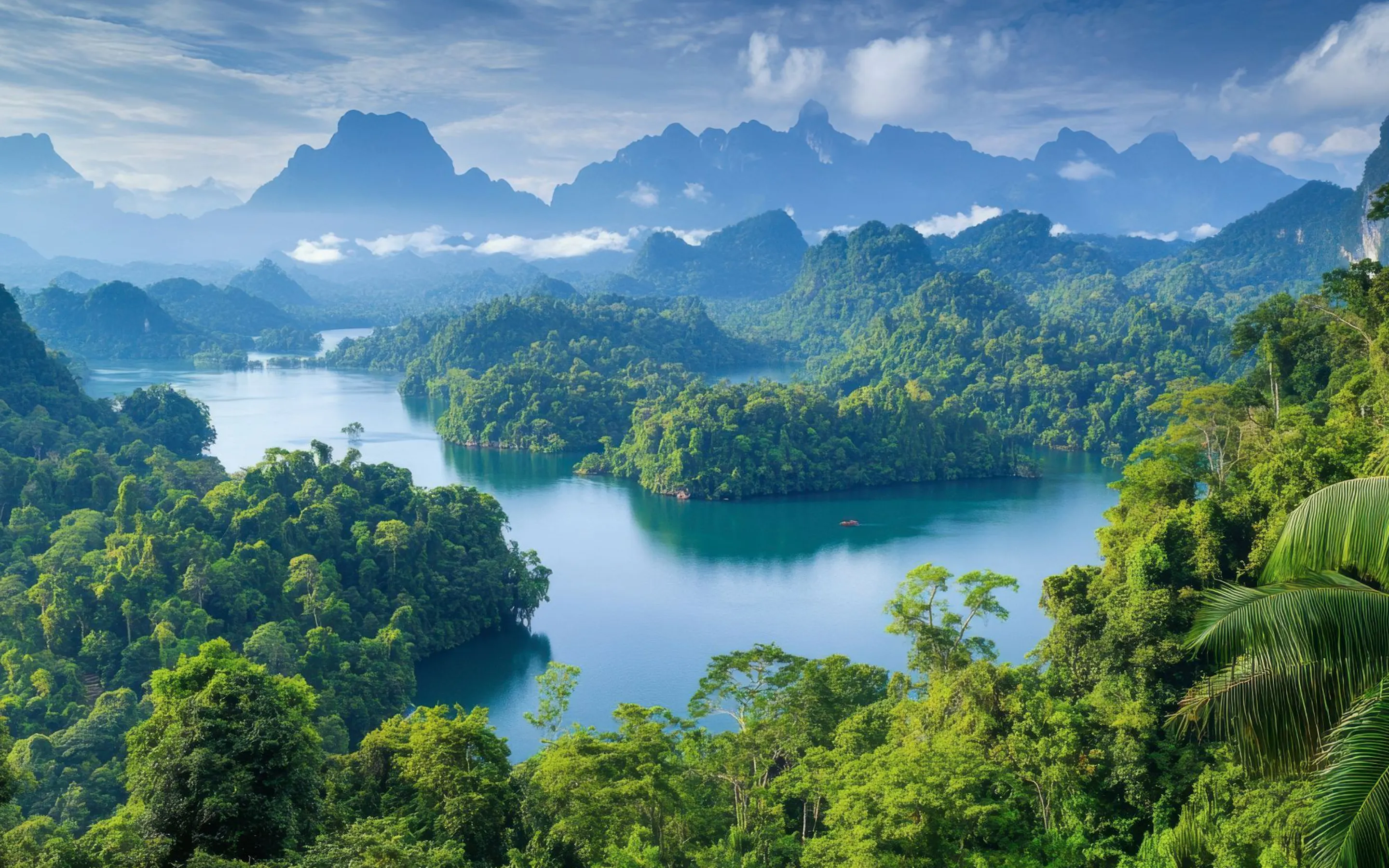
White sand beaches and limestone cliffs are the hallmarks of southern Thailand, but if you can peel yourself away from the coast, Khao Sok National Park rewards with breathtaking landscapes and outdoorsy pursuits. In this ancient and evergreen rainforest thread by trails and rivers, visit hidden waterfalls and spy wildlife like gibbons and hornbills.
- Spend time boating, canoeing or kayaking on Cheow Lan Lake while imbibing the stunning scenery of towering limestone mountains and rock formations.
- Bring your binoculars on a guided hike; more than 300 species of birds call Khao Sok home.
- Base yourself at Thanyamundra Organic Resort, a working farm and holistic wellness retreat with a farm-to-table dining focus. The nine-room property overlooks rice fields and forest, and is conveniently located at the park’s edge.
Koh Yao Noi, Thailand
It’s been decades since southern Thailand’s idyllic beaches and limestone islands were considered hidden gems. Phuket put Thailand on the map and Leonardo Dicaprio’s The Beach put Maya Bay on travelers’ bucket lists. To experience the region’s natural wonder the way you imagine it, head to the less-touristed island of Koh Yao Noi. Just an hour away from Phuket by speed boat, life here is joyously slow, more rural, and a place where villagers still outnumber backpackers.
- Swim, snorkel, kayak, and admire emerald karst cliffs that rise from the water while island-hopping aboard a private longtail. On your own flexible schedule, you’ll be able to navigate away from the day-trippers in shared boats.
- Join Mina, a spirited local chef and matriarch to shop for, prepare, and dine on a lunch spread of traditional Thai dishes. More than a cooking class, this is a laid-back, improvised experience in her home that brings you into the heart of a small community, surrounded by the warmth of Thai hospitality.
- Base yourself at the heavenly Six Senses Yao Noi where every accommodation is a standalone villa replete with a private infinity pool.
Chiang Mai, Thailand
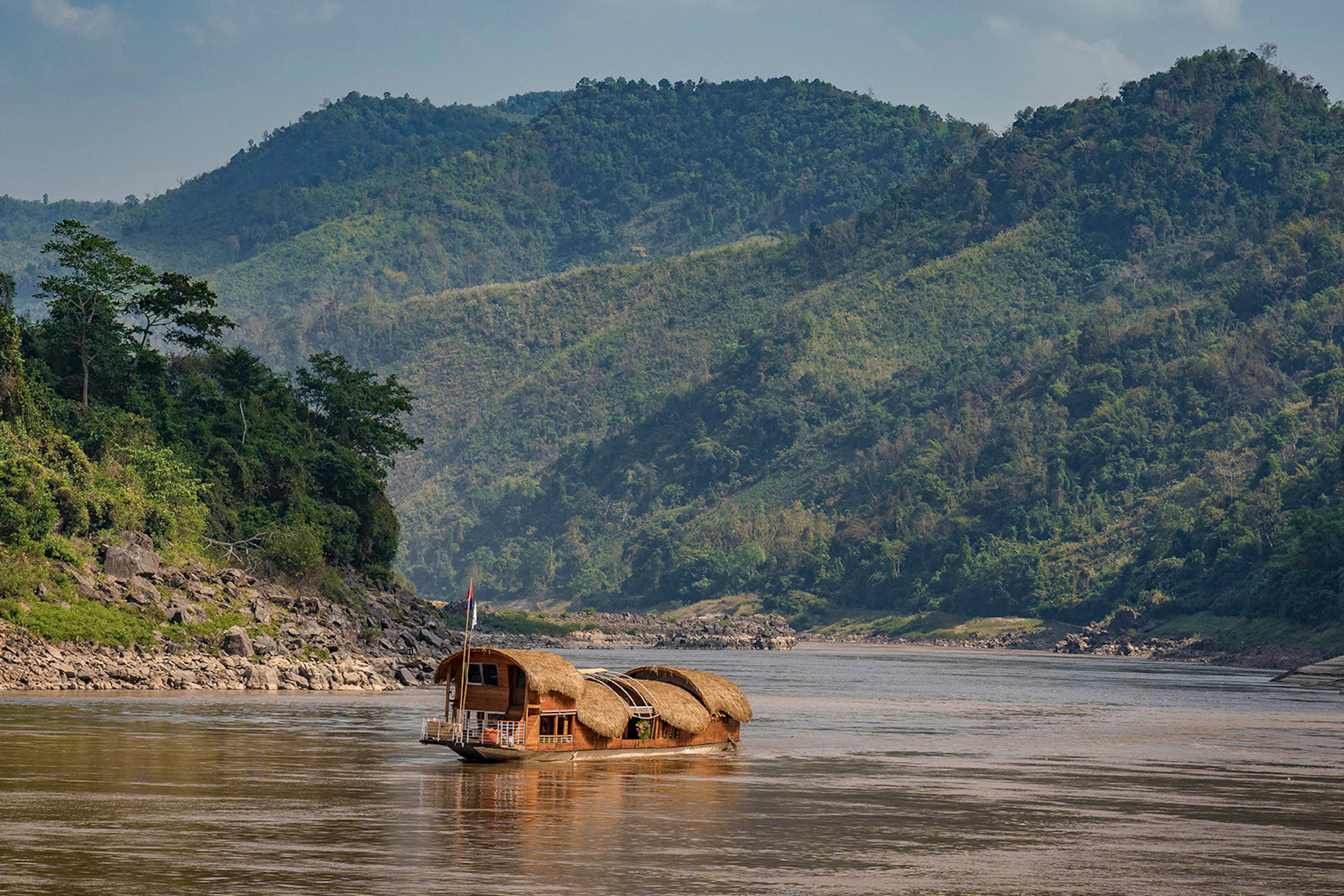
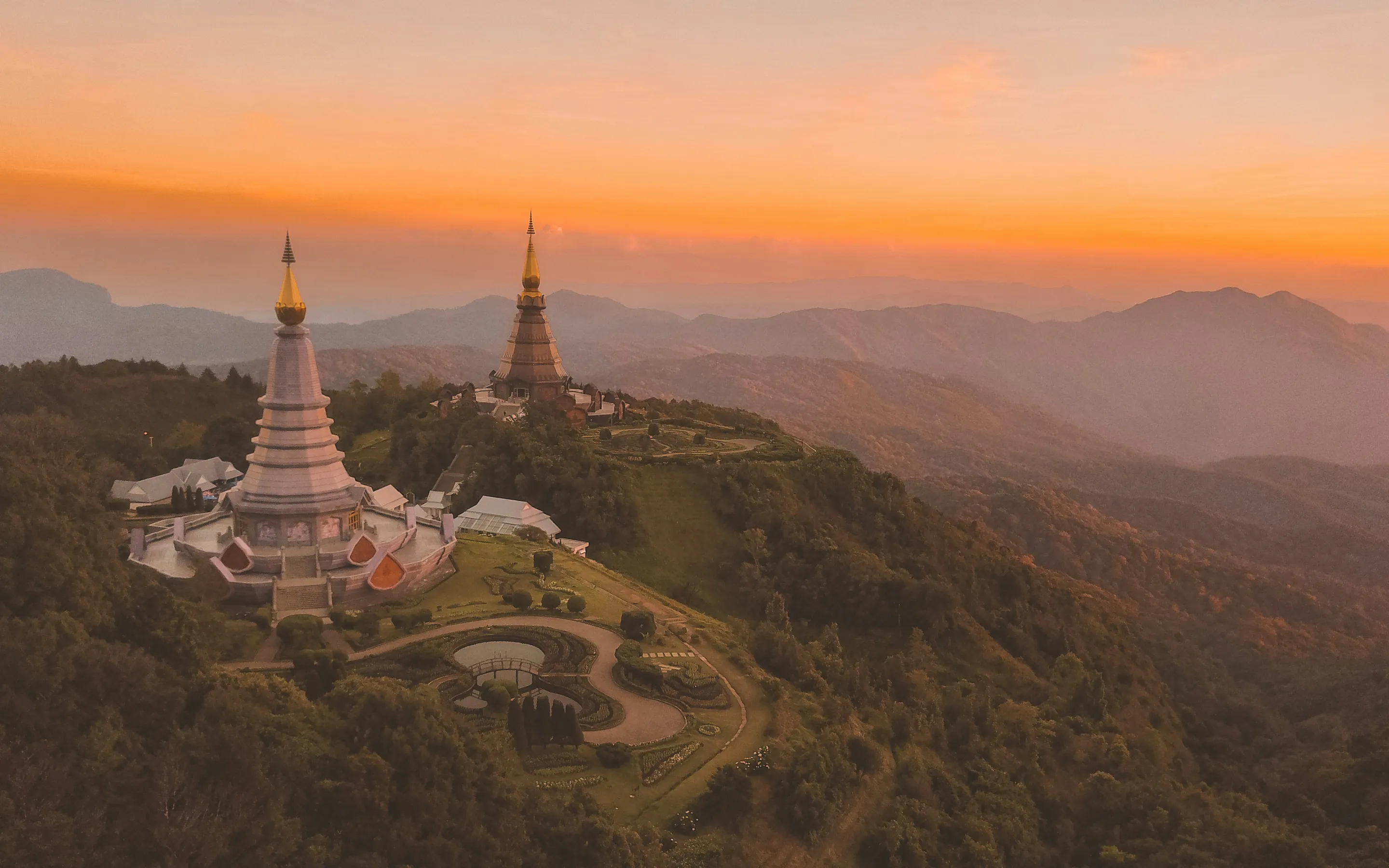
Swap platinum beaches for the lush, jungle-blanketed surrounds of Chiang Mai, gateway to the wonders of northern Thailand. This laid-back city of rolling hills is home to hiking trails, a buzzing night bazaar, Buddhist temples, and ethical elephant sanctuaries. From here, venture into the Golden Triangle, then possibly traveling onward to Laos via slow boat.
- Visit a vetted elephant sanctuary where you can walk alongside and bathe these gentle animals or simply observe them.
- Walk the Monk’s Trail to reach Wat Phra That Doi Suthep—Chiang Mai’s most famous temple—to witness the devotion of pilgrims and to bask in the murmured prayers and chants of the faithful.
- At the Night Market, sample sizzling food stalls and peruse artisan vendors for handmade souvenirs.
Luang Prabang, Laos
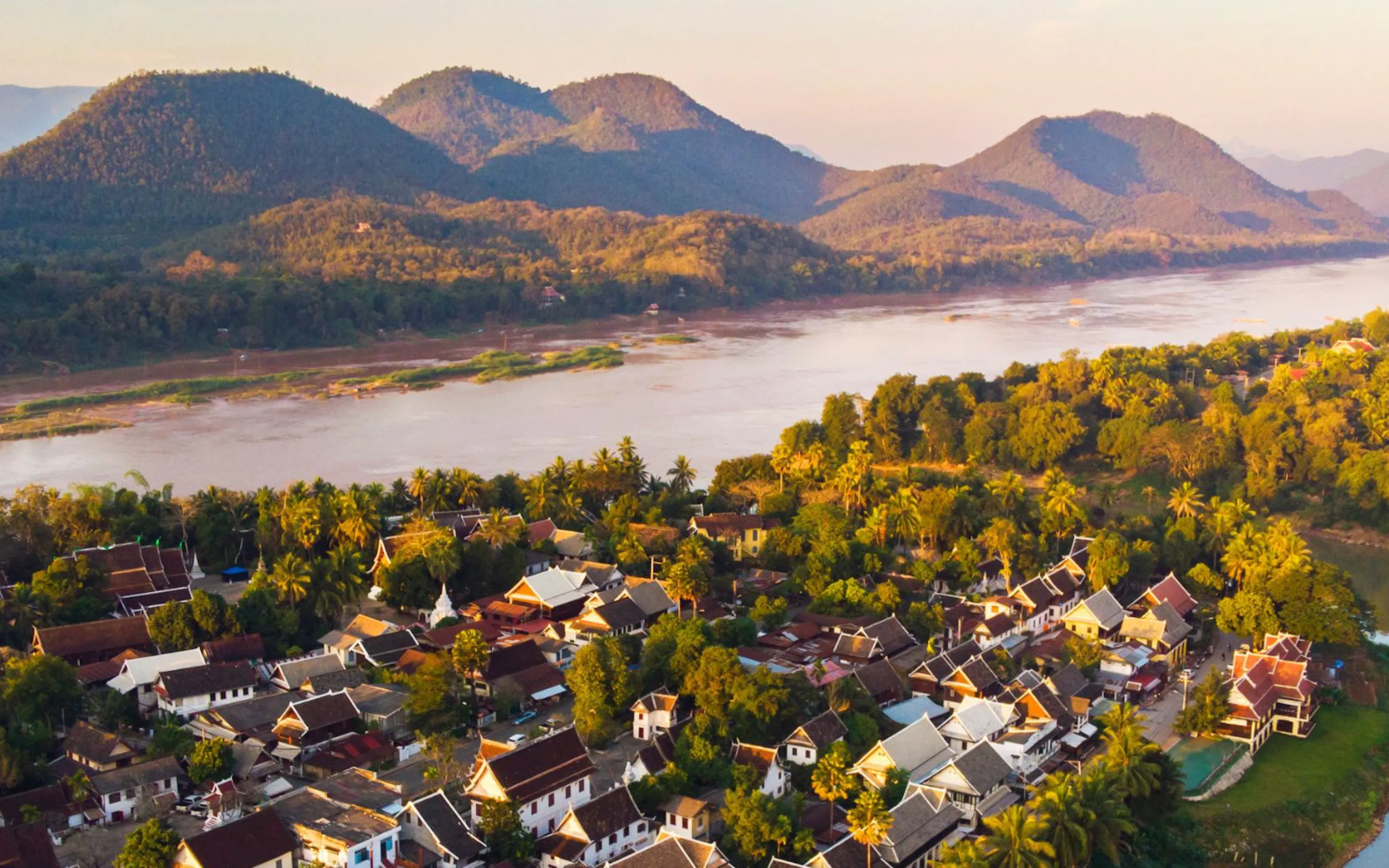
This darling town in northern Laos feels like a remote outpost, but Luang Prabang has long been the center of the country’s Buddhist traditions. Situated on a Mekong River peninsula and surrounded by rolling hills blanketed in forest, Luang Prabang is pretty as a postcard. It also oozes charm. Colonized by the French, the town’s Indochine influences are born out in architectural design elements.
- Delve into Luang Prabang’s spiritual side. Respectfully observe sunrise alms-giving, cruise up-river to Pak Ou Caves (replete with some 3,000 Buddha figures); and receive a special invitation to a private Baci Ceremony.
- Visit the 500-year-old Wat Xieng Thong temple with its whimsical nested and winged roofs—perhaps the finest example of Luang Prabang architecture.
- Combine a moderate jungle hike to a viewpoint atop the effervescent Kuang Si waterfalls with an enriching lowland Lao community visit.
Vang Vieng, Laos
A verdant green oasis cradled by dramatic limestone cliffs, a private Vang Vieng tour is your best opportunity to get active outdoors in Laos. It wasn’t so long ago that this small town on the Nam Song River was overrun by river-tubing backpackers, but the last decade has witnessed an eco-tourism renaissance.
- Go river kayaking, swim in blue lagoons, explore secretive caves, hike, and bike ride along pastoral roads. It's one of the best things to do in Laos.
- Spend a day getting to know the people who call Vang Vieng home. Alongside a guide, you’ll visit Hmong and Khmu villages (two of Laos’ ethnic minorities) where you’ll be invited into homes and private spaces for a genuine cultural exchange. Learn about the animism that is practiced here and sample rice wine, a product of the area’s agricultural activities.
- Although the towns of central Lao are now better-connected thanks to a freshly paved highway, the local dirt roads around Vang Vieng suffer in the wet season. For the best accessibility, we recommend visiting during the dry season months of November through April.
Siem Reap, Cambodia
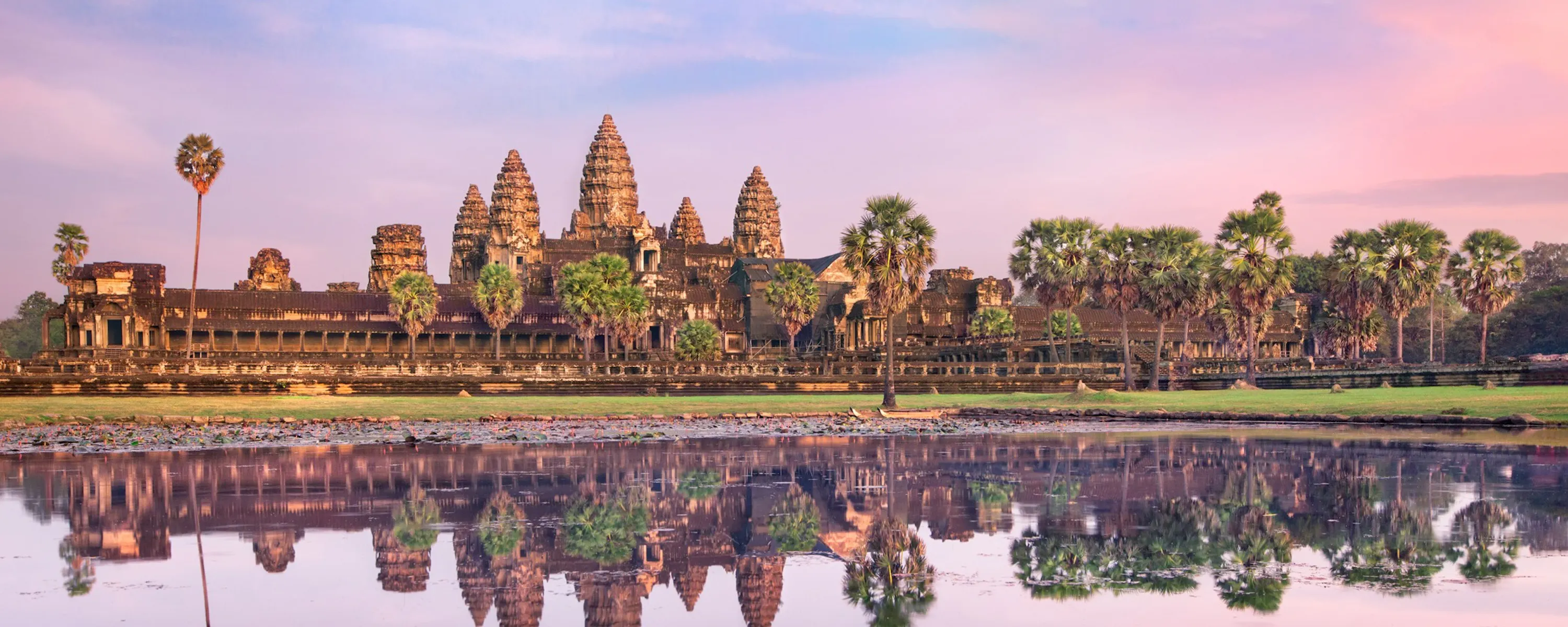
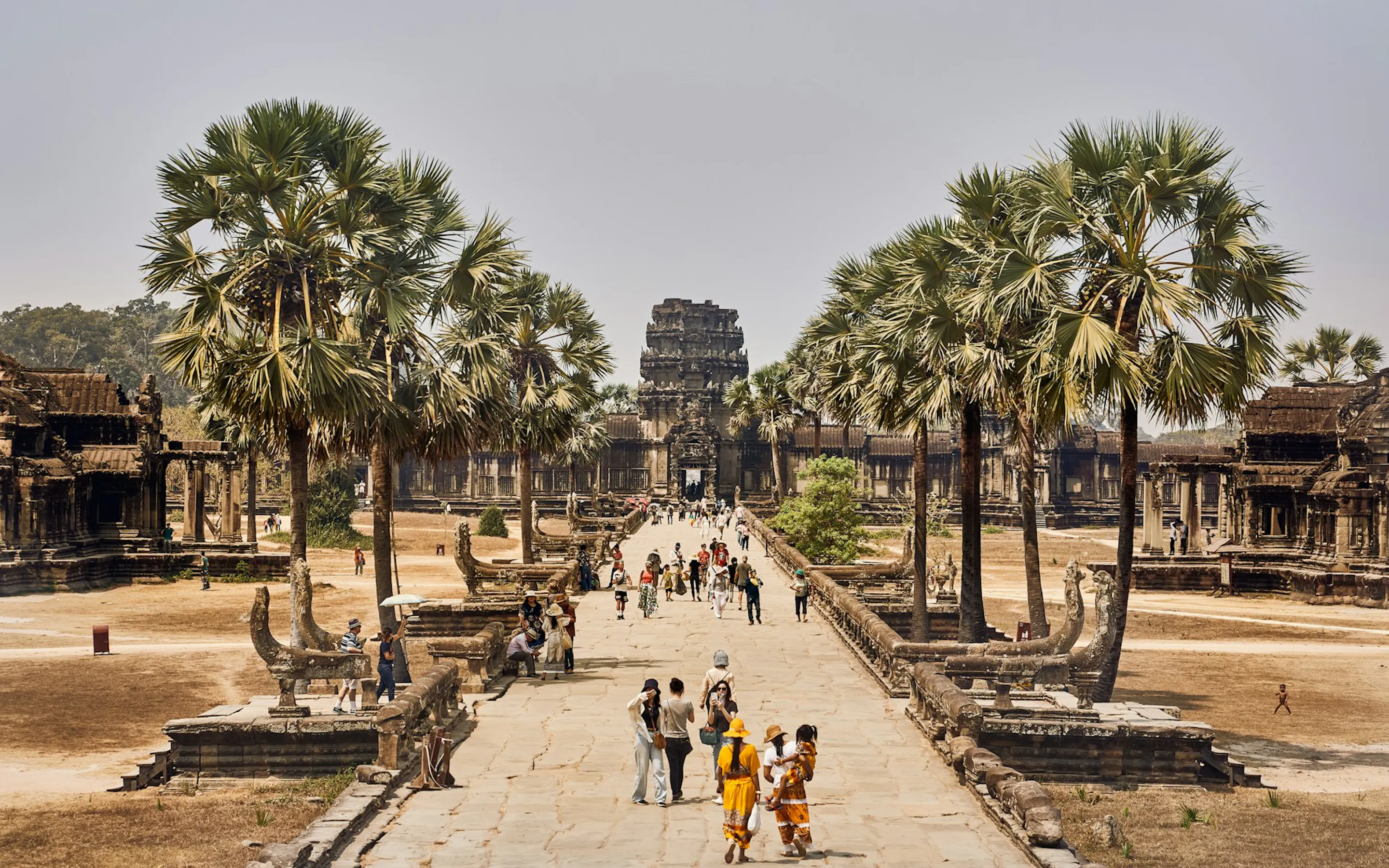
Cradled by subtropical forest and productive fields, Siem Reap is the charming gateway city to UNESCO-designated Angkor Wat. The town has evolved a great deal in the last decade, and caters to travelers with boutique hotels, shops brimming with artisan goods, and a crowd-pleasing food scene. Many travelers spend just a day at Angkor but there are plenty of ways to while away a few days in Siem Reap.
- Explore Angkor Archeological Park with an archeology-trained expert who will introduce you to famous temples not limited to Angkor Wat, Tah Prohm, and Bayon.
- Reserve a second day at Angkor to rumble around the wider park in a jeep, spending time in a local village and calling on a rarely visited, hidden temple for a crowd-free experience.
- Extra time can be dedicated to Siem Reap’s burgeoning art scene (tour galleries with a curator) or explore the watery world of Tonle Sap lake’s floating villages.
Cardamom Mountains, Cambodia
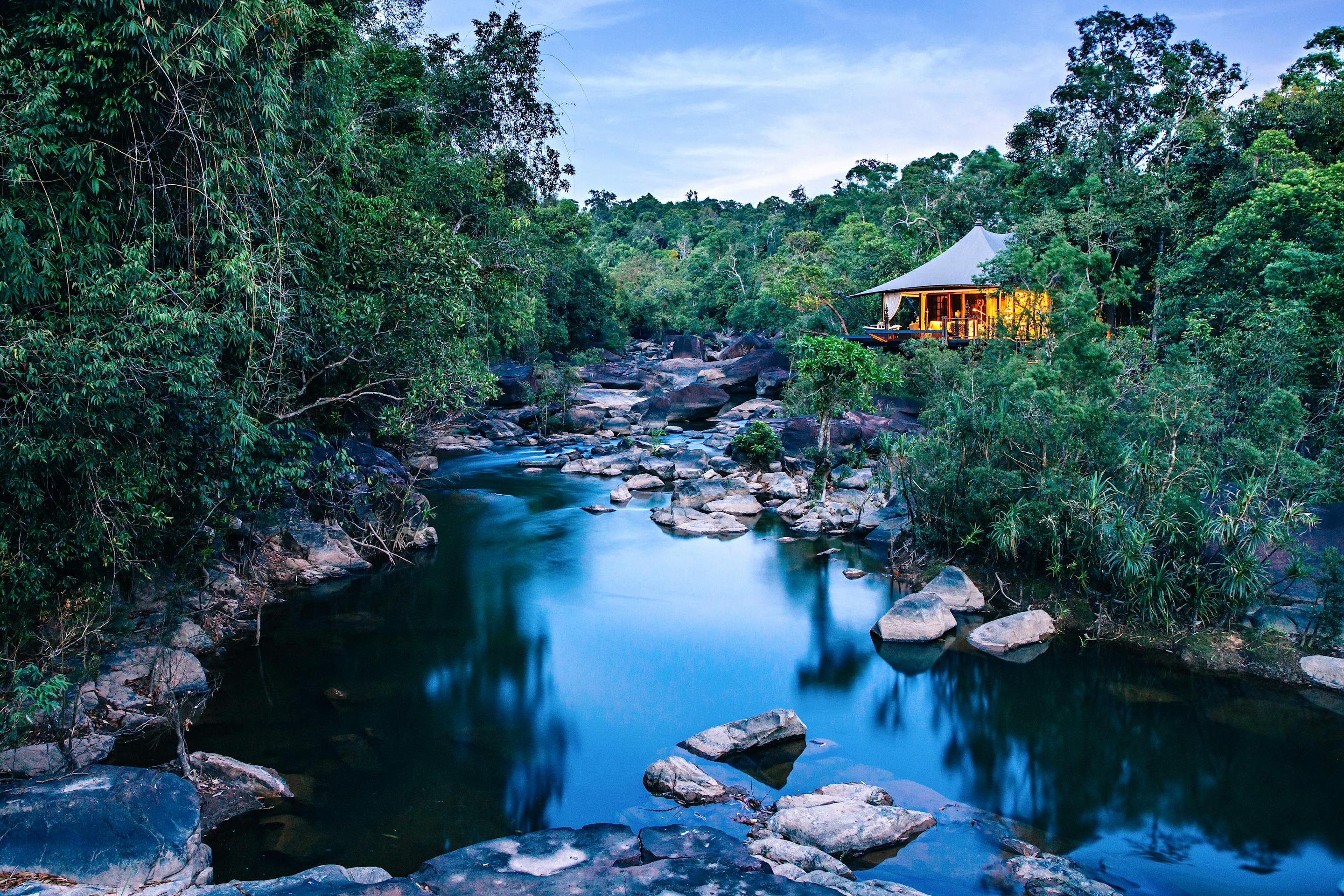
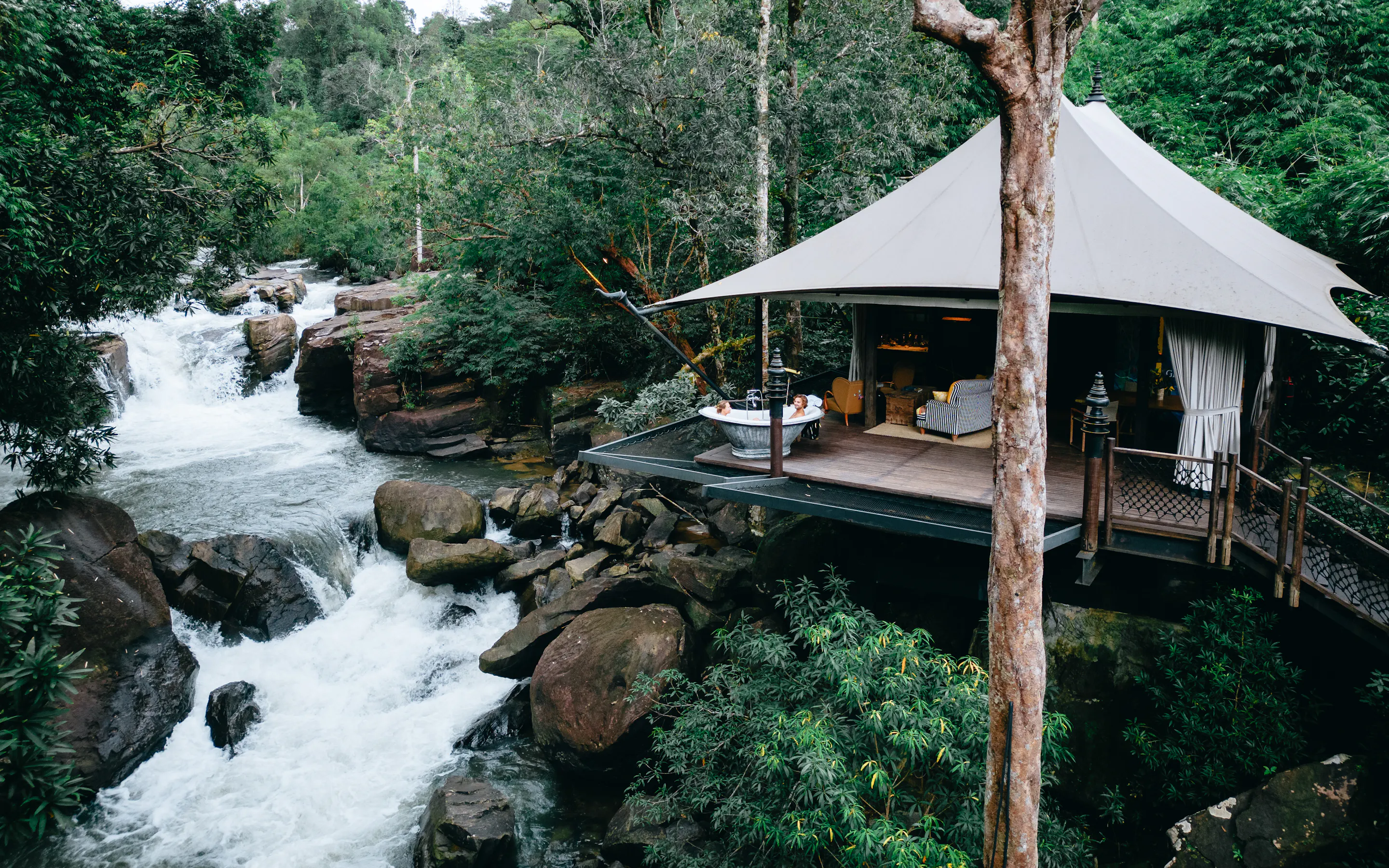
Most Cambodia travelers overlook the Cardamom Mountains and we can say with confidence, it’s a mistake. Nestled within these forest-blanketed hills is the most divine tented camp: Shinta Mani Wild. Overlooking a whitewater river, 15 suites under canvas offer an experiential accommodation—one that starts with guests ziplining into check-in. At this luxury property, venture into the woodlands on guided hikes, take refreshing dips in river pools, and forage the forest for edible surprises.
- Enjoy pop-up sundowner picnics in surprise locations—like the flat rocks in the middle of the river.
- Shinta Mani Wild is a Bill Bensley-designed property (“the Willy Wonka of Design”) so you can expect elegant, maximalist design.
- During Cambodia’s wet season, trails and roads in this region can become impassable. It’s best to visit during the drier months of November through April.
Mekong Delta, Vietnam
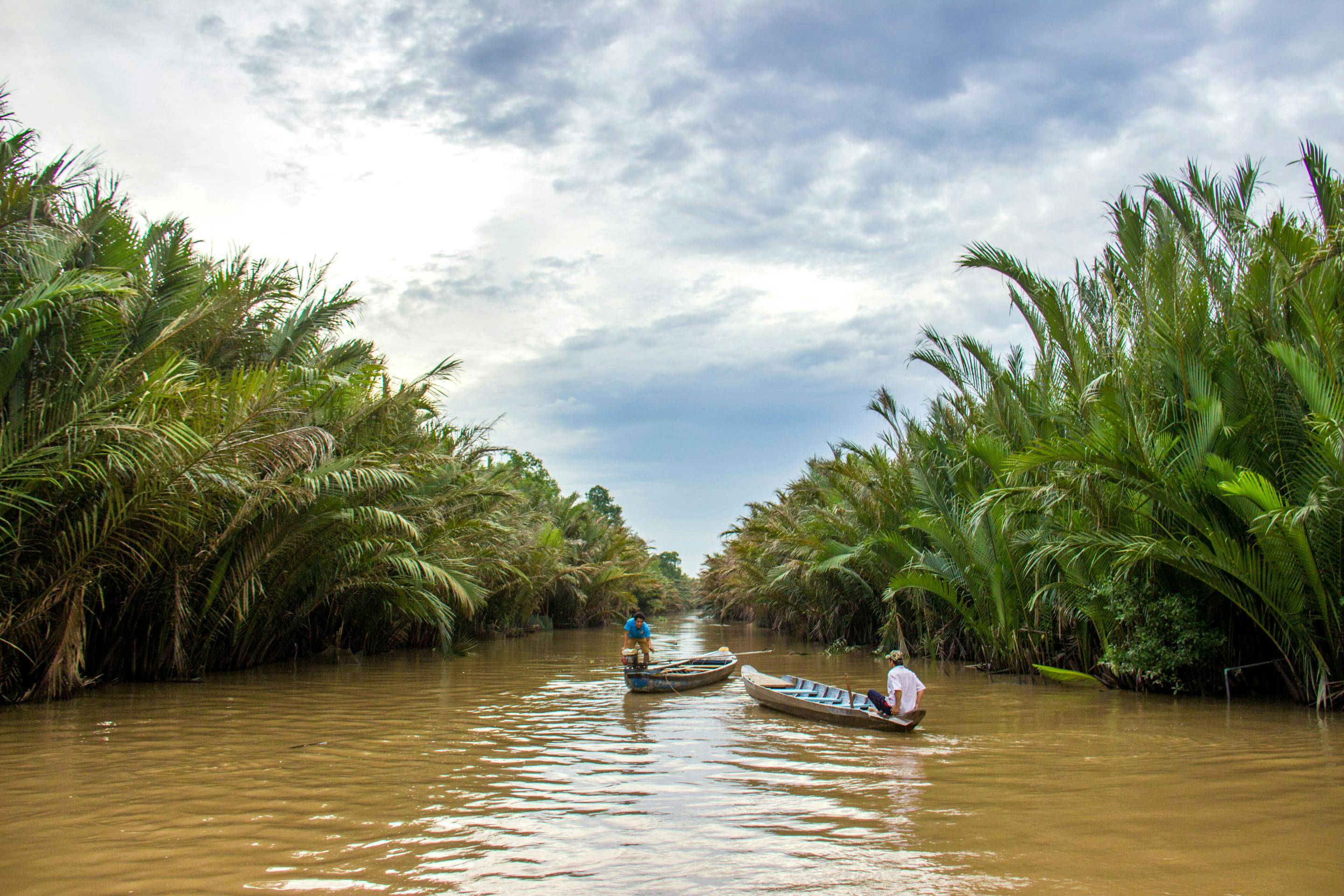
Though it’s just a hundred miles from frenetic Ho Chi Minh City, a luxury Mekong Delta tour feels worlds away. Here, the sun rises above pastoral fields and languid riverbanks. Boat operators donning conical hats navigate traditional sampan boats through the Delta’s tributaries. Goods aren’t loaded into shopping carts, but rather, passed between boats in colorful floating markets. Relax into the Mekong Delta’s measured pace for a delightful glimpse into rural life along this storied waterway.
- The Delta’s bucolic roads are ideal for gentle, long-distance bike rides.
- This area is the proverbial breadbasket of Vietnam, rife with aquaculture and fruit plantations. From morning markets to village visits, make every excuse to snack, sip, and savor your way through the Delta.
- The most luxurious way to experience Vietnam’s Mekong Delta with the simplest logistics is via a slow boat cruise aboard the Aqua Mekong. Alternatively, our favorite land-based resorts are Victoria Nui Sam Lodge and Legacy Mekong offer good access to Tra Su Cajuput Forest and Can Tho, respectively.
Hue, Vietnam
Seated on the Perfume River in central Vietnam, Hue travel is a portrait of the past. The city’s urban heart is the imposing Imperial Citadel, a walled fortress from which the kings of the Nguyen Dynasty ruled their feudal capital. Suffice it to say, there are many rich stories and historical accounts to lose yourself to in Hue. And for travelers seeking the most antique and well-preserved architecture, Hue ranks among the best places to visit in Southeast Asia.
- Alongside an expert guide, explore the historic citadel (modeled after Beijing’s Forbidden City) while winding your way past ancient tombs, palaces, and pagodas.
- Dine with a descendant of Vietnam’s last royal family in her private home, sampling dishes once exclusively reserved for royalty. View treasured objects (like emperor-signed diplomas) that speak to her family’s storied history and royal connection.
- Uncover Hue’s deep connection to the arts. First, float the Perfume River, then meet the bronze craftsmen of Phuong Duc.
Hanoi, Vietnam
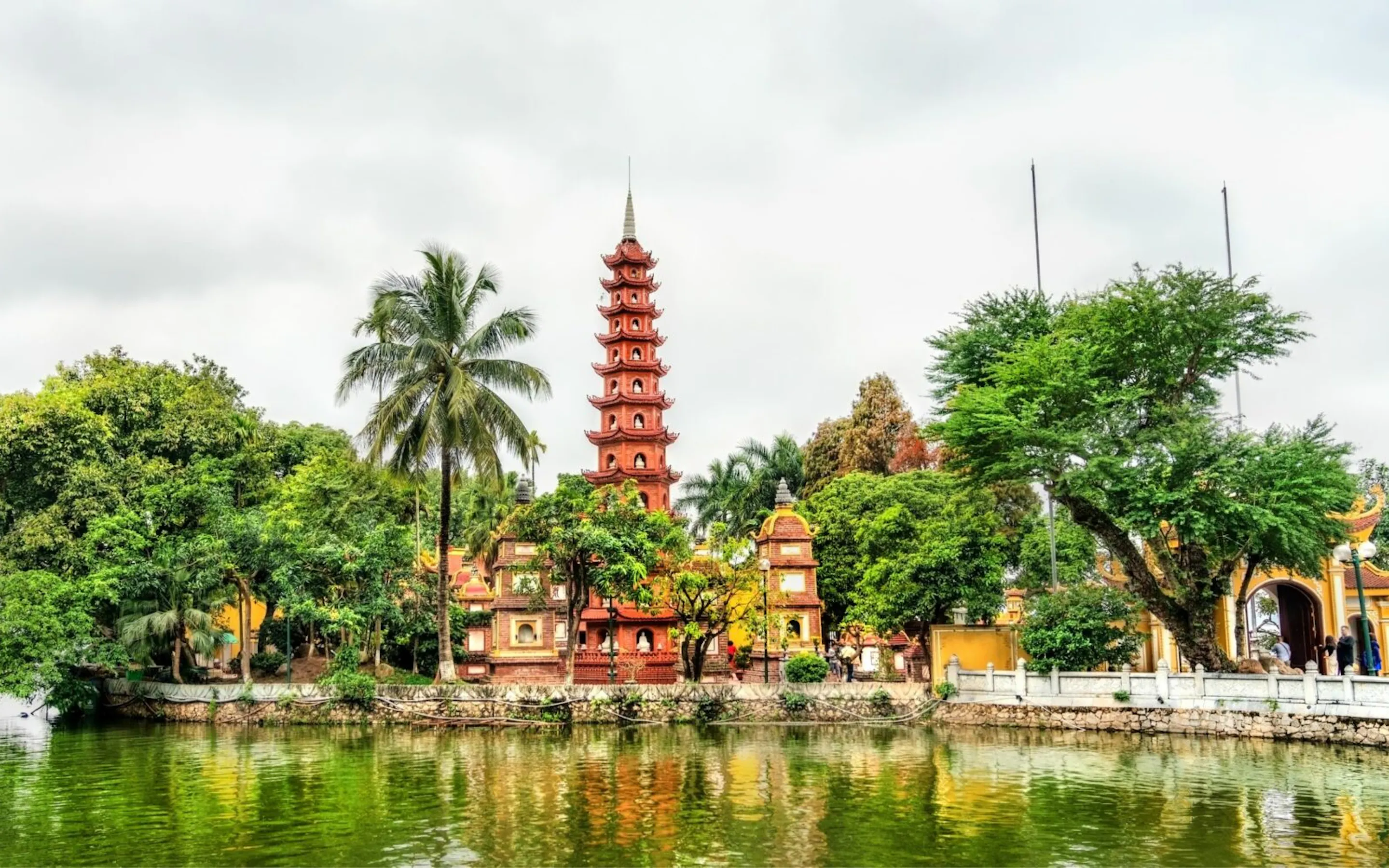
A cacophony of noise, fragrance, and scooter traffic, Hanoi is a feast for the senses. Amid the buzzing Old Quarter there are moments of serenity to be found around the Hoan Kiem lakeshore or in the Temple of Literature. Hanoi is the quintessential place to experience Vietnam through food—from slurping bún chả on low tables streetside to warren-like markets full of food stalls to delicately-plated French fusion served atop white table clothes.
- Visit Hanoi’s railway tracks, a unique part of the city where homes sit mere, nerve-wracking feet from the tracks.
- Venture into the fray of Hanoi’s Old Quarter for insight that touches on Indochine architecture and Vietnam War history—or rather, the “Resistance War Against America.”
- Get a masterclass in Hanoi’s culture, history, and fine arts on a city-wide tour alongside an esteemed local expert.
Mai Chau, Vietnam
Conjure a vision of Vietnam and you might very well summon images of Sapa’s emerald rice terraces. But there’s another gem nestled into northern Vietnam’s mountainous crown: rural Mai Chau. Paths here cut through bucolic fields, bamboo groves, and tranquil meadows while passing traditional Hmong villages. You won’t encounter many other tourists, so enjoy the serenity and charm of birdsong and chiming bells affixed to wandering water buffalo.
- Mai Chau travel is a stunning and slightly more accessible alternative to Sapa, ideal for those wanting to trek and cycle.
- Hikers, pack your walking shoes. Set out on an easy-going nature walk in a bamboo forest, depart on a more rigorous hike that includes a picnic lunch before descending back into the valley, or embark on a full-day Hmong village trek alongside a guide.
- Base yourself at Avana Retreat, a stunning holistic wellness haven nestled in the mountains.
Kalimantan, Indonesian Borneo
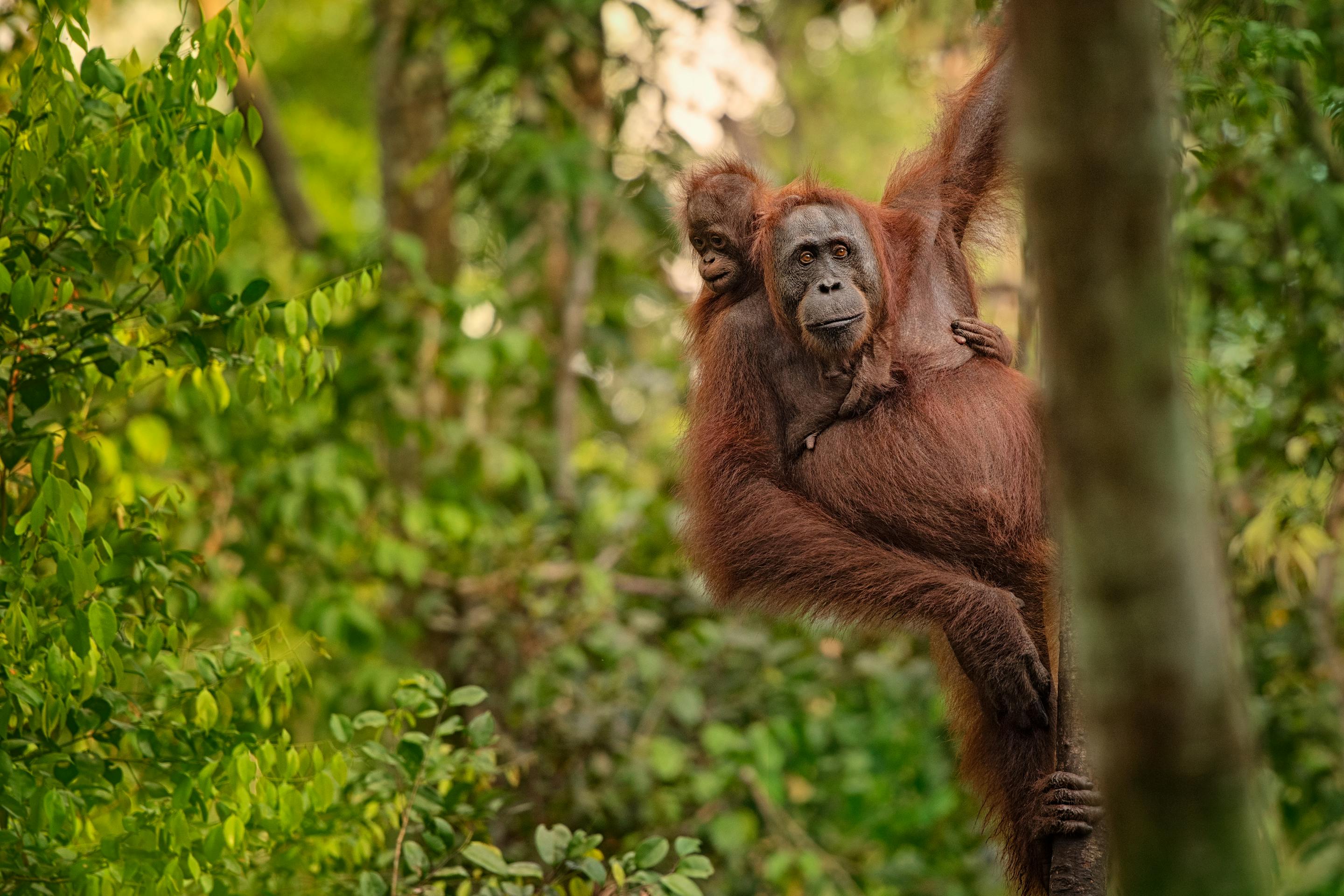
Dubbed Southeast Asia’s last great wilderness, private Kalimantan travel (Indonesian Borneo) is a siren’s call for intrepid travelers. Point your compass to Tanjung Puting National Park for an adventure-imbued cruise up the Sekonyer River. The thick-knit forest that buttresses these riverbanks are home to wild orangutans, civets, Malaysian sun bears, deer, banteng (wild cattle), elusive clouded leopards, and more than 230 bird species. Coming face-to-face with orangutans makes Kalimantan one of the best Southeast Asia destinations.
- Board a traditional klotok boat for a private charter experience of this wild terroir.
- Visit landmark Camp Leakey, a longstanding research station and rehabilitation center dedicated to orangutans.
- The best time to visit Borneo is during the dry season, between April and October.
Borobudur, Indonesia
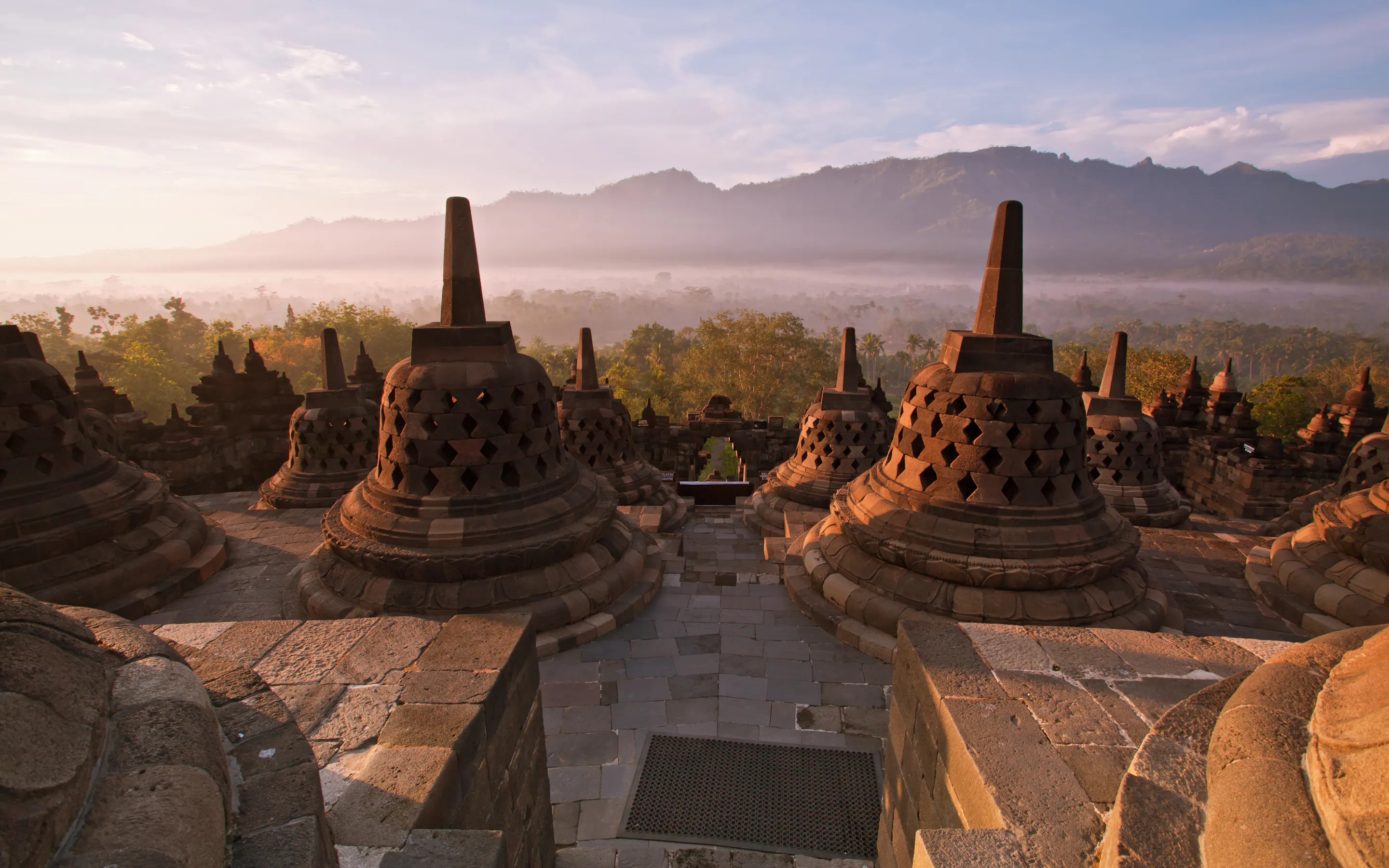
Given its size and significance, it is surprising that the sacred stone ruins of Borobudur still fly under the radar. Located on the island of Java, the largest Buddhist temple in the world resembles a massive, nine-story layer cake. For history enthusiasts and culture lovers, Borobudur’s intricate relief panels and hundreds of Buddha statues make it one of the best places to visit in Southeast Asia.
- Walk Borobudur’s embellished arcades alongside an expert to glimpse into ancient Javanese life and culture.
- Pair your visit to Borobudur with another archeological marvel—nearby Prambanan Temple, Indonesia’s largest Hindu temple.
- April brings clear mornings and lush, post-rainy season landscapes to Indonesia, making it an ideal time to visit Borobudur before the peak summer crowds descend.
Sumba, Indonesia
One of Indonesia’s most southeastern islands, Sumba is wild, untamed, and rich in culture. Leave the crowds behind for a place where herds of horses roam unfenced, and locals practice a tradition of ancestral worship. Despite its small size, each village—quite remarkably—speaks its own dialect and celebrates rituals that have remained unchanged for centuries.
- Sit with a local family in their distinctive home with a pitched, sky-reaching thatch roof to learn about marapu beliefs and traditions.
- Sumba travel gives Indonesian frontier vibes but a direct flight from Bali makes it straightforward to reach.
- The island is home to NIHI Sumba, a luxurious property recognized as one of the world’s best resorts. We think indulging in a Spa Safari is one of the best things to do in Indonesia.
Explore our itineraries
Every trip with Extraordinary Journeys is tailor-made, crafted in collaboration with one of our destination specialists. Use these as a starting point, or as inspiration to create your own journey.