Itinerary
Luxury Thailand Trip from North to South
Street food tours, trekking, and a tropical island retreat
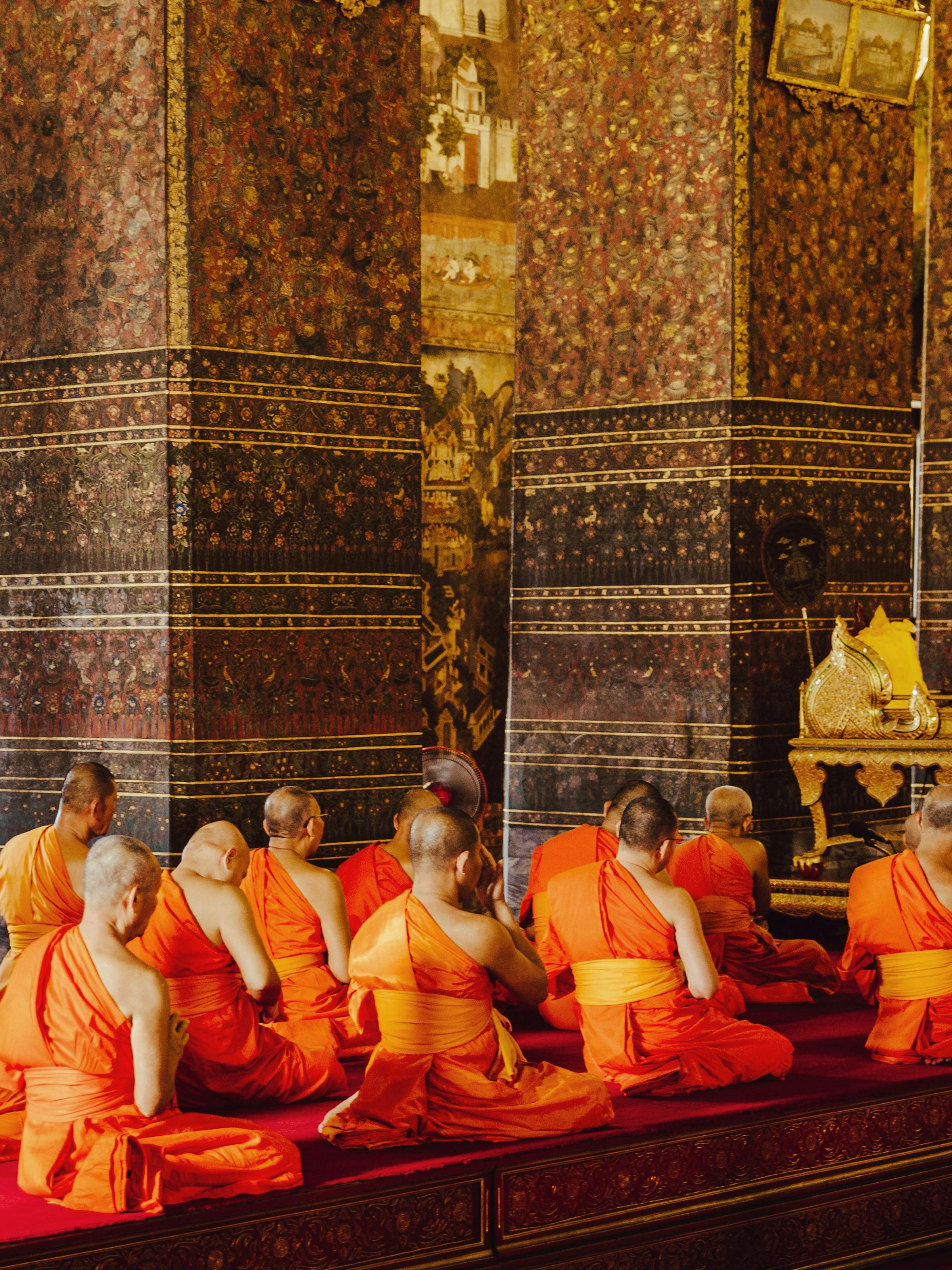
The heat, humidity, traffic, and stimulus arrive hard and fast, all at once. If you only stay one night, it reads as noise. Lean in with curiosity and an insider guide, and you'll find what once confounded, compels. Glass towers standing beside centuries-old temples aren't haphazard; they nod to a country that never bent to a colonial European aesthetic. A plastic bag of curry tied off with an elastic and carried home on one finger looks like litter until it's recognized as takeout - a system residents understand without thinking. A woman wearing yellow on a Monday isn't dressed at random. It's the color assigned to her birth day, a subtle reminder that beneath the surface, Bangkok is governed by nuanced spiritual beliefs. These aren't secrets. They're signals transmitting to those who hold a key. Your Extraordinary Journeys Bangkok tour makes them legible.
Use these itineraries as a starting point, or as inspiration to create your own journey.
The Thai capital can be traveled year-round, but the dry season (November to April) is generally considered the best time to visit Bangkok.
However, when you go is largely a matter of where else you plan to go on a broader Thailand itinerary. If beaches are a priority, the dry season is ideal, but shoulder season is a perfectly fine time for city exploration. Bangkok remains lively and bustling despite some showers, with plenty of indoor touring (temples, galleries, museums, dining, shops) on offer. As an upside, famous sites such as the Grand Palace and Wat Pho are absent peak season crowds and the city’s neighborhoods feel more lived-in. Keep reading: When to travel to Thailand.
Best
Jan
Feb
Nov
Dec
January - February
November - December
Good
Mar
Apr
May
Jun
Jul
Oct
March - July
October - October
Step aboard a private Hacker-Craft boat, a luxurious mahogany motorboat, to cruise the Chao Phraya River at sunset in style.
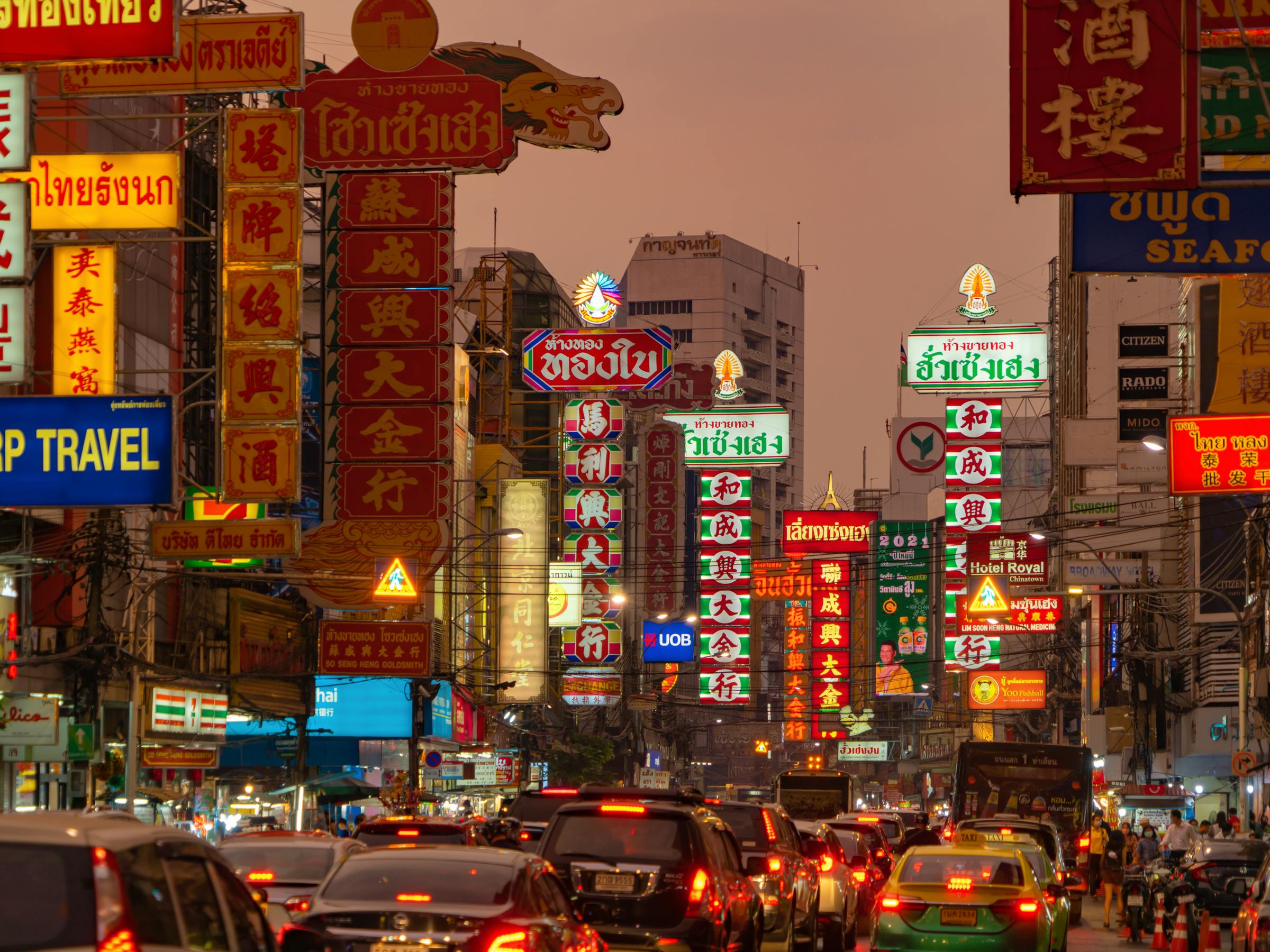
A tuk-tuk tour of Bangkok’s 200-year-old Chinatown after dark: neon lights, narrow lanes, sizzling food carts, hip cocktail bars.
Spend a morning at Bangkok’s most revered and sacred sites, including the country’s largest reclining Buddha at Wat Pho, the Grand Palace, and the Temple of the Emerald Buddha.
A like-a-friend private guide unlocks life as a Bangkok resident. No temples, just art scenes, hole-in-the-wall cafes, and locals-only eateries.
Escape the crowds outside the city at the Amphawa Floating Market (weekends) and Mae Klong Railway Market.
Sit ringside at a Muay Thai match, then experience your own training session with an expert instructor.
Stop at the Artist’s House (Baan Silapin), a beautifully restored centuries-old teak house turned art gallery.
Set out on a private walking tour of Bangrak, a neighborhood where many of Bangkok’s culinary traditions began centuries ago.
Meet artisans using hand-weaving techniques that produce the museum-quality textiles displayed inside Jim Thompson House — the former home of an expat who rebuilt the Thai silk industry (and disappeared mysteriously).
A visit to Nai Lert Heritage Home (a historic, preserved teak home of a wealthy merchant family) shows just how much Bangkok has grown in a century.

A visit to Bangkok puts you within easy reach of many other beautiful and fascinating parts of Thailand.
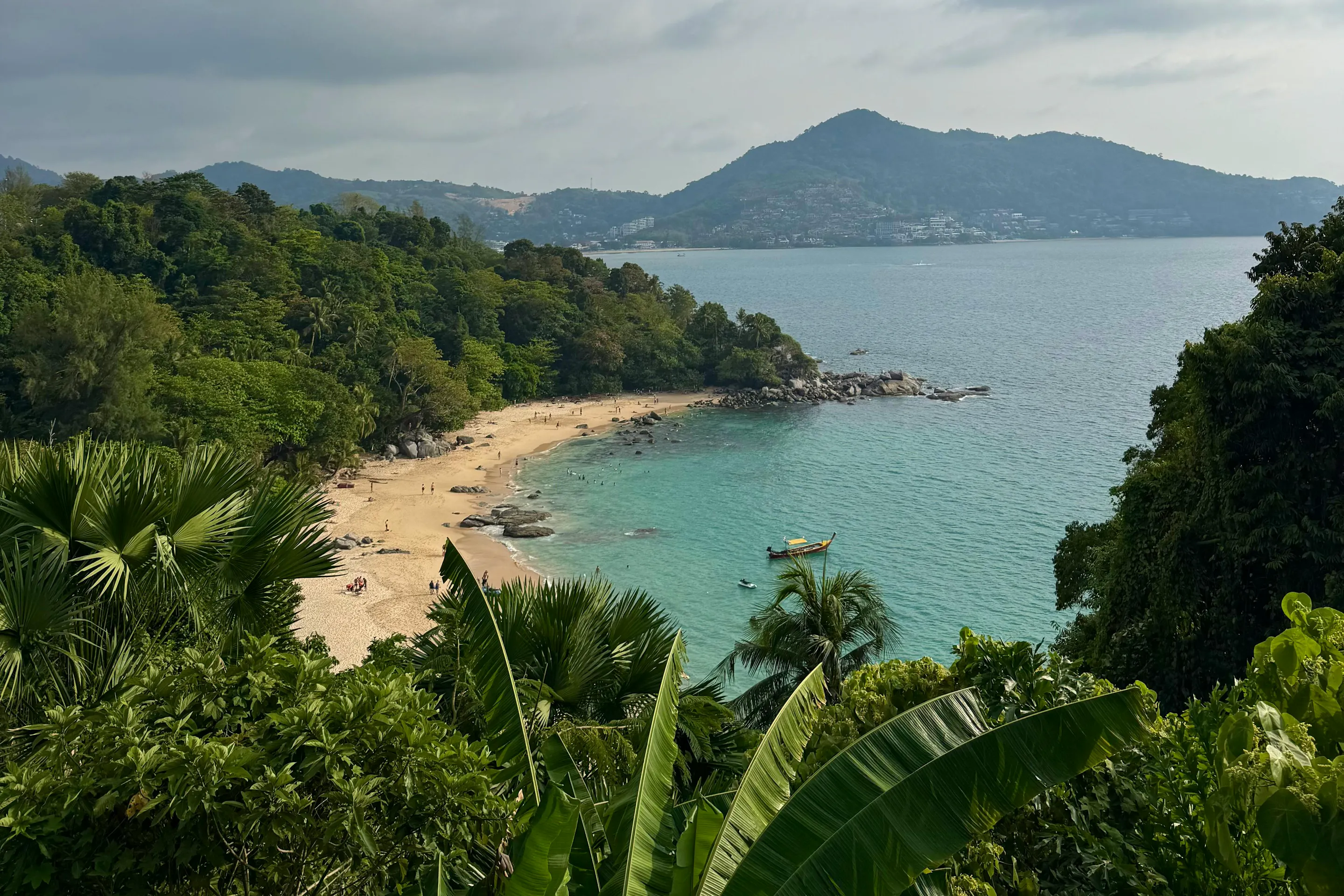
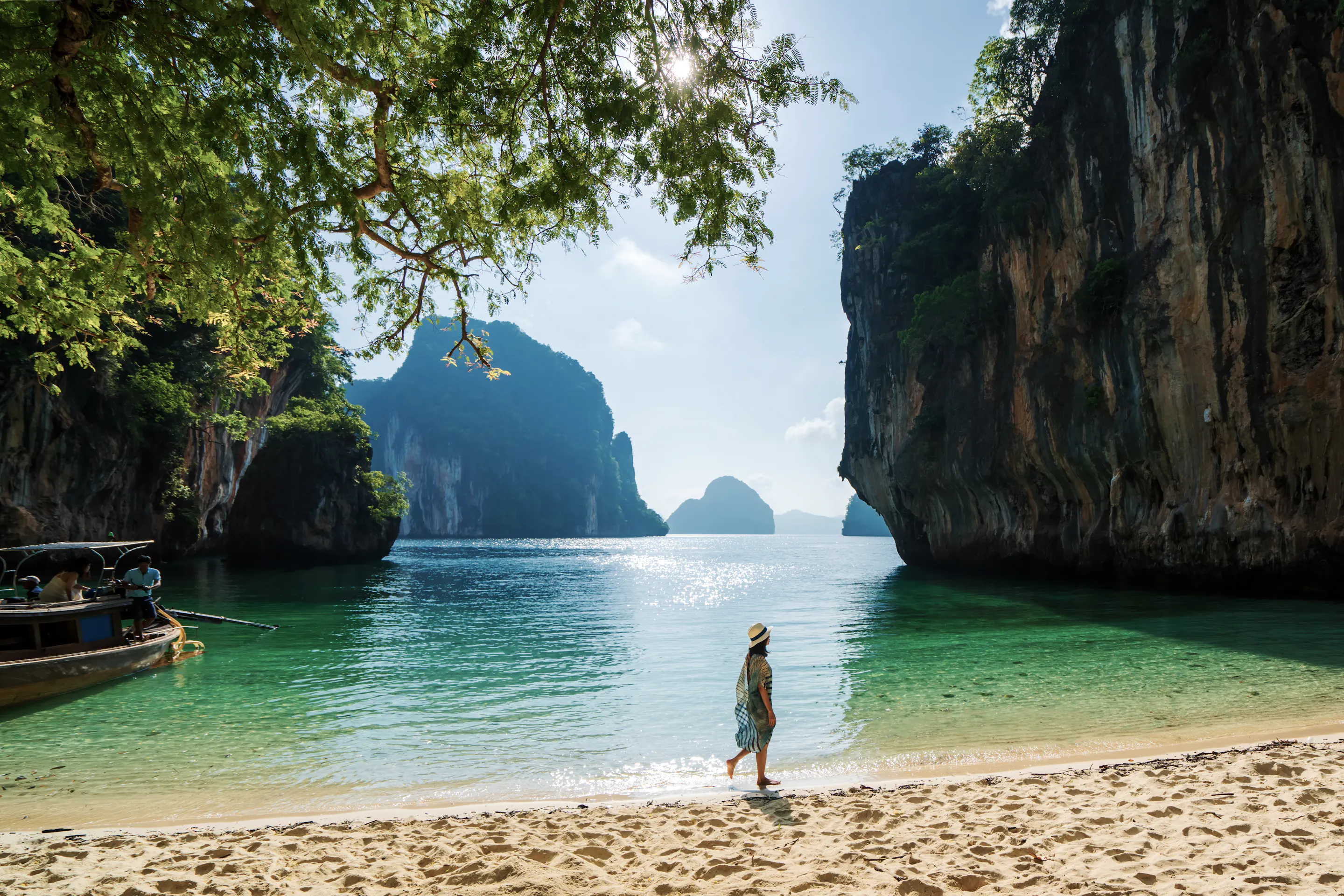
Home to iconic Thailand travel spots like Phuket and Krabi, the Andaman Coast is one of the country’s most popular destinations, and for good reason: it’s marked by cinematic tropical beaches where emerald karsts rise from aquamarine waters, as well as delicious food and dynamic Thai culture and history.
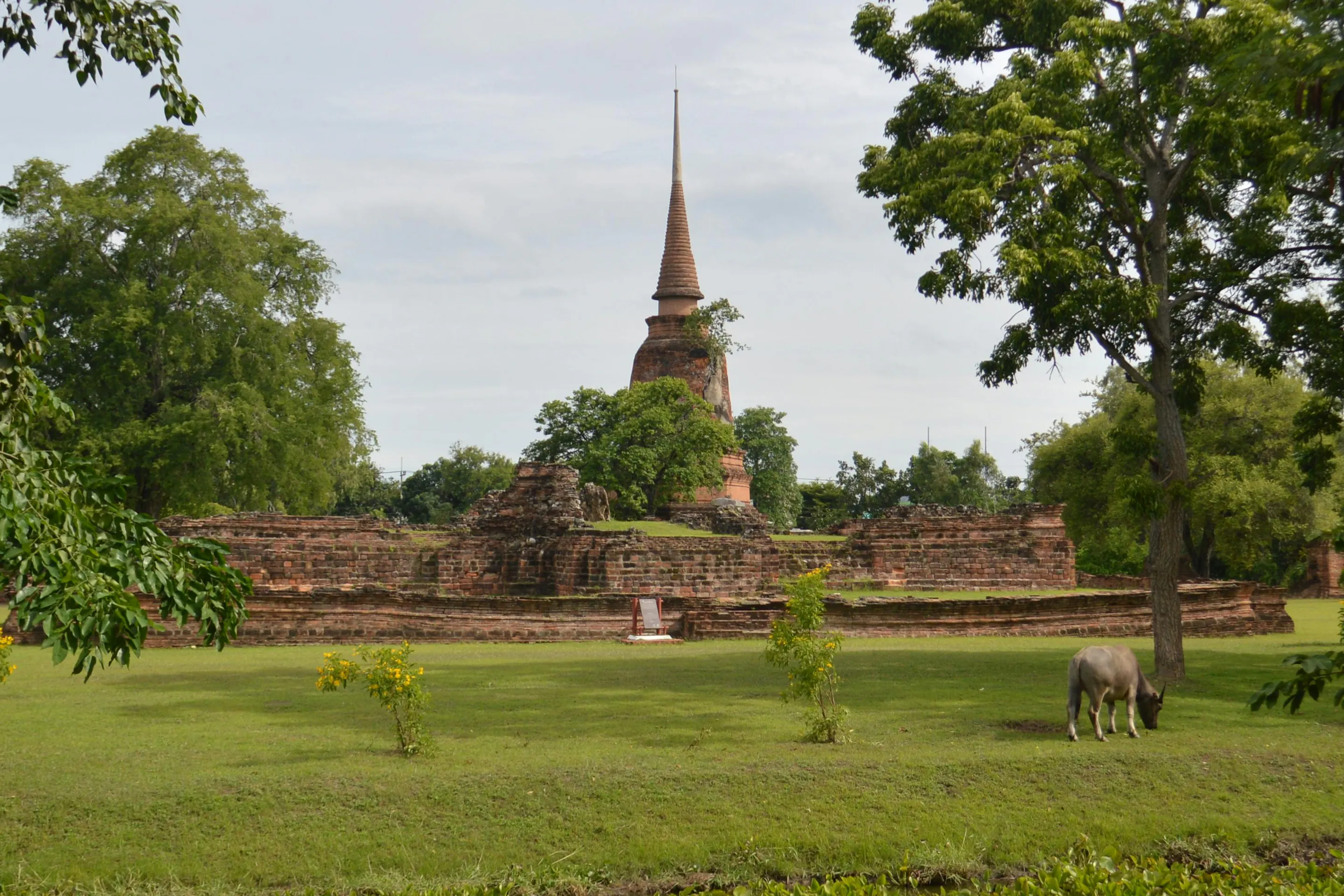
Home to the infamous Bridge Over the River Kwai, the country’s first capital city, and a UNESCO-designated historical park, Central Thailand is one of the best places to travel to in Thailand for history lovers.
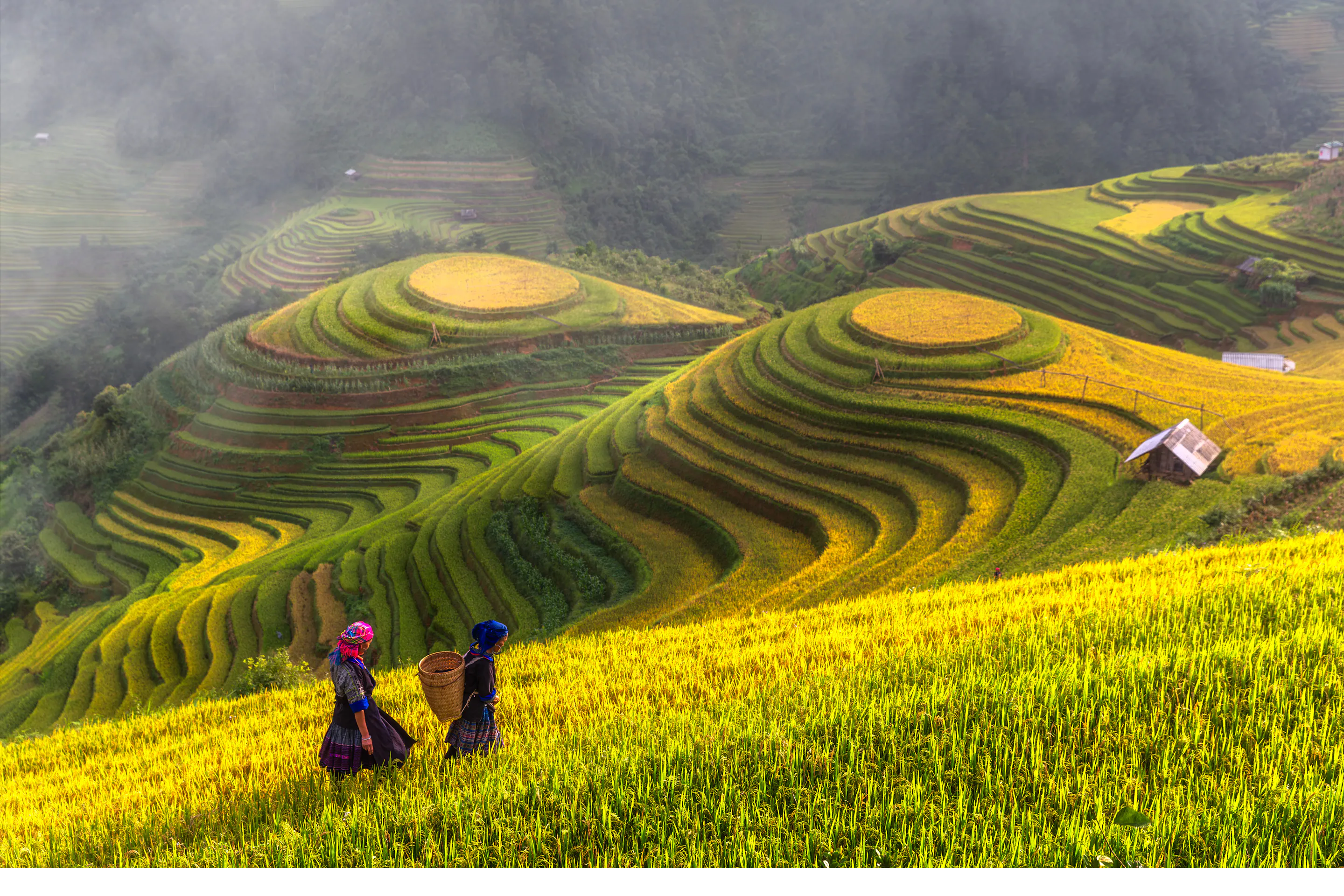
Chiang Mai travel is Thailand at a gentler pace. Trade Bangkok's busy streets for misty forest trails, incense-perfumed temples, and convivial evenings spent eating your way through Lanna culture.
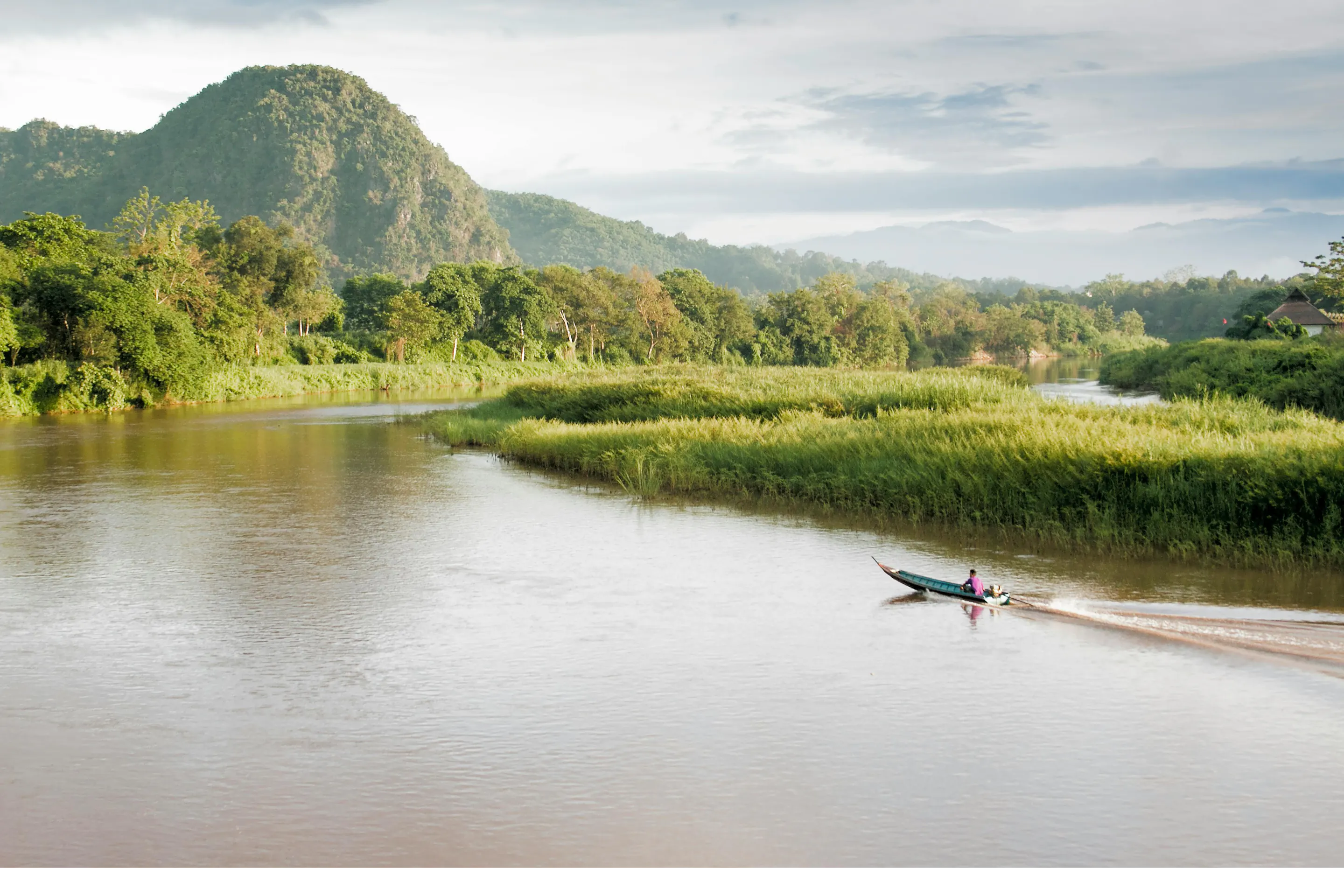
Chiang Rai Province shares borders with Myanmar and Laos, earning the region the name ‘The Golden Triangle’ and making it one of the most culturally and geographically diverse parts of Thailand.

We value depth over breadth. While we have broadened our map, our intimate expertise runs deep—from understanding each locale's hidden rhythms to cultivating relationships with exceptional guides.

Seasoned travelers know that places change, authentic experiences migrate. We'll listen to your hopes and passions, but push back when we know something will better resonate with you.

Traveling to wild places asks something of us— a quality of attention and presence. From behind-the-scenes logistics to bespoke culinary experiences, our team has thought of everything.

There will undoubtedly be extraordinary unscripted moments: hippos emerging at sunset, the impossible blue of Arctic ice. We know that meaningful memories often live in personalized details.
We value depth over breadth. While we have broadened our map, our intimate expertise runs deep—from understanding each locale's hidden rhythms to cultivating relationships with exceptional guides.
Seasoned travelers know that places change, authentic experiences migrate. We'll listen to your hopes and passions, but push back when we know something will better resonate with you.
Traveling to wild places asks something of us— a quality of attention and presence. From behind-the-scenes logistics to bespoke culinary experiences, our team has thought of everything.
There will undoubtedly be extraordinary unscripted moments: hippos emerging at sunset, the impossible blue of Arctic ice. We know that meaningful memories often live in personalized details.