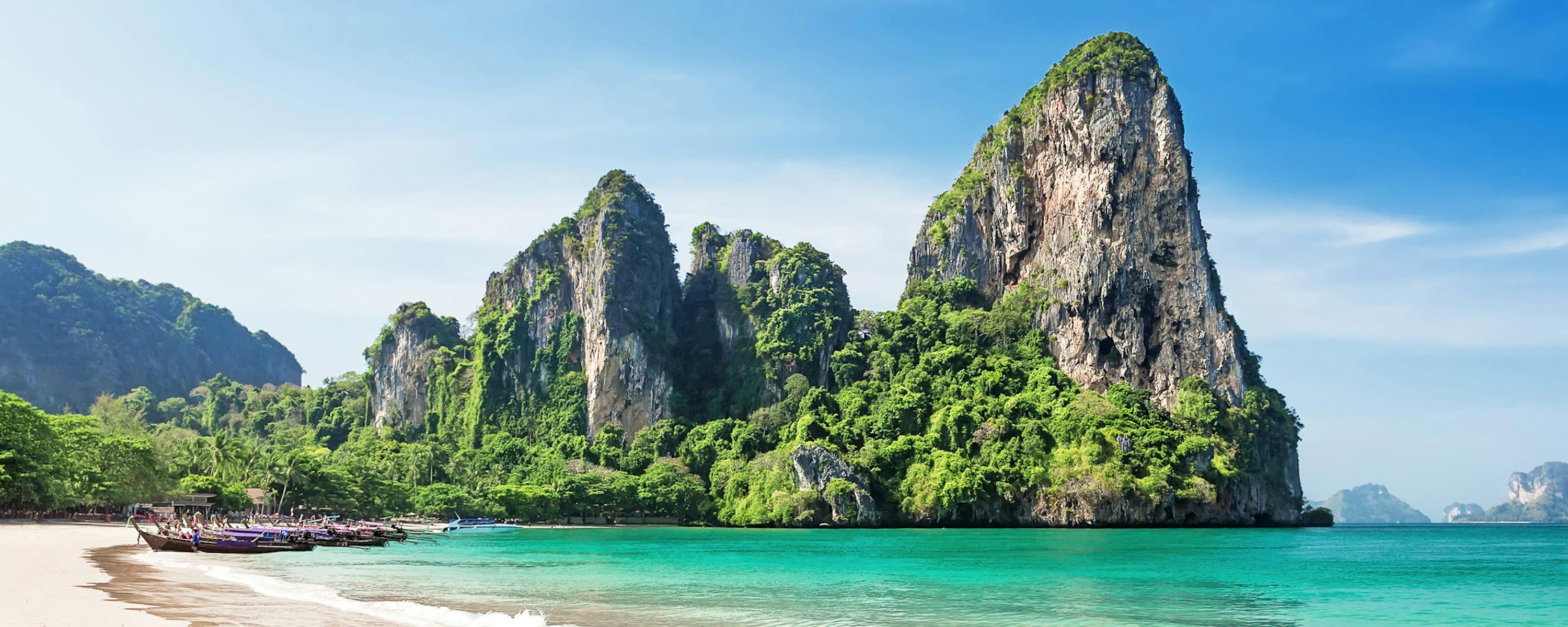
The best time to visit Thailand
The best time to visit Thailand is the window that matches your priorities: the right coast, weather you can enjoy rather than endure, and the festivals worth planning a journey around.

September 25, 2026
Stretching a thousand miles from the Himalayan foothills to the Malay Peninsula and contoured by peaks, plains and islands, Thailand’s climate is hardly uniform. If you only gave the map a passing glance before planning a luxury Thailand trip, you’d miss the details that result in meaningfully different experiences from month-to-month: two coasts with monsoon systems that arrive on opposite schedules, and a warm tropical south that gives rise to a mist-cloaked northern plateau. Between latitude, elevation, weather, and a vibrant cultural calendar, it's little surprise that travelers so frequently ponder when to go to Thailand?
When is the best time to travel to Thailand?
The best time to visit Thailand is November through February, when the northeast monsoon brings dry air, daytime temperatures in the high 70s to mid-80s, and calm, clear water along the Andaman Coast.
It's the answer that every search result will give you. And while it's not wrong, our Extraordinary Journeys Thailand specialists point out that this generalist advice fails to take something important into account: you. Without getting to know you, we can’t assume to know your travel priorities. For us, it’s less about recommending a popular weather window than knowing the “why” behind your trip, who is traveling, and how you like to travel. Not everyone wants to experience peak season crowds and pricing; not everyone needs the hottest sun.
Put otherwise, the best time to travel Thailand is when we can build a personalized trip around the experiences that matter most to you – whether that’s diving visibility, cooler air for trekking, or aligning your calendar to Loy Krathong's floating lanterns.
The seasons to visit Thailand: climate and weather guide
Thailand's climate is broadly divided into three main seasons. Depending on what kind of experience you're looking for, each season carries its own appeal.
- Mild season: November, December, January, and February
- Hot season: March, April, May
- Rainy season: June, July, August, September (monsoon peak), and October
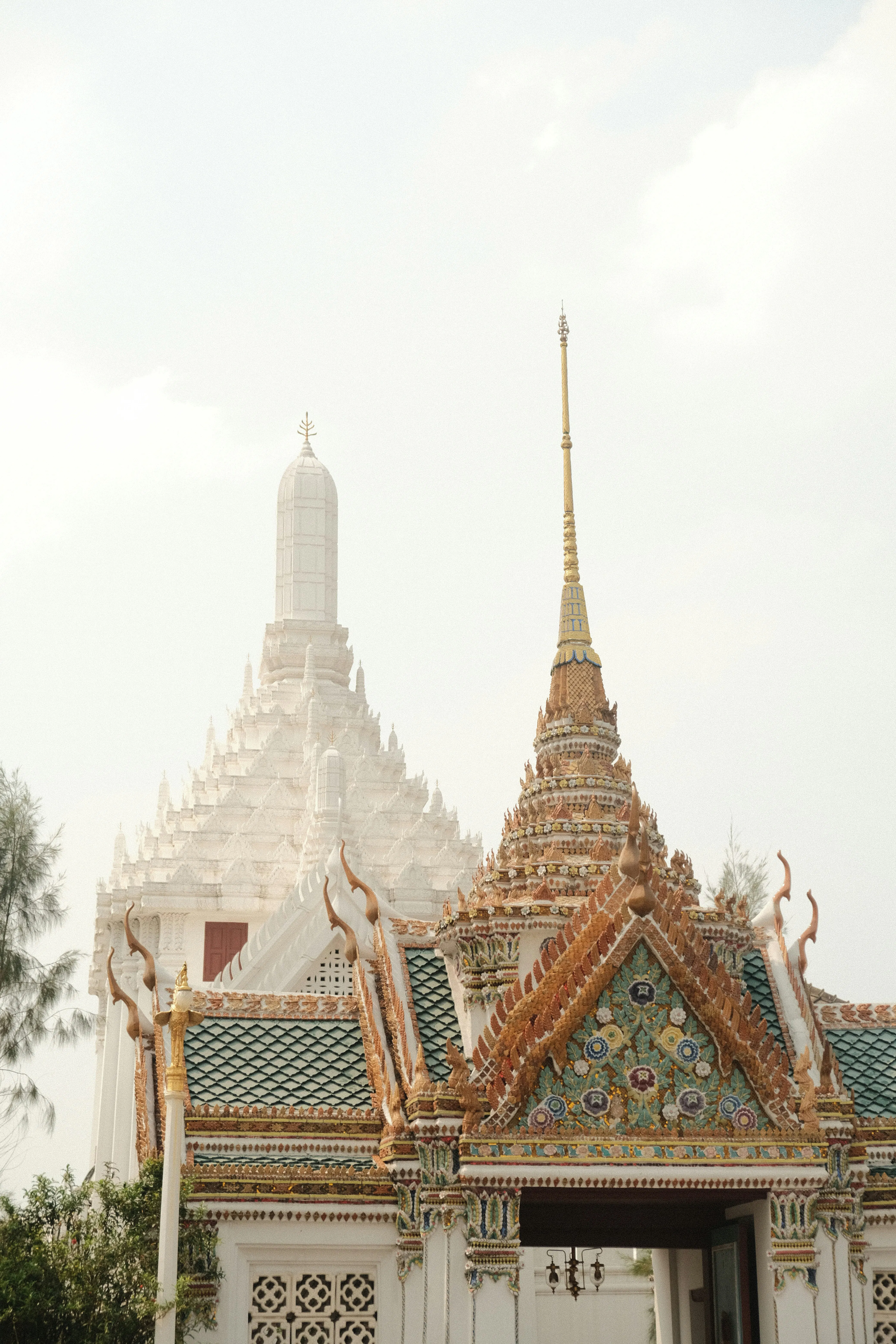
Mild season (November–February)
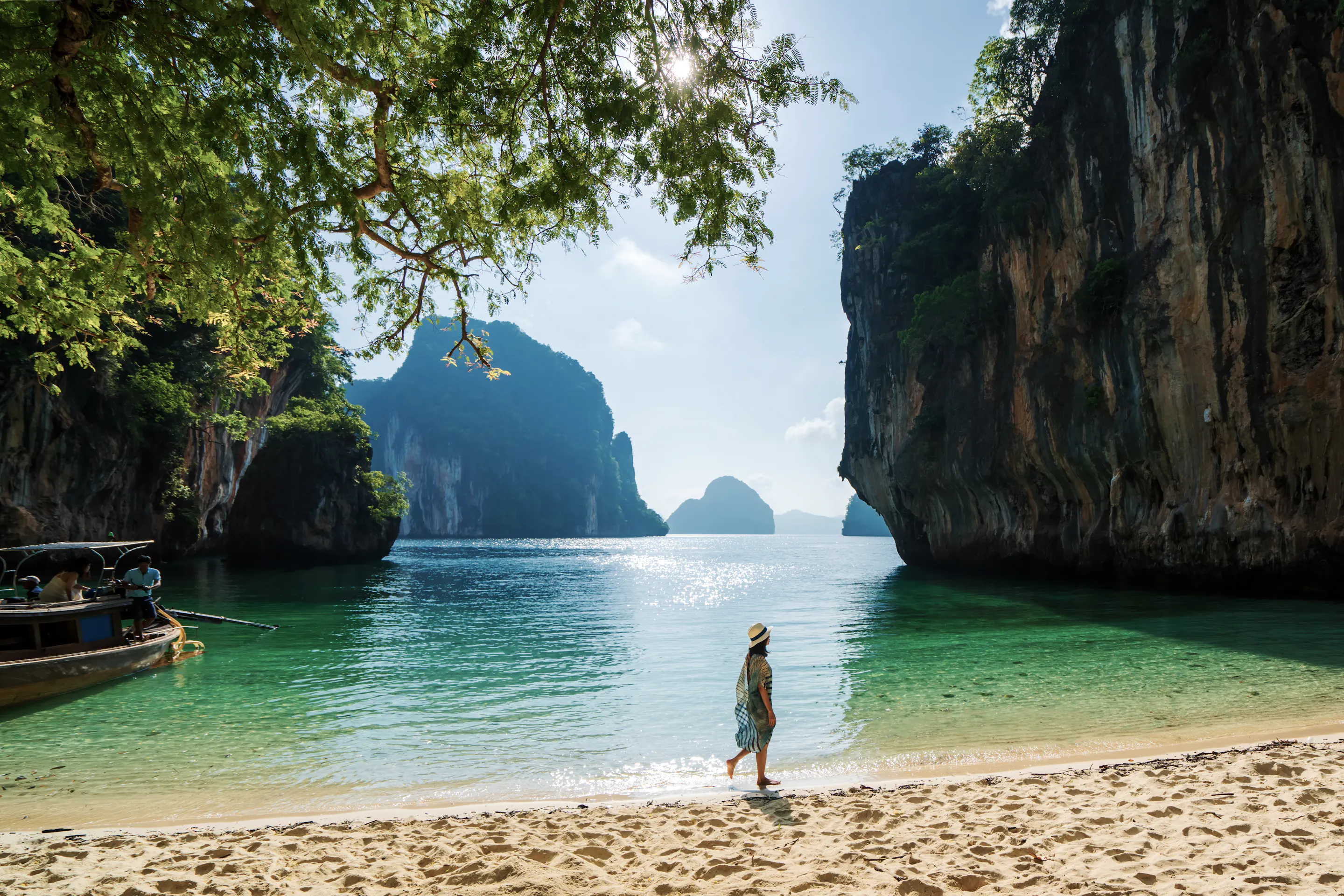
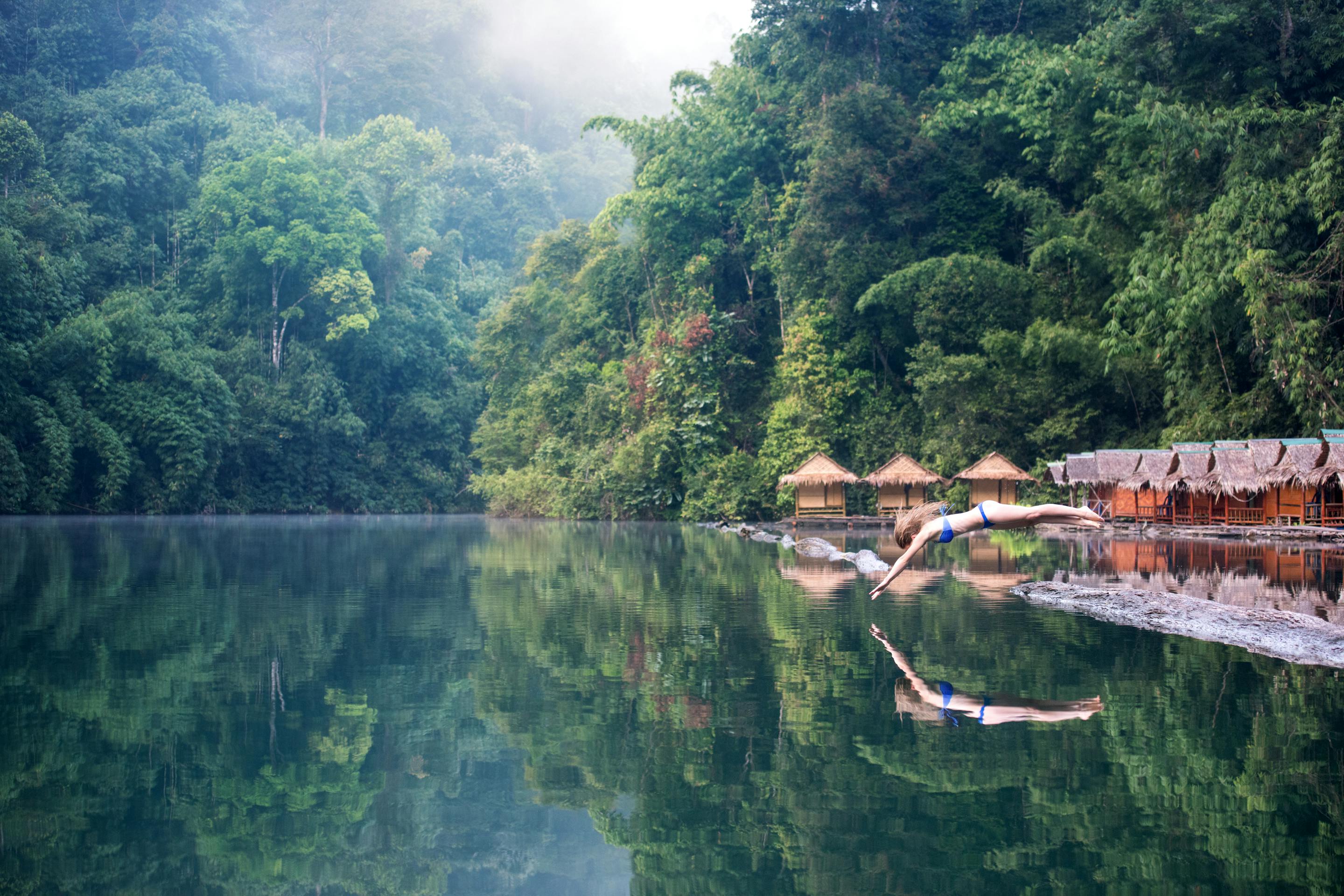
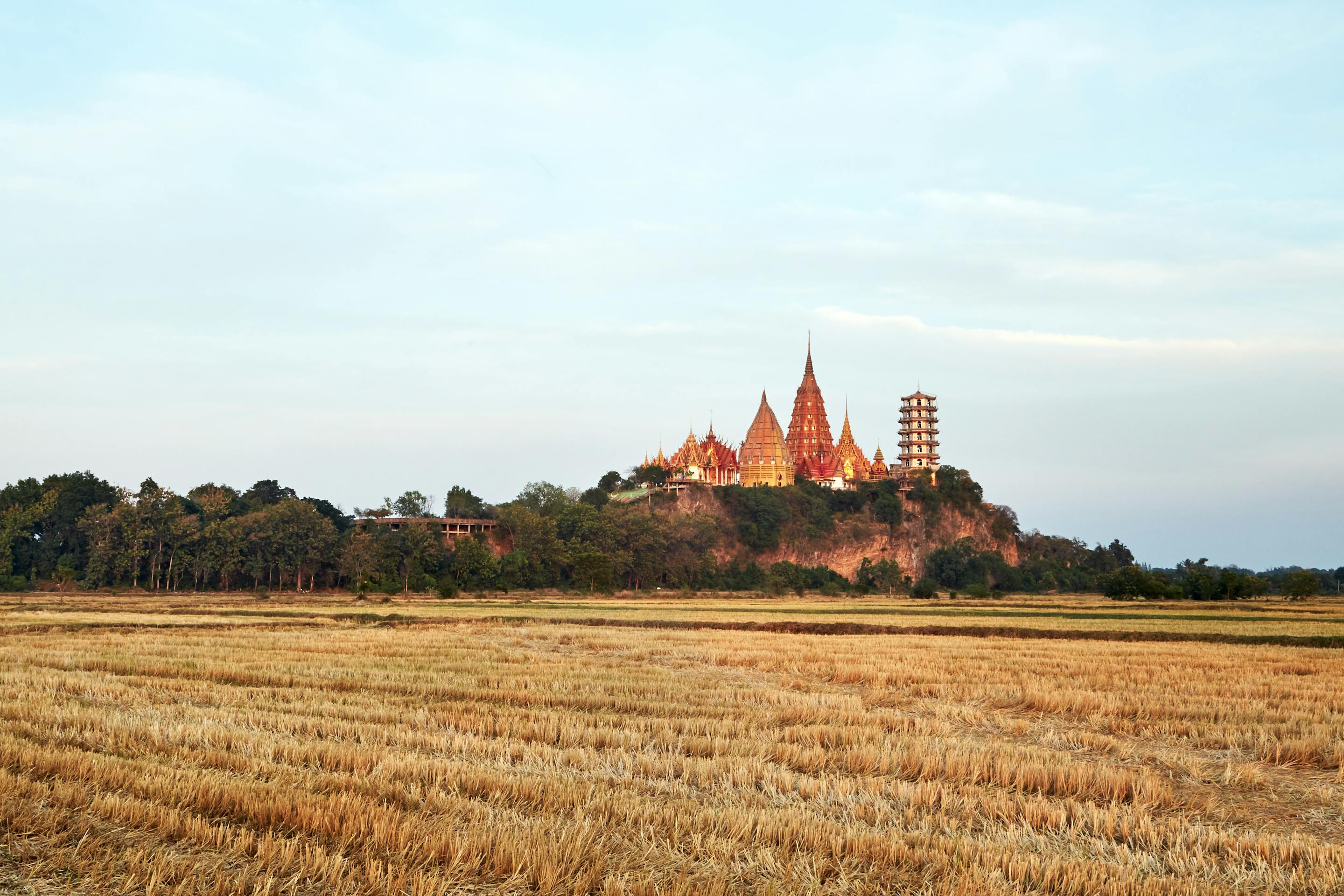
Pleasant weather during the mild season marks peak tourist season in Thailand. With daytime temperatures averaging between 77°– 86°F, it's a comfortable time to tour famous landmarks such as Bangkok’s Grand Palace and the temples of Chiang Mai. December onward, it’s also a great time to lay out on a Phuket beach, cruise the Andaman Coast by longtail boat, or explore Khao Sok National Park.
The mild season is also perfect for experiencing Thailand's nature and wildlife. Trekking through the northern regions of Chiang Mai, Chiang Rai, Mae Hong Son, and Nan offers green forests, misty mountains, and hill tribe village visits. This is also a reliable weather window for planning outdoor recreation in Khao Yai National Park and Erawan National Park (Central Thailand).
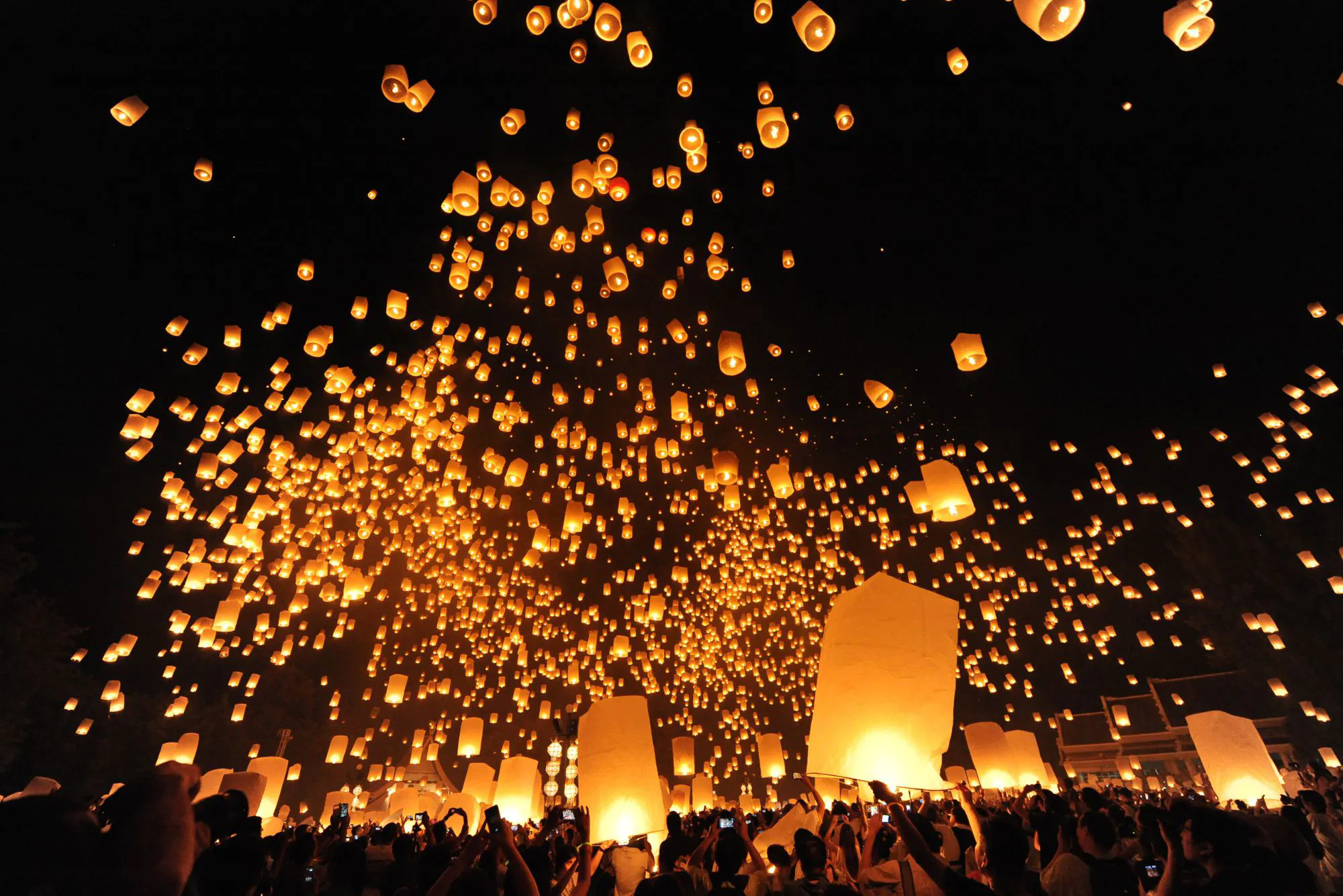
It’s also a buzzy period of the cultural calendar. In November, Loy Krathong is celebrated across the country, with thousands of floating lanterns illuminating rivers and canals. In January/February, Chinese New Year (Trut Chin) celebrations bring fervor to Bangkok’s Chinatown.
For those wondering what is the best month to go to Thailand, January is often the popular choice—a pleasant break from the depths of American winter. To secure your choice accommodations and the best guides, you’re wise to book well in advance.
Hot season (March–May)
The hot season in Thailand runs from March to May; a time when temperatures soar, especially in the central and northern regions. Daytime temperatures typically range between 86°F and 100°F, making it the hottest time of the year. If you can tolerate the heat, you’ll reap the benefit of sharing Thailand – and its dazzling pools and beaches – with fewer tourists.
Travelers headed north for a Chiang Mai tour or Golden Triangle trip should note that agricultural burning can drape the region with a haze, affecting air quality and visibility, in March and April. If you have a respiratory sensitivity or were planning to do some intensive trekking or photography, head south instead. Make for the beaches – this is the one time of year you can choose either coast, or both. If the mountains are calling, combine luxury Thailand travel with the rugged terrain of northern Vietnam where it’s prime trekking season in Sapa, Mai Chau, and Mu Cang Chai.
Rainy season (June–October)
The monsoon rains sweep across Thailand from June to October, with August and September observing the heaviest downpours. Travel during this time isn’t just wet. Flooding can adversely affect your travel plans.
We call this the Secret Season and with the rain comes relief. Thailand's countryside, mountains, and national parks erupt into vibrant green landscapes, their most photogenic moment. In northern Thailand, destinations like Chiang Mai and Chiang Rai, become especially lush, with waterfalls cascading at full flow, and rice paddies turning a brilliant emerald green.
For nature lovers, national parks such as Sri Lanna, Doi Inthanon, and Erawan are at their most verdant. For adventure enthusiasts, this time of year is ideal for river rafting, particularly the Mae Taeng River near Chiang Mai.
In our opinion, Thailand’s rainy season is a fine time for city exploration. Bangkok remains lively and bustling despite the rain, with plenty of indoor activities: temple hopping, shopping, and of course, eating. It’s also plenty warm enough to make full use of your hotel’s infinity pool. And as an upside, famous sites including the Grand Palace and Wat Pho are free of peak-season crowds, and the city's neighborhoods feel more lived-in.
A word about Thailand weather trends
Bear in mind that this guide is founded on historical "norms" and trends based on our cumulative travel expertise. Weather patterns, average temperatures, rainfall, and the natural phenomena that react to seasonal changes are becoming less easy to predict as the climate warms.
Then, layer upon a good deal of variation across Thailand. For example, November is a transitional month that can be lovely for touring Bangkok and Chiang Mai, but a roll of the dice in the south. March and April are hot, but the beaches are dry, and you have your pick of Andaman Coast or the Gulf of Thailand. However, it’s slash-and-burn season in the north. Our destination specialists use knowledge and creativity to mix and match regions, or reach for other destinations in Southeast Asia, to design a trip that balances your interests with the best weather windows.
Regional guide: when to visit each part of Thailand
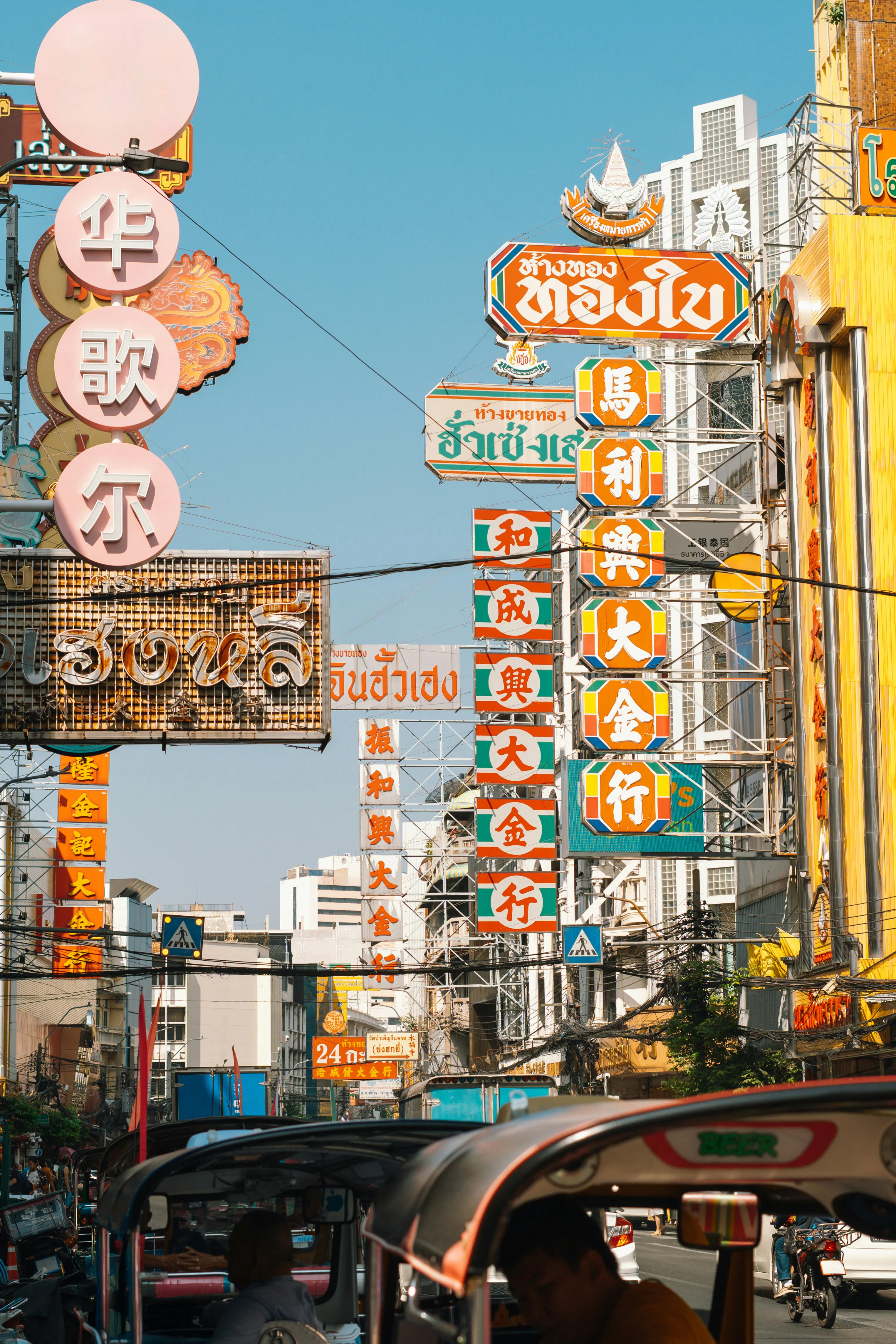
Bangkok
Bangkok travel can be enjoyed year-round, but the dry season (November to April) is generally considered the best time to visit. Within that window, we cherry pick December, January, and February. Bangkok is always hot, but this is when city touring is the most comfortable. Heat-averse travelers should avoid the rising temperatures of mid-March and the peak heat of April and May. August and September can bring saturating showers. That said, when to go to Bangkok is largely a matter of where else you plan to go on a broader luxury Thailand itinerary. If southern beaches are a priority, the dry season is ideal.
Andaman Coast
Phuket, Krabi, Koh Lanta, Koh Phi Phi and the Similan Islands sit on the Andaman side, and December through April is the reward season: flat, glassy water, ideal diving conditions, and sun that does not quit. November and May are transitional, a roll of the dice either way. Come June the sea has turned, and the Similan Islands shutter entirely until October.
Gulf of Thailand
While the Andaman side closes for the season, the Gulf is just getting comfortable. Koh Samui, Koh Phangan, and tiny Koh Tao are reliable from late February through September, with calm seas and steady weather through monsoon season everywhere else. That pattern reverses from October to December, when the northeast monsoon brings rain and rougher water and asks for more flexibility from travelers. Koh Kood, often overlooked, follows the same rhythm.
Northern Thailand: Chiang Mai and the Golden Triangle
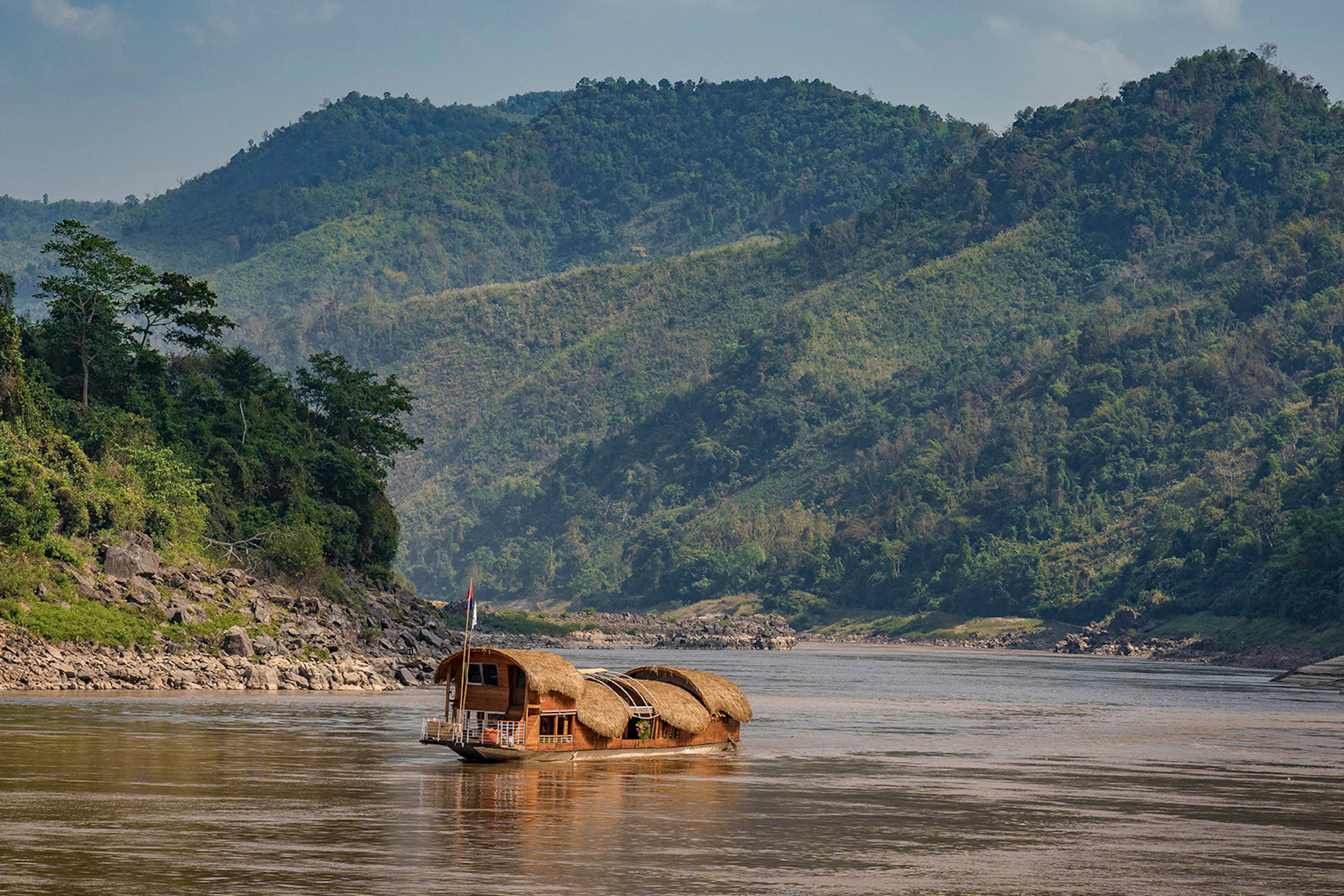
November through February is northern Thailand travel’s best window. Daytime temperatures sit in the mid-70s to mid-80s, nights turn cool at higher elevations, and clear air makes it a compelling time for temple touring, trekking, and hill tribe village visits. March through May brings the region's heat, along with agricultural burning that drapes across Chiang Mai and Chiang Rai, sometimes dulling the mountain and river views that define a Golden Triangle tour. Trekking and photography-focused travelers might consider the cool season instead. June through October turns the north green: waterfalls are full, rice paddies fill in, and the Mekong views turn dramatic, occasionally a little cloud softened.
Thailand beach season
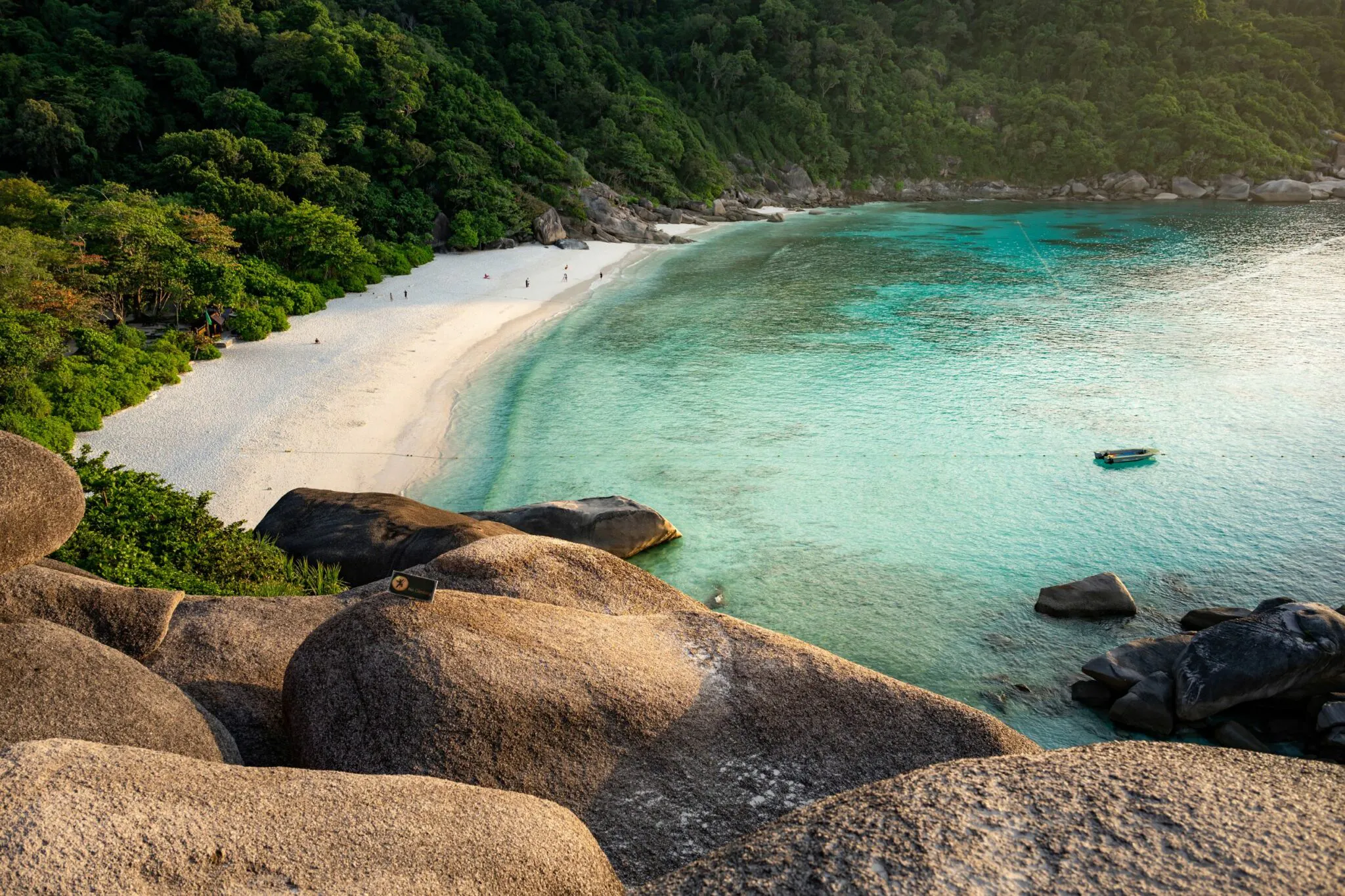
Thailand's two coasts keep entirely different times. The Andaman Sea and the Gulf of Thailand sit less than 200 miles apart at their closest, yet they answer to opposite monsoons. Knowing which sea is having its moment is the difference between bronzing beneath a Thai sun and a washout.
- Andaman Coast (Phuket, Krabi, Koh Lanta, Koh Phi Phi, the Similan Islands): December through April is the reward season: flat, glassy water, ideal diving conditions, and sun that doesn't quit. November and May are transitional – a roll of the dice. Come June, the sea has turned and the Similan Islands shutter entirely until October.
- Gulf of Thailand (Koh Samui, Koh Phangan, Koh Tao): while the Andaman side closes for the season, the Gulf is just getting comfortable. May through September is its high season, with calm seas and reliable weather. That pattern reverses October through December, when the northeast monsoon brings rain and rougher seas, calling for more flexibility from travelers.
- The overlap: By March, both seas settle into reliably good behavior at the same time. It’s the rare stretch where a trip can move freely between coasts without consulting a forecast first.
- The trade-off months: May and October are where the two coasts talk past each other, each mid-shift in its own direction. If your beach chapter falls in either month, it’s worth a closer look with our experts rather than a blanket “yes” or “no.”
Related reading: Thailand beach guide: Find your perfect beach destination
Thailand festival calendar
Songkran (mid-April)
Songkran, Thailand's traditional New Year celebration, takes place in mid-April. Known as the world's largest water fight, Songkran is celebrated with street parties, parades, and water fights. Cities including Bangkok, Chiang Mai, and Phuket become hotspots, with locals and tourists alike taking to the streets for good-natured water fun. It’s a must-experience festival for travelers seeking a playful way to immerse themselves in Thai culture. However, a word of caution from our specialists: while joyful and deeply cultural, Songkran brings chaos and crowds at a time of year when the heat is punishing. Unless you're committed to celebrating, it's best avoided.
Loy Krathong & Yi Peng (November)
In November, the Loy Krathong festival is celebrated across Thailand, with thousands of floating lanterns illuminating rivers and canals. Chiang Mai is famous for its Yi Peng Lantern Festival, where the skies fill with lanterns, creating a magical atmosphere. If this is a bucket list experience, settle in. If you only need a taste of the celebrations, or you’re crowd averse, our Thailand experts suggest Bangkok instead. You won’t get the sky lanterns, but lanterns are set adrift on rivers. Similar magic minus the crush.
Chinese New Year (January/February)
Bangkok's Yaowarat district (Chinatown) — the beating heart of the city's Thai-Chinese community — turns crimson and gold for Chinese New Year, typically falling in late January or February. Lion dancers wind through lanes thick with incense, firecrackers snap between shopfronts, and sizzling food stalls stay open long into the night. It's one of the mild season's most vivid detours, easily folded into a Bangkok tour without reshaping the rest of your private Thailand tour.
Vegetarian Festival (September to October)
Each September/October, Phuket's Thai-Chinese community marks nine days of purification with the Vegetarian Festival (Ngan Kin Jae). Devotees dressed in all white parade through Phuket Town, some in a trance, piercing their cheeks with skewers, swords, and other objects as an act of spiritual devotion. It’s not for the faint of heart, but for the culturally curious, it is extraordinary to witness.
Pairing Thailand with the rest of Southeast Asia
Thailand's seasons line up neatly with its neighbors, so a month that's wrong for one half of the country is often right for a border crossing. When haze settles over the north in March and April, that same window is prime trekking season in northern Vietnam — Sapa's rice terraces reachable overland as an easy add-on. From November to February, the Mekong and Laos hit their stride, the backbone of our 16-day Laos and Thailand itinerary, best explored overland and by river cruise. When Thailand's coasts are between moods, Cambodia or Indonesia make natural dry-season alternatives, from island-hopping to temple touring. However you're visiting Thailand, our specialists can tailor a private, tailor-made luxury itinerary — 8 days, 14 days, or 16 days — that moves with the weather.
When to visit Thailand FAQs
Plan your trip
Every Extraordinary Journeys itinerary starts with a conversation, not a template. Connect with a destination specialist to dream up your bespoke Thailand itinerary.
September 25, 2026
Explore our itineraries
Every trip with Extraordinary Journeys is tailor-made, crafted in collaboration with one of our destination specialists. Use these as a starting point, or as inspiration to create your own journey.