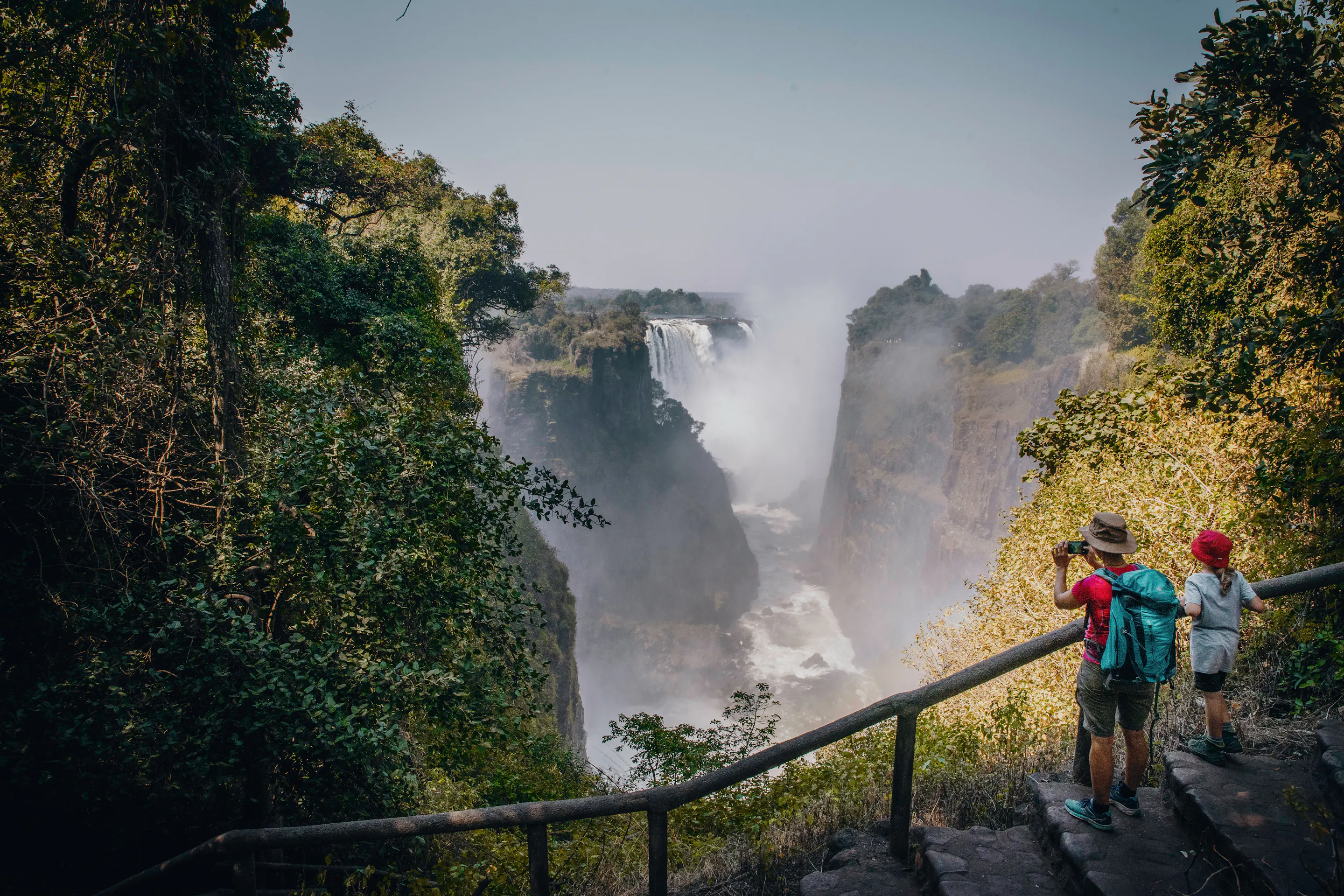
Victoria Falls
You don't just see Victoria Falls, you feel it. The roar, the spray, the hum underfoot. Extraordinary Journeys tailors your stay around your mood, contemplative or adrenaline-seeking.
It’s dry season in Hwange, Zimbabwe’s largest and oldest national park, and finding water is vexing thirsty resident wildlife. Uniquely, there are no permanent water sources in the park, leading animals to congregate in dizzying numbers at pumped boreholes. Back at camp, elephants stand shoulder-to-shoulder at a pool—shockingly close to guests seated on a terrace—snaking their trunks into the water for a greedy gulp. Up-close elephant encounters and throngs of wildlife at the waterhole are just two portraits of what makes Hwange so special. In this guide, we will deep dive into the incredible tented camps, unique activities, and the logistics of a Hwange National Park luxury safari.


Hwange National Park is one of few places in southern Africa that is truly a year-round destination. As in, secret season (“green” or “wet” season) is arguably as appealing as the dry season. Classically, July through late October/early November are the dry months. During this time, wildlife congregates en masse at pumped waterholes. Thin foliage and shorter grasses mean less camouflage for wildlife, and, consequently, easier game spotting for safari-goers. Secret season (“green season”) usually starts in November and stretches to about April. October is the hottest month, with an average temperature of 94°F, but often exceeding 100°F. If you can stand the daytime heat, the wildlife viewing in October can’t be beat. Once the rain starts and wet season commences, grasses are long and high, and tree canopies burst into greens. On the Ngomo Plains, grazers arrive to birth their newborns while predators keep watch. If rain falls, it comes in the form of a moody morning or afternoon shower which might stop as abruptly as it started, and clears the skies.
Best
Jun
Jul
Aug
Sep
Oct
June - October
Good
Jan
Feb
Mar
Apr
May
Jun
Jul
Aug
Sep
Oct
Nov
Dec
January - December
Hwange National Park is commonly paired with other safari destinations in Zimbabwe, Botswana (Linyanti and the Okavango Delta), and a visit to Victoria Falls. For a nice contrast of landscapes and experiences, some travelers combine it with Greater Kruger via Victoria Falls.
You don't just see Victoria Falls, you feel it. The roar, the spray, the hum underfoot. Extraordinary Journeys tailors your stay around your mood, contemplative or adrenaline-seeking.
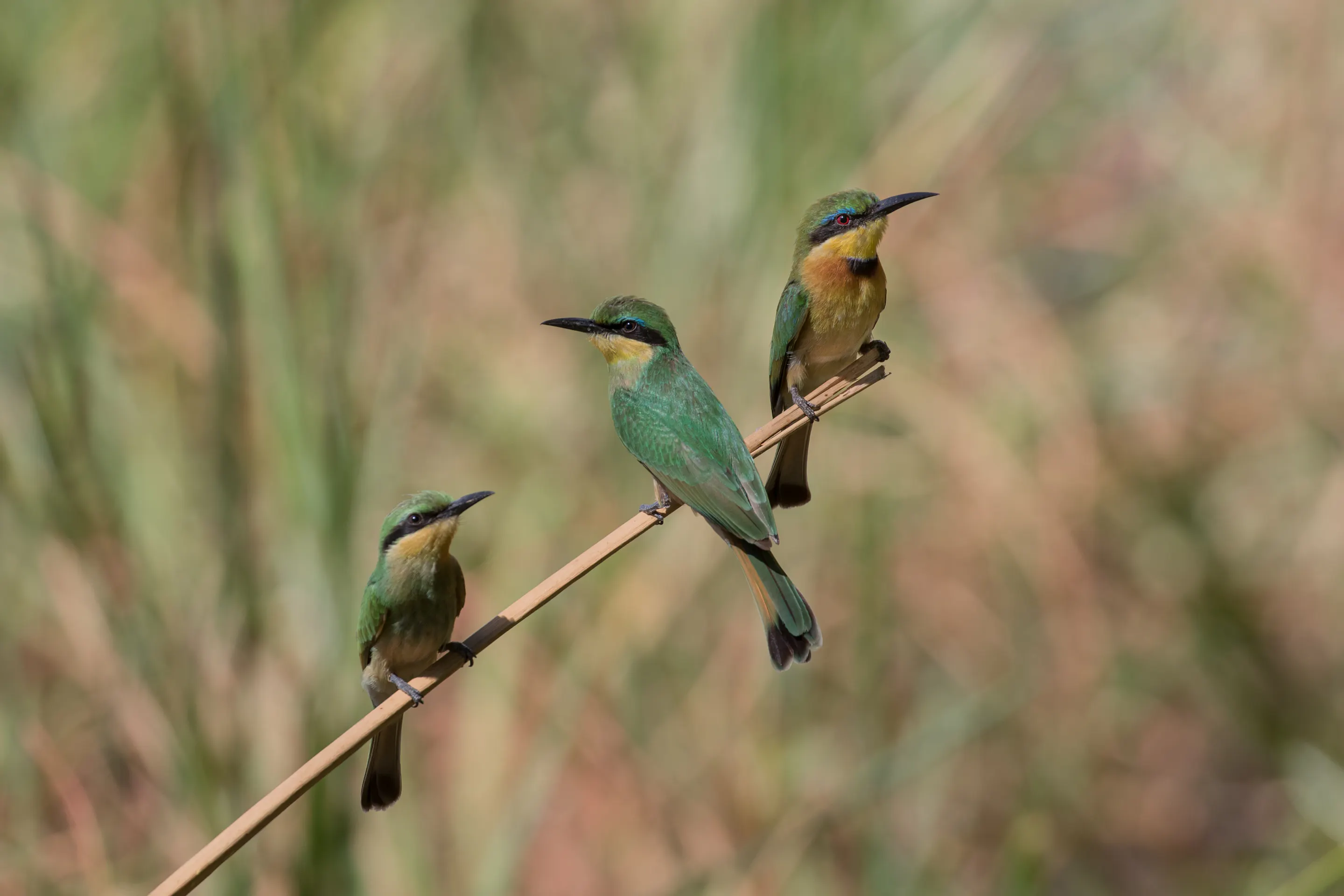
The Linyanti area in northern Botswana is made up of large private concessions including Linyanti, Selinda, and Kwando.
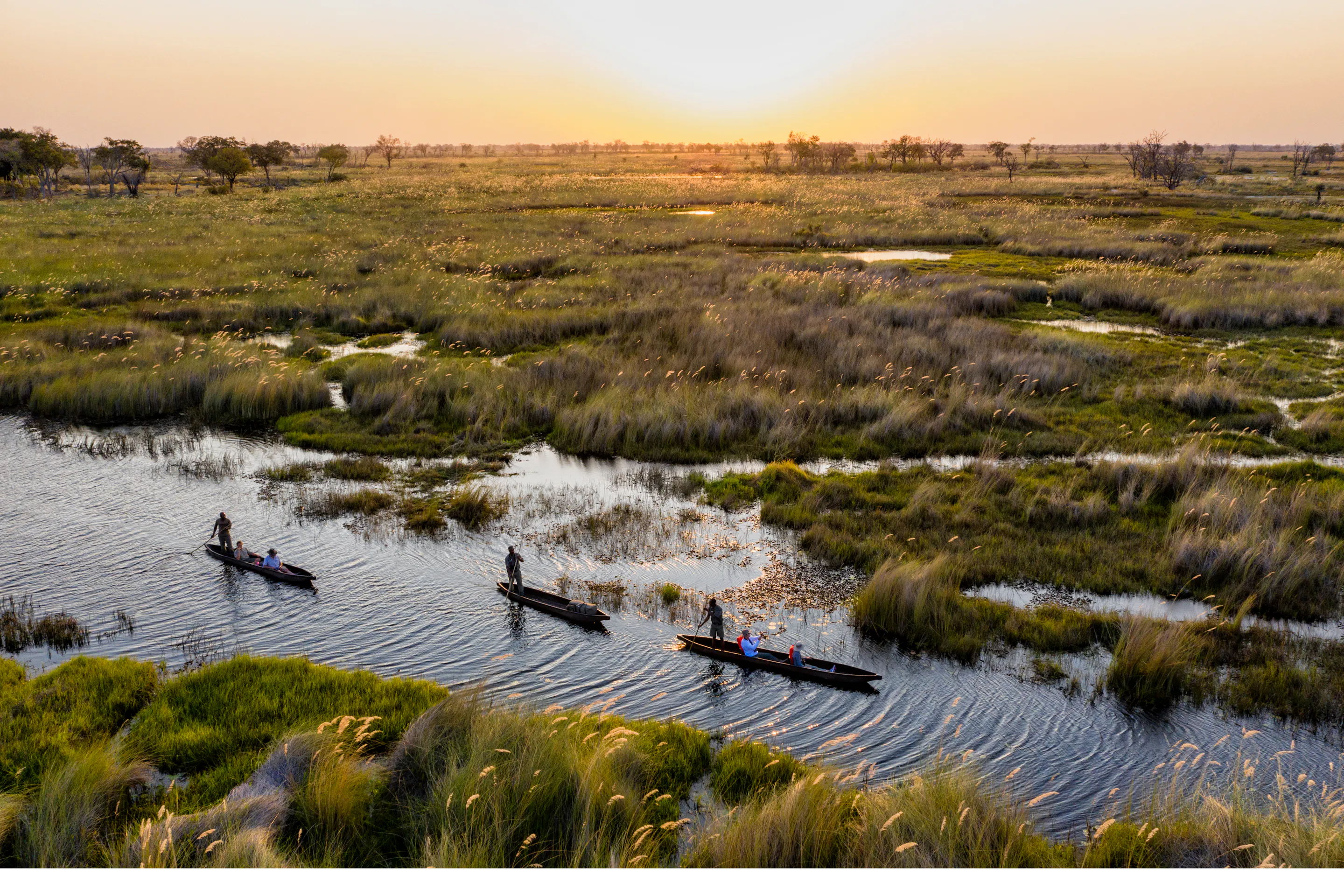
An Okavango Delta safari is one of the most unique safari experiences in Botswana and all of Africa. The region marks one of the world’s only inland Deltas, fed by rivers that rush down from Angola and create a braided waterway system from June to September.
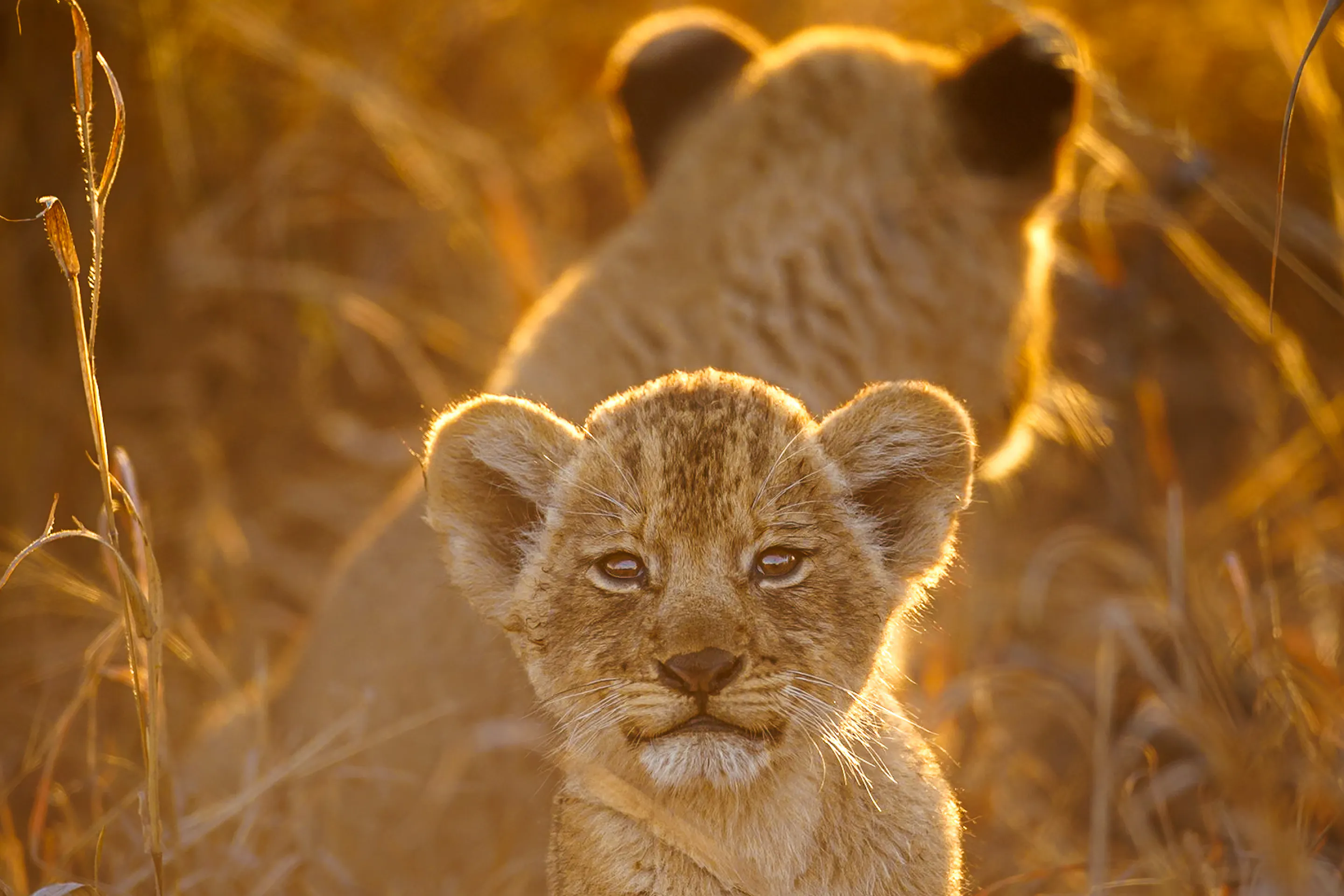
Kruger National Park is South Africa’s flagship safari destination. A leopard stronghold, it’s one of the best places to spot these elegant cats. With healthy wildlife populations and so many mixed species, every game drive in Kruger has thrilling potential.
Specialists with firsthand knowledge and deep local insight
Every trip designed uniquely for you
Engaging, adaptable guides who bring each place to life
Personalized pre-trip calls and curated documentation
A personal contact managing every detail on the ground
Complete care, every step of the way