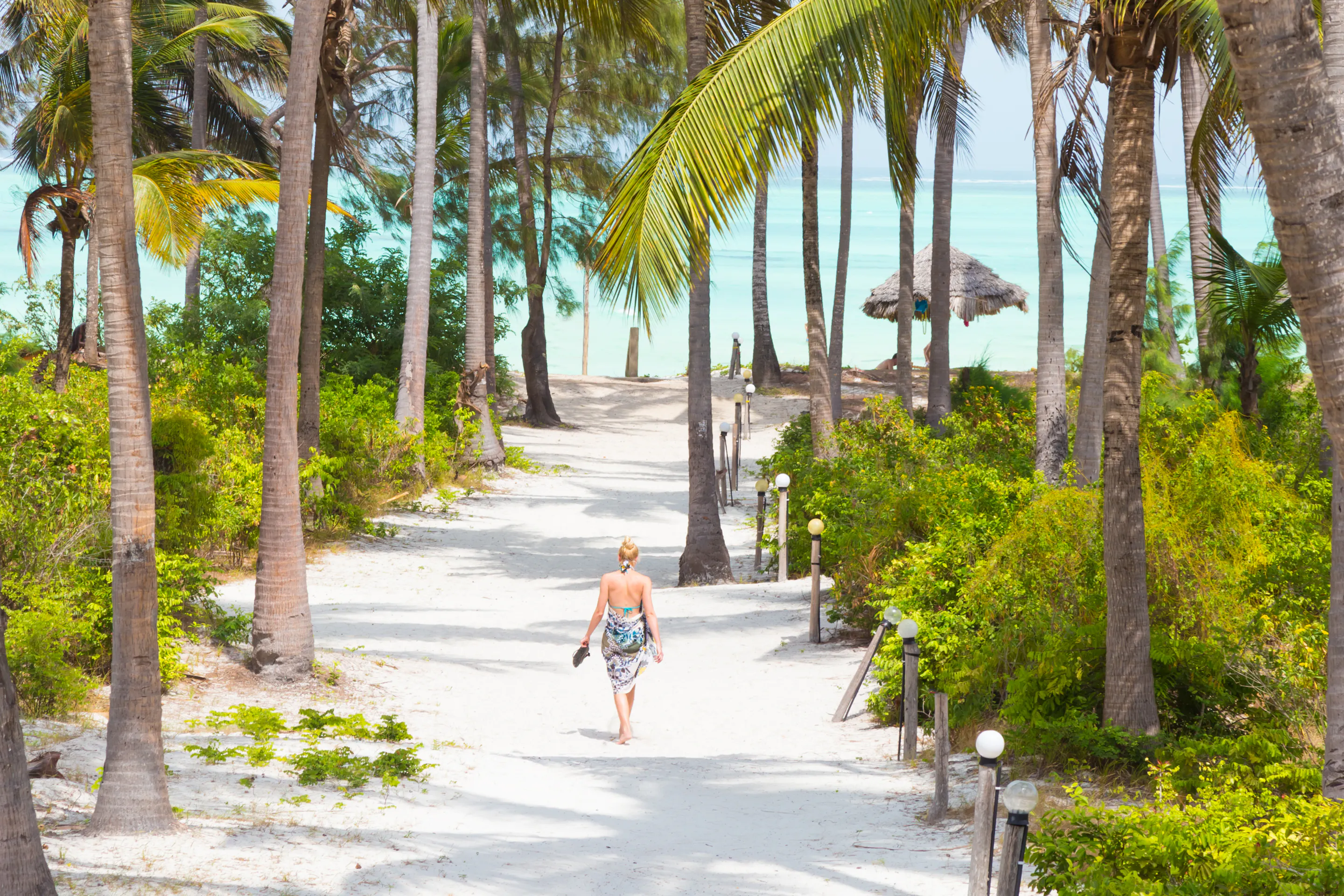
Zanzibar
Famous for white sand beaches, Swahili culture, and a spice trade history, Zanzibar is commonly included at the end of a Tanzania or Kenya safari for a relaxing end to an extraordinary journey.
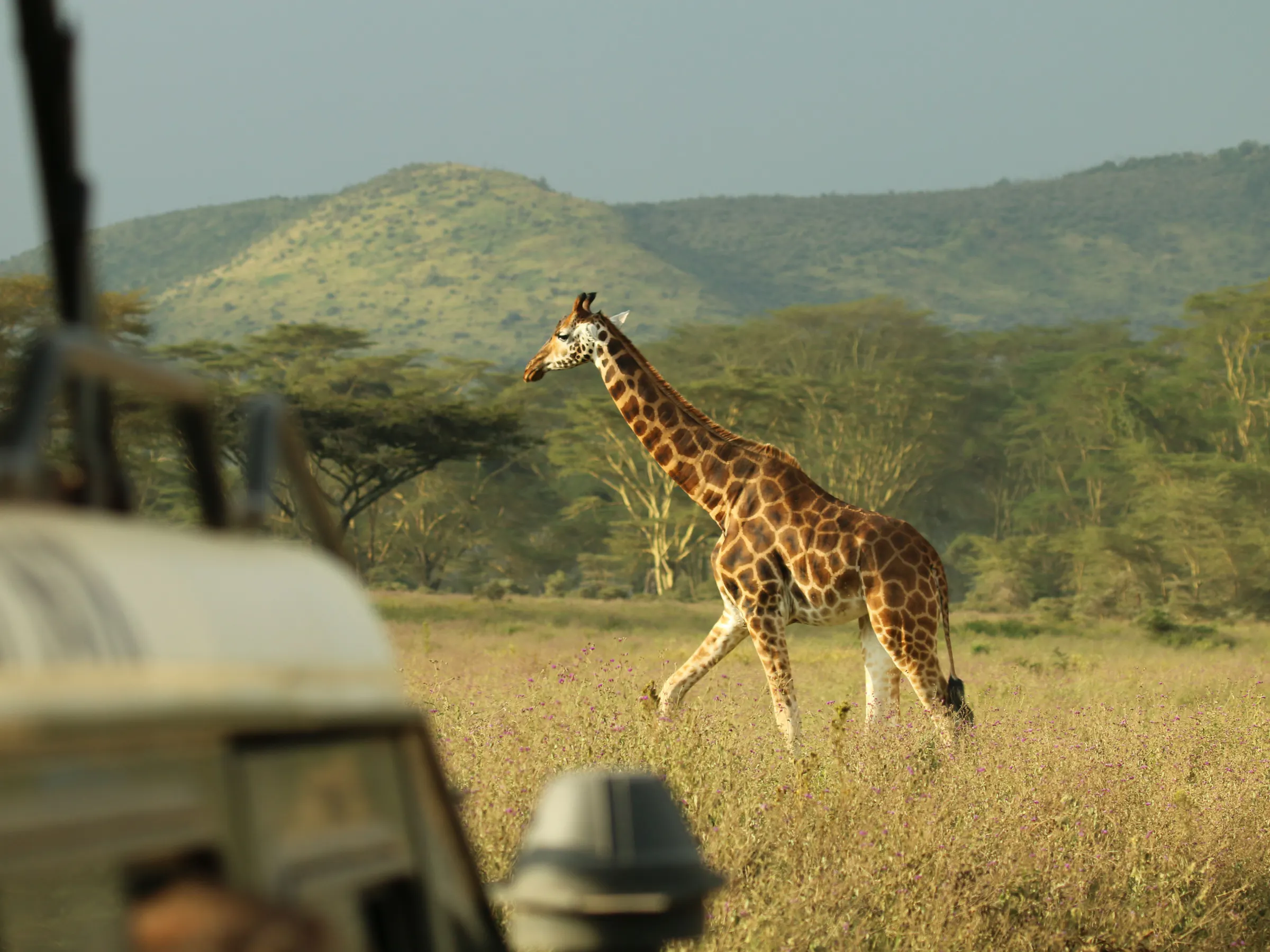
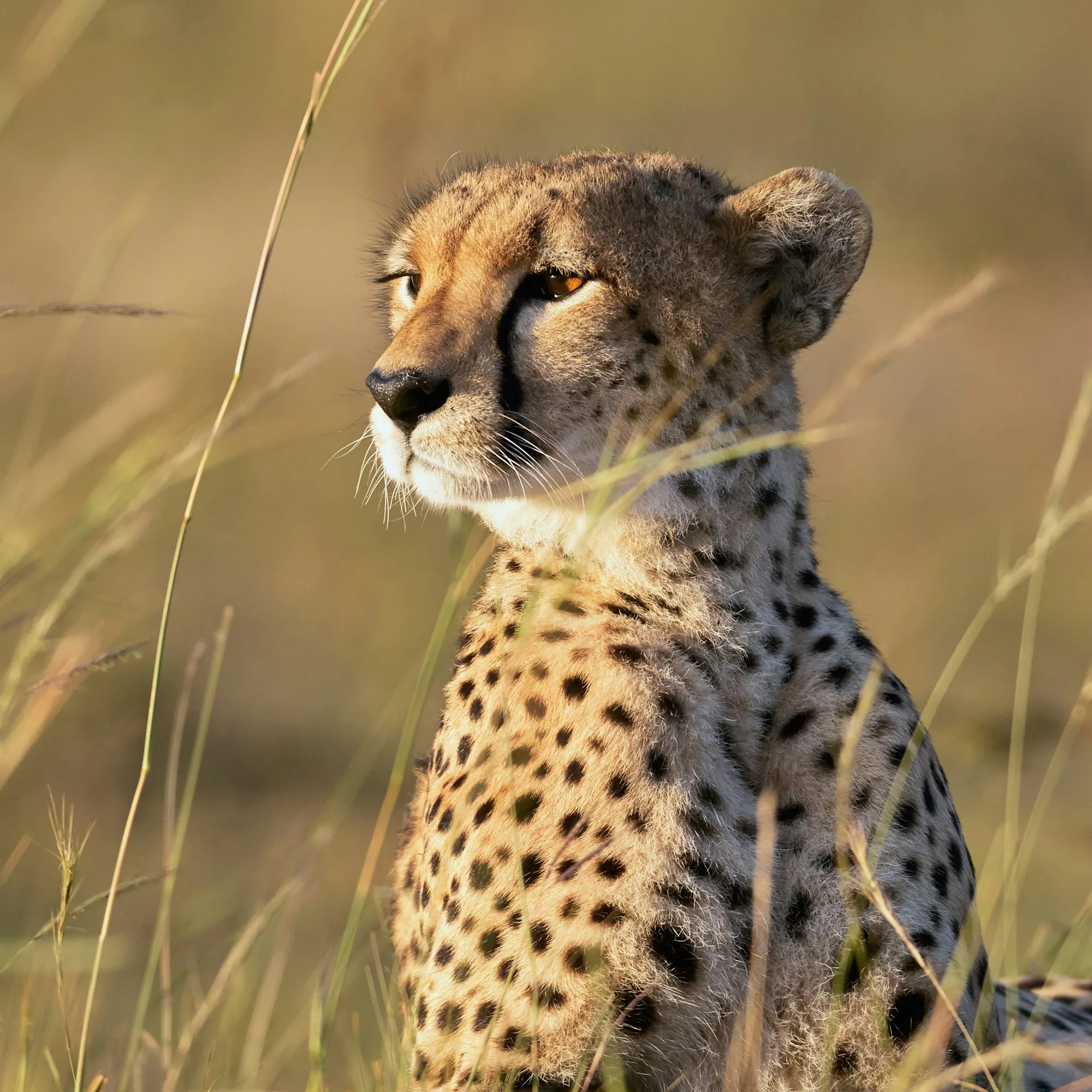
Its landscape is varied with rolling plains, woodlands, rocky outcroppings, and numerous lakes, lagoons, and tributaries formed by the Rufiji River. Nyerere National Park contains one-third of the world’s wild dog population alongside one of Africa’s largest populations of giraffe. The Rufiji River also provides excellent game-viewing, particularly during the dry season (June-October), when big game joins the hippos and crocodiles at the water’s edge. November through March is the hottest time of year and might be a bit uncomfortable for most travelers, but it’s a dry heat, and the trade-off might be worth it for epic predator sightings, the arrival of baby animals, the best chance to see wild dogs, and lower rates. Camps are closed in April and May during the long rains.
A visit to Nyerere puts you within easy reach of many other beautiful and fascinating parts of Tanzania.
Famous for white sand beaches, Swahili culture, and a spice trade history, Zanzibar is commonly included at the end of a Tanzania or Kenya safari for a relaxing end to an extraordinary journey.
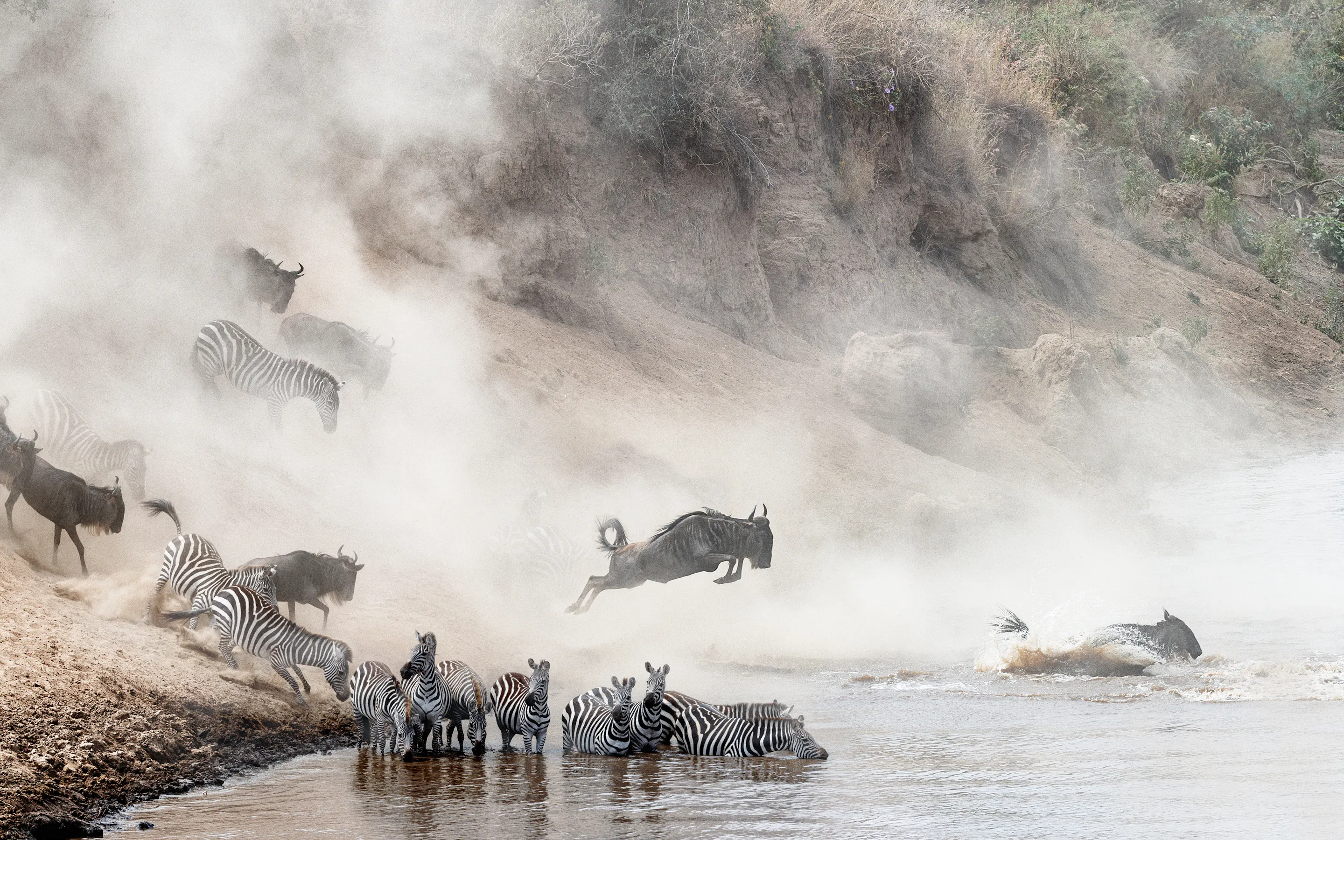
The Serengeti National Park is the heart and soul of Tanzania and the quintessential safari experience.
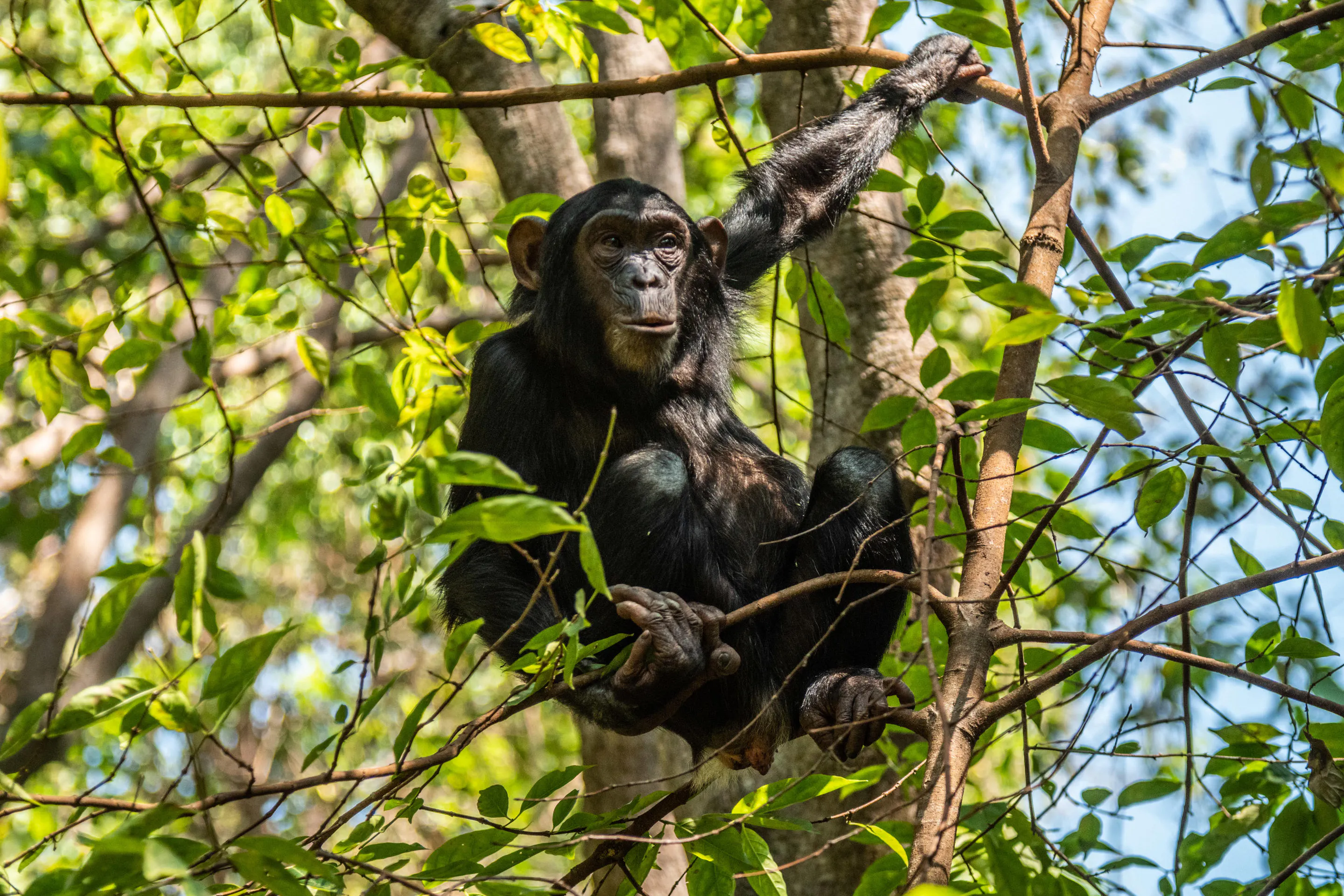
Mahale Mountains National Park is one of Tanzania’s most remote and rewarding sanctuaries.
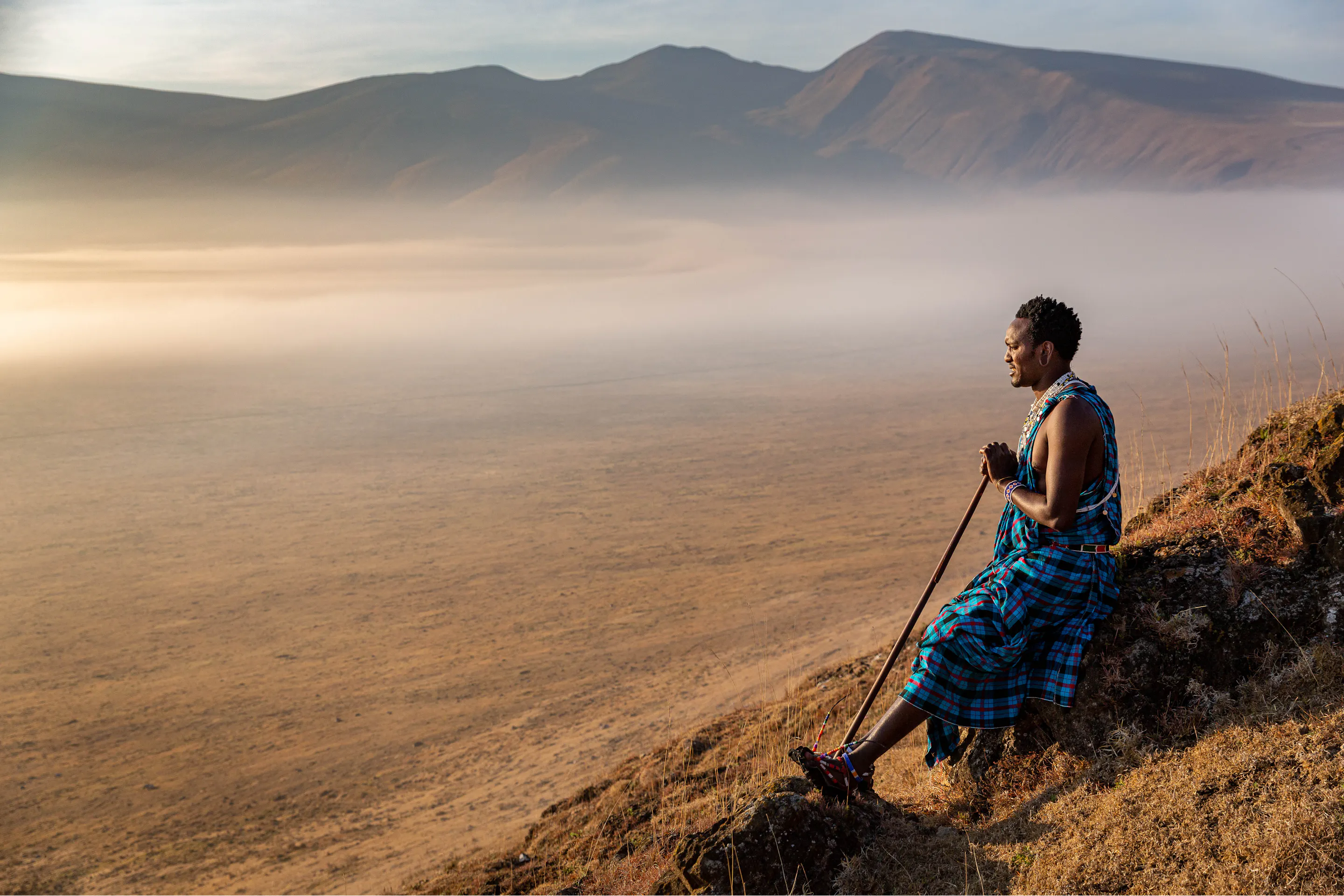
Unforgettable game drives inside a volcanic caldera described as Africa’s “Garden of Eden”

Specialists with firsthand knowledge and deep local insight

Every trip designed uniquely for you
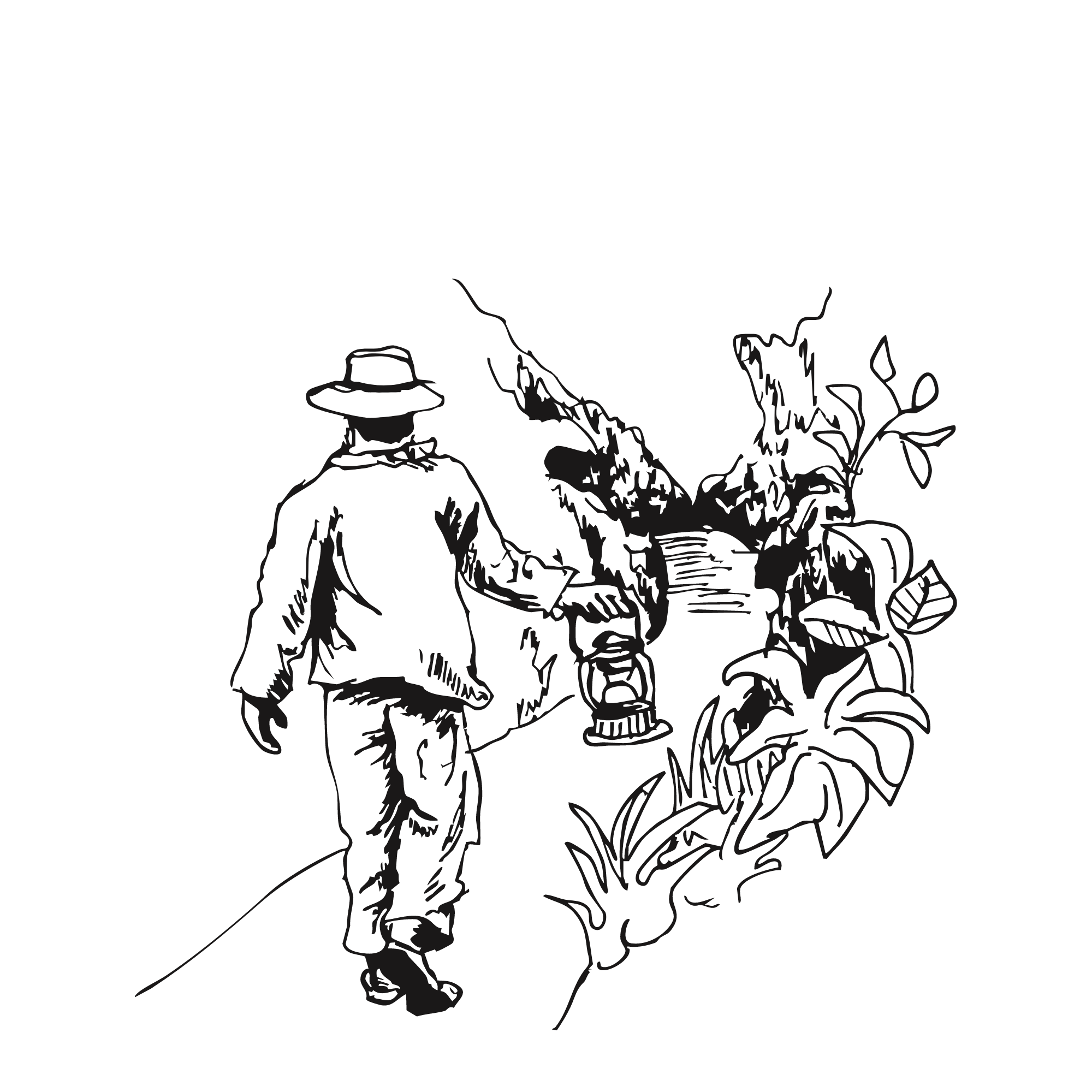
Engaging, adaptable guides who bring each place to life
Personalized pre-trip calls and curated documentation

A personal contact managing every detail on the ground

Complete care, every step of the way