Akagera National Park lies in eastern Rwanda on the border with Tanzania, and is the only place where you’ll experience a traditional, big game Rwanda safari.
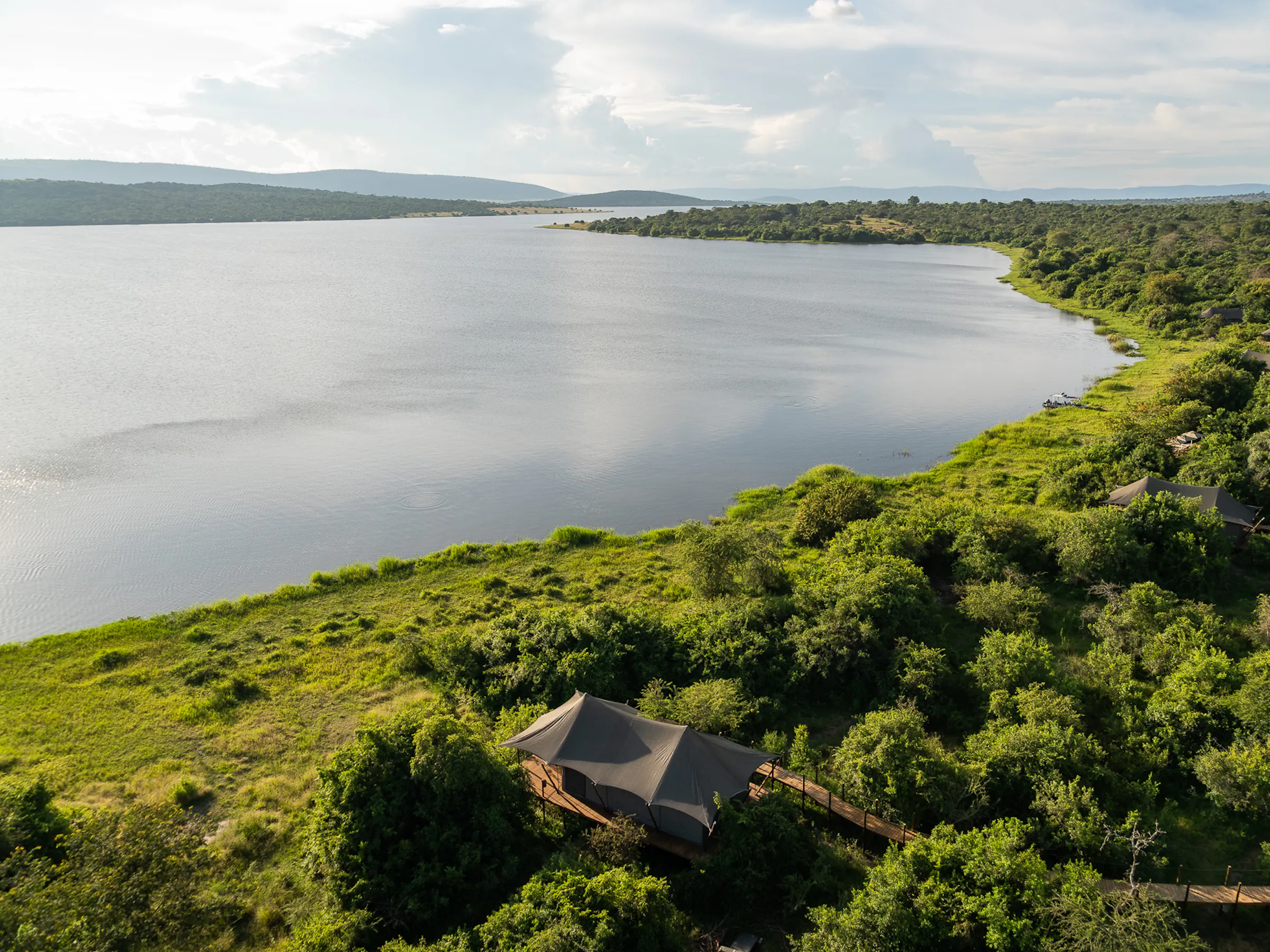
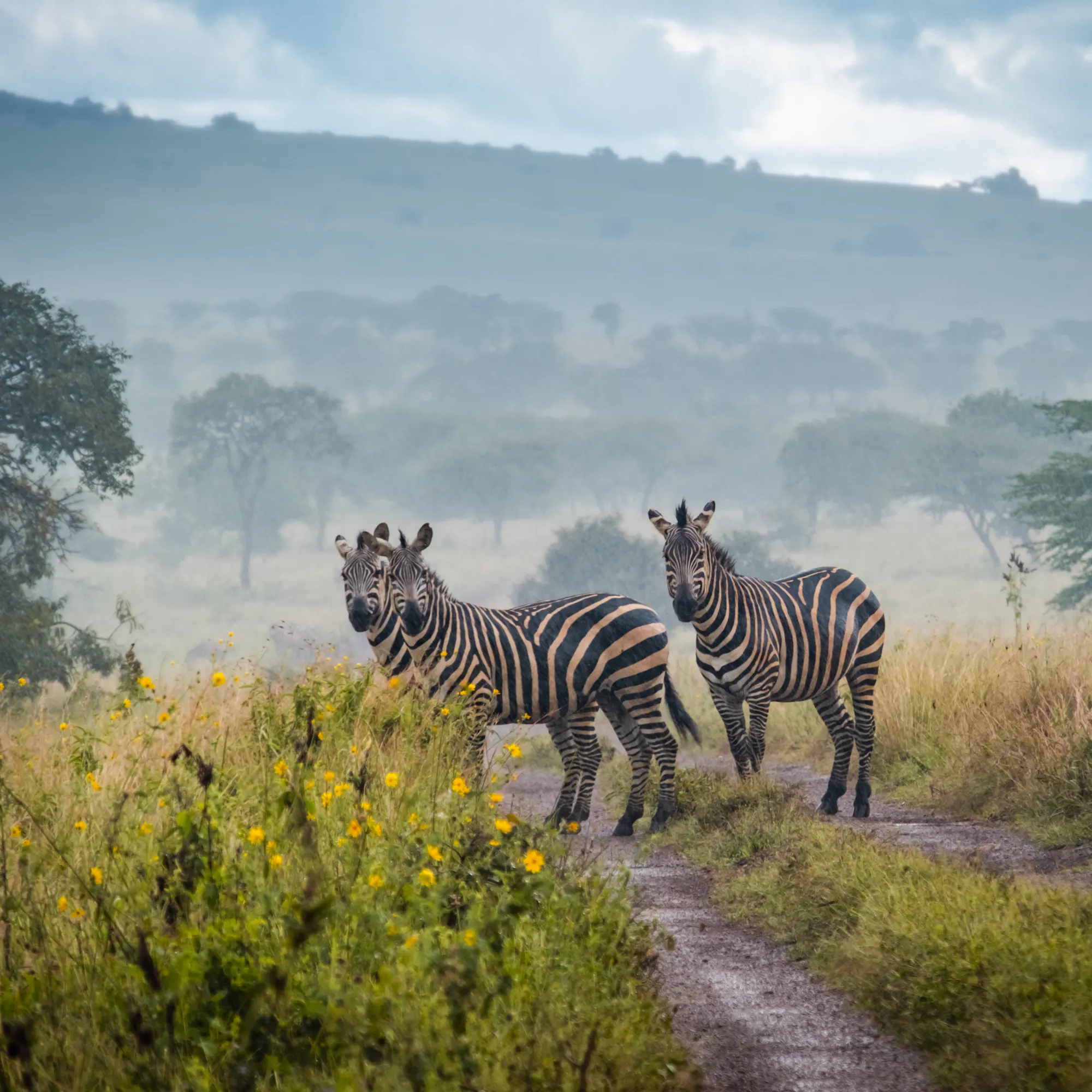
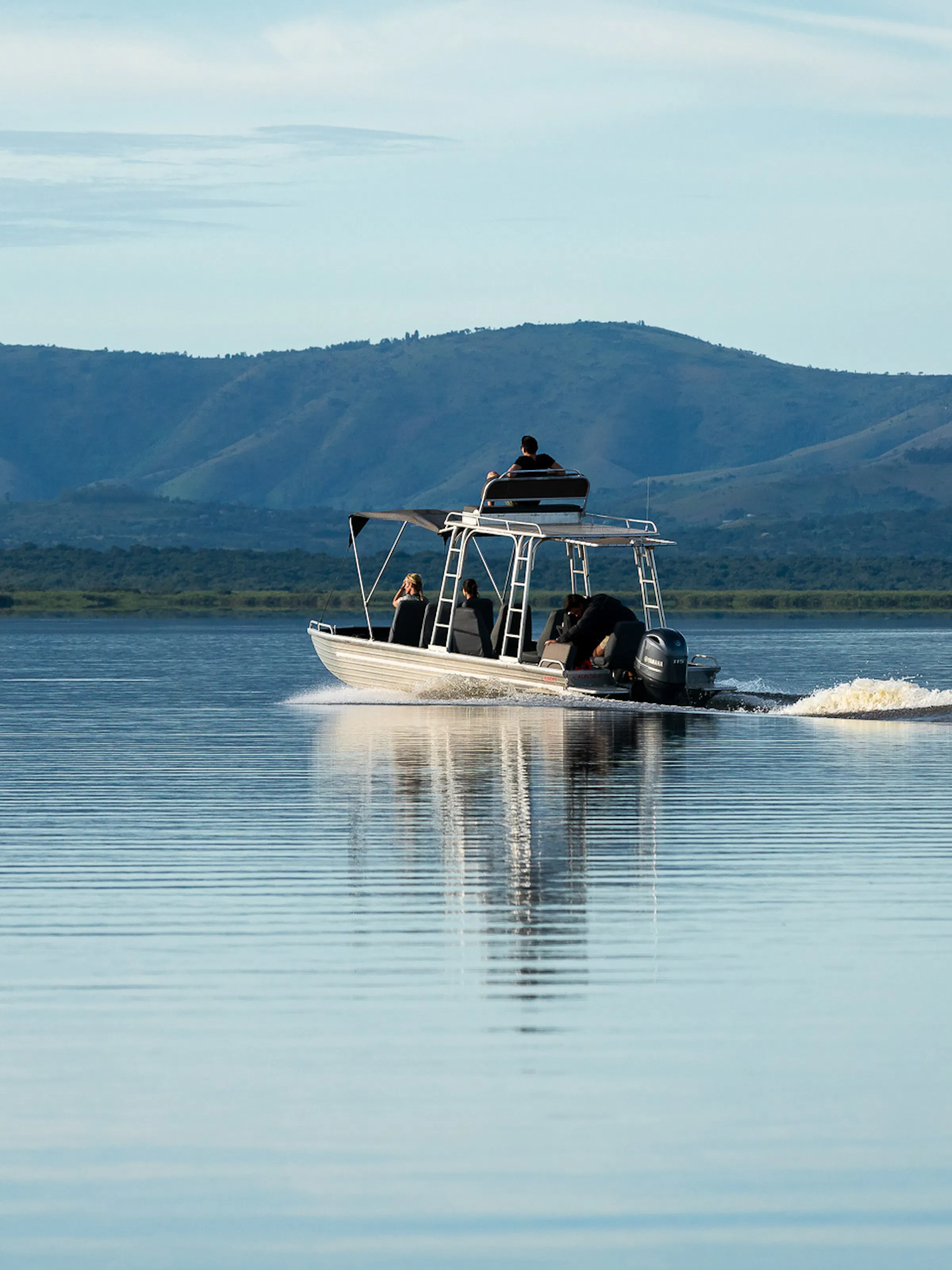
Out here in the savanna, black rhinos rustle about in the grasses that sway and whistle in the warm wind, gnarled trees camouflage leopards, and hippos rear their slick heads in Lake Ihema. You’ll have the chance to spot these magnificent creatures and other Big Five animals on game drives and boat safaris here—but it wasn’t always this way. The park and its wildlife were devasted during the genocide and its rehabilitation into the flourishing ecosystem it is today is one of Africa’s greatest conservation success stories. In 2010, African Parks in collaboration with the Rwanda Development Board set out with a new vision for Akagera, supporting the rehabilitation of the landscape, animals, and the surrounding communities. Wildlife here is less habituated, so can be a bit more elusive than in places such as Greater Kruger or the Serengeti. But witnessing rewilding and conservation in action here is moving—and the chase is part of the fun. Plus, the diverse landscape on its own, encompassing savanna, woodland, and wetland ecosystems, is reason enough to spend time here.
The best time to visit Akagera National Park
Akagera National Park is the driest and most savanna-like landscape in the country, but all of those lush forests to the south are so green because of the abundant rain Rwanda can sometimes see, so to make the most of wildlife tracking in the park, plan your trip between June and September during the longest stretch of dry weather. March to May is the rainy season, when most of the country sees steady, heavier rain, at least in the afternoons, making game drives in the park muddy and hard to navigate. October to November is a shorter rainy season and it’s followed by a short dry season from December to February.
Best
Jun
Jul
Aug
Sep
June - September
Good
Jan
Feb
Jun
Jul
Aug
Sep
Dec
January - February
June - September
December - December