Timbavati vs. Sabi Sands: Which is better?
Should you stay in Sabi Sands or Timbavati? Use this Kruger safari guide to decide.

October 21, 2026
Settling the Sabi Sands vs. Timbavati safari debate
Sabi Sands and Timbavati are two premier safari reserves located on the western hem of Kruger National Park. Both are famous for excellent Big Five game viewing, scenic lowveld beauty, and gorgeous luxury lodges.
Given their similar size and relative proximity, safari-goers often make the Sabi Sands vs Timbavati comparison when determining where to stay.
The truth is, we love both Sabi Sands and Timbavati. (And Thornybush, too!) When debating between the two, there is no “wrong” choice and it’s perfectly fine to combine a visit to each reserve on a single itinerary.
Nonetheless, let’s tease apart the differences in the case that one quality suggests a better fit for your safari interests, preferences, or budget.
Side-by-side comparison
Timbavati | Sabi Sands | |
Size | ~130,000 acres | ~160,000 acres |
Big five | Yes | Yes |
Signature wildlife | Larger herds (buffalo, elephants) | Leopard stronghold |
Lodge density | Lower (18) | Higher (30) |
Value | Better | Prestige brands; some of the highest nightly rates |
Privacy | Fewer lodges and a larger driving range mean fewer shared sightings | Can feel busy |
Game drives | More guide-led tracking for "earned thrills" | High radio use; sightings found quickly |
Landscape | Mopane woodlands, seasonal waterholes, long plains-game visibility | Woodland savannah; lush riverine growth along Sabi and Sand rivers |
Nearest airport | Hoedspruit | Skukuza or Kruger Mpumalanga International |
Reasons(s) to choose | Value, privacy, wilderness feel | Maximal sightings in a short duration; easy connections to Mozambique or Victoria Falls |
What is Timbavati famous for?
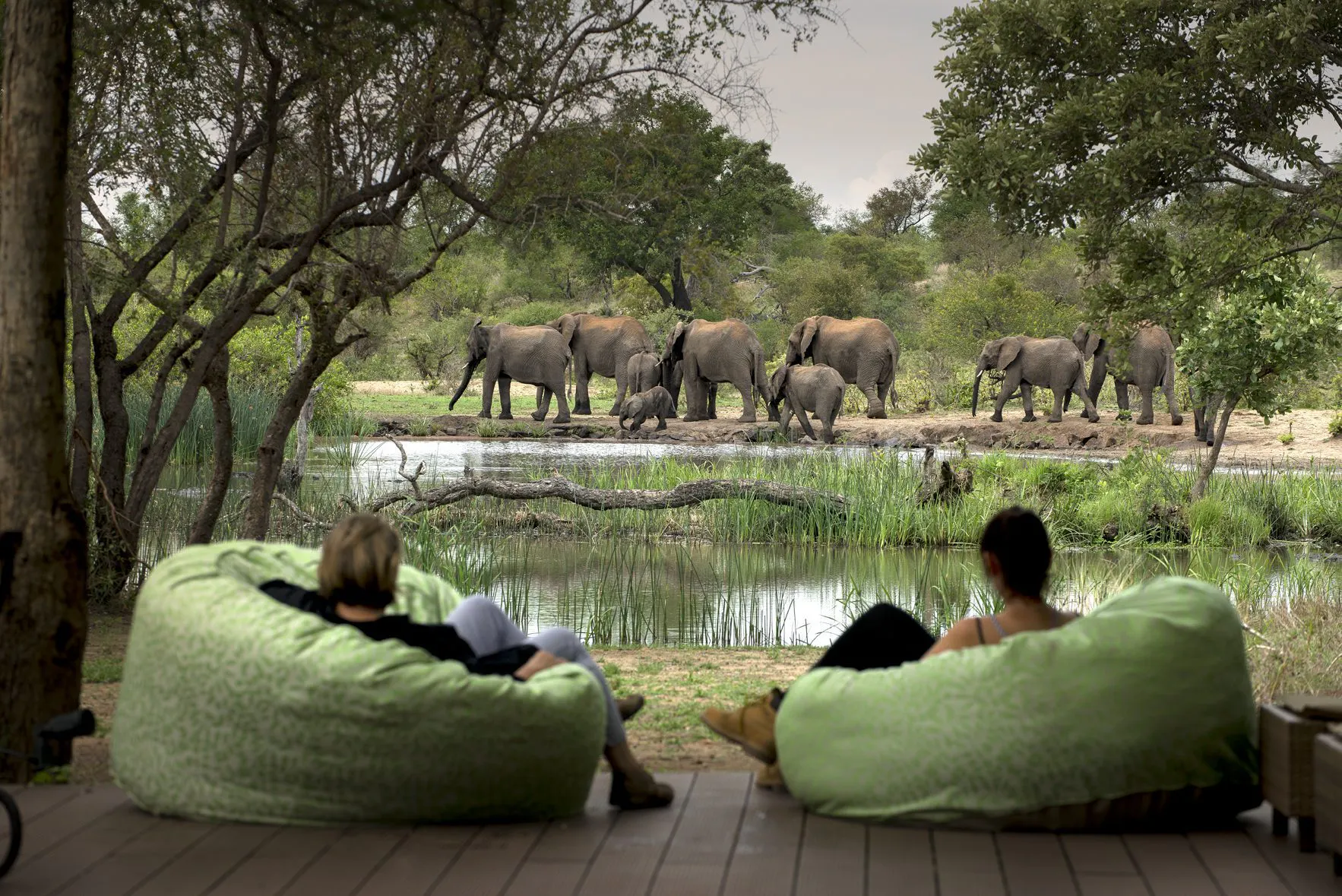
Timbavati is a 130,000-acre wilderness famous for Big Five Game viewing in Greater Kruger. It lies a bit north of Sabi Sands, separated only by Manyeleti Game Reserve.
Timbavati has a lower density of lodges than Sabi Sands, which means you’re likely to encounter fewer vehicles on your game drives. For some safari-goers, this is the wilderness ideal they imagined. With less vehicle pressure, you can linger longer at special sightings such as a leopard panting on a sandy riverbed or lions hovering over a kill. The topography of Timbavati is well suited for plains game such as wildebeest, which are not often seen in Sabi Sands; there are also plenty of rhino and lion. Leopards are present in Timbavati, but dense riverine vegetation, like that of Sabi Sands’, is their preferred habitat.
With less Land Cruisers crisscrossing Timbavati, there tends to be “fewer eyes on the bush.” It means that you’ll have to work slightly harder for your wildlife encounters—and that’s not a bad thing. (Don’t get us wrong, you’ll absolutely stumble across something as soon as you set off.)
When your guide is less reliant on his radio for tip-offs and assured sightings, old-school safari magic takes hold. Reading the signs of the bush—scanning for tracks and scat, and listening for the telltale call of guinea fowl—you earn your thrills. Game drives feel more like a satisfying game of hide-and-seek, and you get to help out. Between Big Five sightings, your guide will call attention to a cast of smaller, supporting safari actors, unique flora, and incredible birdlife. Working in greater collaboration, you’ll form a closer relationship, making for a more profound experience.
What is Sabi Sands famous for?
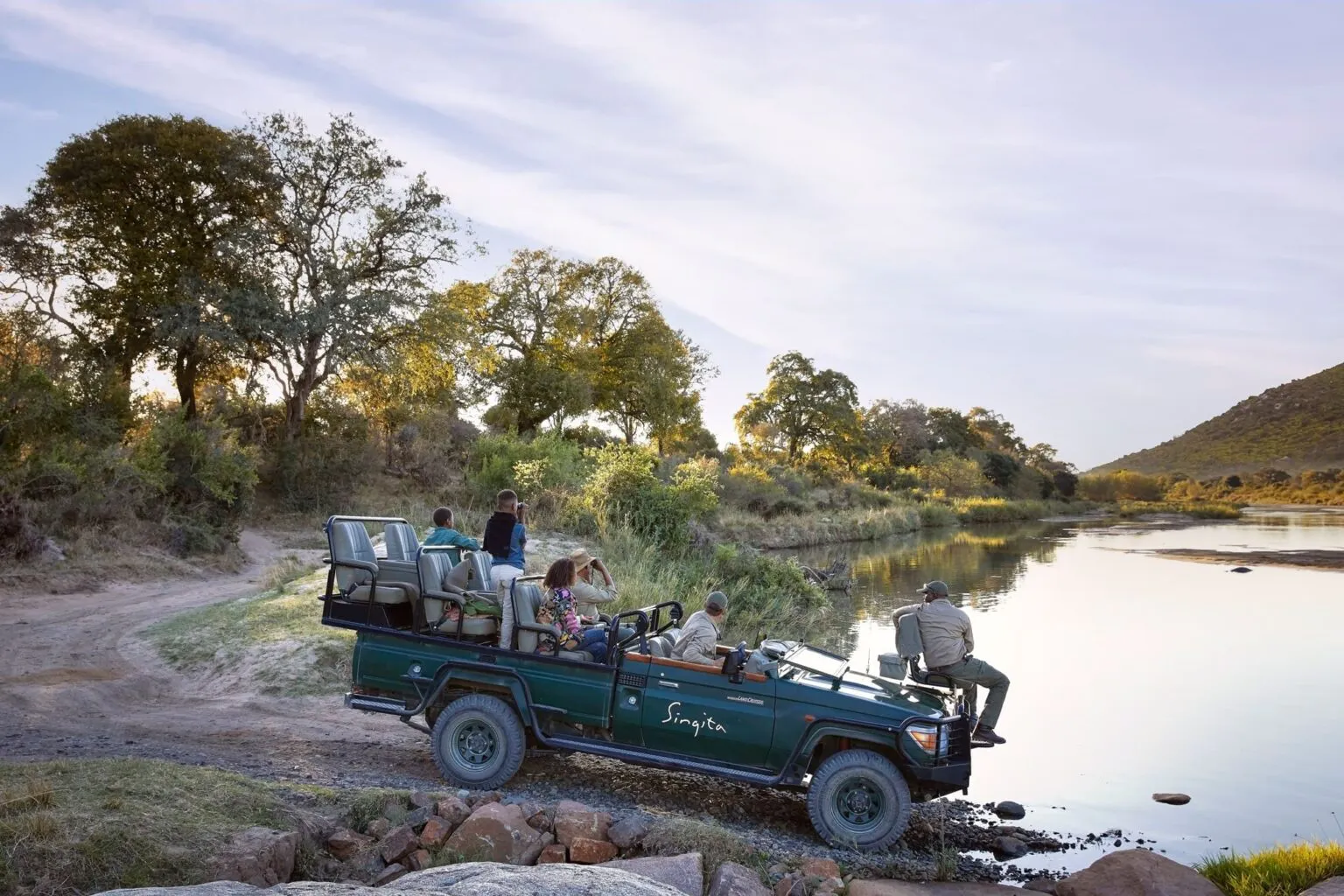
Sabi Sands is a 160,000-acre wilderness in Greater Kruger that has cultivated a reputation for exceptional Big Five game viewing and prestigious lodges.
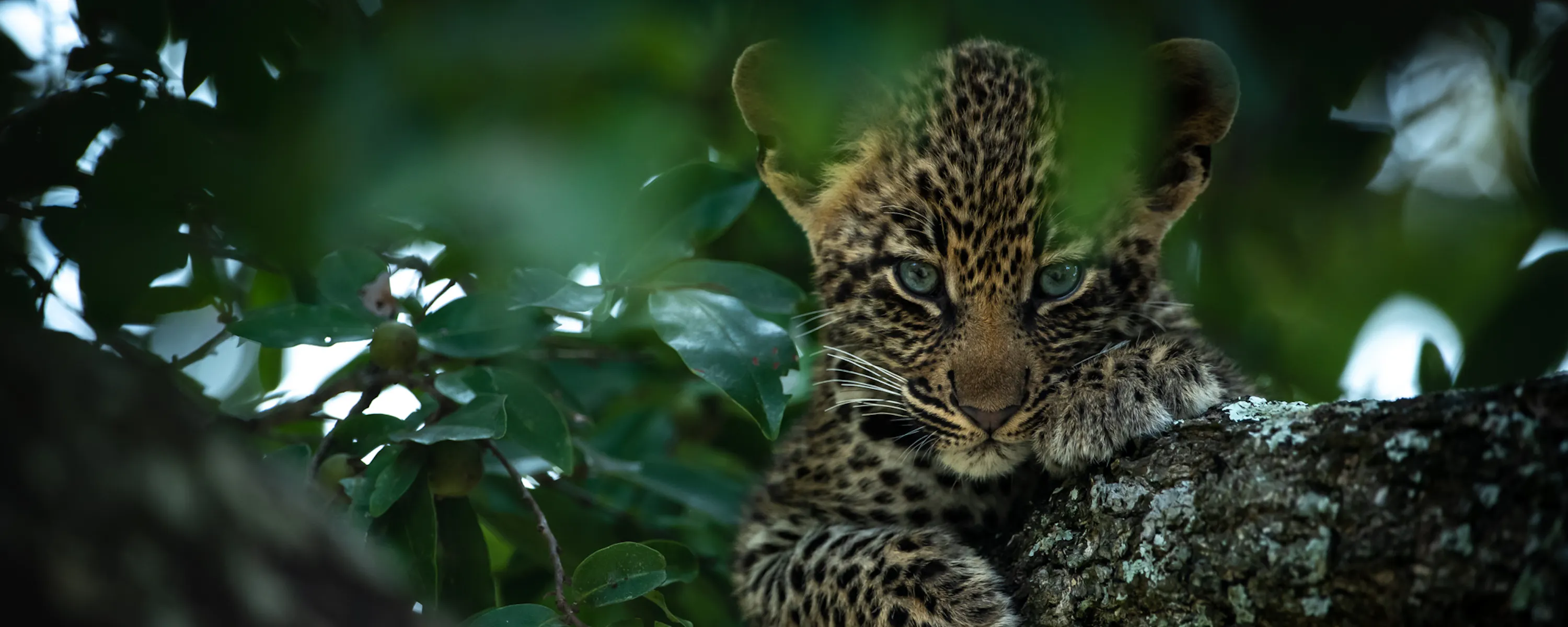
Blanketed with woodland savannah, Sabi Sands’ major geographic differentiator is its rivers. The Sabi and Sand flow through this wilderness, and prior to its tenure as a private game reserve, cattle farmers had drilled plentiful boreholes to hydrate their livestock. Consequently, wildlife flocks to Sabi Sands’ year-round waterholes. The rivers also support lush riverine vegetation that carpets their banks. The dense cover is a refuge for leopards and rhino, and a buffet for herbivores. (In fact, Sabi Sands boasts the highest density of leopards in the world.) It all culminates in game-rich safaris in a scenic setting.
Peppered across Sabi Sands are 24 properties, representing some of the best luxury safari lodges in South Africa and the most prestigious brands. Each lodge sits within a smaller slice of the reserve called a concession. Smaller concessions have just one property while the larger ones might feature two or three. The concessions range vastly in size, and not all touch upon a river. The smaller concessions negotiate traversing rights with one another to expand their range, and the larger ones are not beholden to share. Does it matter?
In effect, this means that although you are staying in Sabi Sands, your game drives won’t access the entire acreage. On the ground, it’s possible you won’t notice concession boundaries at all. However, they become quite apparent when you’re not permitted to follow a lion hunt or fast-moving wild dogs past a certain invisible line. Another consideration? Staying on a larger concession, you are less likely to cover the same ground twice across your three-day stay. Last, concession size has an effect on safari pricing. As a general rule, the larger the concession, the greater the exclusivity and the higher the cost.
If it sounds convoluted, don’t worry, your Extraordinary Journeys South Africa destination specialists can help.
Timbavati vs. Sabi Sands: How to Choose?
- You’re short on time: If you only have a couple of days and mostly want to tick boxes, Sabi Sands might be your best bet for a Kruger National Park safari.
- Prestige: Sabi Sands has cultivated a reputation for ultraluxury. Some of the most expensive lodges run north of $3,000+ per person, per day. If you’re looking for a Champagne safari brand, choose Sabi Sands.
- Value: Similar-looking 4.5-star lodges in Timbavati will cost less than those in Sabi Sands. This is not to say that Timbavati is a discount alternative; you won’t even find a mid-range luxury option here. However, if you’re looking for better value, Timbavati is the better choice.
- Privacy: If you prefer to encounter fewer vehicles across a more expansive wilderness, look to Timbavati.
- Accessibility: Relatively speaking, neither reserve is more arduous to reach. Timbavati is accessed via Hoedspruit Airport and Sabi Sands via Skukuza or Mpumulanga International Airport. Travelers shouldn’t really have a preference based on accessibility unless their next stop is Victoria Falls or Mozambique’s dreamy beaches (common South Africa safari extensions). In that case, Sabi Sands offers better proximity to the international airport.
Bespoke safaris
We don’t do copy-and-paste itineraries; every Extraordinary Journey is bespoke. Contact a South Africa safari specialist to start designing your tailor-made safari.
October 21, 2026
Explore our itineraries
Every trip with Extraordinary Journeys is tailor-made, crafted in collaboration with one of our destination specialists. Use these as a starting point, or as inspiration to create your own journey.