A Tswalu safari can be experienced year-round, and each season brings its own delights.
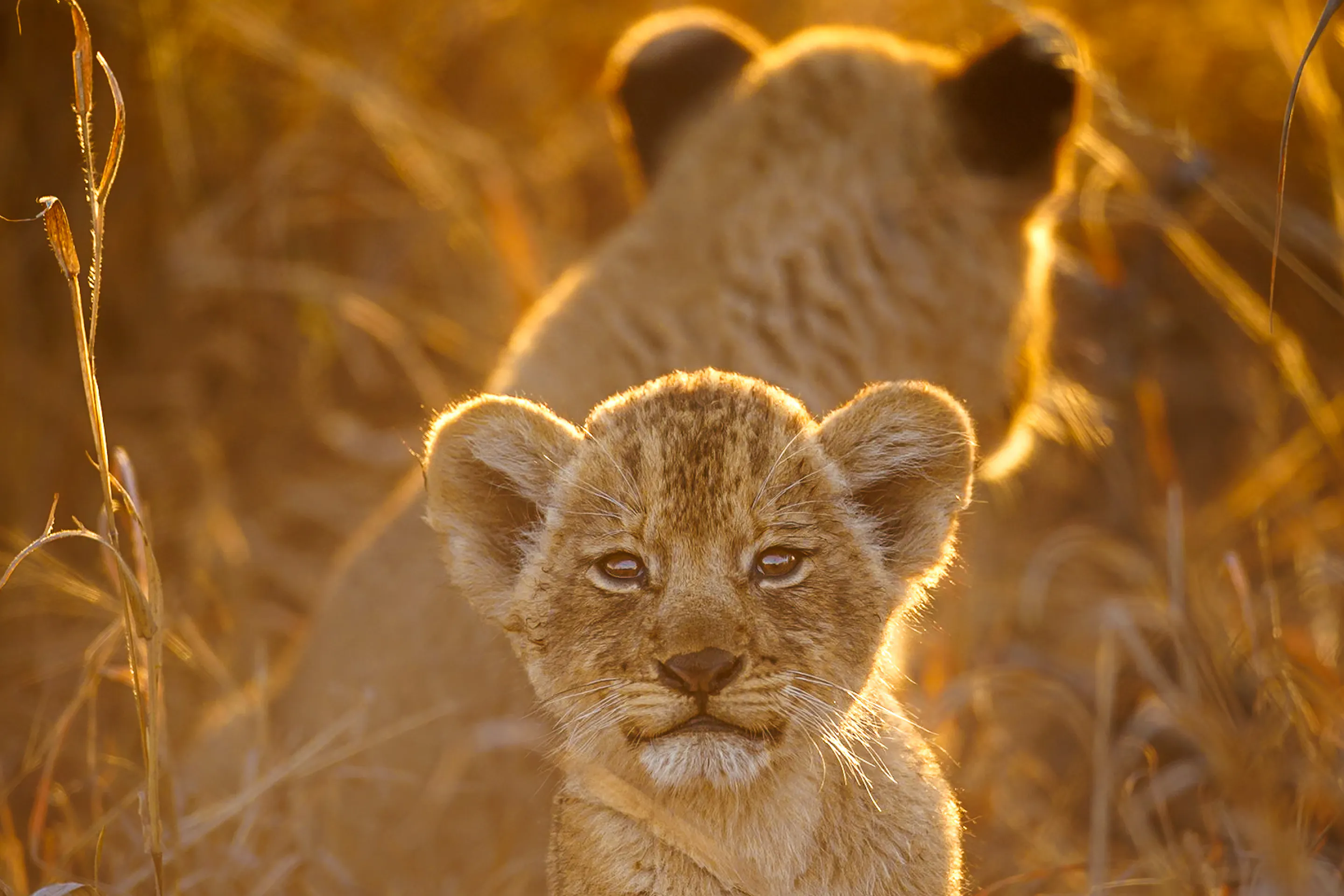
Summer is the southern Kalahari’s longest and most transformative season, stretching from November through March. Days are hot, nights are balmy, and afternoons can bear witness to dramatic thunderstorms. Rain can be an unwelcome sight for travelers but at Tswalu, it’s miraculous. Watch as the veld erupts in florals and grasses are swiftly painted green again. Wildlife responds in kind. In summer, new life is everywhere and migratory birds arrive to share in the abundance.
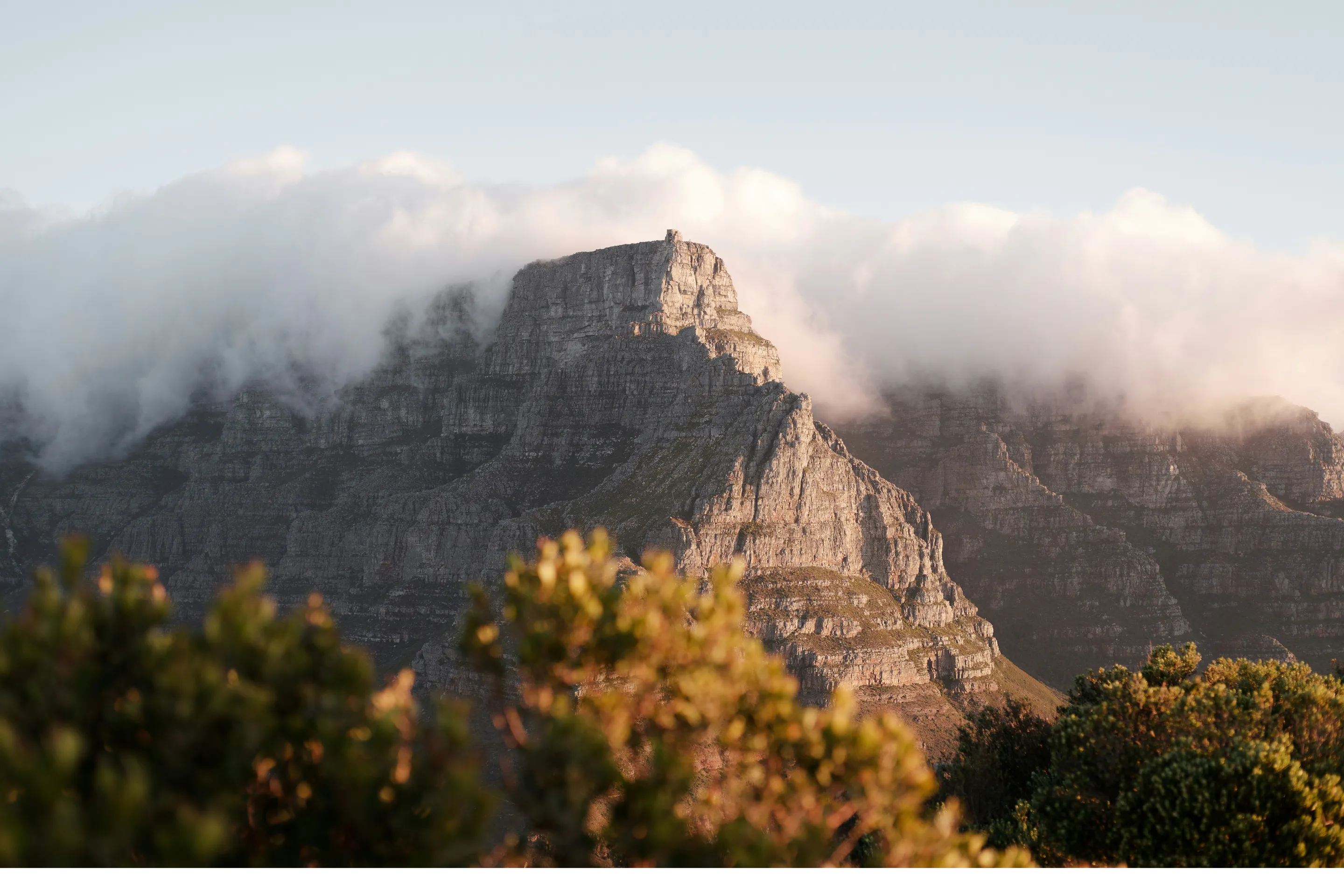
By contrast, the winter months (June, July, and August) at Tswalu are typically dry and clear-skied—ideal conditions for stargazing. On crisp mornings, linger a little longer in bed, just like the meerkats. Set out once the sun has cleared the Korannaberg mountains with cozy hot water bottles waiting on your seat and the savory promise of a packed picnic hamper. Milder winter months are reserved for darting, notching, and microchipping young rhinos—an opportunity for an extraordinary, hands-on conservation experience. It’s also a time when daytime sightings of pangolin are more common.
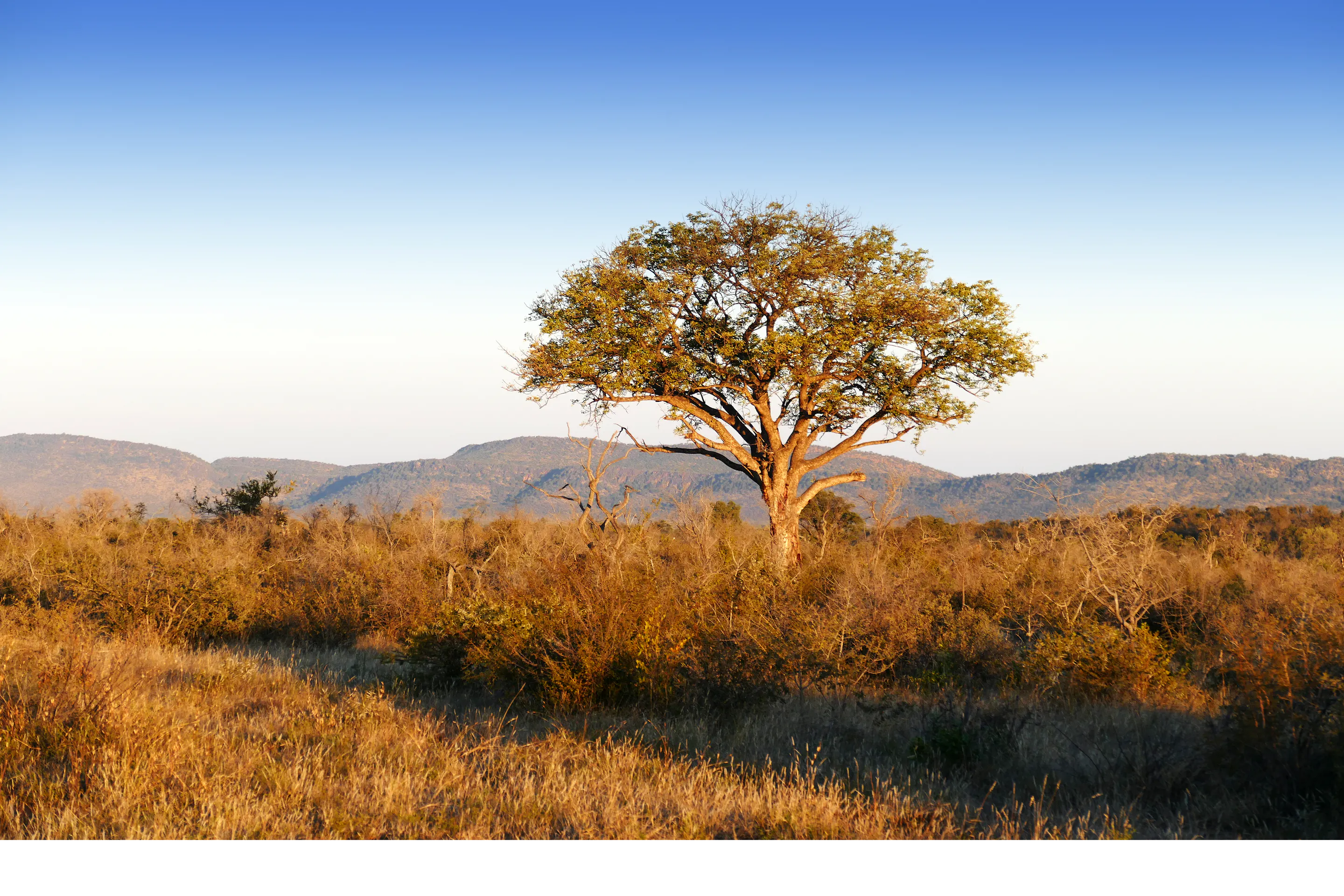
The shoulder seasons are short in the southern Kalahari. In September to October (spring), temperatures begin to rise with the lengthening days. Evenings still carry a chill, so dress in layers. Spring brings a softer side to the “Green Kalahari,” as thorny shrubs burst into bloom and evenings are soundtracked by a chorus of barking geckos.
In fall (April and May), milder days and cooler evenings see the summer rains taper off. The landscape still lingers in shades of green, it’s rutting season, and tortoise and reptile sightings wane as critters slip into hibernation.