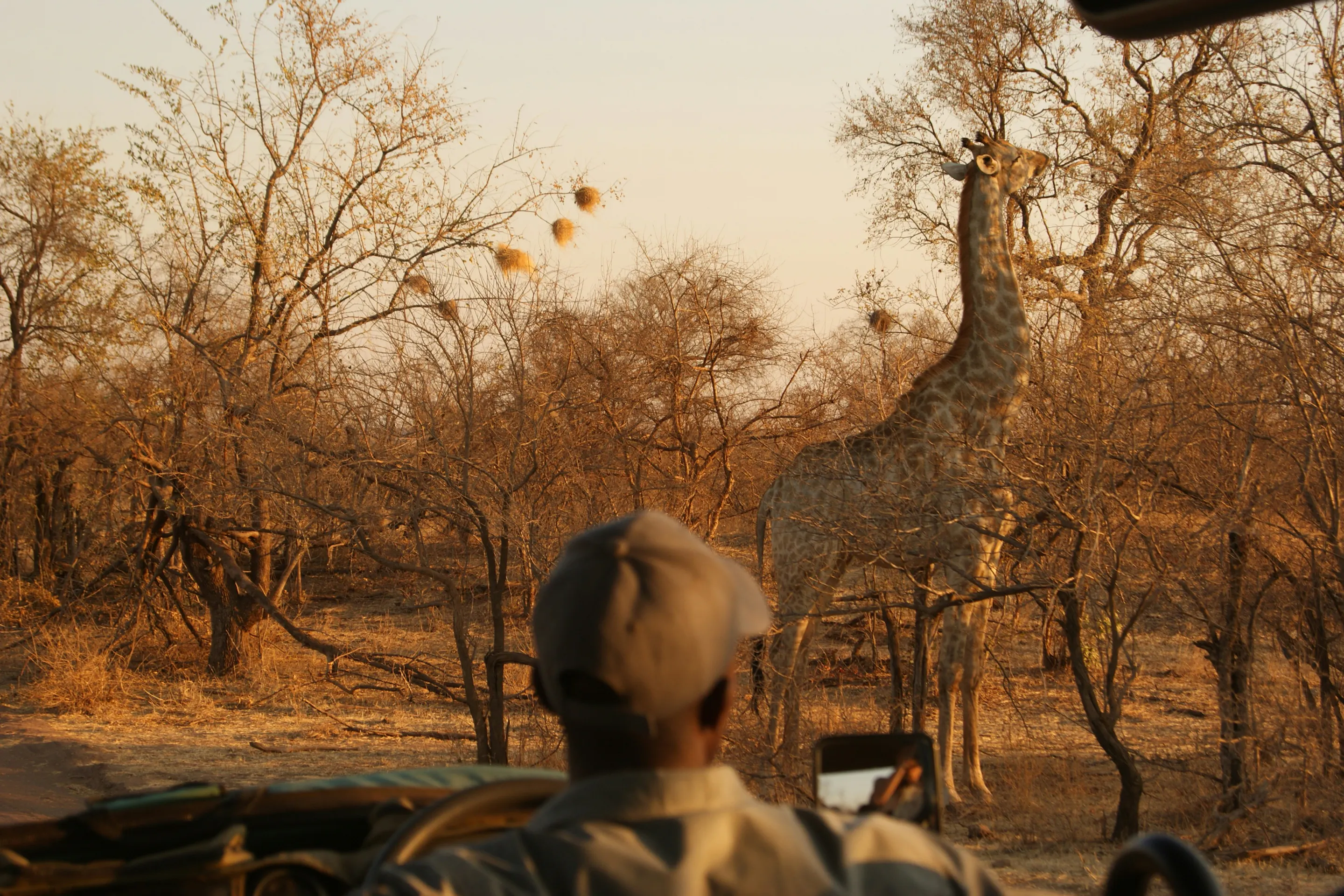
Hwange National Park
Hwange National Park is notable for both its size and legacy. Established in 1930, it spans 5,657 square miles (comparable to the size of Connecticut) with a hilly north and open plains in the south.
The massive gravity-defying granite outcrops here have been shaped by the elements into an intriguing “balancing rock” landscape. With more than 2,000 sites of San (Bushman) rock art, Matobo Hills is an area of great spiritual, cultural, and historical significance.
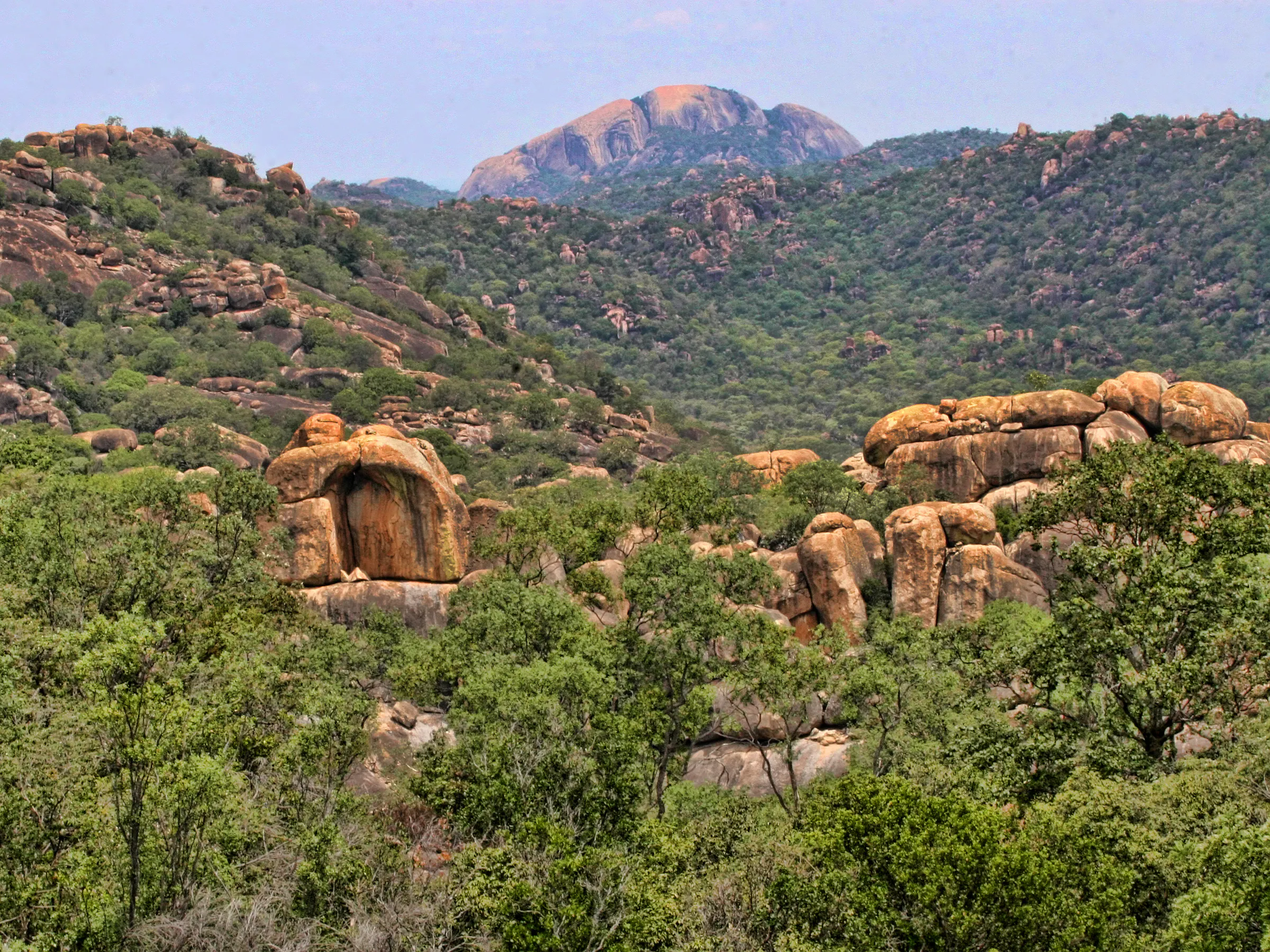
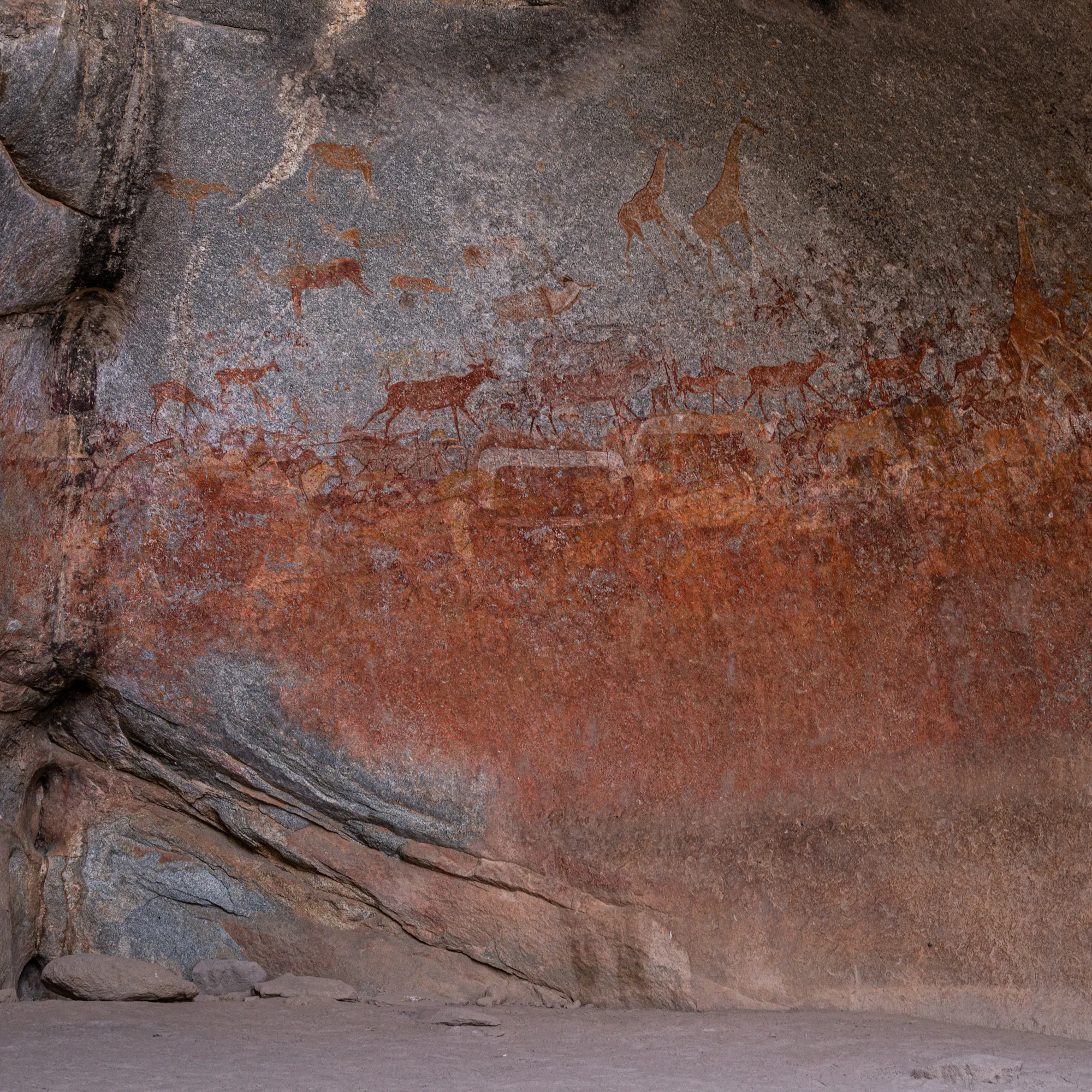
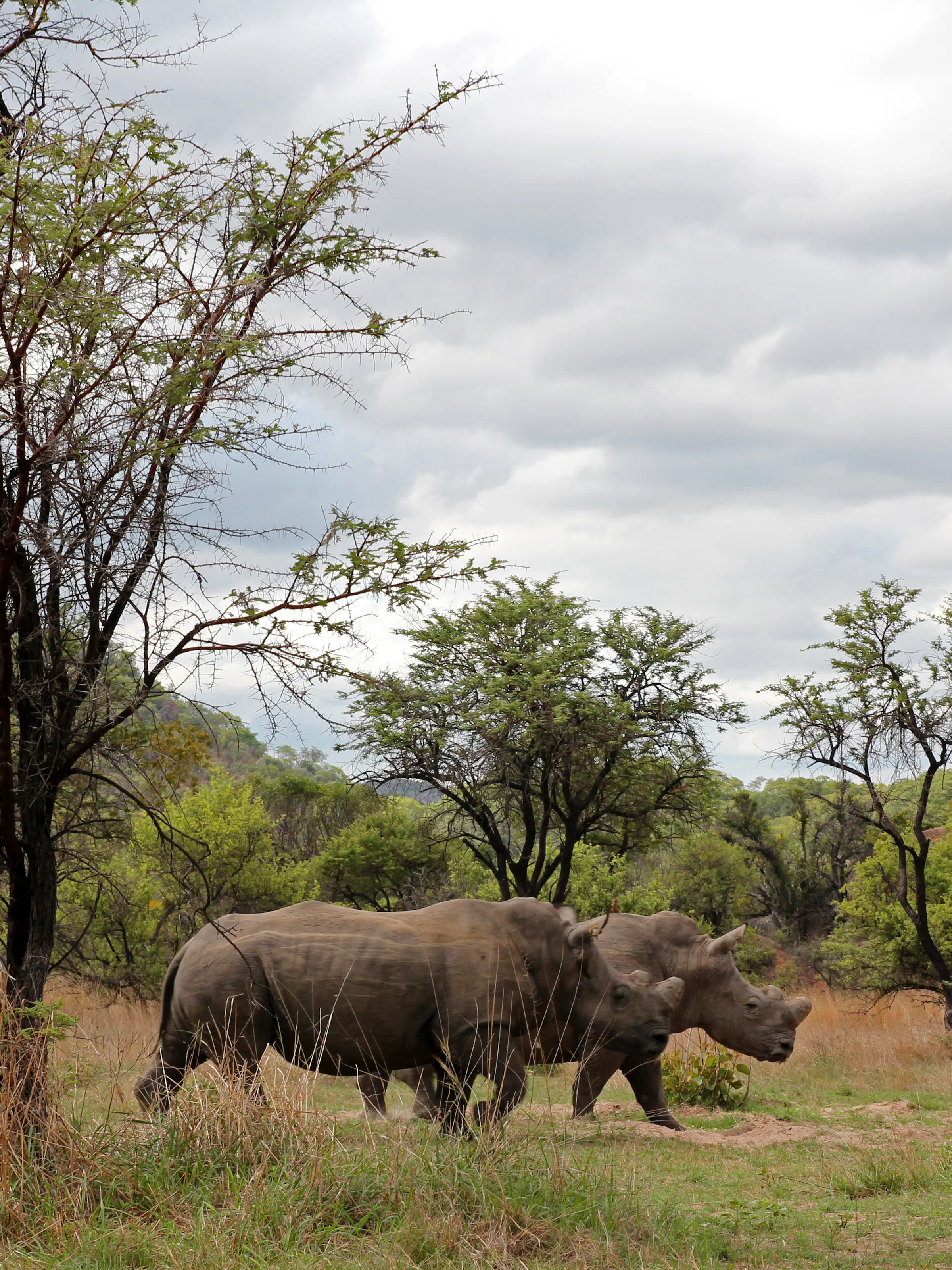
A visit to Matobo Hills National Park puts you within easy reach of many other beautiful and fascinating parts of Zimbabwe.
Hwange National Park is notable for both its size and legacy. Established in 1930, it spans 5,657 square miles (comparable to the size of Connecticut) with a hilly north and open plains in the south.
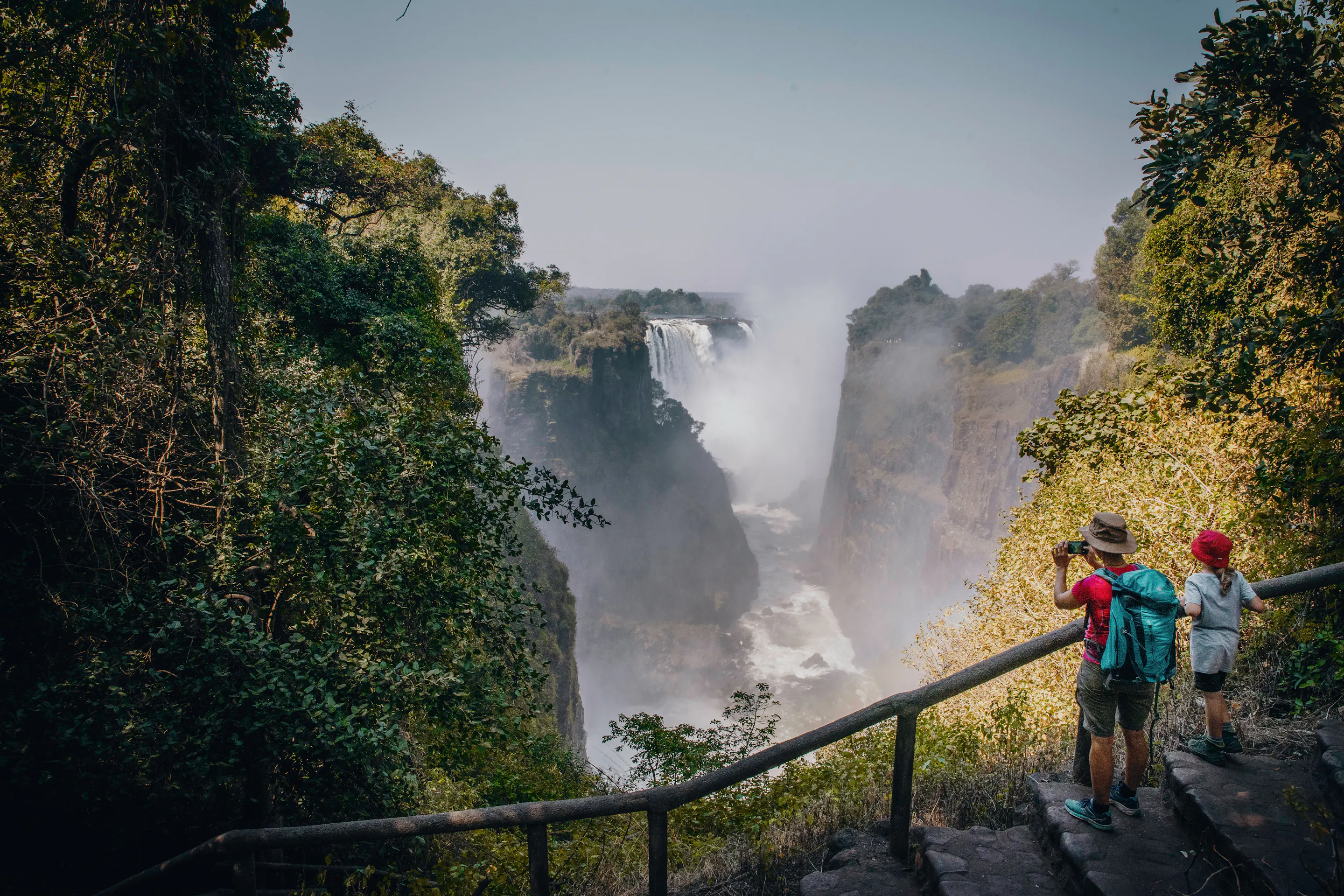
You don't just see Victoria Falls, you feel it. The roar, the spray, the hum underfoot. Extraordinary Journeys tailors your stay around your mood, contemplative or adrenaline-seeking.
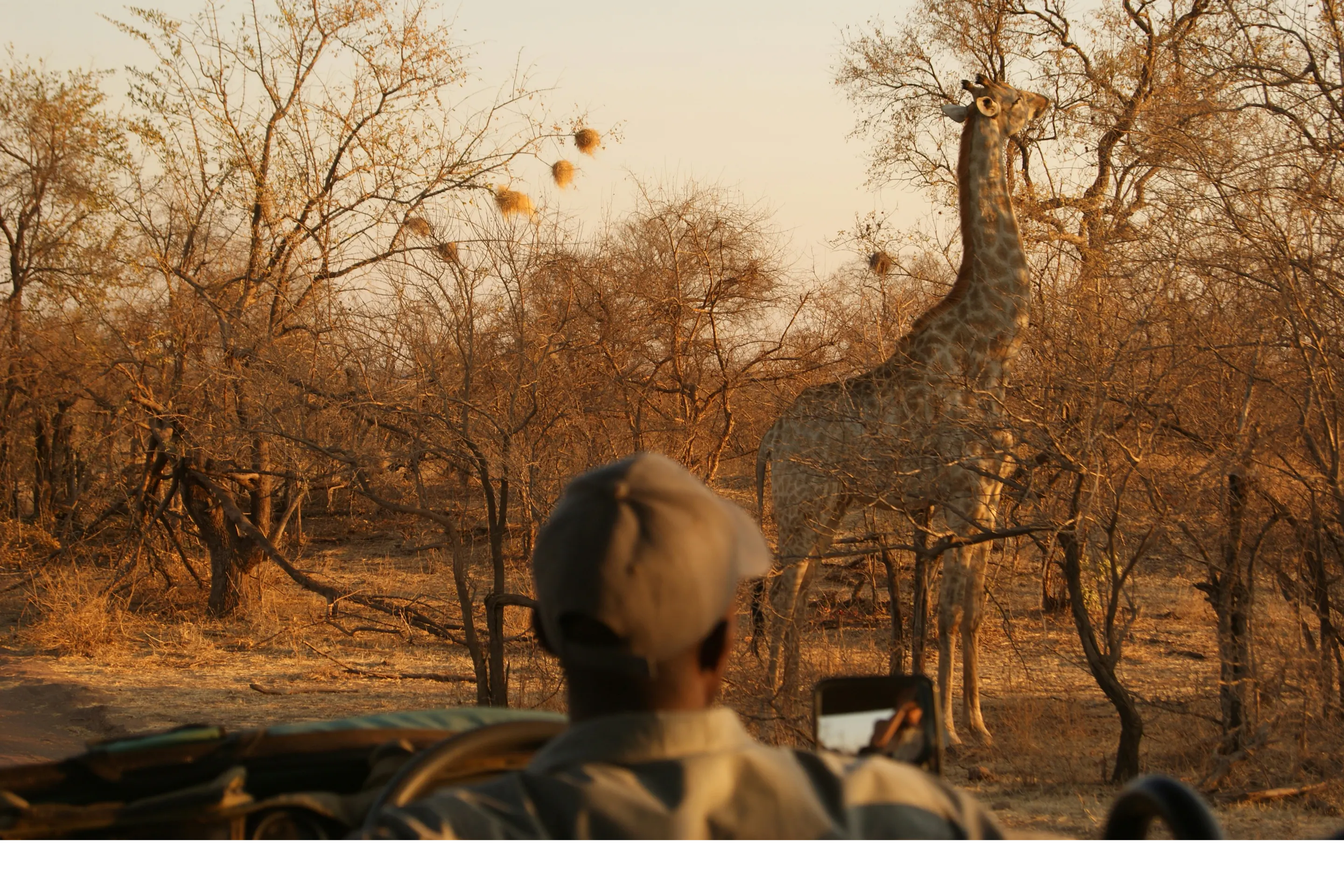
Gonarezhou National Park and the adjoining Malilangwe Reserve can be found in the remote southeast of Zimbabwe, where rugged and scenic landscapes extend across a vast area of baobab-dotted scrubland and pale orange sandstone cliffs.
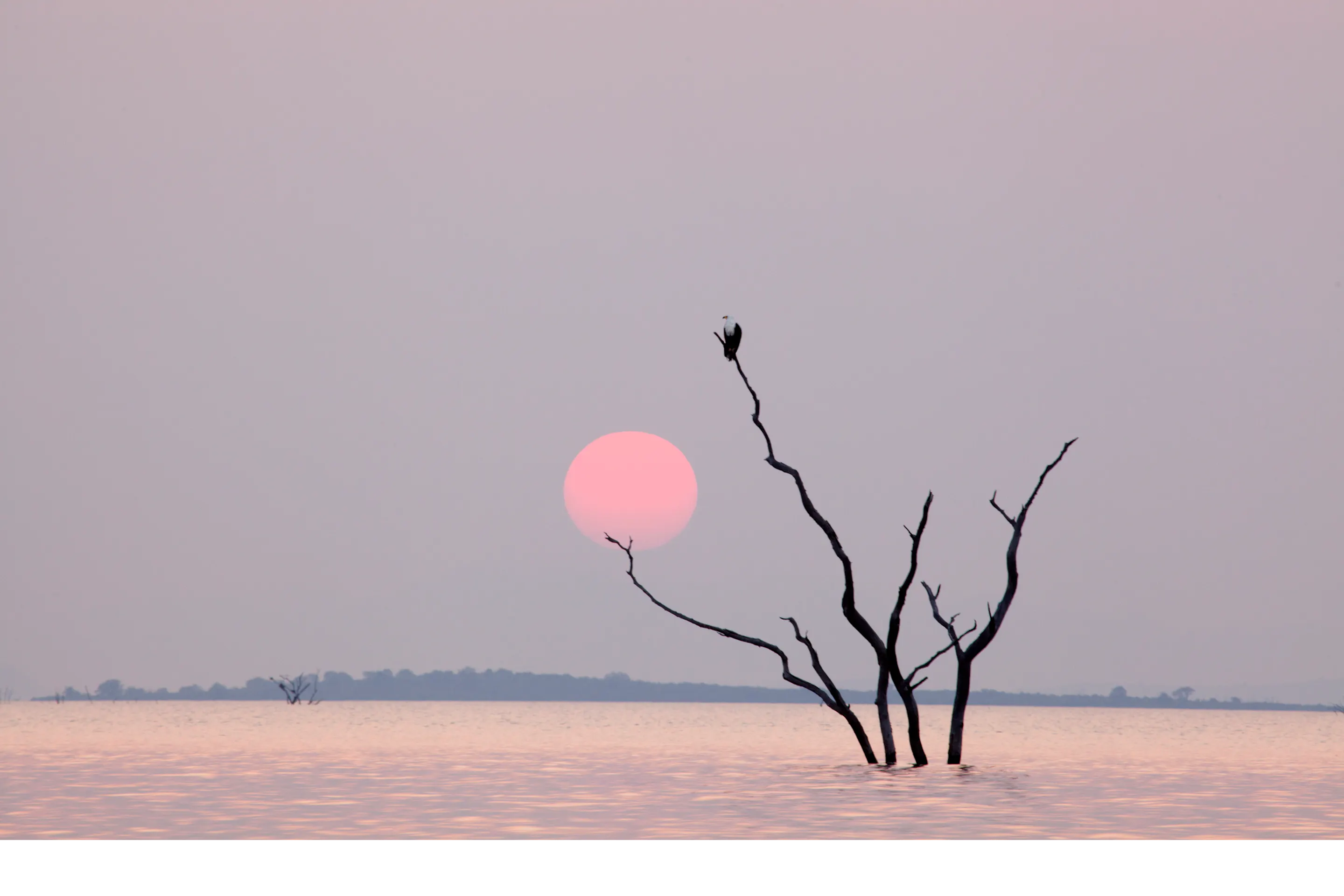
Lake Kariba is one of the largest man-made lakes in the world—a vast, crystal-clear inland sea created by the damming of the Zambezi River, fringed by grass-covered shorelines and scattered with islands.

Specialists with firsthand knowledge and deep local insight

Every trip designed uniquely for you

Engaging, adaptable guides who bring each place to life

Personalized pre-trip calls and curated documentation

A personal contact managing every detail on the ground

Complete care, every step of the way