The best time to visit Peru
The best time to visit Peru is when you can experience icons and traditions without sacrificing comfort, access, or authenticity to overwhelming crowds.
May 15, 2026
Peru is a country of remarkable contrasts and climates: a temperate Pacific coastline gives way to towering Andes peaks, marbled by altiplano, cloud forest, and the dense, living cathedral of the Amazon basin. A kaleidoscope of landscapes means choosing when to visit Peru isn't simply a matter of checking a weather forecast, but understanding how altitude and geography braid together — and then layering your travel ambitions over top.
In our experience, few decisions shape a luxury Peru journey more profoundly than when to go. Think of this as your private consultation with a destination specialist who has spent years obsessing over one of the world's most archaeological and culturally rich destinations. When the time feels right, we’re ready to start dreaming up your bespoke Peru travel itinerary.
Understanding Peru's climate and seasons
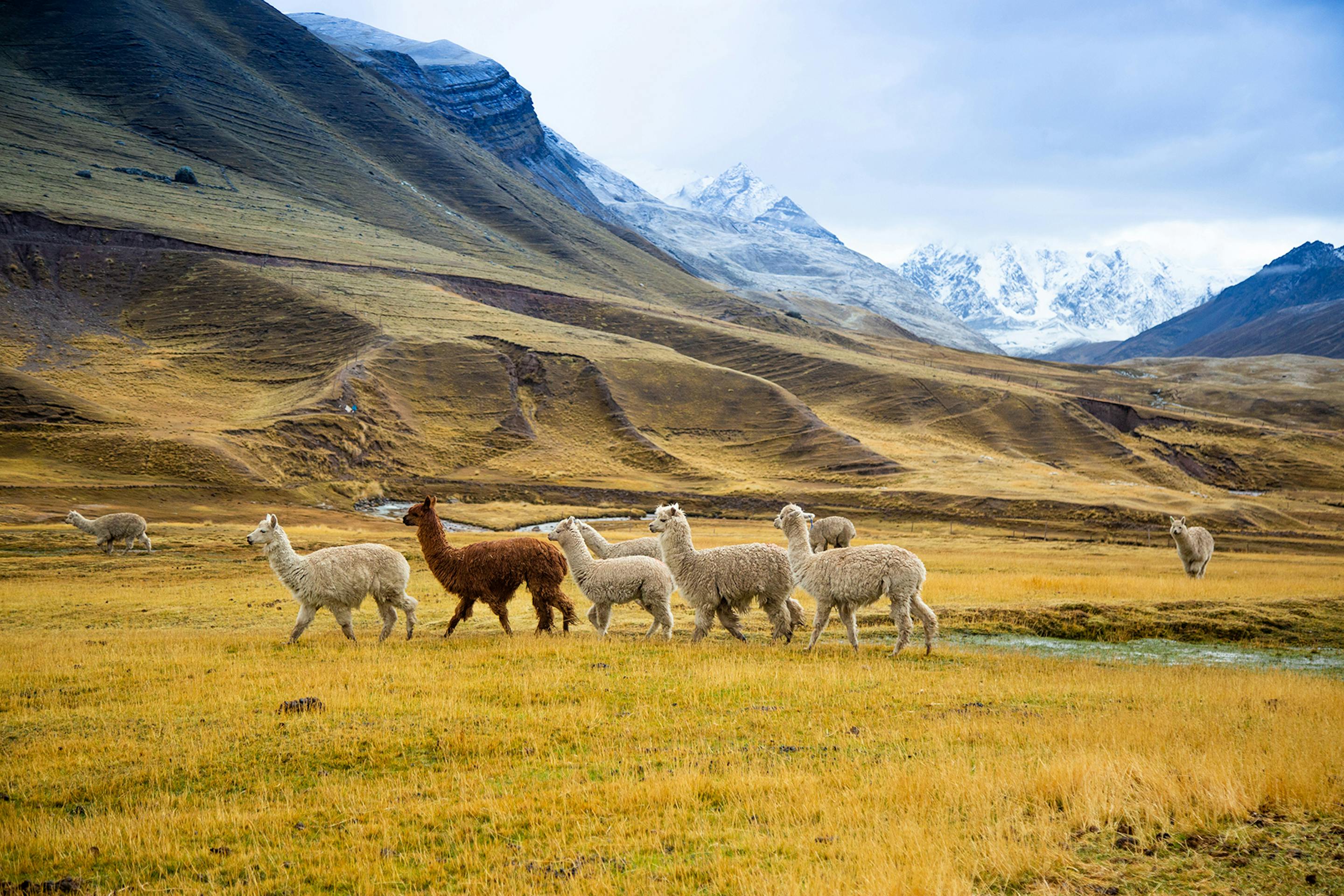
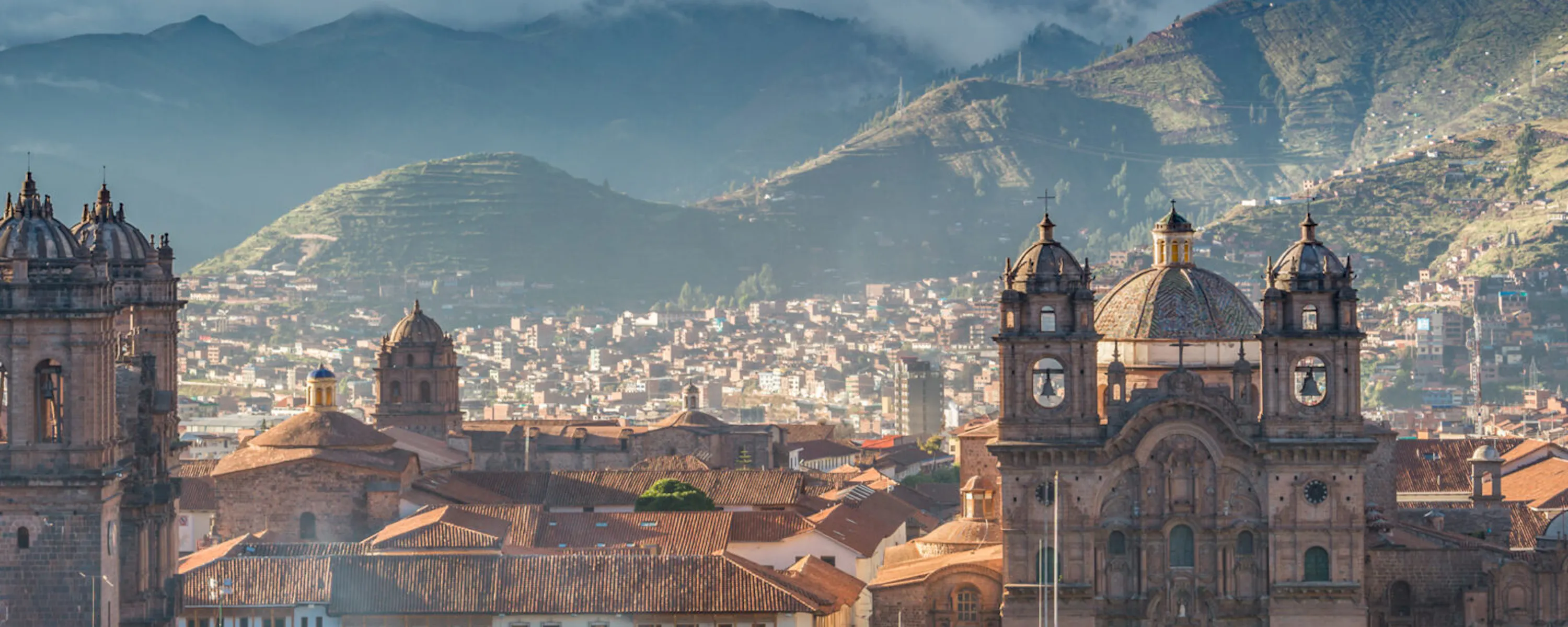
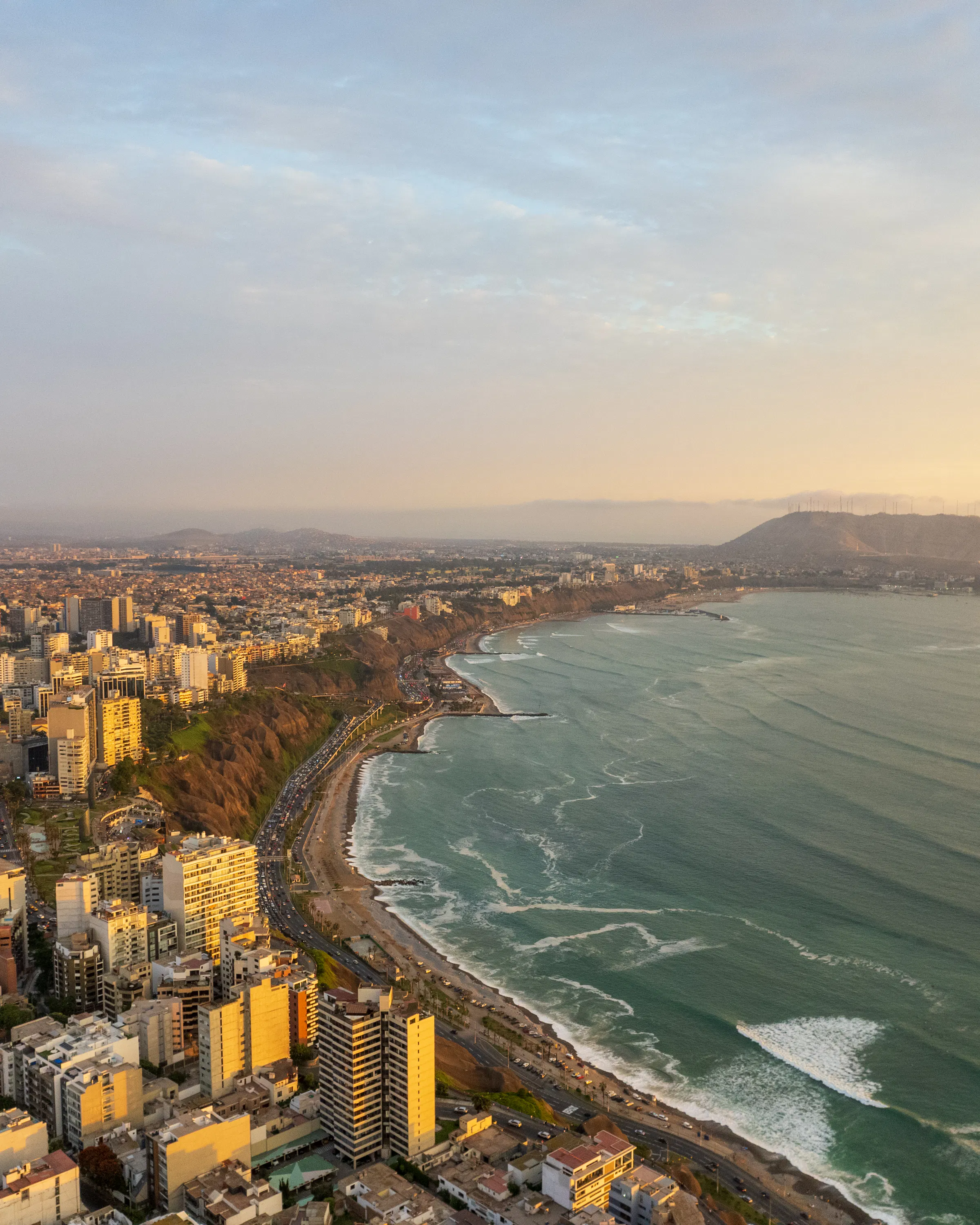
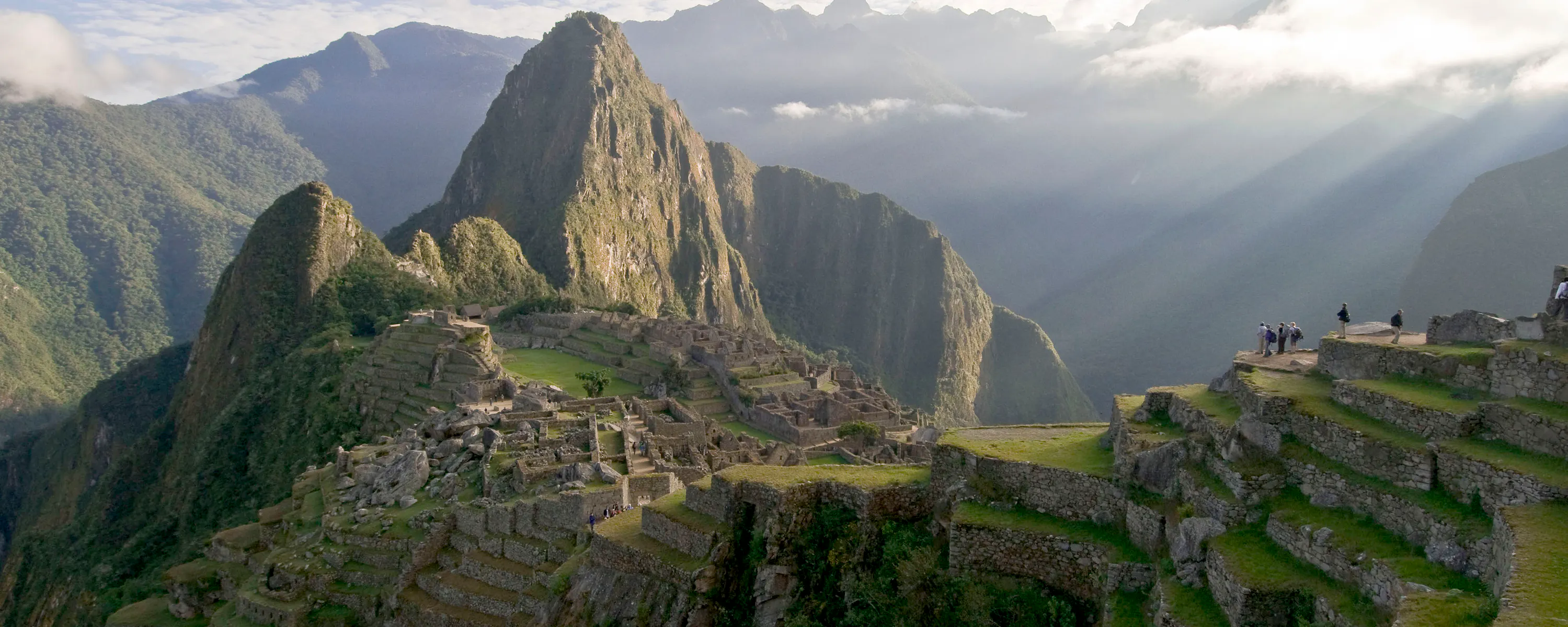
Before you can pinpoint the best time to visit Peru, it helps to appreciate just how dramatically the country’s climate shifts from one region to the next. At any given moment, travelers in Cusco might be stepping into a crisp highland morning while those in the Amazon navigate afternoon showers. The determining factor isn't the calendar month; it's altitude. Lima sits on a cliff overlooking the ocean, while Cusco and Lake Titicaca are a breathtaking 11,100 and 12,500 feet above sea level, respectively. At 7,972 feet, Machu Picchu feels like an exhale.
Peru's position just south of the Equator means temperatures are more stable than most travelers expect, but stable doesn't mean uniform. Cusco sits at altitude and runs cool and crisp year-round, with nights that can bite well below freezing in the dry season winter months. Amazon Rainforest travel is another world entirely: hot, humid, and enveloping at any time of year. Lima, moderated by the Pacific, rarely gets truly hot or truly cold.
What does shift meaningfully are rainfall patterns, trail conditions, crowd levels, and the very character of the landscape itself. Our Peru specialists unpack this nuance with clients during the very first conversation.
As a broad framework, Peru moves between two primary seasons. The dry season runs from May through October and the wet season from November through April.
The dry season
Spanning May through October, the dry season is the most popular window for luxury Peru travel. Clear skies and minimal rainfall make for pleasant Cusco tours, long days outdoors in the Sacred Valley and Colca Canyon, and rewarding days hiking the Inca, Salkantay, or Lares Trail. Days are bright and crisp, Andean vistas stretch uninterrupted to the horizon, and iconic archaeological sites are at their most photogenic. For travelers who prioritize reliable weather abovech all else (well, as much as one can), the dry season is the best time to go to Peru.
We should be honest, though: this is peak season. The most celebrated sites draw larger crowds and queues, and Peru's best luxury lodges and famous multi-night hikes require that reservations and permits are made well in advance. (Keep reading to see how we preserve the magic of Peru in peak season.)
It's also worth noting that even the dry season isn't entirely without rain. Occasional showers drift through, particularly during the transitional months, a reminder that Peru's weather always carries a beautiful degree of unpredictability.
Wet season: the rewards of secret season
The wet season, November through April, is what our specialists lovingly call Peru's secret season. Visiting during this period isn't a compromise for the budget-conscious, but a smart strategic choice for the right traveler.
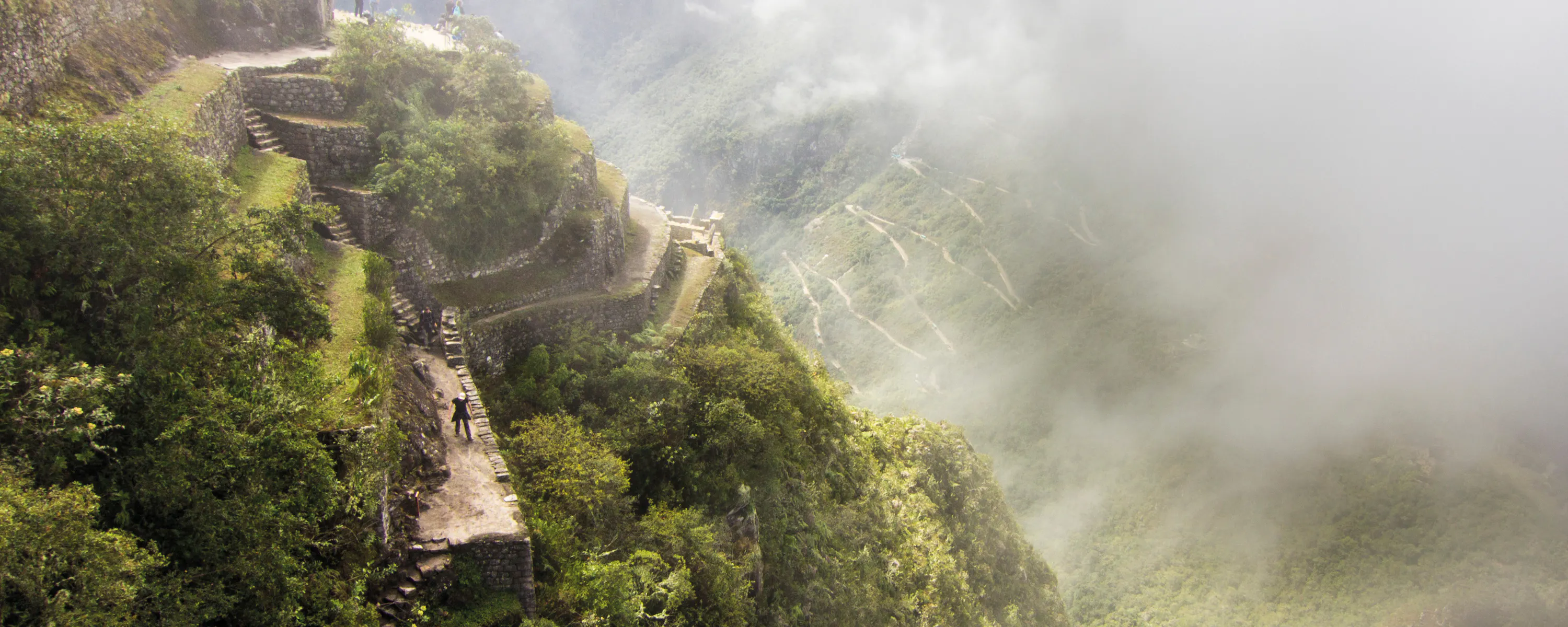
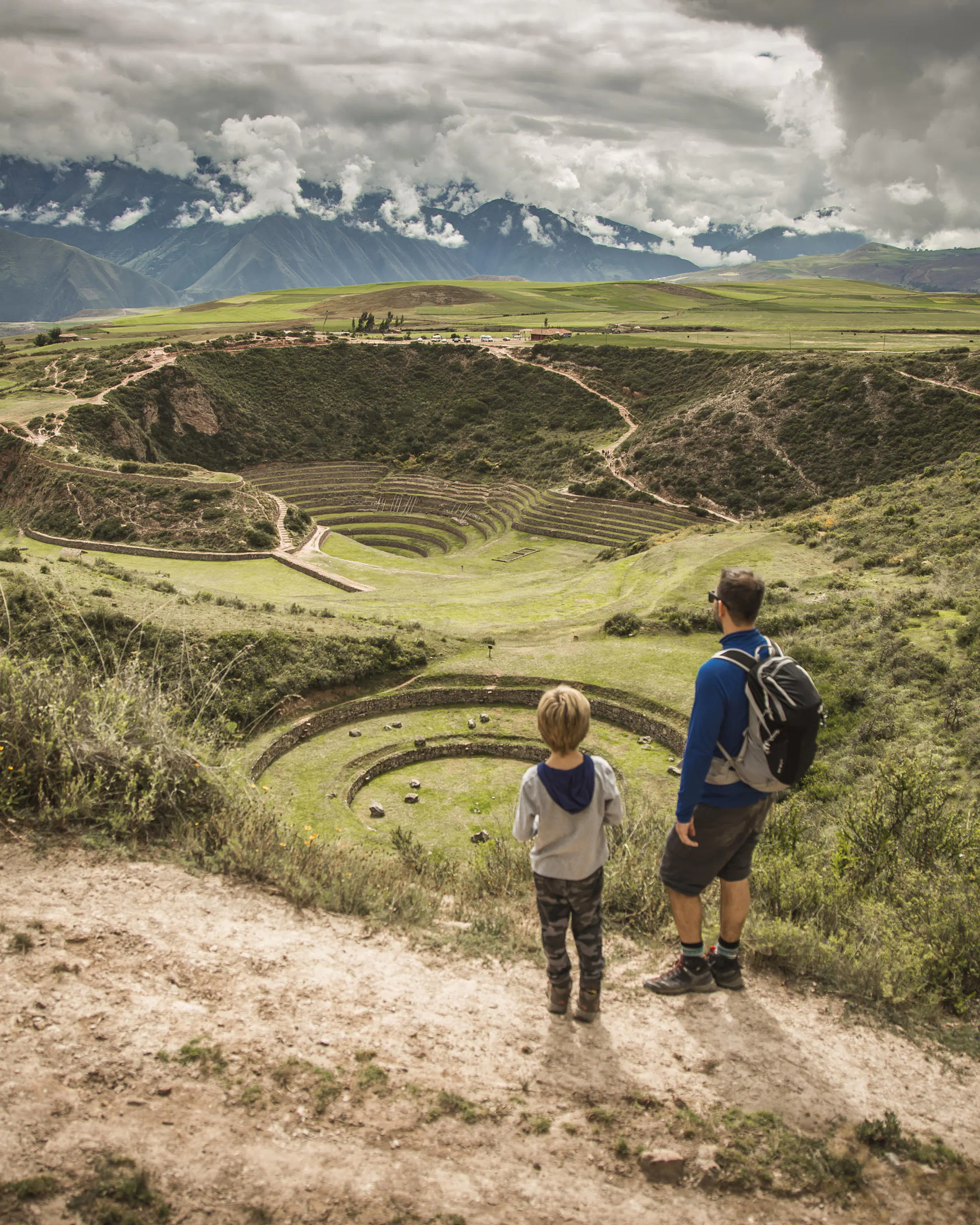
During the secret season, rainfall typically arrives in concentrated afternoon or evening bursts, leaving mornings crisp, luminous, and perfectly suited to exploration. The landscape transforms into something breathtaking: lush hillsides, cloud-draped peaks, and shades of green. Mist cloaks Machu Picchu, then burns off to reveal the icon like a curtain drawn back by an invisible hand. With thinned crowds, all the great archaeological sites from Moray to Nazca grow quieter, making ruins feel more mysterious and mystic.
In the Amazon water levels rise and tributaries stretch, deepening boat access into flooded forests and oxbow lakes for a jungle experience that feels genuinely trackless. The Colca Canyon rewards with lush, rain-fed terraces and condors wheeling the thermals above the Cruz del Cóndor ridge. Hard-to-get reservations in Lima and Arequipa’s most sophisticated dining rooms ease. And with hospitality teams serving fewer guests, you have a chance to share relaxed conversations with your Peruvian hosts, bartenders, and chefs—interactions that deepen from simple pleasantries to personal connections.
That said, for hikers, the wettest months (January, February, and March) call for some itinerary adjustments. Multi-day, high-altitude Machu Picchu hikes, are discouraged during this period, while February brings outright closures for trail maintenance.
When to visit Peru: A month-by-month guide
The best time to travel to Peru depends entirely on the journey you're imagining. We don’t sell one-size-fits-all itineraries, so every trip begins with a personal conversation to match timing with priorities — whether that's trekking conditions, a cultural festival, wildlife encounters, or some luminous combination of all three.
June, July & August
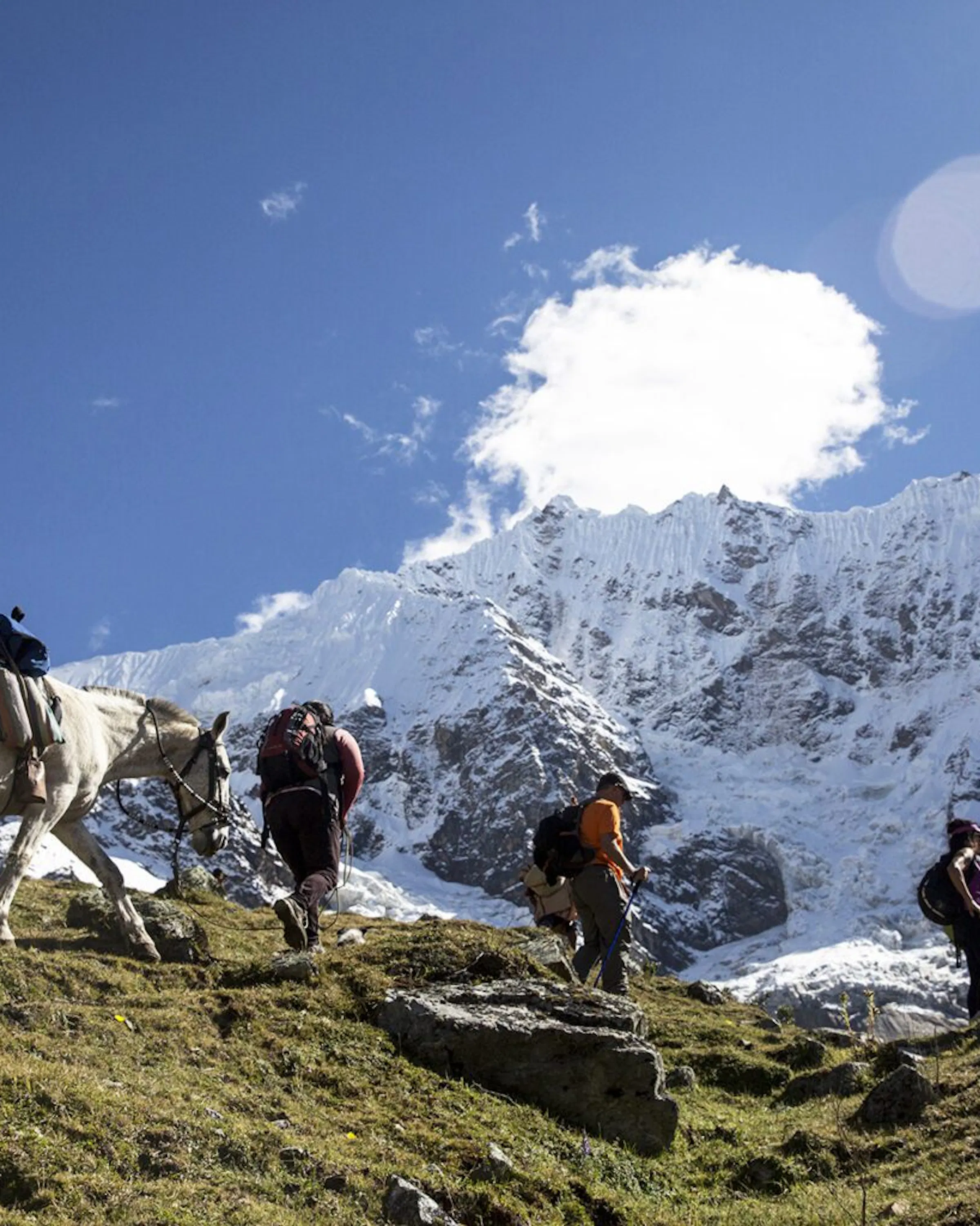
The Southern Hemisphere winter months represent the premier window for multi-night treks. Clear skies, minimal rainfall, and comfortable daytime temperatures make this the ideal time for a luxury Machu Picchu tour, embarking on a private guided Inca Trail hike or Salkantay Trek, or time spent adventuring outdoors in the Sacred Valley. Conveniently aligning with summer break, a family trip to Peru fits well within this window
An honest word: June through August is peak travel season in Peru. The most exclusive lodges, private trekking permits, and preferred departure slots are in fierce demand. Early planning is essential. Your Extraordinary Journeys specialist will secure priority access months, sometimes more than a year, in advance, offering a meaningful advantage over self-planned travel during this competitive window.
If these months call to you, planning earlier than what feels necessary is never a bad idea.
May and September (specialist's favorite)
Both months offer a rare convergence of good weather, better value, and, with school still in session, thinner international crowds.
- May: the landscape still carries the vibrant lushness of the secret season rains, visitor numbers are noticeably lower, and the quality of light is extraordinary for photography. For foodies, harvest is underway. Markets overflow with just-picked produce, and private cooking experiences in Sacred Valley kitchens are utterly, deliciously, of the moment.
- September: welcomes the first blooms of spring and a sense of quiet renewal across the high plateau. In Andean communities, planting season begins mid-month with traditional ceremonies honoring Pachamama, a ritual dimension of Peruvian life that peak season visitors miss.
December, January & February
For the traveler who values exclusivity and authentic cultural immersion over peak seasons crowds, December, January, and February present a genuinely compelling case. Temperatures are warmer across the highlands, the landscape is dramatically lush and alive, and Peru's finest private lodges are blissfully quiet.
With fewer international visitors in the mix, neighborhoods feel less touristed and more lived-in. Cook alongside Peruvian matriarchs to fold the perfect empanada, enjoy privately guided tours of Inca ruins without the crush of July crowds, and travel at a pace that allows for genuine connection.
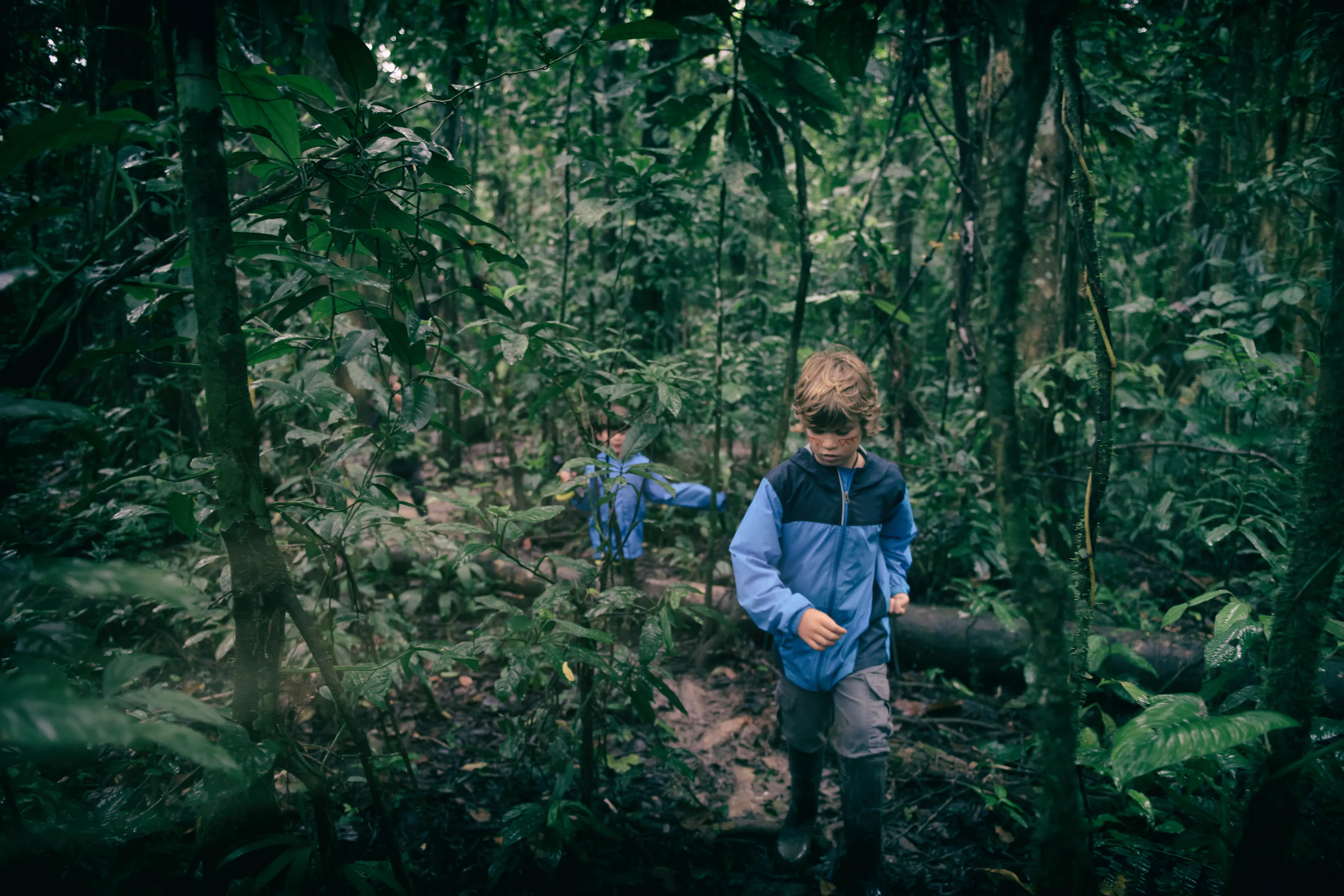
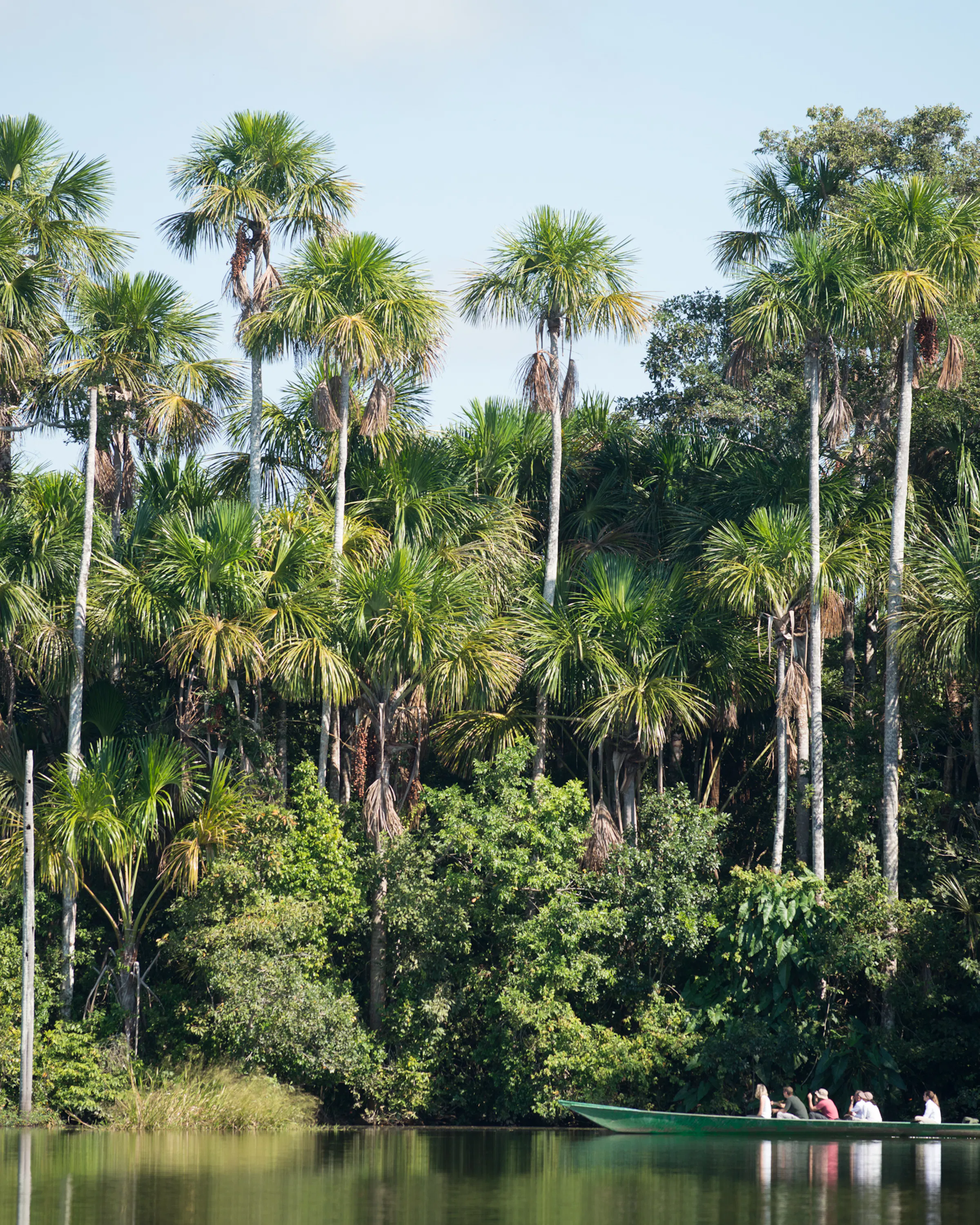
Peruvian Amazon travel, in particular, is extraordinary at this time of year. Water levels rise and flood forests, opening passages by skiff into submerged woodland of glassy stillness alive with birdsong. Plants fruit and then flower, attracting hummingbirds in particular, and migratory birds arrive wearing showy breeding plumage.
Combining Peru with other South America icons
South American climate is not a monolith. If you’re considering combining Peru with another country, it’s practical to consider how its seasons compare to its neighbors.
- Brazil and Argentina: in January and February, while Peru sees far fewer visitors, Brazil is experiencing its peak season. School-age kids are out for summer break, domestic travelers are visiting popular cities and landmarks, and Carnival draws enormous crowds. Depending on your travel goals, the best time to visit Peru and Brazil pull away from one another. Argentina travel is more sympathetic: Buenos Aires and Mendoza wine tours are lovely in October/November and March/April, making a combined itinerary a natural pairing.
- Patagonia: in summer (December to February), Patagonia's wilderness is at its most accessible for hiking, paddling, and horseback riding — but also its most crowded. By contrast, Peru is at its most precipitous, with hiking trails muddy or outright closed. Outdoorsy travelers who want a Peru and Patagonia tour need to thread the needle in spring or fall—a challenge we love.
- Bolivia, Ecuador, and the Galápagos: these destinations sit more comfortably alongside Peru. Galápagos travel is rewarding year-round, though December through May brings warmer waters, calmer seas, and hatching season for giant tortoises and sea lions. A Bolivia or Ecuador tour follows the broader Andean seasonality, and the shoulder months of April/May or September/October tend to work well across all three simultaneously.
- Antarctica: essential knowledge: the Antarctic cruise season runs November through February.
For travelers dreaming across borders, catching each country not merely at its most convenient, but at its best is where our specialists' regional knowledge earns its keep.
Best hime to hike in Peru
Peru's hiking season is more nuanced than a simple dry versus wet season calculation.
The classic window
Runs from May through September, when clear skies and stable trail conditions make multi-day routes genuinely pleasurable. In the south, the Inca Trail, the Salkantay, and the Lares are at their most reliable. Firm underfoot, unobstructed mountain views, and crisp highland air that feels like a gift rather than an obstacle. For those whose luxury Peru travel extends beyond Cusco and the Sacred Valley, the Cordillera Blanca rewards the detour enormously. Here, more than 30 peaks stretch above 16,000 feet, including Huascarán and Alpamayo, with trekking and climbing conditions at their best from late May through September.
Peak
June through August represents the peak within the peak. Conditions are at their finest across all hiking routes, but demand for private permits and preferred departure slots is fierce. Booking a year in advance is not paranoia, but a reality of hiking Peru's most celebrated trails in high season.
May and September
Trails are in excellent condition, the landscape still carries a lingering vibrancy from the wet season rains, and the pre-dawn starts that define a great multi-day trek feel contemplative rather than crowded.
Secret season
From November through April, most high-altitude routes become progressively muddier, and the Inca Trail closes entirely in February for much-needed maintenance. If you want a grand, high-altitude trek, you really must choose a dry season month. For secret season travelers with a hiking appetite, we can suggest meaningful walking routes at lower altitudes, Huayna Picchu, or around Colca Canyon.
How Extraordinary Journeys makes peak season feel special
Something happens when you stand at the Sun Gate above Machu Picchu in the early morning, before the busloads arrive. The site unveils itself not as a landmark to be toured, but as a mountaintop still imbued with profound mysticism. This is the Peruvian magic that Extraordinary Journeys specialists work to preserve in peak season, at Machu Picchu and beyond. But how?
It might look like securing private guided entry to a site, thoughtfully sequencing routes to avoid the densest visitor windows, or scheduling a more contemplative return visit to a landmark once the crowds leave for lunch. We might prioritize boutique accommodations tucked away from the peak season fray, or a hotel with proximity to a site for an earlier start than the day-trippers. If you’re open to places, walking trails, and ruins with less name recognition but are equally worth visiting, we have plenty of options to reach for.
No matter the season, we don’t leave guiding to chance. Classically, travelers experience a Machu Picchu tour with an on-site guide. Our Peru travelers join their private expert guides a few days before in Cuzco or the Sacred Valley. By the time you arrive in Machu Picchu, they’re less of a stranger and more a friend who already knows how you like to experience a place: deep in historical details or holding space to sit in the presence of a scenic vista.
Timing your journey around Peru's cultural calendar
Peru's festivals rank among the most vivid and profound in all of South America. Inti Raymi, celebrated each June in Cusco, is a breathtaking ceremonial reenactment of the Inca sun festival that draws thousands of visitors. Virgen de la Candelaria, in February and centered in Puno on the shores of Lake Titicaca, is one of the continent's most extraordinary events. A riot of color, music, and ancient tradition, the event joyfully falls outside the peak-season window.
Plan your luxury Peru trip
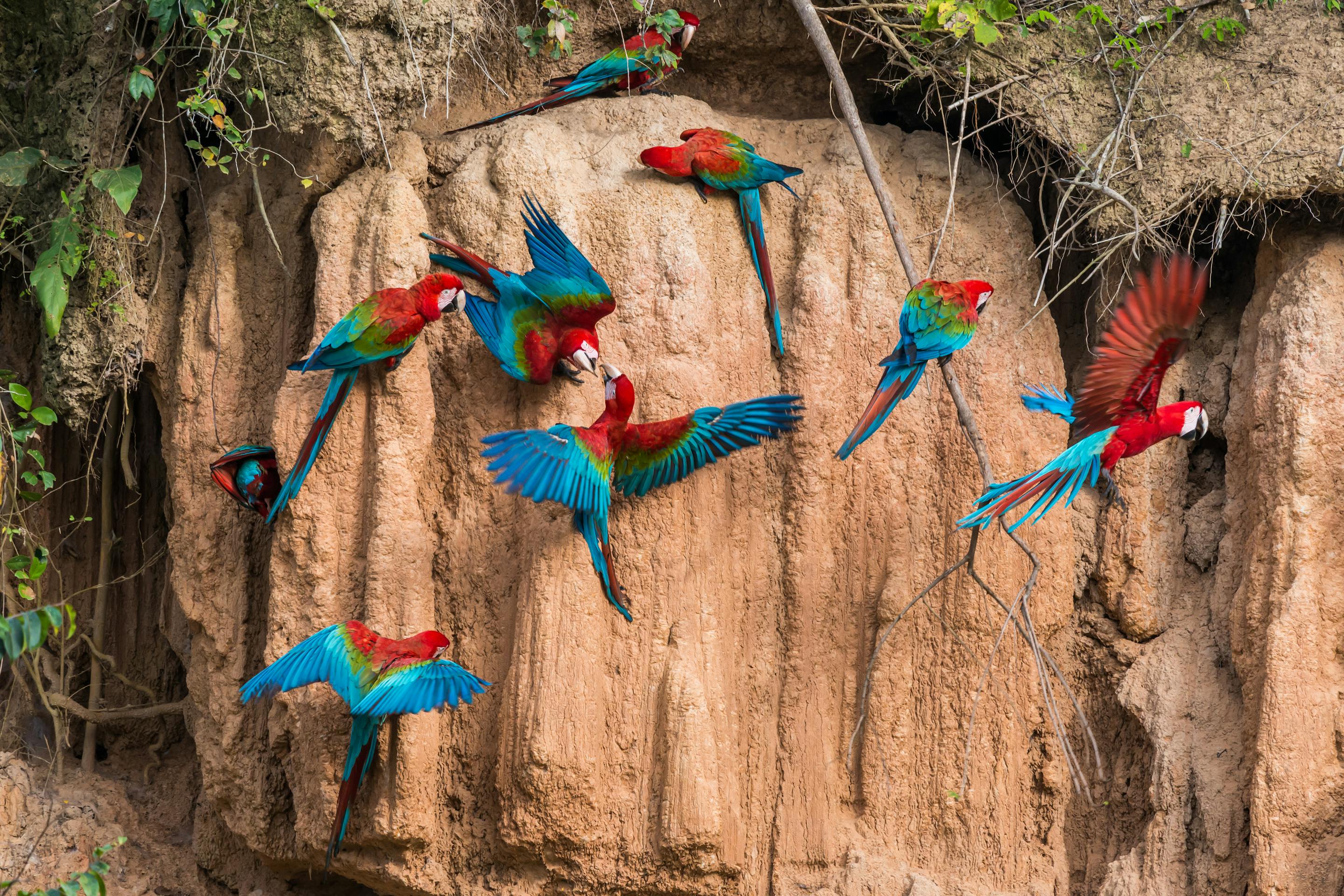
There is no single best time to visit Peru, only the best time for your vision of what the journey should be. Is it when footfalls along Cusco's cobblestone corridors quieten? When scarlet and cobalt macaws descend on Amazon clay licks at dawn? Or when long days in the Sacred Valley can be filled with river rafting and mountain biking? Whatever draws you to magical Peru, that best time exists, and our specialists will help you find it.
May 15, 2026
Explore our itineraries
Every trip with Extraordinary Journeys is tailor-made, crafted in collaboration with one of our destination specialists. Use these as a starting point, or as inspiration to create your own journey.