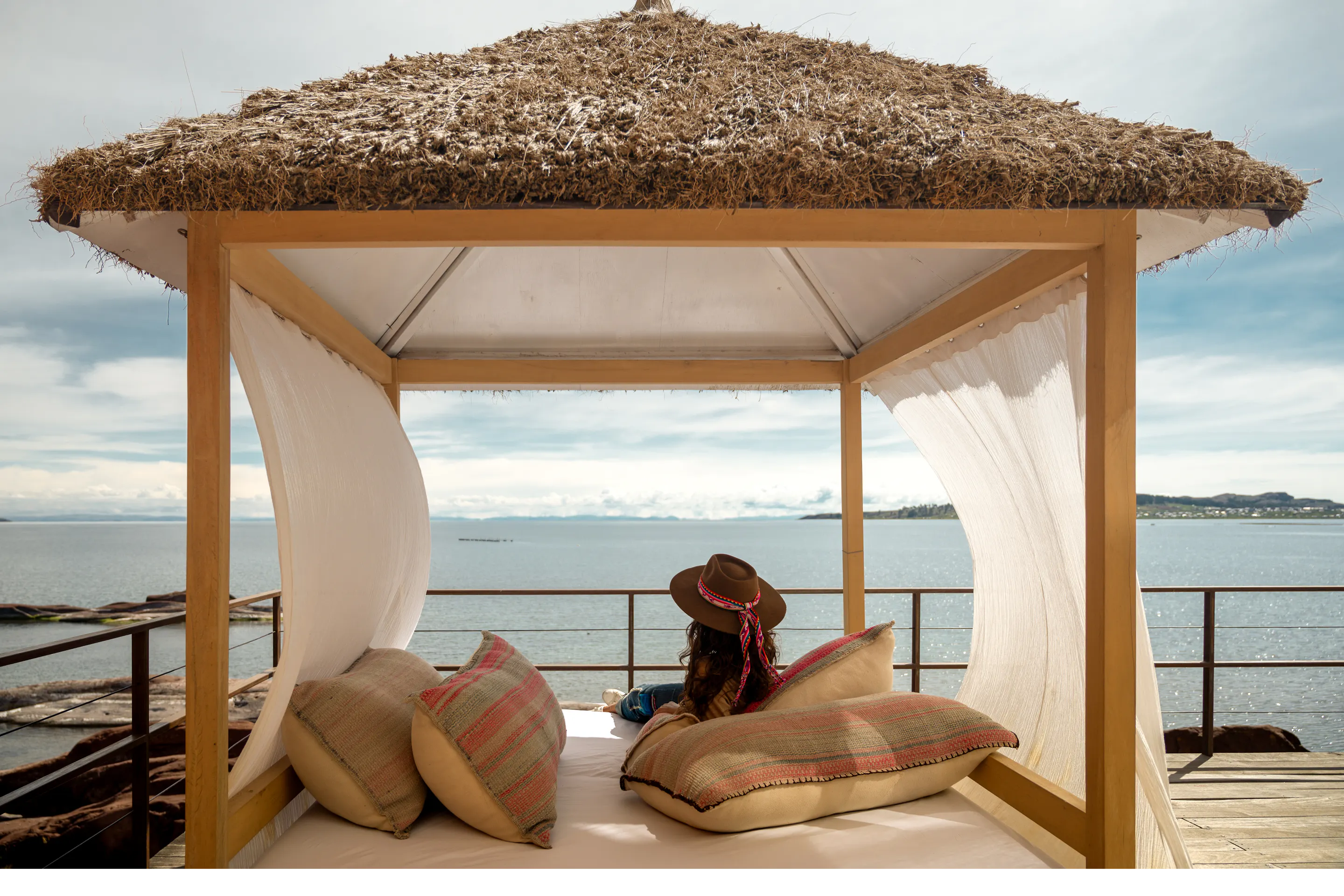
Lake Titicaca
The largest freshwater lake in South America, Lake Titicaca is known for its floating islands, ancient culture, and UNESCO World Heritage status.
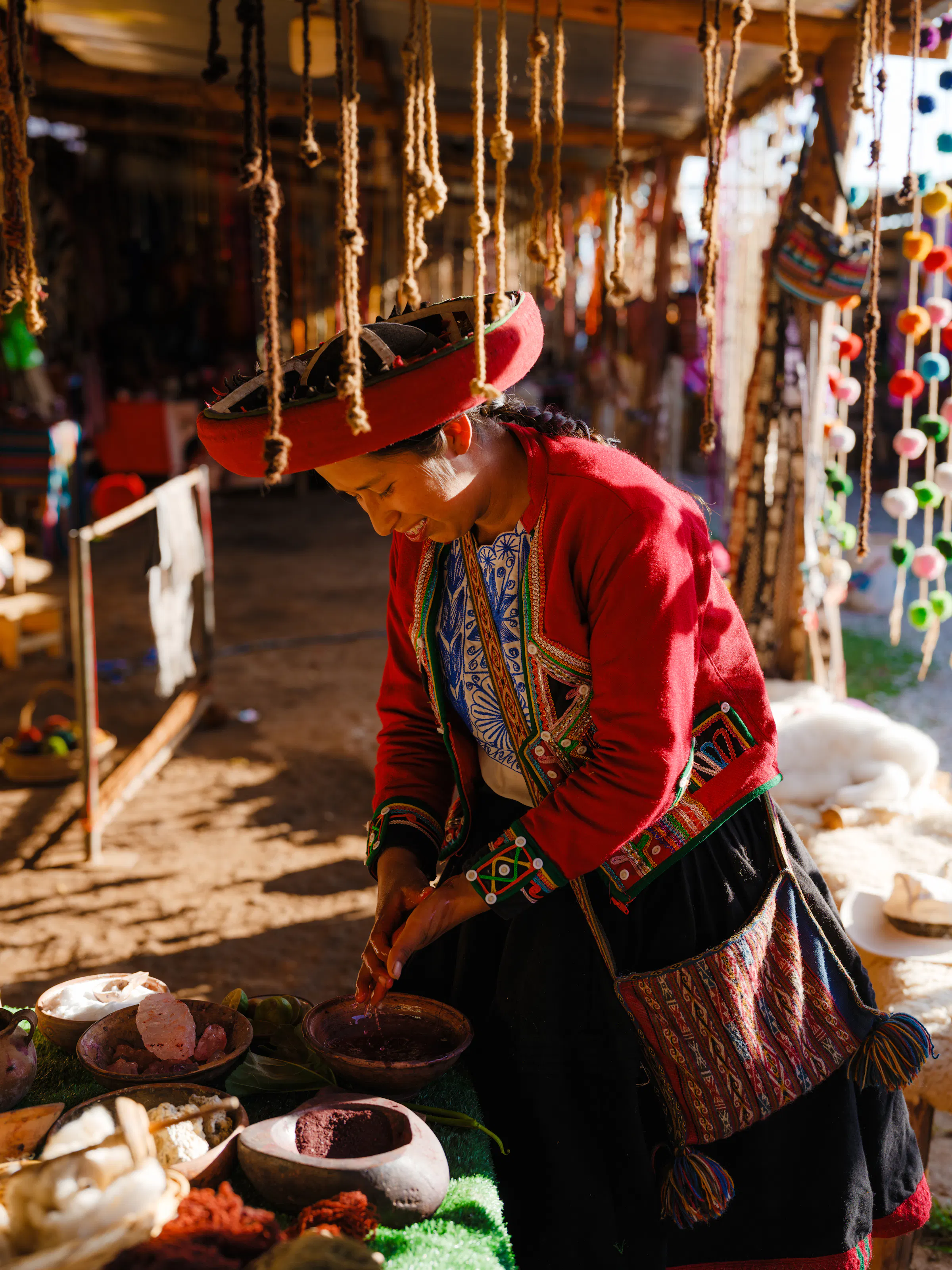
The region surrounding it is characterized by towering cliffs, terraced hillsides, and emerald-green oasis villages. Embark on guided hikes through the rugged terrain, encounter the soaring Andean condors in their natural habitat, and learn about the rich history of the local Collagua and Cabana communities.
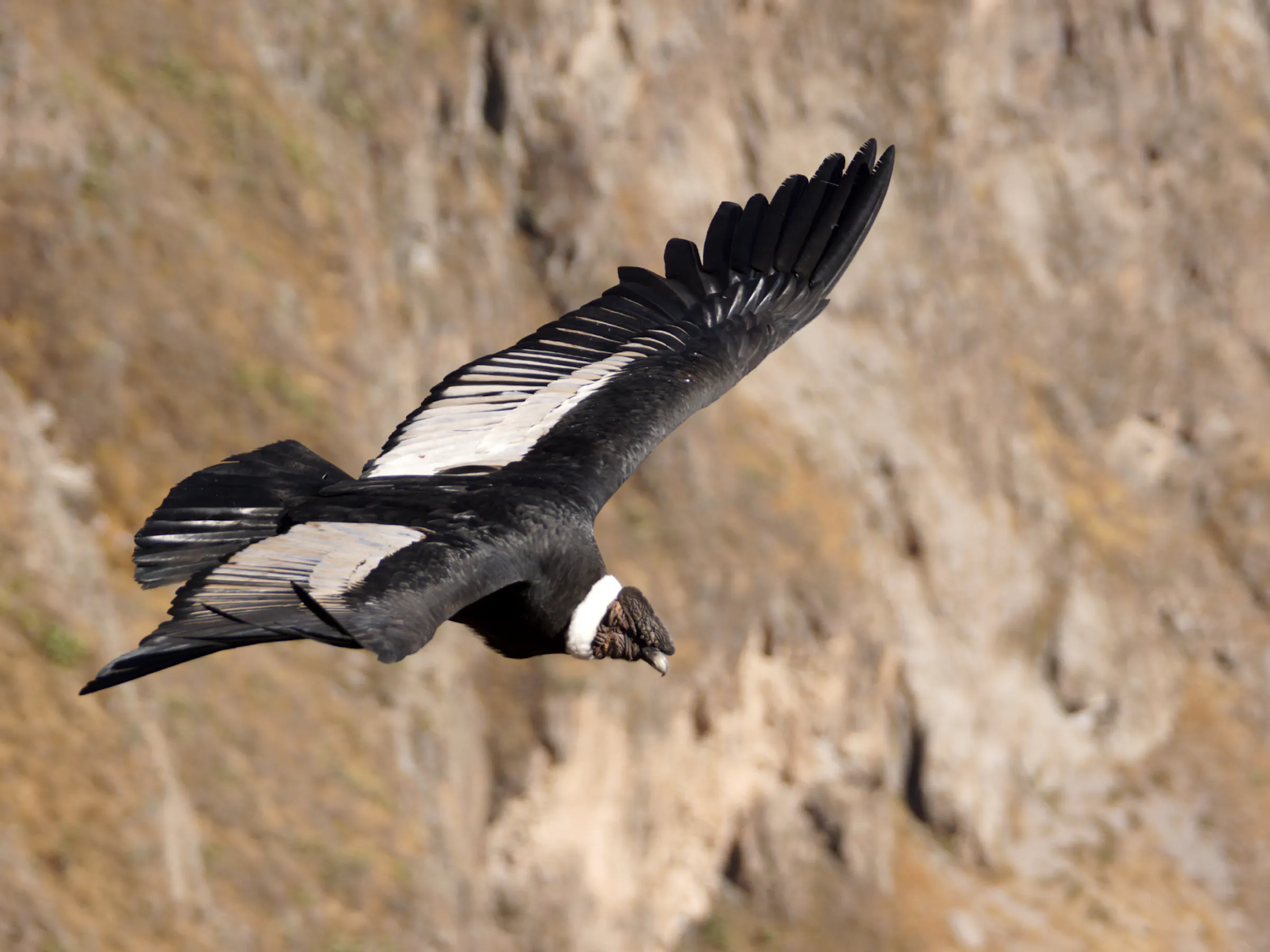
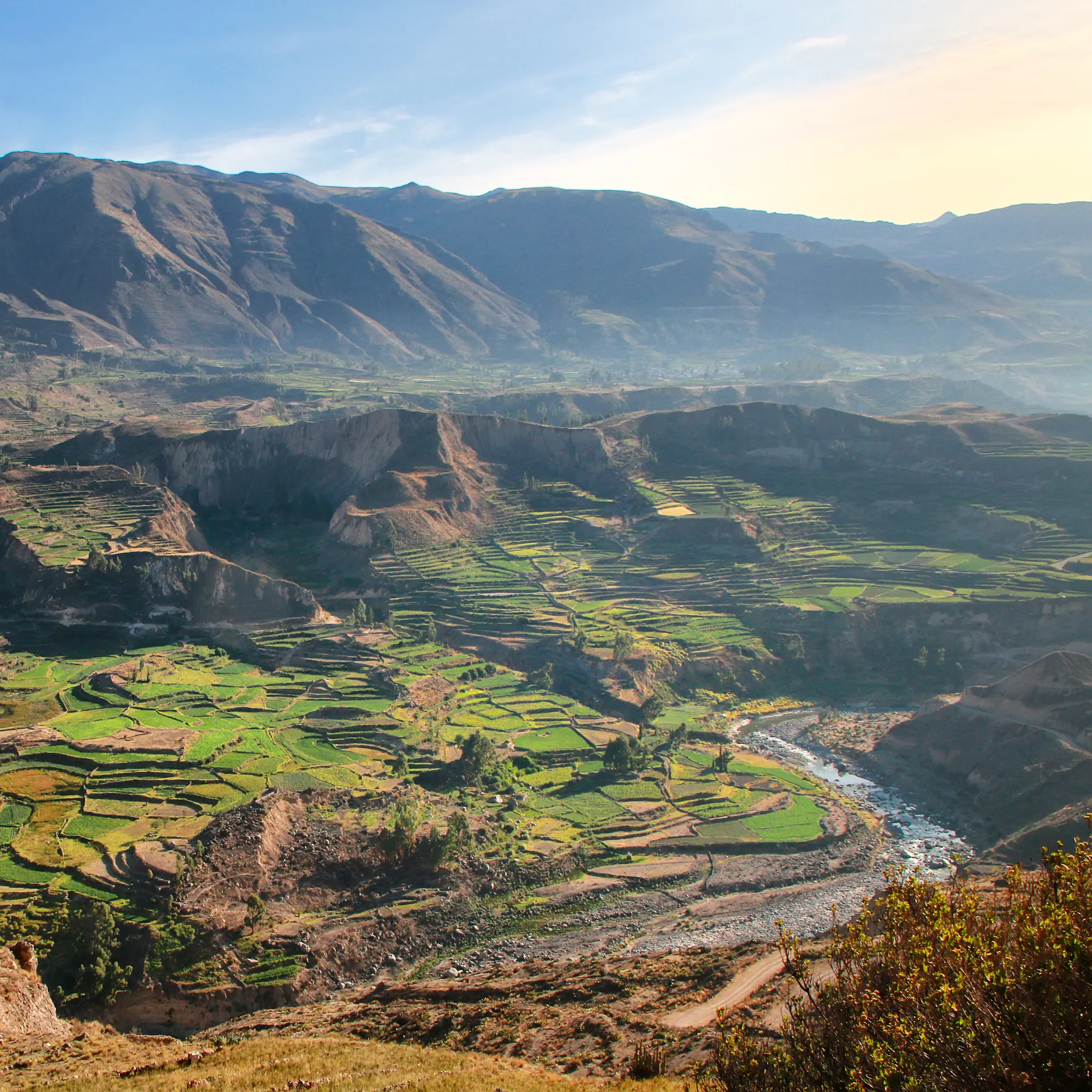
The best time to visit Colca Cayon is during the dry season (from April to October) when the weather conditions are most favorable. During this period, clear skies and minimal rainfall make trekking conditions ideal, and the canyon's dramatic landscapes are at their most breathtaking. Condor sightings at Cruz del Condor are also more frequent in the dry season, particularly in the early morning hours between April and June.
Best
Apr
May
Jun
Jul
Aug
Sep
Oct
April - October
Good
Jan
Feb
Mar
Apr
May
Jun
Jul
Aug
Sep
Oct
Nov
Dec
January - December
A visit to Colca Canyon puts you within easy reach of many other beautiful and fascinating parts of Peru.
The largest freshwater lake in South America, Lake Titicaca is known for its floating islands, ancient culture, and UNESCO World Heritage status.
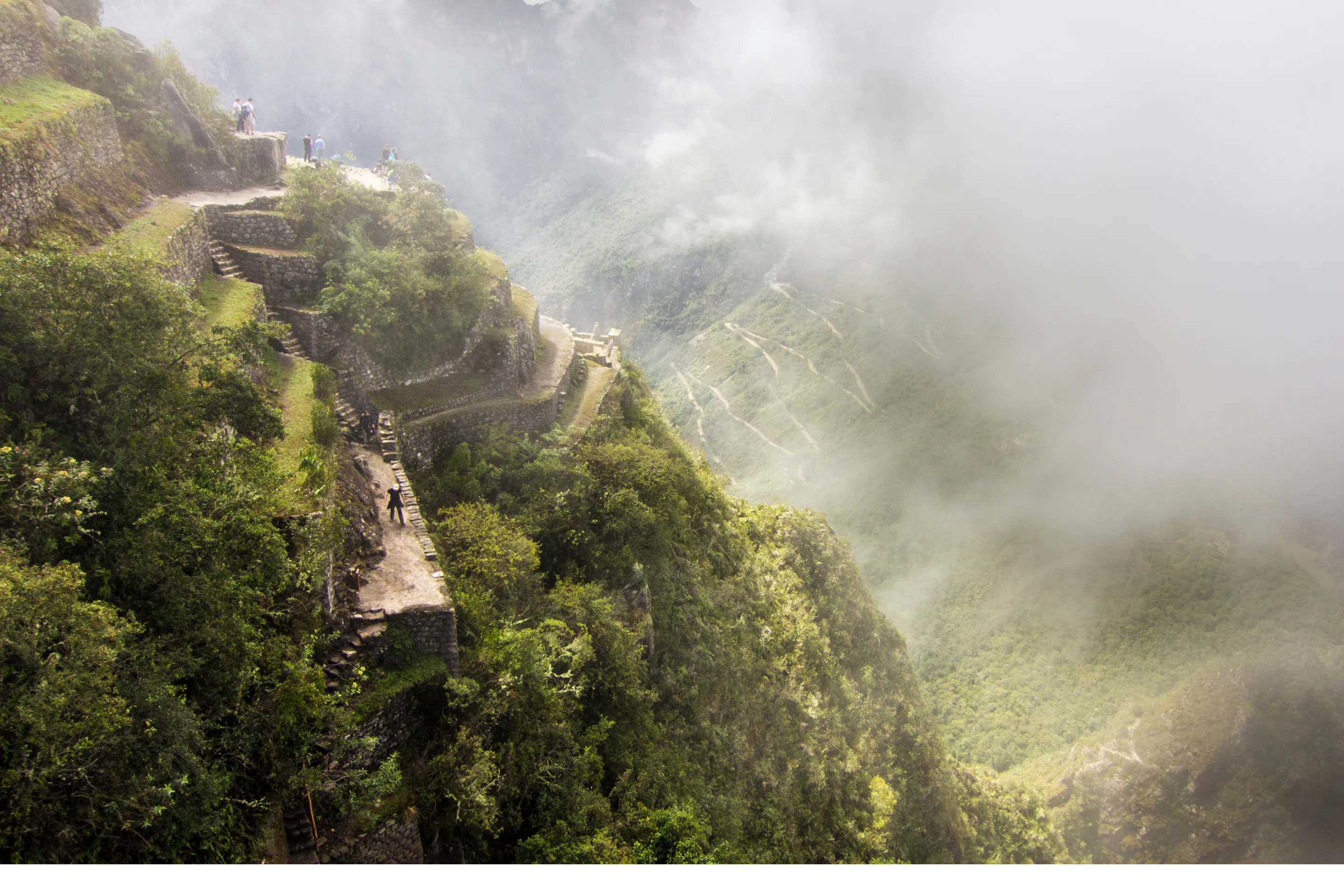
Perched within a misty, orchid-filled tropical forest high in the Andes Mountains of Peru, Machu Picchu is one of the most alluring archaeological sites in the world.
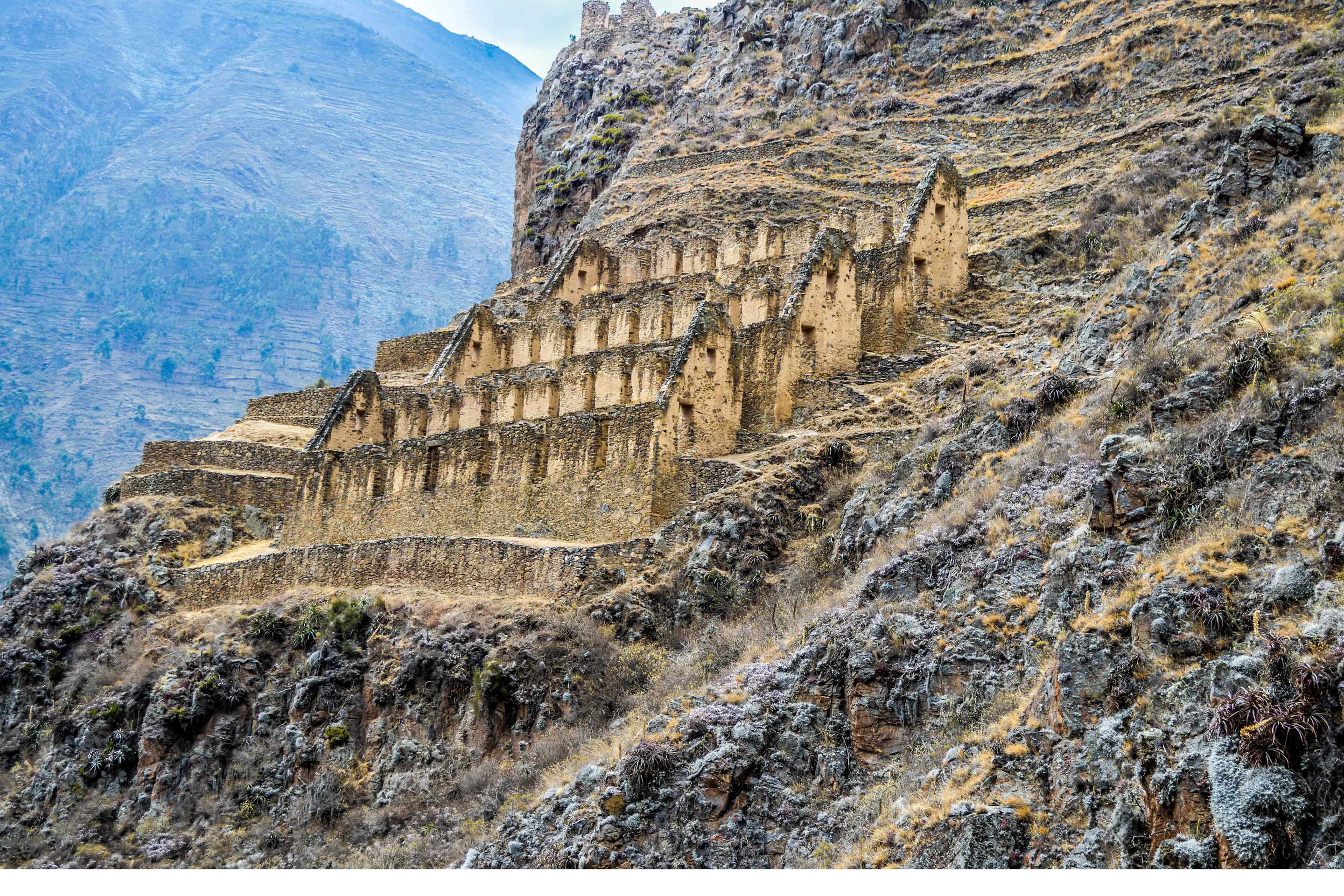
Located in the Andes mountains near Cusco, the Sacred Valley holds great historical and cultural significance as it was once the heartland of the Inca Empire, and lies beneath the world-famous site of Machu Picchu.
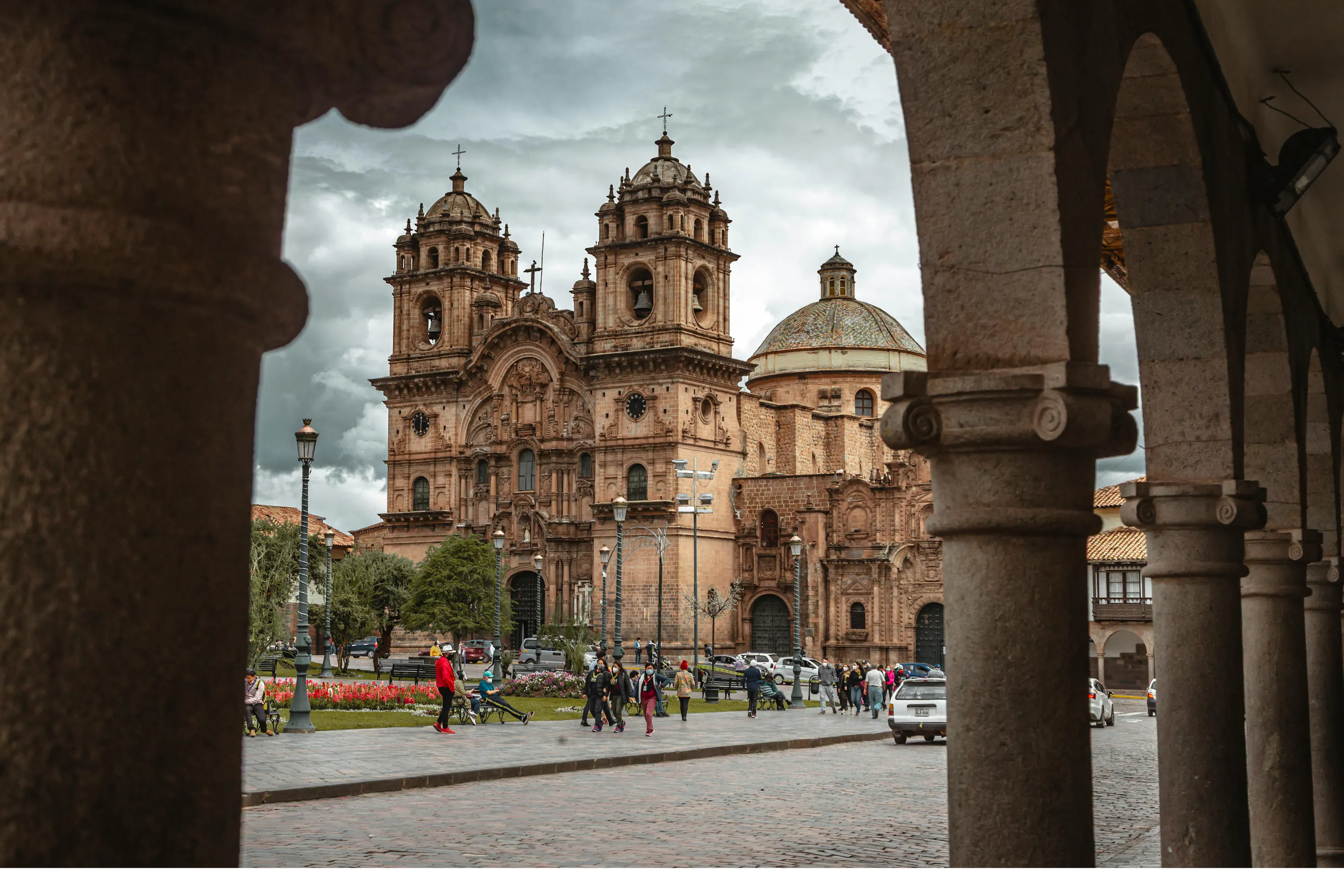
Now a UNESCO World Heritage Site, Cusco remains a city that blends colonial Spanish charm with older, more austere remains of pre-Columbian glory.
Specialists with firsthand knowledge and deep local insight

Every trip designed uniquely for you
Engaging, adaptable guides who bring each place to life
Personalized pre-trip calls and curated documentation

A personal contact managing every detail on the ground
Complete care, every step of the way