The best time to travel to Bhutan
Bhutan's weather isn't uniform across the country. Find out which months offer the most pleasant weather and the most exciting festivals.
November 12, 2026
Bhutan rises from subtropical foothills in the south to glaciers and alpine meadows in the north, so the best month to visit depends on where you want to go and what you want to do. Spring brings rhododendrons and the Paro Tsechu. Fall delivers clear skies, the Thimphu Tsechu, and the first black-necked cranes in Phobjikha Valley. Winter offers crisp Himalayan views and hot stone baths in lodges warmed by Bukhari stoves. Here's how to plan your trip by season, month, region, and festival.
Jump to section:
Best time to go
Seasons guide
By region
Festival calendar
Bhutan travel FAQs


When is the best time to travel to Bhutan?
Spring (March through May) and fall (mid-September through November) are the best times to visit Bhutan. The weather is pleasant and mostly dry, rhododendrons color the valleys in spring, and the Paro and Thimphu Tsechus fill dzong courtyards with masked dances. Both are peak season.
Winter delivers the clearest Himalayan skies and off-season value, and June and July bring shoulder-season rates and thinner crowds in Paro, Thimphu, and Punakha.
August and early September are the exception: monsoon rains are at their heaviest, and we usually suggest other months unless your dates are fixed.
Every Extraordinary Journeys trip is tailor-made, and your destination specialist will build your route around the festivals, wildlife, and weather that matter most to you.
The seasons to visit Bhutan: climate and weather guide
Bhutan is a small, landlocked country. It can be compared to the combined land area of Massachusetts and Connecticut. Located in the northern hemisphere, the seasons follow the same order as the United States.
- Spring (March – May): Pleasant and mostly dry.
- Summer (June – August): Warm, with light showers that build into monsoon season.
- Fall (September – November): Once rains have tapered, fall is objectively the loveliest time to visit, weather-wise.
- Winter (December – February): Cold but not unbearable, and skies are at their clearest.
Spring in Bhutan: March, April & May
Spring is one of the best times to visit Bhutan. With dry, mild weather, travelers can access all regions of the country.
It’s a colorful time of year in the central temperate regions when wildflowers and cherry blossoms begin to bloom. Rhododendrons, not contained just to gardens, burst into color in valleys and on mountainsides. Contrasted against traditional Bhutanese architecture, it’s a feast for the eyes and a photographic playground.
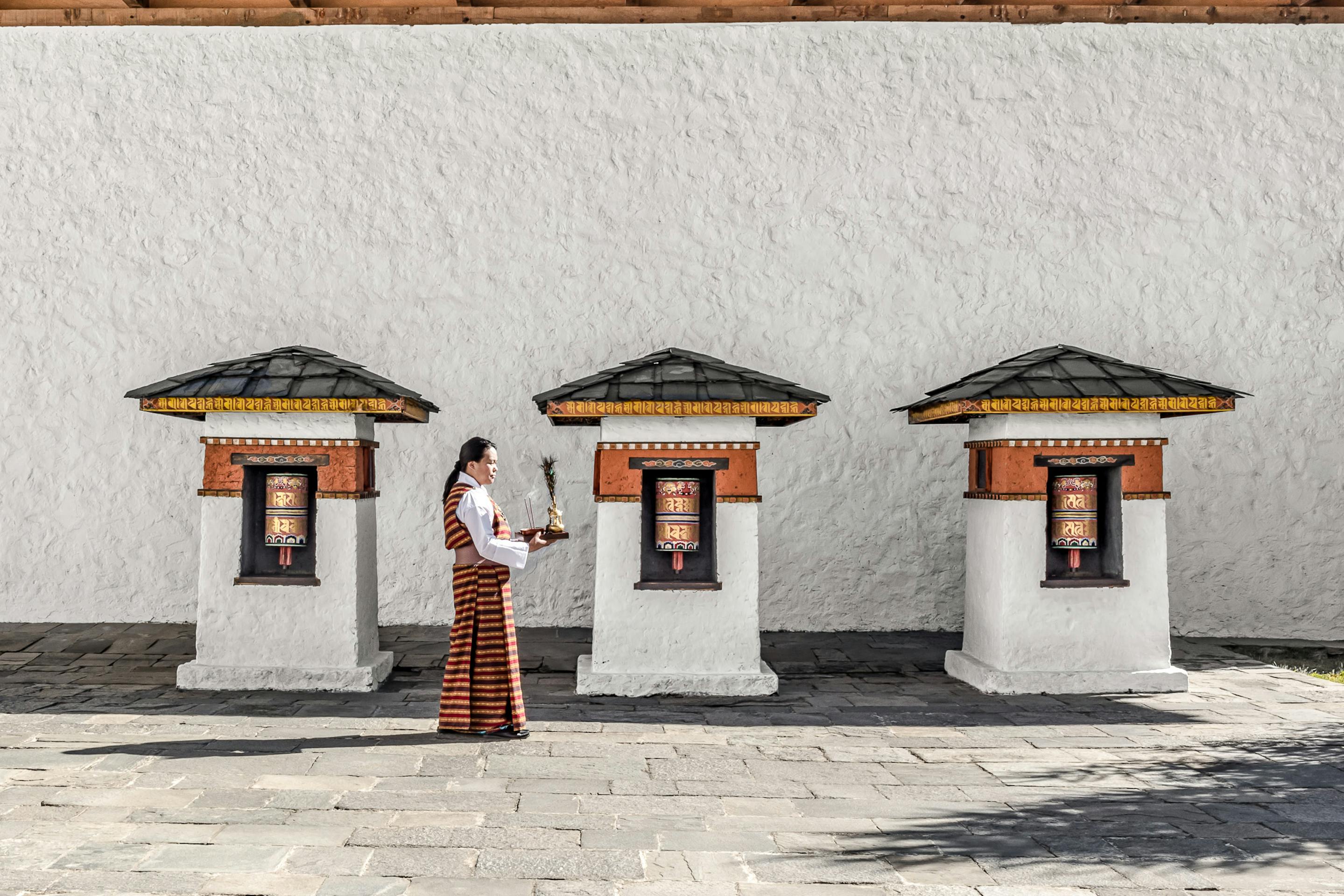
Spring also welcomes the Paro Tsechu, one of Bhutan’s biggest festivals. Across four days, spectators watch performative dances while donning colorful ghos and kiras (traditional dress). The festival culminates with the early morning unfurling of a large and ornate Thongdrel—translation: “liberation by sight”—which Bhutanese people believe absolves their sins simply by casting eyes upon it.
In February/early March, the Punakha Drubchen is held across five days to commemorate Bhutan’s victory against the Tibetan army in the 17th century.
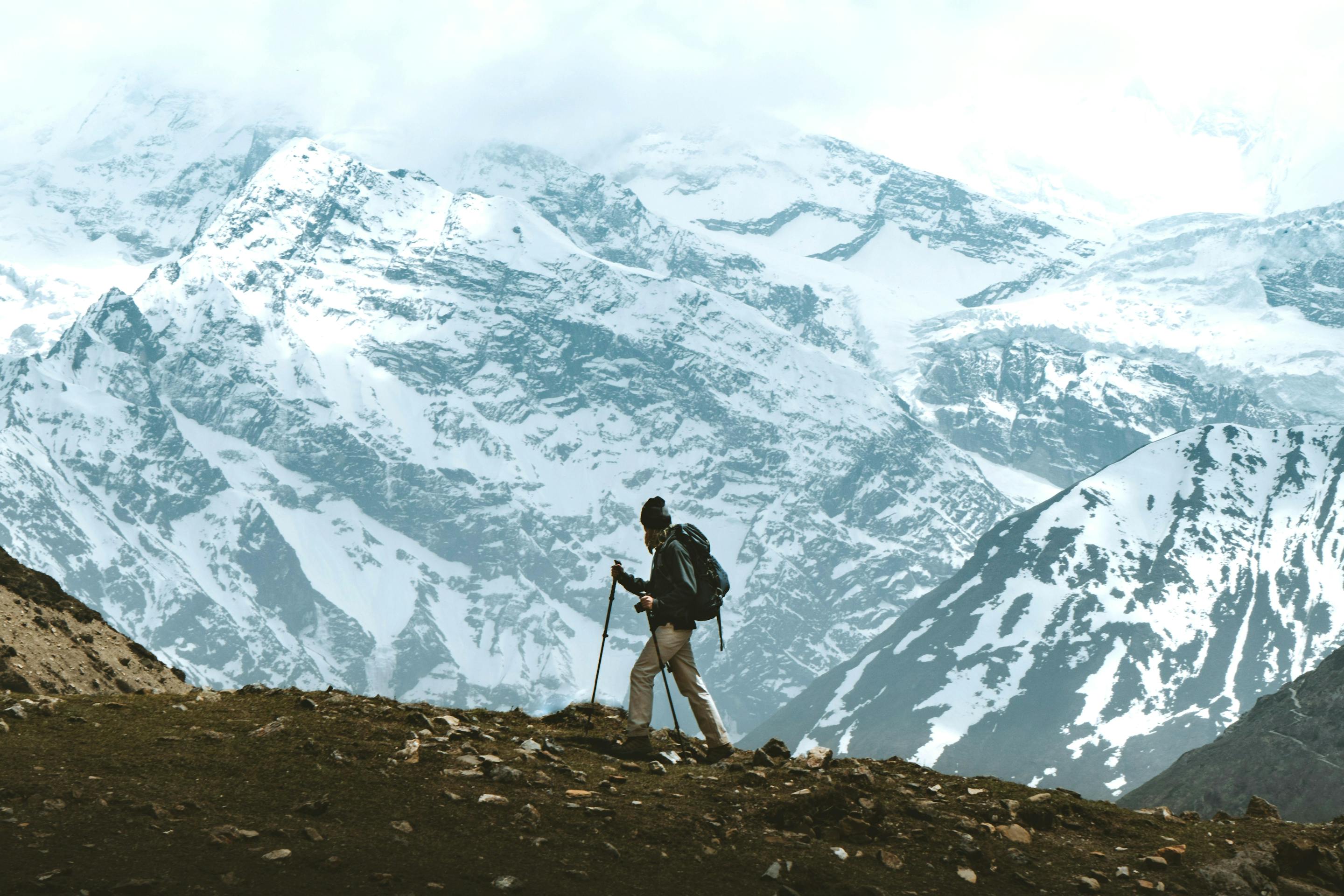
Spring is an ideal season for trekking, hiking, and other outdoor pursuits in Bhutan, especially in Gasa. As wildlife begins to stir and become increasingly active, it’s a good time to spy endemic species.
Summer in Bhutan: June, July & August
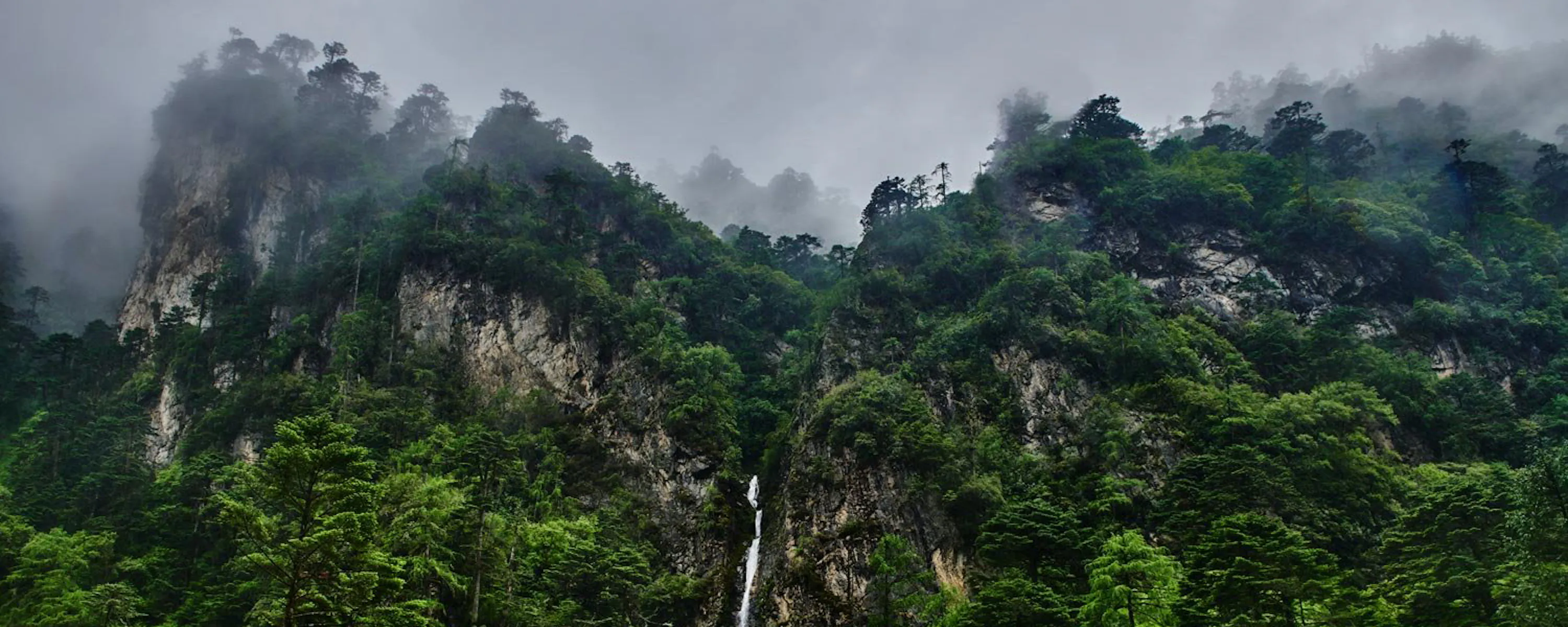
Temperatures are warm if not hot in summer, with greater precipitation—especially in the sub-tropical south where abundant rainfall restores the lush landscape.
Located on the leeward slope of the Himalayas, Bhutan’s central valleys receive some precipitation, but far less than the southern belt. As such, summer is best enjoyed on Paro, Thimphu, Haa, Punakha, Phobjikha (Gangtey), and Bumthang tours.
The arc of summer precipitation usually starts as occasional light rain in June, picks up into August, and continues through mid- to late-September. If traveling during monsoon season, it’s a fantastic time to take advantage of lower shoulder season rates while deep-diving into Bhutanese cultural experiences with much thinner crowds.
Fall in Bhutan: September, October & November
The monsoon rains subside in September, ushering in fall, the best time to visit Bhutan.
In the temperate center and in northern Bhutan, deciduous trees paint the landscape in flecks of orange, red, and gold. It’s a bold contrast against autumn’s clear blue skies. Fall’s stable weather offers reliable weather windows to attempt technical hikes such as the Snowman Trek and other high-altitude routes.
There are significant religious celebrations in fall. The Thimphu Tsechu headlines the season, attracting the largest audiences and participants. Anticipate a full program of costumed and masked dancing, song, and the unfurling reveal of an elaborate thongdrel. The Royal Highland Festival is another October celebration that takes place in the northern Gasa district. The two-day event celebrates Layap culture, Bhutan’s semi-nomadic highland peoples, through games, parades, song, dance, and competitions that include yak, horses, and mastiffs.
Wildlife lovers will appreciate fall travel, too. By late October, the first black neck cranes may begin arriving in Phobjikha Valley.
Fall is peak season, but you won’t feel crowded while staying at our favorite luxury Bhutanese hotels and lodges.
Winter in Bhutan: December, January & February
Winter brings frost, some snow, and freezing temperatures to Bhutan. On a luxury Gasa trip to Bhutan's mountainous far north, these are even more pronounced.
Warmer and lower in elevation, southern and eastern Bhutan are mostly spared, but still cool—making them good destinations for Bhutan winter travel.
Centrally, with a nip in the air, it’s a lovely time to experience a traditional Bhutanese hot stone bath—a mineral-rich ritual rooted in relaxation, wellness, and culture. Follow a soak with a salt scrub and massage. December, January and February are also a great time to cozy into the hygge interiors of Bhutan’s best luxury lodges, with suites warmed by traditional Bukhari stoves. Cloudless clear skies and generous winter sunshine make for sublime Himalayan views.
By December, celebrated black neck cranes are wintering in the Phobjikha Valley (Gangtey).
Not far from Thimphu, the Druk Wangyel Tsechu is celebrated each year on December 13 in the stupa-dotted Dochula Pass. Backdropped by mountain peaks, masked members of the Royal Bhutan Army (versus monks) perform in tribute to Majesty Jigme Singye Wangchuck, the Fourth King of Bhutan.
Because winter sees far fewer visitors than spring and fall, travelers enjoy more privacy and exclusivity at iconic landmarks, monasteries, and during cultural experiences. Off-season rates extend better value.
At a glance
| Month | Season | Weather | Go to | Festivals | Highlights |
|---|---|---|---|---|---|
January | Winter | Cold, clearest skies; frost and snow | South, east; central valleys for hot stone baths | — | Black-necked cranes in Phobjikha; fewer visitors, better value |
February | Winter | Cold, clear | South, east, central | Punakha Drubchen (February/March) | Crane season; privacy at monasteries |
March | Spring | Dry, mild | All regions | Punakha Drubchen (February/March); Paro Tsechu (March/April) | Blossoms begin; trekking |
April | Spring | Dry, mild | All regions | Paro Tsechu (March/April) | Rhododendrons and cherry blossoms; peak season |
May | Spring | Dry, mild to warm | All regions | — | Trekking in Gasa; wildlife spotting |
June | Summer | Warm, light showers | Paro, Thimphu, Punakha, Phobjikha, Bumthang, Haa travel | — | Shoulder-season value |
July | Summer | Warm to hot, more rain (especially in the south) | Central valleys | — | Lush south; thinner crowds |
August | Summer | Heaviest rain | — | — | |
September | Fall | Rains ease by mid to late month | Late month: all regions | Thimphu Tsechu (September/October) | Start of peak season, post-rains |
October | Fall | Clear, stable | All regions | Thimphu Tsechu (September/October); Royal Highland Festival (Gasa) | Autumn colour; Snowman Trek; first cranes arrive |
November | Fall | Clear, crisp | All regions | Black Neck Crane Festival (Nov 11, Gangtey) | Autumn colour; cranes; Himalayan views |
December | Winter | Cold, clear | South, east, central | Druk Wangyel Tsechu (Dec 13) | Cranes settled in Phobjikha; off-season value |
Regional guide: when to visit each part of Bhutan
Moving south to north, the elevation steadily rises, creating distinct climates and habitats within the country. The weather in fall and spring allows travelers to visit all parts of Bhutan.
Southern & eastern Bhutan
The southern foothills are sub-tropical. Warmer and lower in elevation, southern and eastern Bhutan are mostly spared winter's freeze, but still cool—making them good destinations for Bhutan winter travel. When traveling in winter, we recommend southern Bhutan and its subtropical rainforests. In summer, abundant rainfall restores the lush landscape.
Central valleys: Paro, Thimphu, Haa, Phobjikha (Gangtey) & Bumthang
Bhutan's heartland contains broad valleys with hills blanketed with evergreen trees, where you'll find many of Bhutan's most-visited valleys. Located on the leeward slope of the Himalayas, the central valleys receive some precipitation, but far less than the southern belt. As such, moderate western and central Bhutan shine brightest in summer.
Punakha
Elevation differentiates the climate of the north from the south, but also within Bhutan's central valleys. Most have comparable temperatures, but a private Punakha Valley tour (lower in elevation), feels appreciably warmer.
Northern Bhutan & Gasa
The north is marked by snow-capped mountain peaks, alpine meadows, and glaciers. Spring is ideal for trekking and outdoor pursuits here, and fall's stable weather suits high-altitude routes. In winter, frost, snow, and freezing temperatures are even more pronounced in Gasa and the mountainous far north.
Bhutan's festival calendar


Bhutan travel FAQs
Start planning your bespoke Bhutan trip
Every Extraordinary Journeys itinerary starts with a conversation, not a template. Connect with an Asia travel specialist to dream up your bespoke Bhutan itinerary, timed to a Tsechu, a trek, or spring’s rhododendron bloom.
November 12, 2026
Explore Himalayan travel itineraries
Every trip with Extraordinary Journeys is tailor-made, crafted in collaboration with one of our destination specialists. Use these as a starting point, or as inspiration to create your own journey.