Itinerary
Extraordinary Bhutan trip
Tiger's Nest Monastery and beyond on a journey through our favorite places in Bhutan
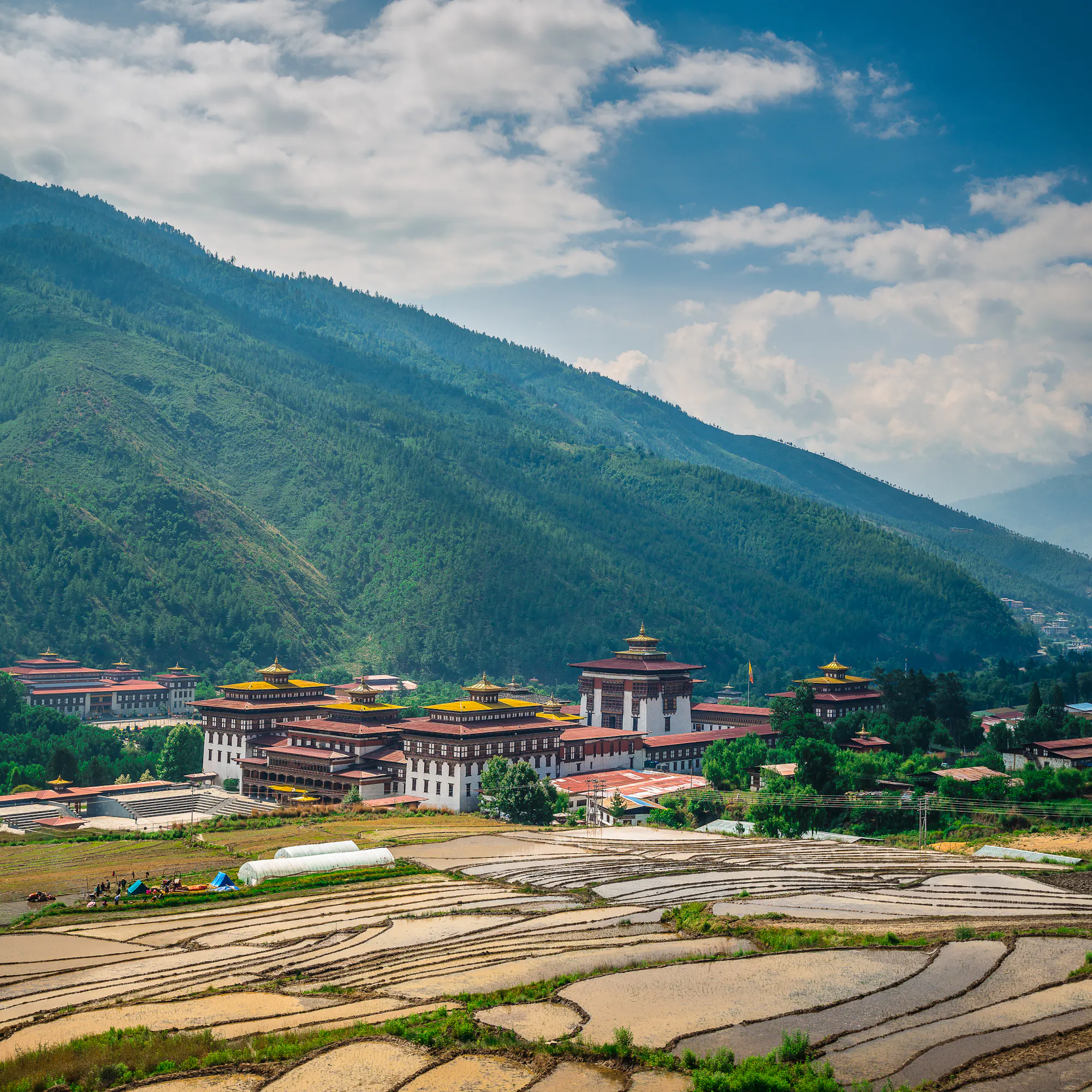
Named after a local deity who dissolved into a rock, Thimphu is an intriguing Himalayan city with plenty of quirks and charms—like being the only capital in the world without a traffic light. Traffic, instead, is directed single-handedly by a white-gloved policeman. It’s also one of the world’s highest-elevation capitals. Sitting 7,656 feet above sea level, Thimphu sprawls across the Wang Valley, a narrow river gorge surrounded by the Himalayan peaks, with a towering golden Buddha statue that looms above. In Thimphu, you might glimpse the Fourth King cycling by or a prince enjoying live music at Mojo Park, an animated bar.
Use these itineraries as a starting point, or as inspiration to create your own journey.
Weather-wise, Thimphu can be visited year-round, though spring and fall are ideal. The city also hosts many notable festivals and goings-on that are worth planning a trip around. Annual Buddhist festivals include the Thimphu Tshechu and Thimphu Dromchoe. An elaborate celebration of Bhutan’s National Day is held on December 17 at Changlimithang Stadium—where you can witness the King making an address. There’s also Bhutan Echoes, an international literary festival held annually in August, and thrilling soccer games between local football clubs. Keep reading: The Best Time to Visit Bhutan: A Month-By-Month Guide
Best
Mar
Apr
May
Sep
Oct
Nov
March - May
September - November
Good
Jan
Feb
Mar
Apr
May
Jun
Jul
Aug
Sep
Oct
Nov
Dec
January - December
Enjoy a walking tour of Thimphu alongside an expert guide. Slow into the city’s rhythm by sampling street food, admiring Bhutanese architecture, and nipping into shops and cafés. Sample Bhutanese pizza at Project ZZA and momo (dumplings) at Zombala Restaurant.
Visit the Thimphu Farmers’ Market to shop for handicraft souvenirs and to sample handmade small bites.
Admire elaborate carvings and statues at the National Memorial Chorten, a four-story landmark stupa.
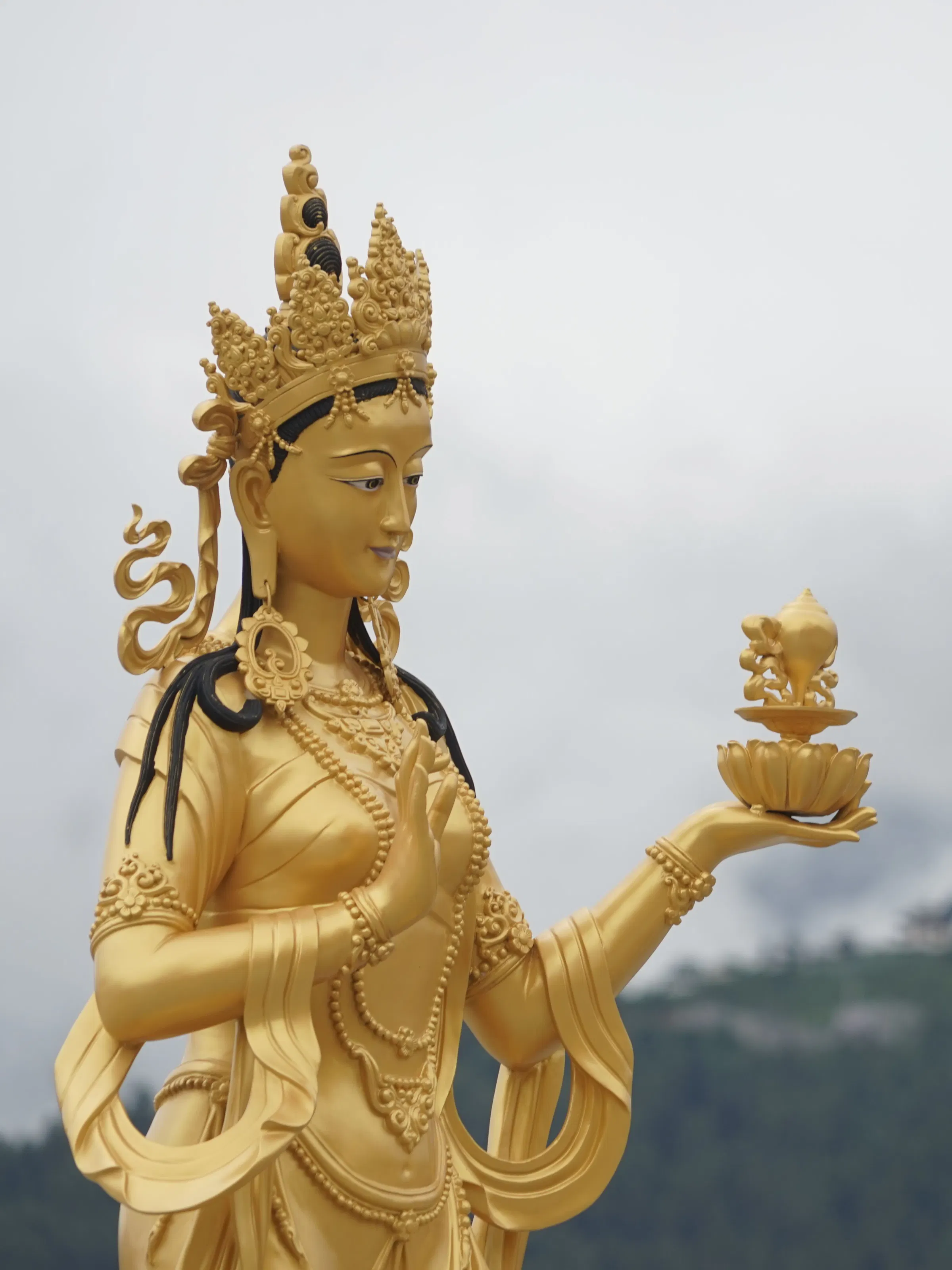
Visit the 177-foot, gold-gilded Buddha Dordenma, followed by a hike or bike ride along forested trails blessed with valley views.
Get a crash course in arts and crafts at the National Institute for Zorig Chusum, where carving, stitching, and painting reflect and preserve Bhutan’s cultural heritage.
Learn about weaving traditions at the Royal Textile Academy, and Deh-sho papermaking (used in monasteries and for prayer books) at Jungshina Paper Factory.
Visit a natural preserve to observe takin, Bhutan’s shaggy, hoofed national animal.
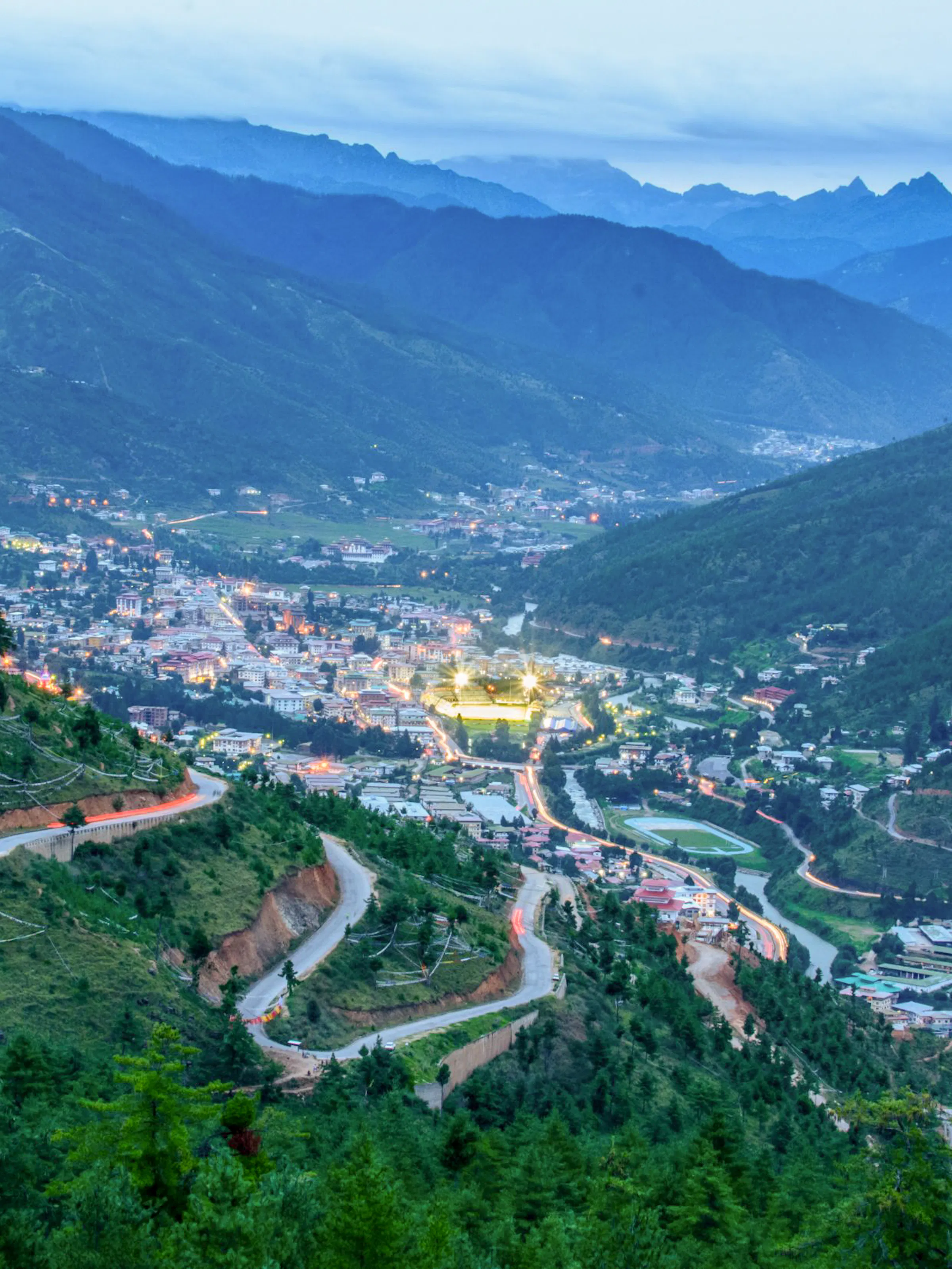
A visit to Thimphu puts you within easy reach of many other beautiful and fascinating parts of Bhutan.
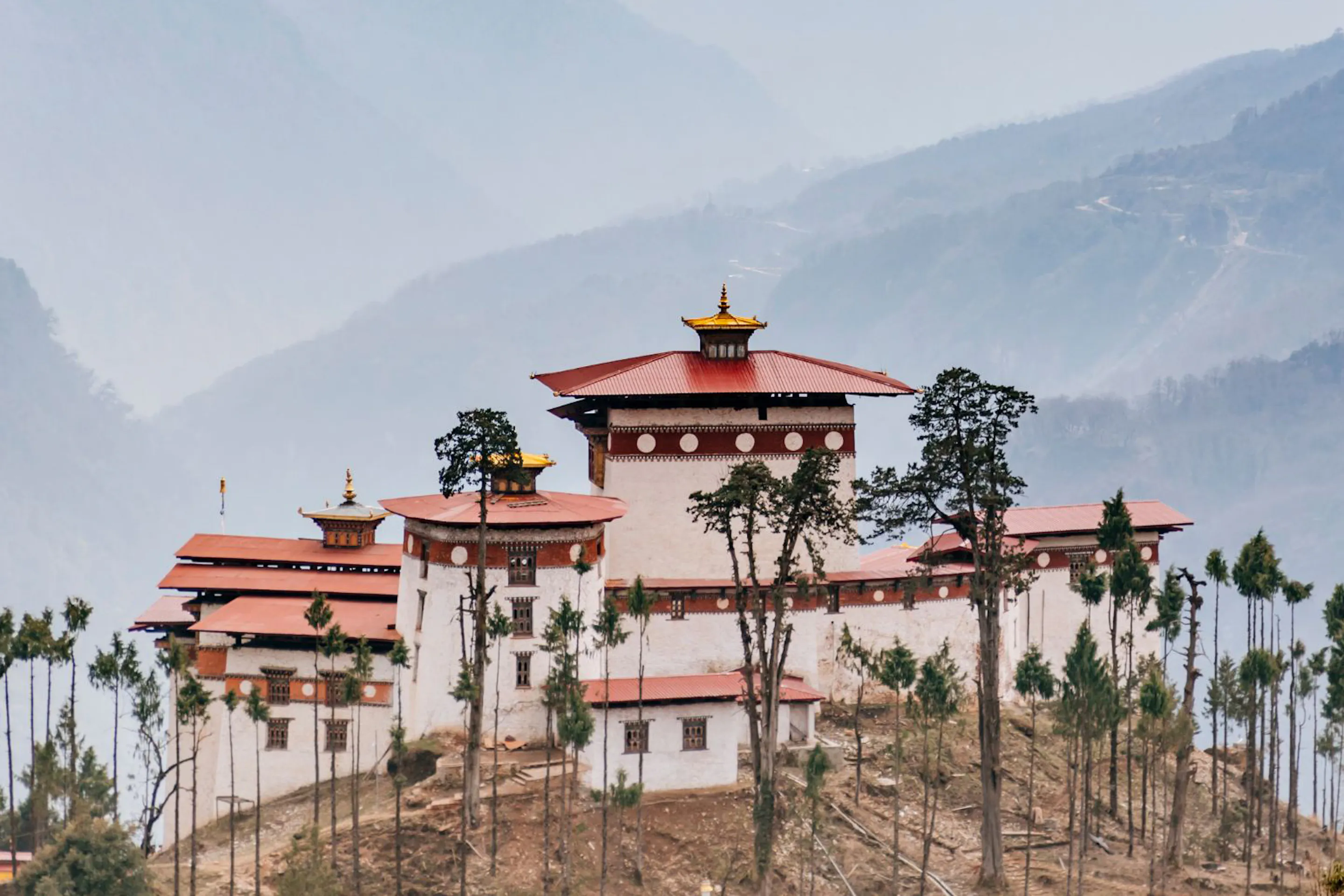
Gasa is a remote district in northwestern Bhutan bordering Tibet to the north and Thimphu and Punakha to the south.
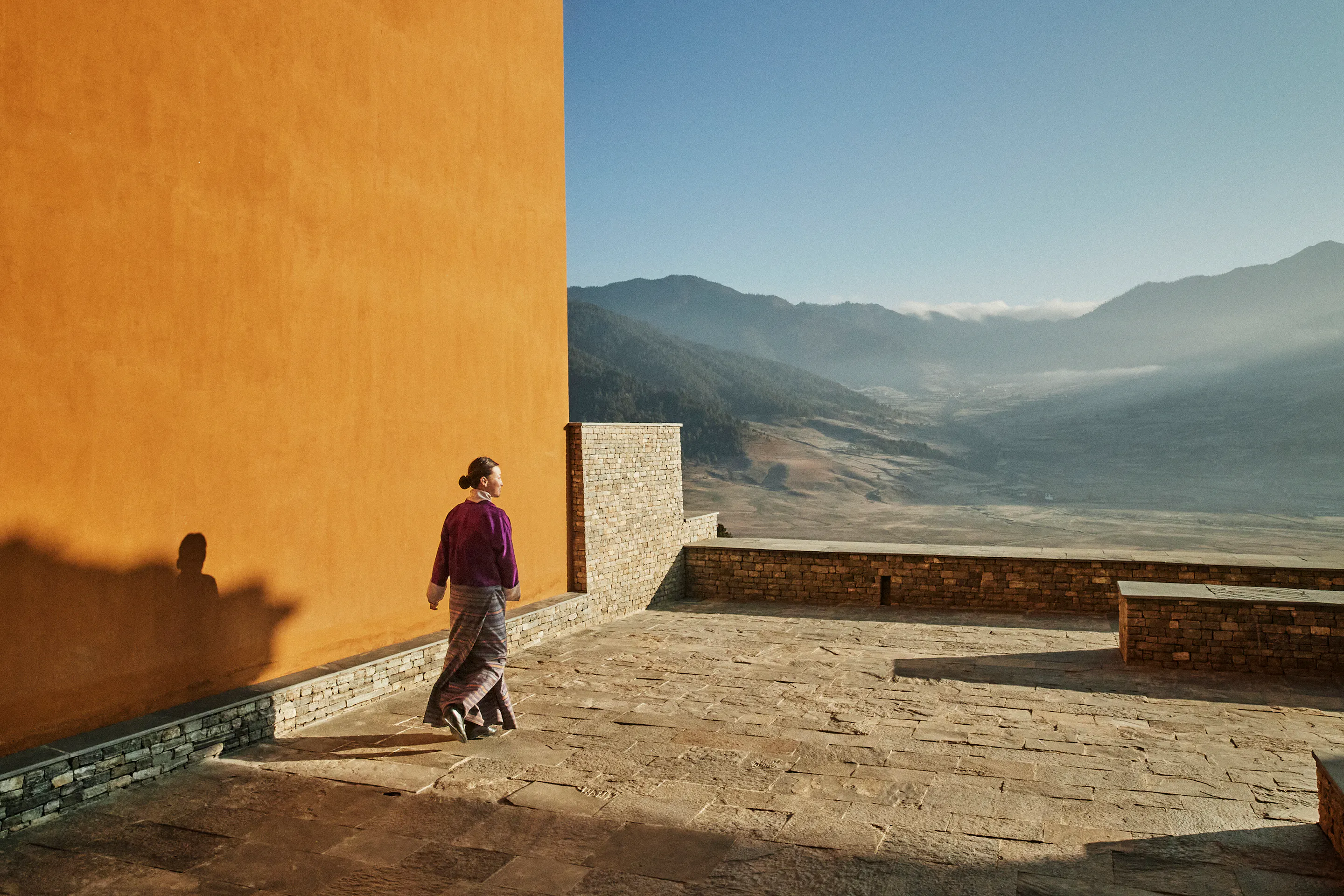
The Phobjikha Valley is a postcard-pretty valley two-and-a-half-hours southeast of Punakha. Commonly referred to as Gangtey, this scenic spot features a broad, flat valley floor cradled by conifer-blanketed slopes.
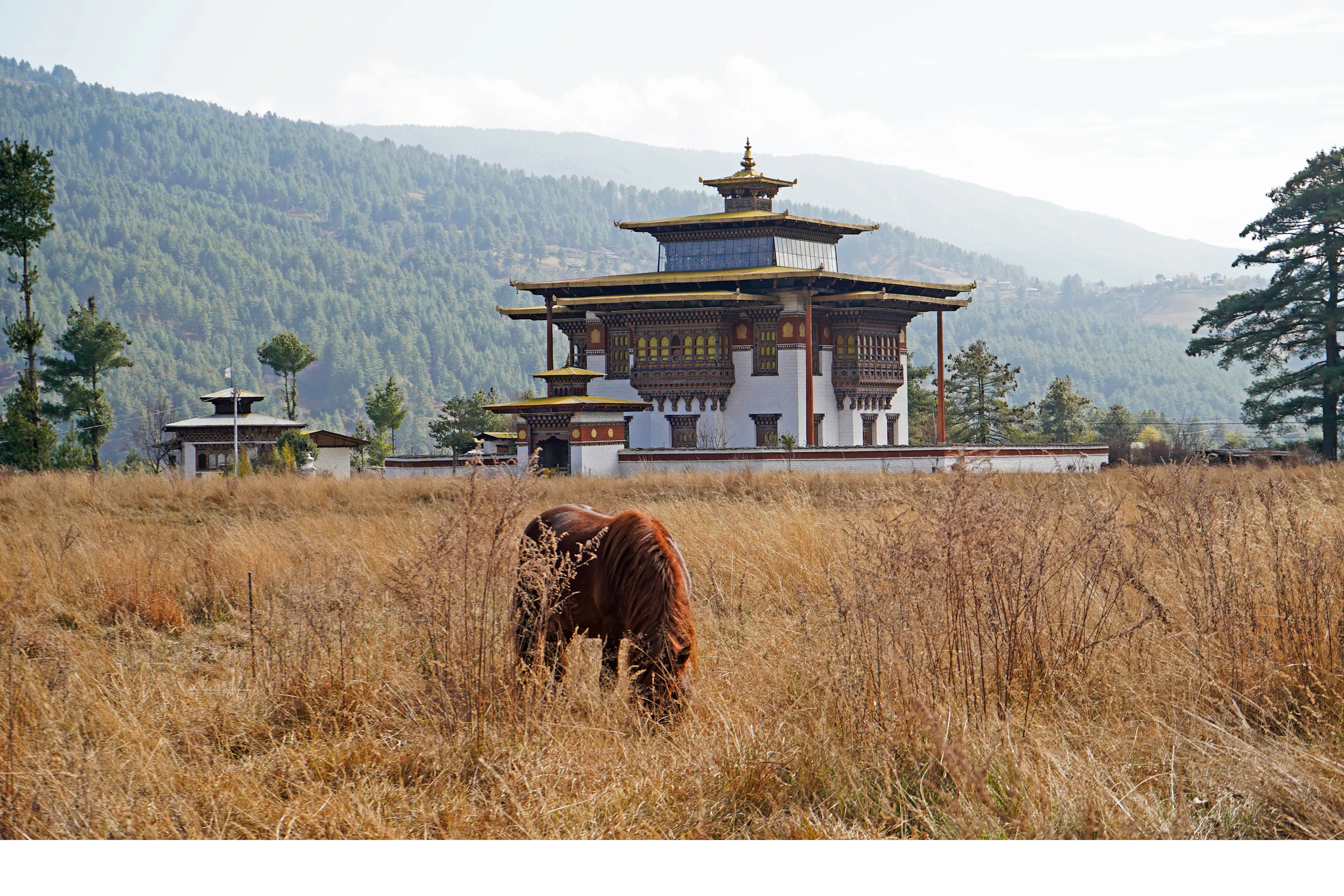
Bumthang unfurls like an elaborate thangka painting depicting breathtaking landscapes, ancient monasteries, profound spirituality, and rich cultural heritage.
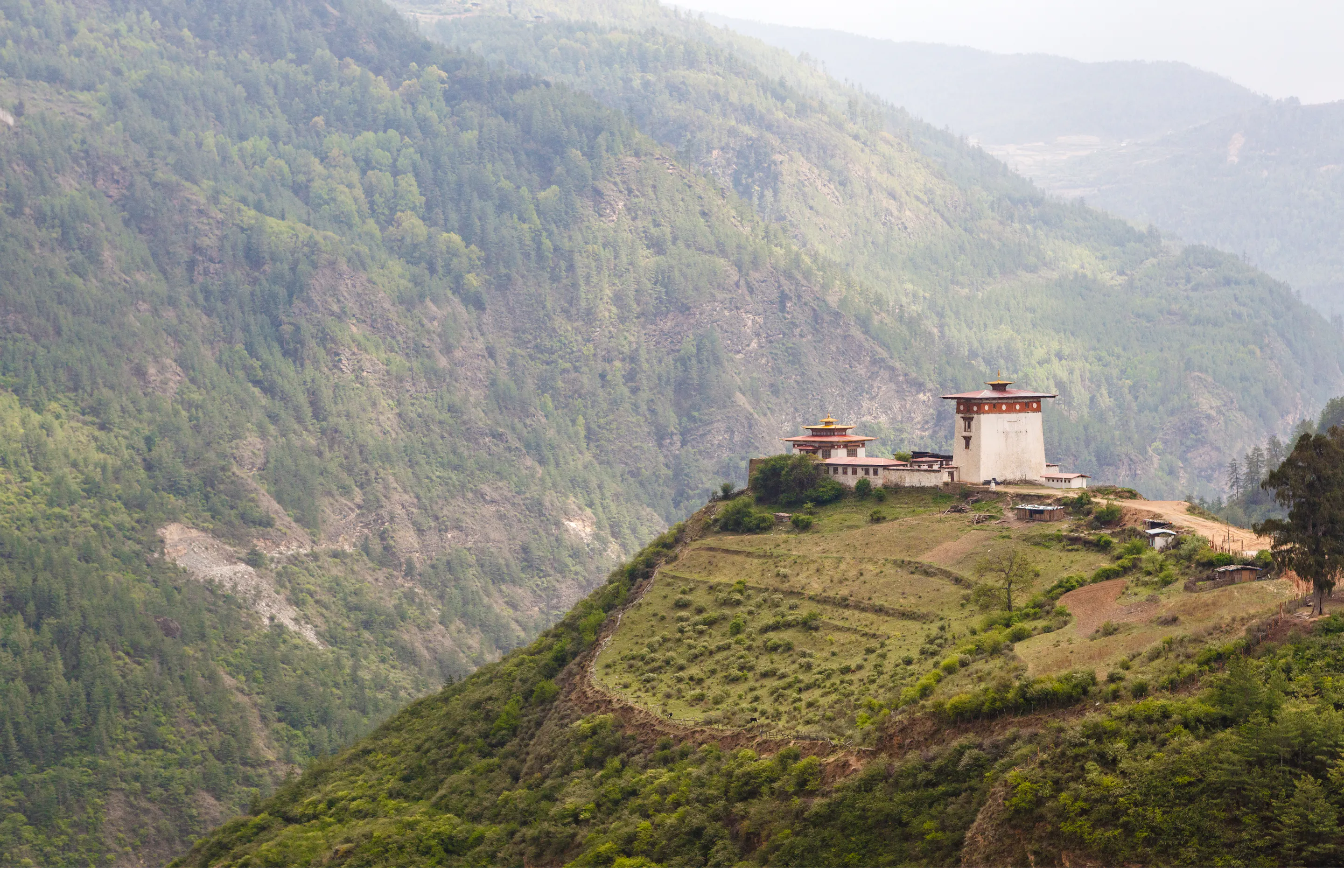
Despite its day-trip proximity to Paro, the Haa Valley is one of Bhutan’s most isolated and scenic regions.
Specialists with firsthand knowledge and deep local insight

Every trip designed uniquely for you
Engaging, adaptable guides who bring each place to life
Personalized pre-trip calls and curated documentation
A personal contact managing every detail on the ground
Complete care, every step of the way
