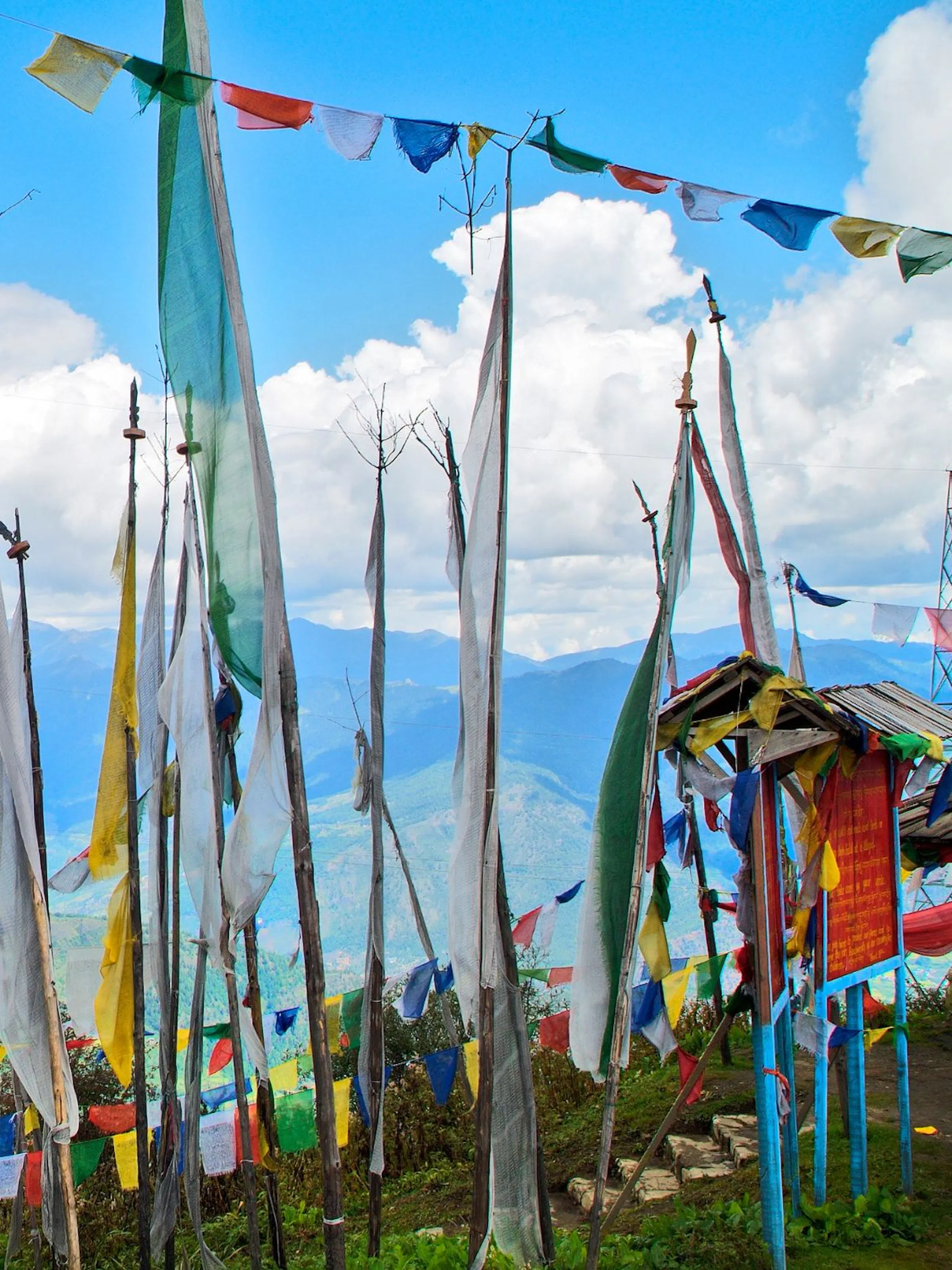
Despite its day-trip proximity to Paro, the Haa Valley is one of Bhutan’s most isolated and scenic regions.
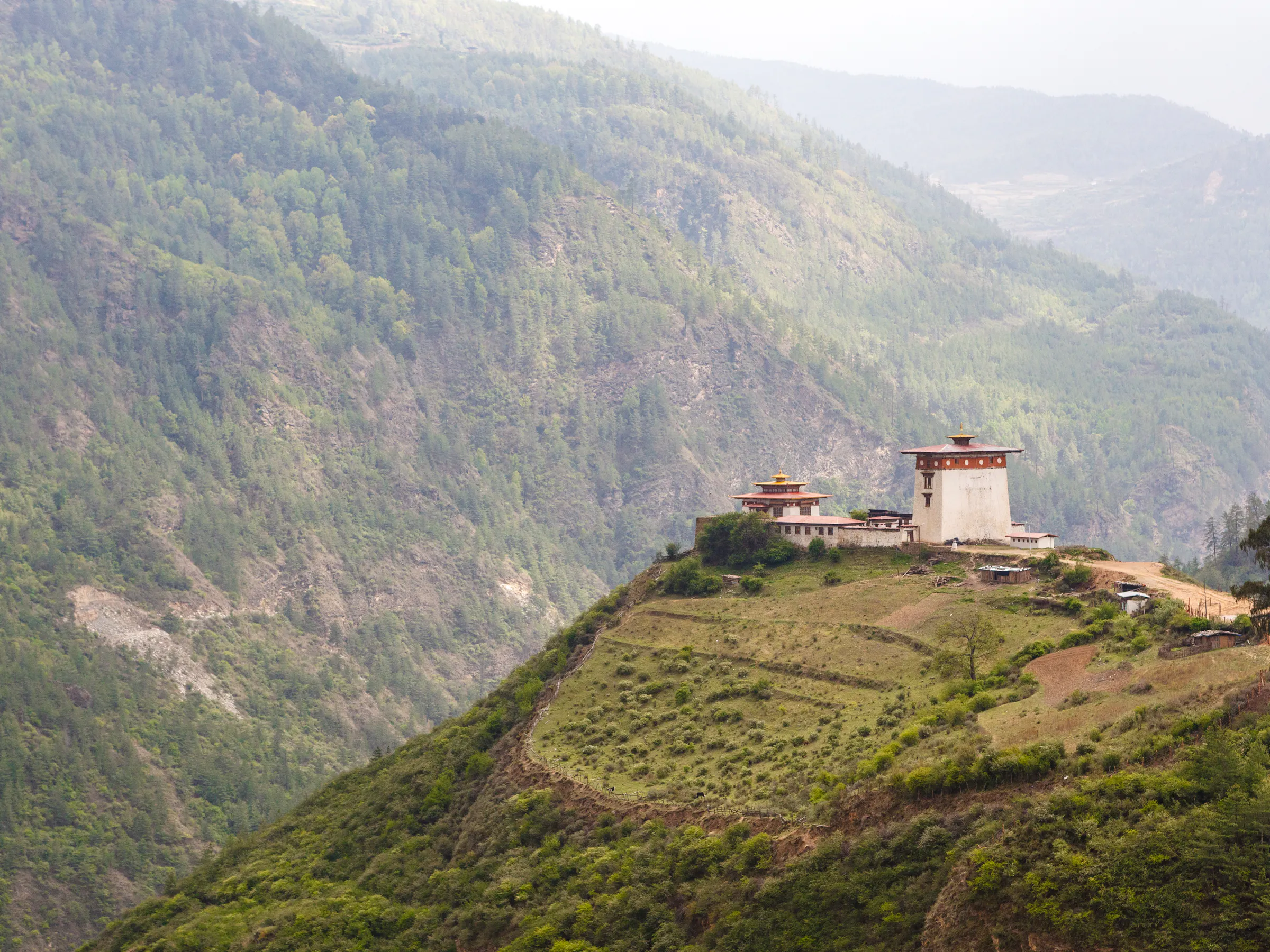
Spanning a 650-square-mile alpine area bookended by Tibet and Bhutan’s Paro, Samste, and Chhuka districts, the valley’s geostrategic location in far-western Bhutan is one reason it was off-limits to tourists until 2002—making it the last district to open to tourism. A lesser-visited destination, you might encounter villagers who have never met a foreigner. Renowned for its beauty, Haa is characterized by its steep valley walls, highland lakes, clear-flowing rivers, towering peaks, and unspoiled wilderness. It is an outdoor paradise, and a genuine sense of serenity pervades the valley. Reach Chelela Pass to mark your arrival in the Haa Valley. Sitting at 13,120 feet altitude, it’s the perfect place for a scenic stop. Framed by wind-whipped prayer flags, admire panoramic valley views and glimpse snow-capped Mount Jomolhari.
The best time to visit the Haa Valley
The Haa Valley is accessible year-round, but spring and fall are peak seasons. October and November are known for spectacular, cloud-free mountain views, while the summer months see blooms of elusive blue poppy.
Haa hosts a summer festival celebrating its national flower but note, they’re as difficult to spot as the snow leopard, so you’ll have to rely on your guide and good luck, i.e. karma, to see one.
Keep reading: The Best Time to Visit Bhutan: A Month-By-Month Guide
Best
Mar
Apr
May
Sep
Oct
Nov
March - May
September - November
Good
Jan
Feb
Mar
Apr
May
Jun
Jul
Aug
Sep
Oct
Nov
Dec
January - December
Highlights of a Haa Valley tour
Hike the Panorama Hiking Trail
Soak in a hot stone bath in the woods
Walk with yak herders throughout the valley
Explore a rhododendron forest that is home to red pandas
Admire the sunset, framed by the Meri Puensum hills
Sample hoentey (a Haa speciality) in a family home
Go catch-and-release fishing for Golden Mahseer
Village visits for savory farm food tours
Enjoy a scenic bike ride with valley views
Glimpse snowcapped Mount Jomolhari from Chelela Pass