
Japan travel guide: What to know before you go
The quirks and customs first-time visitors should know

November 13, 2026
You've spent the last few days exploring Tokyo, and now you're checking out of your hotel to make the two-hour fifteen-minute journey to Kyoto on the bullet train. But instead of hauling your luggage along with you, you hand your suitcase to the front desk and board the train with just a small overnight bag. The next evening, you slide open the door to your ryokan and there it is, as if your bag made the journey on its own.
Japan is known for being easy to get around. The trains run on time to the minute, and the service is some of the most thoughtful you’ll find anywhere. Still, arriving here can feel a little like stepping into another world, where many of the habits you take for granted at home don’t apply. Slipping off your shoes at the door of a restaurant or watching a server hurry after you to hand back the tip you left are completely normal behaviors here.
It's why we encourage you to arrive with an open mind and leave a bit of Western predictability at the airport. The more you go along with the Japanese way of doing things, the more the country gives back. Some of it will catch you off guard and a lot of it will charm you. At some point you may wonder why we don’t do this back home.
Chris Craigo, our Japan specialist, lived and worked in Japan for years. In this Japan travel guide, he shares what first-time visitors should know before they go.
12 things about Japan that might surprise first-time visitors
1. You might travel without your suitcase
Japan’s trains are famously punctual, but they weren’t designed with big suitcases in mind. Stations can have lots of stairs and long walks between platforms, and there isn’t much room for luggage on board. So instead of carrying large bags around, many Japanese travelers use takkyubin, a door-to-door delivery service. Your bags are picked up from one hotel and usually arrive at the next by the following day, for roughly ¥1,500 to ¥2,500 (about $10 to $16) per bag. It also makes the Shinkansen (bullet train) easier, because some lines require a special seat reservation if you’re bringing oversized luggage. We arrange the forwarding for our travelers, so all you need to carry on the train is a small overnight bag.
2. Trains are quiet
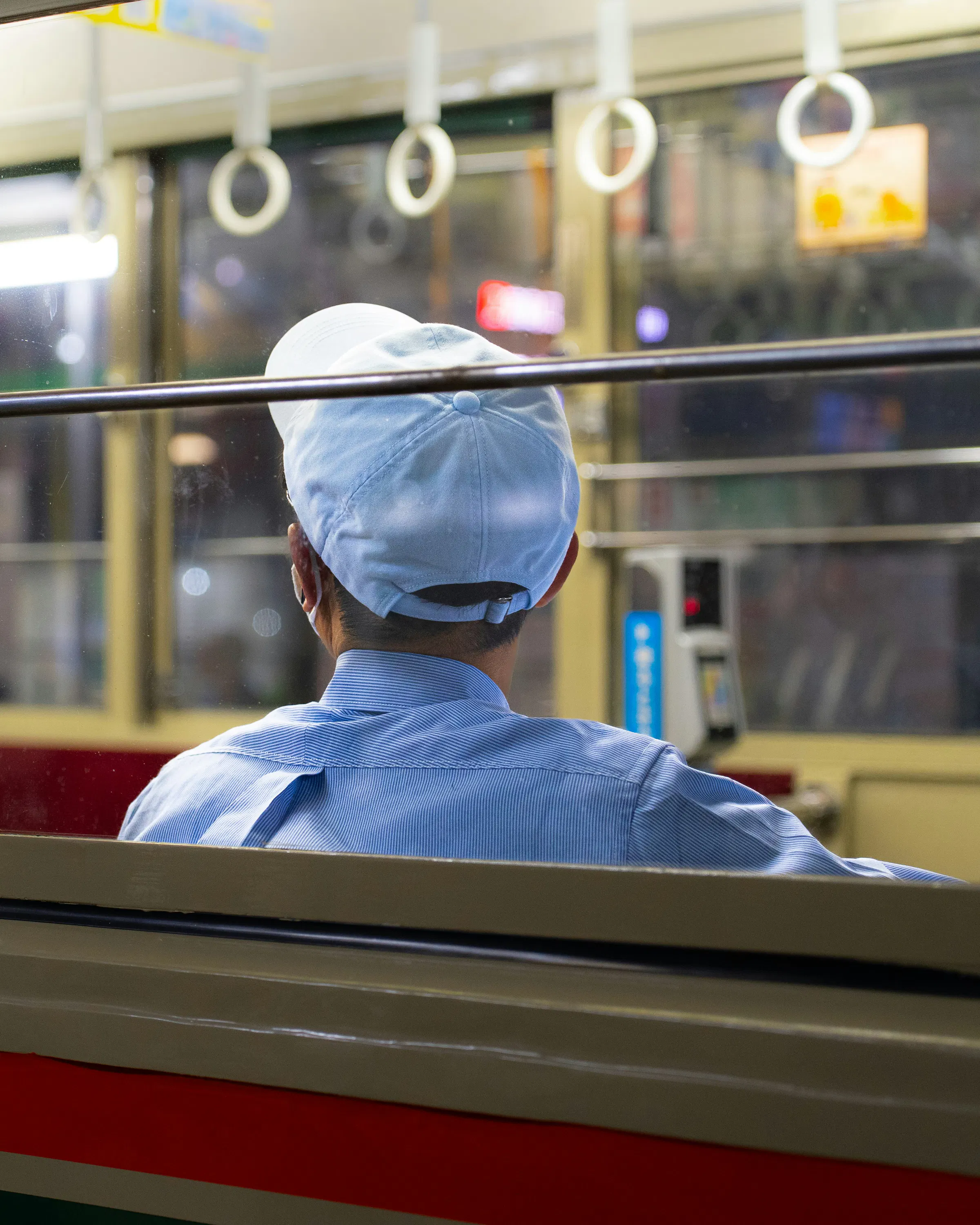
Japan’s famous train etiquette starts before you even board. On the platform, people line up neatly at markings on the floor and wait for everyone to get off before they step on. Once you’re inside, you’ll notice how quiet it is, even on a packed rush-hour train. People keep their voices down and switch their phones to “manner mode” (silent), saving calls for later. This comes from a deep-rooted sense that in a shared space, you shouldn’t make things harder for the people around you. The same thinking applies to priority seats, set aside for elderly, pregnant, and disabled passengers, and anyone traveling with small children. As Chris explains, people tend to leave these seats empty, and anyone who does sit there gets up as soon as someone needs it.
3. Eating while walking is frowned upon
Japan’s street food is hard to resist, whether it’s a skewer of dango (a chewy rice cake with a sweet soy glaze) or a crispy melon pan (a sweet bun with a crunchy, cookie-like crust). There’s also a vending machine on almost every corner. But what you won’t see is people eating or drinking as they walk. The practical reason is that on crowded streets, you're more likely to spill on someone. It’s also about respect for the food, which is meant to be enjoyed properly, not rushed. Trash cans are also surprisingly rare. After the 1995 sarin gas attack on the Tokyo subway, many trash cans were removed. Locals take the time to finish eating on the spot, then use the bin if there is one, or take their trash home with them. We suggest carrying a small bag for wrappers and looking out for bins at konbini (convenience stores).
4. You’ll take your shoes off often
In Japan, there’s a clear line between outdoors and indoors, and your shoes stay on the outdoor side. You’ll slip them off at ryokan, temples, some restaurants, and even in shop fitting rooms. Look for the genkan, a sunken entryway with a small step up, which tells you it’s time to take them off. Slippers are often provided, but you take those off too before stepping onto tatami mats. Bathrooms also usually have their own toilet slippers. We suggest packing shoes you can slip on and off easily to spare yourself the hassle of laces.


5. At the onsen, you bathe naked, and tattoos may need to be covered
Soaking in an onsen (hot spring) is one of the great pleasures of a trip to Japan, and it has its own etiquette. Swimsuits aren’t allowed, so everyone bathes nude. Since the water is shared, you wash thoroughly at the seated showers first. Keep the small towel you’re given out of the water or simply fold it on your head. If you have a tattoo, bear in mind that many public baths restrict them because of their long association with organized crime in Japan. In shared baths, guests are generally expected to cover them. If you have small tattoos, cover patches work well. Otherwise, we'll book a private bath, or a room with its own rotenburo (open-air bath), which many high-end ryokan offer.
6. Your bedroom might become your dining room
A traditional ryokan room is designed to change throughout the day. When you arrive, it’s a sitting room with a low table and floor cushions on the tatami. In the evening, dinner may be served at that same table. Later, the table is put away and futons are laid out on the floor for the night. It’s a centuries-old way of getting the most out of a single space. Although it's surprisingly comfortable, if sleeping on the floor doesn’t appeal to you, we'll find you a ryokan that offers rooms with beds. You’ll also be given a yukata (a light cotton robe) to wear to dinner, the bath, or anywhere around the property.
7. Don’t be late for dinner
Most ryokan serve kaiseki at dinner, a traditional multi-course meal made with seasonal local ingredients. The kitchen works to a set dinner time, so if you arrive late, you risk missing part of the meal. We typically plan your journey so you arrive by mid-afternoon with time to settle in before dinner. Kaiseki menus are often planned days ahead, so the kitchen might not be able to accommodate any last-minute requests. If you have any dietary requirements, we'll let the ryokan know well in advance.
Some of Japan’s best sushi and kappo (chef’s counter) restaurants have only eight seats, so every guest starts at the same time, often with an omakase menu where the chef decides what you’ll eat. If you arrive late, you could hold up the whole counter or be charged a cancellation fee if you're a no-show. Getting a reservation can be tricky without a Japanese phone number or local contacts, which is where we come in. We secure your table and plan your day around your booking.
8. Train-station food is something to look forward to
Remember the rule about not eating on the go? Long-distance trains are the exception. Opening an ekiben (a boxed meal sold at stations) while the countryside rolls past is one of the best parts of traveling around Japan. Ekiben have been around since the 1880s, and many regions take real pride in theirs, filling them with local specialties like Hokkaido crab or Yonezawa beef. Tokyo Station is a good place to start. Its Ekibenya Matsuri shop stocks well over a hundred varieties from all over the country, so you can eat your way across Japan before you’ve even left the city.

9. Tipping isn’t expected and can cause confusion
“If you leave money behind on a table, your server is likely to come dashing after you in confusion,” says Chris, our Japan specialist. Tipping isn’t part of the culture. Excellent service is the standard, and it’s already reflected in the price. Behind this is omotenashi, the Japanese idea of hospitality, which means looking after a guest’s needs without expecting anything in return. That’s why an extra payment can come across as awkward instead of generous. If you’d like to show your appreciation, Chris suggests bringing a few small gifts from home instead. "A baseball cap from your local team or a box of treats from your hometown makes a thoughtful thank-you for a ryokan host or a guide who’s looked after you", says Chris.
10. Cash still matters
Credit cards are accepted almost everywhere in Japan’s cities, but cash hasn’t disappeared. Small family-run restaurants, local markets, temples, and shrine offerings, and much of the countryside still relies on it. Part of the reason is that Japan is so safe that carrying cash has never felt risky. Keep some yen on you just in case, and a coin purse helps as you’ll soon collect a pocketful of ¥100 and ¥500 coins. The ATMs at 7-Eleven and Japan Post accept most foreign cards. For getting around, pick up an IC card such as Suica, PASMO, or ICOCA. You can tap it on trains and buses, use it to pay at konbini (convenience stores), and keep it in Apple Wallet on your iPhone.
11. Convenience stores are worth a visit
Japan’s konbini (convenience stores) are a world away from the gas station shops at home. You’ll find a 7-Eleven, Lawson, or FamilyMart on almost every street, open around the clock and stocked with fresh food throughout the day. The onigiri (rice balls wrapped in seaweed) and soft egg sandwiches have something of a cult following, and the shelves change with the seasons, so there’s always something new to try. Konbini are also part of daily life where locals pay bills, collect parcels, or send luggage ahead. Grabbing a morning coffee at one is one of the best ways to get a feel for everyday Japan.
12. Some Kyoto streets are off-limits to cameras
Gion, Kyoto’s historic geisha district, is one of the most atmospheric corners of Japan, with wooden teahouses lining lantern-lit lanes. It’s also where geiko (as geisha are known in Kyoto) and maiko (apprentice geiko) live and work. Over the years, visitors following them for photos and even tugging at their kimono became too much for the community. Taking photos on Gion’s private lanes may now earn you a ¥10,000 fine, and some alleys are closed to tourists altogether. If you see a maiko on her way to an appointment, give her space. For a closer look at this world, we can arrange a private evening with a geiko, where you can share a meal and watch her perform classical arts.


Practical tips for planning your first trip to Japan
When to go
Spring and autumn bring the most comfortable weather, but timing makes a big difference.
- Busiest: Late March through April (cherry blossom season) and October. For blossom season, book as close to a year ahead as you can. For October, book six to nine months out.
- Our favorites: Mid-to-late November, when the autumn leaves are at their most colorful and the crowds have thinned, and early to mid-December, when the streets are quieter.
- Best avoided: Golden Week in early May, when domestic travel surges, and the New Year period, when many businesses close.
For a season-by-season breakdown, see our guide to the best time to visit Japan.
How long to stay and where to go
For your first trip, we recommend at least 10 days and three stops. The more days you have, the more time you'll have for Tokyo and Kyoto, plus a quieter region or two, without rushing. After the big cities, places like Kanazawa, with its samurai-era streets and artisan workshops, or the mountain town of Takayama bring a gentler pace. Our 14-day Classic Japan, with a twist itinerary pairs Kyoto and Tokyo with both, then ends with a few nights at a hot spring ryokan on the Izu Peninsula. For more ideas, see our guide to the best places to visit in Japan.
Getting around
The Shinkansen is the quickest way between cities, and we often pair it with private transfers for door-to-door ease, especially in the countryside. As of October 1, 2026, the Japan Rail Pass is ¥53,000 for a 7-day pass and ¥74,000 for the Green Car (first class) version, so it only pays off if you’re covering a lot of ground by train. Within cities, an IC card like Suica covers subways and buses. If you’re bringing a large suitcase on the Tokaido or Sanyo Shinkansen, you'll need to book a seat with an oversized-baggage area, or more conveniently, we'll forward your bags ahead with takkyubin.
Entry, money, and taxes
- Entry: US passport holders can visit Japan visa-free for up to 90 days. Before you fly, add your details to Visit Japan Web. It generates QR codes that speed you through immigration and customs when you land.
- Departure tax: Japan’s international tourist tax rose to ¥3,000 on July 1, 2026 and is included in your airfare.
- Kyoto’s lodging tax: Since March 1, 2026, Kyoto has charged up to ¥10,000 per person per night. The top rate applies to rooms costing ¥100,000 or more a night, which includes many of the city’s finest hotels and ryokan.
- Tax-free shopping: From November 1, 2026, you pay full price in the store and claim the tax back when you leave. Keep your purchases unopened, scan your passport at the tax-free kiosk at the airport before checking your bags, and allow some extra time.
Staying connected
The simplest option is an eSIM, which you can set up before you leave home and switch on when you land. If you’re traveling as a family or with more than one device, a pocket Wi-Fi router works well too. Once you’re connected, Google Maps is very reliable for train times and platforms.
What to book ahead
Some of Japan’s best experiences sell out months ahead. We handle these bookings as part of the planning process, so everything is confirmed before you fly. Here’s a glimpse at what we secure early:
- Top restaurants: The most sought-after sushi and kaiseki counters can be fully booked months ahead, and many only take reservations through a hotel concierge or a local contact.
- Ryokan in peak season: For cherry blossom season, we encourage travelers to book a year in advance.
- The Ghibli Museum: Tickets are released once a month for the following month and often sell out within hours.
- teamLab: The digital art museums in Tokyo use timed tickets, and the popular slots go quickly.
- Cultural experiences: Private tea ceremonies, craft workshops, and evenings with a geiko all need to be arranged ahead of time.

For your first trip, we recommend at least 10 days and three stops. The more days you have, the more time you'll have for Tokyo and Kyoto, plus a quieter region or two, without rushing.
Japan travel FAQs
Plan your private Japan tour
Somewhere between waving goodbye to your suitcase in Tokyo and slipping off your shoes at your first ryokan, Japan starts to make sense. By the time you leave, you may miss some of its quirks. If you’d like help planning a trip where the details are taken care of for you, our Japan specialists would love to hear from you.
November 13, 2026