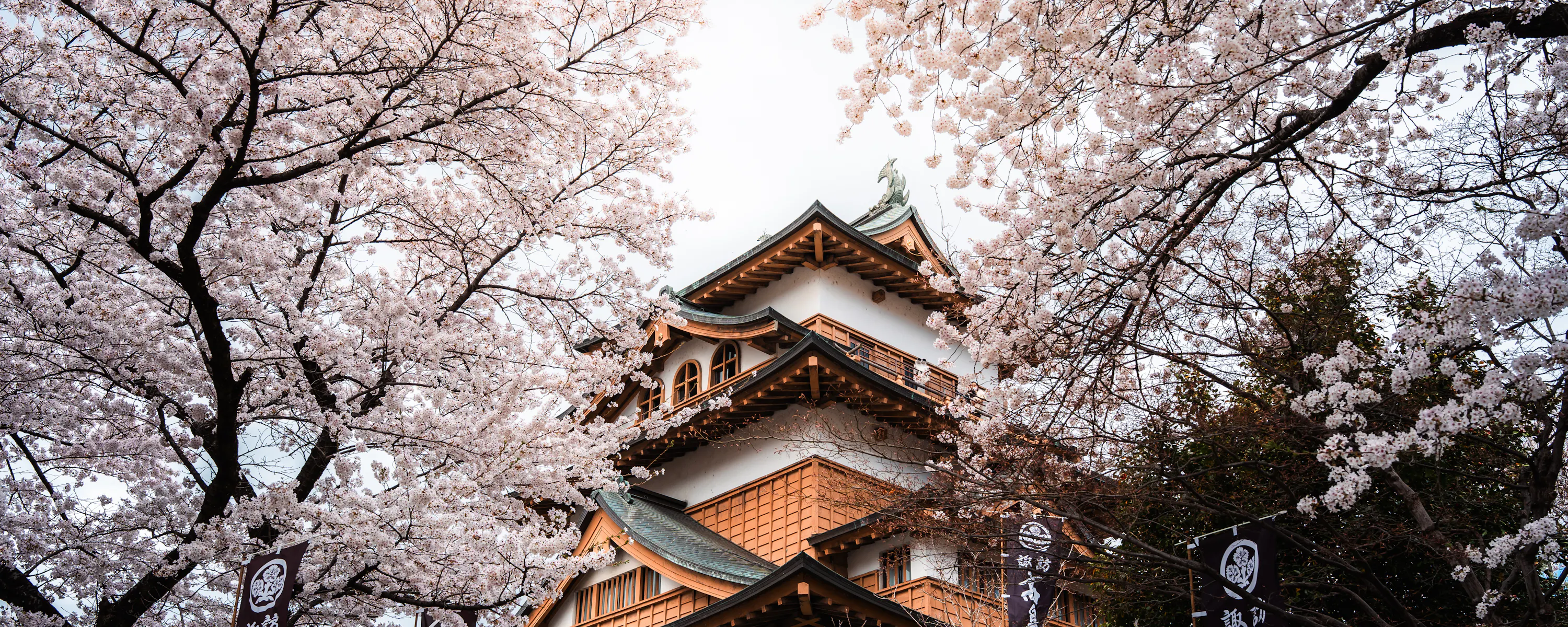
The best time to visit Japan
The best time to visit Japan is when you can experience icons and traditions without sacrificing comfort, access, or authenticity to overwhelming crowds.

May 15, 2026
No matter the season, Japan is one of those rare destinations that feels cinematic all year round. In spring, cherry blossoms waft past temple gates, while in summer, glowing red lanterns illuminate late-night festivities. In autumn, fiery maples frame mountain shrines; in winter, snow drapes the landscape in fleecy white.
If you’re not limited to traveling during any particular month, you might wonder, "When is the best time to visit Japan?" Our answer depends on what type of experiences you’re after — and just as importantly, how you want to experience them.
When is the best time to travel to Japan?
Extraordinary Journeys Japan specialists feel the best time to visit Japan is when you can experience icons and traditions without sacrificing comfort, access, or authenticity to overwhelming crowds.
The Japan travel we enjoy most happens just outside tourism’s peak seasons. This is particularly true of spring and fall when temperatures are pleasant and you can spend extended time outdoors — wandering gardens, wilderness, and city streets — with space, comfort, and ease.
When is peak season in Japan?
Cherry blossom season (March to ~mid-April) and October represent peak visitation. Sakura is extraordinary and for some travelers, worth the congestion. With advance planning and creative touring, we can preserve the magic of cherry blossoms, away from the crowds.
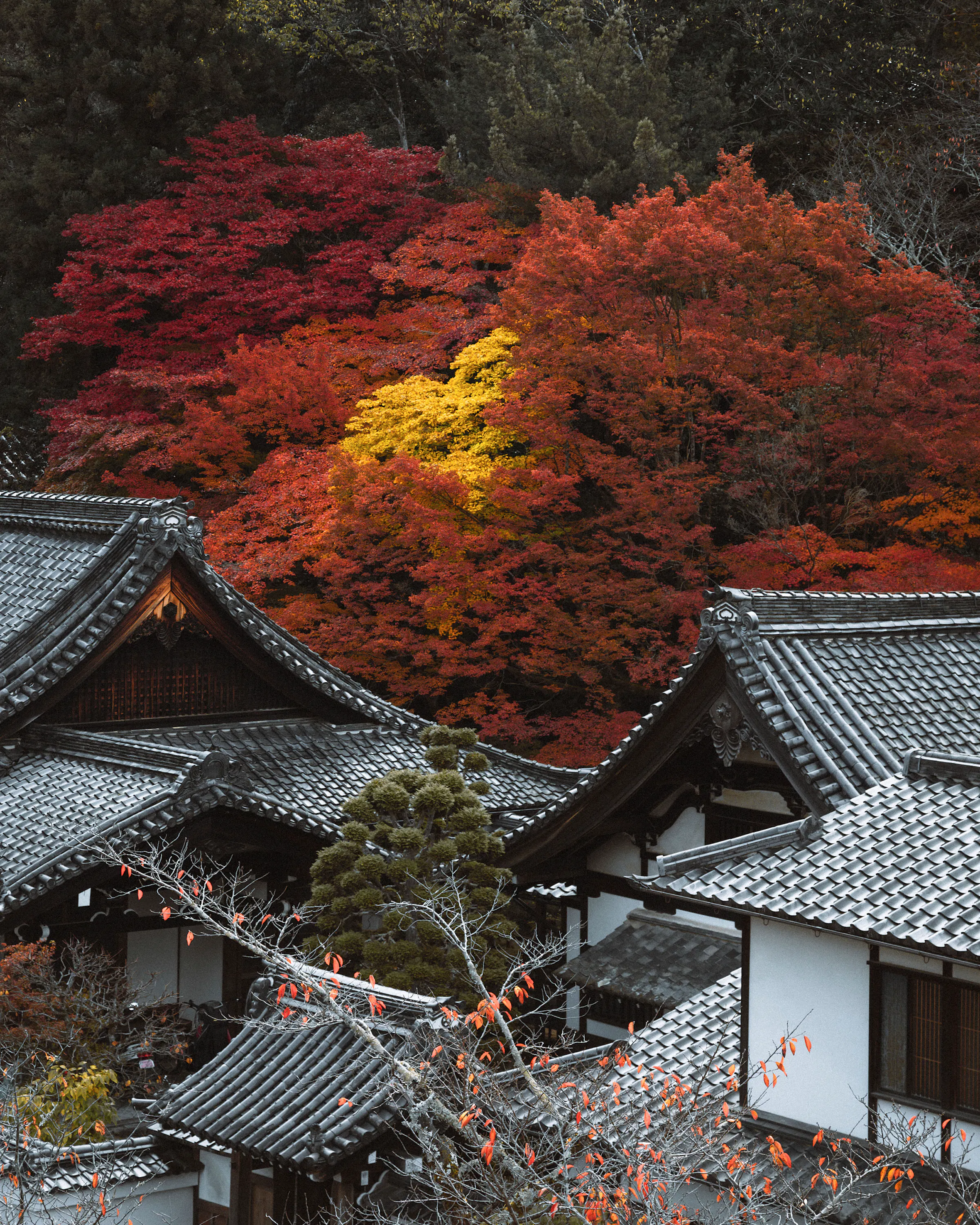
Japan climate & weather guide
Stretching from snowy Hokkaido to subtropical Okinawa, luxury Japan tours span a diversity of climates and environments. For the most part, though, you’ll encounter four distinct seasons:
- Spring (March, April, May): Cherry blossoms, hanami flower viewing, and renewal
- Summer (June, July, August): Festivals, fireworks, lush landscapes, plus heat and humidity
- Autumn (September, October, November): Summer’s humidity subsides, welcoming crisper air in October, and November’s brilliant foliage
- Winter (December, January, February): Quiet beauty, steaming hot springs, and fleecy northern snowfall
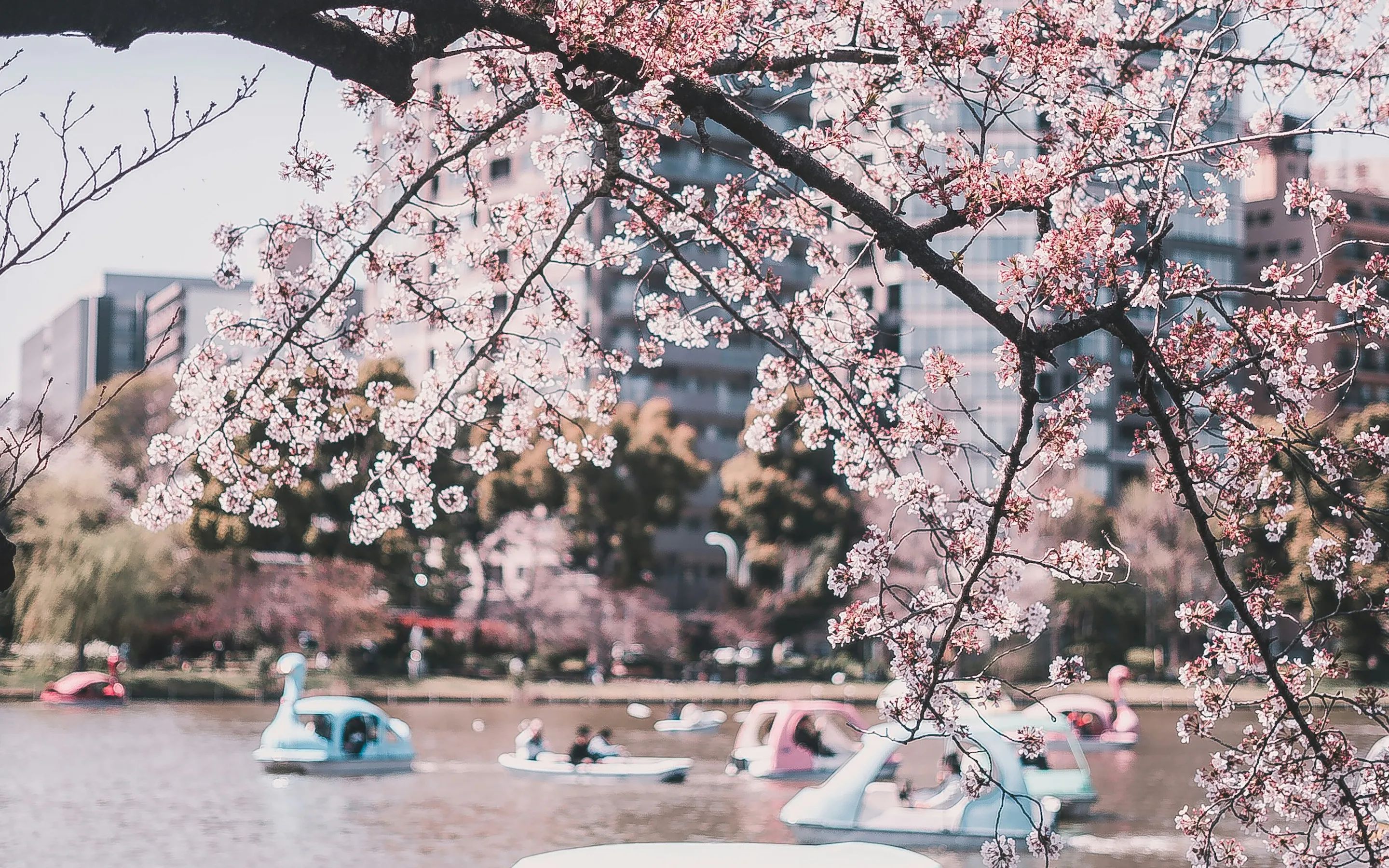
Spring in Japan: March, April & May
Spring is Japan’s most internationally celebrated season, and for good reason. As the country warms, cherry blossoms erupt across parks, riverbanks, and temple grounds, creating ethereal, dreamlike scenes. This season is culturally symbolic as well, representing renewal and new beginnings. The school year begins, and all living things — trees, flowers, birds, and wildlife — stir to life, answering the days' lengthening light and warmth.
Cherry blossom season (late March–April)
When the cherry blossoms typically bloom in Japan depends on the region and year, but planning around the right window can make all the difference for your visit. Peak bloom usually occurs between late March and April.
As this is Japan’s busiest travel period, the best properties and guides are in high demand. We recommend beginning the trip planning process a year in advance to secure your preferred hotels (especially coveted ryokans), and excursions hosted by our favorite artisans, chefs, experts, and other personalities.
Traveling with Extraordinary Journeys also helps you avoid the pitfalls of cherry blossom season. Instead of lingering in the overcrowded areas of Kyoto, we might steer you to equally enchanting but crowd-free alternatives in Kyushu or Kurashiki.
If experiencing the bloom in Kyoto or another popular spot is your dream, we can make that happen, too, arranging visits at off-peak viewing times when fewer people are milling about. With the right timing and guidance, your sakura season trip can be made truly magical.
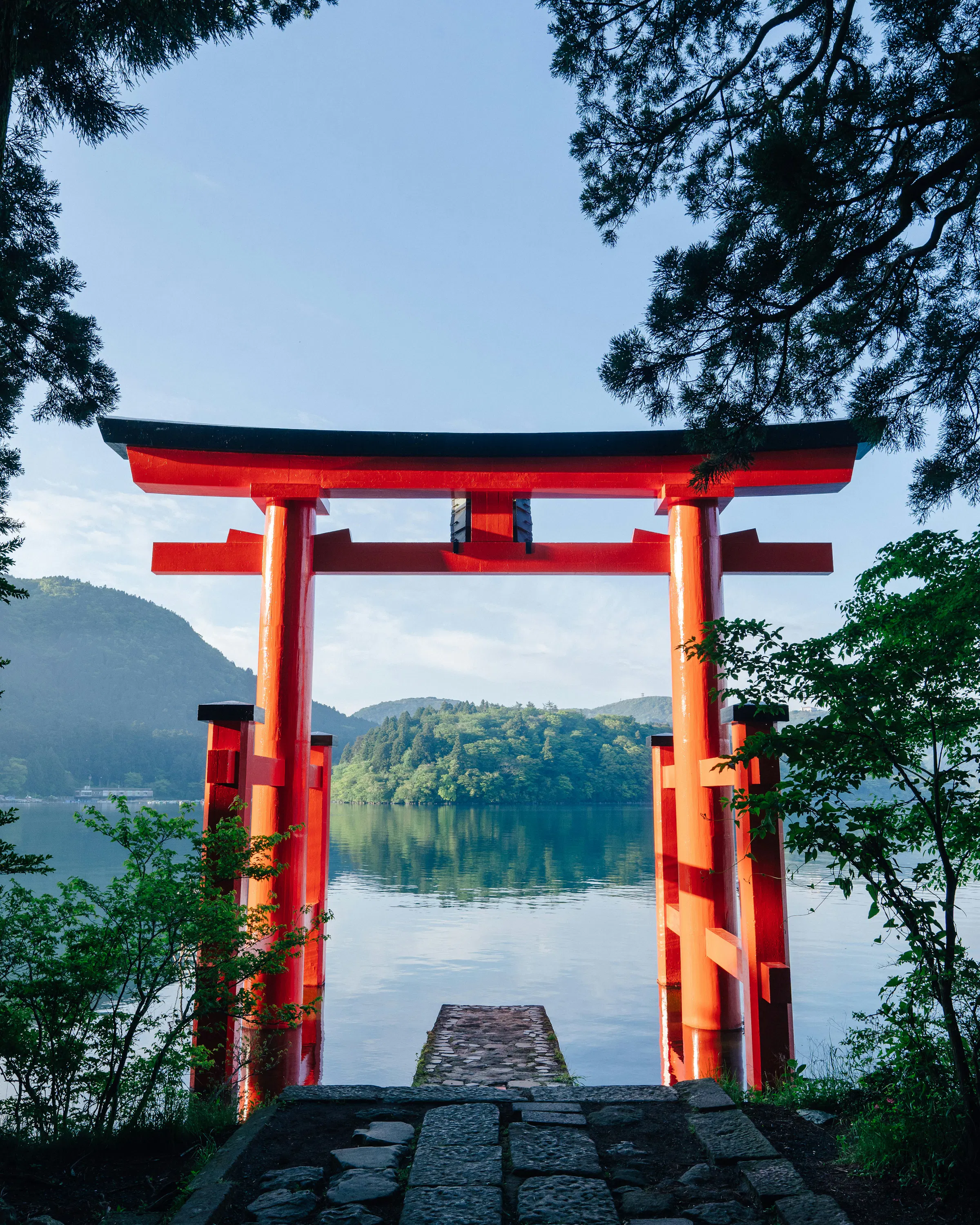
Summer in Japan: June, July & August
Summer in Japan is vibrant, energetic, and festival-filled. Streets come alive with glowing lanterns, colorful fireworks burst over rivers, and matsuri celebrations take place across the country. With long sunny days and warm weather, it’s one of the best times to enjoy Japan’s alpine and northern landscapes, from hiking in the Japanese Alps to paddling Hokkaido’s volcanic coast.
Temperature-wise, summer in Japan can be hot and humid, which can make outdoor activities and city touring in central and southern Japan uncomfortable for some. The occasional late-summer typhoon is known to bring storms, as well.
Apart from spring, this is also when Tokyo and Kyoto tours can be particularly busy, but we can think of ample ways to skirt the crowds to enjoy the best of what the season offers.
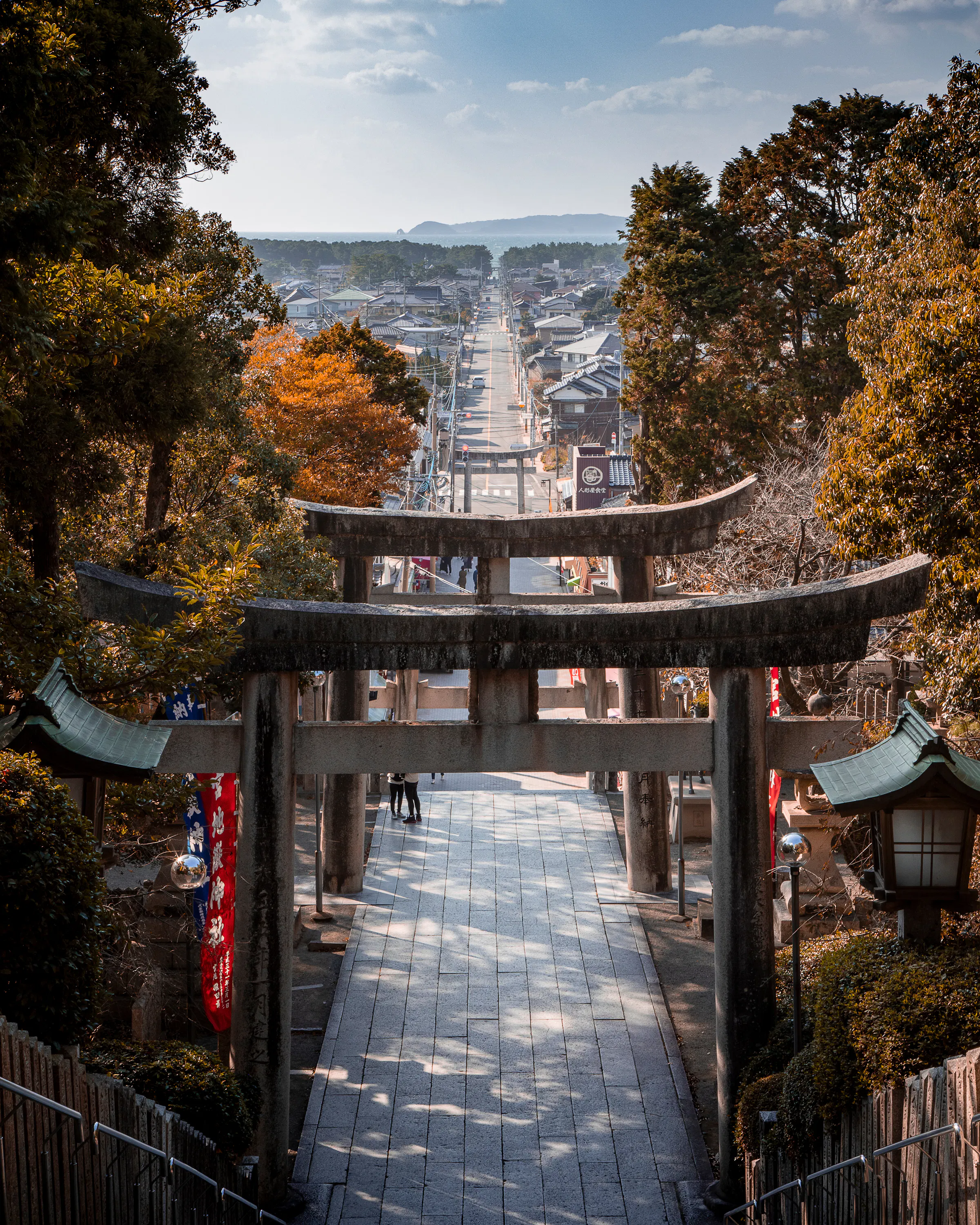
Fall in Japan: September, October & November
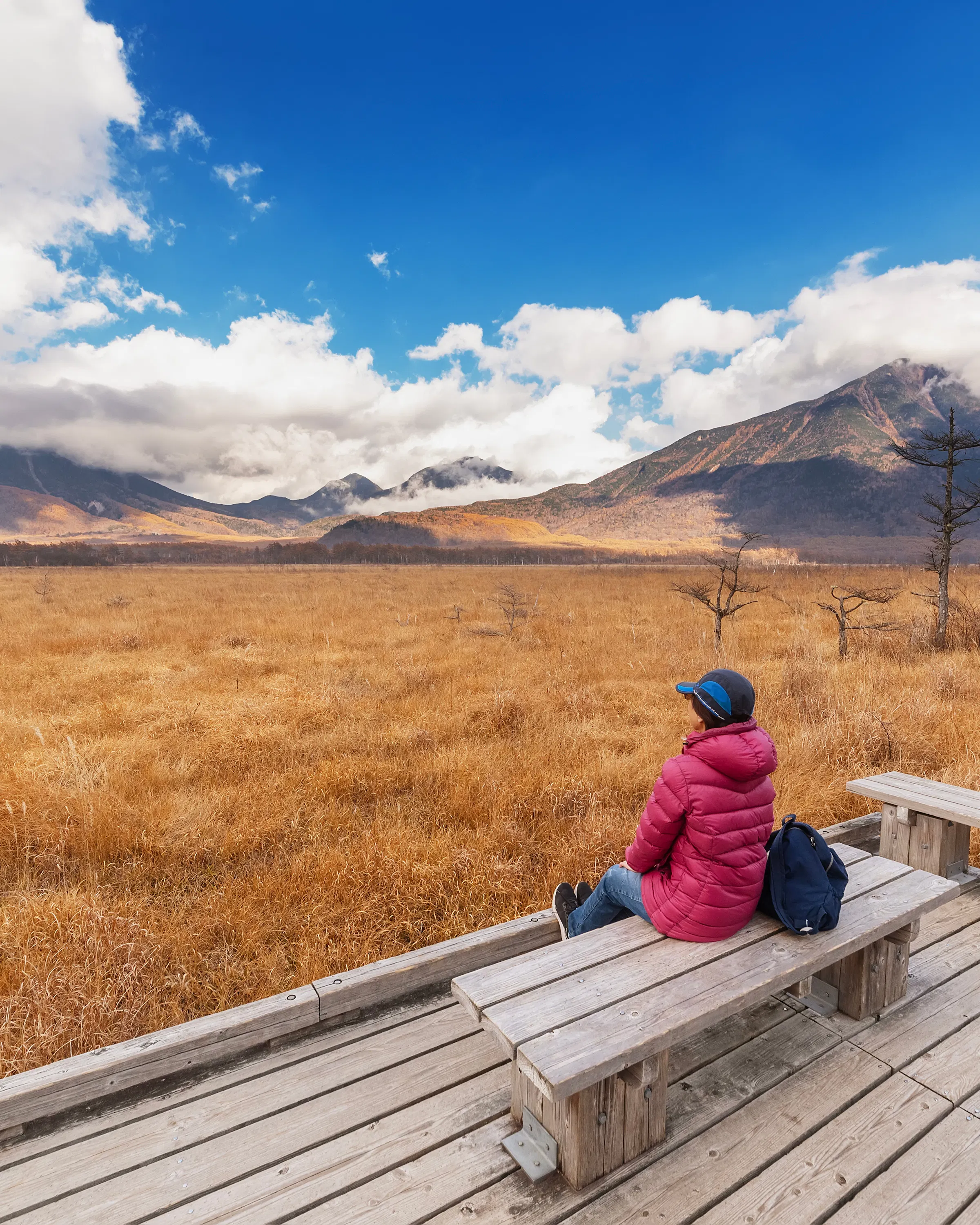
Autumn is one of Japan’s most beautiful and rewarding seasons, offering the best balance of weather, scenery, and access. Summertime crowds dwindle, temperatures cool, and landscapes shift into brilliant reds, oranges, and golds.
September and October
September can still be warm and muggy. Early autumn is popular, especially October. However, many travelers mistakenly assume fall foliage peaks in October when, in reality, peak autumn color often arrives in November. Up north on Hokkaido's Shiretoko Peninsula, this is prime time for the salmon run. Fish surge up the rivers to spawn attracting brown bears that gather along the banks to feed, making early autumn one of the best windows for boat-based bear watching in Japan.
November: Japan’s best month for fall colors
For much of Japan, leaves are most vibrant in mid-to-late November, when colors reach their most luminous hues. It’s a magical time to be there: temple gardens glowing in shades of crimson and gold, streets are softly lit with seasonal illuminations, and hikes and city strolls are made pleasant by crisp, clear air. With fewer crowds and a sense of calm settling in, November offers a beautifully balanced moment to experience Japan at its most atmospheric—one of our very favorite times to go.
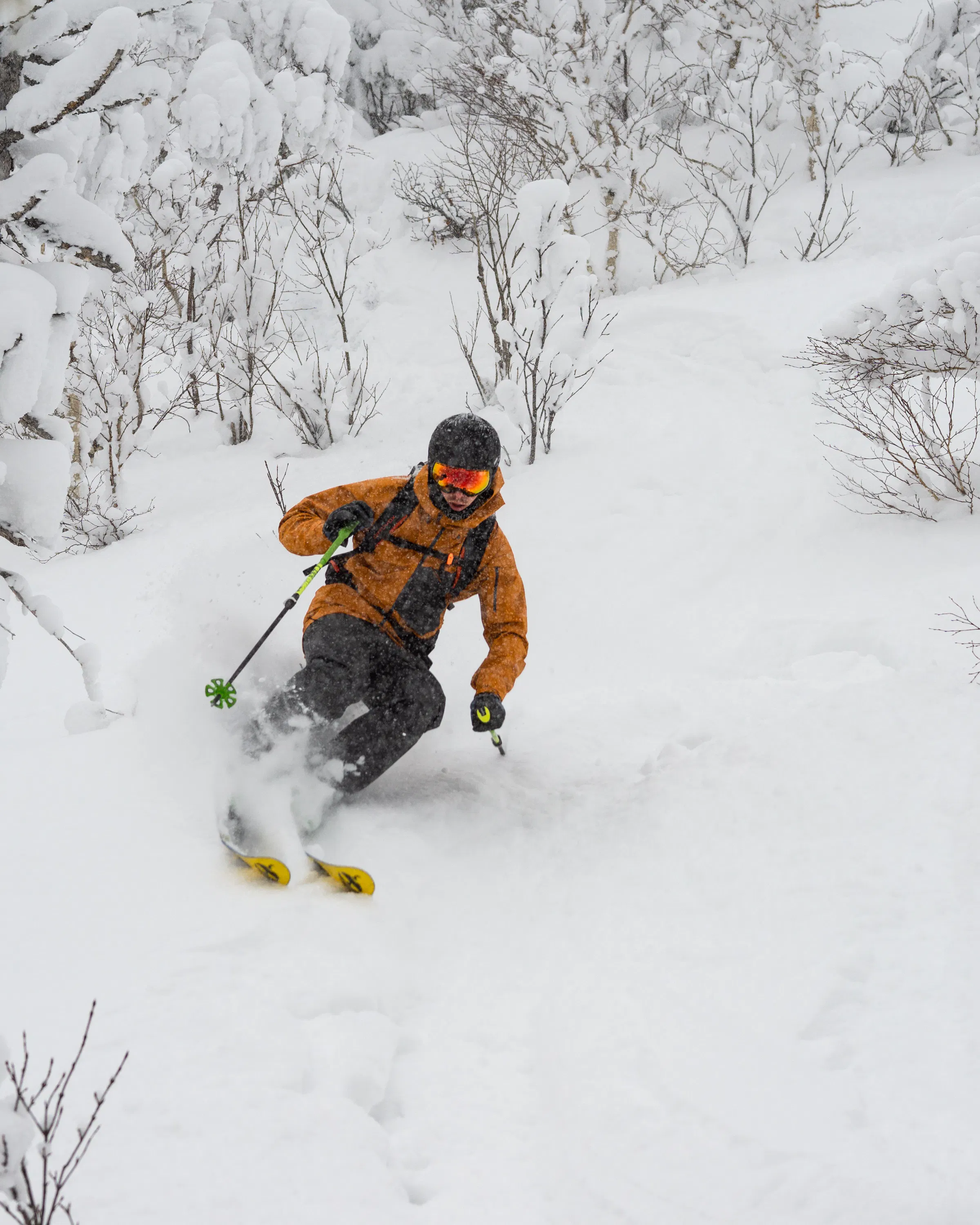
Winter in Japan: December, January & February
If you think winter is just for skiers and powderhounds, reconsider. Winter is Japan’s most underrated season, revealing a quieter, more intimate side of the country. Picture slurping miso ramen in snug izakayas as snow falls outside, slipping into thermal hot springs to escape the nipping air, and the feeling of having a place to yourself, with nary another Westerner in sight.
December: The secret sweet spot
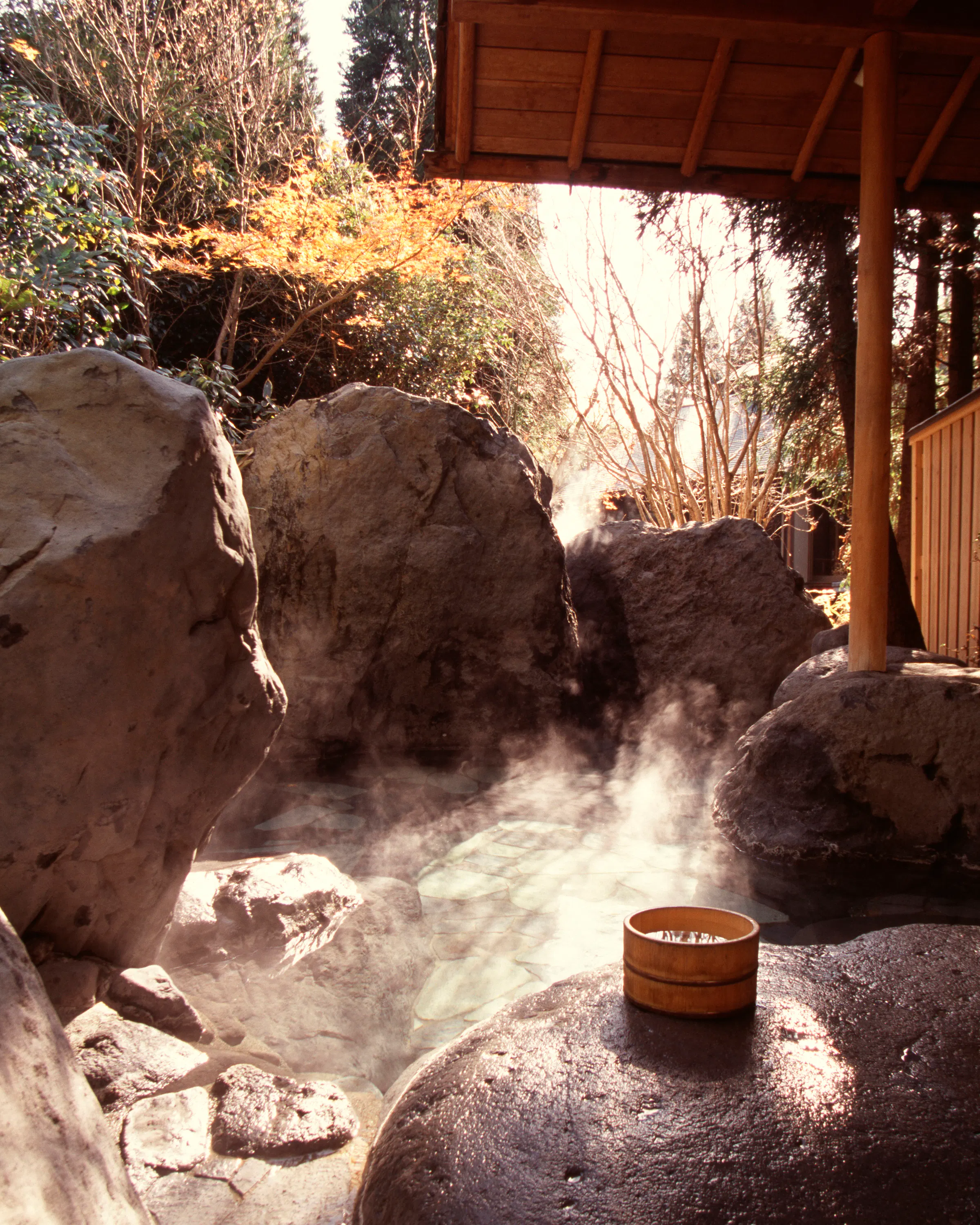
We’ve explored Japan in all four seasons and can confidently say that early to mid-December is one of Japan’s most captivating travel windows. This is especially true if you’re wary of crowds and crave space and authenticity. Rather than jostling with crowds at temples and major attractions, streets are blissfully quiet and empty. As the weather sharpens, cozy traditions invite you to hunker down. Experience a kotatsu (a blanket-draped, heated table that becomes a beloved household staple during the colder months), soak in an onsen as steam rises into cedar boughs, or sit for a deeply comforting, umami-rich hot pot dinner.
January and February
Winter deepens during January and February, with thick snow across northern Japan, world-class skiing in Hokkaido and the Japanese Alps, and seasonal festivals like the Sapporo Snow Festival.
Beyond the ski resorts, towns are oases of calm, with the season encouraging slow, intentional days of exploration and discovery. It’s a great time to lean into the arts and Japanese crafts.
We recommend avoiding the period around New Year's due to nationwide closures, but the weeks just afterward reward travelers willing to brave colder temperatures.
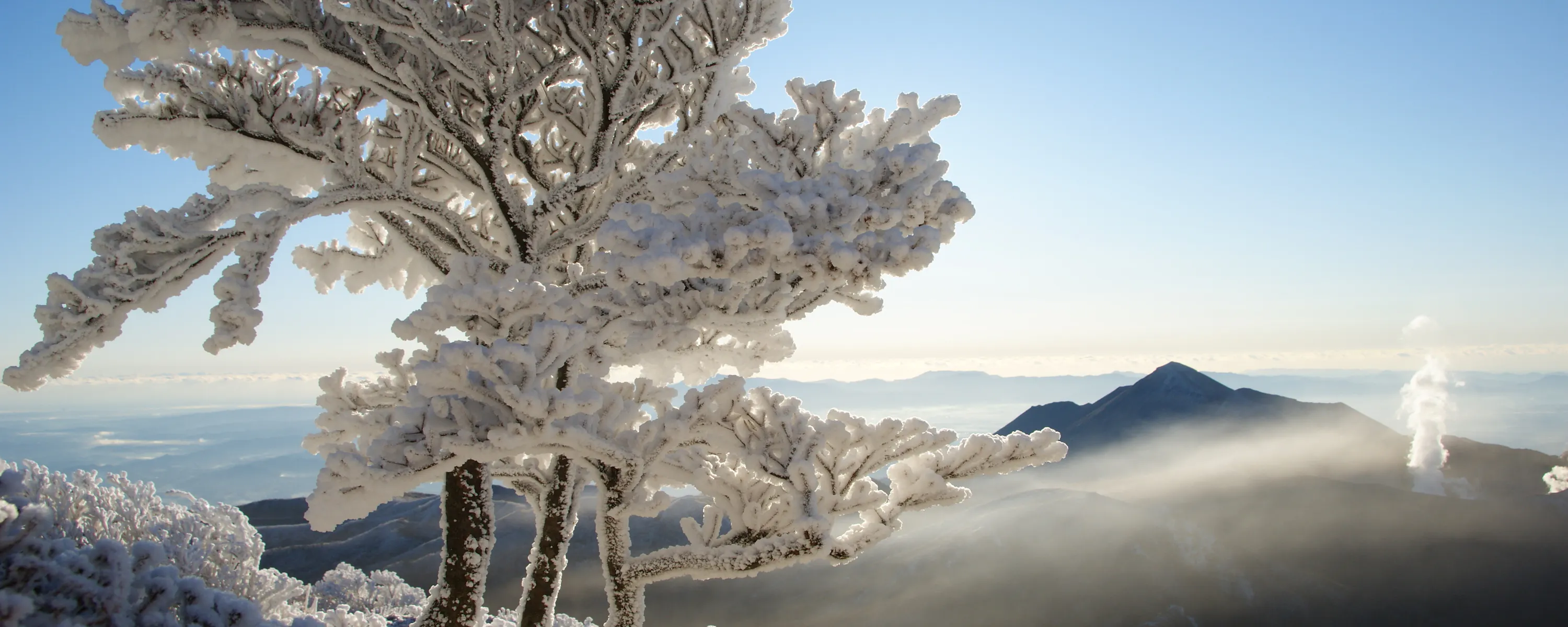
Matsuri (seasonal festival) calendar
For some travelers, the best time to visit Japan has less to do with weather than with celebration. Japan’s seasonal festivals, known as matsuri, are among the most extraordinary cultural experiences a traveler can witness. Rooted in centuries of tradition, matsuri blend ritual, celebration, music, dance, lanterns, and community pride.
Spring festivals (March–May)
In keeping with springtime’s symbolic meaning, spring matsuri commemorates renewal and the arrival of blossoms. Some of the best festivities include hanami gatherings (late March to April) for nationwide cherry blossom celebrations and the Takayama Spring Festival (April) for historic floats and Edo-era charm.
Summer festivals (June–August)
Summer is Japan’s most energetic festival season, with a cavalcade of events such as Kyoto’s Gion Matsuri in July, where giant parades roll down the streets, and fireworks festivals, where elaborate displays illuminate balmy summer nights.
Autumn festivals (September–November)
From the Takayama Autumn Festival to Kyoto’s Jidai Matsuri, a historical parade with imperial roots, Japan’s autumn festivals herald the harvest season and the country’s natural beauty. Many temples also illuminate their gardens during peak foliage, letting visitors appreciate the changing colors even after dark.
Winter festivals (December–February)
Wintertime brings one of Japan’s three great festivals: December’s Chichibu Night Festival, where lantern floats and fireworks cast dazzling colors over the crisp, pristine snow. Later, in February, Sapporo hosts its annual Snow Festival, where sculptors craft larger-than-life ice and snow sculptures and the city fills with frozen art.
When to Travel to Japan FAQs
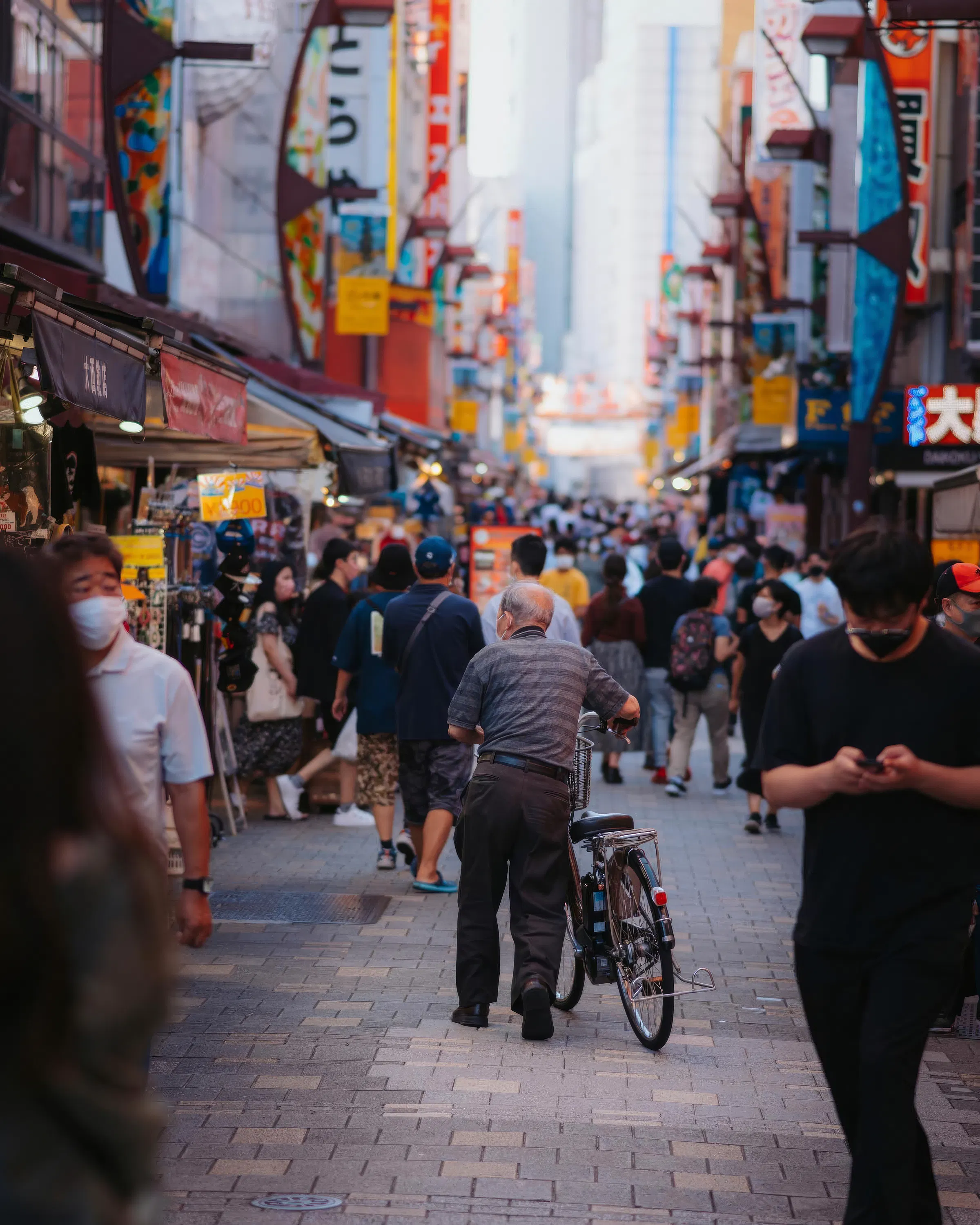
Final thoughts: choosing the best time to visit Japan
Japan is transcendental in every season, but the best time to travel depends on what you want most:
- Cherry blossoms and cultural festivities in spring
- Long days, hot weather, and festival fun in summer
- Brilliant foliage and ideal outdoor weather in November
- Snowy landscapes, hot springs, and cozy quiet in December
- Fluffy powdered ski hills in January and February
Plan your trip
The most meaningful experiences happen when you can engage with Japan's icons and traditions without elbowing through peak-season congestion. Let a Japan specialist shape a meaningful journey that goes beyond the ordinary, in any month of the year.
May 15, 2026
Explore our itineraries
Every trip with Extraordinary Journeys is tailor-made, crafted in collaboration with one of our destination specialists. Use these as a starting point, or as inspiration to create your own journey.