Navigating Japan with teens: a luxury family adventure

May 27, 2026
When it comes to planning a family trip with your kids, age changes everything. In the early years, days are structured around nap schedules, outings are scaled for short legs and attention spans, and you gravitate to spaces and accommodations where kids can be their silly, messy, loud selves.
The teenage years usher in a distinctive shift. Curiosity sharpens, independence cultivates, preferences emerge, and suddenly, the destination matters in a whole new way. No longer a child to accommodate and entertain, but a travel companion whose interests sculpt the journey.
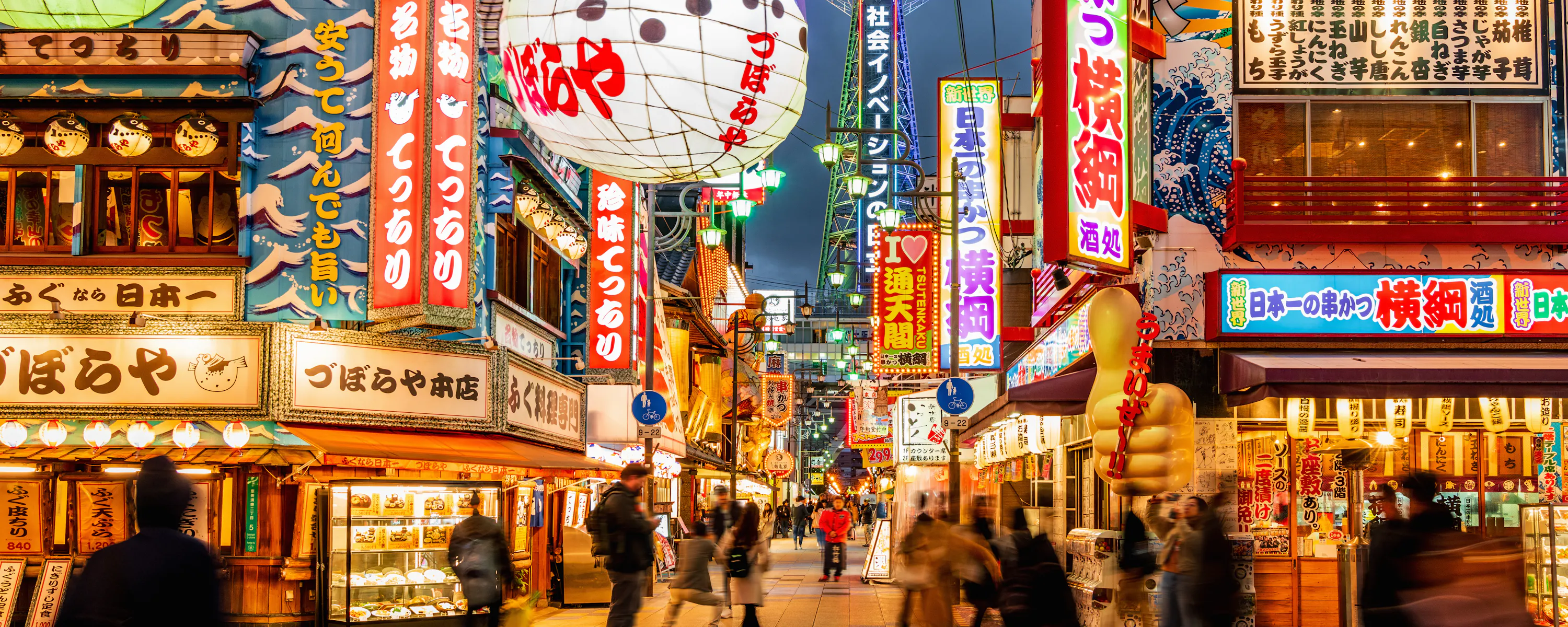
Japan meets this moment exceptionally well. Whatever your teens are into—art, fashion, food, tech, gaming, nature—Japan is a place that indulges obsessions. Layer this upon history that grips like a graphic novel, themed cafes, a vending machine for anything, multi-story arcades, and samurai legends, and it’s easy to see why Japan appeals to both teens and parents alike. It's a singular mix that makes the country a compelling choice for a luxury family trip with Extraordinary Journeys.
Why a Japan family adventure stands apart
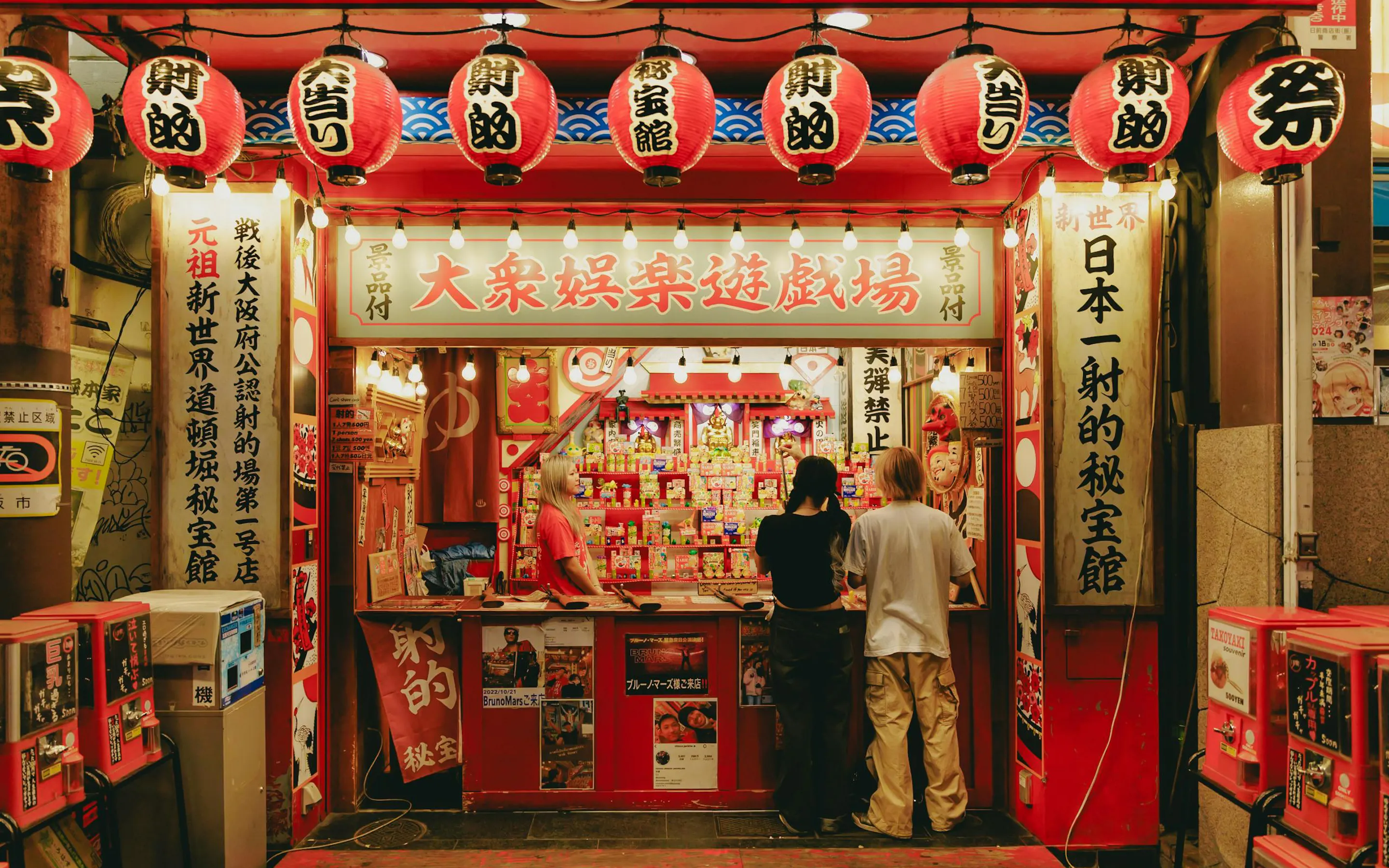
Japan isn't just "easy to travel with kids," it invites teens to step into the worlds they already love. Dive into anime, manga, gaming, J-pop, and street fashion in places like Harajuku, Akihabara, and Osaka. Screens forgotten, teens get hands-on with experiences like sushi-making and katana blade forging to crafting lacquerware and kendo training, bringing culture to life in a way that's felt, not told. The cities themselves feel cinematic, from Tokyo's neon-lit energy to Kyoto's timeless temples, with thrilling bullet trains and quirky cafés adding to the sense of novel discovery. From ramen and tempura to sushi and matcha, food becomes an adventure in itself — especially for teens, whose appetites are as constant as their curiosity. And throughout it all, Japan's safety, etiquette, logic, order, and ease of navigation give teens a rare sense of independence. Whether ordering a meal or exploring a neighborhood without a parental gaze, it's a journey made empowering and unforgettable.
The case for Japan when your teen has outgrown theme parks
There comes a time when the things that once delighted your child are quietly retired. Theme park magic loses its luster; character breakfasts feel contrived; and the suggestion of anything "for kids" is met with an eye roll. What once felt fun now feels performative, even a little embarrassing.
Of course, this isn't really about the experiences themselves. It's about identity. Teenagers are in the process of redefining who they are, and with that comes a growing aversion to anything that feels overtly childish: cartoons, primary colors, costumed characters, even family traditions they once held close.
By contrast, Japan offers a world where play feels sophisticated. Instead of manufactured fun, there's authenticity. Sumo culture and samurai legacy aren't staged storytelling; they're living heritage. Pop culture (anime, street fashion, gaming) is culturally embedded. Not cartoonish, but creative and expressive.
Crucially, Japan allows teens to engage on their own wavelength while still sharing the travel experience as a family. Thoughtfully planned, your luxury family trip to Japan isn't about revisiting childhood joy; it's about discovering something new, together, in a way that respects who they are now.
How Japan balances history, technology, and pop culture for every teen personality
Whether your teen is interested in gaming and anime or loves spending time outdoors, there's a version of Japan we'll tune just for them:
- The tech-obsessed: With a private guide, deep-dive into Tokyo's gadget-rich districts, cutting-edge arcades, a mind-bending digital art space, and enjoy lunch delivered by a robot.
- Outdoor enthusiasts: Guided e-biking in the Japanese Alps and hiking part of the Kumano Kodo pilgrimage route, pair with a stay in a refined ryokan and restorative onsen experience.
- Foodies: A multi-stop culinary walking tour in Osaka, "Japan's kitchen," led by a local insider, and roll-up-your-sleeves activities such as sushi-making and wagashi (confectionery) styling.
- Crafty creators: A privately arranged, hands-on workshop with a master artisan to try your hand at pottery-making in a rural kiln town, indigo dyeing in Gifu, or shokuhin sampuru, hyper-realistic plastic food modeling.
- History buffs: A privately guided tour of Kanazawa's preserved samurai quarters, paired with a kendo lesson in a traditional dojo; in Kyoto, walk temple corridors with nightingale floors.
The best time of year for a Japan family vacation with teens
For families traveling within the school calendar, the timing question becomes less about which of Japan’s four seasons is best and more about which window aligns with how you want to experience it.
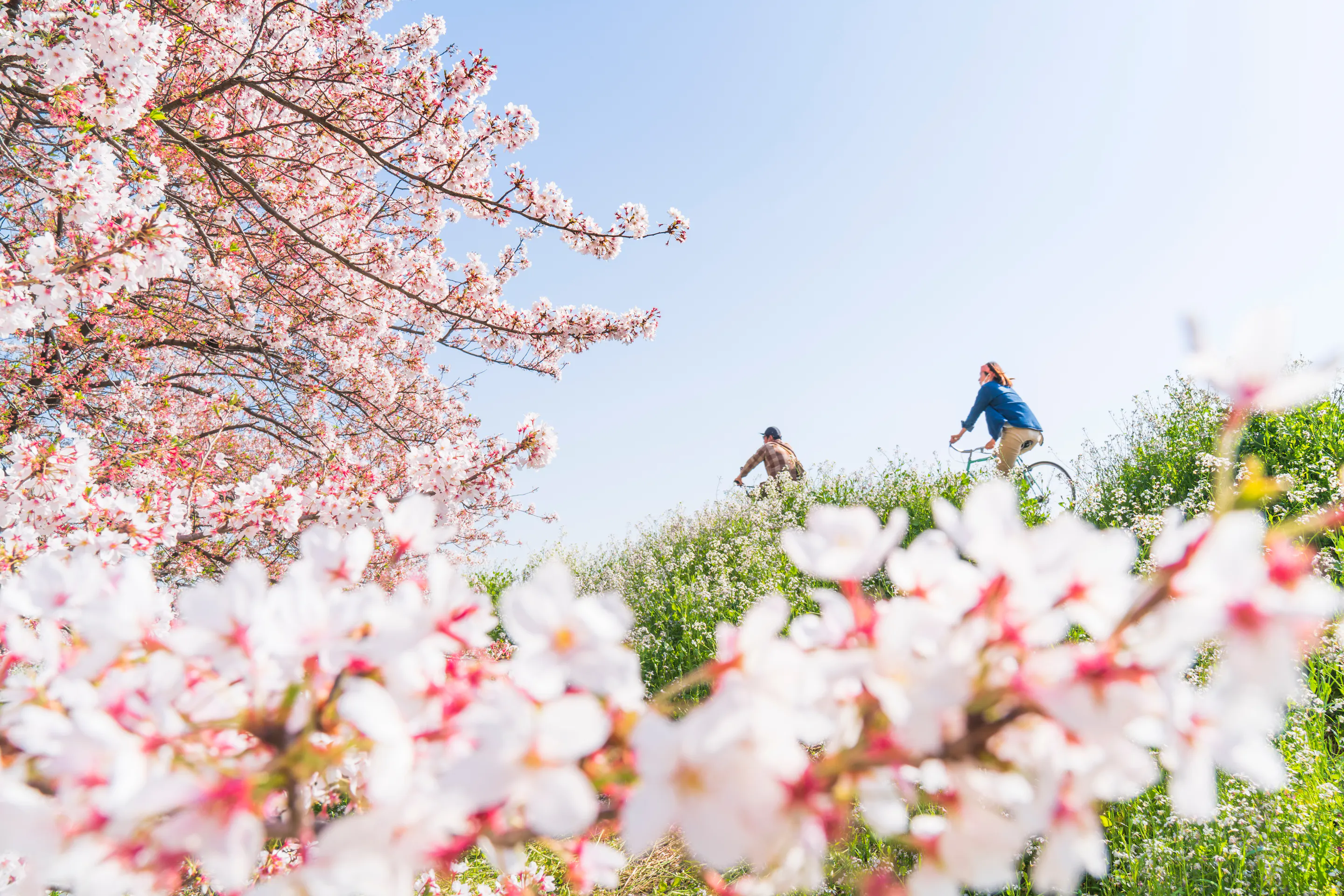
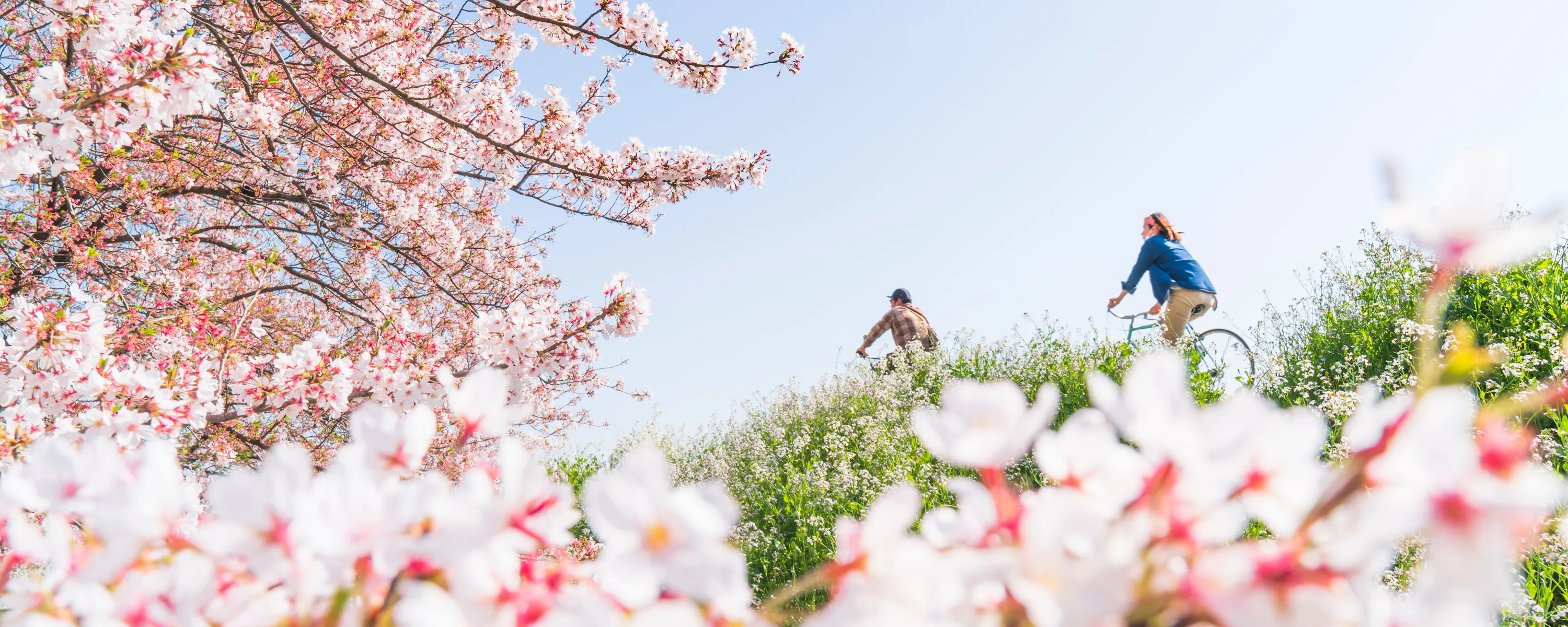
- 1Spring Break (March–early April) is the most visually compelling, if you can manage it. It often overlaps with cherry blossom season, a window of time that feels genuinely special, even to teenagers who claim not to care about trees. There's a sense of fleeting beauty and collective energy that makes your visit sing. It's also the busiest and most expensive time, but for many families, it delivers that rare feeling of having chosen exactly the right moment.
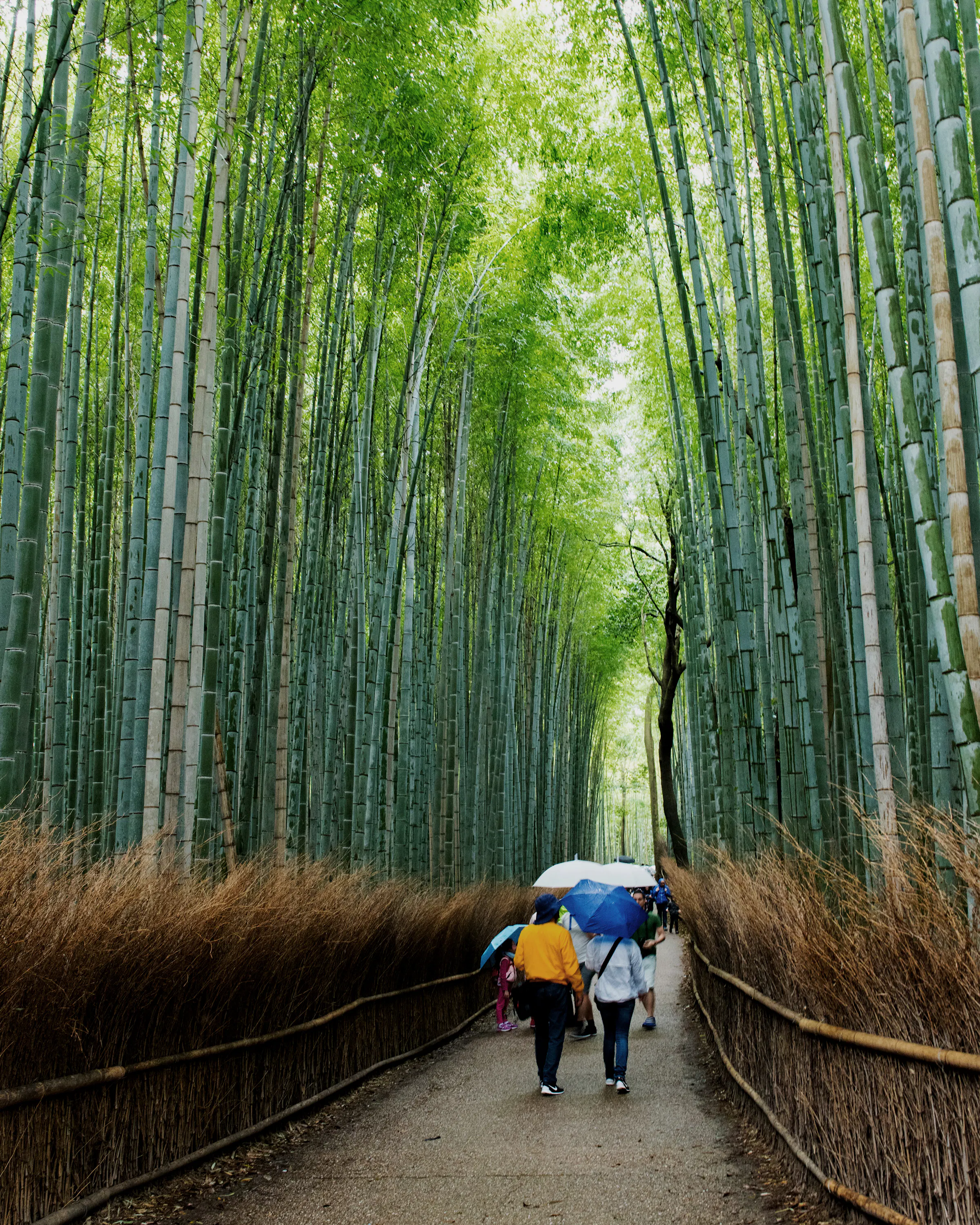
- 2Early Summer (late June): The weather is warm, and while frequent rainfall calls for flexible planning and an umbrella on hand, the country still feels vibrant and green, all while allowing you to avoid the peak humidity of July and August.
- 3Summer Break (July–August) is the most accessible, but also the most physically challenging because the height of summer is hot and humid. That said, this is festival season: fireworks, night markets, street food, and the revelry is part of the appeal. Consider Hokkaido travel for more pleasant temperatures.
- 4Winter Break (late December) offers something entirely different. Japan feels calm and quietly beautiful. Cities are festive but not overwhelmed with crowds, and comfort food culture shines. Families who ski might look to Hokkaido or the Japanese Alps for powder and après-culture, Japan-style.
How to choose when to go
If you're choosing with both logistics and teenage sensibilities in mind, the spring months offer a sense of discovery and atmosphere without tipping into the discomfort and intensity that can sometimes define peak summer travel.
If you're willing to travel beyond the confines of the school calendar, there's a quieter window that feels almost like a secret: late November to early December. The autumn colors linger, the air is crisp, and the crowds have thinned to far more manageable volumes in popular cities. Cities feel more navigable, and restaurants and experiences are easier to access for less waiting and more discovering.
Keep reading: the best time to visit Japan
How long should a luxury Japan trip for families actually be?
In our experience, the sweet spot for a multi-region family Japan trip is 10 to 14 days. Shorter than that, and the trip can begin to feel transactional; a journey of checklists. What two weeks affords is nuance. Time to experience Tokyo beyond its most popular neighborhoods; time to slow down in Kyoto rather than rush between temples; time to layer in something unexpected: a reflective ryokan stay, a detour to lesser-visited Toyama, or a few unscheduled afternoons for self-directed wandering.
However, if you’re willing to narrow your focus and hone in on a specific region, we can design a meaningful family trip between seven and 10 days long.
Tokyo with teens: building a private experience beyond the tourist circuit
With its neon neighborhoods, endless eats, exciting shopping, and novel attractions, Tokyo isn't simply a starting point — it's the essential anchor of a well-designed Japan family adventure. The sheer range of things to do feels as vast and limitless as the city itself.
Exclusive Tokyo experiences worth building an itinerary around
Our favorite memories of Tokyo were made when we were invited in — and this is exactly how we will create your family's experience. With an insider guide acting as a cultural bridge, you're drawn beneath the surface. Into kitchens, studios, and performance spaces where introductions are personal and experiences are shared, not staged. These are not tours you line up for or tickets you purchase; they are moments made meaningful by the people who open their world to you. Whether stepping into a chef's private kitchen or learning directly from a master of their craft, this is Tokyo experienced from the inside out — far beyond look-and-see touring of museums and monuments.
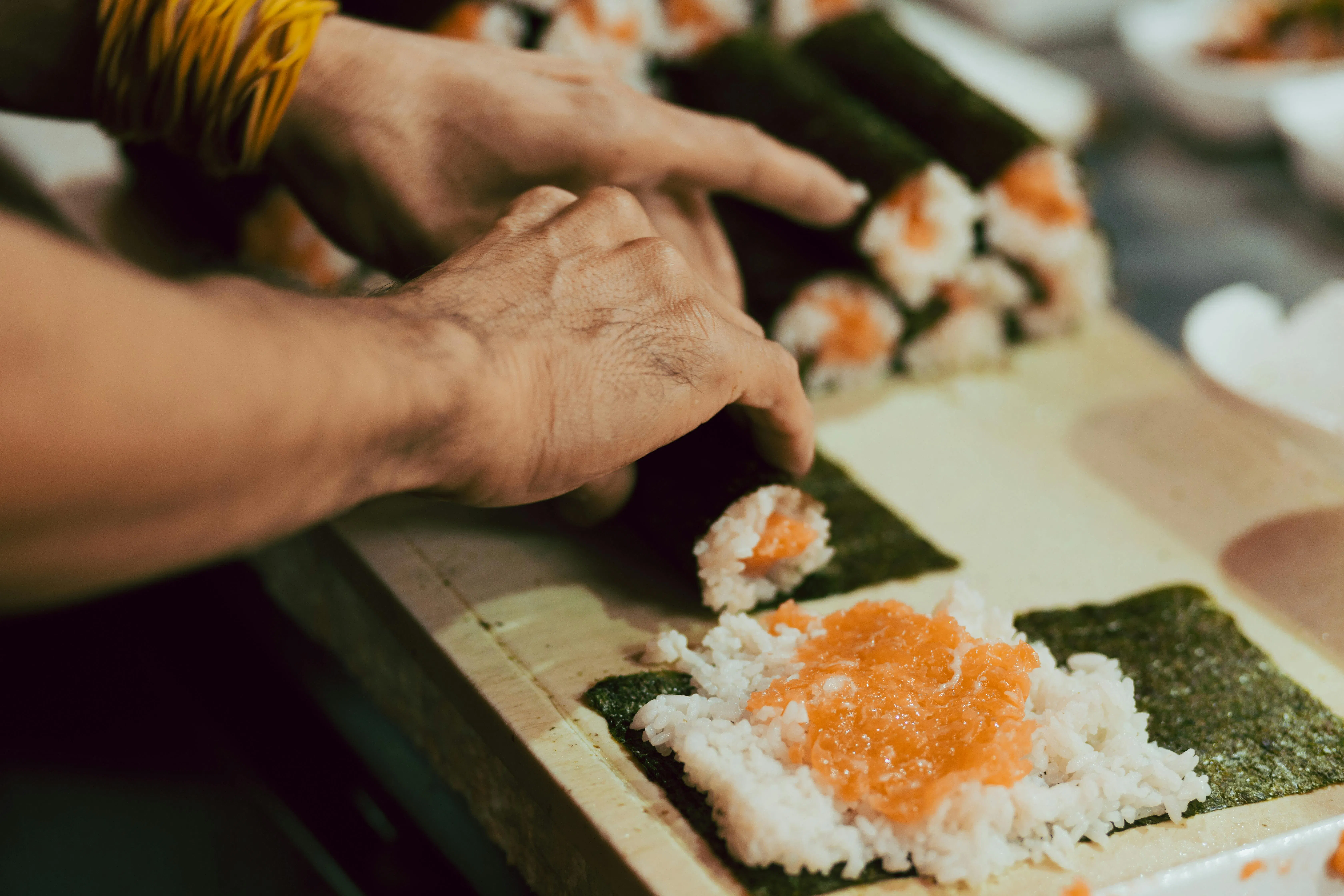
- Learn the intricacies of sushi-making alongside a fourth-generation master; a souvenir the entire family can bring home. The lesson begins at Tsukiji seafood market, the heartbeat of culinary Tokyo, and ends in the chef's kitchen, where you learn to make (then eat!) Japan's most iconic food.
- During a privately arranged tea ceremony in an intimate Tokyo setting, experience cultural immersion that's felt, not simply observed. It's an ancient practice where discipline, ritual, and meaning are carried through each movement.
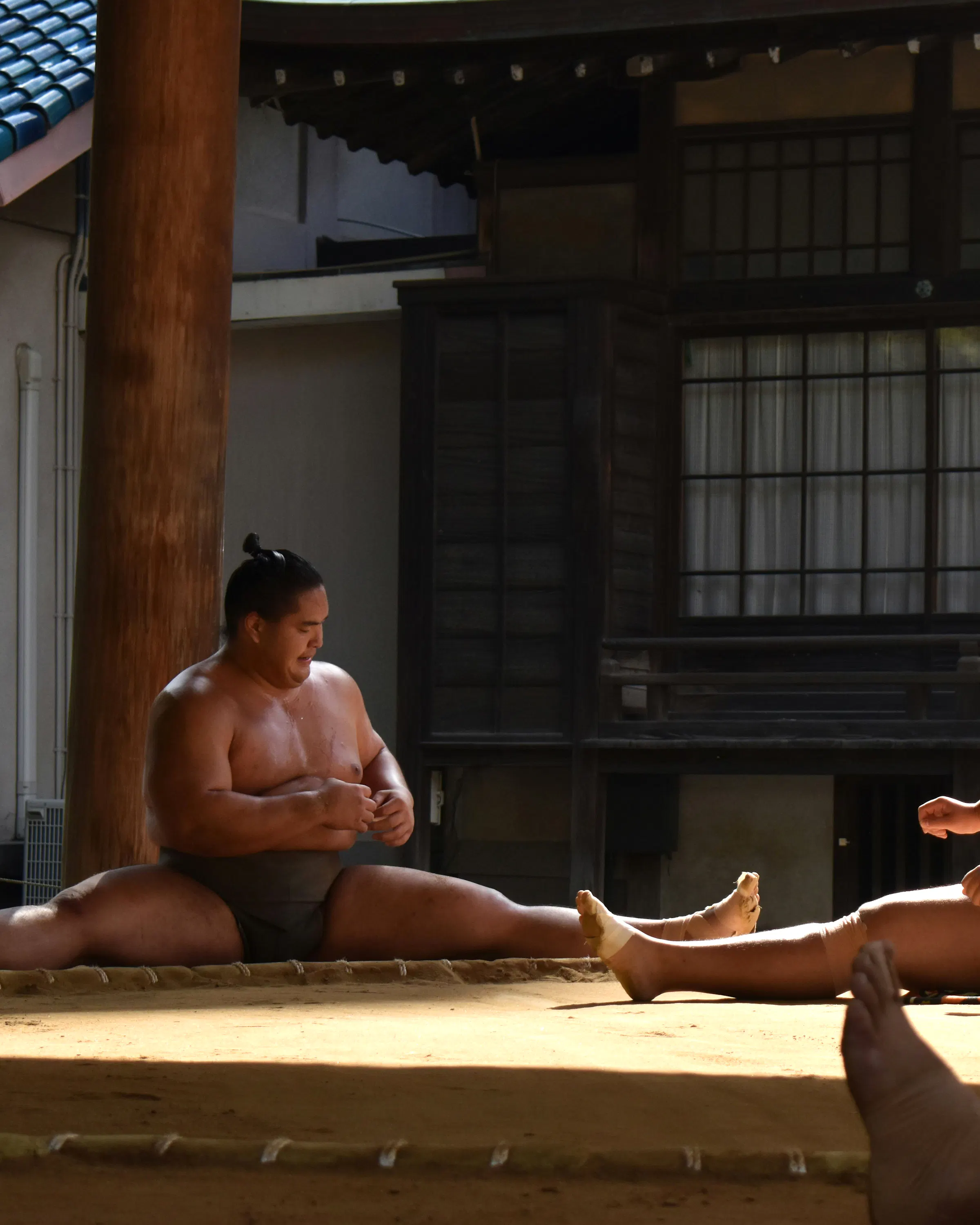
- Enjoy privileged access inside a working sumo stable for asa-geiko, the wrestlers' early training ritual.* This is not a performance, but an intimate glimpse into Japan's most revered sporting tradition, where discipline, strength, and ceremony intertwine. (*Subject to availability and tournament schedule.)
- Meet a matriarch in Omori for a neighborhood market shop before being welcomed into her home kitchen. Together, you'll make ramen entirely from scratch, kneading noodles by hand and foot(!), to build a beautifully balanced miso broth.
- Step behind the scenes of Japan's centuries-old Noh theater, where performances suggest more than they explain. Even learning a few precise movements or the meaning behind the masks directly from a practitioner can transform how this revered art form is understood.
Where to stay in Tokyo on a luxury family vacation to Japan
Choosing where to stay in Tokyo is less about narrowing down a list of hotels and more about shaping how your family experiences the city.
For families traveling with teens, we use our exacting eye to look for well-designed suites. Apartment-style layouts or connecting rooms create a sense of togetherness while maintaining some privacy and breathing room.
Service standards and amenities are another key consideration. We prioritize responsive properties that deliver the type of intuitive, detail-oriented service Japan is known for.
We'll narrow what can feel like an overwhelming number of options into a small selection of handpicked stays that suit your style, family's needs, budget, and travel dates — each in a neighborhood that reflects your family's preferred pace and mood.
Neighborhoods shaping the experience: choosing the right base
Equally important is neighborhood. Tokyo's districts feel like mini-cities unto themselves Ginza feels polished, Shibuya and Shinjuku are in constant motion, and quieter Ueno and Otemachi embrace you like a resident. The right setting influences everything from how you move through the city to how your family balances exploration with downtime.
Kyoto and Nara: where history captures even the most screen-addicted teen
After the buzz of Tokyo travel, arriving in Kyoto and Nara (two of Japan's most historically significant cities) marks a striking shift in atmosphere. If you're concerned that these traditional, heritage destinations might not hold your teen's attention, there's no need. It's simply a matter of bringing history to life with the right guide, and we’ve got all the right connection.
Private guided experiences in Kyoto changing how teens see Japan
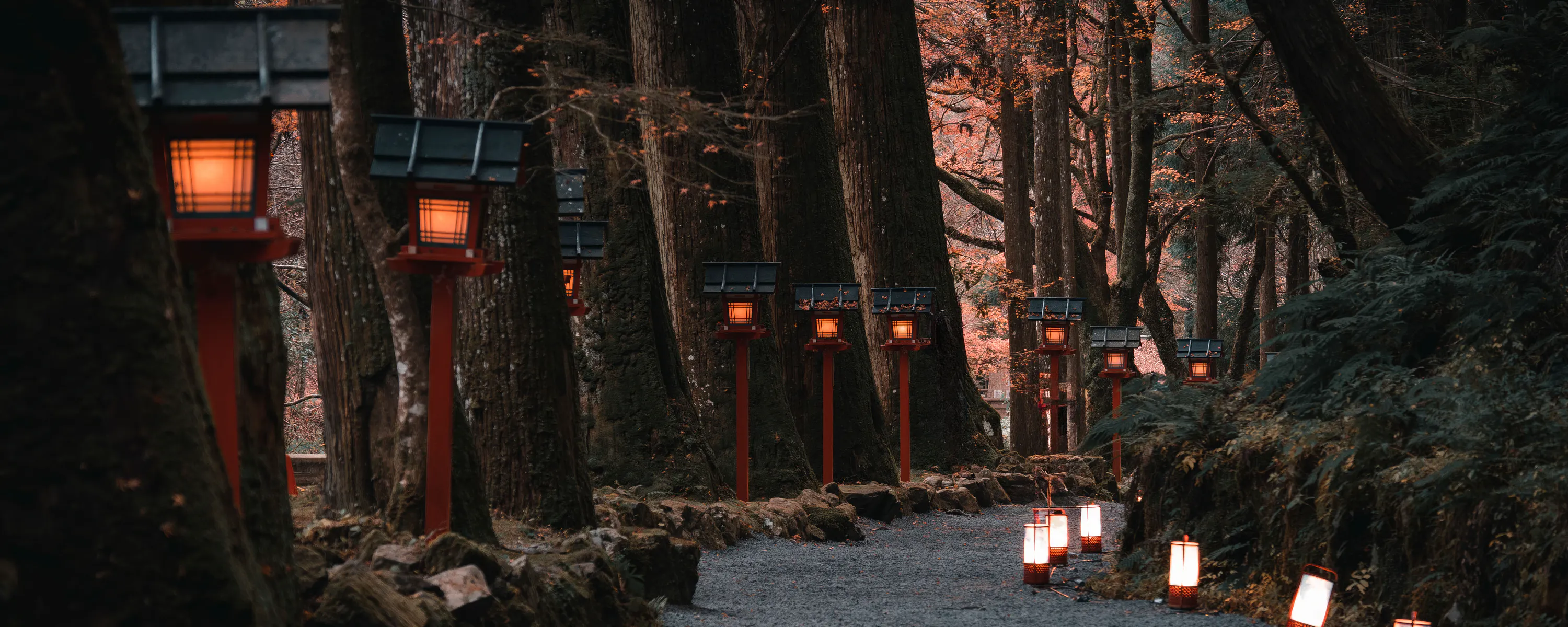
- History brought to life: Shrines and temples guard their secrets, which is why your family's Kyoto tour will be led by a deeply knowledgeable, government-credentialed interpreter-guide. Rather than reading placards or relying on an audio guide, you'll move through palaces with expert narration that deciphers symbolism, explains architectural marvels, and vivid storytelling that makes history feel hot to the touch. Like a great teacher, your guide lets conversations ebb and flow, shaped by what they sense sparks your teen's curiosity. As evening falls and the stone lanterns of Gion begin to glow, that same guide can arrange something rarer still: a private audience with a geisha to peek into a rarefied world that has survived centuries precisely by remaining just out of reach.
- Navigator-in-chief: Kyoto's charm comes with complexity, including wayfinding through winding streets. With private transportation arranged, you'll move effortlessly between neighborhoods, temples, and parks. Every transfer, ticket, and connection is coordinated in advance, so you're free to live in the moment, not the logistics.
- Crowd control: Nothing erodes the aura of an ancient temple like a crowd jostling for a photograph. To preserve the magic, your guide finds ways to share icons outside of peak hours. This might look like Fushimi Inari after dark, when rows of torii gates feel intimate and luminous, or choosing a temple that's a little out of the way, but no less worth visiting.
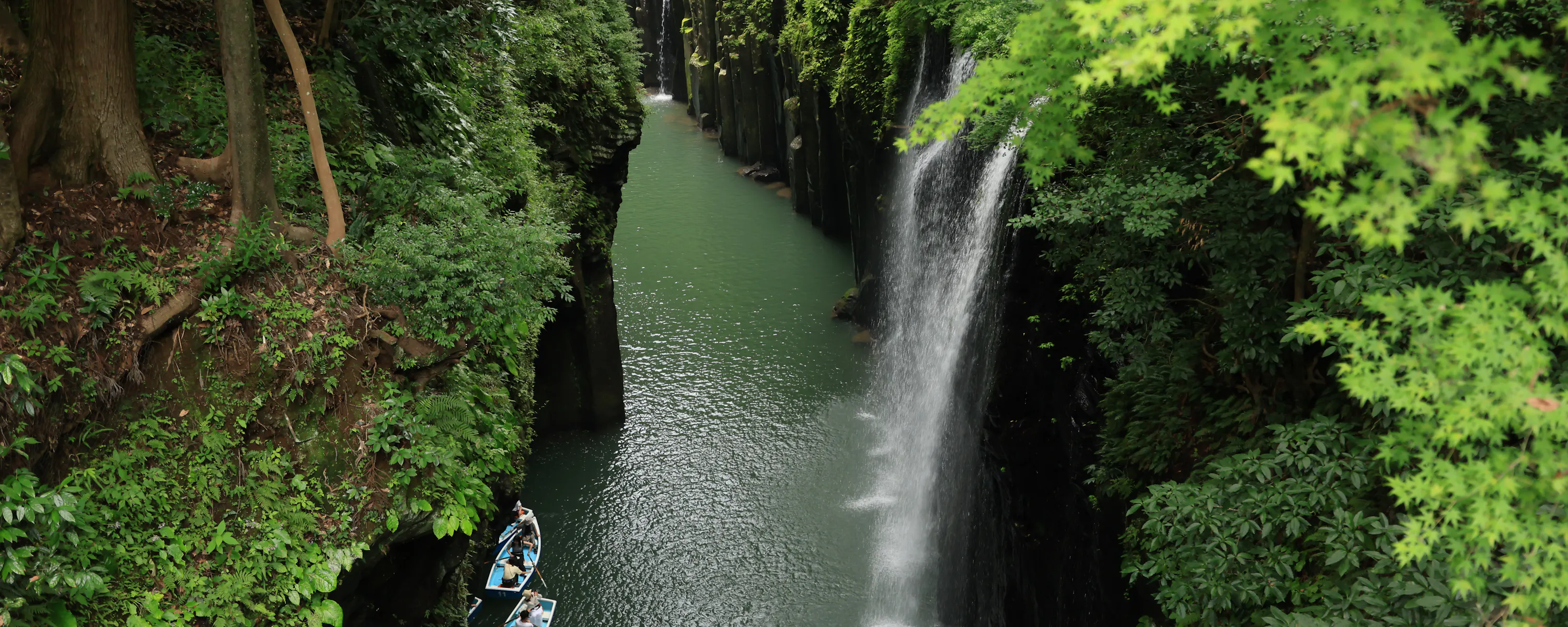
The adventure-nature dimension of a Japan family vacation
Tokyo and Kyoto deliver their own irreplaceable energy, but a well-designed luxury family trip to Japan makes room for the country's mountain and outdoor character, too. Nature-forward destinations play a distinct role in the arc of a family itinerary, not as an ornamental garden detour, but as an essential counterbalance to the charge you've caught in Japan's kinetic cities.
What teen travelers actually want from Japan's outdoor regions
Japan's outdoor regions span an extraordinary range — and for teenagers, that range is exactly the point.
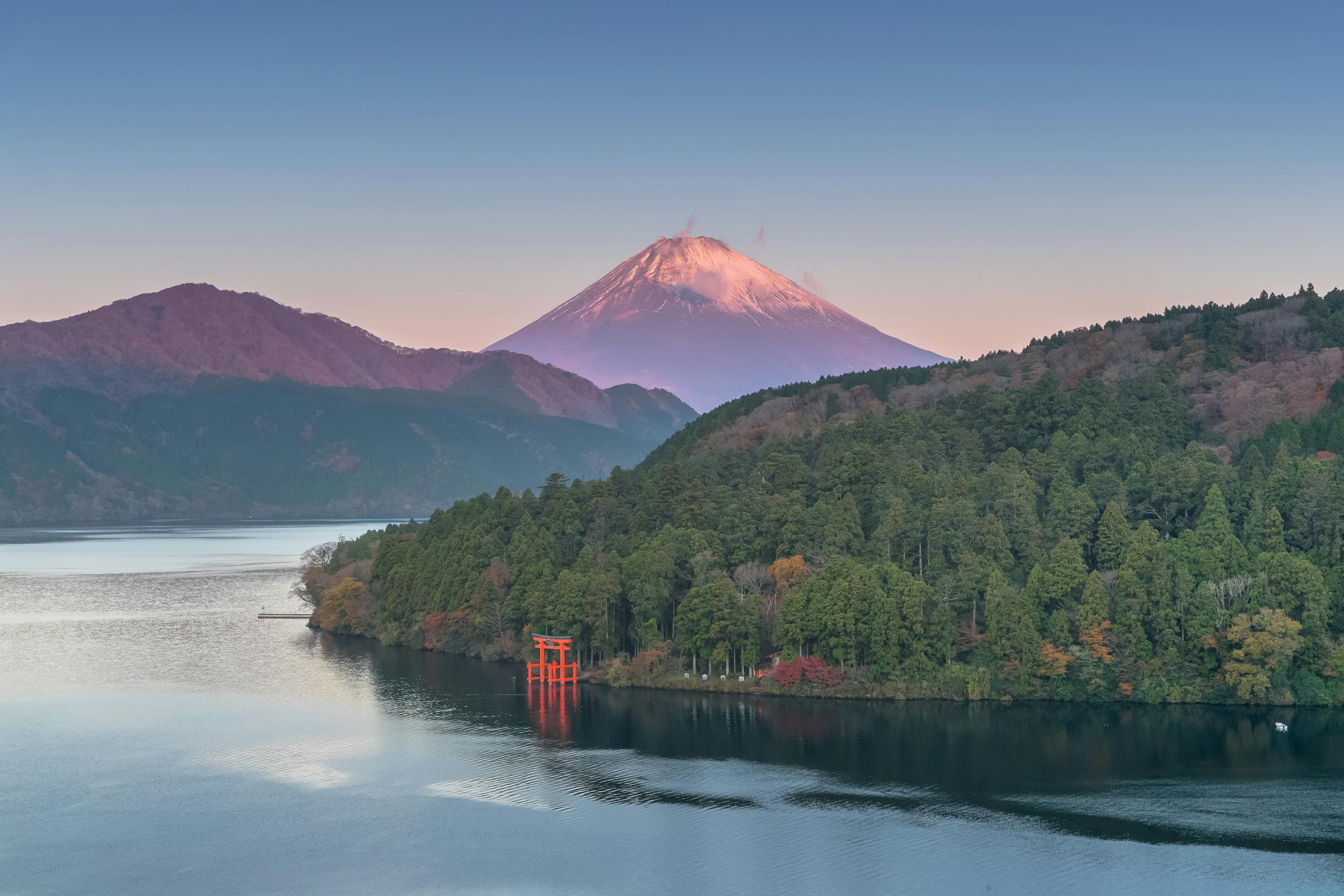
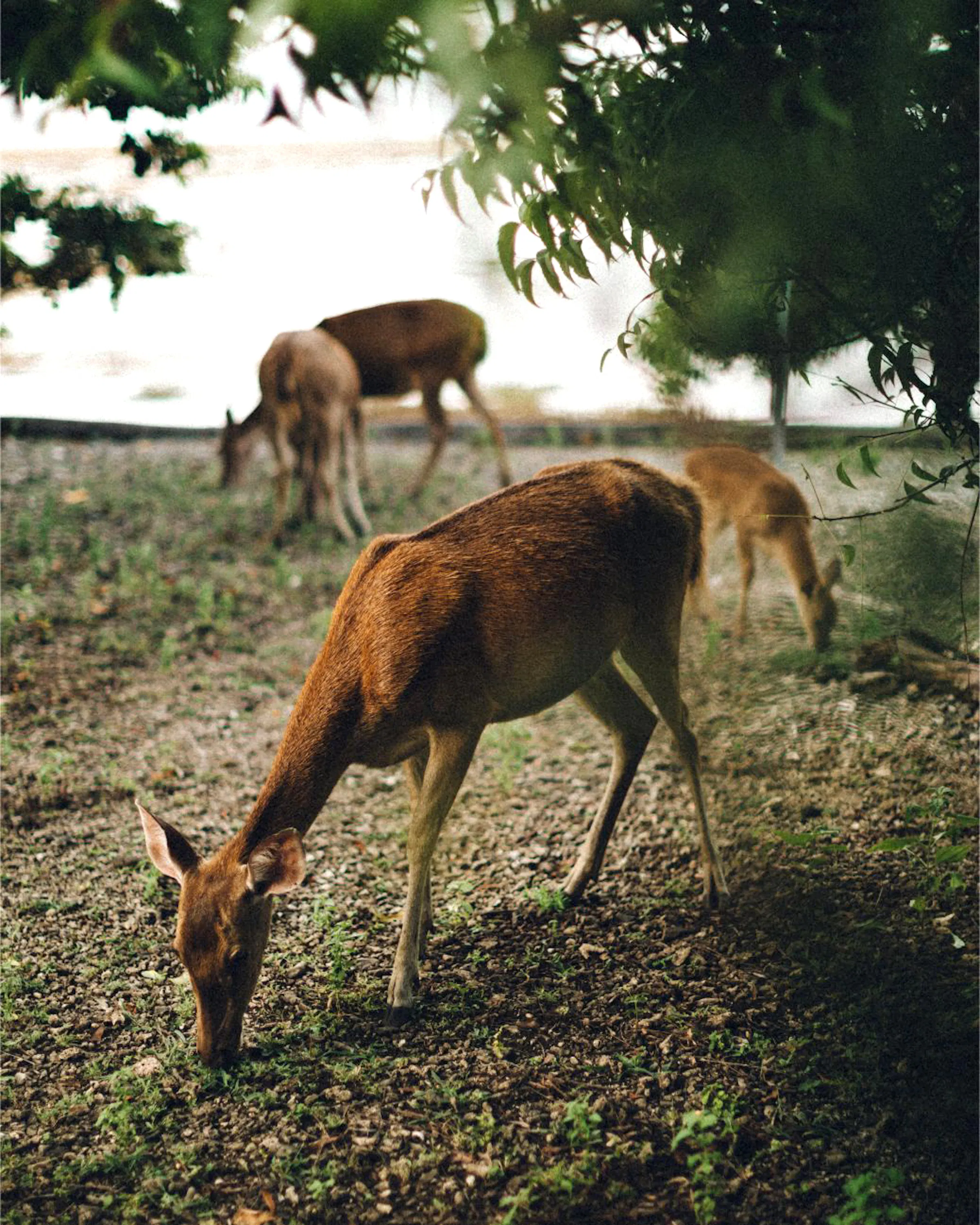
In the Japanese Alps, a guided hike along the historic Nakasendo Trail threads through post towns that feel suspended in time, while e-biking the valleys around Takayama trades history for exhilaration. Near Hakone, the ascent to Mount Hōei puts Fuji at arm's reach in a way that no viewpoint quite replicates. In Kyushu, drifting by boat through the basalt columns of Takachiho Gorge is quietly cinematic. Hokkaido's powder snow is legendary, and winter snow festivals add a layer of spectacle that makes the season feel unlike any ski trip back home. Okinawa offers a different side of Japan entirely; subtropical, unhurried, and largely undiscovered by mainstream tourism where snorkeling and hiking reveal an island most visitors never encounter.
What a Japan specialist adds is calibration: guides who read teenage energy, access points that avoid the crowds, and sequencing that keeps momentum without tipping into exhaustion.
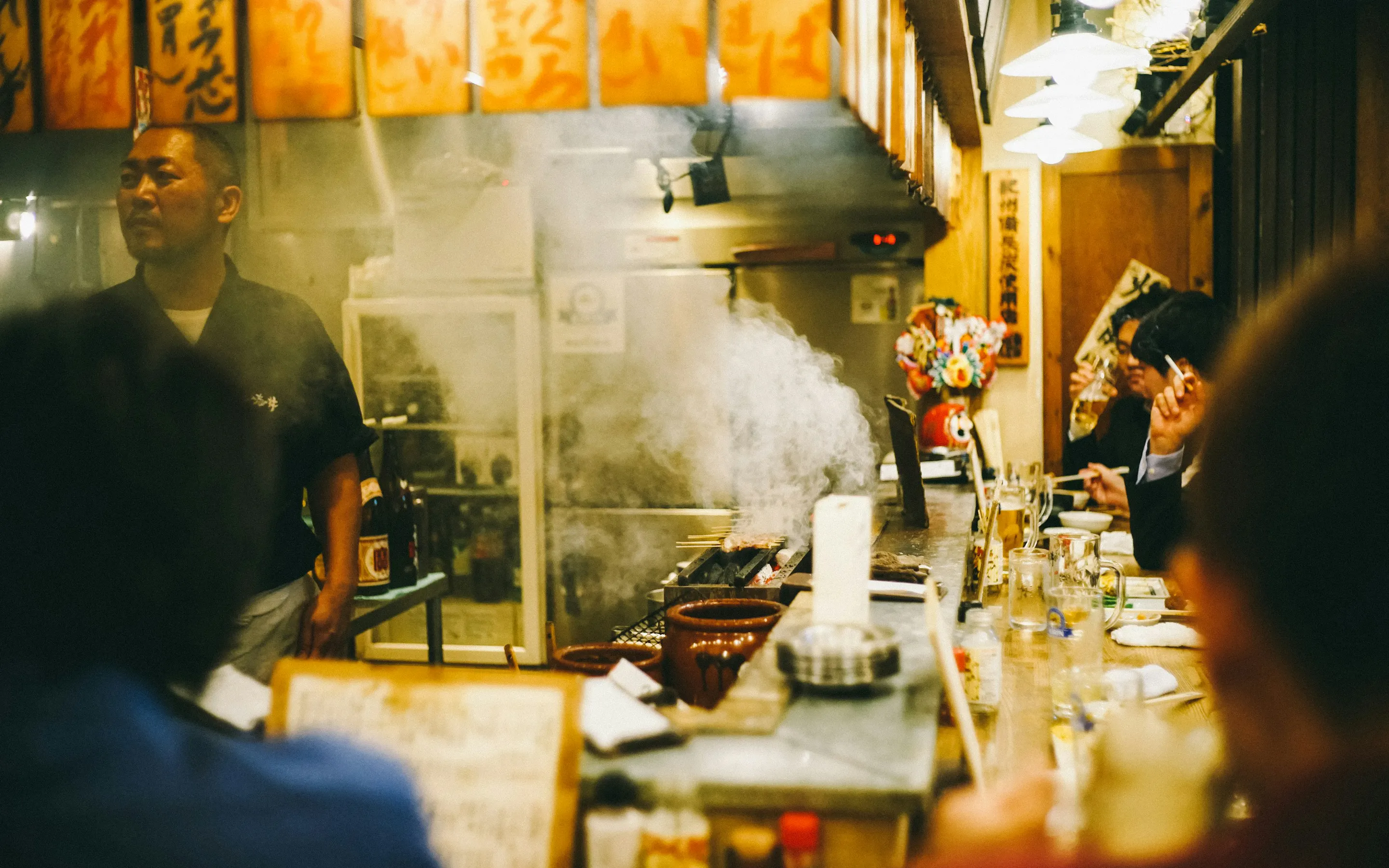
Ryokan stays: luxury accommodation that teaches as much as it relaxes
In Hakone or the Izu Peninsula, check into a traditional ryokan and feel the pace slow. Where Western luxury signals abundance, a well-chosen ryokan signals intention: tatami rooms arranged with quiet precision, futons laid at the right hour, kaiseki dinners that unfold across a dozen small courses tied to the season. It's also an introduction to the concept of yohaku (empty space, deliberately made) best understood while sitting in silence with your thoughts in a private onsen. These are cultural ideas that land differently when they're felt rather than explained.
What separates an exceptional ryokan from a merely comfortable one isn't always visible on a website. We choose properties where omotenashi — the art of anticipatory hospitality — is genuinely practiced, family-suitable room configurations exist, and the setting earns its place in the itinerary. On a Japanese luxury family trip, the right ryokan doesn't just accommodate; it becomes a core memory.
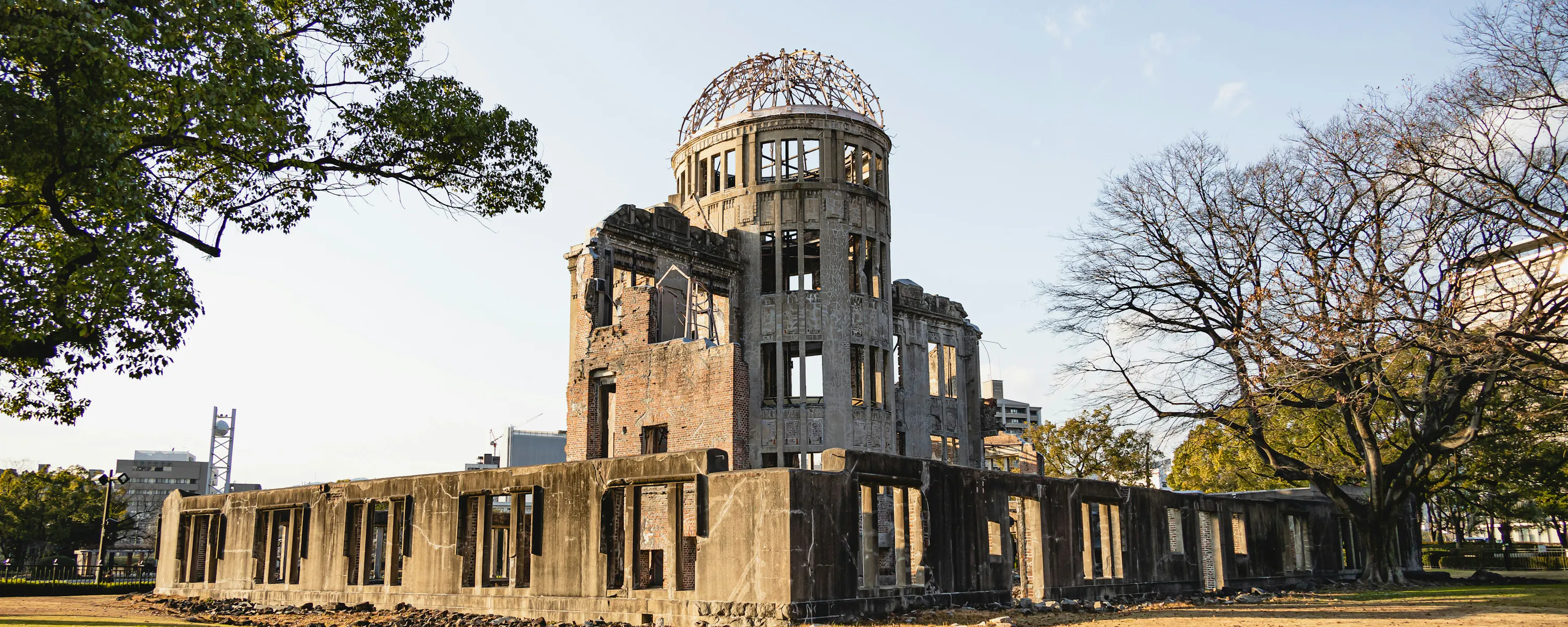
Hiroshima and beyond: adding depth to your Japan family adventure
Most American teenagers arrive in Hiroshima having already encountered it in a classroom; a chapter in a textbook, a lecture, perhaps a documentary. But there is a profound difference between receiving history and standing inside it. Walking the grounds of the Peace Memorial Park, the weight of what happened here arrives in a way no curriculum can replicate.
How to frame Hiroshima for teenage travelers
The risk with Hiroshima isn't that teenagers won't engage; it's that an unmediated visit can feel either overwhelming or, conversely, too sanitized to land with any real force. The difference lies in preparation and guidance.
Your private guide sets the tone before you cross the threshold, offering a brief, age-appropriate framing that meets teenagers where they are, in terms of knowledge and maturity. Inside the museum, your guide doesn't simply recite dates and statistics. They surface the human details that make history visceral: a child's lunchbox, a stopped watch, a first-person account. The goal isn't encyclopedic knowledge; it's one or two moments of genuine connection, followed by space to process.
FAQ: What families ask us most often before booking a luxury Japan vacation
Start planning your private Japan family journey with Extraordinary Journeys
The most important decision you'll make about this trip isn't which cities to visit or how many nights to spend — it's who designs it with you. Japan has no shortage of premium tour operators. What Extraordinary Journeys brings is something more specific: a specialist who has lived inside the country, not just traveled through it. Ours has lived in Japan, speaks the language, and when he isn't planning trips, he's translating Japanese novels and manga. That depth of connection shapes every recommendation, every introduction, every experience he builds for your family.
Our process starts with a conversation. What's the real reason behind this trip? What does your teenager love, resist, gravitate toward? Do you move fast or linger? The answers shape everything: the routing, the pacing, the guides, the experiences built around your family rather than borrowed from someone else's.
Luxury family travel to Japan is not a product to be purchased off a shelf. It is a journey that rewards the kind of thinking most families don't have time to do it alone. We've done that thinking — across dozens of trips, every season, the full breadth of what Japan offers families with teenagers.
When you're ready, the best next step isn't more research. It's a conversation. Tell us what you're dreaming of. We'll take it from there.
May 27, 2026
Explore our itineraries
Every trip with Extraordinary Journeys is tailor-made, crafted in collaboration with one of our destination specialists. Use these as a starting point, or as inspiration to create your own journey.