The best places to visit in Japan
Our Japan specialists offer expert guidance to help first-time visitors determine where to go.

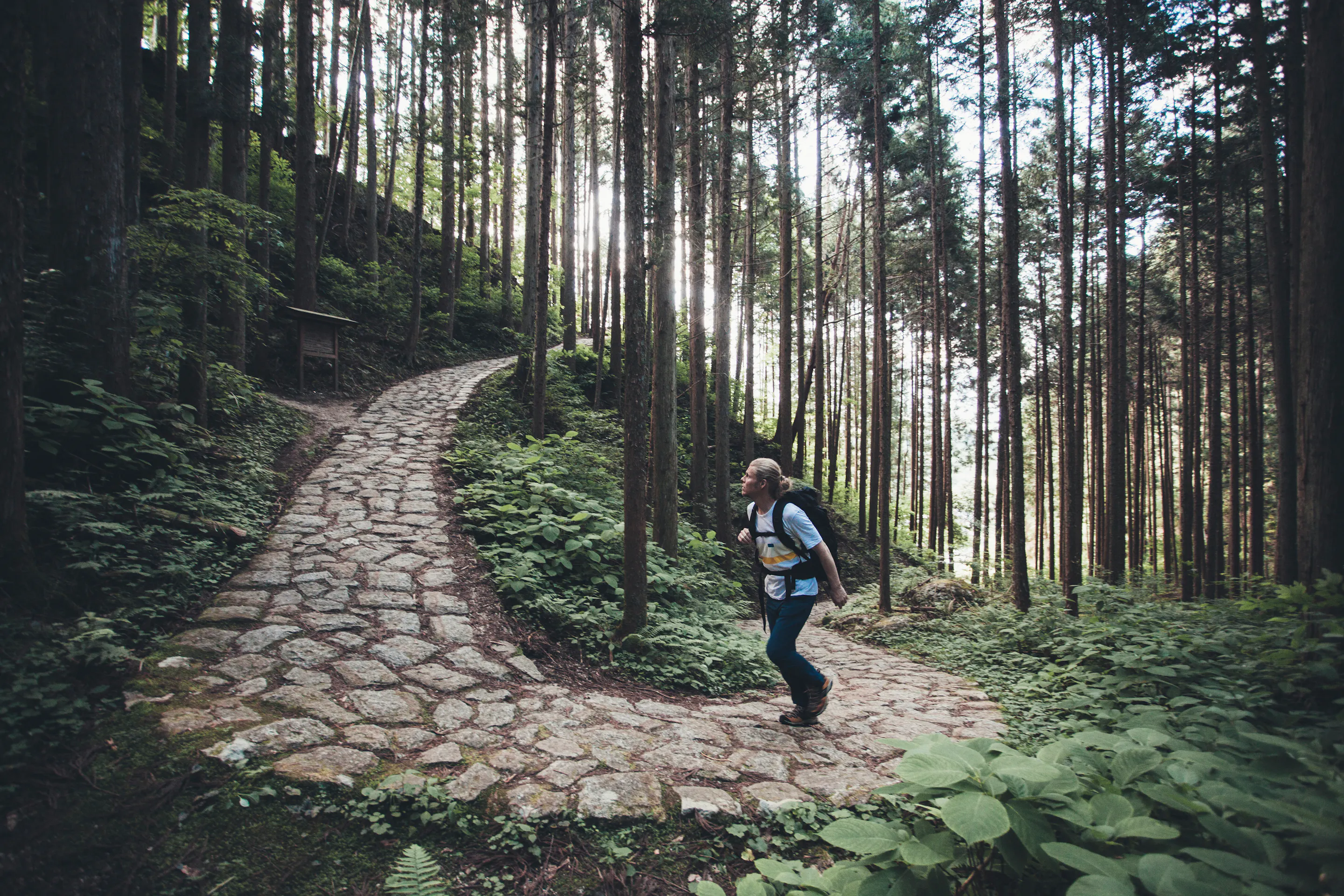
Thousands of islands, innumerable temples, cities that stretch out of sight and fold into volcano-studded horizons: Japan’s staggering variety boggles the mind. From its enduring cultural traditions to ultra-modern marvels, it’s a country that fits the “something for everyone” adage without cliché. Gourmands find themselves seated at some of the world’s great tables; outdoor enthusiasts scale sacred mountains or walk pilgrimage routes through spirit-filled forests; families game in Akihabara’s multi-story arcades.
With limited time and so much on offer, what are the best places to visit in Japan on a first-time trip? Should you stick to the icons—Tokyo, Kyoto, and Osaka? Or veer from circuits to seek out what feels like the real and lesser-known Japan?
Our answer entirely depends on what we know about you. But if you’re still in the discovery phase of dreaming up a trip, what follows is a curation of places to go in Japan—destinations we feel called to return to, time and again.
Best places to go for Japan luxury travel
- Tokyo: Electric and endless, Tokyo travel walks the tightrope of Japan’s past and future, with diverse neighborhoods and the most Michelin-starred eateries of any city in the world.
- Kyoto: Craft is king in the former imperial capital, where temples crowd the skyline and every alley or building has a story to tell.
- Osaka: Known as “Japan’s kitchen,” where the goal is kuidaore (eating yourself to ruin) and then convalescing next to neon-lit canals or ancient castles.
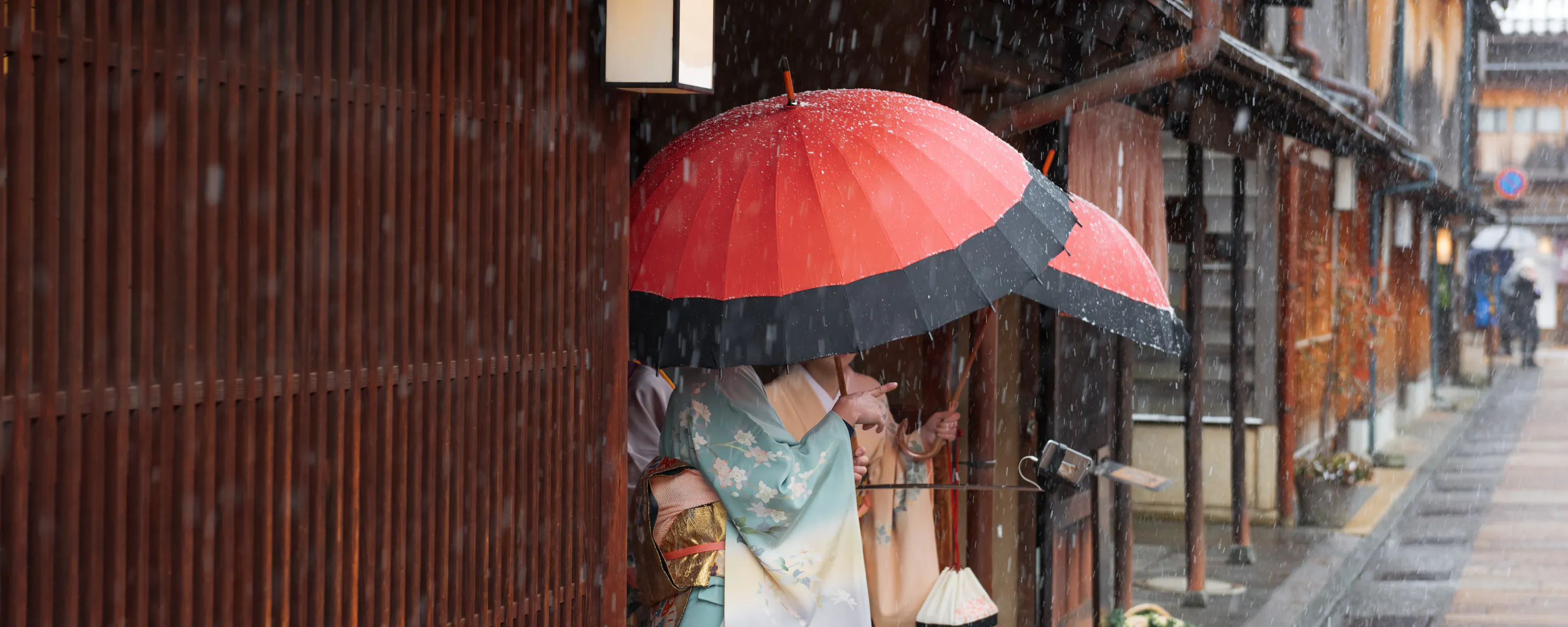
- Kanazawa: Samurai heritage endures into the modern age, with preserved avenues, artisan workshops, and the only functioning geisha district outside Kyoto.
- Hiroshima: A place of tragedy and resilience, Hiroshima is ready to surprise with its museums, local cuisine, and Seto Inland Sea coastal adventures.
- Okinawa: With picturesque beaches and a cultural heritage distinct from the Japanese mainland, Okinawa travel combines tropical beauty, unique cuisine, and a slew of outdoor activities.
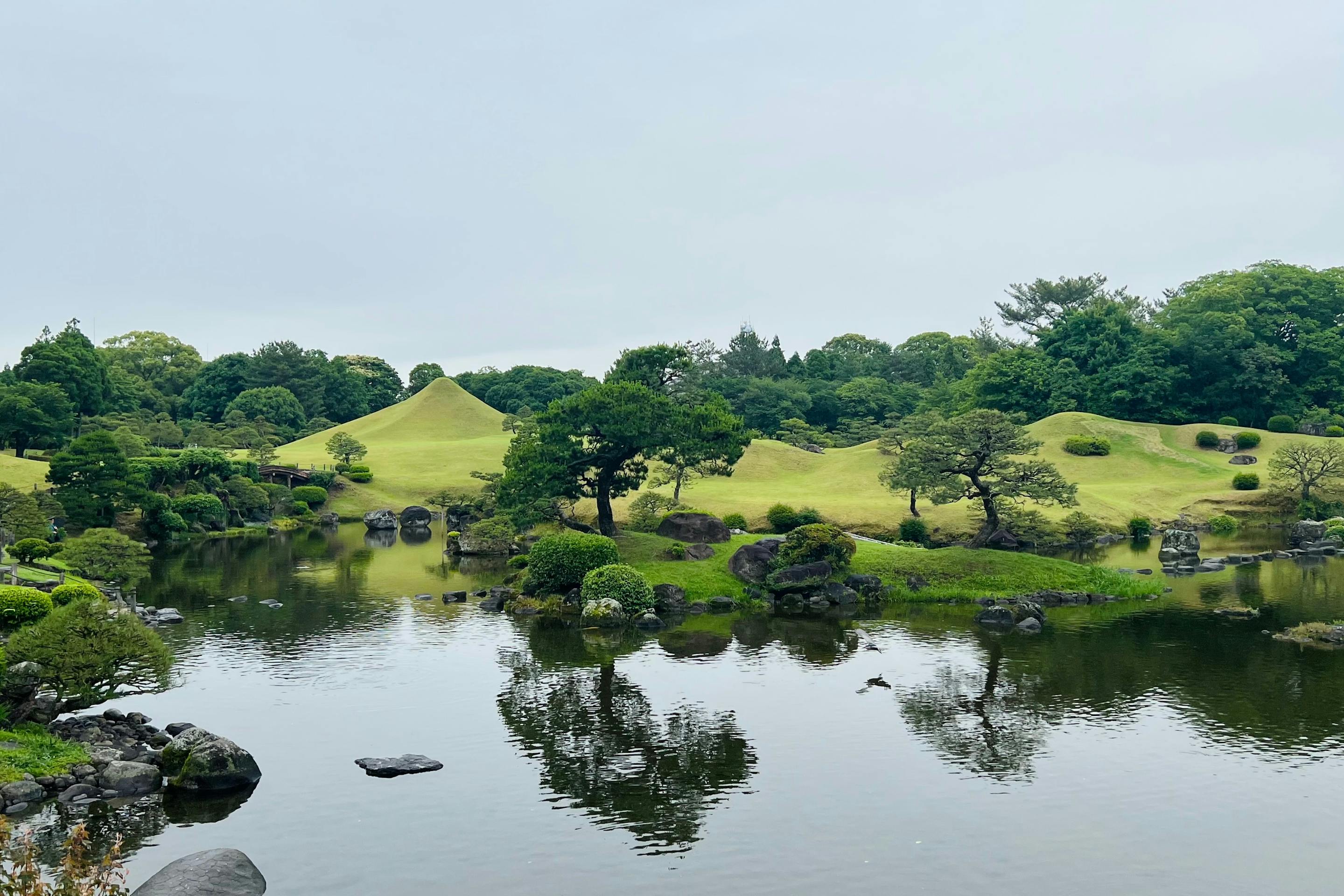
- Kyushu: This region is one of Japan’s finest gems, where onsen towns, ceramics villages, and mystical mountains and woodlands await.
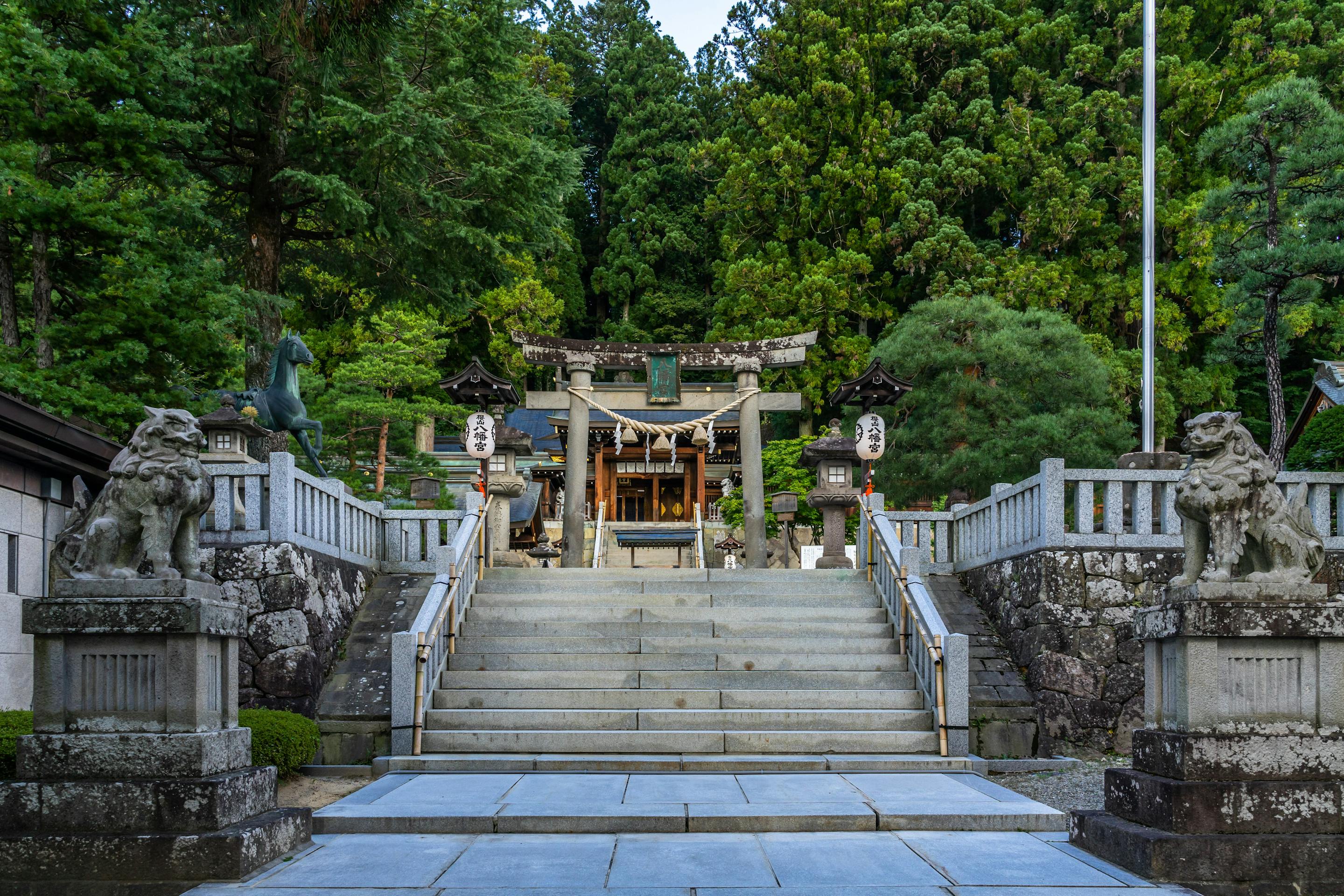
- Takayama: Sip craft sake, repose in ryokan hot springs, and hike through the Japanese Alps in this postcard-pretty mountain town.
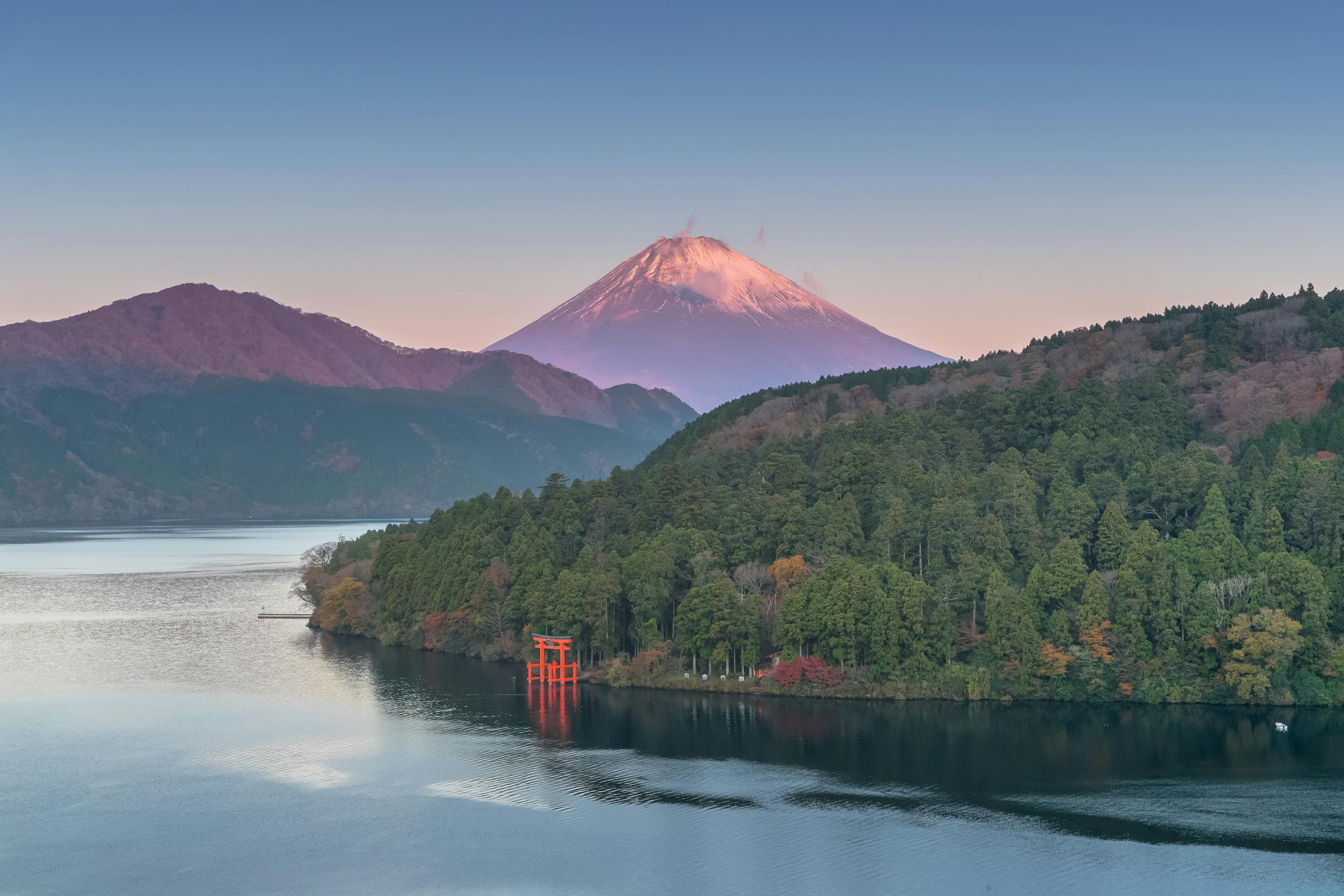
- Hakone & the Izu Peninsula: A complement to the bustle of Tokyo, Hakone or the Izu Peninsula are the perfect balm, with bathhouses, torii gates, and outdoor adventures backdropped by Mount Fuji.
- Hokkaido: Volcanic peaks, drift ice off the Sea of Okhotsk, powdery snow, and seafood pulled straight from chilled waters in Japan's wild north.

Tokyo: Gateway to Japan
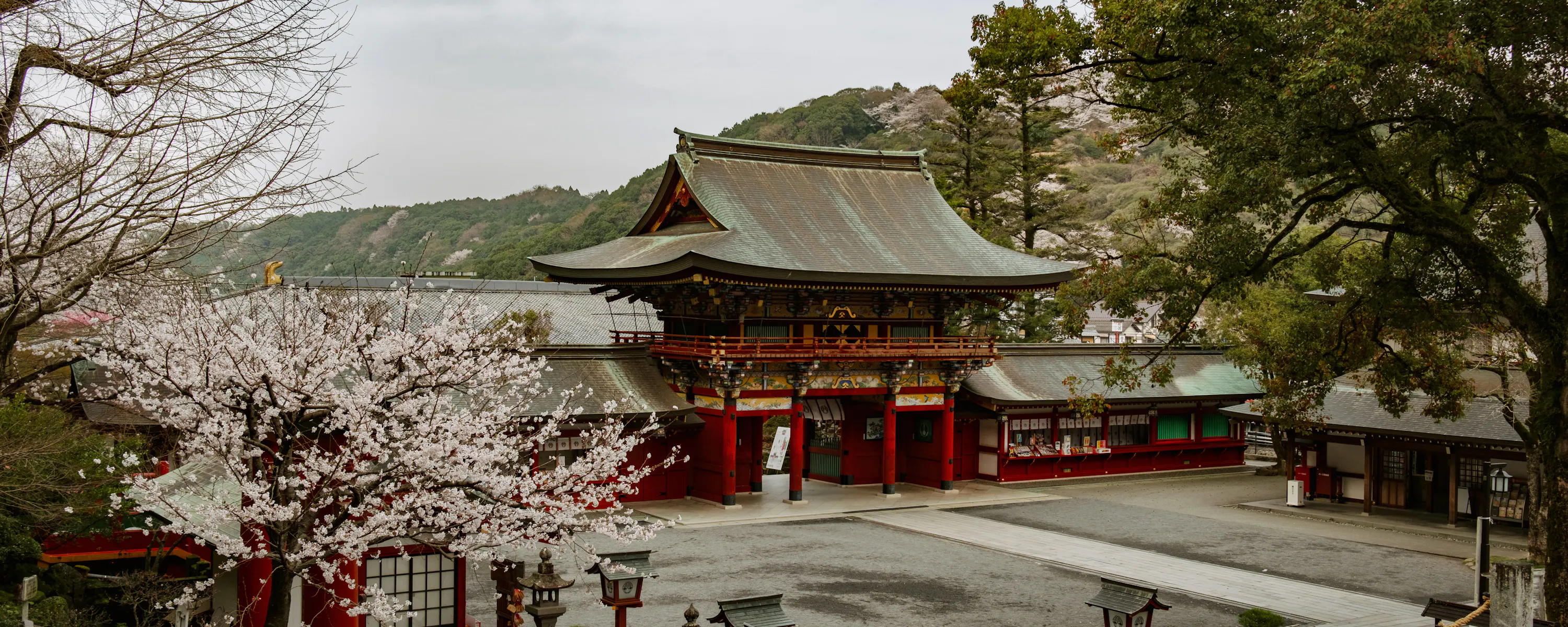
Japan’s sprawling capital acts as a crimson torii gate, marking your entrance into the Land of the Rising Sun. With two major airports, Tokyo is typically the first stop for most travelers when arriving in Japan. It’s an attention-grabbing intro: glowing neon signs bathe sleek modern neighborhoods in kaleidoscopic shades, while ancient shrines huddle between towering buildings. Crowds flow like tides across intersections, miniature hole-in-the-walls hide world-class eateries, and temple-like hotels proffer sanctuary mere steps from the bustle.
Tokyo’s top neighborhoods
- 1Shibuya and Shinjuku: Wildly popular and crowded, Shibuya and Shinjuku are two of Tokyo's most well-known and active districts, pulsating with life. This is modern Japan at its most thrilling: a neon-lit extravaganza of shopping alleys, restaurants, and buzzy attractions like the Shibuya Sky observation platform. However, appearances can be deceiving. Beneath its contemporary clothing, these areas are home to heritage sites including the stately Meiji Jingu Shinto shrine.
- 2Tsukiji: If you came to Tokyo for its food scene, Tsukiji Outer Market is an essential stop. While the famed tuna auction has been relocated, this historic market remains a major food hub: more than 2,000 tons of fresh seafood come through daily. Walk by Technicolor slabs of tuna, piles of crab legs, and jewel-toned fish cuts, trading yen for an endless parade of street food bites.
- 3Shimokitzawa: Slow down in Shimokita, an outlying area that, in recent years, has become one of Tokyo’s hippest hot spots. Source vintage finds from its many thrift stores, sip craft coffee or matcha in cafes, or catch an art show at a gallery or brewpub. This is an area perfect for the culturistas looking for the trendy side of Tokyo.
- 4Asakusa: Anchored by Tokyo’s oldest-established temple, grand Sensoji Temple, Asakusa is where you time-travel back to older times. Draw your omikuji fortune beyond the towering gates of the renowned Buddhist temple, shop along centuries-old thoroughfares, and get a taste of the vibrant— and wholly unique— fusion of old meets new that characterizes modern-day Tokyo.
- 5Yanaka: Another example of the city’s pre-war shitamachi districts, this historic neighborhood is a fantastic destination for those seeking a taste of older Tokyo without Asakusa’s crowds. Pop into SCAI The Bathhouse, browse Yanaka Ginza shopping street, and keep your eyes peeled for hidden cat sculptures. Ueno Park also borders the area, with the incredible Tokyo National Museum.
- 6Omotesando: Many Tokyo neighborhoods are associated with fast-paced energy and action; Omotesando is the antithesis of that. A refined shopping and dining district near Harajuku, this breezy area of tree-lined streets is also called the Champs-Élysées of Tokyo. Indulge in hours-long shopping sprees and leisurely meals, knowing that action awaits just a few blocks over when you’re ready to rejoin the fray.
What to do in Tokyo (beyond "best-of" lists)
Tokyo is the type of city where not having a plan can still lead to memorable experiences. But having insider access elevates a trip. This is a city with millions of doors and we use our concierge key to open ones you never knew existed.
Here are a few exclusive experiences, "best things to do in Tokyo", we might suggest:
- Make sushi in Tsukiji: Why simply tour this famous fish market when you could step into the shoes of one of the cooks who uses it to source their fish? Join a local chef for a market visit, learning the ins-and-outs of what a professional looks for, before entering your host’s home kitchen for a sushi-making lesson. Then, you feast.
- Sumo sneak peek: Timed right*, enter the rarified world of sumo with a morning visit to a sumo stable. Observe the wrestlers’ training rituals while sitting right on the sidelines, as close as one can get without being part of the action. Then, see how practice makes perfect during a live match. (*Subject to tournament scheduling.)
- Workshop walk-ins: Workshop walk-ins: Japan is a country of craft, where traditions are passed between generations. Rather than souvenir shopping, we can get you into artist ateliers for demonstrations and hands-on workshops featuring a wide-range of crafts, from ukiyoe woodblock prints to kintsugi gold mending and even local glassware.
Luxury accommodation selection in Tokyo: what specialists look for
For us, selecting the right hotel goes beyond price or brand name.
We consider location, the amenities you need, your style, vibe, and budget. For some, it’s the quietly cool Aoyama Grand Hotel, for others it’s the refined Capitol Hotel Tokyu. Suite configuration matters, too (especially for multi-generational families and small groups), as does service delivery. Ideally, intuitive, unobtrusive, and culturally attuned. We’re proud of the fact that as a company, we’re not beholden to sell what we don’t truly love.
Once we’ve gotten to know you better, we’ll distill what feels like countless options to a curation that aligns with your needs, tastes, budget, and travel dates. Tokyo is a sprawling metropolis, but deciding where to stay will be a deliberation made effortless by your Japan Specialist.
Kyoto, Nara & Kansai region: Japan's cultural center
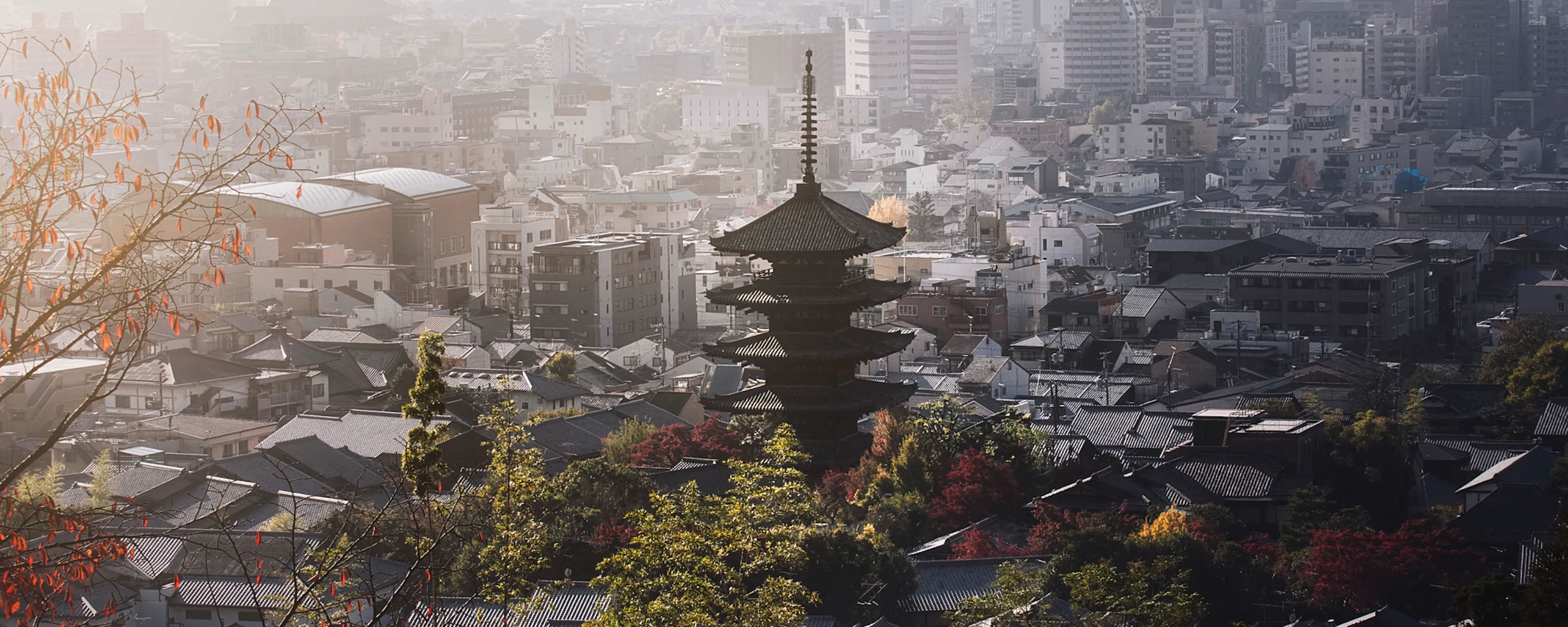
Kyoto, Nara, Osaka: these names may ring a bell, but “Kansai” may be harder to place. This is the name of the region that all these famed cities call home; two of which have served as former capitals. Together, they form an arc that feels dynamic and richly layered. One day, you’re tracing Japan’s earliest history among Nara’s ancient shrines; the next, you’re immersed in Kyoto’s rituals of craft and culture, then Osaka arrives to lift the mood and stir the appetite.
Kyoto, our way
While no longer Japan’s capital, Kyoto remains its cultural core. Once home to the imperial court and spared from World War II destruction, districts like Gion and Higashiyama look just as they did in feudal times. This makes Kyoto one of the best places to visit in Japan, and among its most popular destinations. However, with thoughtful planning, it can be experienced in a way where crowds won’t erode the magic.
Enjoy after-hours access to the famed Fushimi Inari shrine, where you can stroll through its torii gate tunnels uninterrupted. Rather than rushing out with the morning crowds, your day begins with guided meditation and a sado tea ceremony for a grounding, intentional start. And instead of just watching artists at work, we bring you to places where you can get hands-on with history: learning to make wagashi confections or kintsugi, the art of mending broken ceramics with gold.
Nara
Many travelers treat Nara as a stopover between Osaka and Kyoto tours, pausing to feed the free-roaming Sika deer in Nara Park before continuing. But this city, which was once the nation’s capital during the eighth century, is like Kyoto without the crowds. Tour UNESCO sites, grand temples, palaces, and serene gardens with local lore and history deciphered by an expert.
Osaka
After Kyoto’s precision and Nara’s antiquity, Osaka travel feels like a release. The formality eases, streets fill with sounds—snatches of conversation, the hiss of grills—and Dotonbori glows after dark. This is a city shaped less by courtly tradition and more by its roots as a merchant hub, where food is a passion, and personality is worn more openly. Snack your way though street food vendors on a guided food tour, then learn the fundamentals of knifemaking.
Exploring Japan beyond the Golden Route
Japan’s “Golden Route” is the classic, first-time travel itinerary along a well-connected corridor between Tokyo and Kyoto/Osaka. This string of iconic cities is an intuitive route, but a circuit nonetheless that tells a fraction of the story. If you’ll allow us, we’ll coax you off the beaten path to places that aren’t any less worthy simply because they’re a little out of the way.
Hiroshima: Is it worth the visit?
With limited time, you might wonder if Hiroshima should earn a spot on your first-time Japan itinerary. Many visitors arrive as day trippers, touring Peace Memorial Park in groups to learn about the historic events of 1945—but Hiroshima travel is so much more. With an extra day or two, you’ll see beyond the city’s worst moments, while still honoring the tragedy, from its deep history to its resilient present. With a guide, trace the grounds of Hiroshima Castle, catch a baseball match to discover Japan’s love for the great game, and lean into the creative works of artistic residents.
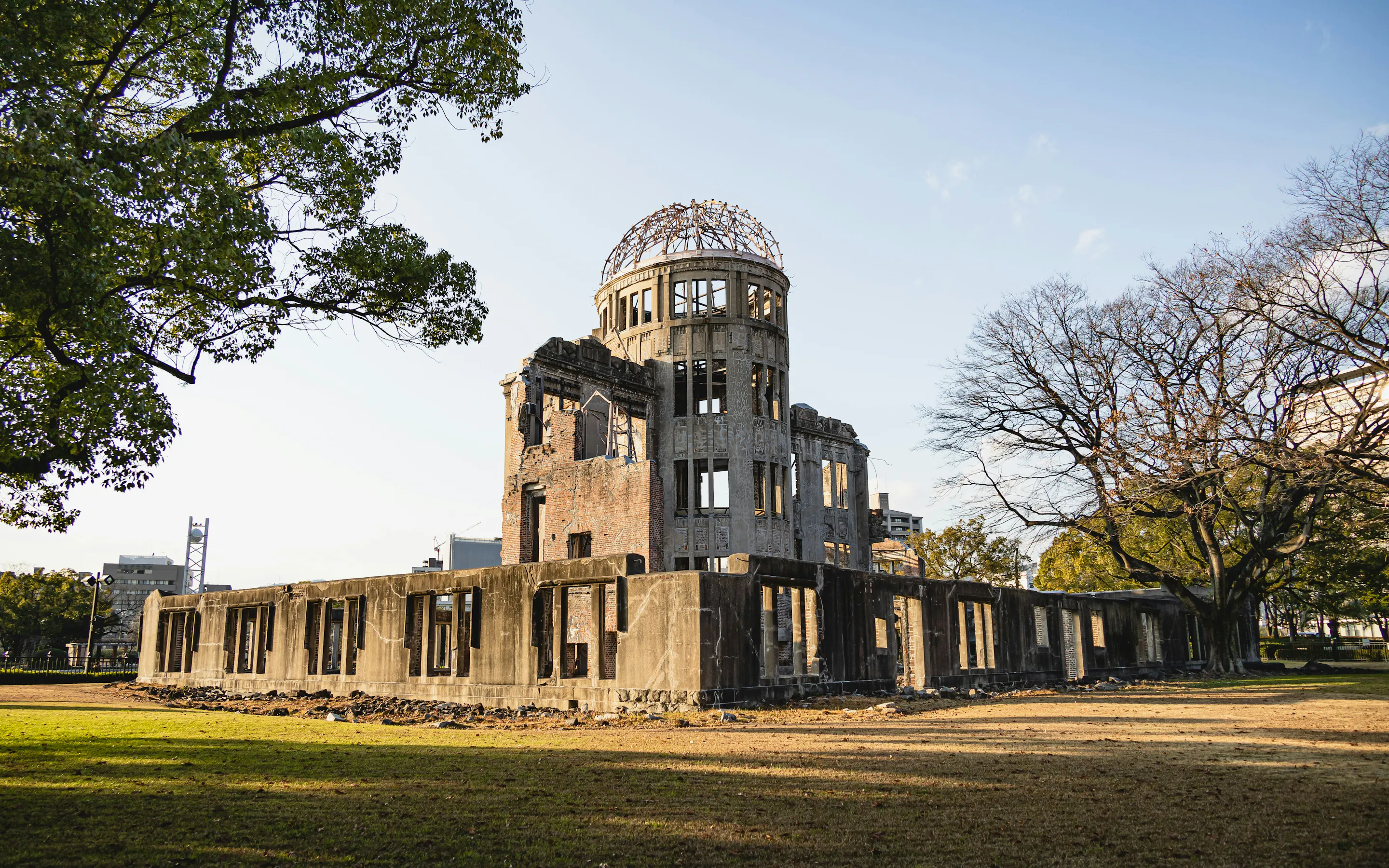
While somber history is still written across the city’s museums, monuments, and memorials, our private Hiroshima tours are designed to honor both remembrance and renewal.
Miyajima Island
In Hiroshima Bay, Miyajima Island’s UNESCO-recognized torii gates rise out of the water and habituated deer freely wander—believed to be messengers of the gods. Boats cruise the Seto Inland Sea and temples peek out of hushed forests, creating a magical hideaway just off the mainland.
Kanazawa
Located on the shores of the Sea of Japan, with the Koreas across the water, Kanazawa tours visit one of the finest preserved old towns in Japan, but receives far less foot traffic than Kyoto. Depending on your interests, let a guide show you into the world of the Maeda clan and Edo-era samurai rule at Kanazawa Castle, craft your own “gold leaf” lacquerware using traditional Kanazawa techniques, or walk the stately Kenroku-en Garden—considered one of the best gardens in Japan.

Japan outdoors: where to go to experience Japanese nature
Much attention is lavished on Japanese cities and towns, but extending nearly 2,000 miles from top to bottom, Japan overdelivers on diverse landscapes: subtropical islands, snowy summits, forested valleys, volcanic peaks, steaming hot springs, craggy bays, and wild rivers and lakes. If we were designing a nature-forward itinerary, these are a few of the best places to visit in Japan.
Hokkaido
The northern island of Hokkaido buzzes in winter, attracting snowboarders and skiers with fluffy Japow, but its mild summers are the most pleasant in Japan. Land in Sapporo—let a foodie guide introduce you to miso ramen in its birthplace—then, get out into nature. There are six national parks on an island approximately the size of Maine. Our favorite nature-immersed Hokkaido travel includes hiking in Daisetsuzan National Park alongside an Indigenous guide to learn about Ainu culture, cycling farm roads, and wildlife viewing in Shiretoko National Park where Ezo brown bears forage the shore at low tide.
Kyushu
If we could persuade you to detour beyond what’s expected, we’d steer you toward the region of Kyushu. Here, river gorges, volcanic craters, mossy forests, and steaming hot springs feel elemental. The natural world is never far, with countless ways to immerse yourself in it. Soak in mineral-rich pools, hike Mount Takachiho as a guide recounts creation myths, and paddle the jade waters of Kagoshima Bay beneath an active stratovolcano. Along the way, enter the inner sanctum of a sacred shrine and a family-run distillery not otherwise open to visitors.
Okinawa
Often mistaken for its namesake island, Okinawa is an archipelago with an identity and culture distinct from mainland Japan. Islands fringed with white sand beaches, they lie scattershot in a cerulean sea. Hidden away at a secluded island resort, snorkel atop coral gardens teeming with tropical fish, peering through impossibly clear waters. On terra firma, hiking trails cut through tree ferns that lead to waterfalls. Days wind down with horizon-swallowing sunsets and the distinct flavors of Okinawan cuisine. Okinawa is a lovely place to end a trip, espcially a luxury Japan honeymoon.
Mountain magic: Mount Fuji, Hakone & the Japanese Alps
Formed by volcanoes along the Pacific Ring of Fire, Japan is a land of mountains. They’re some of the country’s most recognizable landmarks and sacred spaces where kami spirits are said to dwell. Up and down the archipelago, Shinto and Buddhist temples dot foothills and slopes, creating a bridge between nature and culture. People venture to the mountains to hike pilgrimage routes, soak in hot springs, forest bathe, and simply appreciate the wilderness.
Mount Fuji
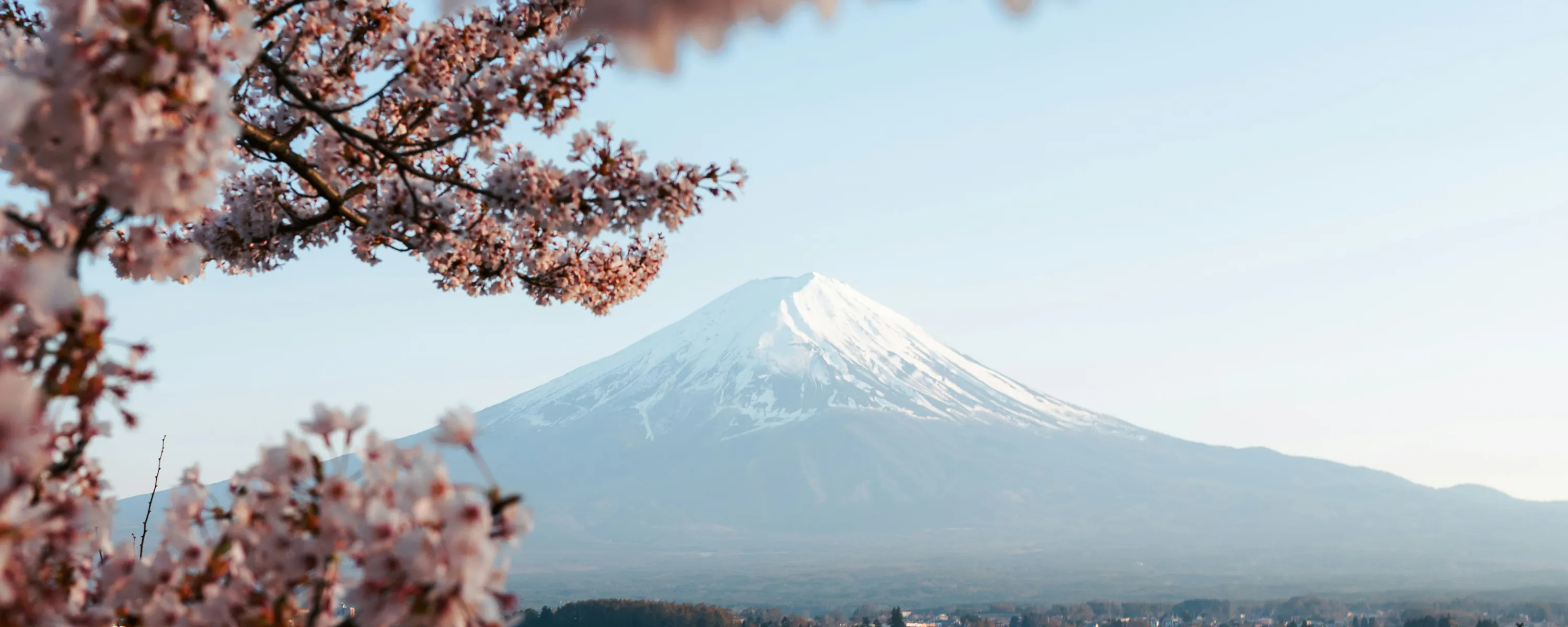
Of course, no discussion of Japanese mountains is complete without Mount Fuji, the country’s tallest peak. For many travelers, Fuji is less a place you arrive at, than one you glimpse. The icon rises in the distance from lakeside towns like Kawaguchiko or from the hot spring retreats of Hakone, often veiled by cloud.
Hiking Mount Fuji is often less a transcendent mountain experience than a crowded, high-altitude trudge up a stark volcanic slope. We like to recommend Mount Hōei instead as a more atmospheric and rewarding adventure. Set along Fuji’s flank, it brings you into raw volcanic terrain without the queue or summit push. From the top, Fuji looms close enough to feel its scale, yet distant enough to appreciate its form.
Hakone & Izu Peninsula
We like to pair the energy of Tokyo with a restorative pause in Hakone or the seaside Izu Peninsula. In a traditional ryokan (inn) surrounded by nature, you’ll experience Japan not just as something to be photographed, but felt. Lean into unique concepts the English mother tongue doesn’t quite capture: yohaku and omotenashi—the beauty of blank space and graceful, deeply considered hospitality. In the absence of a schedule, simply exhale. Soak in onsens, dine on kaiseki meals (so seasonal that no two are alike), or contemplate a forest view and birdsong with no other demands on your attention.
Japanese Alps
Mount Fuji may be Japan’s most recognizable peak, but the country’s mountainous heart lies further north, in the Japanese Alps. Running like a spine across Honshu, they are outdoor playgrounds, places of reverence, and doorways to bygone eras. We feel a particular affinity for Takayama and the UNESCO-inscribed village of Shirakawa-go. On a private Takayama tour, walk Edo-era streets overlooked by beautifully preserved wooden merchant houses, sample artisanal sake, dine on soba noodles, and browse the Miyagawa Morning Market. In nearby Shirakawa-go, your guide shows you through historic thatched-roof farmhouses. Set against a backdrop of forested mountains, it’s a scenic portrait that feels suspended in time.

How our specialists build Japan itineraries around traveler priorities
No two travelers experience Japan in the same way—and we never assume how you want to move through it. Instead, we take the time to understand what makes you tick: your specific interests and whether you’re looking to restore, energize, or strike a balance between the two.
Early in the planning process, we encourage you to share your hobbies and passions openly. These details shape everything. The result is a journey without filler, where each day renews with excitement and variety.
Here are just a few ways we might tailor an itinerary around what matters most to you.
- The cultural immersion seeker: For those drawn to Japan’s living traditions, a specialist leans into Kyoto and Nara—but reframes them. Think private tea ceremonies, special access to temple spaces, kimono dyeing with a textile artist, and spending time with makers practicing centuries-old crafts. Rather than rushing between sites, the itinerary allows space for depth, with guided encounters that bring context and meaning to each experience.
- The culinary explorer: Food-led journeys move well beyond restaurant reservations. In Tokyo, a specialist arranges a market visit with a chef before a private sushi lesson; in Osaka, street food tastings and knife-making workshops. Regional stops—like Takayama or Fukuoka—introduce local specialties (Hida beef or Hakata ramen), for a journey that reflects regional flavors and traditions.
- The nature and wellness traveler: For those seeking Japan’s quieter side, the focus shifts to Hakone, the Japanese Alps, or Kyushu travel. Days unfold through contemplative forest hikes, cycling, Zen meditation hiking retreats, and time in traditional ryokan, where kaiseki meals and onsen bathing become central rituals. The pace slows, balancing movement with restoration.
- The family with teens: A specialist designs a luxury family trip to Japan so that all ages feel considered. We might pair Tokyo’s arcades and pop culture districts with hands-on activities such as plastic food model making or kendo swordplay. Properties are chosen for configuration and location ease, blending high-energy city time with immersive cultural exchanges that feel interactive rather than instructional. Keep reading: Navigating Japan with teens: a luxury family adventure
Japan Travel FAQs
Plan your trip
Ready to explore Japan, the Extraordinary way? Let a destination specialist shape a meaningful journey that goes beyond the ordinary.
Explore our itineraries
Every trip with Extraordinary Journeys is tailor-made, crafted in collaboration with one of our destination specialists. Use these as a starting point, or as inspiration to create your own journey.