Itinerary
Argentine Patagonia trip: untouched adventure
An escape to Argentina’s remote southern wilds
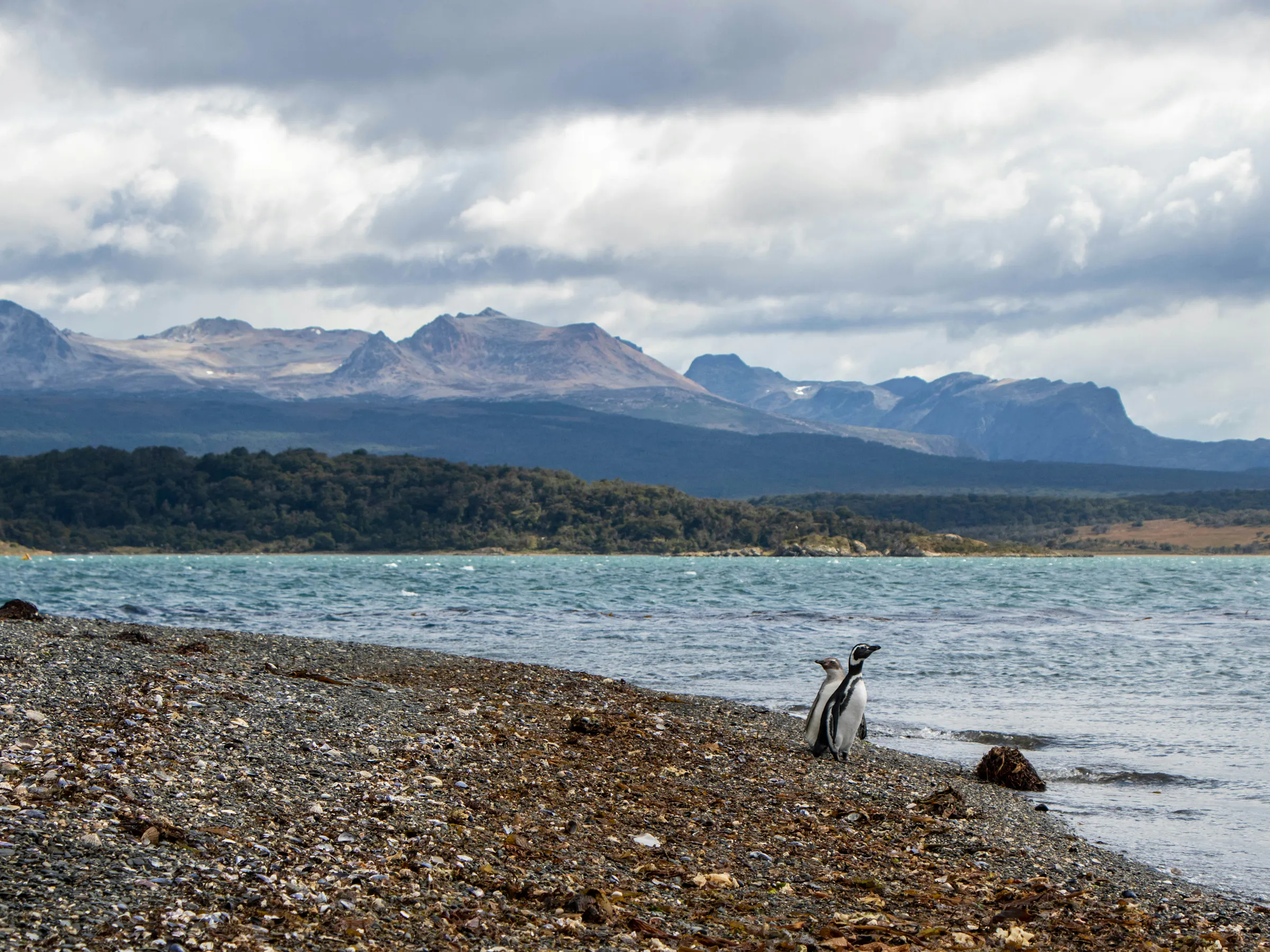
It is the capital of Argentine Tierra del Fuego, the archipelago divided between Argentina and Chile, which stretches beyond the bottom of mainland South America. This small town has become a busy port and jumping-off point for most cruises to Antarctica. Nevertheless, it still holds something of a frontier feel and has adopted the slogan “El Fin del Mundo:” The End of the World. Indigenous people inhabited Tierra del Fuego for around 10,000 years, but the arrival of European settlers in the 1850’s with the gold prospectors and sheep ranchers who followed in their wake had a devastating impact on their traditional way of life. Disputes with Chile prompted the Argentine government to establish a penal colony here in 1896, and a town soon grew up around it. The prison closed in 1947, but Ushuaia continued to thrive and become the tourist hub it is today.
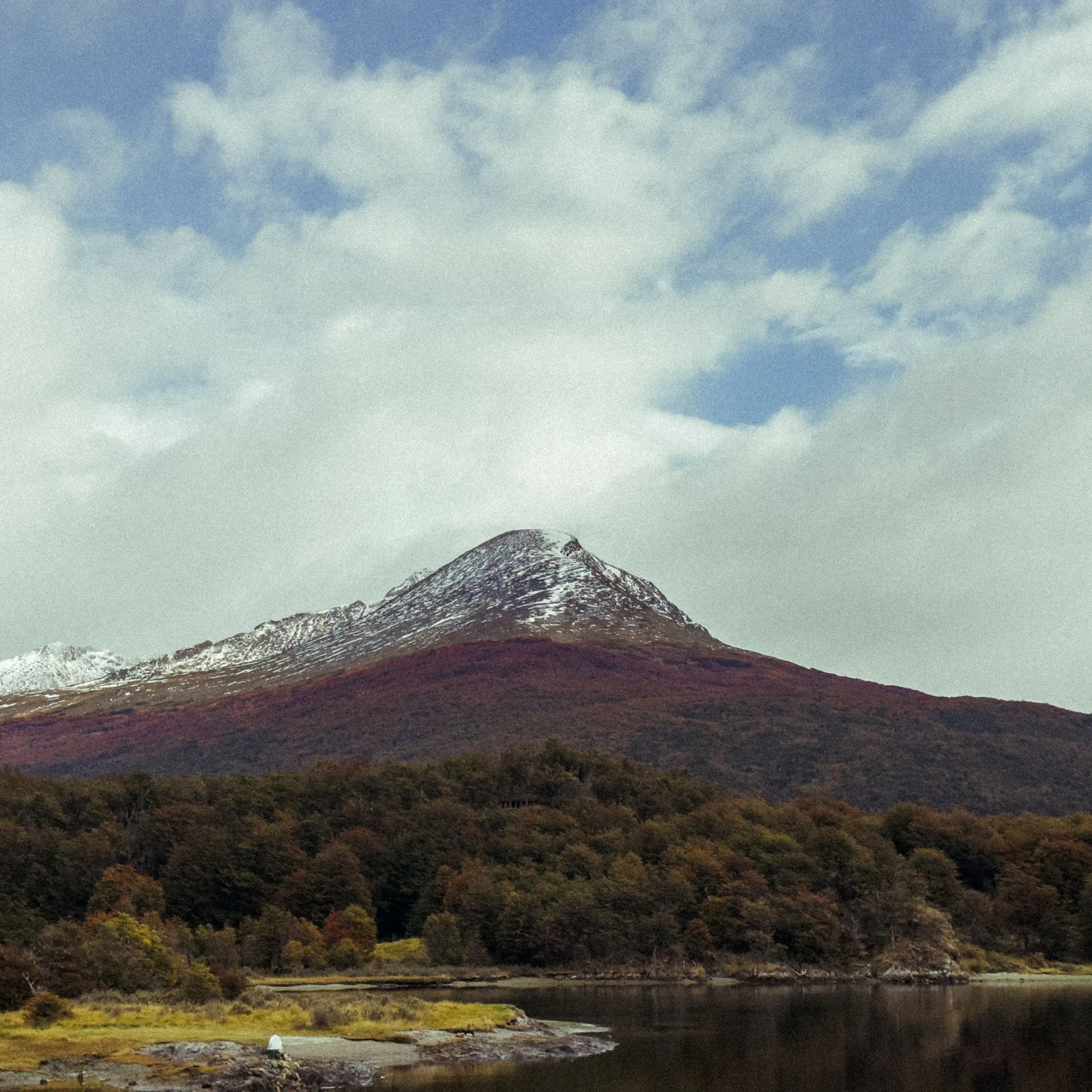
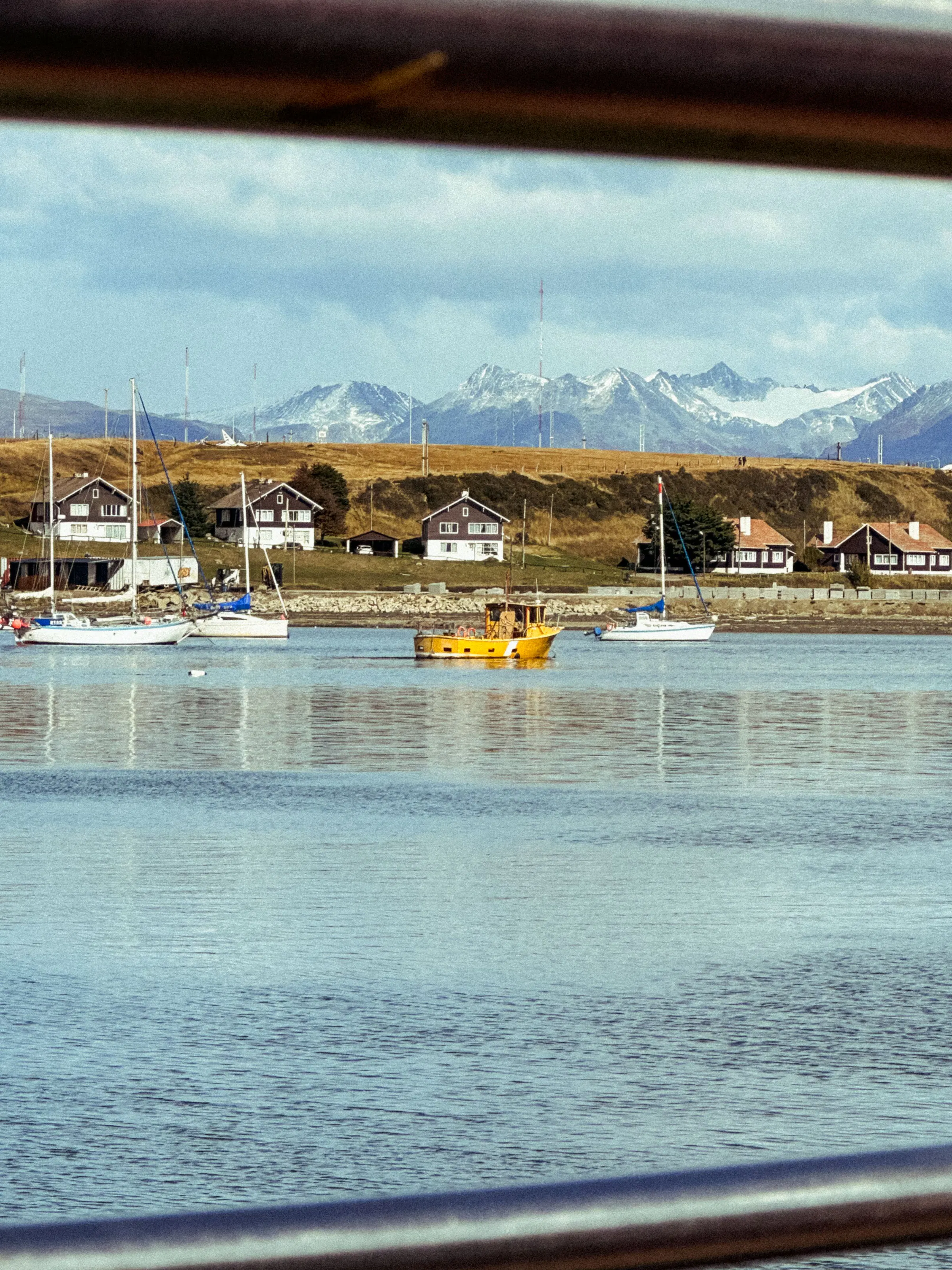
Use these itineraries as a starting point, or as inspiration to create your own journey.
The best time to visit Ushuaia corresponds with the rest of Patagonia. The best weather is from November to March, with the shoulder seasons offering fewer people. Rain is always a possibility here, so be sure to pack for the fluctuating weather!
Best
Mar
Apr
Oct
Nov
March - April
October - November
Good
Jan
Feb
Mar
Apr
Sep
Oct
Nov
Dec
January - April
September - December
A visit to Ushuaia puts you within easy reach of many other beautiful and fascinating parts of Patagonia.
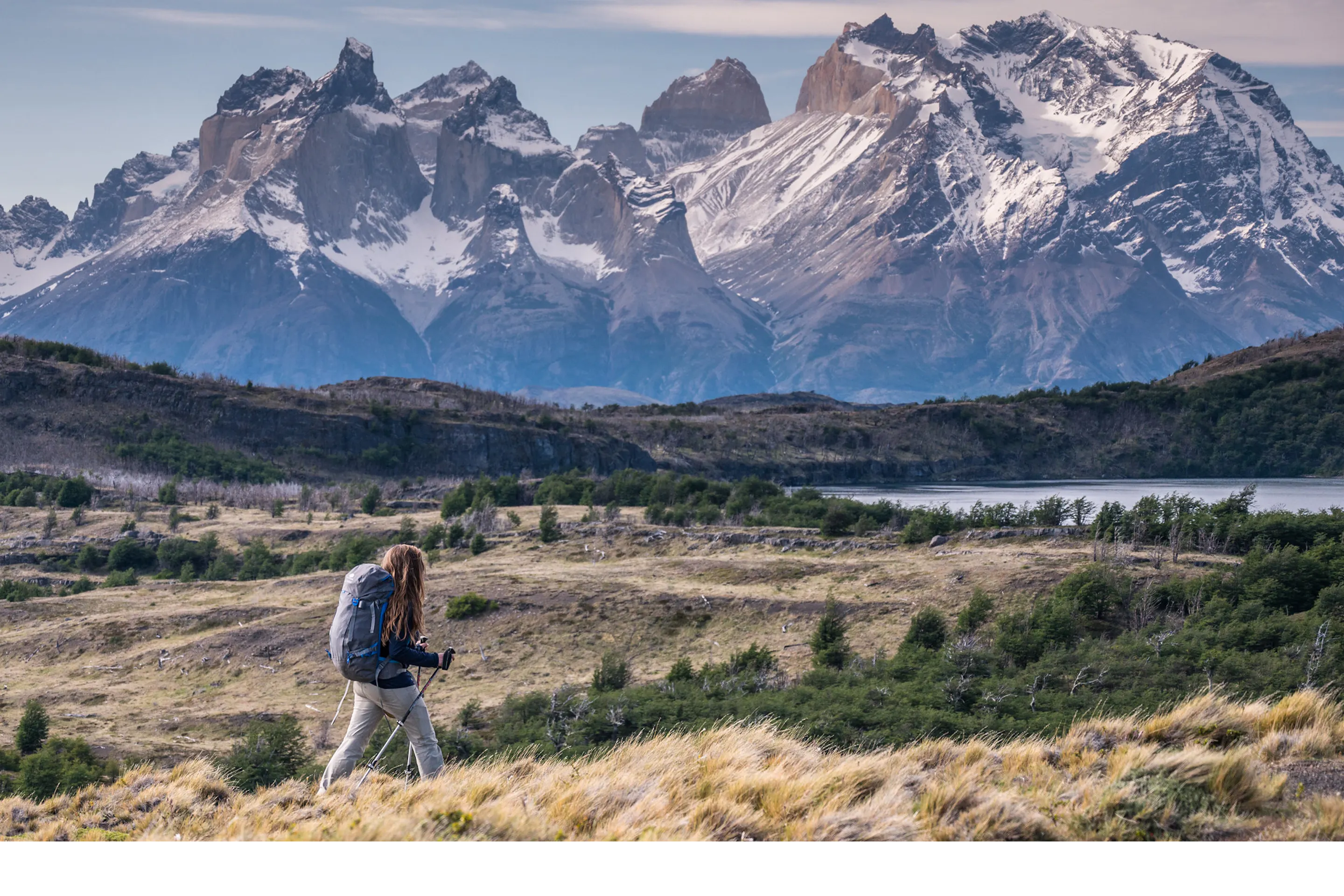
Surrender to awe in southern Patagonia's most iconic national park
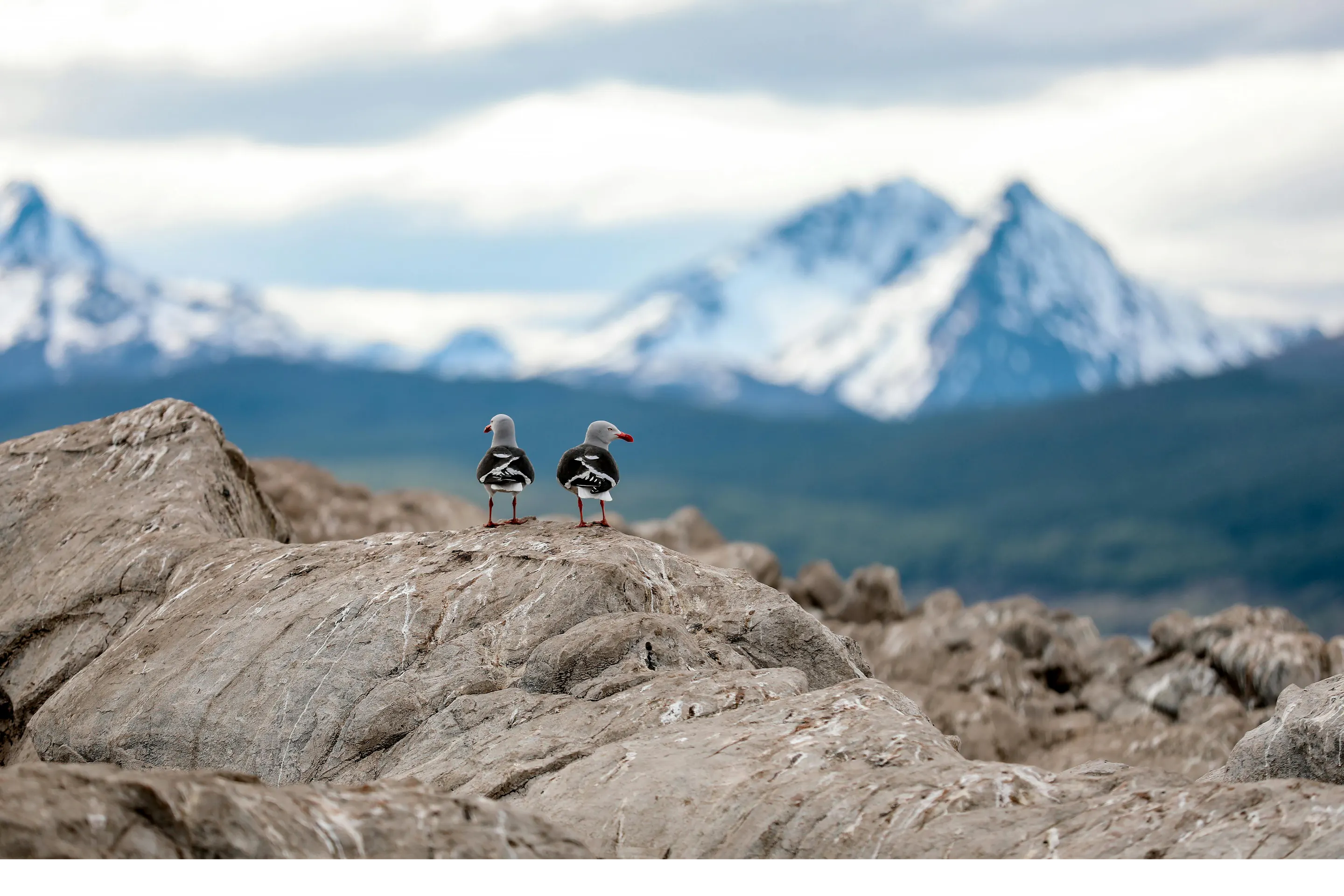
Chile’s extensive fjords stretch all the way to the country’s southernmost tip in Tierra del Fuego, a scarcely explored region that feels every bit the end of the world that it is.
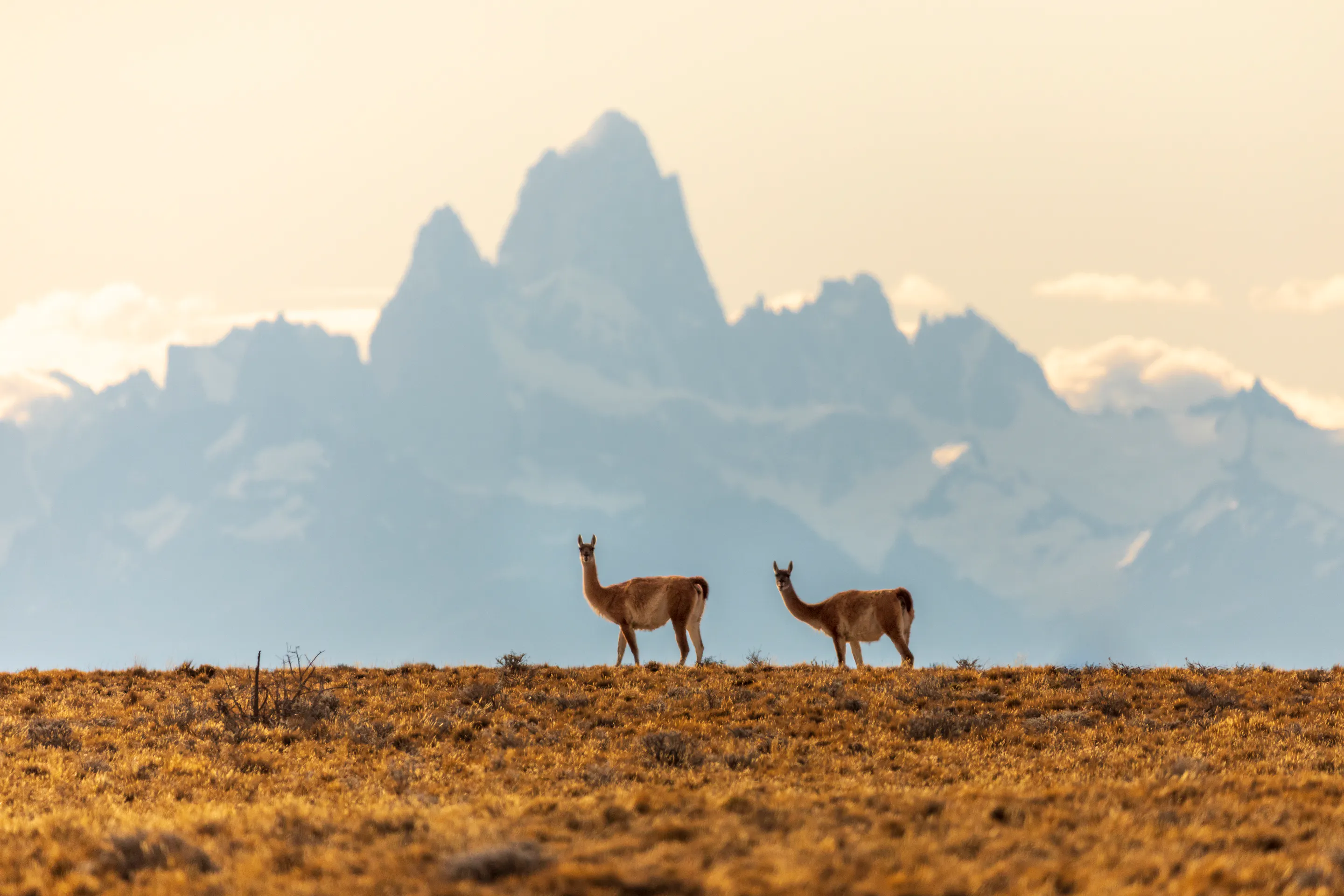
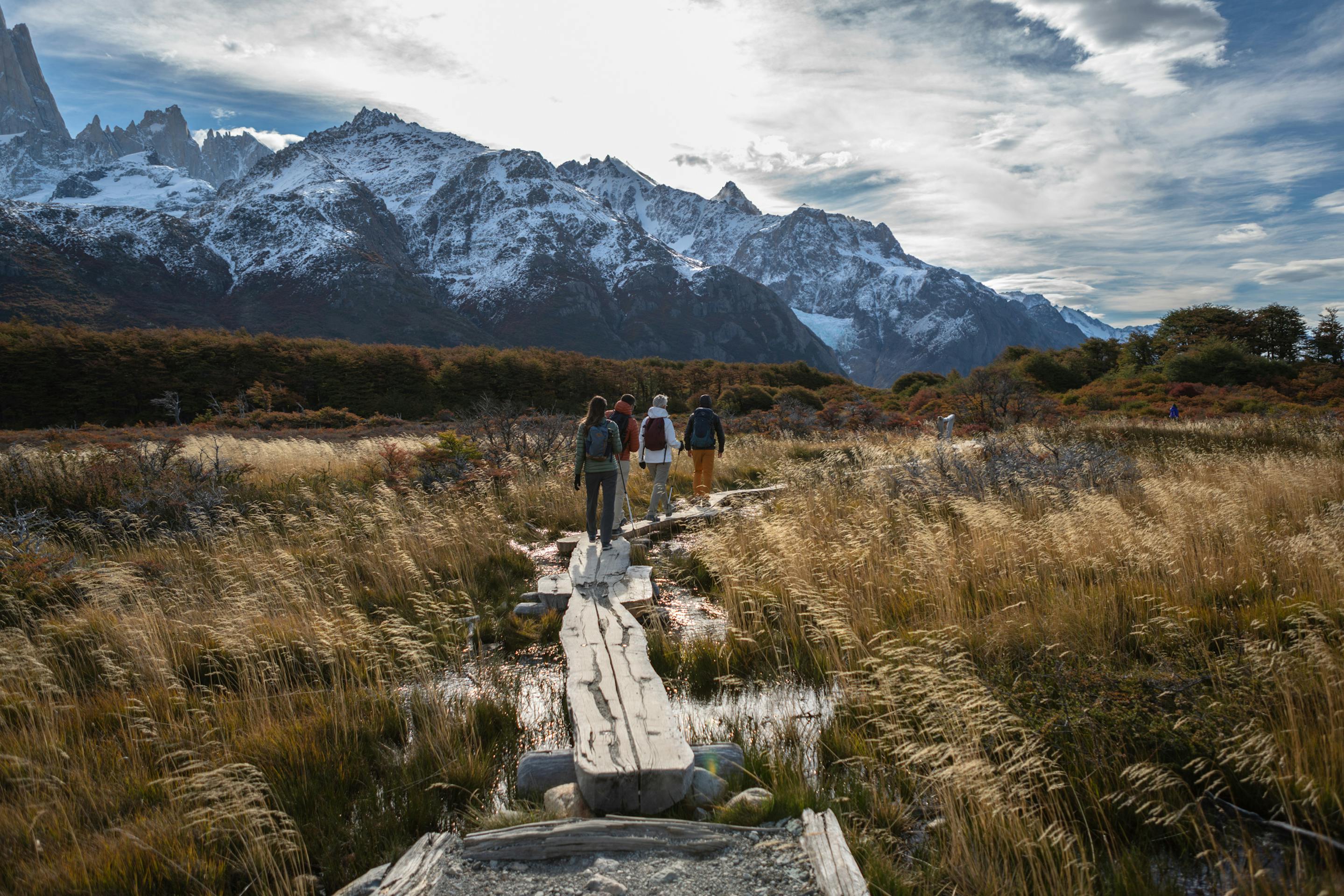
Argentina’s trekking capital, El Chaltén is a popular haven for outdoor enthusiasts where hiking opportunities abound for both advanced and beginner trekkers.
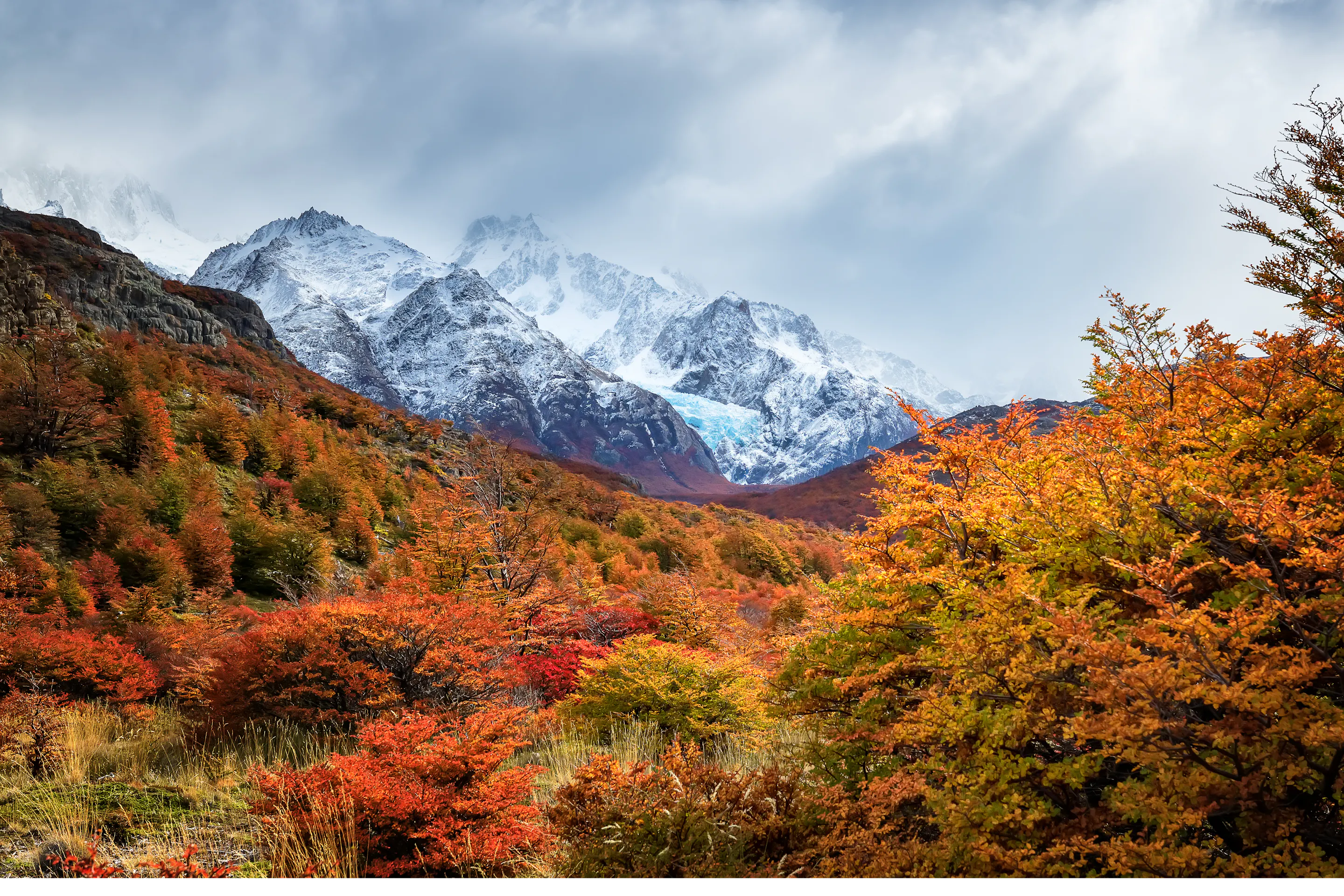
Located deep in Patagonia’s snow-capped hinterland, the town of El Calafate has become an essential stopover for travelers headed to nearby Los Glaciares National Park.

We value depth over breadth. While we have broadened our map, our intimate expertise runs deep—from understanding each locale's hidden rhythms to cultivating relationships with exceptional guides.
Seasoned travelers know that places change, authentic experiences migrate. We'll listen to your hopes and passions, but push back when we know something will better resonate with you.

Traveling to wild places asks something of us— a quality of attention and presence. From behind-the-scenes logistics to bespoke culinary experiences, our team has thought of everything.
There will undoubtedly be extraordinary unscripted moments: hippos emerging at sunset, the impossible blue of Arctic ice. We know that meaningful memories often live in personalized details.