A wildlife enthusiast's guide to Japan
From Shiretoko's brown bears to Nagano's snow monkeys, where and when to find Japan's wildest encounters.

August 31, 2026
With its singular culture and iconic cuisine, wildlife might not be your first thought when it comes to Japan. But spread across its islands, beneath dense forest canopies, across quiet coastal habitats, and secreted away on epic mountainsides, you'll find curious beasts of all kinds — if you know where to find them. As wildlife specialists, we've seen Japan's limitless potential for wild encounters and built out thoughtful luxury Japan tours that go far beyond the usual trails, immersing travelers in the full range of animals native to Japan.
As with all things beholden to the rhythms of nature, chance plays a big part in the Japanese wildlife experience. Those chances expand exponentially when you're with the right guides; those with deep knowledge of species and place, and who've made tracking elusive animals their life's work. These are the guides we work with.
And beyond the fauna itself, that is what makes Japan such a compelling choice for a luxury wildlife trip with Extraordinary Journeys.
Why Japan is a wildlife paradise
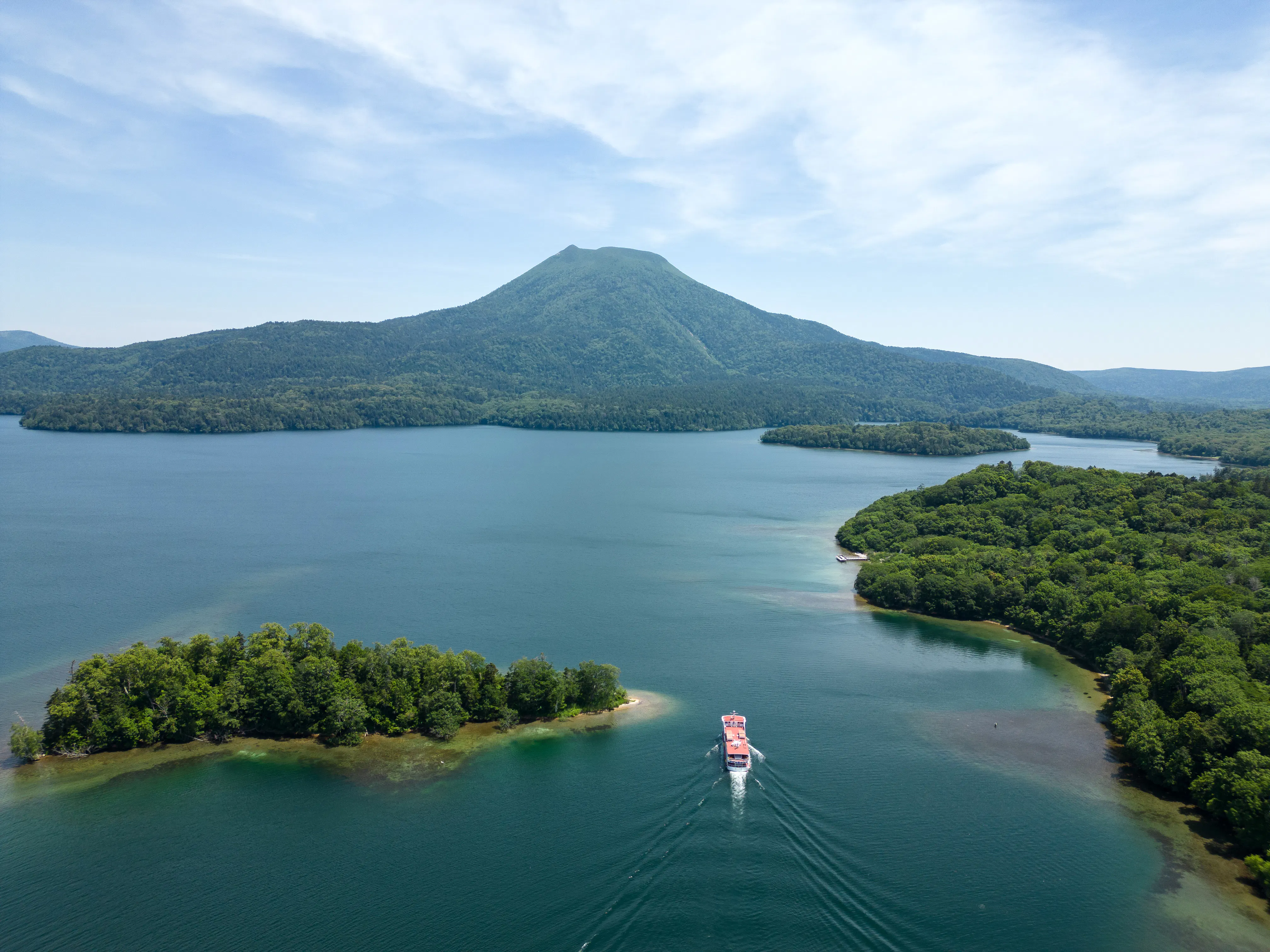
Japan sits atop a rare geological convergence, the meeting point of four tectonic plates. and the result is a country defined by extremes. Mountains make up nearly three-quarters of the land, too steep and undeveloped for heavy habitation, leaving vast stretches genuinely wild.
It's in these margins that Japan's wildlife finds room to thrive: during winter, massive Steller's sea eagles and other migratory birds flock to the Shiretoko Peninsula, drawn by rare northern hemisphere sea ice. Come summer, the same coastline draws brown bears down from the forest, following the salmon run upriver, while pods of whales pass offshore on their seasonal migration. Further south, in the volcanic hot springs of Nagano, Japanese macaques soak through the snow season — the only primates besides humans known to survive so far north in such bitter cold.
Underlying all of it is Satoyama, the philosophy governing Japan's border zones between settlement and wilderness, where centuries of careful coexistence have sustained biodiversity rather than crowding it out. It's this balance of habitats and human life that makes Japan such a distinctive wildlife destination.
Popular Japanese wildlife species you should know about
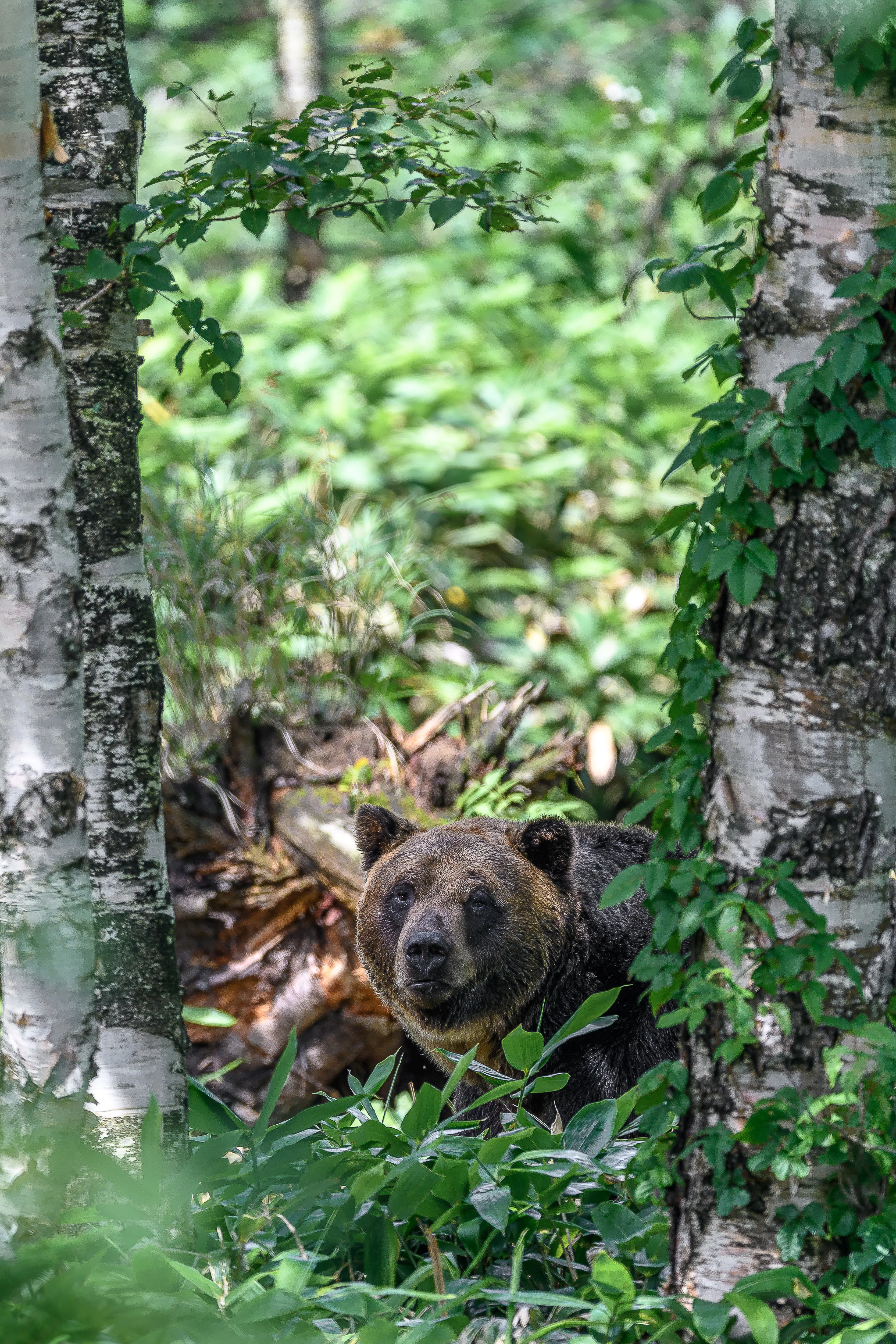
- Hokkaido brown bears are the headline act for many among Japan's native wildlife. From the deck of a private bear-watching vessel, these massive Japanese wildlife animals can be seen along the coast of remote Shiretoko Peninsula, as they come to the water's edge to feed on shoots and salmon, moving between forest and shoreline habitats. You'll be safe but close enough to appreciate their sheer size and power as they fish.
- Japanese macaques (also known as snow monkeys) bring a rare kind of drama. In the volcanic valleys of Nagano, troops descend from the surrounding forests to soak in steaming hot springs. Watching them settle into the water, snow dusting their fur and steam rising around them, is a study in quiet, deliberate comfort found nowhere else in nature.
- Red-crowned cranes perform one of Japan's most striking rituals. In the wetlands around Kushiro, eastern Hokkaido, pairs of these elegant birds face off in a courtship dance — leaping, bowing, and calling to one another — their signature crimson crowns thrown into sharp relief against the snow. It's a spectacle so precise it looks choreographed, though the birds have been dancing this way for centuries.
- Yezo sika, Hokkaido's native sika deer, live amid the region's harshest terrain. They're a common sight along the cliffs above the Sea of Okhotsk, browsing exposed slopes even as the wind off the sea ice sharpens. Spotting one mid-stride against that stark, wintry coastline is a quiet reminder of how much life this "empty" landscape actually holds, even in habitats that look inhospitable at first glance.
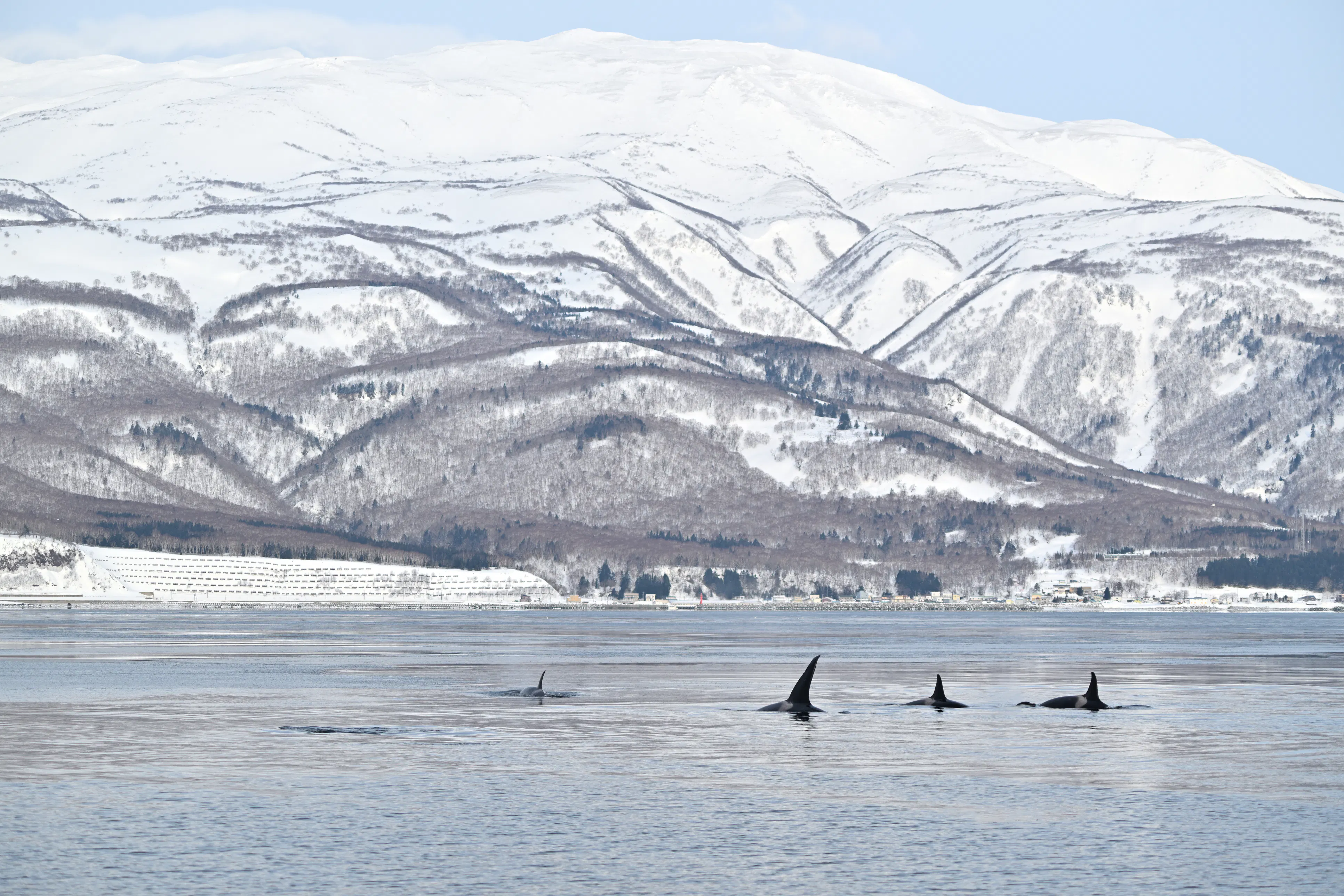
- Japan's rich marine wildlife rewards those who take a closer look too. Pods of migrating humpback whales pass by Okinawa and the southern islands with their calves during the winter, while orcas and sperm whales can be seen during summer in Hokkaido. Meanwhile, the remote volcanic island of Mikura-jima is home to pod of some 150 wild Indo-Pacific bottlenose dolphins. Around Okinawa, the reefs and lagoons support some of the country's richest marine biodiversity, with sea turtles, manta rays, and tropical fish.
Japanese wildlife photography tips and techniques
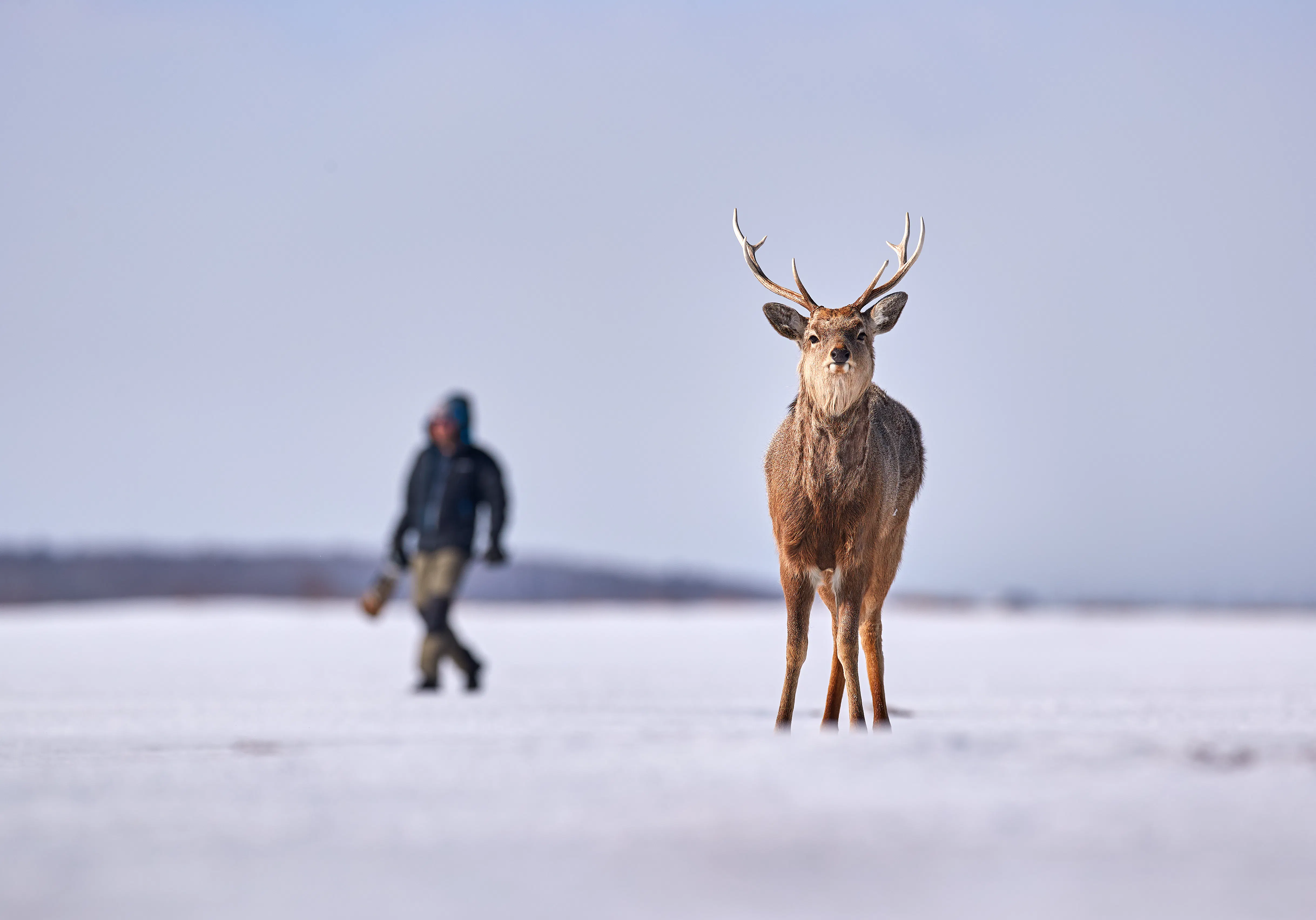
The difference between a good wildlife photograph and a forgettable one is almost always time and light. A private Japan itinerary can give you both. A group departure moves on a schedule; a privately guided one can hold position at Otowa Bridge until the pre-dawn mist lifts and the cranes begin their courtship display or linger a second longer off Shiretoko until a pod of orcas surface.
On equipment, opt for a telephoto in the 400–600mm range: it's long enough to catch a bear fishing the far bank of a river or an eagle riding the drift ice, without ever requiring you to close the distance that keeps both of you safe. A monopod can be handy with this size of lens, especially for the long, cold mornings crane photography demands.
Of course, conditions shift by species and season. For example, the flat, bright light off Hokkaido's sea ice calls for slight underexposure to capture an eagle's white head feathers, while the dim light of Nagano's macaque valleys requires a wider aperture and a slower shutter to catch steam rising off the water. Every recommendation is grounded in the same principle: the animal's welfare comes first. That means minimum distances always adhered to, no baiting or calling to provoke a reaction shot, and reading an animal's body language. Your guide is watching for exactly these signals throughout, positioning you not for the boldest possible shot, but for the one that won't disturb your subject.
Planning your private Japanese wildlife tour
When to go, where
The single biggest variable in a Japanese wildlife tour isn't luck, it’s knowledge. Brown bears thin out along the Shiretoko coast during high summer, when they head further into the surrounding forests, then return to the rivers in force as the salmon run swells in early autumn, making it the strongest window for fishing sightings. Red-crowned cranes perform their courtship dances against the snow of a Kushiro winter, not the green marshes of July. Snow monkeys soak in Nagano's hot springs year-round, but it's the cold months (January and February), when steam rises off the water and snow covers the ground, that produce the scene most travelers picture.
To find the right balance between experience and privacy, it's worth considering shoulder seasons (or secret seasons, as we like to call them). Early autumn in Shiretoko offers some of the richest bear and eagle viewing of the year, with a fraction of the boat traffic peak season brings. Similarly, the shoulder weeks either side of Nagano's winter high season can deliver the same steaming, snow-dusted macaque scenes with noticeably more room on the viewing platforms. There is a trade-off, as shoulder windows can mean a narrower margin for weather delays. Being candid about these trade-offs, rather than glossing over them, is part of what makes a season recommendation trustworthy.
By planning with an expert who has lived these experiences, you take the guesswork out of an itinerary. Seasonal nuances don't get misinterpreted; they are focus points that help create the privacy and flexibility that turn a Japanese wildlife sighting into an encounter worth the trip. The same thing goes for accommodation. Traditional ryokan inns, hotels, or lodges aren't chosen for their aesthetic alone, but for their proximity to Japanese wildlife, and their ability to enhance your experience out in nature.
If wildlife is just one part of a bigger trip, our Where to go in Japan and The best time to visit Japan guides are useful starting points for building out the rest of the itinerary.
Working with a private Japanese wildlife guide
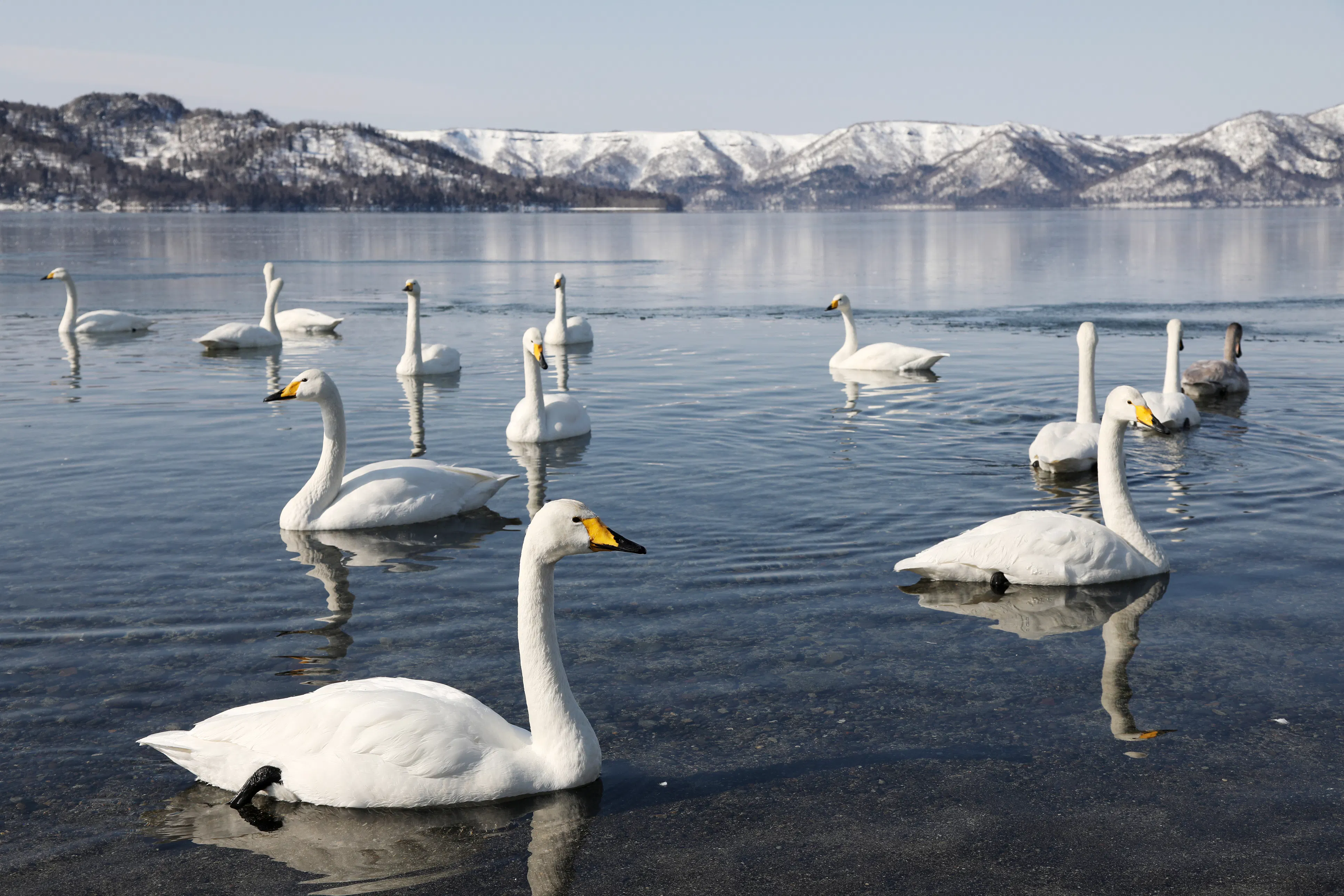
We pride ourselves on working with the best guides across Japan's forests, coastlines, and wetlands, and wildlife is no exception. When it comes to wildlife, the right private guide can be the difference between a truly magical moment and a missed opportunity. They know where to look, how last night's tide will affect this morning's crane feeding, when to hold position and when to move on. That judgment can't be looked up. It's built through seasons spent watching the same territory shift.
Beyond expertise, a private guide brings safety. That matters enormously around animals like Hokkaido's brown bears — reading body language, keeping appropriate distance, and knowing when a scene that looks calm is anything but. They also bring cultural fluency: the context behind Ainu reverence for the brown bear as Kimun Kamuy, or the significance the red-crowned crane holds in Japanese art and ceremony, threading meaning through what would otherwise be a purely visual encounter. For photographers, a private guide is often the difference between a good frame and a forgettable one. That patience isn't available on a fixed-schedule group departure.
We'd encourage every traveler to ask their guide directly about the conservation efforts underway in the region they're visiting; how local organizations are managing the balance between bears and the fishing communities they live alongside, or what's being done to protect a wetland's dwindling acreage and the forests that border it. Guides working these territories are often deeply involved themselves, and the conversation tends to add a layer of depth no guidebook can.
Matching the right guide to the right traveler is precisely the kind of pairing a specialist consultation exists to make: a birding-obsessed traveler with a guide who's spent 30 years tracking birds through the marshes around Kushiro, or a family with young photographers paired with someone who teaches as naturally as they track. Whether it's a single afternoon on the water or a multi-week itinerary, our Japanese wildlife tours are shaped around that guide-traveler dynamic above all else.
Conservation and protection of Japanese wildlife
Much of the wildlife that draws travelers to Japan exists today because of deliberate, sustained Japanese wildlife conservation work, not by accident. The red-crowned crane was hunted to the edge of extinction by the early twentieth century, with as few as a dozen birds surviving in the Kushiro marshes before a coordinated recovery effort — led in large part by the Wild Bird Society of Japan and the region's Red-crowned Crane Conservancy — brought the population back to roughly 1,800 birds today. In Shiretoko, the Shiretoko Nature Foundation works to manage the delicate coexistence between a growing brown bear population and the fishing communities and travelers sharing its coastline, including habitat monitoring, forest corridor protection, and public education aimed at preventing human-bear conflict.
We believe ethical travel means understanding this context, not just enjoying its result. On a private Japan wildlife journey, that can take tangible form: a visit to a crane feeding station during the winter conservation season, a conversation with a Shiretoko ranger about current bear management, or a stop at a community-led initiative working to restore native wetland habitats and coastal forests lost to twentieth-century development. These experiences, arranged as part of a bespoke itinerary, tend to leave you with a deeper understanding of the whole picture, whether that means the birds overhead or the bears on the riverbank.
We're picky about who we work with, too: not every operator in Japan holds itself to the same standard of Japanese wildlife protection. We steer clear of any experience that involves baiting animals for a better photograph, feeding wild bears or monkeys directly, or high-volume group encounters that pressure an animal into behavior it wouldn't otherwise display.
Creating your personal wildlife sightings journal
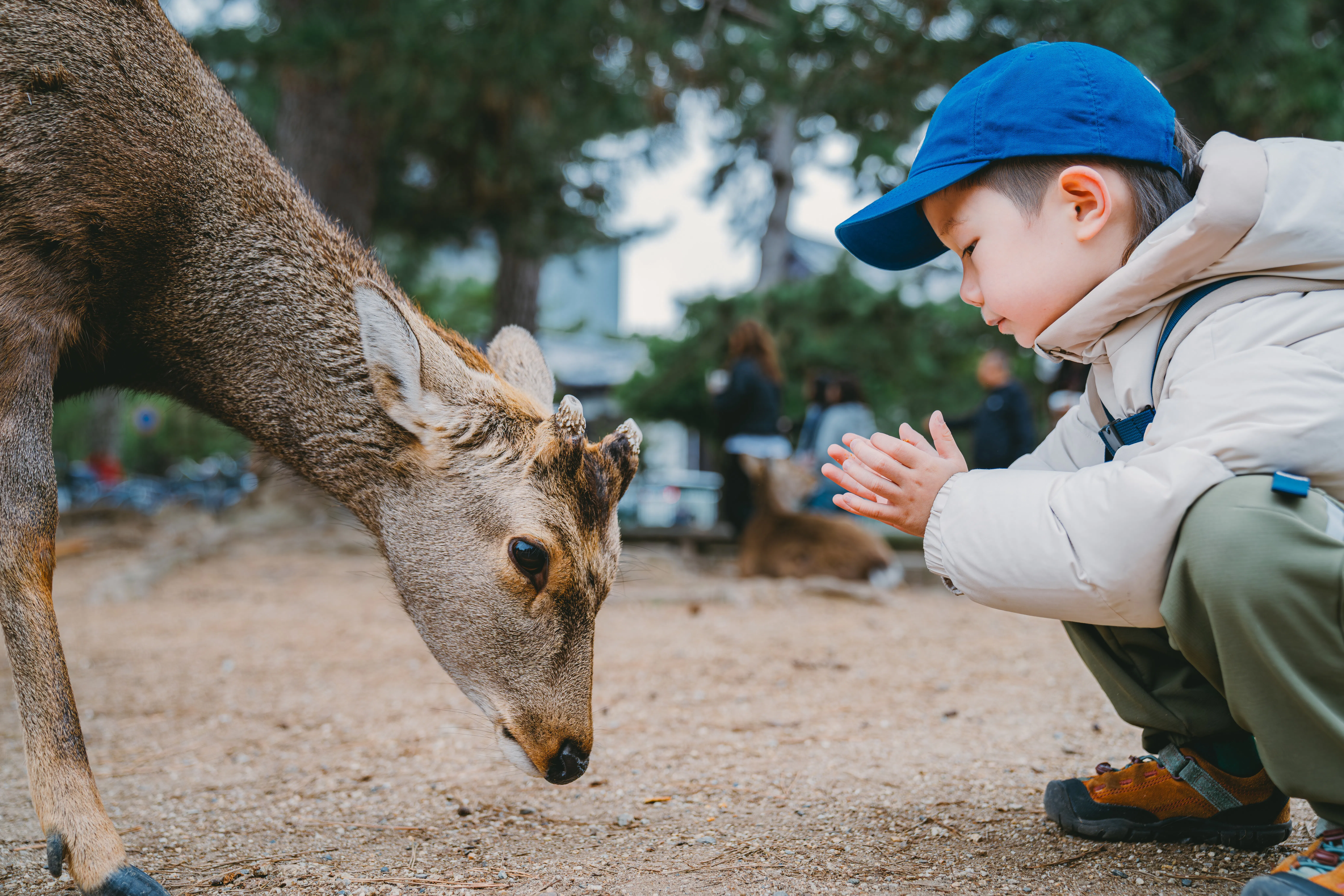
A private wildlife journey through Japan rewards more than memory alone can hold: the light over Shiretoko's drift ice at dawn, the sound of a crane's call across a frozen marsh, the exact moment a macaque closes its eyes in a steaming pool. A journal is a natural way to hold onto it.
Consider recording more than the species checklist: the time of day, the weather, or simply how you felt at that very moment. A small sketch alongside your best photograph, a pressed leaf from a Nagano forest floor, a note on the Japanese or Ainu name for what you encountered — these details tend to matter more in hindsight than the sightings list itself. Many of our travelers keep a dedicated notebook for exactly this purpose, treating it as a keepsake as considered as the journey it documents.
Start planning your Japan wildlife journey with Extraordinary Journeys
When the pull to return arrives (and for most of our wildlife travelers, it does), the best next step isn't more research. It's a conversation. Tell us what you're dreaming of. We'll take it from there.
August 31, 2026
Explore our itineraries
Every trip with Extraordinary Journeys is tailor-made, crafted in collaboration with one of our destination specialists. Use these as a starting point, or as inspiration to create your own journey.