Five reasons to visit Rwanda's Akagera National Park
Distinct ecosystems and a variety of species in Akagera National Park, Rwanda are a draw for any safari-goer — find out what else makes this place special.

May 1, 2026
The tall grass sways as a warm breeze moves through the park and a translocated southern white rhino rustles about, allowing you a short moment to lock eyes with her calf before she stands between the two of you. A large bloat of hippos calls to another, diving into Lake Ihema as you explore by boat. You catch a glimpse of a leopard nestling into a low, dense shrub before it darts off to its next hiding place. Rwanda’s Akagera National Park is arguably one of Africa’s greatest conservation success stories. Today, it’s almost unrecognizable compared to 20 years ago when it was on the verge of being completely lost.
Akagera National Park history
In 1934 Akagera was designated a protected area and national park by the Belgian colonies in Rwanda, but it still suffered biodiversity loss for years. The 1994 genocide had a devastating impact on the environment and local communities. Thousands of people were displaced, leaving Rwanda to escape to neighboring countries. When they returned, the government had to find ways to accommodate people, which included many subsistence farmer families who returned with their livestock. Subsequently, the range of the park was reduced to one-third. In the years following the genocide, many animals were poached for money and bushmeat.
In 2010, the non-profit African Parks took over management of the park in partnership with the Rwanda Development Board, completely shifting the park’s trajectory. Wildlife numbers are rebounding and it’s become a thriving park for people to come and enjoy.
The work African Parks and their partners has done has helped turn poachers into park rangers—educating and training on the importance of protecting wildlife both for the environment and to sustain the economy.
Conservation in Akagera
Rwanda is a country that’s heavily invested in responsible tourism, not only by carefully managing the ecosystem to ensure animals and people can enjoy it in its most natural state, but the communities also benefit. Ten per cent of all park fees in the country contribute to developing communities surrounding the national parks, including schools and hospitals. The annual report of 2022 stated that Akagera National Park received 34,537 paying visitors, of whom 43 per cent are Rwanda nationals, demonstrating that the park enjoys excellent support from the country.
“National Parks are national assets,” says Chloe Flatt, funding and reporting manager for African Parks in Akagera National Park. “Conservation can’t happen without community, and part is the benefits enjoyed by the communities, training, education, employment, multi-faceted, upscaling, and training.”
By choosing to visit Akagera—and any national park in Rwanda for that matter—you’re choosing to directly contribute to conservation.
Akagera has Black and Southern White rhinos
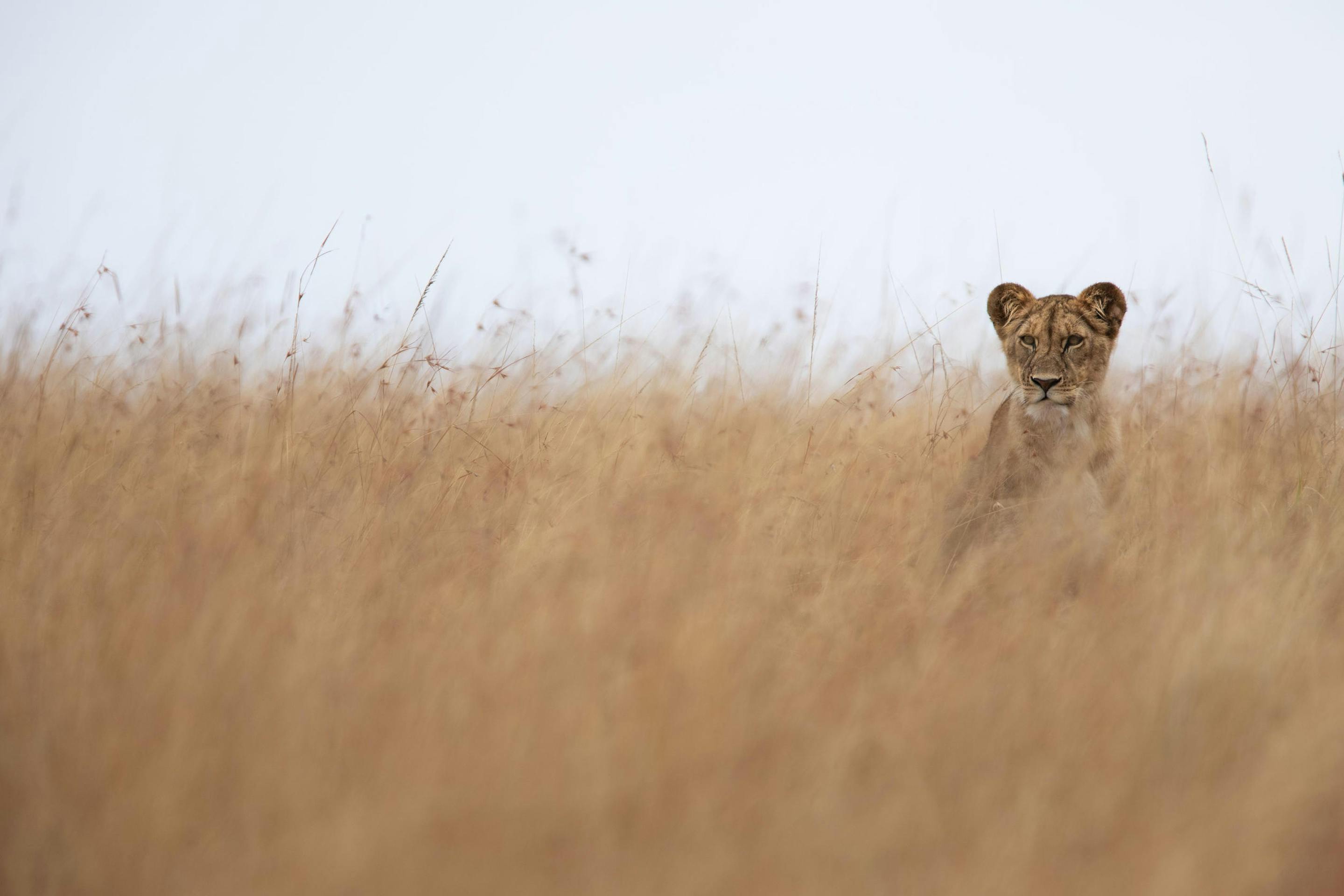
Inside Akagera National Park there’s everything from the Big Five, plus hippo, hyena waterbuck, warthog, and savannah-adapted species such as giraffe and zebra. But there’s something much more extraordinary to be seen here. Both the critically endangered black rhino and the rare, near-threatened white rhino. Black rhinos were reintroduced to the park in 2017 and another few in 2019, and they are thriving. Some were even rescued from zoos, brought into the park and successfully re-integrated into the wild.
Off the back of the success of the black rhinos, in 2021 African Parks and partners were able to translocate 30 white rhinos from South Africa in an effort to bring them to a new safe area and create a new breeding stronghold. This was the single largest rhino translocation ever undertaken. African Parks and Akagera National Park just celebrated the one-year anniversary of their translocation and they are doing so well—including new rhino calves in the park. They are monitored closely by rangers as well as transmitters placed into their horns and caps.
A community guide will hop in your safari vehicle and hopefully help you track them down—the rhinos are dispersed all across the park from north to south.
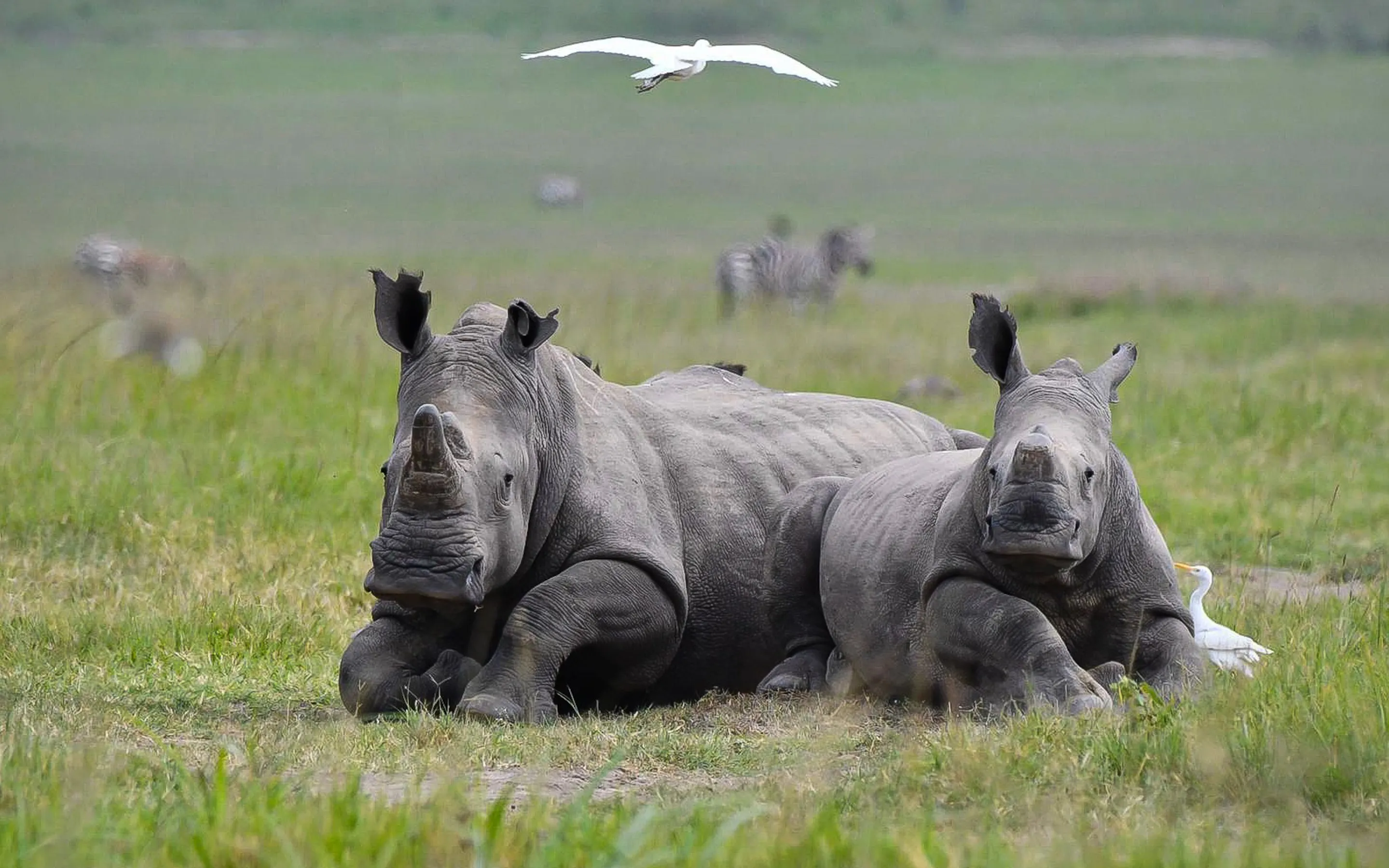
Two white rhino relax in their new home of Akagera National Park which they were translocated to in 2021.
Akagera boasts three distinct ecosystems
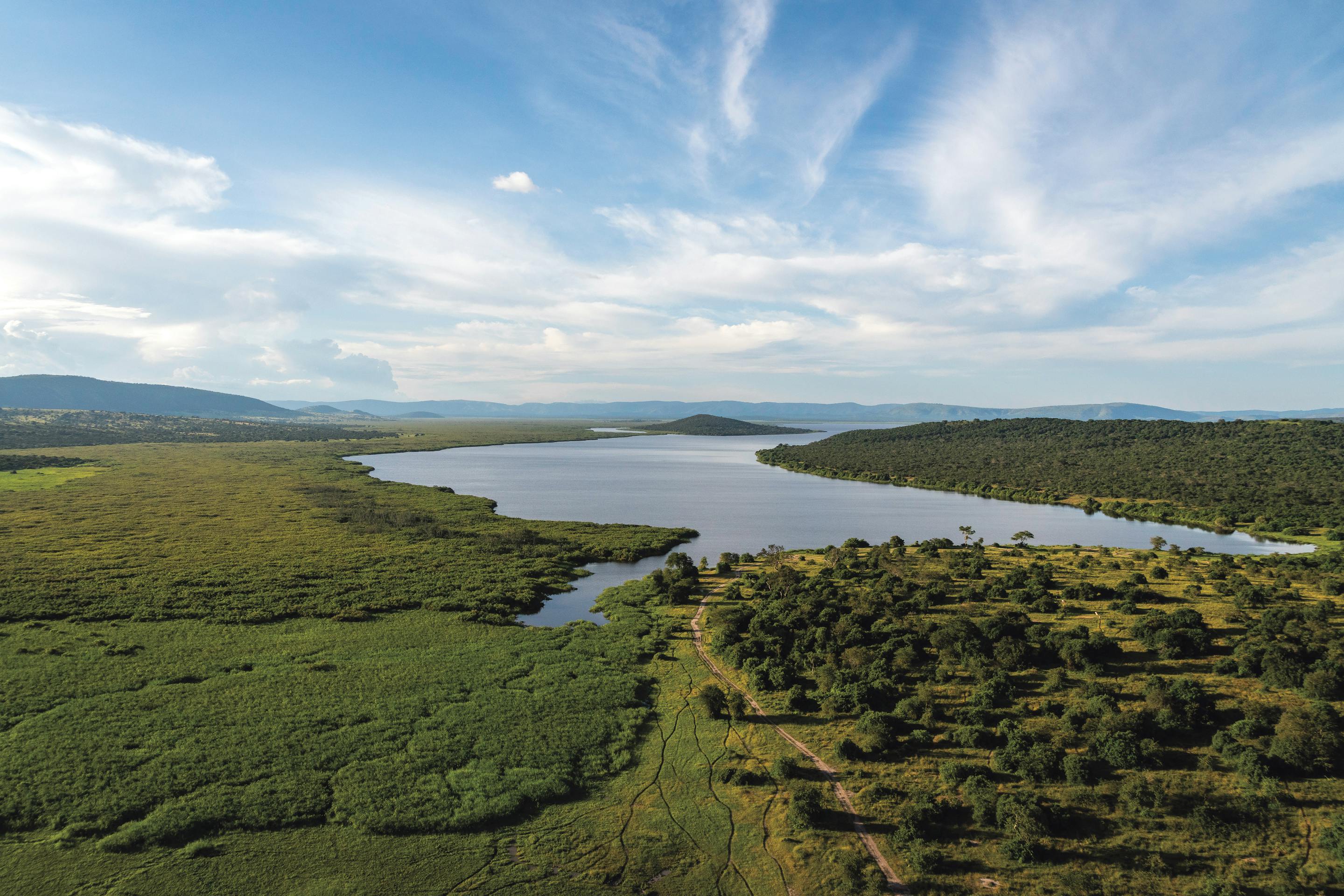
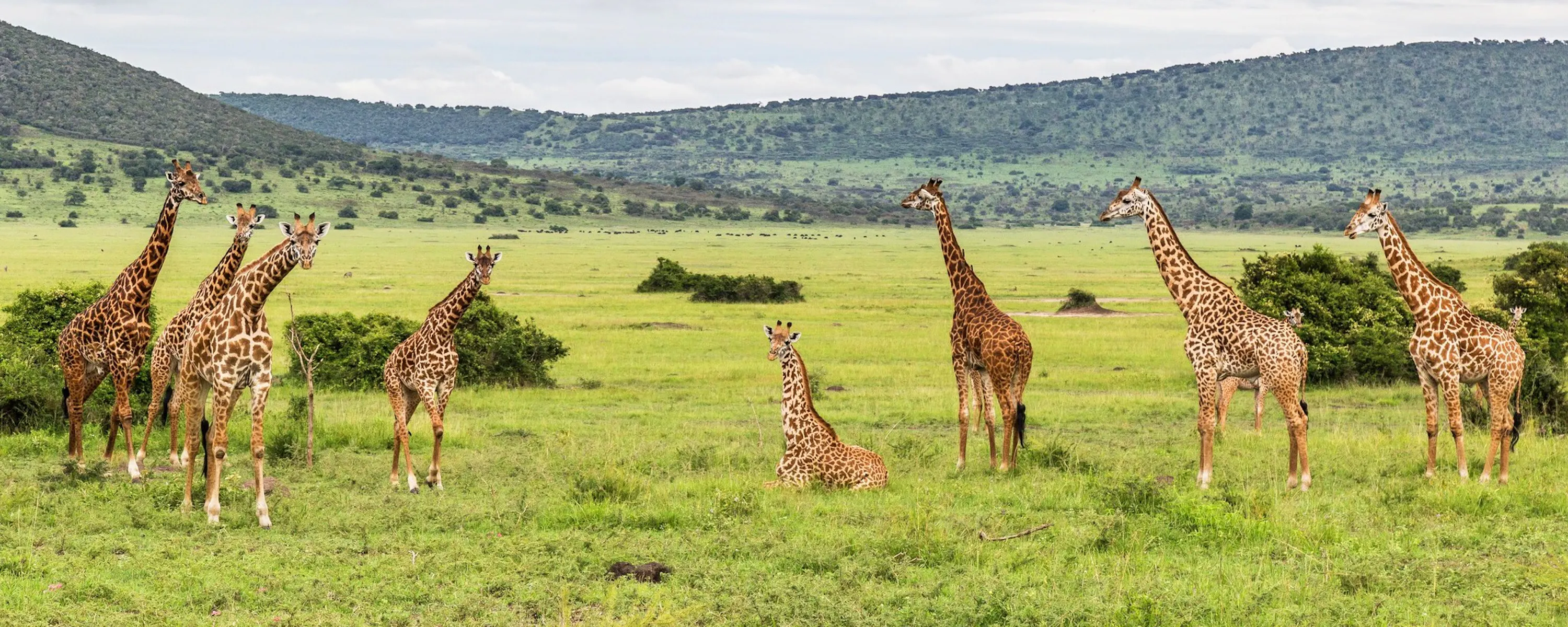
Akagera’s rolling highlands, vast plains, and swamp-fringed lakes make up a diverse mix of savannah, woodland, and wetland ecosystems which makes for spectacular scenery and an abundant variety of wildlife. It’s an incredible place to visit because you can see all three in one day (but we recommend two to three days inside the park to see it all in-depth) on foot, by car, and by boat. Akagera contains Central Africa’s largest protected wetland and Rwanda’s last remaining refuge for savannah-adapted species such as zebras, buffalo, and giraffes.
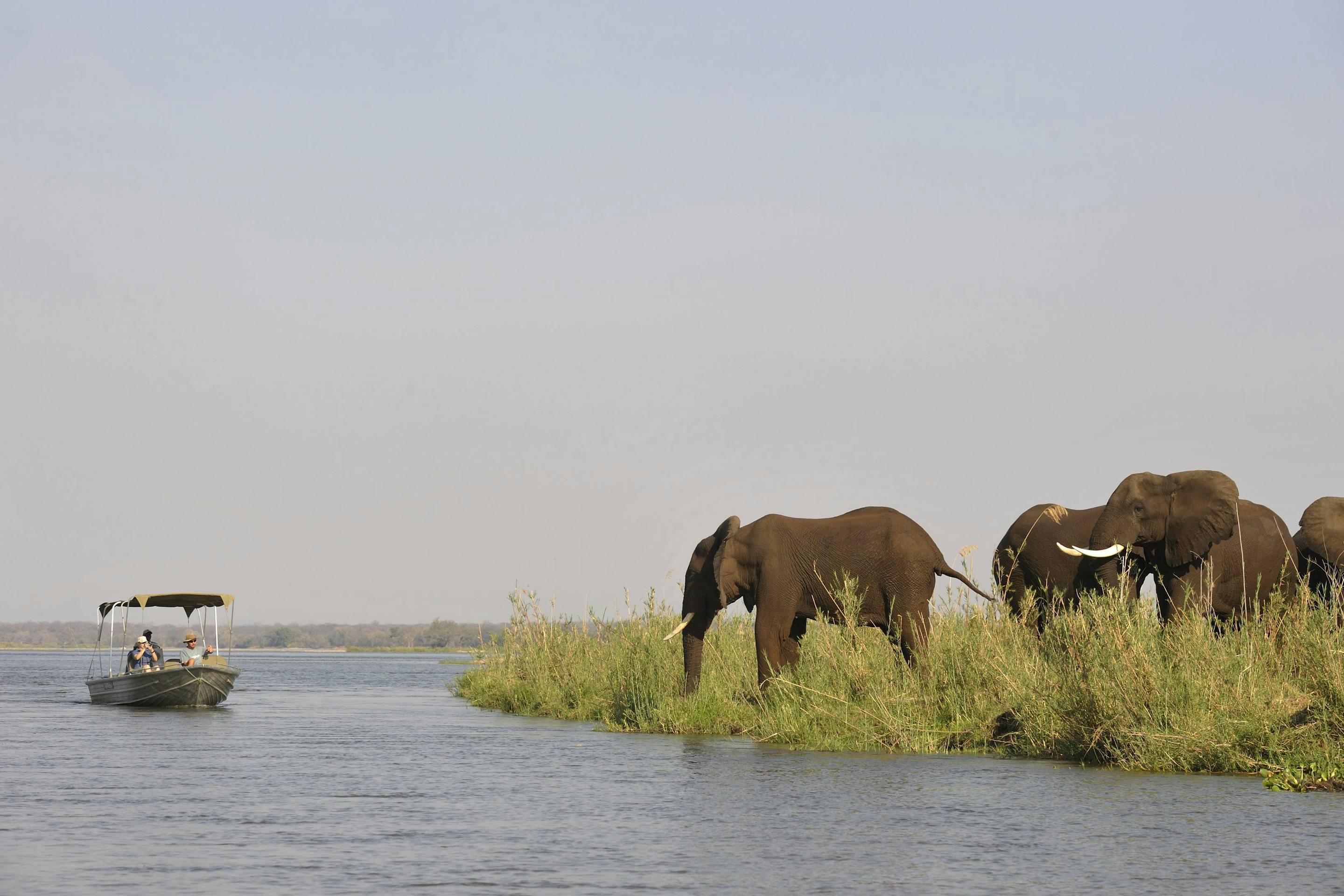
A boat trip on Lake Ihema is a highlight of any visit to Akagera, with large pods of hippos, Nile crocodiles, and abundant waterbirds on the island in the middle of the lake.
Akagera counts more than 485 bird species
The birdlife in Akagera is unparalleled. There are more than 485 recorded species that are attracted by its diverse habitat. It’s a key migratory area for birds passing through. Even shoebills have been recorded in the park. Last year they even had sightings of African Pitta—a rare migratory bird—a lifer for serious birdwatchers.
On the lake, you’ll find many water birds that include the marabou stork, the African fish eagle, the open-billed stork, herons, cormorants, and egrets. In the savannah, there are plenty of raptors, and the endemic red-faced barbet.
Akagera National Park is a true conservation success story
Rwanda is an incredible country that is heavily invested in responsible tourism and conservation. Not only are ecosystems protected here, but they are also heavily invested in communities feeling the benefits of tourism and conservation.
One of the best indicators of this is that every national park in Rwanda is contributing 10 per cent of its revenue to community development. The communities outside the boundaries of Akagera are having their lives improved every day. Akagera itself is an economic hub for the communities, so the impact is multi-faceted. There’s everything from employment, and casual work provided on a daily basis, to training and upscaling with programs like the community guide program (there are now 34 guides who have been trained and are working inside the park). They are also trained in how to breed chickens, grow mushrooms (a great protein source!), and have supported co-operatives such as a sustainable fish farm and production of handicrafts to supply the park shop.
Ruzizi Tented Camp and Magashi Camp
Ruzizi Tented Lodge is African Parks’ very own beautiful, Swiss Family Robinson-esque eco-lodge experience set amongst the forest of Akagera National Park. The treehouse (aka honeymoon suite) and nine tents all have an incredible view over Lake Ihema. Wooden walkways connect the tents to the main lodge and dining deck that sits right on top of the lake—dining al fresco never looked so good. Enjoy the hippos that bob in and out of the water while you enjoy lunch, or hear them calling at night while you sip a gin and tonic around the campfire. It was designed to blend in with nature, so you’ll notice many of the structures have been built right into or around the trees. A lot of the interior design and décor is hand-crafted by local artisans and cooperatives. It’s also solar-powered—it doesn’t get more eco-conscious than this.
On the more upscale end, there’s Magashi Camp—a six-tent camp that’s set on the shores of Lake Rwanyakazinga, which is home to one of Africa’s highest hippo densities, some very large crocodiles, and (hidden within its wetlands) the secretive sitatunga and shoebill stork. A wide range of wildlife-viewing options are available to guests on expertly-guided private game drives, walks, and boating trips, including buffalo, lion, leopard, elephant, giraffe, spotted hyaena, zebra, topi, roan, eland, and more.
Ps. The burger and fries at the African Parks check-in is divine, in case you’re hungry when you arrive or want to pack something to take along for your game drive.
May 1, 2026
Explore our itineraries
Every trip with Extraordinary Journeys is tailor-made, crafted in collaboration with one of our destination specialists. Use these as a starting point, or as inspiration to create your own journey.