The best time to travel to Brazil
Brazil is a year-round destination but some months shine brighter than others depending on the region.

August 31, 2026
Brazil is enormous, and most first-time visitors don't grasp the scale until they're standing in it. The country spans an area just larger than the contiguous United States. And just as San Diego bears no similarity to Maine in February, winter in Rio has almost nothing in common with winter in the Amazon. When asked when to visit Brazil, our honest answer depends where on the map you're headed.
Getting the timing right takes real knowledge, not a passing glance at an average temperature chart. The month you choose meaningfully determines what's actually possible on the ground. Whether the Amazon's rivers are high enough to paddle into the flooded forest or low enough to walk a beach that only exists for part of the year; whether Iguaçu Falls is thundering or humming; whether you experience Christ the Redeemer as a line or a view. A private Brazil itinerary designed by Extraordinary Journeys expertly threads the weather windows of several regions, or makes the deliberate call to leave something off because it's not the version of that place you want to meet.
When is the best time to travel to Brazil?
We could give you the standard search engine answer (December through March), but our Brazil specialists want to give you more than generic advice. We can't recommend a season before we understand the “why” behind your trip, who's coming with you, and how you like to travel. Not everyone wants to experience peak season crowds and pricing; not everyone needs the hottest sun. For us, it means the best time to visit Brazil isn't a fixed window on a calendar. It's whichever month aligns with your priorities, because we aren’t just selling travel; we’re designing your trip.
When is peak season in Brazil?
We can, however, pinpoint peak season in Brazil.
- The summer stretch from December through February, Carnival, and the holidays around Christmas, New Year's, and Easter mark the busiest and most expensive windows for Brazil travel. (Exactly when you might want a sun break from the depths of American winter.)
- Carnival week, which falls in February or March depending on the year, is the single busiest stretch on the calendar. Hotel rates in Rio can double or triple, rooms sell out a year or more in advance, and properties implement minimum night stays. (Think: five nights or longer).
- New Year's Eve on Copacabana Beach draws a similar surge, with more than a million people gathering for Réveillon's fireworks.
Beyond these festive windows, the summer months remain busy on beaches and in Rio, driven as much by Brazilians enjoying their own school and holiday breaks as international visitors.
Anyone planning a luxury Brazil tour around these competitive dates should expect to book early, or consider whether the peak season experience is the one they're actually after.

Brazil climate & weather guide
Stretching 2,732 miles from top to bottom, and spanning nearly the same distance east to west, Brazil is home to a diverse collection of landscapes and habitats, from Amazon rainforest to Pantanal wetlands. The country generally has an equatorial tropical climate, which means travelers can expect year-round warm or hot temperatures, along with humidity and rain. On a single Brazil trip, you can go from the steaming rainforests of Iguaçu Falls to the dry heat of the Cerrado savannah.
Brazil’s seasons at a glance:
- Summer (Dec, Jan, Feb): Rio at full volume, Carnival energy, Pantanal low season, Iguaçu Falls running high
- Autumn (Mar, Apr, May): Easter processions, Iguaçu's lighter crowds, Pantanal turning dry, flooded forests (Amazon north)
- Winter (Jun, Jul, Aug): Peak season in the Pantanal, Lençóis Maranhenses lagoons at their fullest, rains in Bahia
- Spring (Sep, Oct, Nov): Amazon beaches along the Rio Negro, best wildlife viewing (Amazon south), quiet and dry shoulder-season travel in southern cities, best scuba diving visibility
Editor’s note: A word about weather. Bear in mind that this guide is founded on historical “norms” and trends based on our cumulative travel expertise. Weather patterns, average temperatures, rainfall, and the natural phenomena that react to seasonal changes are becoming less easy to predict as the climate warms.
Brazil travel: where to go when
Best time to travel to the Pantanal
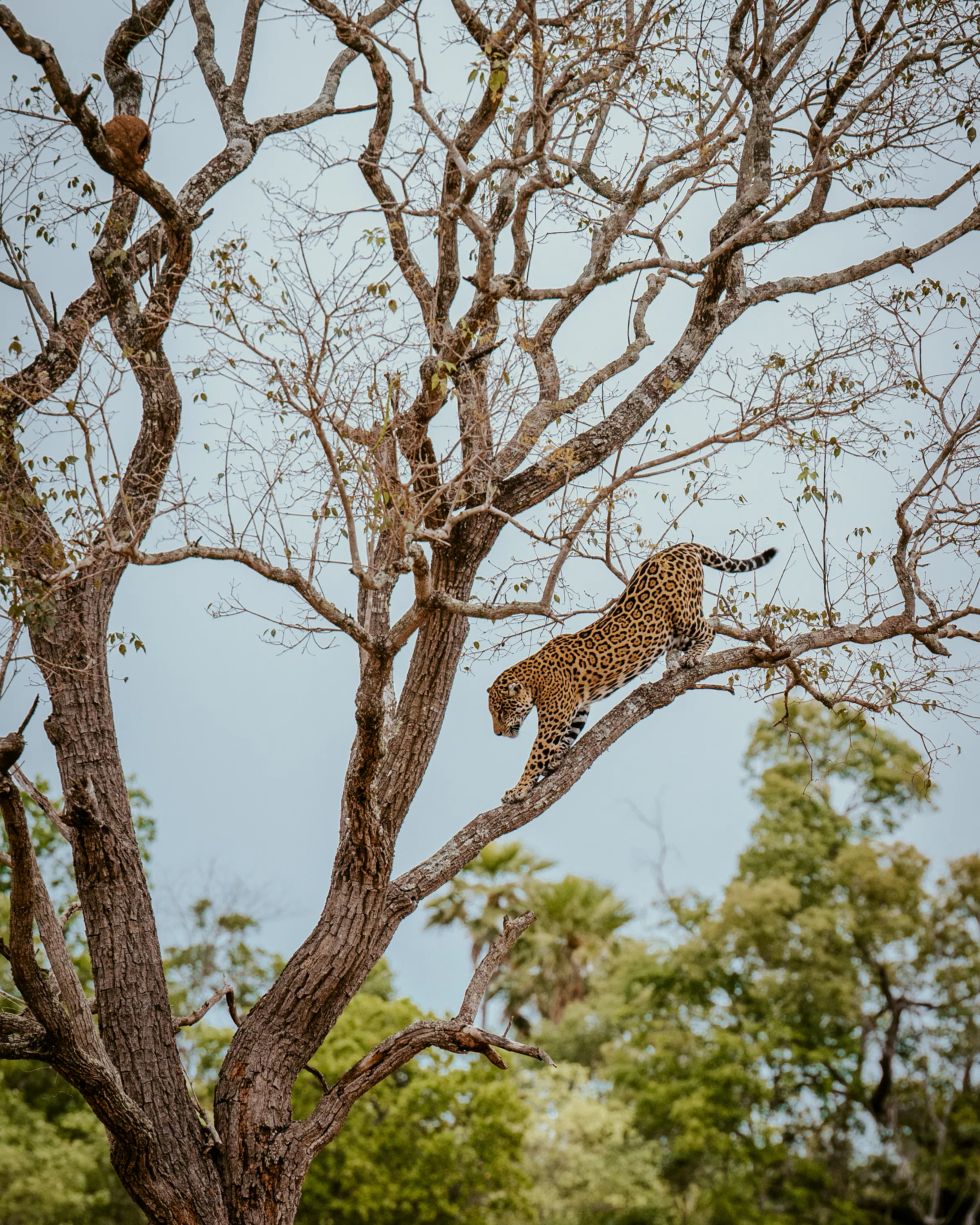
The world's largest tropical wetland and flooded grassland, the Pantanal of southwestern Brazil has a long rainy season that generally lasts from November to April. This time of year brings out the most lush flora and draws strong migratory birdwatching, but we don't recommend visiting. Heat and humidity climb alongside the rain, flooding closes stretches of the region's main access roads, and with water spread across the landscape instead of pooled at shrinking holes, wildlife disperses and the concentrated sightings the region is known for become far harder to find.
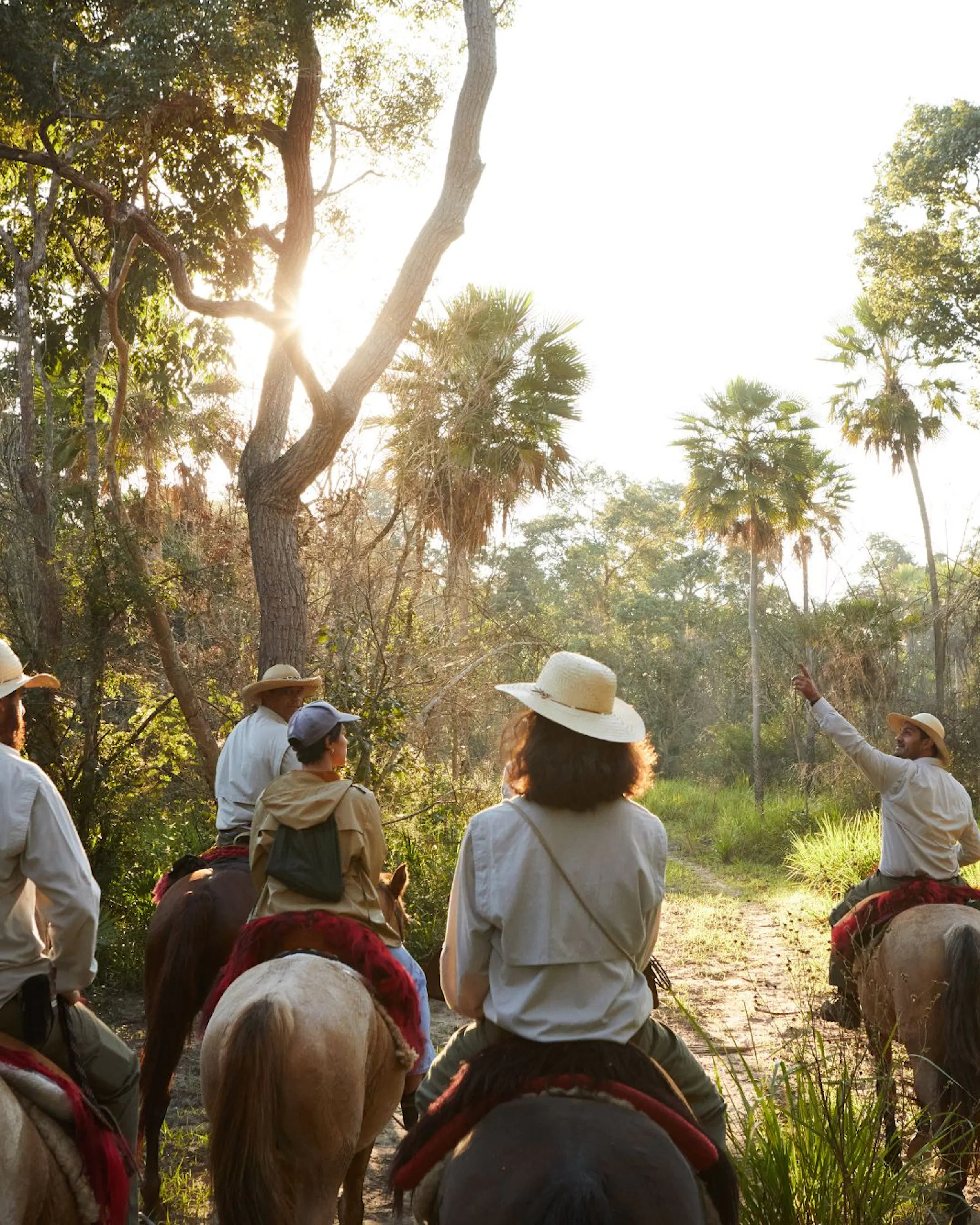
We encourage a luxury Pantanal travel between May and October instead. As water levels recede across late fall, winter, and early spring, temperatures ease, skies clear, and wildlife congregates at water sources in a way that produces strong sightings. July through September draws the most travelers, but the Pantanal spans more than 42 million acres, room enough to put real distance between your group and the next.
Best time to travel Brazil's Amazon Rainforest
The best time to visit the Amazon Rainforest depends on where and how you want to experience it.
North: Anavilhanas National Park via Manaus
Wet season runs January to June, dry season July to December, and each rewards a different kind of traveler.
- Dry season lowers water levels enough to open miles of trails for guided nature walks, along with the seasonal Amazon "beaches" that only exist once the river retreats. Humidity eases, and the heat holds steady enough to justify a swim, whether in the river itself or your luxury jungle lodge's dreamy infinity pool.
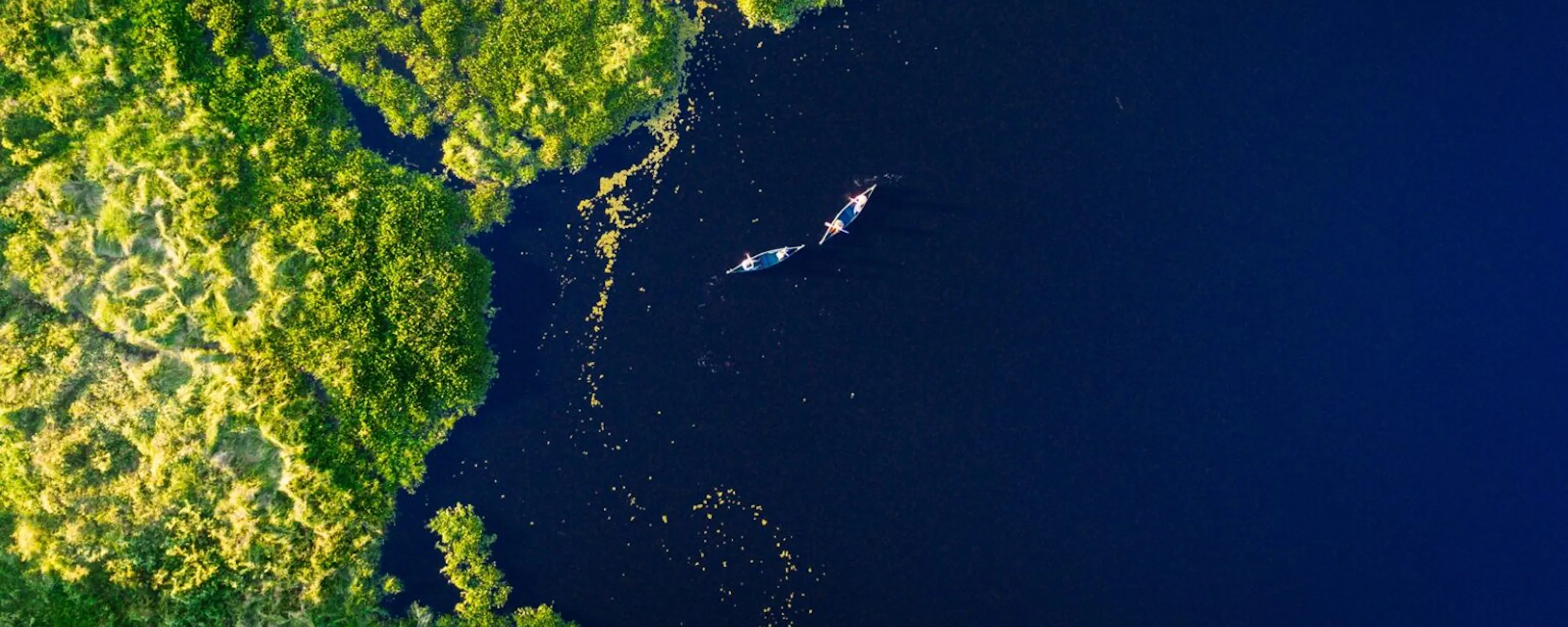
- Wet season doesn't just change the weather, it transforms the region. The Rio Negro rises a staggering 25 to 40 feet, opening the river archipelago to boats that can reach inland lakes closed off the rest of the year. Canoes glide through the igapós, flooded forest passable only in these months, and the risen water puts you close enough to the canopy that spotting a sloth or a boa no longer means squinting thirty feet up. The tradeoff is real: humidity climbs and showers roll in with little warning.
South: Cristalino via Alta Floresta
In the southern Amazon, the logic flips. Dry season runs June to November, while green season runs December to May.
- Unlike Anavilhanas, this stretch of the Amazon meets the Cerrado's rocky uplands, so low water doesn't hurt access, it improves it. September marks the driest point, when the Cristalino River drops low enough to expose rapids and rock formations, and wildlife and birds concentrate along the banks for some of the region's best sightings. Trails through the sierras remain dry and walkable, winding past natural gardens of heliconias, bromeliads, and philodendrons.
- Green season brings the river back to its highest in March, filling the forest with blooming orchids while monkeys grow especially active, feeding on the season's fruit. Humidity rises alongside the water, and afternoon rain becomes a daily rhythm rather than an occasional interruption, though it tends to pass quickly.
Best time to travel to Rio de Janeiro, São Paulo & Brazil’s Green Coast
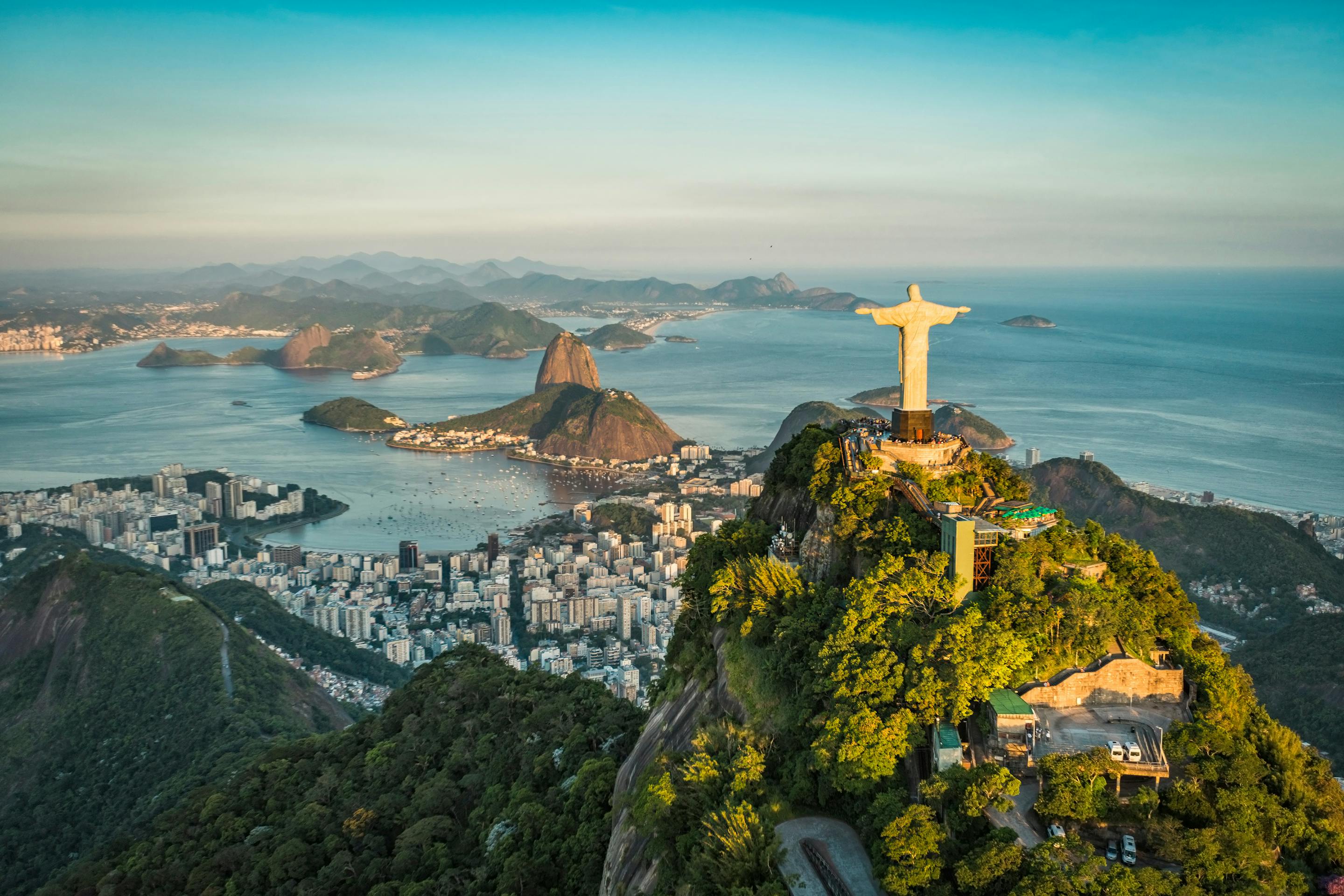
Rio de Janeiro sits on southeastern Brazil's curved Atlantic coast, backed by the dense rainforest and the beach towns of the Costa Verde. São Paulo lies about 40 miles inland, at a higher elevation, which gives it a noticeably different climate from its coastal neighbors, despite the short distance between them.
Summer (December through February) runs hot and humid on the coast. Rio's highs climb into the high 80s Fahrenheit, while São Paulo stays several degrees cooler thanks to its elevation. Warm weather and school holidays push the cities, beaches, and escapist enclaves like the Búzios peninsula and Paraty to their busiest. However, summer is also the region's rainiest stretch, worth factoring in for anyone planning long beach days around a tan.
Spring (September through November) and fall (March through May) are generally the strongest windows to visit Rio, São Paulo, and the Costa Verde. Temperatures ease into the 70s and low 80s, sights draw smaller crowds, and high-season rates soften.
Winter (June through August) stays mild enough to visit comfortably too, since the region sits in the subtropics, though inland spots can run noticeably colder than the coast.
Best time to travel to Bahia
Home to historic Salvador, charming coastal towns, and rugged inland national parks (Chapada Diamantina is a favorite), the state of Bahia introduces visitors to Brazilian culture and nature in equal measure. Located just south of the equator, temperatures here are hot and stable throughout the year, with some wintertime rain in June and July, and cooling oceanic breezes along the coast.
Best time to travel to Lençóis Maranhenses
Situated along Brazil's sunny northeastern Atlantic Coast, this dune-covered national park has no bad time to visit, but the turquoise lagoons it's known for aren't a year-round feature. Rain falls from January through May, and it takes months for that water to saturate the sand and pool between the dunes, so the lagoons reach their fullest and most mesmerizing between May and September. Visit outside that window and you risk finding dry sand where the postcard photos promise water.
Traveling Brazil's northeast coast beyond the lagoon season still has plenty to offer. Dunes aside, the region is known for pristine landscapes, castaway fishing towns, and world-class kitesurfing; an adventure worth having on its own terms, lagoons or not.
Best time to travel to Iguaçu Falls
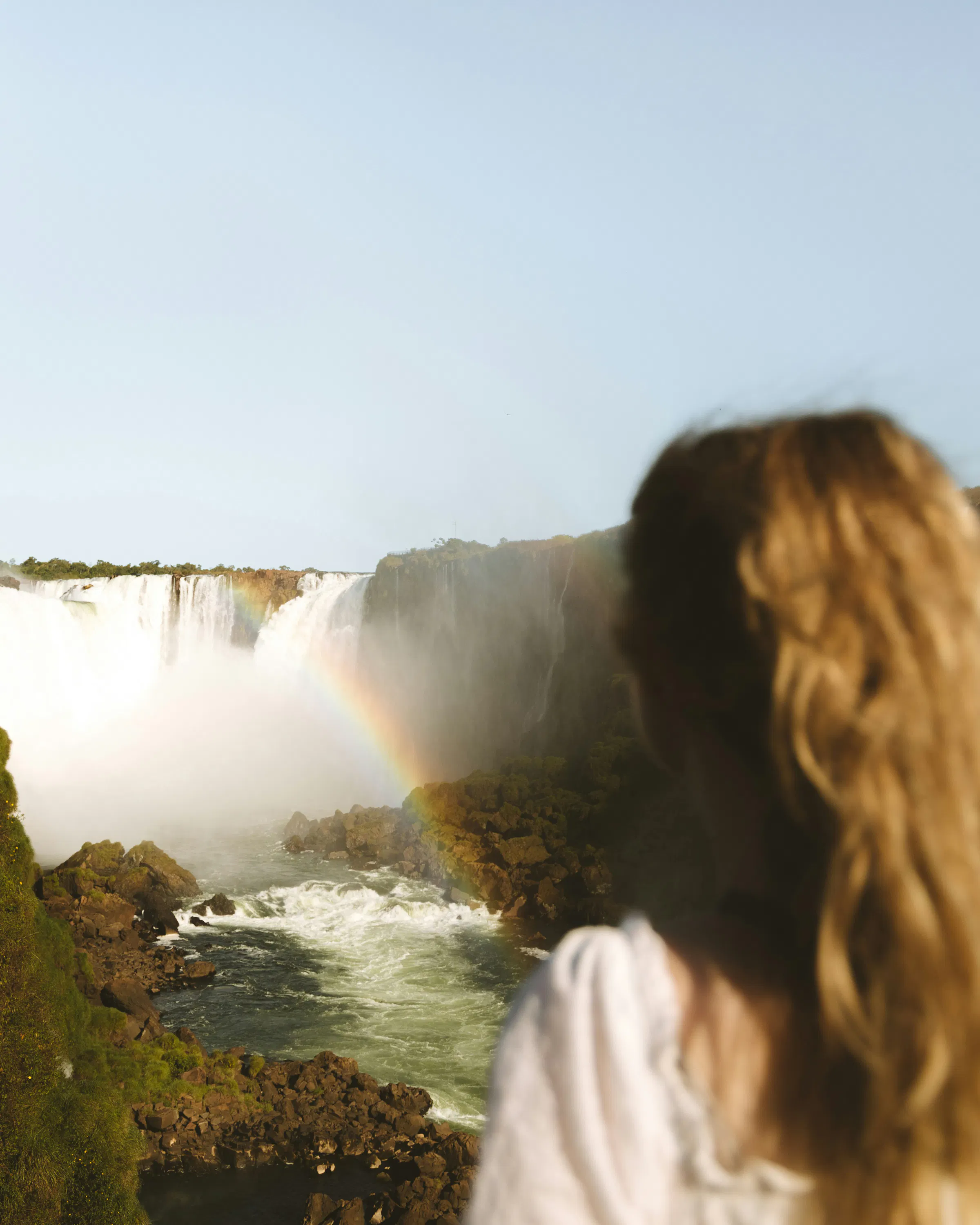
Enveloped in the balmy, subtropical Atlantic rainforest of southern Brazil, Iguaçu Falls can be visited any time of year. Depending on personal comfort, though, some months are more tolerable than others. Conditions here run hot and humid, with rain likely in any given month. Visiting in April and May, as fall settles in, or September and October, as spring begins, means avoiding the worst of summer's sticky, sweltering heat while enduring some of the lightest rainfall of the year. As spring gives way to summer from November through February, rainfall builds toward its heaviest, but this is also when the falls run at their fullest and most dramatic.
It's also worth weighing the crowds. As one of the most famous waterfalls in the world, Iguaçu draws visitors year-round, but some of the thickest crowds gather during Easter week and throughout July, when Brazilian schools break for winter and temperatures ease. Travelers who want fewer people between them and the falls should plan around those two windows.

Brazil travel FAQs
Start planning your luxury Brazil trip with Extraordinary Journeys
When you're ready, the best next step isn't more research. It's a conversation. Tell us what you're dreaming of. We'll take it from there.
August 31, 2026
Explore our itineraries
Every trip with Extraordinary Journeys is tailor-made, crafted in collaboration with one of our destination specialists. Use these as a starting point, or as inspiration to create your own journey.