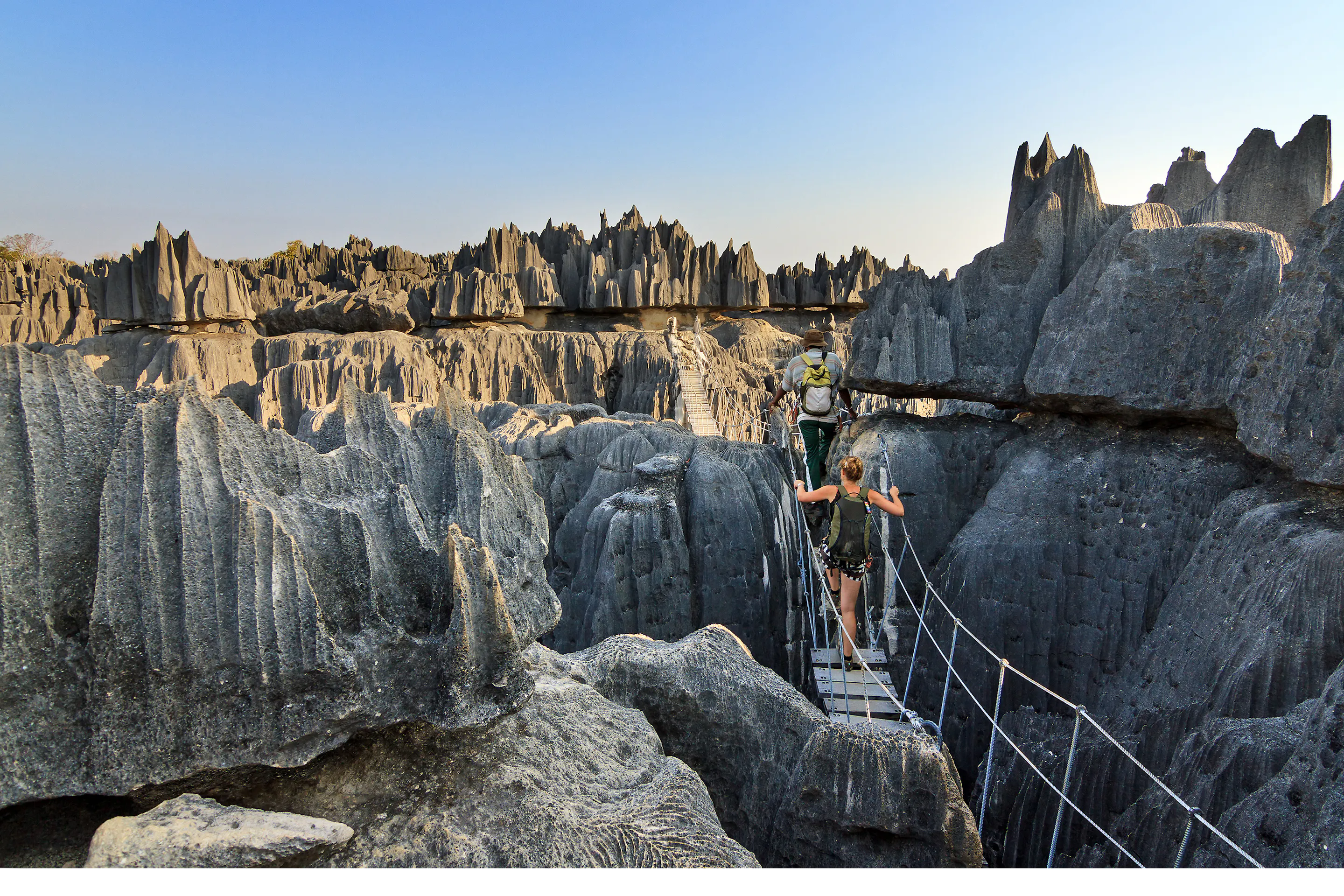
Western Madagascar
Western Madagascar is home to two of the island's most iconic and visually arresting experiences—the UNESCO-listed Tsingy de Bemaraha and the world-famous Avenue of the Baobabs.
Founded in 1625 and set among scenic highland landscapes, the city has genuine points of interest: beautiful palaces and fortresses, bustling marketplaces, and impressive chocolate factories. That said, Tana is notorious for its traffic, and most of our travelers choose to move through it efficiently rather than linger—saving their time for the reserves, peninsulas, and islands that make Madagascar truly extraordinary.

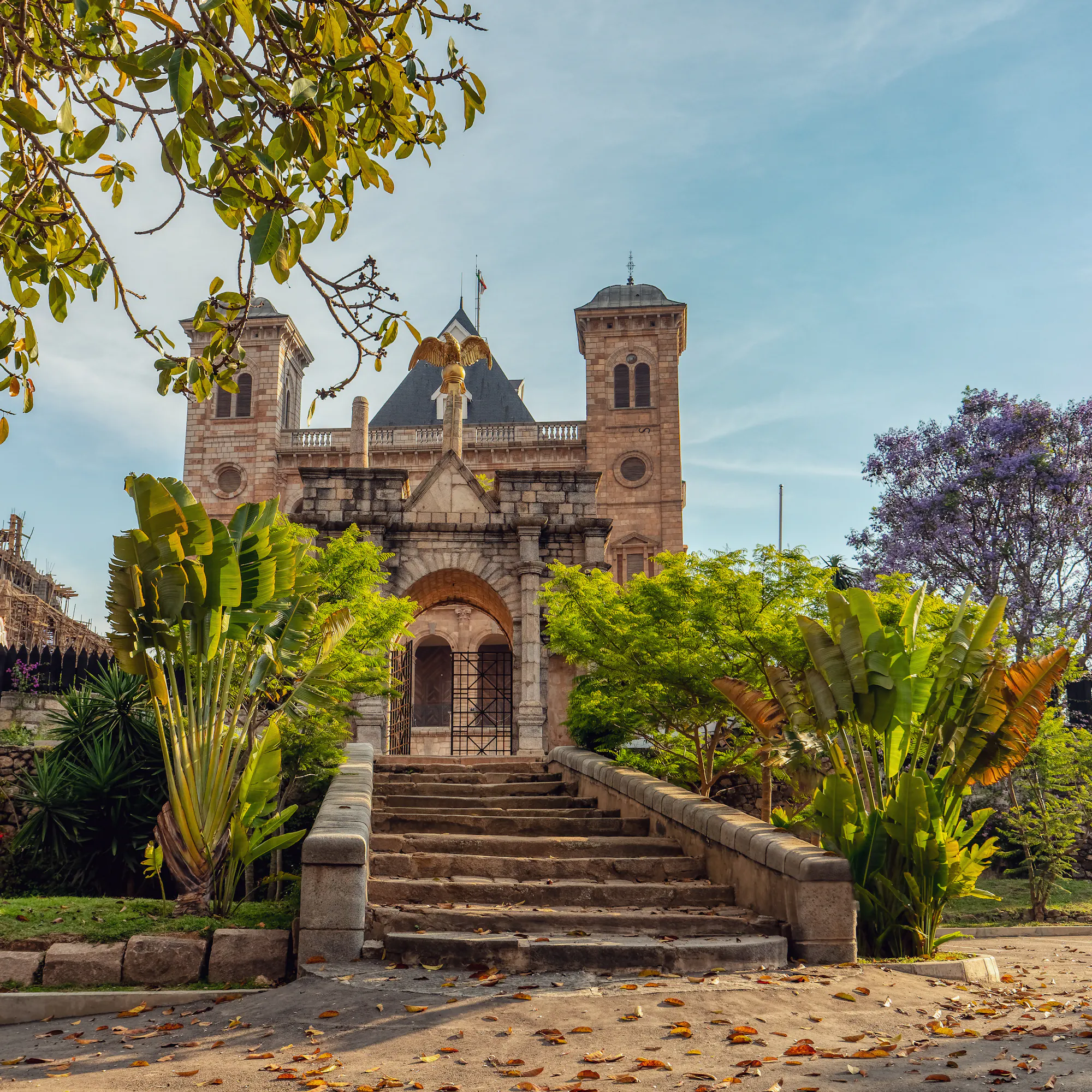
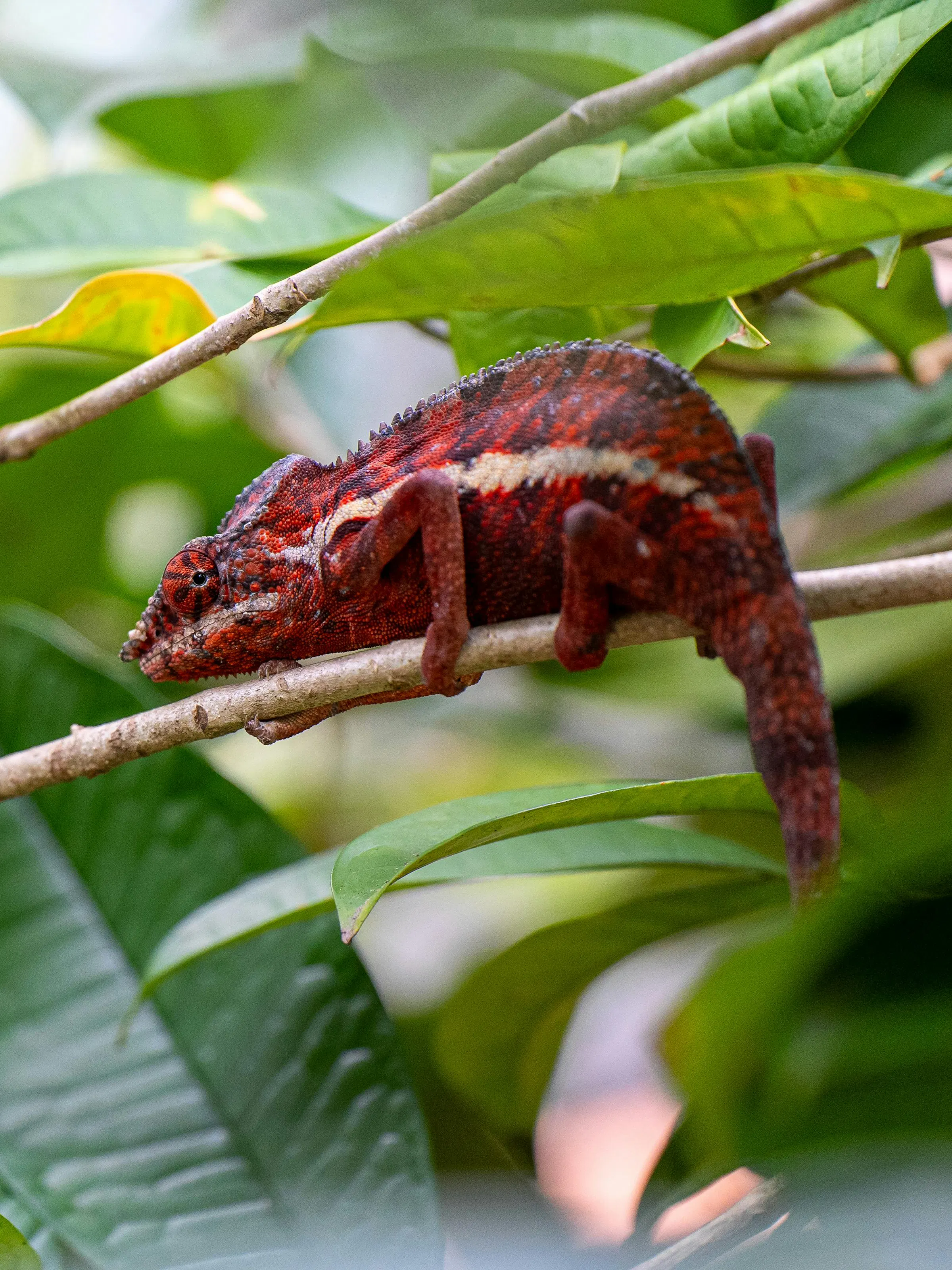
Madagascar is vast and varied. These are the other regions worth adding to your itinerary.
Western Madagascar is home to two of the island's most iconic and visually arresting experiences—the UNESCO-listed Tsingy de Bemaraha and the world-famous Avenue of the Baobabs.
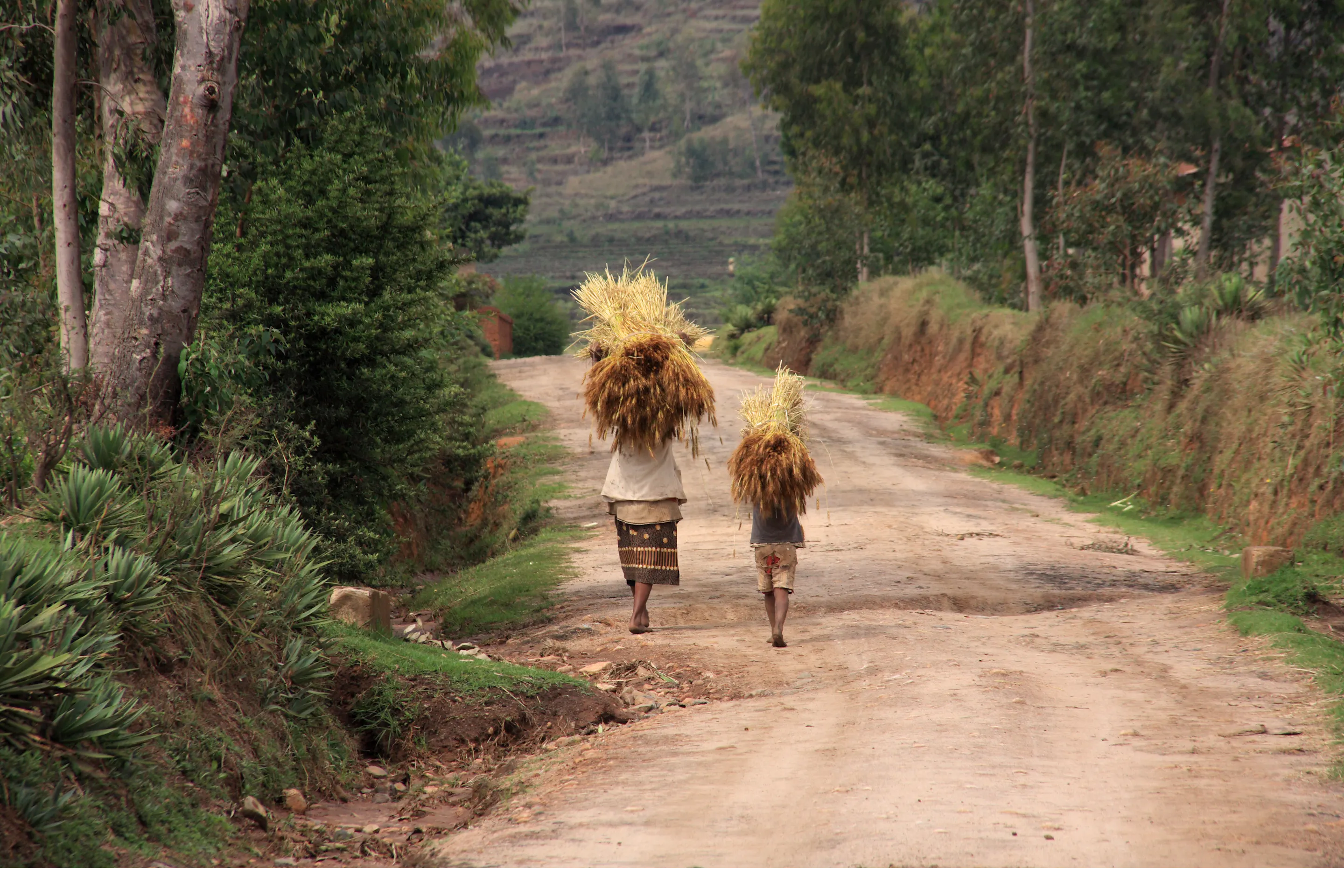
Southern Madagascar is the island's most otherworldly chapter: a stark, ancient landscape of eroded sandstone canyons, spiny forests, and sacred tribal lands that feels genuinely apart from anywhere else on Earth.
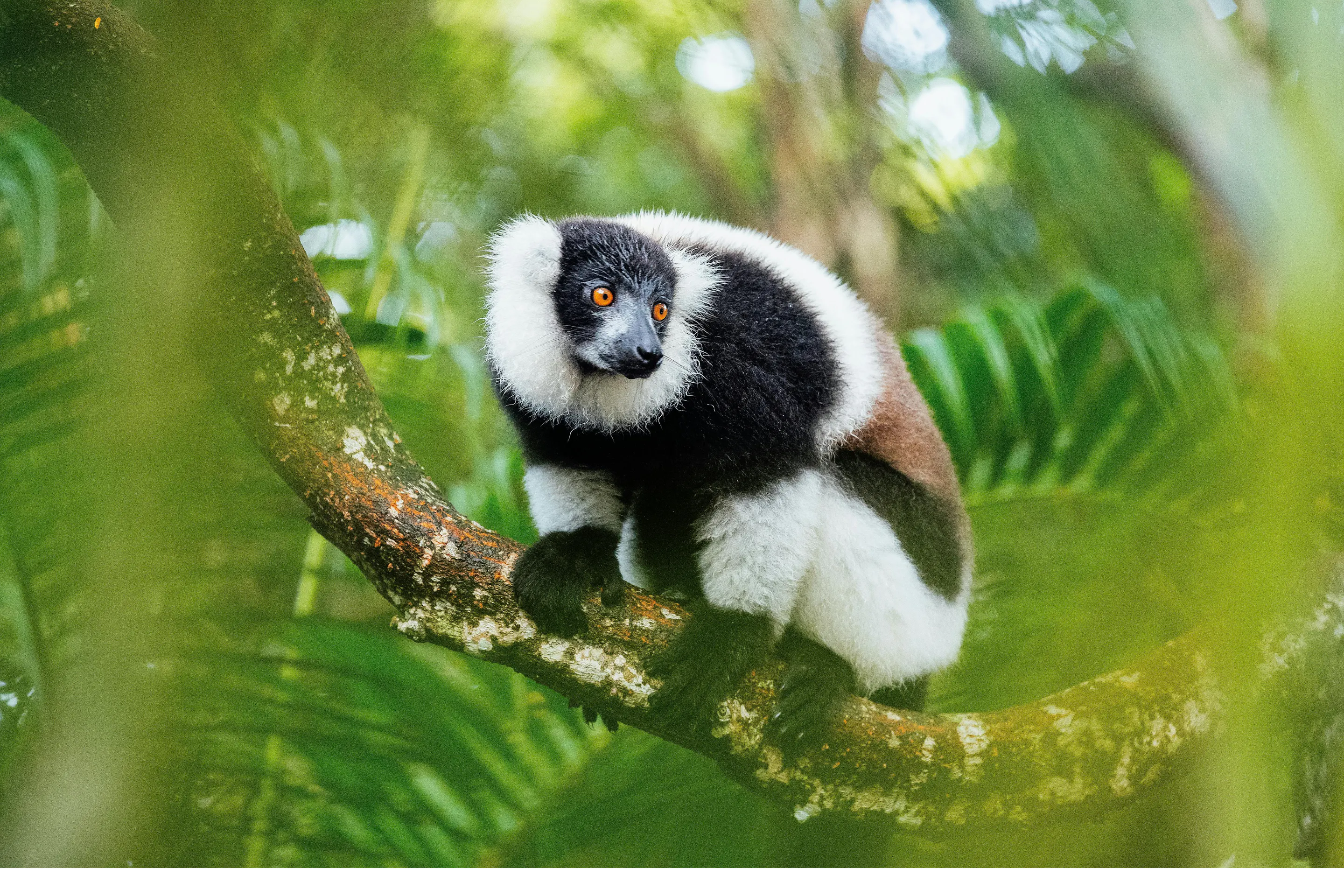
A long, lush corridor of protected wilderness stretching from the accessible highlands around Andasibe to the remote, mist-soaked Masoala Peninsula, Eastern Madagascar is defined by primary forest, rare wildlife, and a sense of genuine remoteness.
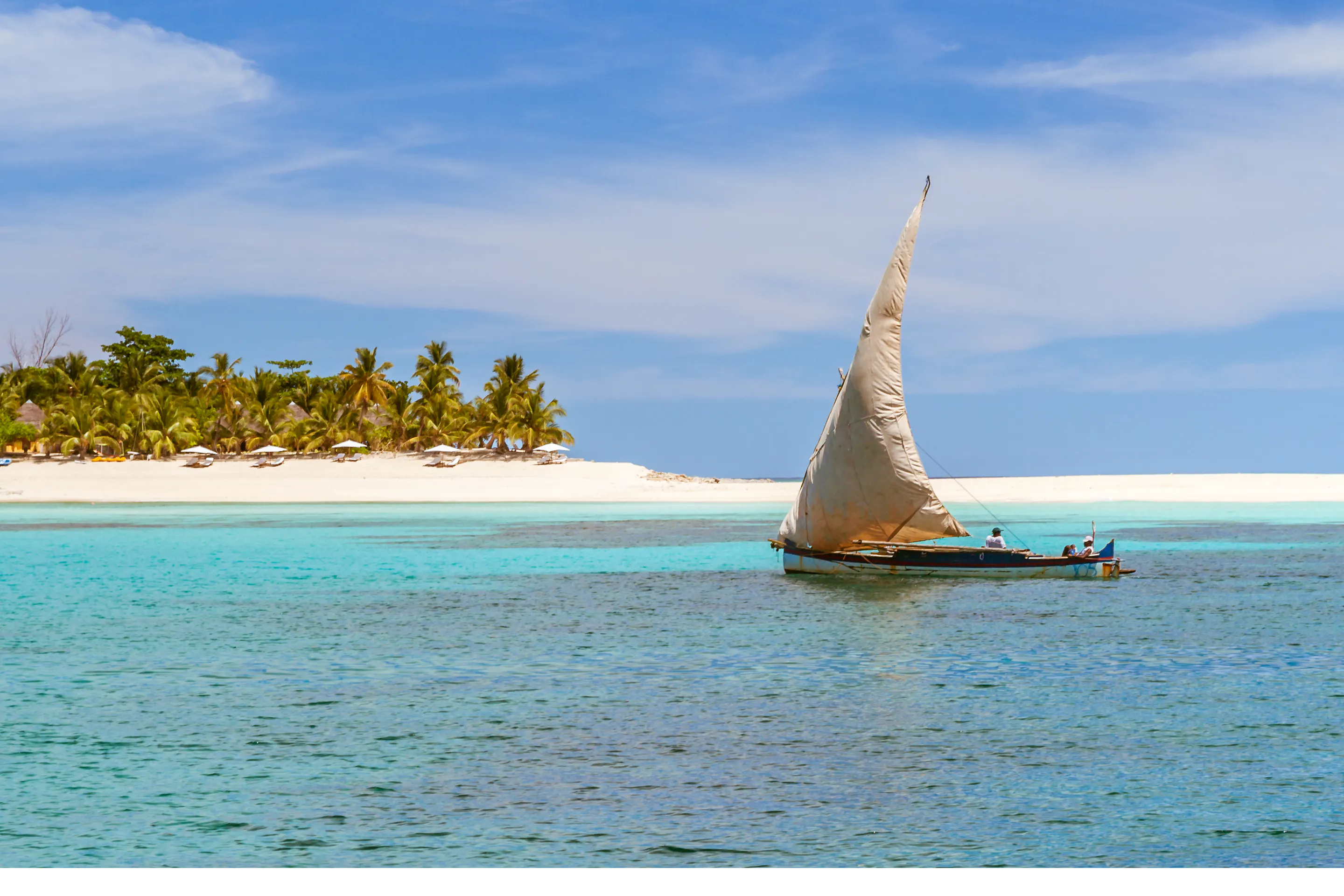
Northern Madagascar and its surrounding islands form one of the most biodiverse and least-visited corners of the Indian Ocean world.

Specialists with firsthand knowledge and deep local insight

Every trip designed uniquely for you

Engaging, adaptable guides who bring each place to life

Personalized pre-trip calls and curated documentation

A personal contact managing every detail on the ground

Complete care, every step of the way