Itinerary
One week in Uruguay
Art, wine, and waves in laid-back Uruguay
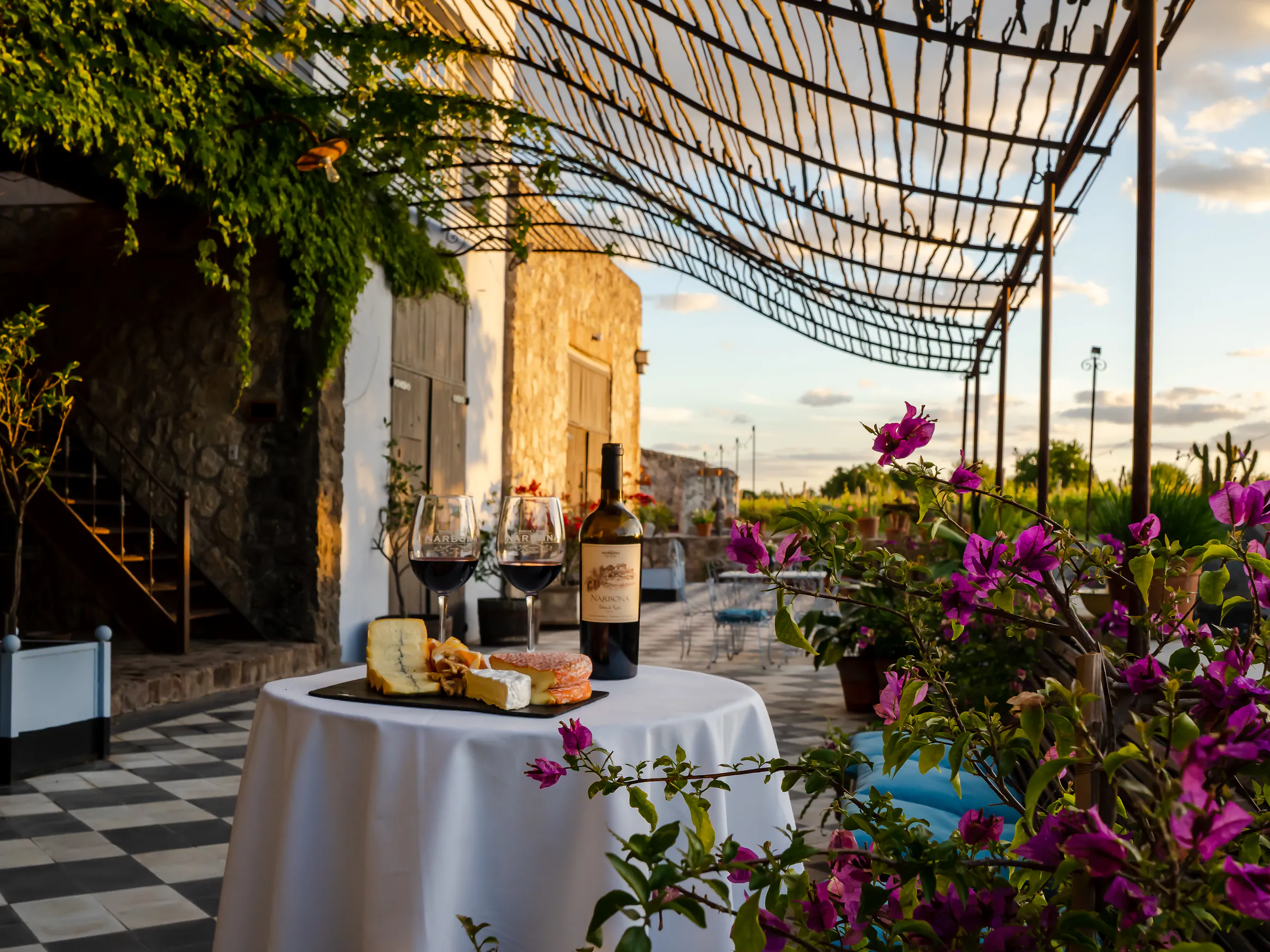
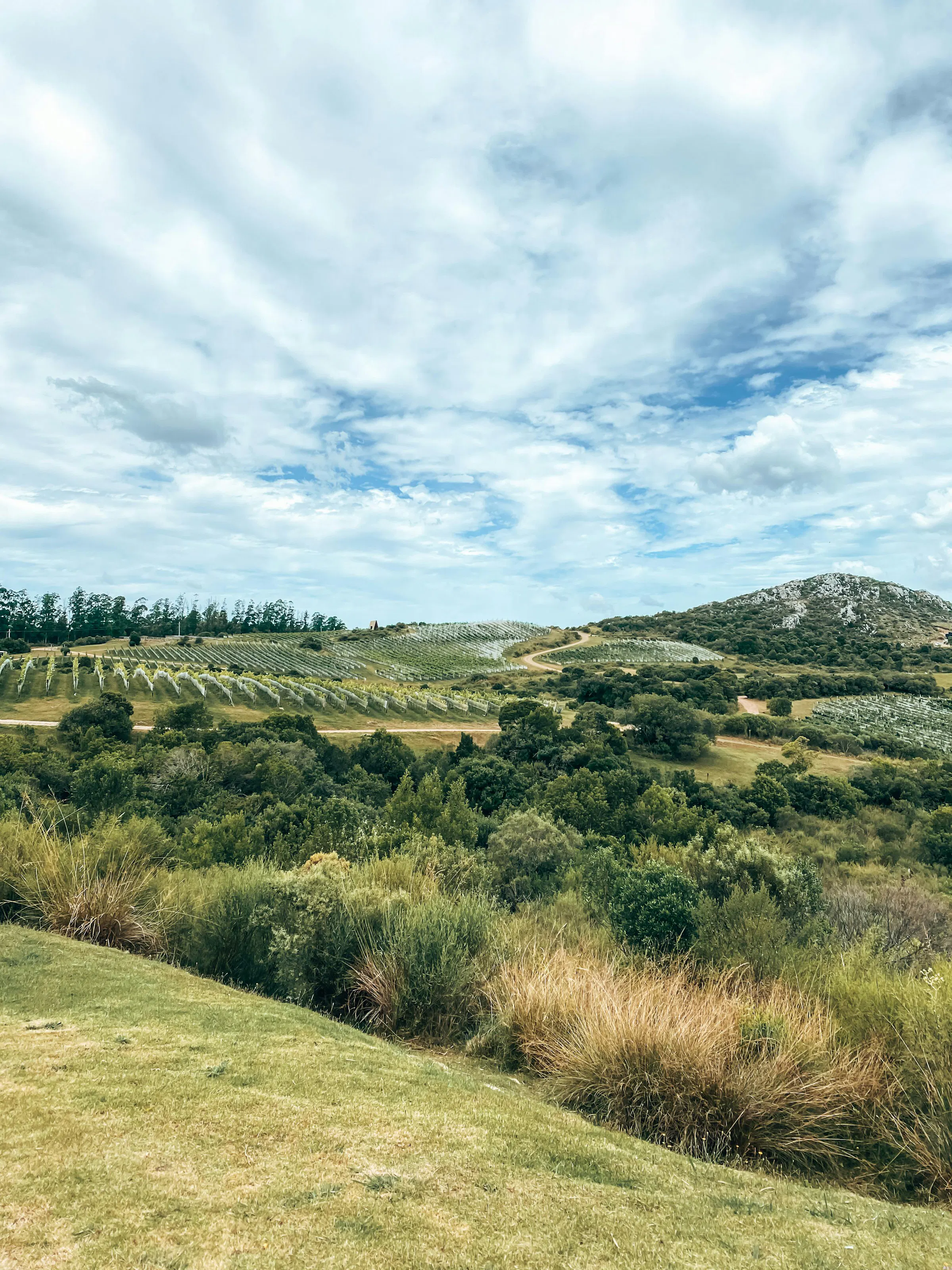
Tannat, a punchy, bold red high in tannins, is Uruguay’s signature varietal. Grapes grown in Uruguay are more akin to Bordeaux than those produced by its Andean neighbors. The climate is coastal, humid, and low in elevation. Generally, wines produced in Uruguay are well-balanced in both acidity and alcohol. The moderating influence of the Atlantic Ocean tempers the heat of summer, giving the wine an energy that’s been described as “fresh” and “vivacious.”
Use these itineraries as a starting point, or as inspiration to create your own journey.