Roaming the wild in Zambia
One of Africa’s wildest experiences, a walking safari in Zambia is the ultimate way to track game in the bush.

March 27, 2026
Walking ahead of me, Viato Zulu—the Wildlife Police Officer assigned to help me safely navigate Zambia's South Luangwa National Park on foot—holds up his fist. Following his cue, I freeze at once. Honed by decades of living alongside animals, his sharp hearing has picked up a noise that my duller senses completely missed. The uncertainty of quiet sets my mind racing. Could it be the two lonely lions that wandered through camp the previous night in search of females?
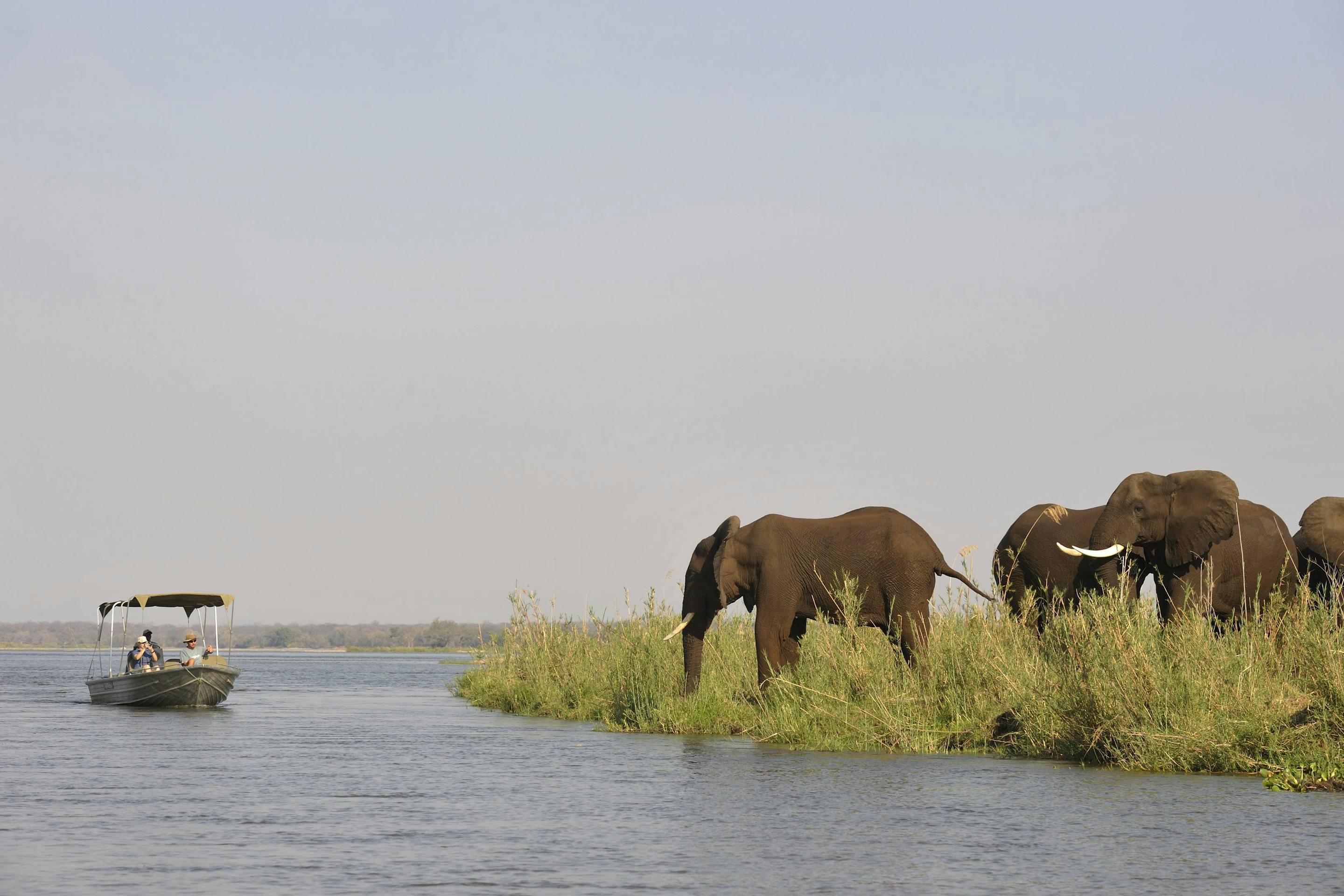
"Elephants." Zulu points to where, roughly 150 feet away into the dense forest of mahogany and Zambezi fig trees, a breeding herd browses the foliage, their trunks lazily picking at branches like children pushing their food around the plate. We pause, unnoticed, to watch them savor their meal before creeping onward.
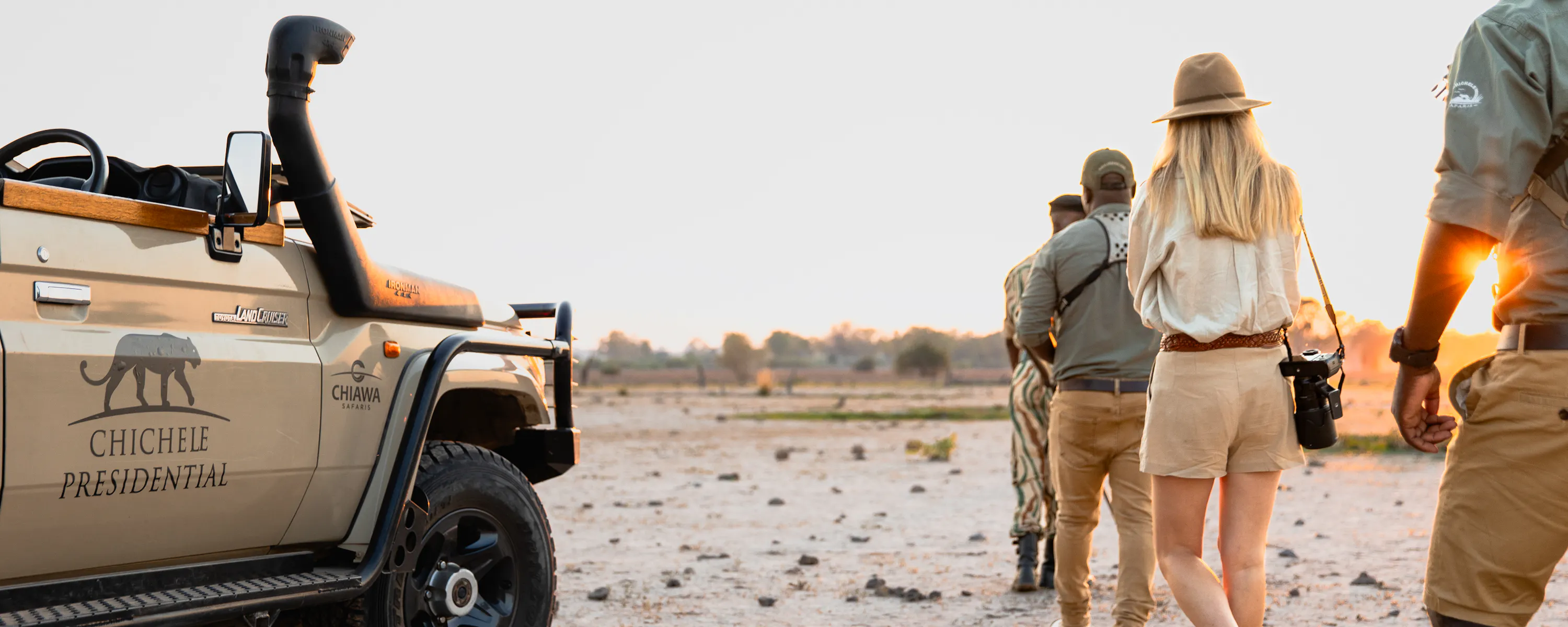
South Luangwa, a protected expanse of land that covers 3,490 square miles at the tail end of the Great Rift Valley System in eastern Zambia, is renowned as the birthplace of walking safaris, pioneered in the region during the 1960s by visionary British conservationist Norman Carr. Exploring the wilderness here is an adventurous experience that invites travelers out of the Land Cruiser and, quite literally, off the beaten path into the midst of raw nature.
At a time when hunting expeditions to Africa were still in vogue, Carr—who worked in the Luangwa Valley as an elephant control officer and game warden—saw a gap in the market. He recognized how photographic safaris could benefit both conservation and communities in the long term and encouraged Senior Chief Nsefu, the paramount chief of the valley's Kunda people, to create a reserve on his tribal land. Together, they built the first game viewing camp open to the public with the profits going to the locals, a responsible tourism model still used throughout much of Zambia. The idea of the walking safari sprouted from this landmark agreement, before spreading to other parts of the country, and eventually, the continent.
Thanks to these early efforts, South Luangwa remains one of the Africa's most abundant sanctuaries. With the meandering yet mighty Luangwa—the most intact major river system in Africa—functioning as a natural border, the valley offers a refuge for large concentrations of animals. Here, seasonal flooding forms tributaries and oxbow lagoons where wildlife finds much-needed relief during the dry season, and travelers, such as me, enjoy exceptional sightings.
Exploring the wilderness here is an adventurous experience that invites travelers out of the Land Cruiser and, quite literally, off the beaten path into the midst of raw nature.
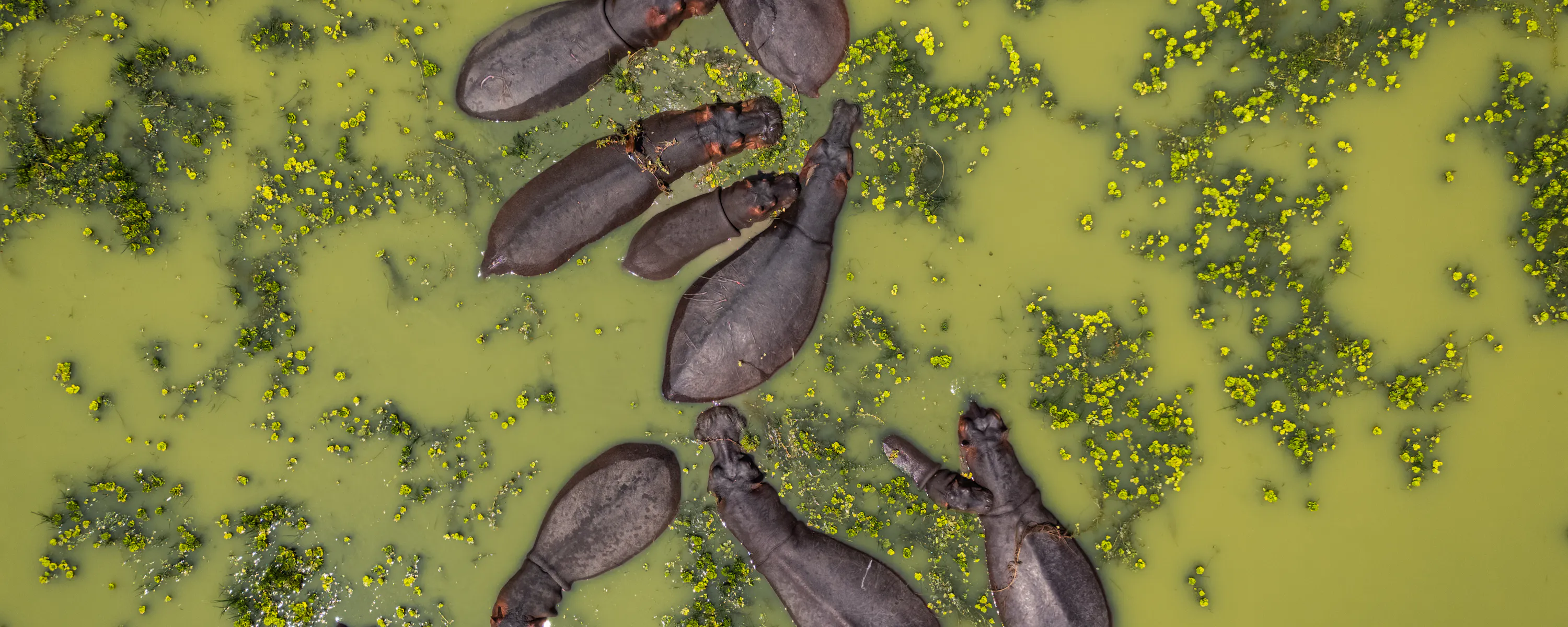
During our next sundowner walk, we are treated to a snapshot of this immense diversity. We stumble upon a tower of 13 endemic Thornicroft's giraffes cautiously (and awkwardly) spreading their front legs to drink from the river. It's estimated that fewer than 600 of this beloved smaller subspecies survive. Meanwhile, a pod of hippos at least 50 members strong bellows from their shallow territory, the dominant male keeping would-be rivals in check. In the distance, a hyena slinks past, pausing momentarily to give us the stink eye. South Luangwa is thriving.
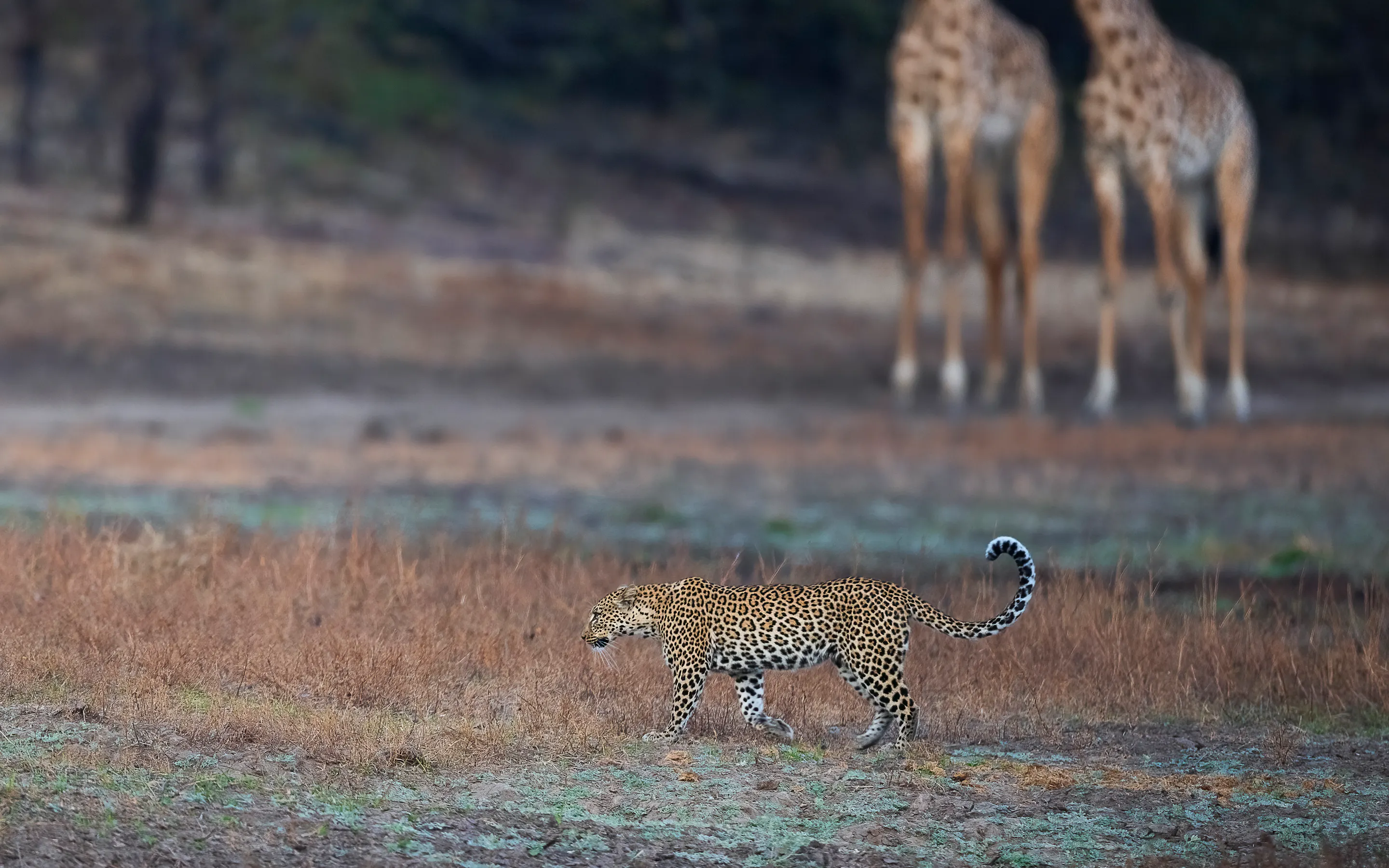
Later, I wake up in the middle of the night to unrelenting barks and howls. It's not the call of endangered African wild dogs, whose numbers are believed to be increasing here, but the panicked alarm of baboons warning anyone who will listen of another rare creature the park is famous for: leopard.
My guide, Mulenga Phiri, explains that South Luangwa's mix of habitats, such as riverine woodlands and grasslands, supports dizzying biodiversity. The variety means more food for hungry predators, including those (like leopards) that may otherwise get pushed out by competitors. While sightings of the elusive animal are never guaranteed, South Luangwa's reputation as the "Valley of the Leopard" is well-earned; it has one of the highest densities of the cat in the world. I'm lucky to see nine individuals during my trip, including a mother with two curious juveniles.
In the morning, Phiri, Zulu, and I set out on our longest walk yet: a four-hour transfer by foot from the camp I’m staying at to the next one. During the journey, we see zero signs of other humans. In South Luangwa, many accommodations are situated near the park gate at Mfuwe, but there are some nestled deeper in the heart of the park. It's not long before we discover the fresh tracks of an adult leopard, possibly the one that spooked the baboons the night before, accompanied by her cub. The little one's footprints are hardly larger than my big toe. Hopeful we might catch up, we diverge from our planned route for a spell, giving up when we realize the trail becomes trickier to follow. The thrill, after all, is often in the chase.
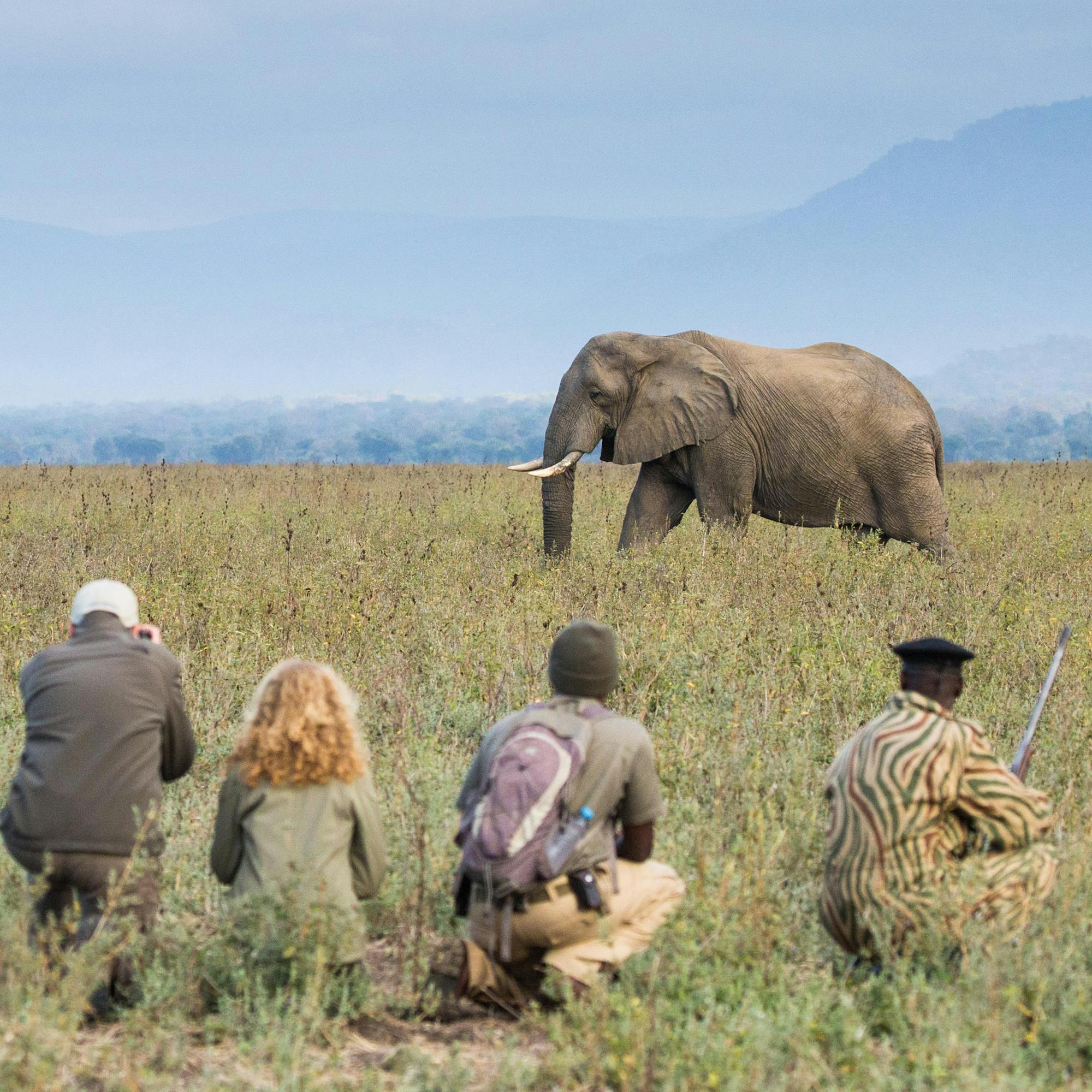
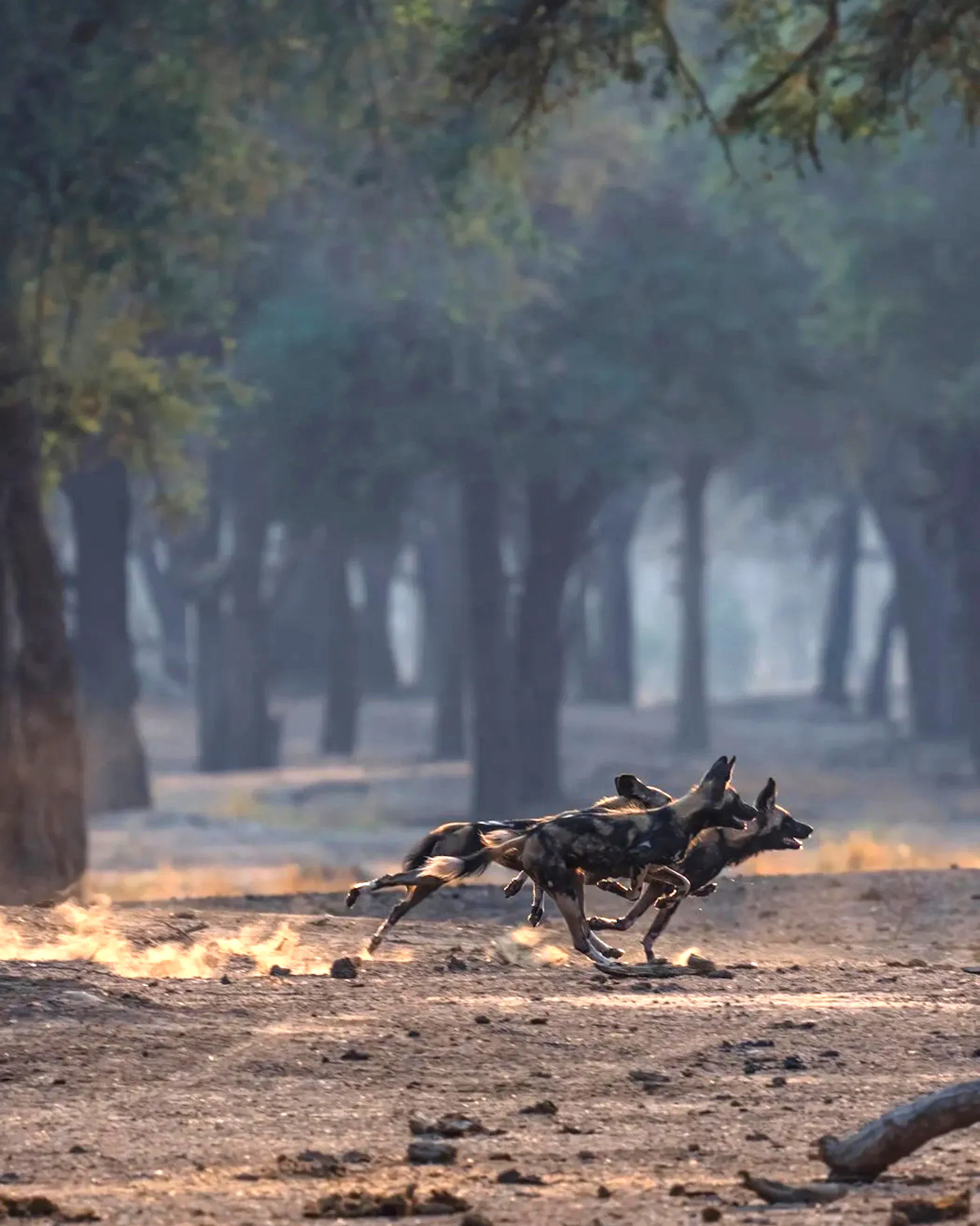
South Luangwa at large remains untouched by mass tourism, but this is safari at its purest and most remote. We meander through the leadwood and mopane forest, absorbing the sights, smells, and sounds of the pulsing life around us.
Phiri, who developed a love for the natural world when he joined his high school conservation club, excitedly points out a flock of Lillian's lovebirds. We manage to approach the playful, candy-colored parrots with a mixture of luck and patience. He reserves as much enthusiasm for a rain tree, so named because it appears like it's drizzling when sap-eating spittlebugs inhabit it and excrete fluid.
If you've never done a walking safari, you might assume that they are full of adrenaline; that predators are hiding under every woolly caper bush waiting to pounce. We do encounter our share of large game, including a wary, lone hippo that—after sizing us up and deeming us harmless—trots off into a thicket. But in practice, spending time in the bush on foot is about so much more than pulse-racing, eye-to-eye meetings with the Big Five.
Phiri reveals details I would otherwise miss, from a rare Pel's fishing owl that favors a branch near our camp to freshwater crab tracks in the dry riverbed. Strolling past intricate weaver nests and towering termite mounds that pre-date the hardy sausage trees growing out of them, I learn more from his encyclopedic knowledge than I do when he's isolated in the driver's seat. Phiri reads the bush with forensic precision. He knows when a guinea fowl kill, little more than a pile of feathers, was made by a bird of prey because there's no saliva and hears alarming birds from what I swear must be miles away. "That's the most important thing to do as a guide: Stop, listen, and scan," he reminds me.
During our week together, my relentless questions don't stump him once. South Luangwa is known for having some of the best guides on the continent, and only those at the highest level are permitted to lead walking safaris. "We need to know everything basically, right down to the soil types and metamorphic rocks," says Phiri.
Our lessons continue during an afternoon game drive when the temperature rises. Undisturbed by other vehicles, we spend more than an hour watching a bull elephant balancing on its hind legs with shocking agility in pursuit of lofty winterthornbranches, one of their favorite treats. "Goodbye brother, thank you for giving us a show," Phiri whispers as we drive off.
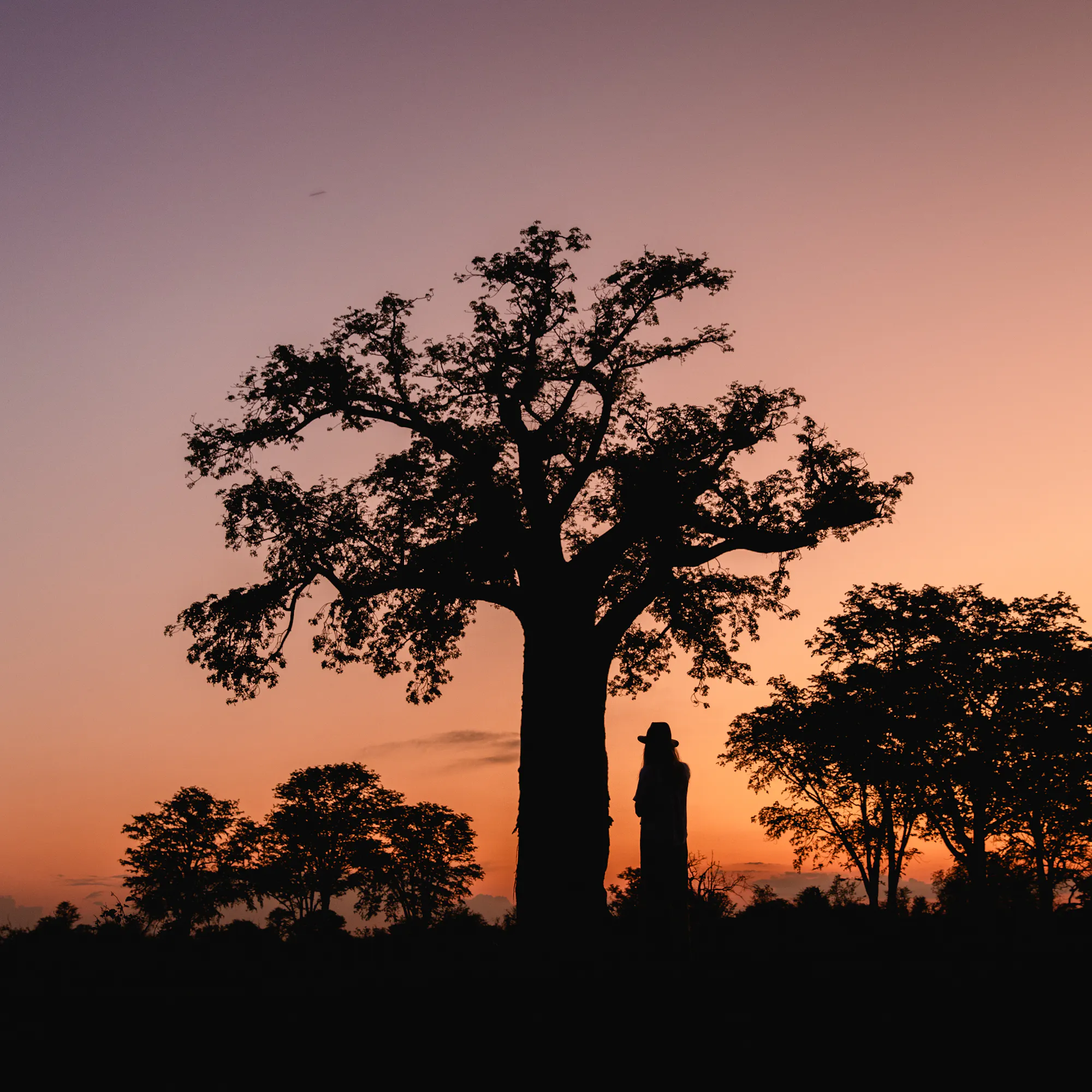
At times, it can feel like you are the only person who has ever set foot in the more secluded sections of the valley—but that is far from the case. We drive to see a stately, 1,000-year-old baobab where local communities met for legal proceedings before they were relocated by the government when South Luangwa was declared a national park in 1972. Phiri later shows me the remains of a former village, now found near Mfuwe, shards of ceramic pottery wedged in the dusty ground.
It's a poignant reminder of the enduring connection between community and conservation that responsible operators since Carr's days strive to honor. Phiri himself has taken the lead on a new initiative in partnership with Conservation South Luangwa to curb human-wildlife conflict with locals who struggle with elephants venturing into their villages.
"We organize community game drives to show them the elephants in their natural habitat," he says. "One day, we had a 68-year-old lady who has known me since I was a little boy. It was her very first time in the park. She said, 'They seem so calm, but when they come into the village they cause so much trouble.' I told her it's because here we don't chase them all over the place. Here they can be peaceful."
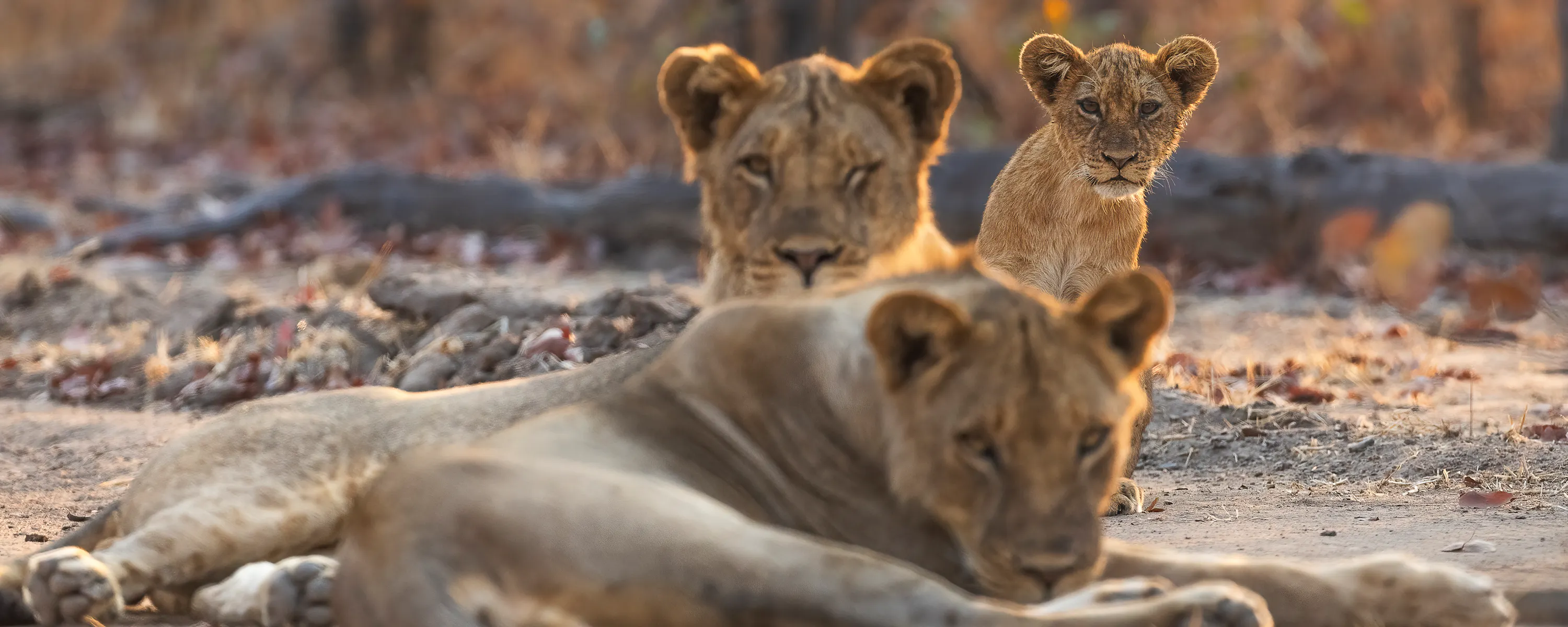
Back near Mfuwe one morning, Phiri and I hear the unmistakable death bellows of a Cape buffalo as we start to drink our coffee on the deck of our lodge. Knowing there must be a kill nearby, we quickly hop into the vehicle and drive a couple of minutes to find 14 lions huddled around a dugga boy (an old male Cape buffalo). The pride fills their bellies, growling and snarling amongst themselves over who will get the prime cuts.
We may have returned from the depths of the park, but in South Luangwa, the wild prospers everywhere you look.
March 27, 2026
Explore our itineraries
Every trip with Extraordinary Journeys is tailor-made, crafted in collaboration with one of our destination specialists. Use these as a starting point, or as inspiration to create your own journey.