Islands in the dream: Family travel to Indonesia
Indonesia's vast and diverse archipelago is a fantasyland for families, who discover fascinating cultures and raw, wild landscapes while perhaps even transforming themselves

March 9, 2026
Jurassic jungles. Fragrant night markets. Rare wildlife. Frothy waterfalls and curling surf. Ornate Hindu temples and vast Buddhist monuments. Horses swimming in otherworldly aquamarine. Prehistoric landscapes roamed by living dragons. Incense and awe mix in the air. With such vastness and diversity, describing Indonesia and its 17,000-plus islands is almost impossible. But it's worth trying, since every attempt serves as a reminder that the archipelago is absolutely bursting with moments of wonder. Perhaps even more so for young people.
In short, it's a waking dream; a fantasy full of new tastes and textures, faces and sounds, colors and creatures and beliefs. The country is remarkably, indisputably different from the U.S., and even several hours would be enough to make a lifelong impression on a child. Imagine what a week would do.
The truth is, regardless of their age, Indonesia captivates every visitor with its idiosyncratic charms and breathless natural beauty. It's far more than a lovely destination. It's a place for transformational travel that moves and affects people far after they've flown home. The auspicious clang of a gamelan ensemble is as unforgettable as the feeling of swimming beside a 26-foot-long whale shark. The vibrance of undulating rice paddies is as indelible as the bustle of a food market.
While Bali and Sumba in particular are appropriate and super friendly stops for even the littlest ones, the full depth and breadth of Indonesia is best appreciated by families with slightly older kids who can ask questions, engage and participate wholly, whether it's in surf lessons and horseback riding through verdant foliage or multi-sensory cooking classes and snorkeling with manta rays.
This Southeast Asian idyll might seem far-flung (there’s no denying it’s a bit of a trek to get here), but that effort is rewarded in manifold ways. When traveling such a distance, it's best to island hop via domestic flights but also on water—sailing the seas on a luxurious traditional phinisi boat—in order to experience as many of the bold and enticing environments as possible with your nearest and dearest. A meaningful immersion in Indonesia's many cultures, landscapes, and exploits are easily the adventure of a lifetime, and sharing it with one's family is the richest gift of all. Here we delve deep into six Indonesian islands ideal for a family adventure.
Bali
Overexposed as it can at times feel, there is truly nowhere else like the crown jewel of Indonesia: Bali—it even has its own characteristic brand of Hinduism, which colors most interactions with a hazy warmth of incense smoke and frangipani blooms. The Balinese people are notoriously affectionate with and enthusiastic about children (in fact, this is true throughout Indonesia). It’s also an island practically overflowing with wild and wonderful moments. From dressing in sarongs to feed tribes of long-tailed macaques in the lesser-known Sangeh Monkey Forest to joining forces with a guru-like local cooking teacher in the village of Keliki to cook an incredibly scrumptious Balinese feast; from streaming down the Ayung River in whitewater rafts or floating in a ribbon of inflatable tubes to dipping heads in centuries-old temple fountains during a purification ceremony called melukat.
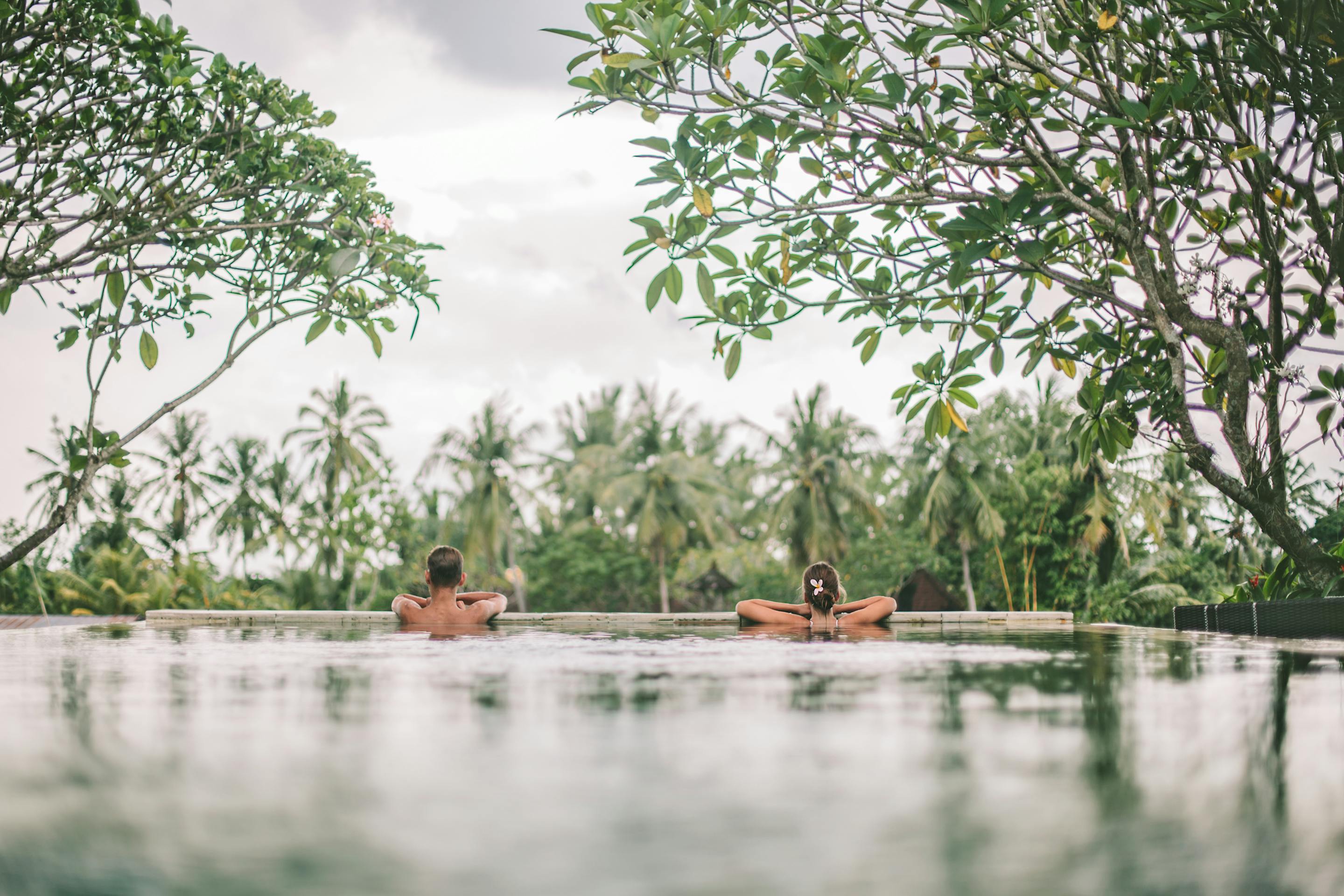
The bucolic resort of Nirjhara is an offbeat and amazing place to be based for crowd-free waterfall treks and cycling tours that thread through lush rice terraces, beach days to frolic with local youth and try beginner surf lessons on the black-sand KedunguBeach, and mystical sunset blessings at Tanah Lot sea temple. From riveting kecak fire dances to pastoral farm visits in Sidemen, Bali offers an abundance of activities to curious families.
Lombok and Sumba
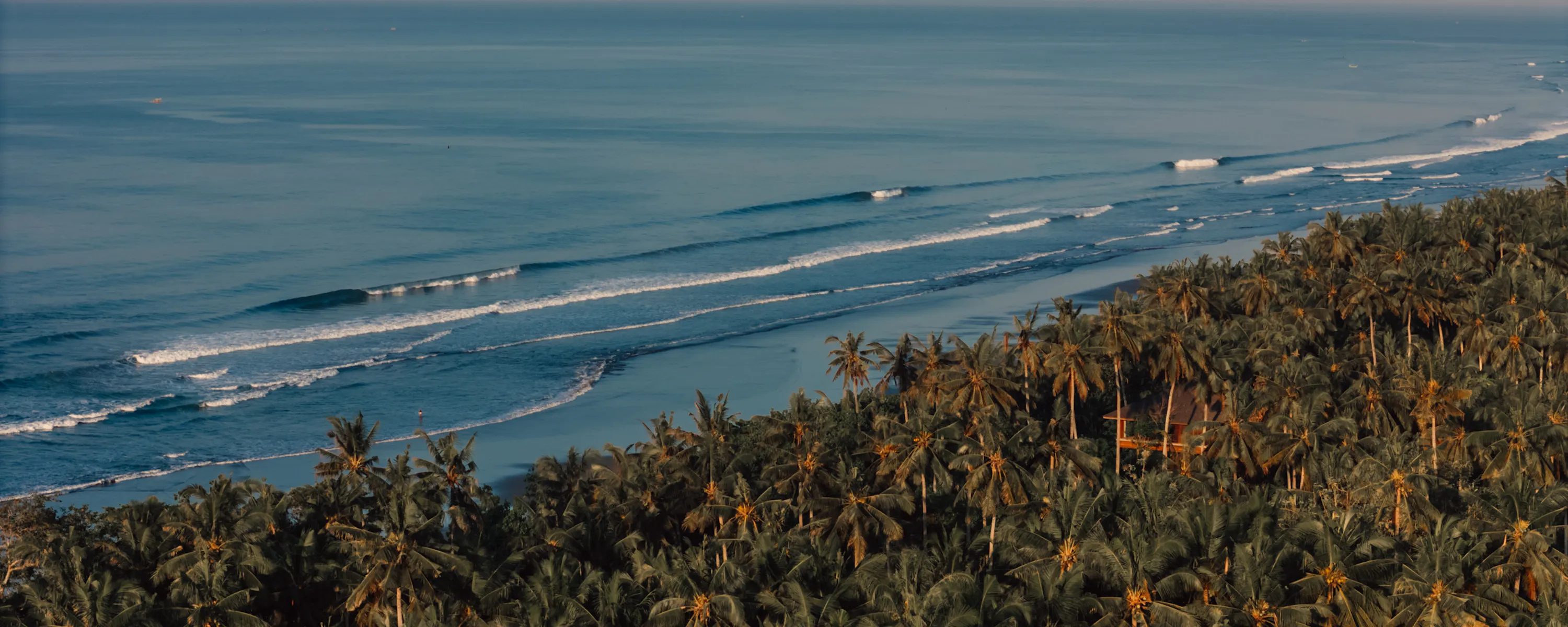
All Indonesian beach escapes don't look like Bali, not by far. Lombok, the slightly smaller neighbor to the east, is an experience all its own, with an even more electric blue ocean rolling ashore its white-sand beaches, Muslim calls to prayer floating over the air, and an engrained enthusiasm for both adventure and artisanship. If the south of Lombok is where families will find fun in the sun, sand and salt—surf lessons included—the north is where you'll discover opportunities to hike in virginal forests around Mount Rinjani. Go with Rinjani Women Adventure, a local female-founded outfit with professional women trekking guides, where trekking tours include culinary immersions in indigenous Sasak traditions and splashing around in impressive waterfalls. Not too far away, Tugu Lombok sits on a white-sand beach with plentiful land and sea excursions.
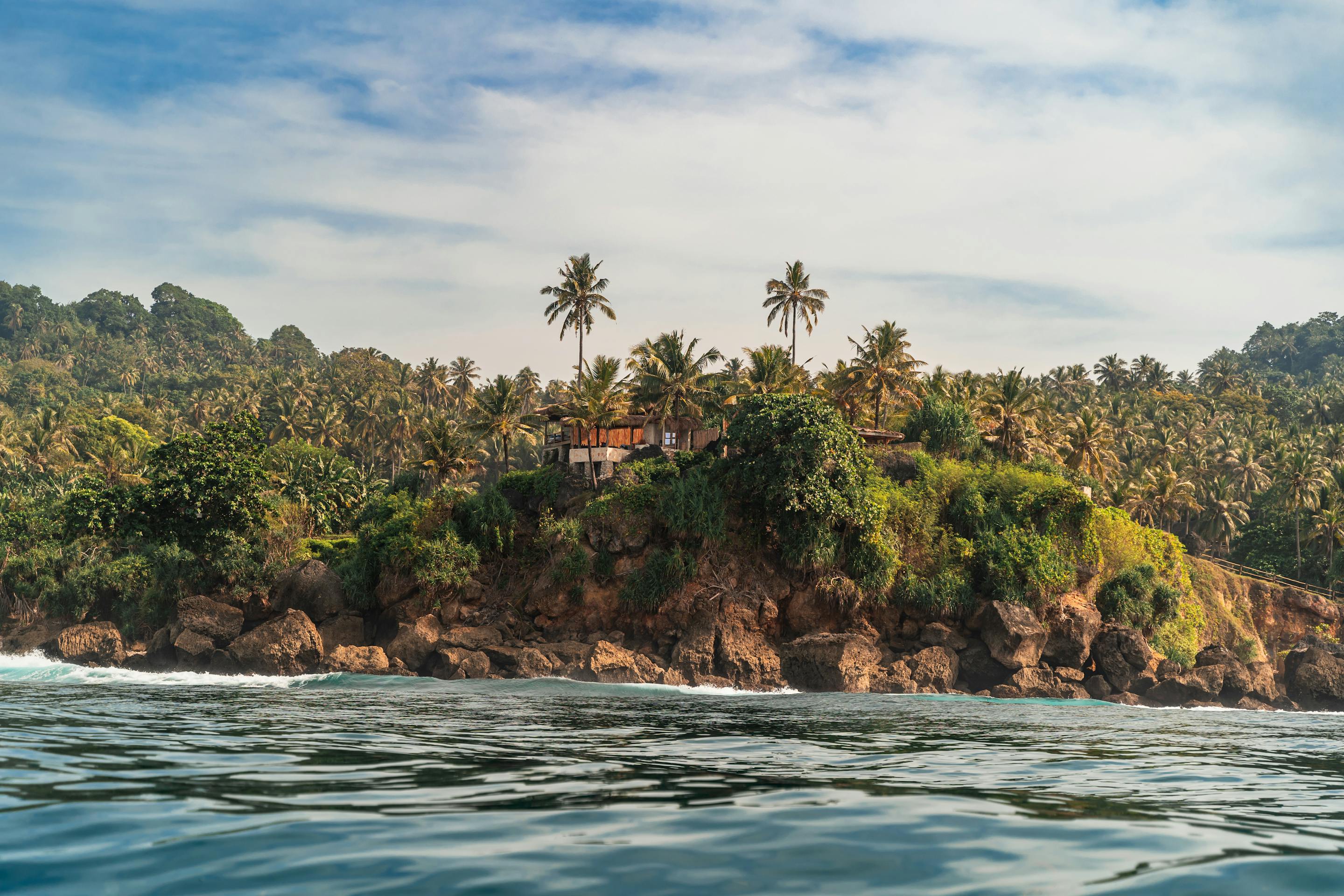
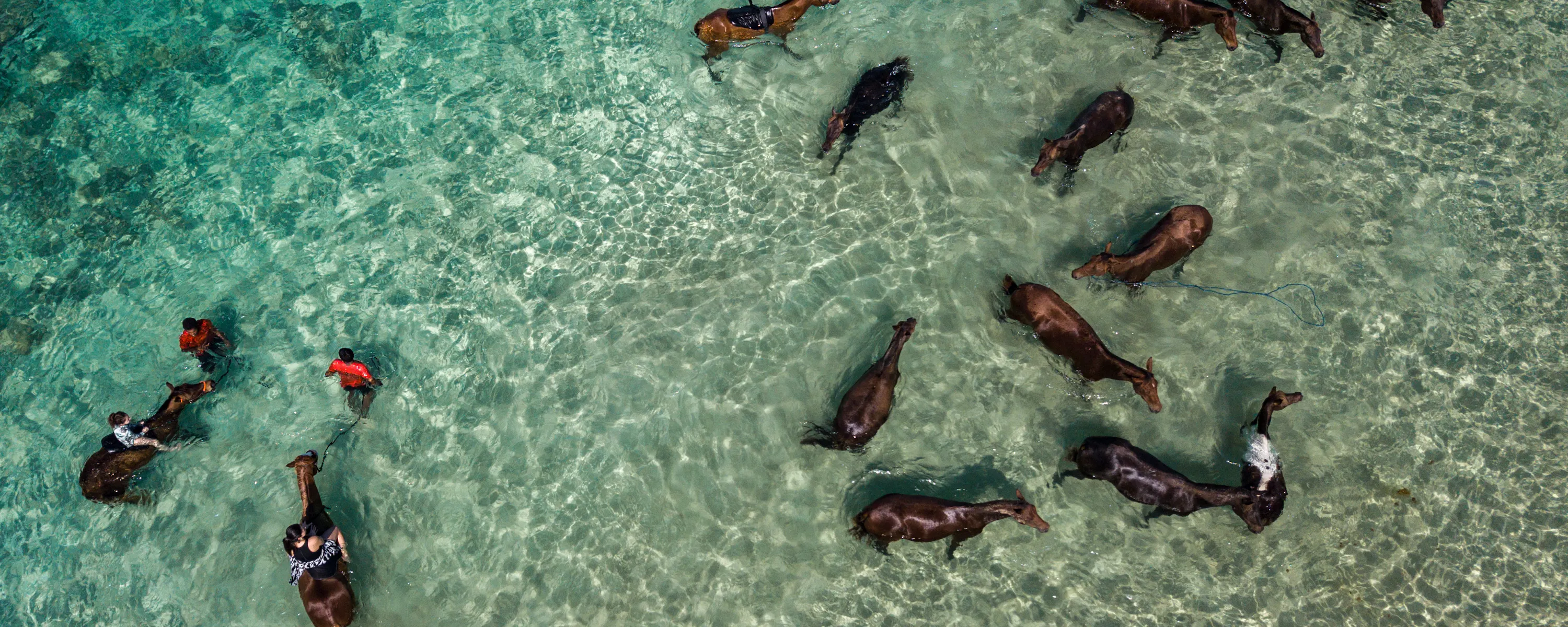
Eastward still, Sumba, is even more off the tourist trail and in many ways, is the polar opposite of Bali. Where the latter has rice fields, Sumba has infinite cornstalks waving in the wind. It is populated by buffalo, not monkeys, empty beaches, and a special breed of horses—sandalwood ponies to be exact—that have become synonymous with the idiosyncratic experiences to be had on the isle. In a place with very little development, the most famous resort, NIHI Sumba's most notable feature is its gorgeous, happy herd of horses, who run wild along the beach each day and take guests of all ages on rides—swims, really—into the sparkling shallows of incandescent seafoam green.
It's a non-negotiable must for families exploring Sumba, where nature still feels endless and quiet and yet there are also fascinating local villages to witness with their soaring hat-like thatched roof houses, massive stone tombs and wide-smiling children who will surely share mutual fascination with visiting offspring. For families with older kids who seek once-in-a-lifetime experiences, plan the trip around the only-on-Sumba tradition of pasola, an intense and electric horseback jousting-like competition taking place in a variety of regions annually that is guaranteed to sear into everyone's collective memory.
Komodo
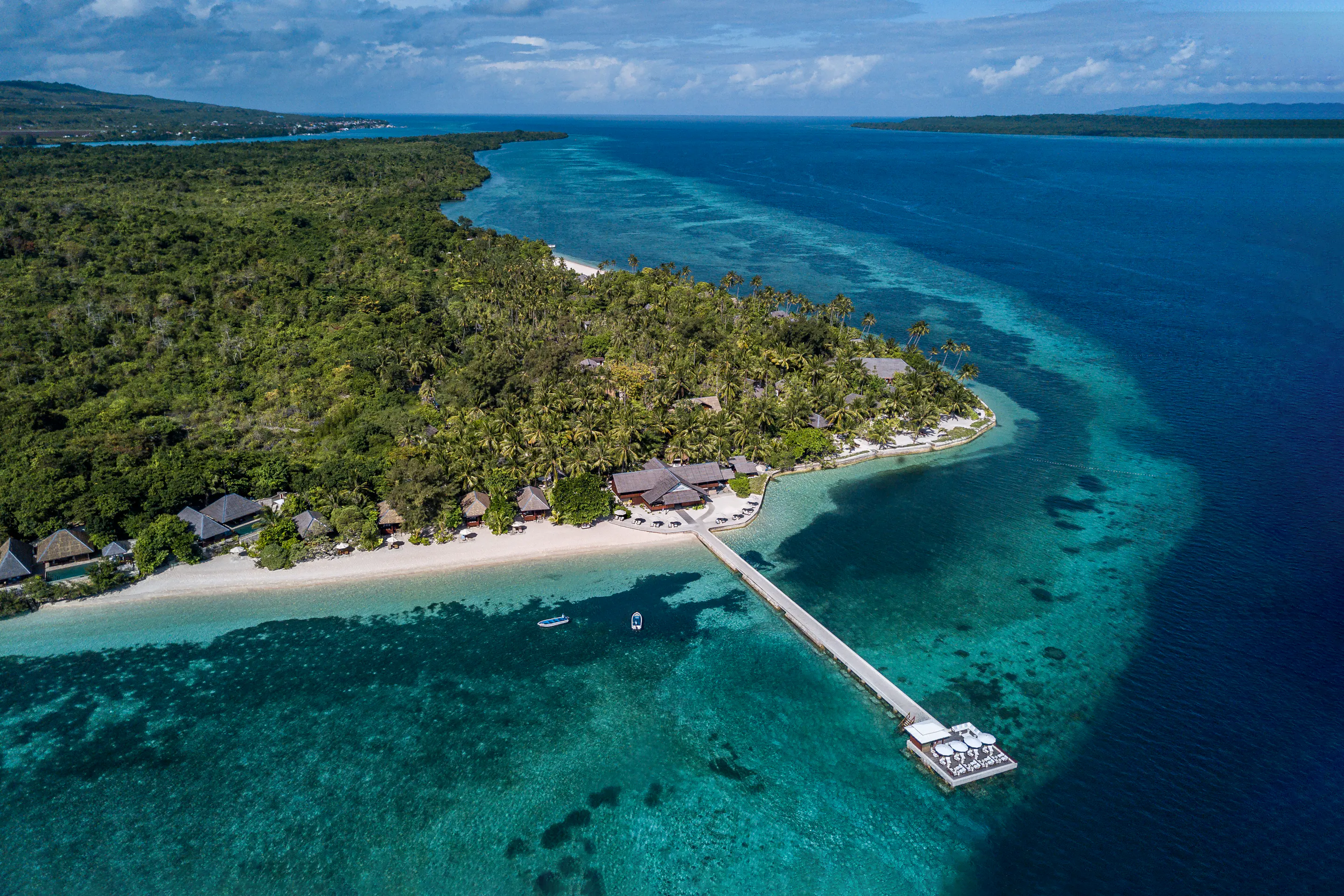
The aforementioned dragons are a hallmark of Komodo National Park, the UNESCO World Heritage Site that spans 669 square miles of pristine land and water. You need only possess a childlike sense of wonder to appreciate the tongue-flicking creatures that are so fabled and fierce yet quite lazy looking. Visits to view Komodo dragons, as well as to marvel at the ultra-pink Pink Beach nearby, are most spectacular (and totally singular) when navigating the Komodo region via private chartered phinisi, a two-mast sailing boat with up to eight striking sails.
The uber-luxury versions of this piece of UNESCO intangible heritage—such as the three-cabin, 98-foot Mischief—are most appropriate for children eight and older who are comfortable not just cruising from island to island but hopping into the diamond-clear water with snorkels and all manner of megafauna, from whale sharks to manta rays. Experienced captains are constantly seeking out the most unimaginable sites for their guests to have intimate encounters with few people around.

You need only possess a childlike sense of wonder to appreciate the tongue-flicking creatures that are so fabled and fierce.
Borneo
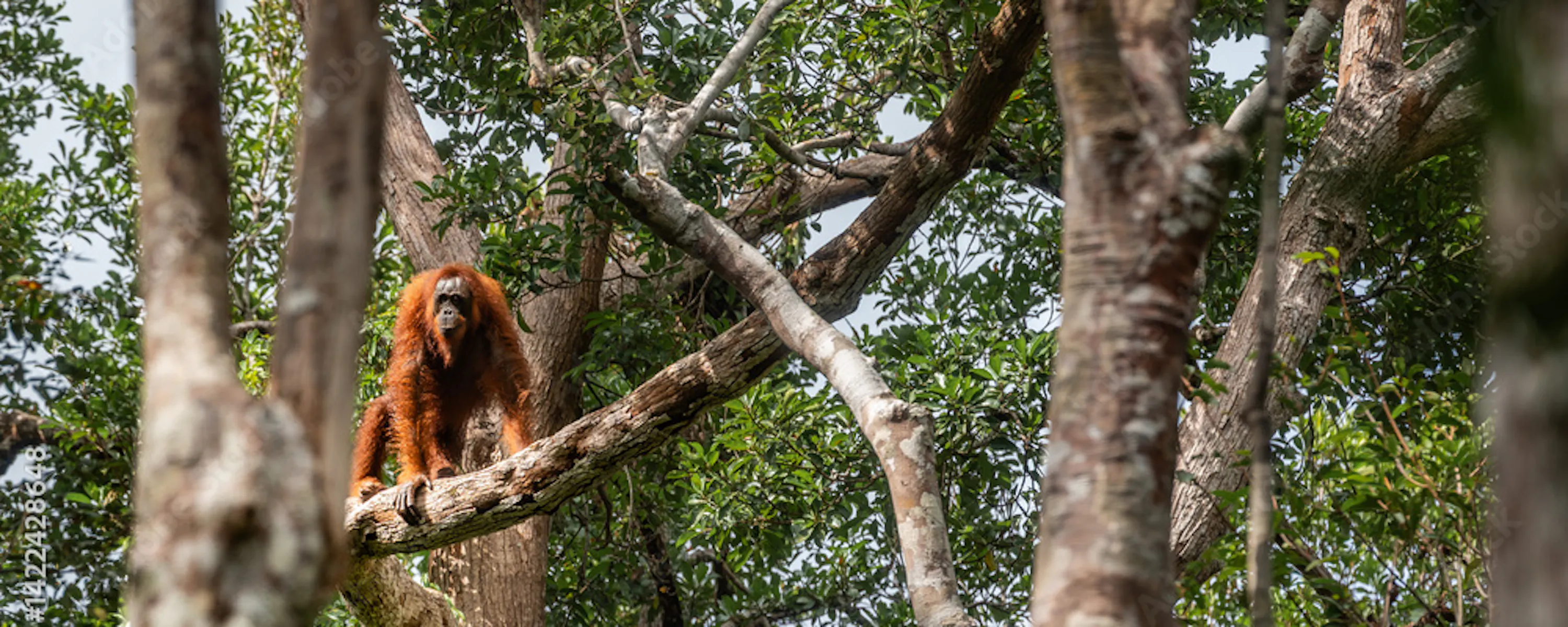
Cruising inky backwater channels lined with dense emerald rainforests while playing "I spy" with eyes peeled for exceedingly hairy orange Bornean orangutans is pretty much the definition of rare experience. It's a primate safari, in a way, that is sure to captivate every age of family member. The critically endangered great apes are found on the island of Borneo, a portion of which is Indonesia's Kalimantan. Typically, this adventure involves several days aboard a private klotok riverboat charter in Tanjung Puting National Park—for many, it is ultimate Southeast Asian wildlife adventure.
Slightly rugged, a bit daring, and completely away from the well-trodden path, the success of a guided escapade on the Sekonyer River is not left up to chance, but includes guaranteed sightings along the way at rehabilitation centers for the playful, intelligent and surprisingly gentle species.
Java
Nothing enlivens the senses like a slow walk through a market, piles of technicolor produce and fragrant foods sold by women with wizened smiles. This is just one of many ways family travelers are introduced to Javanese culture on Java, the most populous island in Indonesia (and actually the world), home to some 150 million people. While that number may sound shocking, one of the many joys of cultural Java is that visitors get to feel a part of humanity while touring vibrant cities such as Yogyakarta and some of the most elaborate and incredible temples and mosques in existence—fantastical, intricately carved Borobudur in particular, the world's largest Buddhist monument and a major pilgrimage point—plus learning, hands on, art forms including batik and gamelan instrumentation.
In the course of this are sublimely peaceful moments, too, such as at Taman Sari water palace, and active jaunts that add even more excitement to sightseeing, whether it's horse-and-cart rides through bucolic villages to peek into local life and its many nuances, cycling trips in partnership with an NGO in Candirejo, trying your hand at traditional jemparingan archery, or hopping into a colorful human-powered becak pedicab to catch a glimpse of the city's iconic shadow puppet shows.The riverview Garrya Bianti Yogyakarta is a tranquil spot to base yourself in.
March 9, 2026
Explore our itineraries
Every trip with Extraordinary Journeys is tailor-made, crafted in collaboration with one of our destination specialists. Use these as a starting point, or as inspiration to create your own journey.